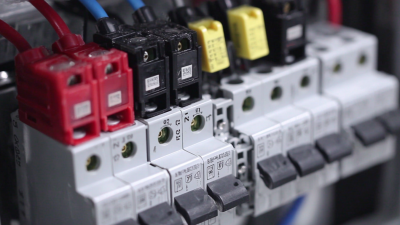
2026 Top Microprocessor Based MCCB Trends What Buyers Need to Know?
In the rapidly evolving world of electrical equipment, Microprocessor Based MCCB (Molded Case Circuit Breakers) are making waves. These advanced devices enhance system reliability and efficiency. As we approach 2026, understanding the latest trends in this technology becomes crucial for buyers.
Microprocessor Based MCCBs offer enhanced features over traditional options. They provide precise control and real-time monitoring. The integration of smart technology allows for better fault detection and response. This capability can significantly reduce downtime and maintenance costs. Buyers need to recognize the importance of choosing the right specifications to match their operational requirements.
However, not all Microprocessor Based MCCBs are created equal. Some can be more complex than necessary, resulting in potential misconfigurations. It's essential for buyers to evaluate their needs carefully and seek expertise when selecting products. Engaging with knowledgeable suppliers can help navigate this intricate landscape. By understanding current trends, buyers can make informed decisions that enhance their system's performance and safety.
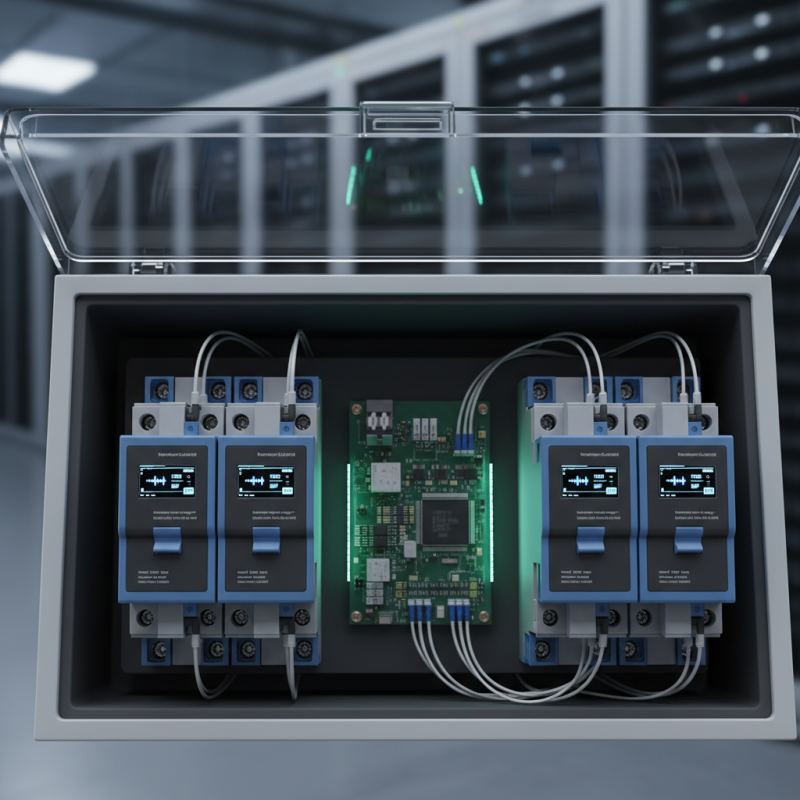
2026 Microprocessor-Based MCCB Market Overview and Growth Projections
The microprocessor-based MCCB (Molded Case Circuit Breaker) market is witnessing significant growth. Reports indicate a market expansion rate of over 8% annually through 2026. This trend is propelled by the increasing need for reliable and efficient electrical systems. As industries digitize, the demand for intelligent circuit protection rises.
Microprocessor enhancements in MCCBs enable real-time monitoring and control. These features improve fault detection and reduce downtime. A recent study highlighted that about 25% of electrical failures are due to inadequate protection. Buyers are urged to focus on advanced functionalities like self-diagnostics and communication capabilities. Such features provide profound insights into power management.
Cost considerations remain crucial. While microprocessor-based units may have a higher initial cost, their long-term savings on maintenance and risk mitigation are substantial. Companies may face challenges in selecting the right unit, given the multitude of options. It's vital to weigh immediate versus future benefits.
2026 Top Microprocessor Based MCCB Trends What Buyers Need to Know
| Trend |
Description |
Market Share (%) |
Growth Rate (CAGR %) |
| Digital Integration |
Enhanced functionalities with IoT connectivity. |
35 |
10% |
| Energy Efficiency |
Focus on reducing power consumption and improving efficiency. |
30 |
8% |
| Enhanced Safety Features |
Integration of advanced protection mechanisms. |
20 |
12% |
| Smart Monitoring Systems |
Real-time data analysis and monitoring solutions. |
15 |
9% |
Key Features of Advanced Microprocessor-Based MCCB Designs
Microprocessor-based Molded Case Circuit Breakers (MCCBs) are evolving rapidly. These advanced devices provide enhanced protection and control for electrical systems. Key features distinguish them from traditional MCCBs. Enhanced accuracy in fault detection is one major advantage. According to industry research by MarketsandMarkets, the microprocessor-based MCCB market is set to grow at a CAGR of nearly 6% from 2021 to 2026.
Another crucial feature is connectivity. Many new designs support IoT integration. This allows for real-time monitoring and data analysis. Users can track performance and identify potential issues early on. However, integrating these systems can be complex. Ensuring compatibility with legacy systems remains a challenge.
**Tip:** When selecting an MCCB, consider its communication capabilities. Devices with robust connectivity options offer future-proof advantages.
Advanced features like adjustable trip settings offer tailored protection. Users can configure thresholds based on specific needs. This flexibility enhances system reliability. Yet, it may complicate installation and maintenance processes. Proper training is essential for users.
**Tip:** Invest time in understanding the features you need. Not all settings may be necessary for your application.
2026 Top Microprocessor Based MCCB Trends
Impact of Industry 4.0 on Microprocessor-Based MCCB Technology
The impact of Industry 4.0 on microprocessor-based MCCB technology is profound. Advanced data analytics and IoT integration are reshaping electrical protection devices. According to recent market reports, the demand for intelligent circuit breakers is growing. The global MCCB market is projected to reach $7.81 billion by 2026, with a significant portion driven by microprocessor capabilities.
Microprocessor-based MCCBs enhance automation in industrial settings. They provide real-time monitoring and predictive maintenance. These features reduce downtime and increase operational efficiency. As industries adopt smarter manufacturing practices, traditional MCCBs may lag behind. Many companies face challenges in adapting to these rapid changes. Integration of legacy systems with modern solutions can be complex.
Moreover, data security remains a crucial consideration. Microprocessor-based devices collect sensitive operational data. Securing this data is essential to prevent cyber threats. An emphasis on compliance with data protection regulations is necessary. This emphasizes the need for reliable technologies that prioritize safety and security. Industry players must navigate these evolving demands carefully.
Cost-Benefit Analysis of Adopting Microprocessor-Based MCCBs
Microprocessor-based molded case circuit breakers (MCCBs) are evolving rapidly. As industries look for more efficient solutions, the cost-benefit analysis of adopting these technologies becomes crucial. Traditional MCCBs often lack the flexibility needed in today’s fast-paced environments. In contrast, microprocessor-based models offer enhanced functionalities, including precise current monitoring and fault diagnostics. This shift can lead to significant savings over time.
While the initial investment in microprocessor-based MCCBs may be higher, the long-term benefits can outweigh the costs. Reduced downtime and improved operational efficiency are significant advantages. Industries report lower maintenance costs due to the advanced monitoring capabilities of these MCCBs. Nevertheless, organizations must evaluate their unique operational needs. Not every application may justify the upgraded technology.
It is essential to consider both technological advancements and specific usage scenarios to make informed decisions. Understanding the real value of microprocessor-based MCCBs requires careful analysis. Users must weigh the upfront costs against potential operational savings. This involves looking closely at failure rates, maintenance frequency, and how these factors impact overall productivity. It’s a complex decision-making process that demands critical thinking and thorough investigation.
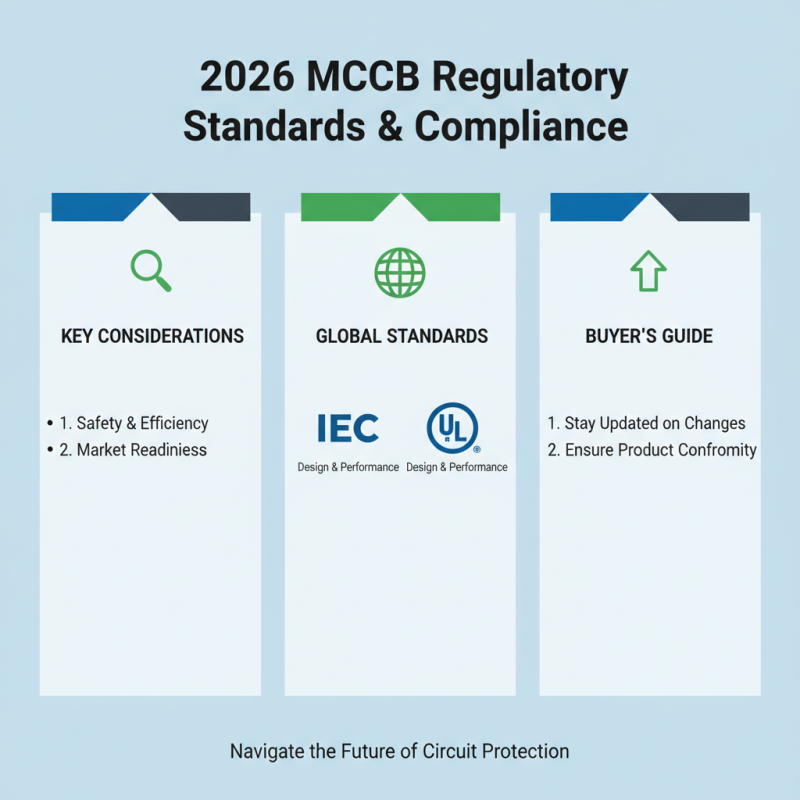
Regulatory Standards and Compliance for 2026 MCCB Buyers
When considering the 2026 market for microprocessor-based molded case circuit breakers (MCCBs), understanding regulatory standards is crucial. Buyers need to be aware of various compliance requirements that ensure both safety and efficiency. Standards set by organizations like IEC and UL regulate the design and performance of MCCBs. These guidelines may evolve, necessitating that buyers stay updated on changes.
Customers must also note that regulatory compliance is not merely about meeting standards; it's about ensuring compatibility with existing systems. Newer models might adhere to stricter regulations, but existing infrastructure may require adjustments. The process can seem daunting, especially for businesses unfamiliar with electrical codes. Collaboration with skilled professionals is vital. Their expertise helps bridge gaps, ensuring both compliance and operational excellence.
Moreover, buyers should reflect on their understanding of these standards. It can reveal potential weaknesses in their purchasing process. Are they investing enough time to grasp emerging standards? Underestimating this aspect can lead to costly mistakes. Buyers should document compliance criteria and frequently review them to stay competitive in this evolving market.

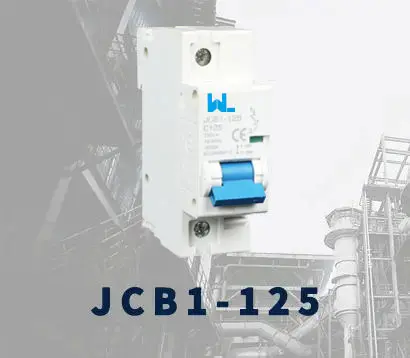 JCB1-125
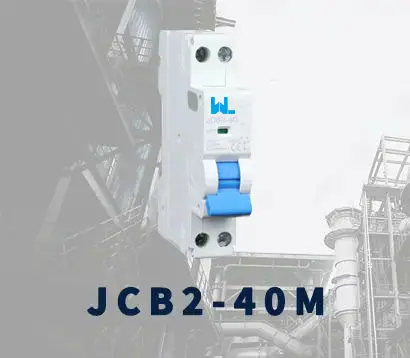 JCB2-40M
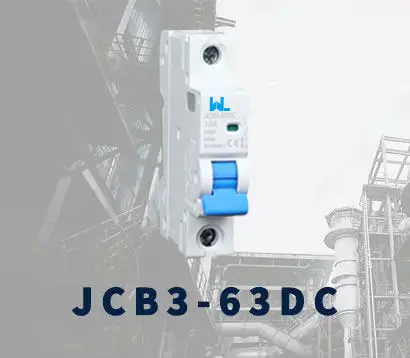 JCB3-63DC
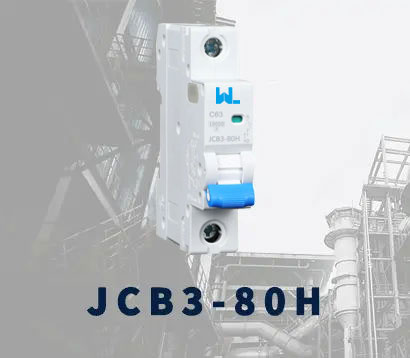 JCB3-80H
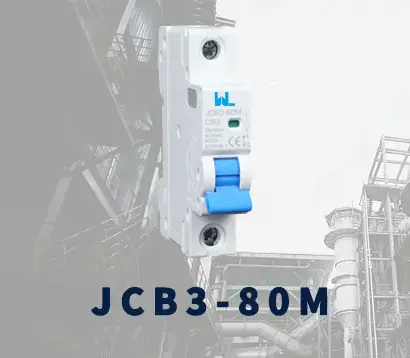 JCB3-80M
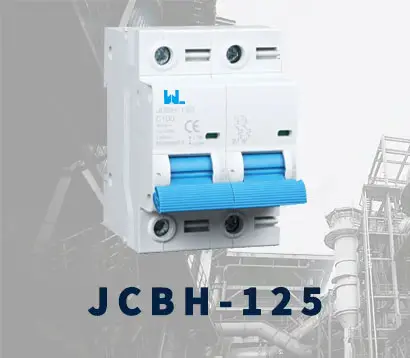 JCBH-125
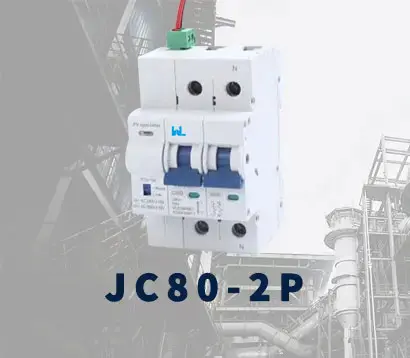 JC80-2P
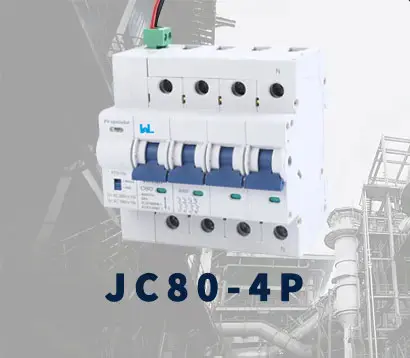 JC80-4P
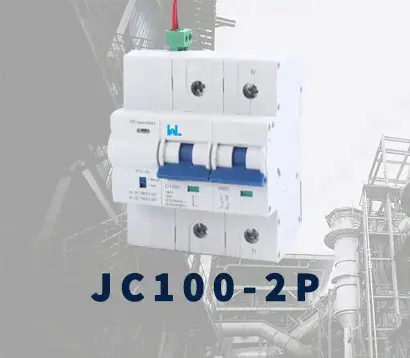 JC125-2P
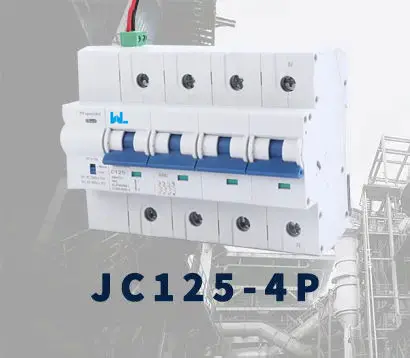 JC125-4P
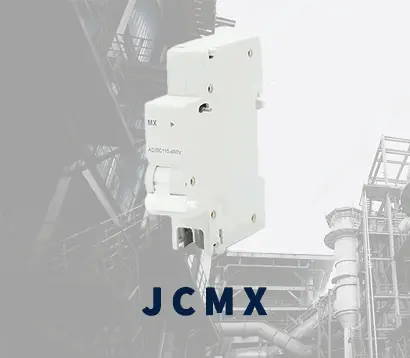 JCMX
JCMX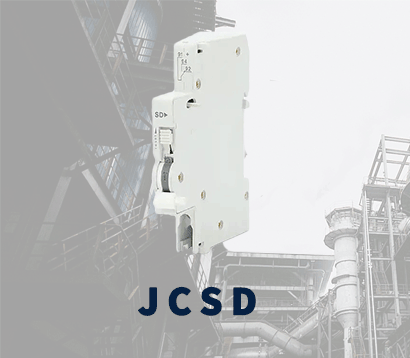 JCSD
JCSD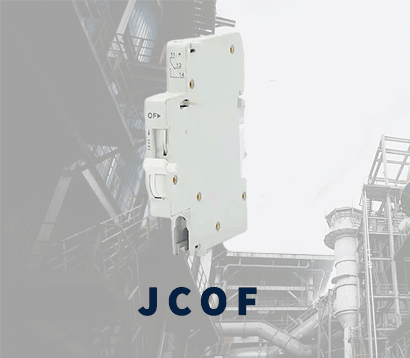 JCOF
JCOF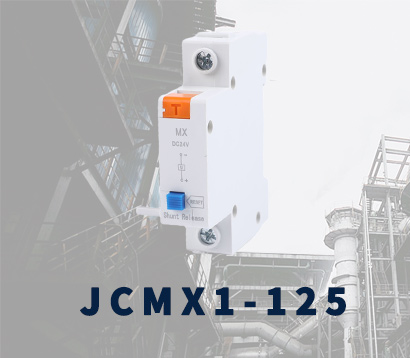 JCMX1-125
 JCOF1-125
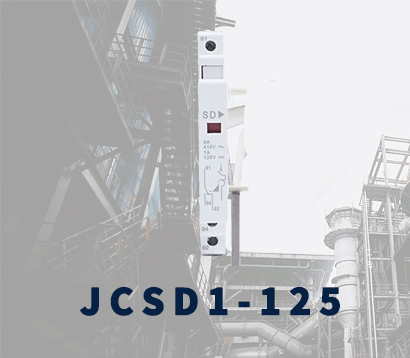 JCSD1-125
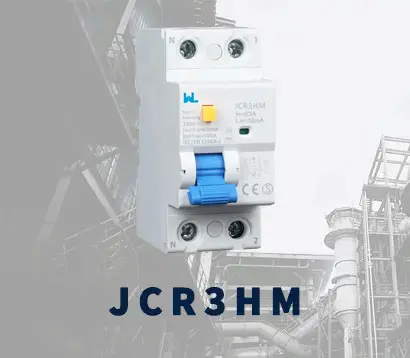 JCR3HM
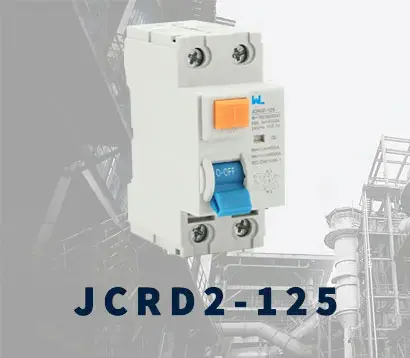 JCRD2-125
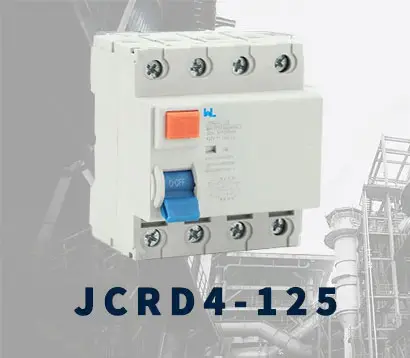 JCRD4-125
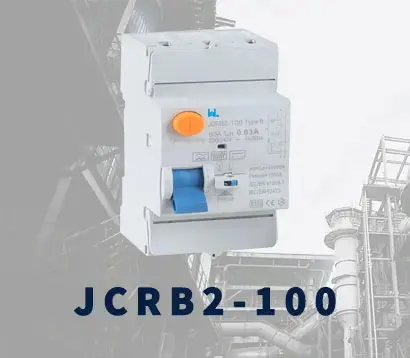 JCRB2-100
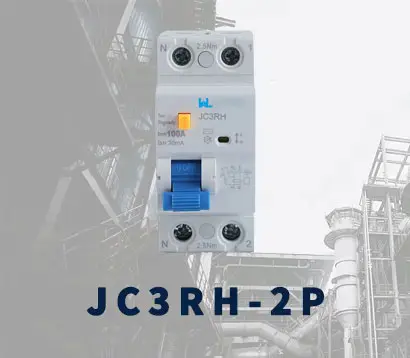 JC3RH-2P
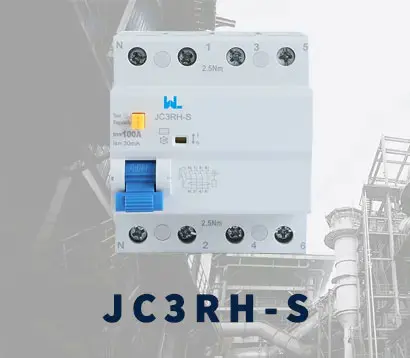 JC3RH-S
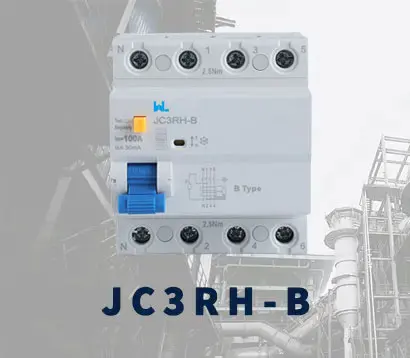 JC3RH-B
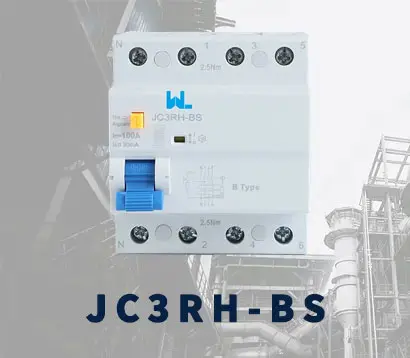 JC3RH-BS
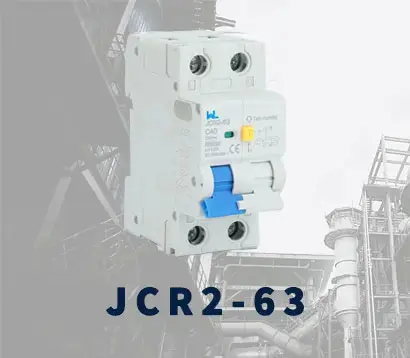 JCR2-63
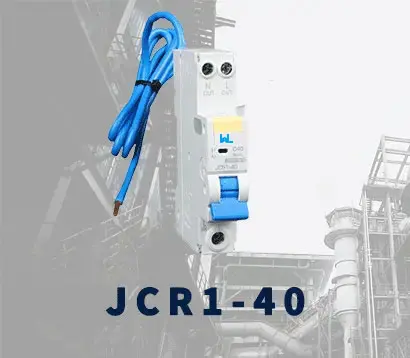 JCR1-40
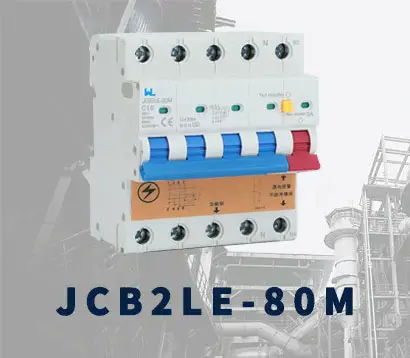 JCB2LE-80M
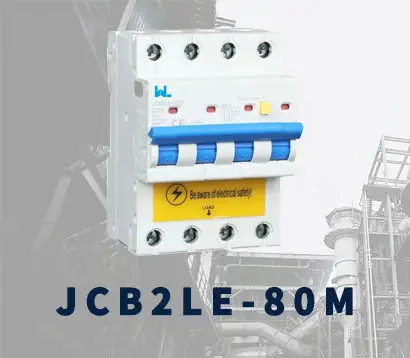 JCB2LE-80M
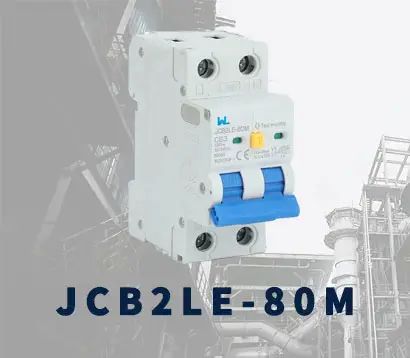 JCB2LE-80M
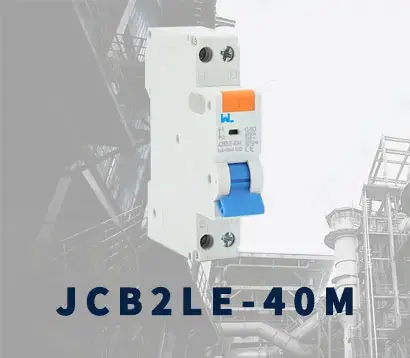 JCB2LE-40M
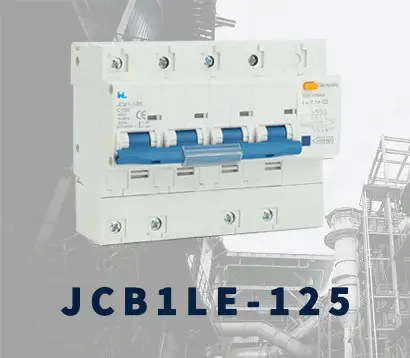 JCB1LE-125
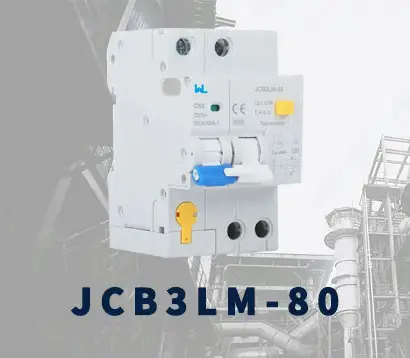 JCB3LM-80
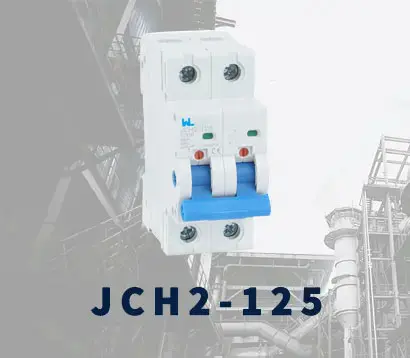 JCH2-125
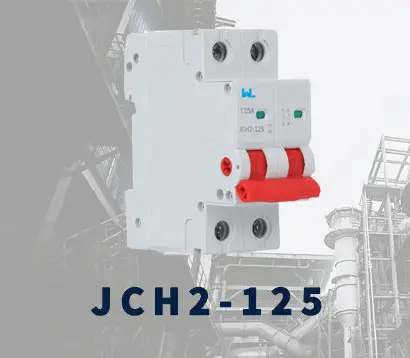 JCH2-125
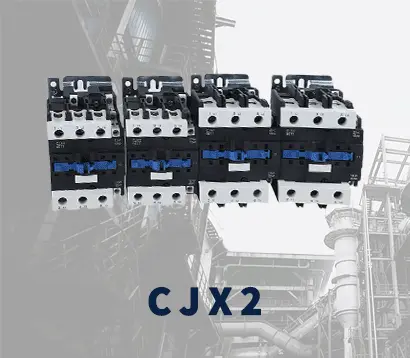 CJX2
CJX2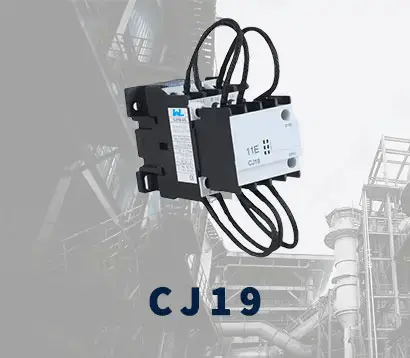 CJ19
CJ19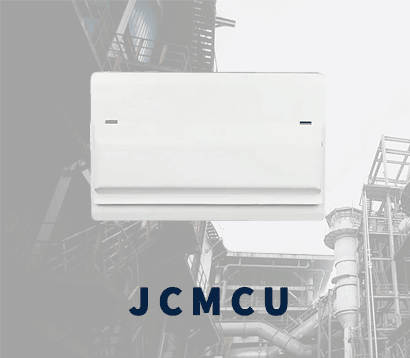 JCMCU
JCMCU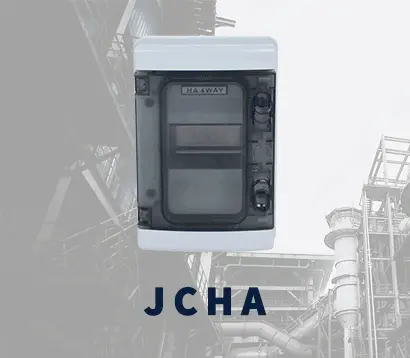 JCHA
JCHA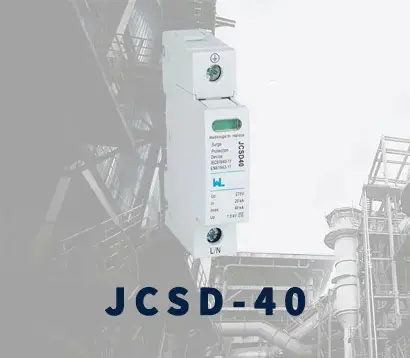 JCSD-40
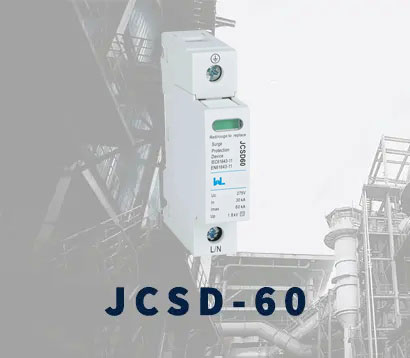 JCSD-60
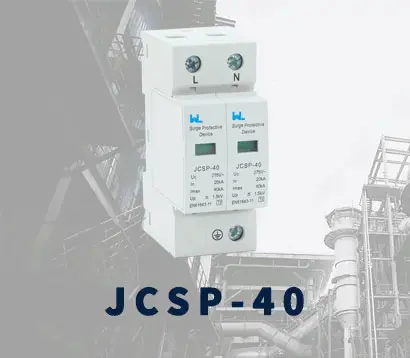 JCSP-40
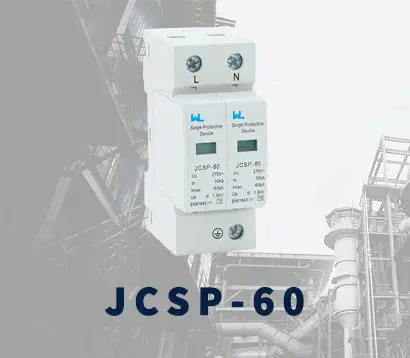 JCSP-60
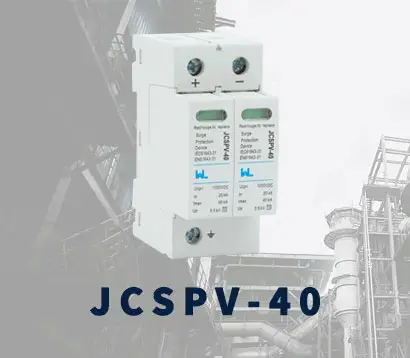 JCSPV
JCSPV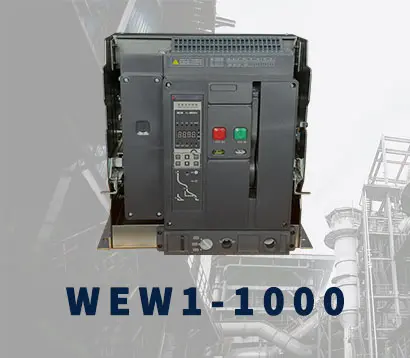 WEW1-1000
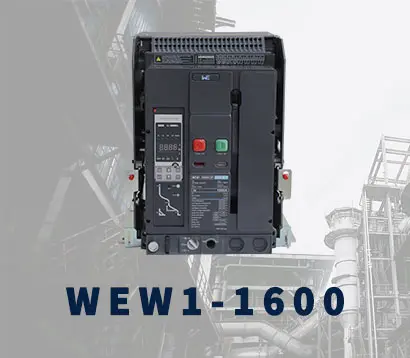 WEW1-1600
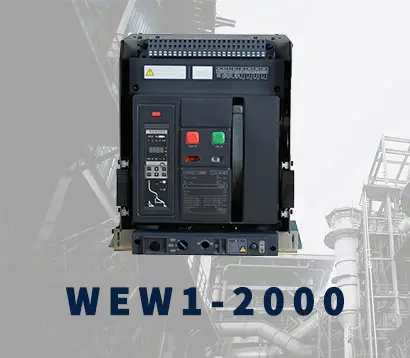 WEW1-2000
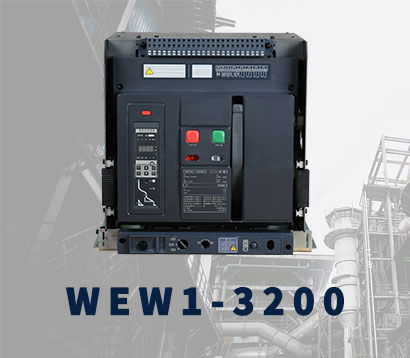 WEW1-3200
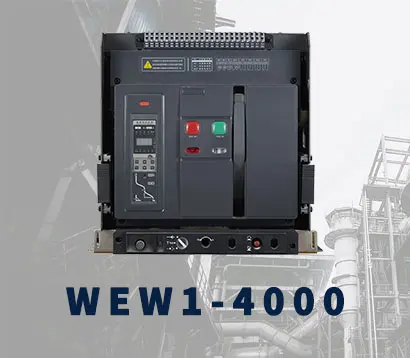 WEW1-4000
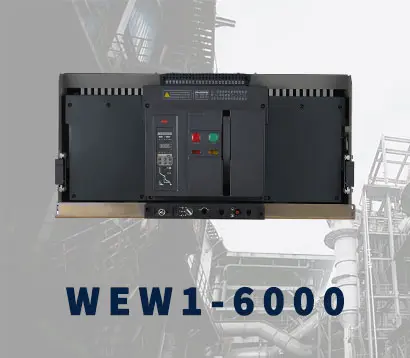 WEW1-6300
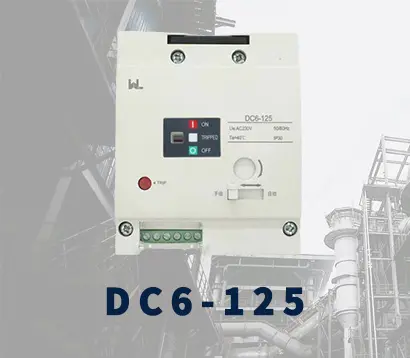 DC6-125
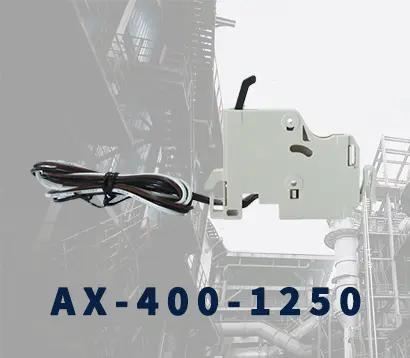 AX-400-1250
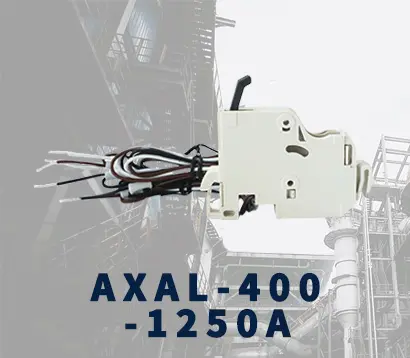 AXAL-400-1250A
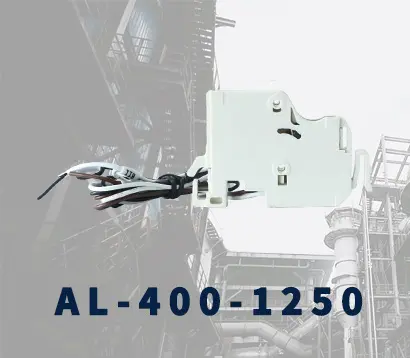 AL-400-1250
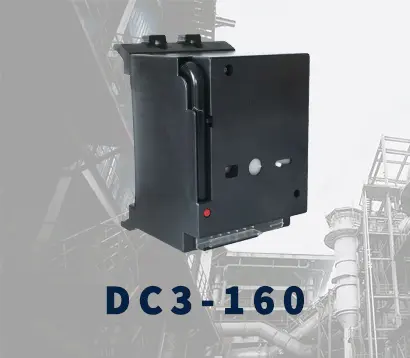 DC3-160
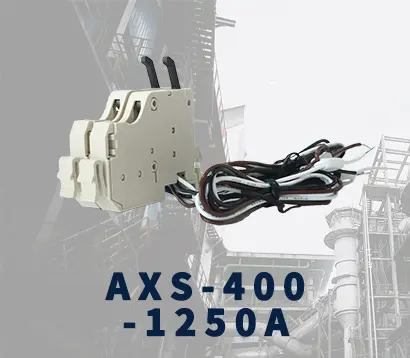 AXS-400-1250A
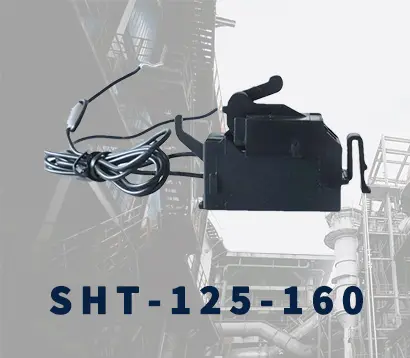 SHT-125-160
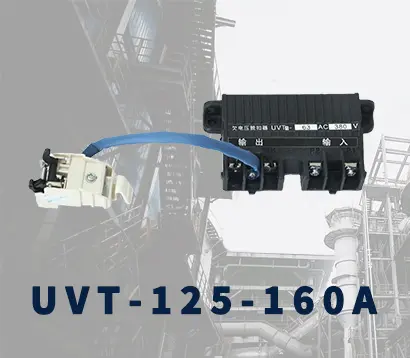 UVT-125-160A
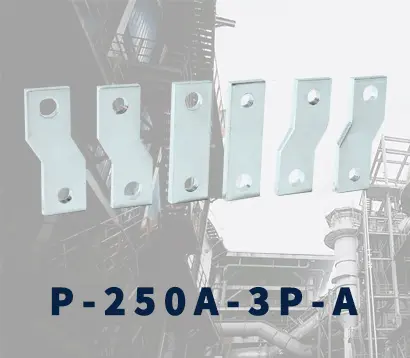 P-250A-3P-A
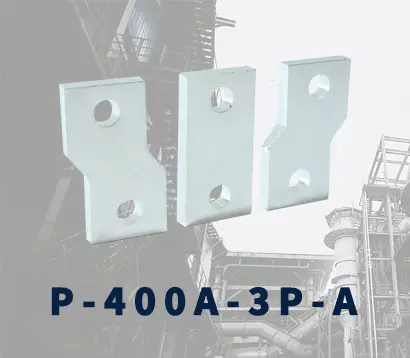 400-3P/4P terminal cover
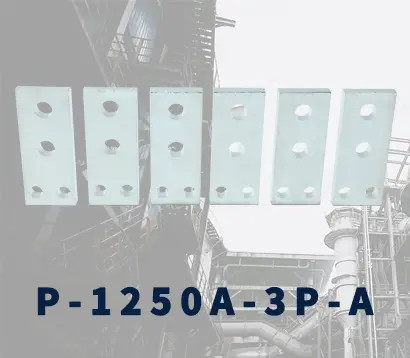 1250-3Pmccb accessories busbar
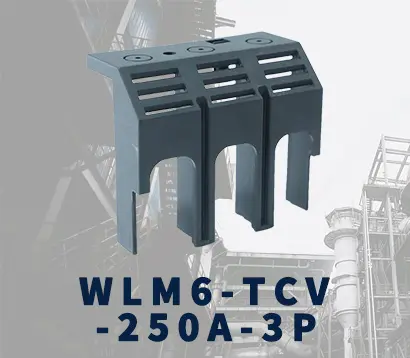 250-3P terminal conver
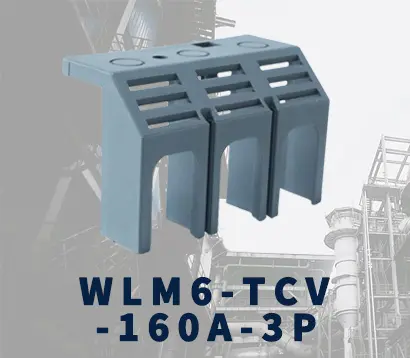 WLM6-TCV-160A-3P
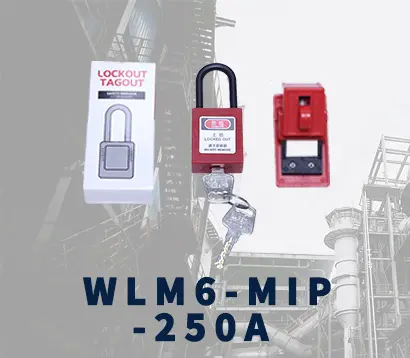 WLM6-MIP-250A
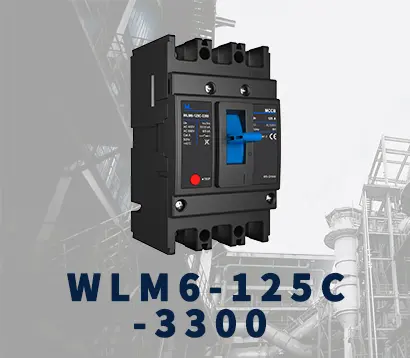 WLM6-125A-3300 3P/4P
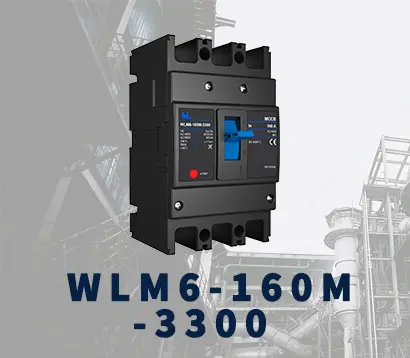 WLM6-160A-3300 3P/4P
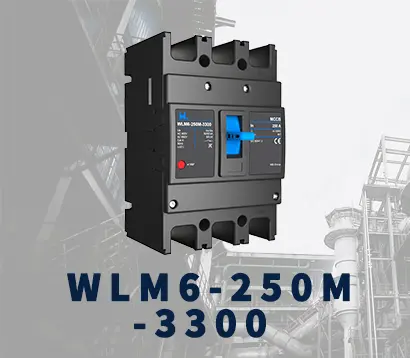 WLM6-250A-3300 3P/4P
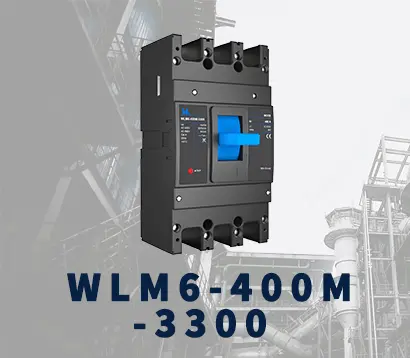 WLM6-400A-3300 3P/4P
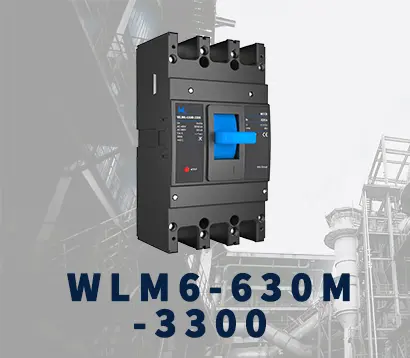 WLM6-630A-3300 3P/4P
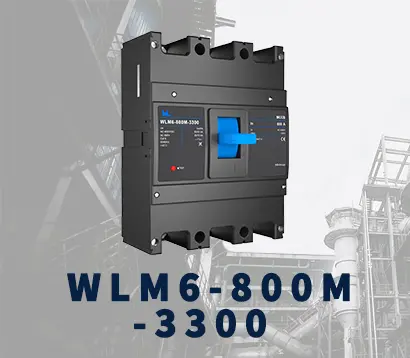 WLM6-800A-3300 3P/4P
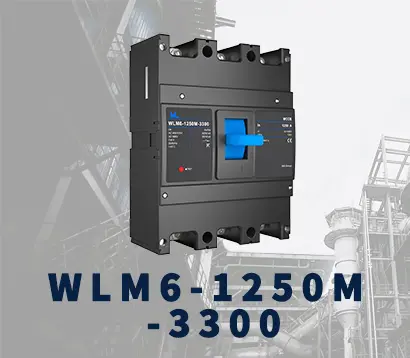 WLM6-1250A-3300 3P/4P
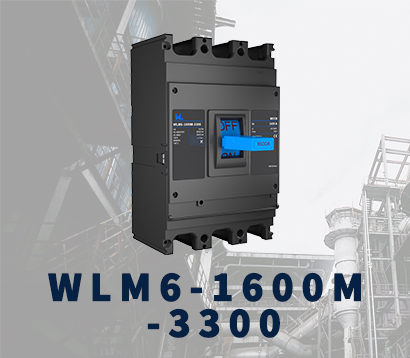 WLM6-1600A-3300 3P/4P
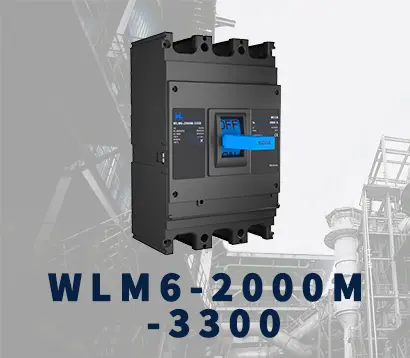 WLM6-2000A 3P/4P
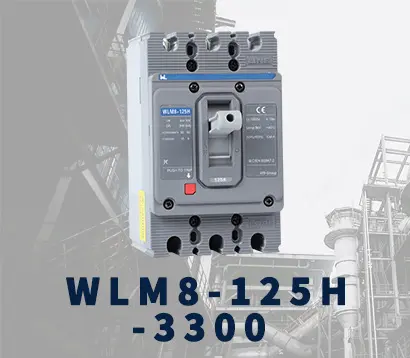 WLM8-125H-3300
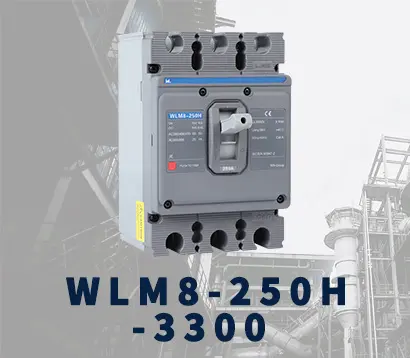 WLM8-250H-3300
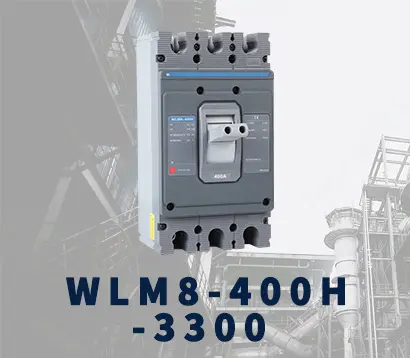 WLM8-400H-3300
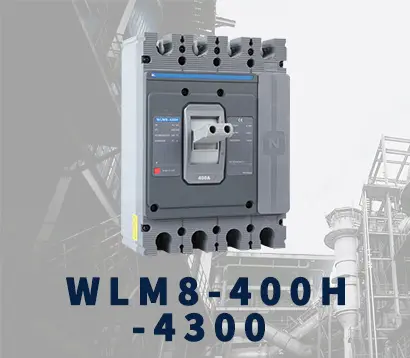 WLM8-400H-4300
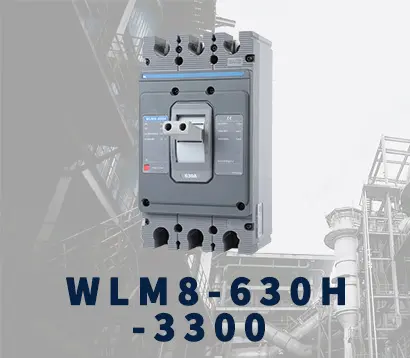 WLM8-630H-3300
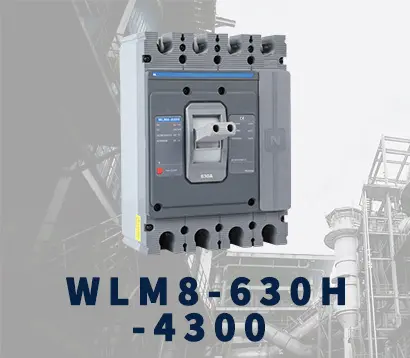 WLM8-630H-4300
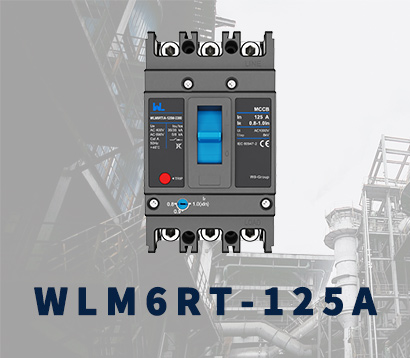 WLM6RT-125A
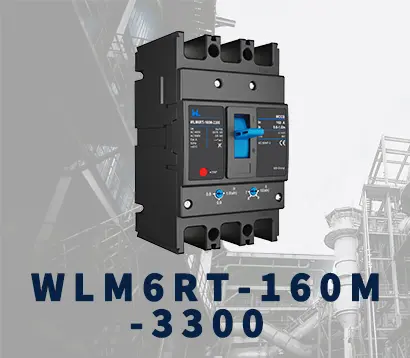 WLM6RT-160A
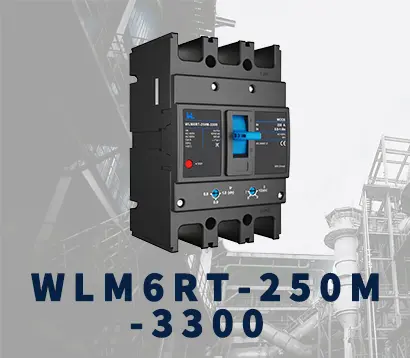 WLM6RT-250A
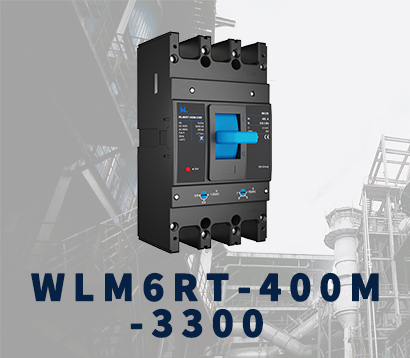 WLM6RT-400A
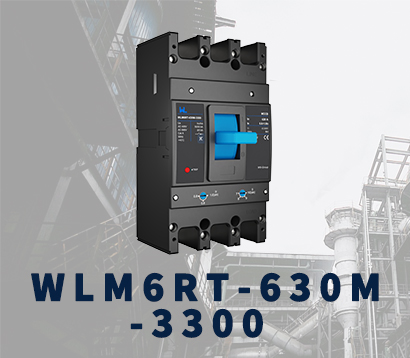 WLM6RT-630A
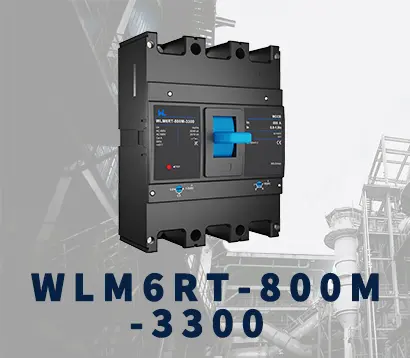 WLM6RT-800A
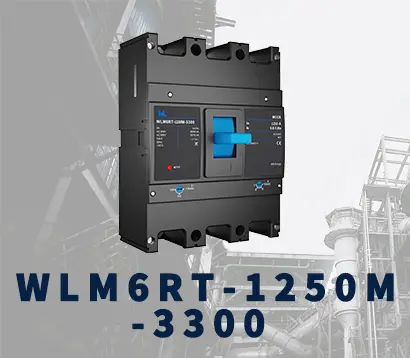 WLM6RT-1250A
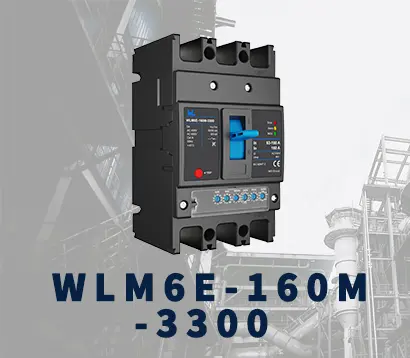 WLM6E-160A-3300 3P
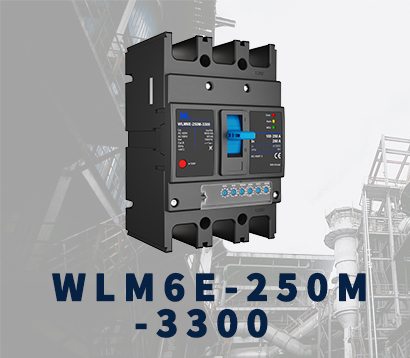 WLM6E-250A-3300
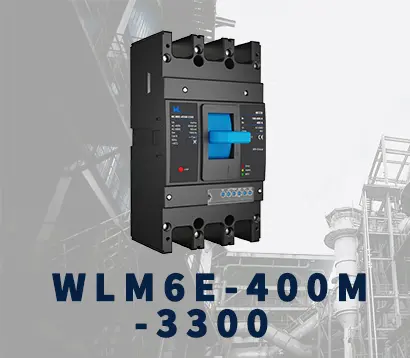 WLM6E-400A-3300 3P/4P
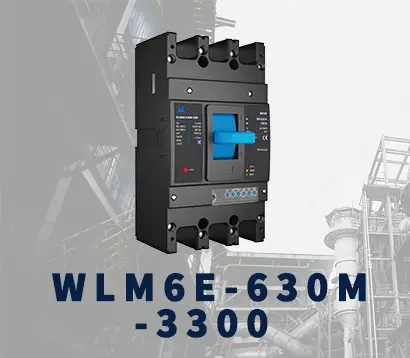 WLM6E-630A-3300
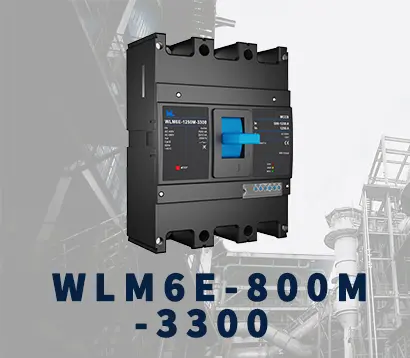 WLM6E-800A-3300 3P/4P
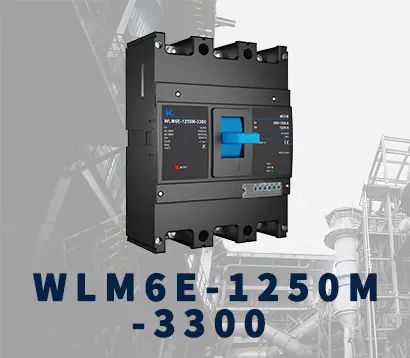 WLM6E-1250A-3300
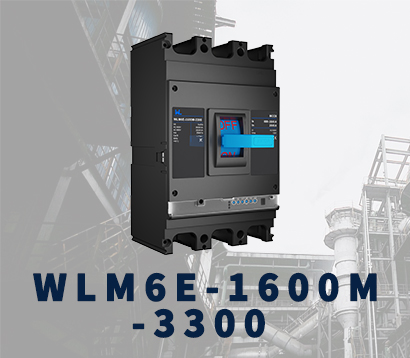 WLM6E-1600-3300 3P/4P
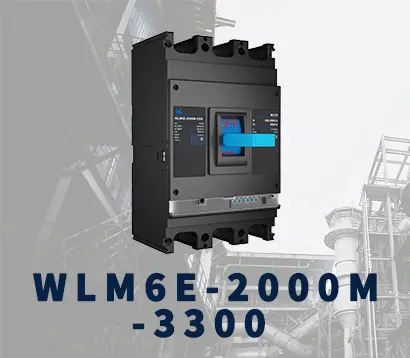 WLM6E-2000A-3300 3P/4P
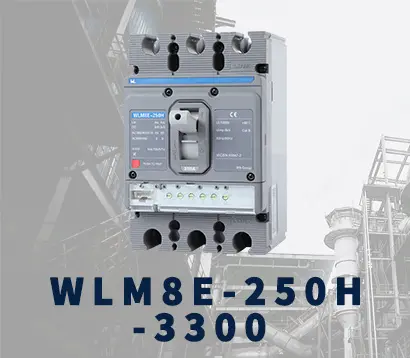 WLM8E-250H-3300
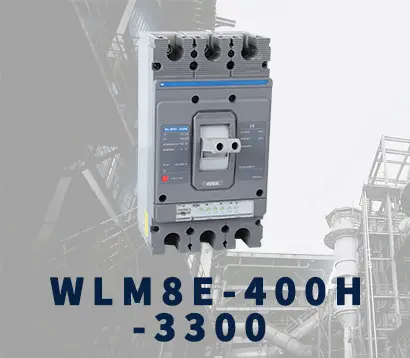 WLM8E-400H-3300
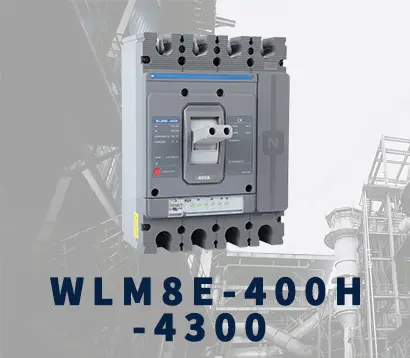 WLM8E-400H-4300
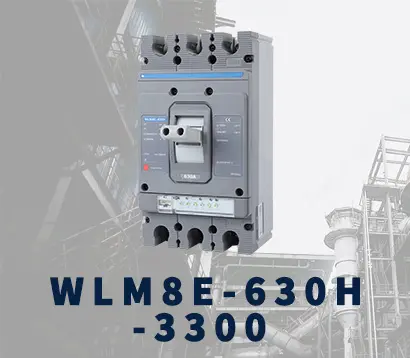 WLM8E-630H-3300
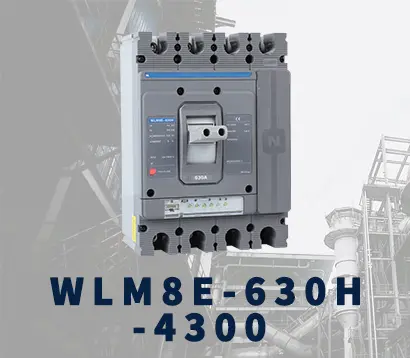 WLM8E-630H-4300
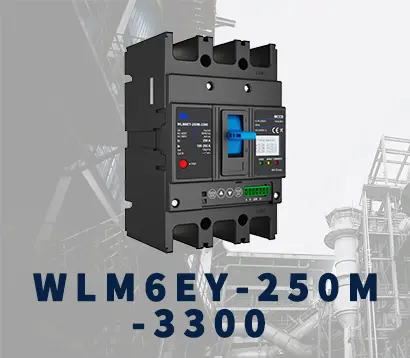 WLM6EY-250-3300 3P/4P
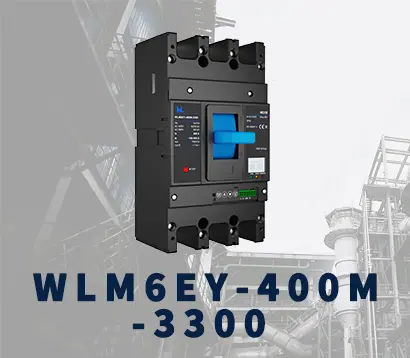 WLM6EY-400 3P/4P
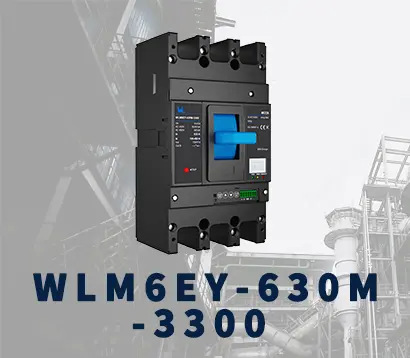 WLM6EY-630 3P/4P
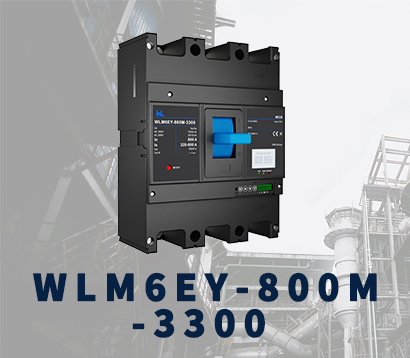 WLM6EY-800A 3P/4P
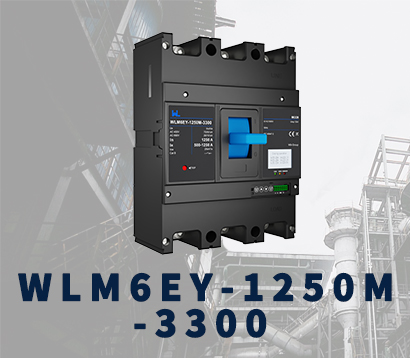 WLM6EY-1250A 3P/4P
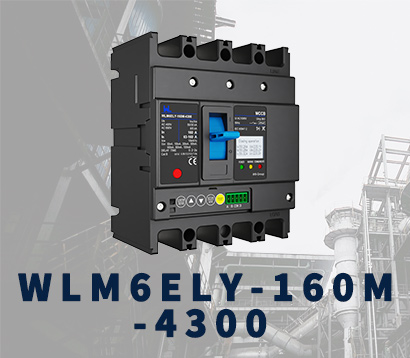 WLM6ELY-160A
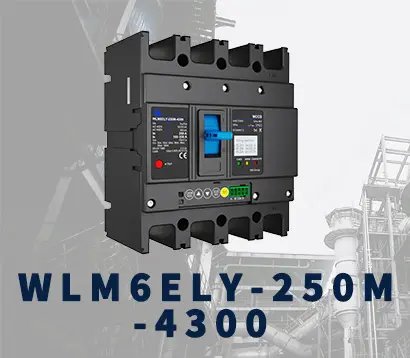 WLM6ELY-250A
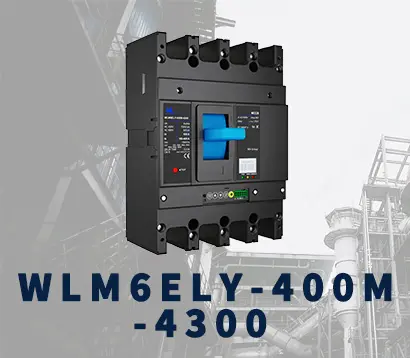 WLM6ELY-400A
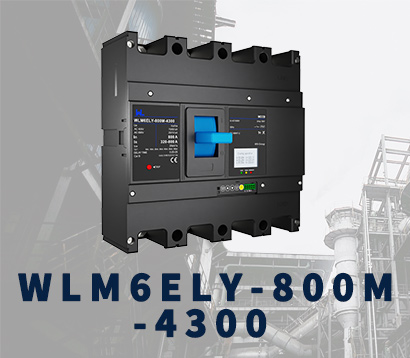 WLM6ELY-800A
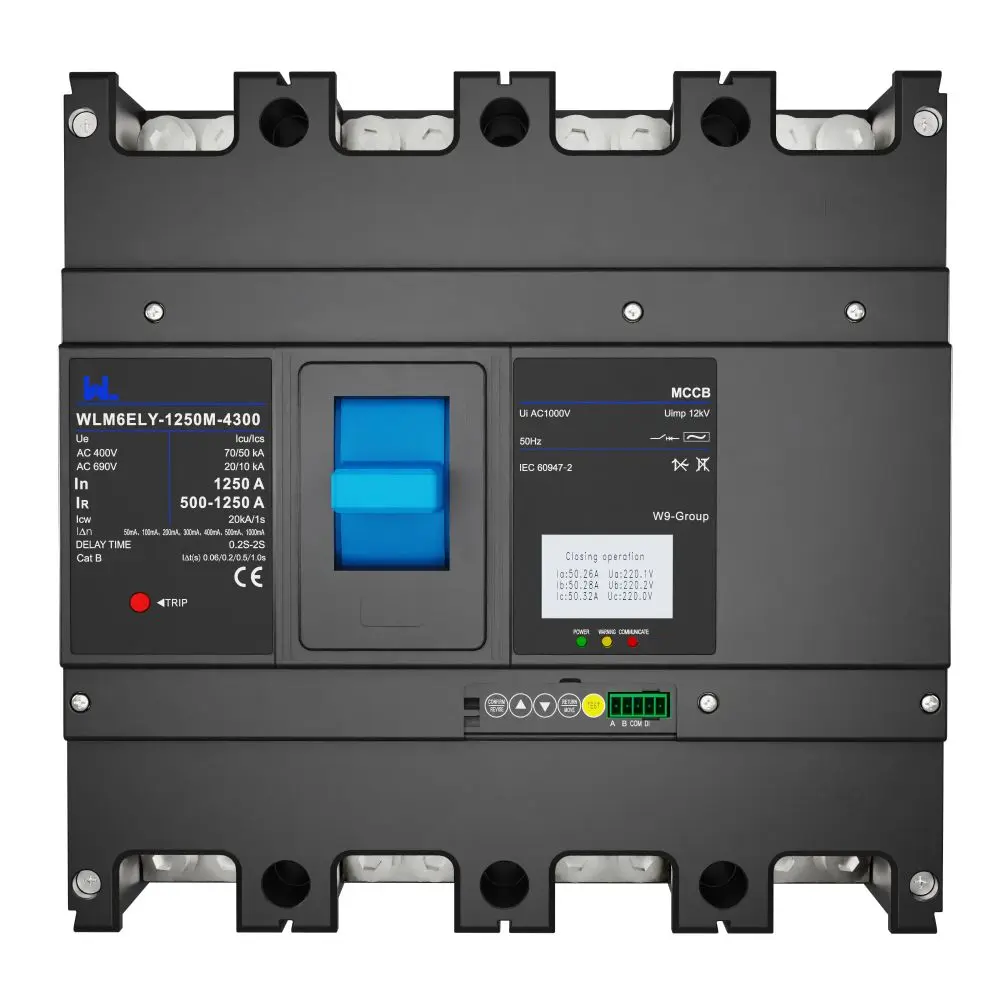 WLM6ELY-1250A
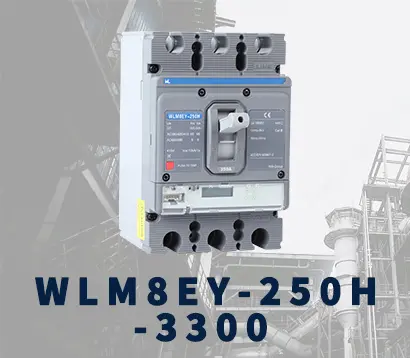 WLM8EY-250H-3300
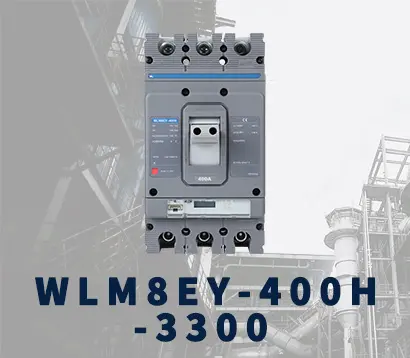 WLM8EY-400H-3300
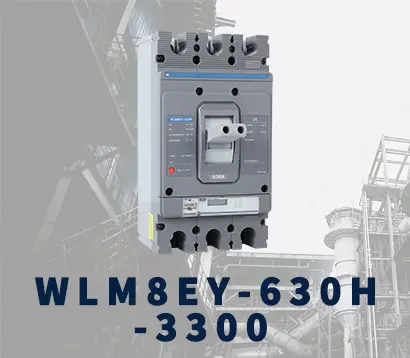 WLM8EY-630H-3300
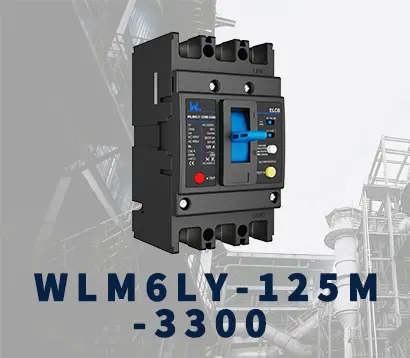 WLM6LY-125A
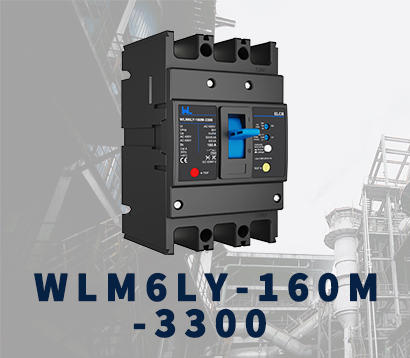 WLM6L-160A
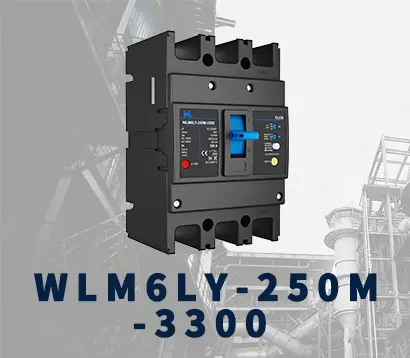 WLM6LY-250A
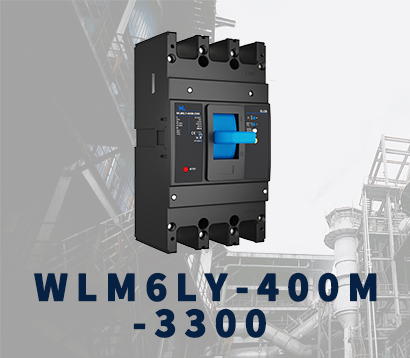 WLM6LY-400A
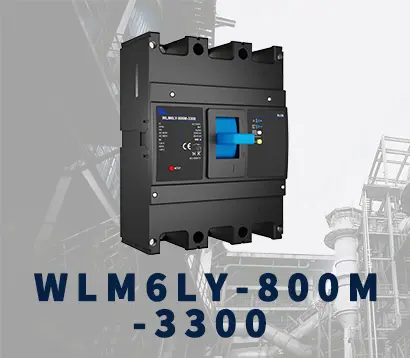 WLM6LY-800A
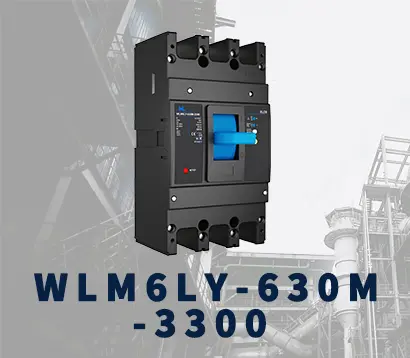 WLM6LY-630A
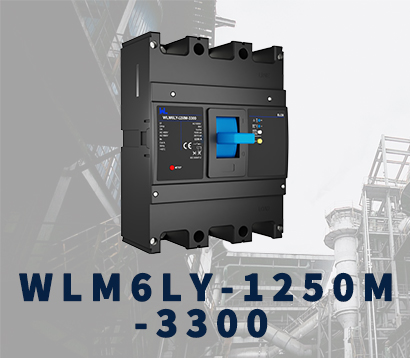 WLM6LY-1250A
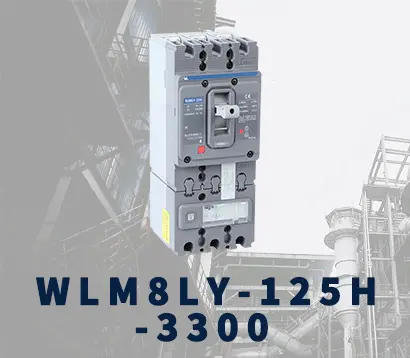 WLM8LY-125H-3300
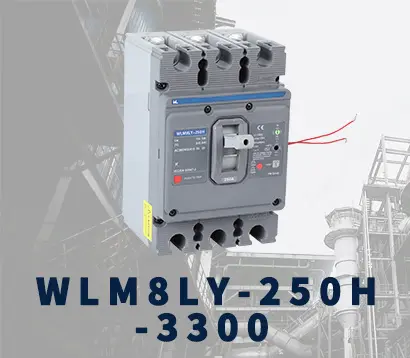 WLM8LY-250H-3300
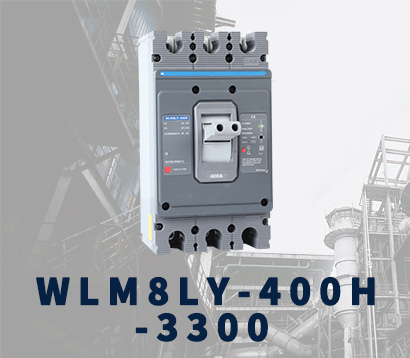 WLM8LY-400H-3300
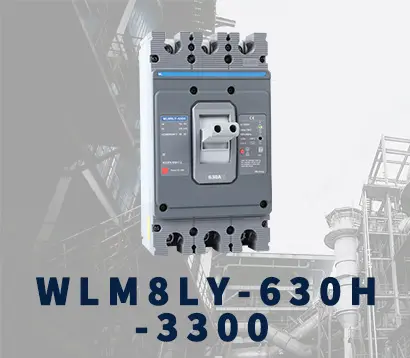 WLM8LY-630H-3300
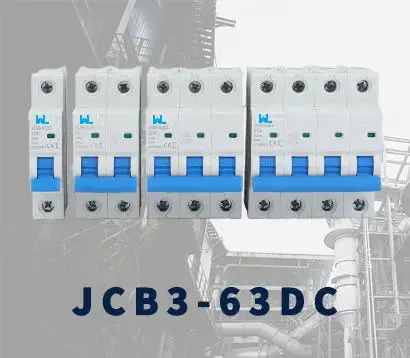 JCB3-63DC
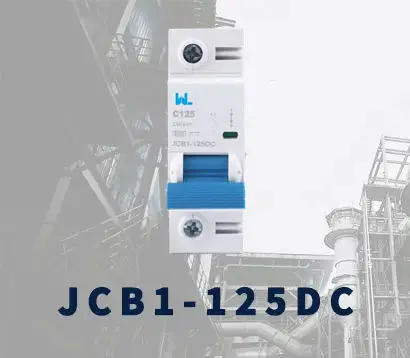 JCB1-125DC
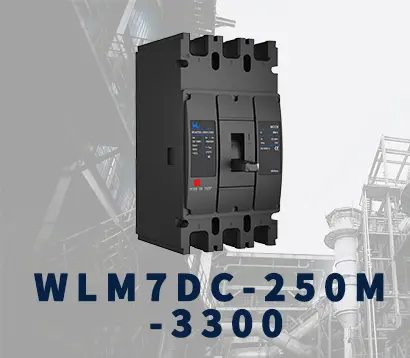 WLM7DC-250A-2300 2P/3P
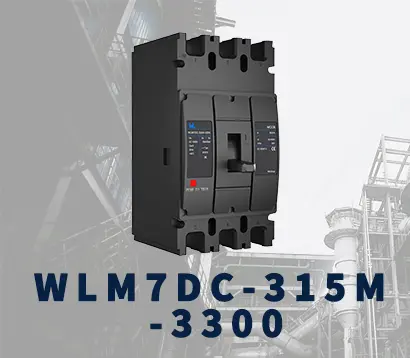 WLM7DC-315A-3300 2P/3P
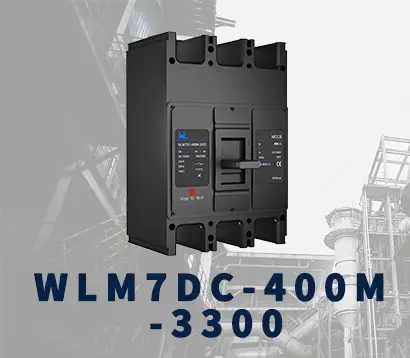 WLM7DC-400A-2300 2P/3P
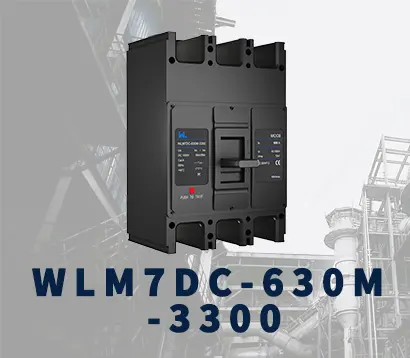 WLM7DC-630A-3300 3P
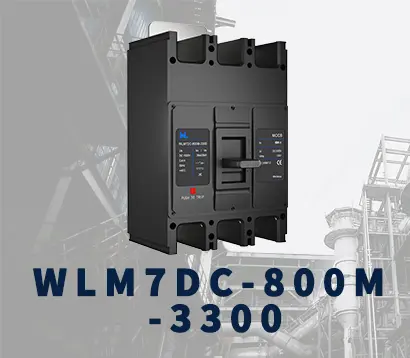 WLM7DC-800A-2300 2P/3P
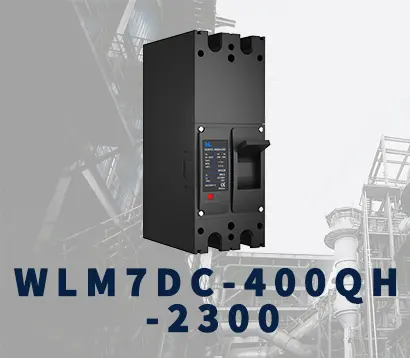 WLM7DC-400A 2300
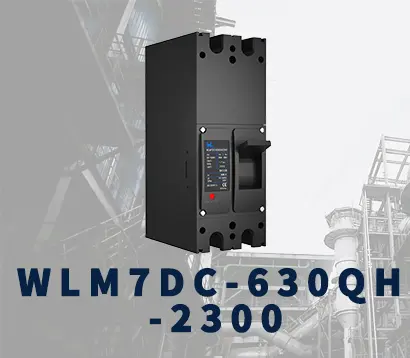 WLM7DC-630A-2300 2P
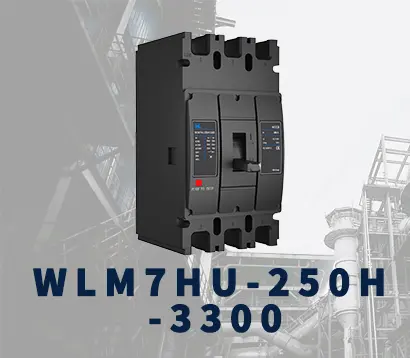 WLM7HU-250-3300 3P
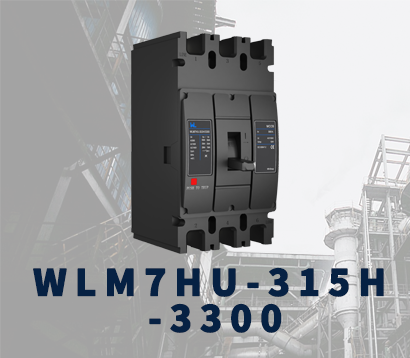 WLM7HU-315-3300 3P
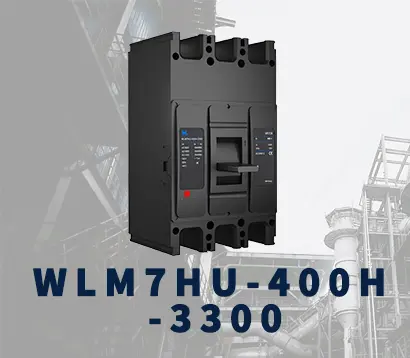 WLM7HU-400-3300 3P
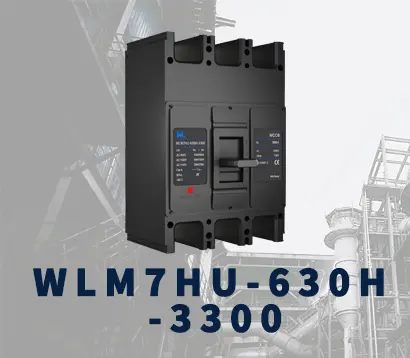 WLM7HU-630-3300 3P
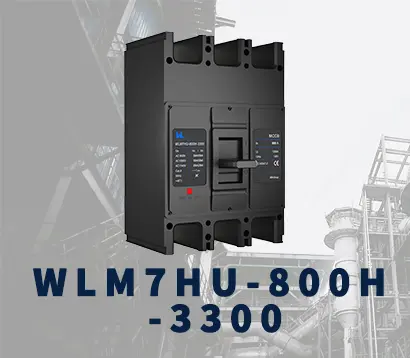 WLM7HU-800-3300 3P
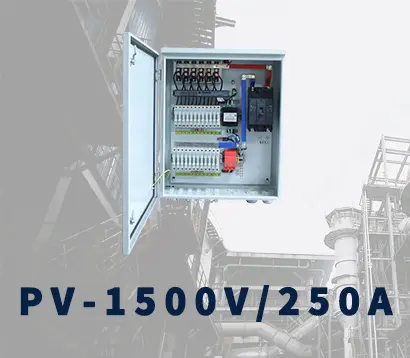 PV-1500V/250A
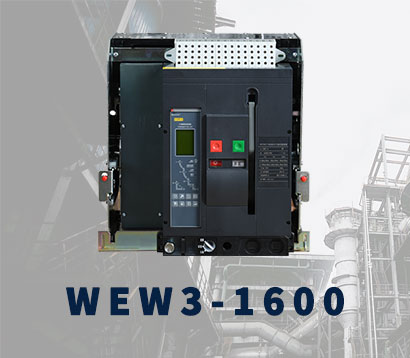 WEW3-1600
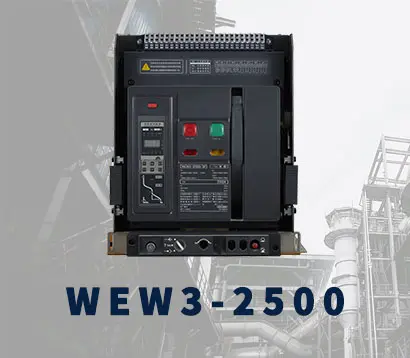 WEW3-2500
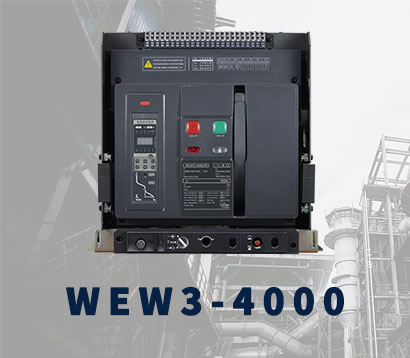 WEW3-4000
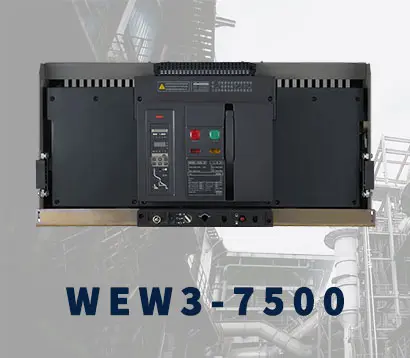 WEW3-7500