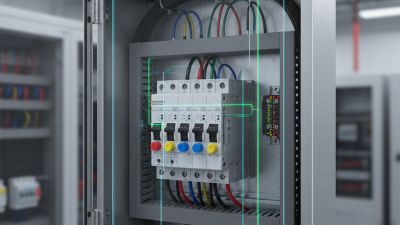
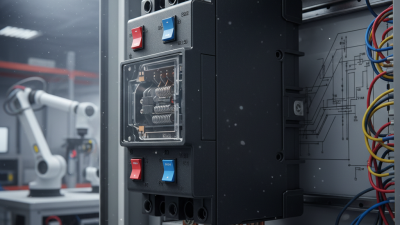
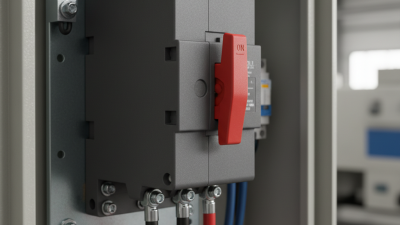
What are the Benefits of Microprocessor Based MCCB for Buyers
In today's rapidly evolving electrical landscape, the integration of technology is paramount. Microprocessor Based MCCB (Molded Case Circuit Breakers) has emerged as a vital component in modern electrical systems. According to a recent report by Global Market Insights, the MCCB market is projected to exceed $6 billion by 2026, driven by advancements in technology and increased safety regulations.
Microprocessor Based MCCBs offer enhanced features compared to traditional models. These devices provide precise control and monitoring, significantly improving reliability and operational efficiency. The ability to customize settings allows for tailored protection, addressing specific needs of diverse industrial applications. Additionally, studies show that microprocessor technology can reduce downtime by up to 30%, translating into substantial cost savings for businesses.
Despite these advantages, some users may find the transition challenging. The complexity of these systems may require additional training for staff. It's essential for buyers to weigh the benefits against the learning curve involved. Embracing Microprocessor Based MCCBs can lead to a more resilient electrical infrastructure, but it necessitates a commitment to understanding and integrating these advanced solutions effectively.
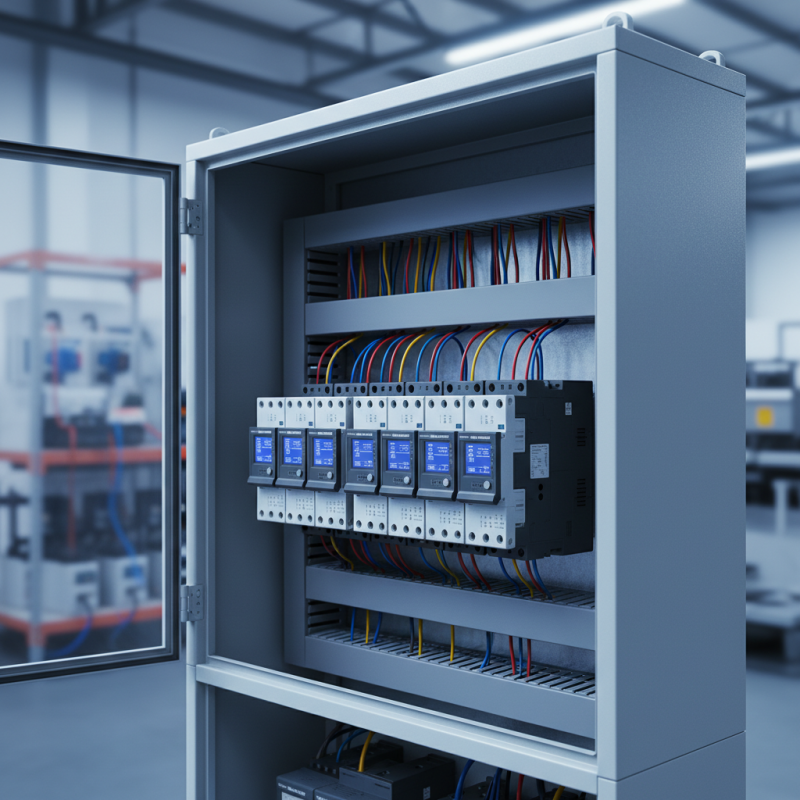
Benefits of Microprocessor Based MCCB for Electrical Systems
Microprocessor-based Molded Case Circuit Breakers (MCCBs) are gaining popularity in electrical systems. Their advanced technology offers several advantages, enhancing safety and reliability. Unlike traditional circuit breakers, microprocessor-based MCCBs monitor current and voltage more accurately. They provide real-time data, improving system responsiveness.
One of the notable benefits is the ability to customize settings. Users can adjust threshold levels for tripping, ensuring protection aligns with system demands. This flexibility can reduce downtime during faults. Additionally, they tend to have faster response times, minimizing potential damage caused by electrical surges.
Despite these advantages, there are challenges. Initial installation costs may be higher than standard breakers. Some users might struggle with complex settings, leading to potential misconfigurations. It’s crucial to have trained personnel for installation and maintenance. Understanding these aspects ensures optimal performance while avoiding unnecessary issues.
Benefits of Microprocessor Based MCCB for Electrical Systems
| Benefit |
Description |
Impact on Electrical Systems |
| Enhanced Protection |
Microprocessor-based MCCBs provide precise overload and short-circuit protection, reducing the risk of electrical damage. |
Improves the longevity of electrical equipment by preventing failures. |
| Smart Monitoring |
These devices often come equipped with communication capabilities, allowing for real-time monitoring and reporting. |
Enables proactive maintenance and timely interventions, ensuring system reliability. |
| Programmable Settings |
Users can customize settings for trip time and current levels according to specific requirements. |
Optimizes performance and enhances energy efficiency in various applications. |
| Lower Maintenance Costs |
The advanced technology reduces the frequency of malfunctions and the need for repairs. |
Significantly lowers operational costs in the long term. |
| Compact Design |
Microprocessor-based MCCBs typically have a smaller footprint than traditional breakers. |
Saves valuable space in electrical panels and installations. |
Enhanced Protection Features of Microprocessor Based MCCBs
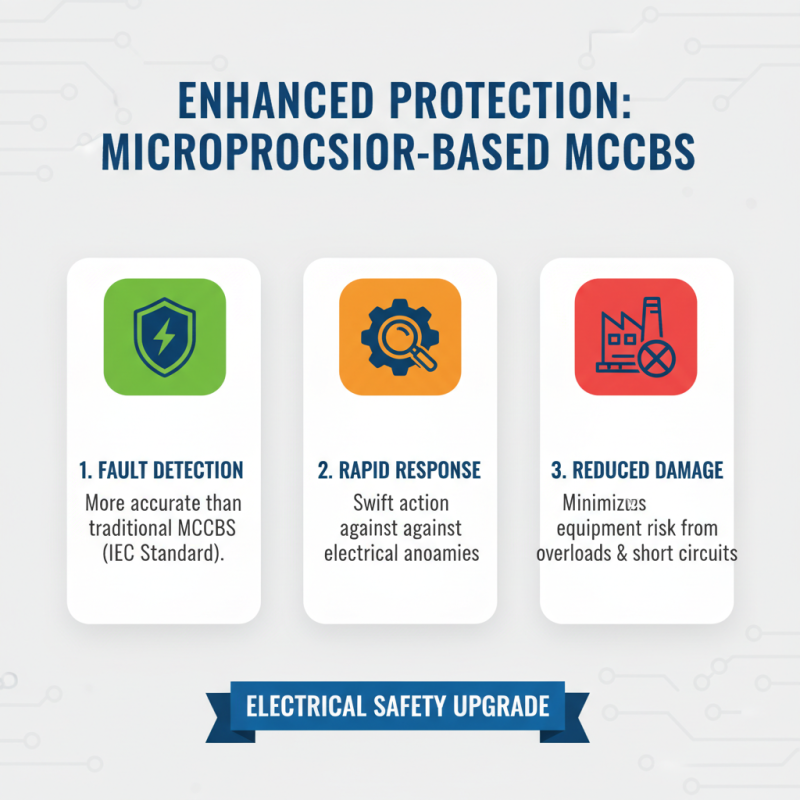
Microprocessor-based Molded Case Circuit Breakers (MCCBs) offer significant advantages in electrical protection. One of their key features is enhanced protection against overloads and short circuits. According to the International Electrotechnical Commission (IEC), these devices can detect faults more accurately than traditional MCCBs. They reduce the risk of equipment damage by responding swiftly to electrical anomalies.
The smart detection capabilities of microprocessor-based MCCBs lead to increased system reliability. They can adjust trip settings to match specific load conditions. A report by the Institute of Electrical and Electronics Engineers (IEEE) highlights that this adaptability can minimize false tripping incidents by up to 30%. Such precision is critical, especially in sensitive environments like data centers, where downtime can result in significant losses.
Users often overlook the importance of regular testing and maintenance of these advanced devices. While microprocessor-based MCCBs may offer superior performance, they rely on accurate settings and functioning sensors. A lack of routine checks can lead to potential failures, undermining their protective features. Therefore, continuous assessment is necessary to ensure they provide the intended level of safety.
Improved Energy Efficiency with Microprocessor Based MCCBs
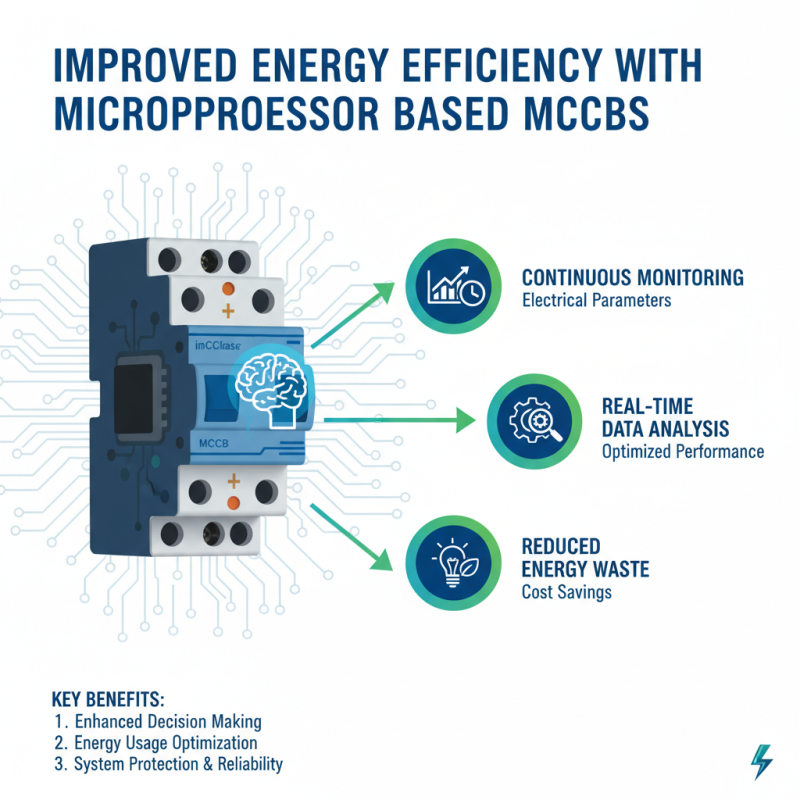
Microprocessor-based Molded Case Circuit Breakers (MCCBs) are revolutionizing energy efficiency in electrical systems. These devices utilize advanced microprocessing technology to monitor electrical parameters continuously. This leads to improved performance and better decision-making capabilities. With real-time data analysis, users can optimize energy usage and reduce waste.
Energy efficiency is not just about saving costs; it encompasses environmental responsibility. Microprocessor-based MCCBs adjust to load variations dynamically. They can detect abnormal conditions and respond accordingly, minimizing energy loss. While they offer increased efficiency, users must also consider the complexities involved. Understanding the system's setup is crucial for maximizing the benefits.
However, challenges exist. The reliance on technology can create a learning curve. Users may struggle with integrating these systems, which necessitates training and expertise. It's essential to reflect on these hurdles and seek professional advice. Investing in microprocessor-based MCCBs can yield significant returns, but only with proper understanding and management. Recognizing these nuances enhances the overall reliability and effectiveness of energy solutions.
User-Friendly Interfaces in Microprocessor Based MCCBs
Microprocessor-based Molded Case Circuit Breakers (MCCBs) are designed with user-friendly interfaces that enhance functionality. These interfaces often include intuitive displays, simple menus, and clear indicator lights. Users can easily monitor real-time data, such as current flow and fault conditions. With these features, operators spend less time navigating complex systems and more time focusing on critical tasks.
The simplicity of interaction reduces the likelihood of operator error. For example, a clear digital display can guide users through setup and troubleshooting processes. A user-friendly interface allows maintenance teams to quickly adjust settings and respond to alarms. This hands-on approach empowers users, fostering confidence in their ability to manage the breakers.
While microprocessor-based MCCBs offer many benefits, some users may initially struggle with new technology. The shift from traditional systems to advanced microprocessor interfaces can be daunting. It's essential for companies to invest in training programs that help users become comfortable with these advancements. As adaptability grows, so does the potential for improved efficiency and safety in electrical systems.
Cost Advantages of Microprocessor Based MCCBs for Business Buyers
Microprocessor-based Molded Case Circuit Breakers (MCCBs) are transforming how businesses manage electrical protection. One significant cost advantage lies in their precision and reliability. According to industry reports, these advanced systems can reduce downtime by up to 20%. This increase in reliability saves money in maintenance and operational interruptions.
In addition, microprocessor-based MCCBs offer enhanced energy efficiency. They can monitor real-time data and improve energy management. A study by the International Energy Agency (IEA) highlights that such technologies can lead to a 10-15% reduction in energy costs. These savings add up over time, contributing to a lower total cost of ownership for businesses.
Yet, some organizations may hesitate to implement these advanced systems. The initial investment can seem high. However, considering the long-term savings and efficiency gains, businesses should reflect on the potential return. The ability to integrate with smart grids and IoT systems makes microprocessor-based MCCBs a forward-thinking choice for companies aiming to reduce costs while investing in technology.

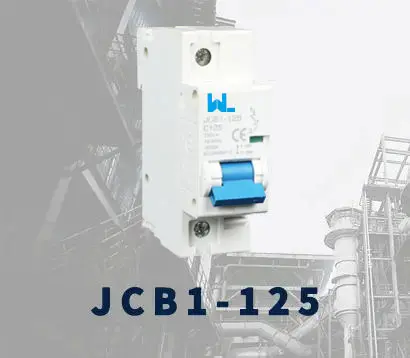 JCB1-125
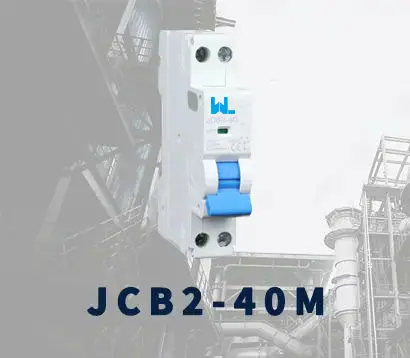 JCB2-40M
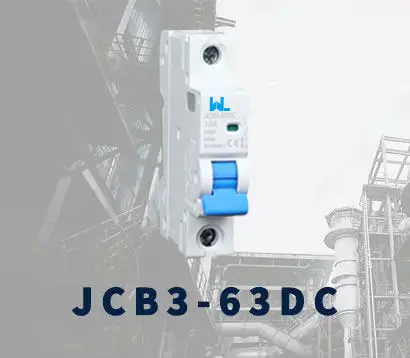 JCB3-63DC
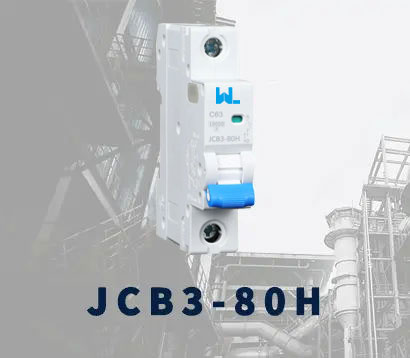 JCB3-80H
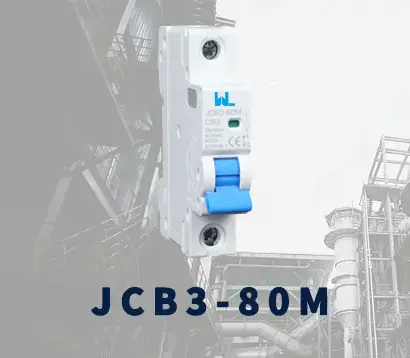 JCB3-80M
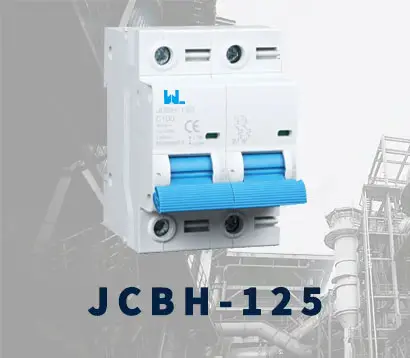 JCBH-125
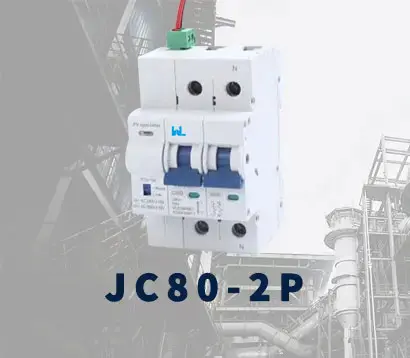 JC80-2P
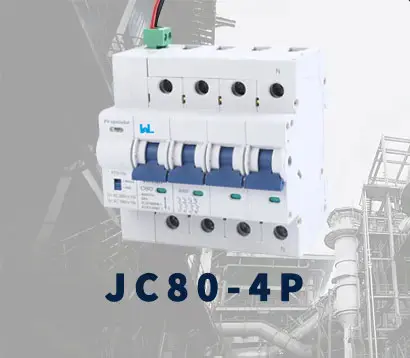 JC80-4P
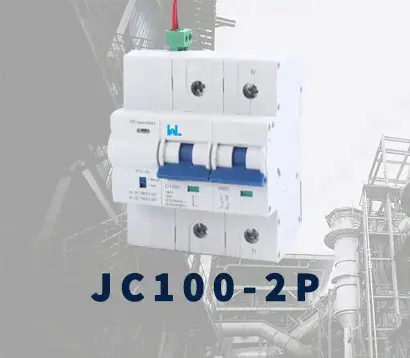 JC125-2P
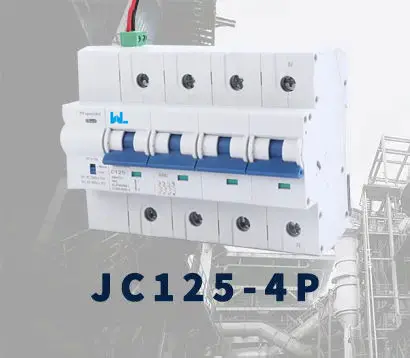 JC125-4P
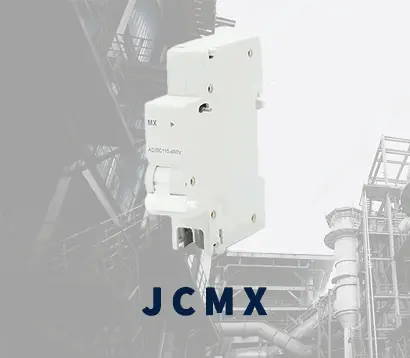 JCMX
JCMX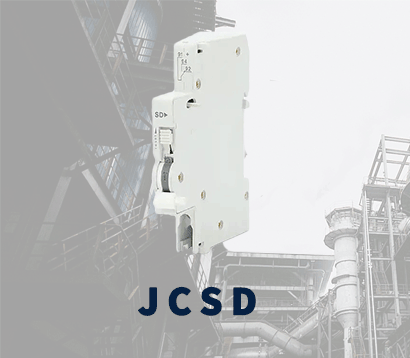 JCSD
JCSD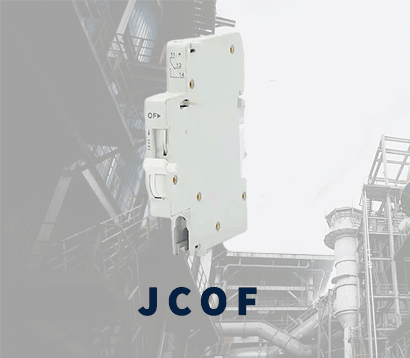 JCOF
JCOF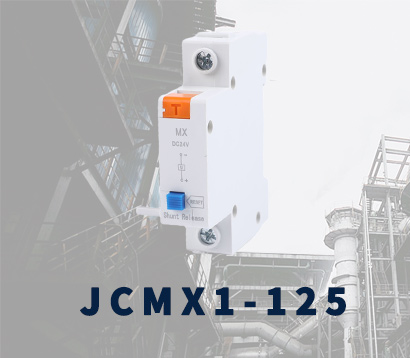 JCMX1-125
 JCOF1-125
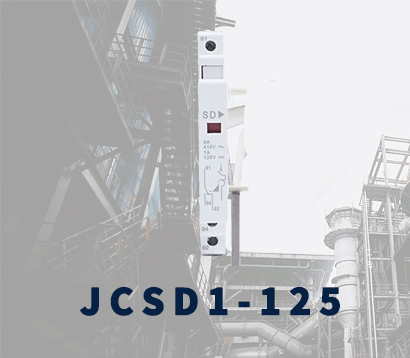 JCSD1-125
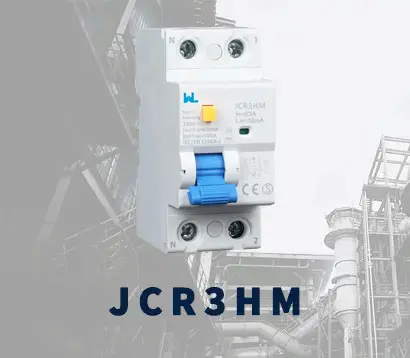 JCR3HM
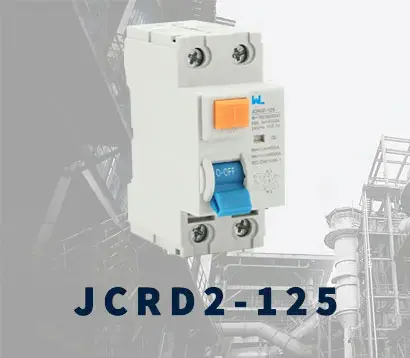 JCRD2-125
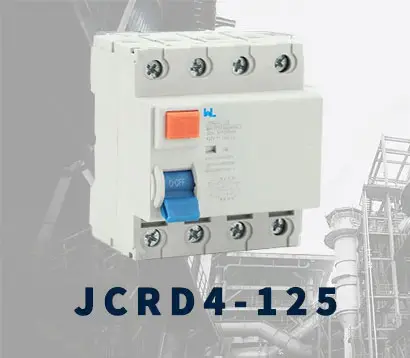 JCRD4-125
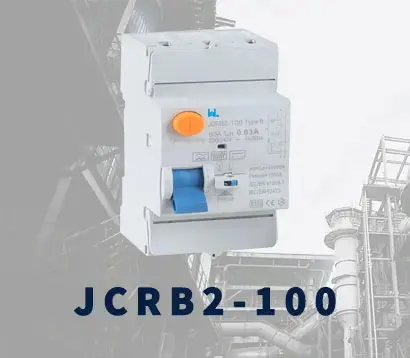 JCRB2-100
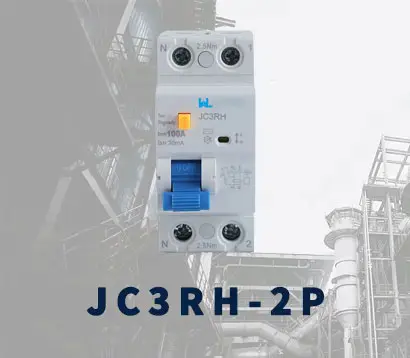 JC3RH-2P
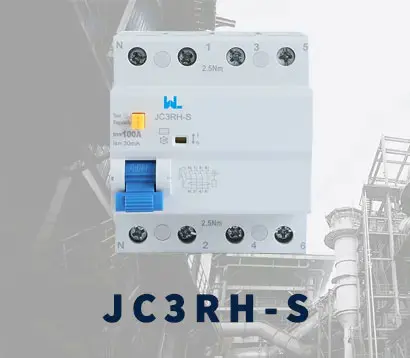 JC3RH-S
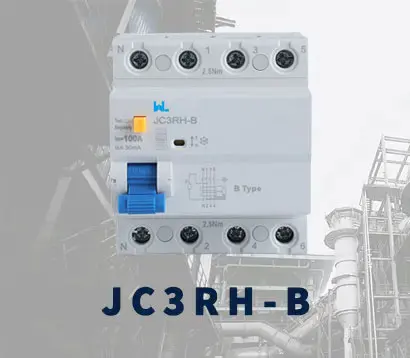 JC3RH-B
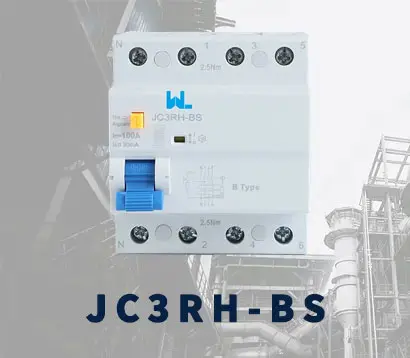 JC3RH-BS
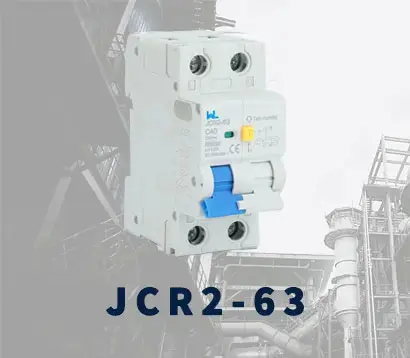 JCR2-63
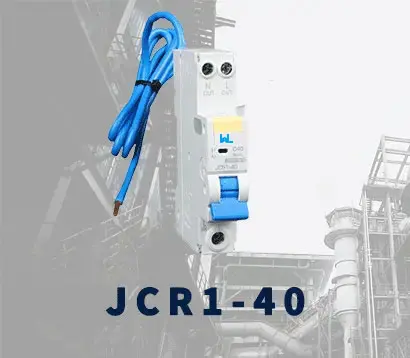 JCR1-40
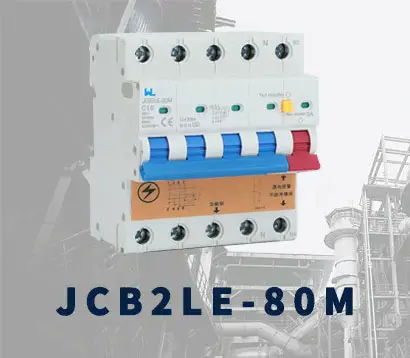 JCB2LE-80M
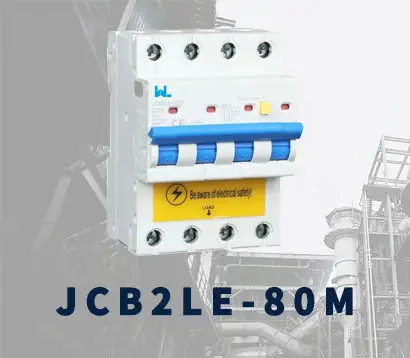 JCB2LE-80M
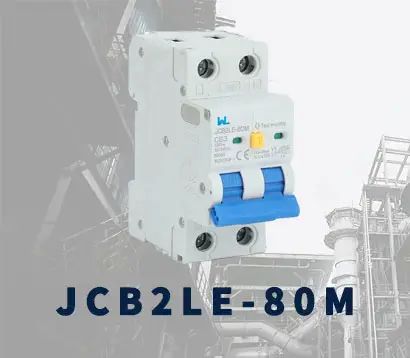 JCB2LE-80M
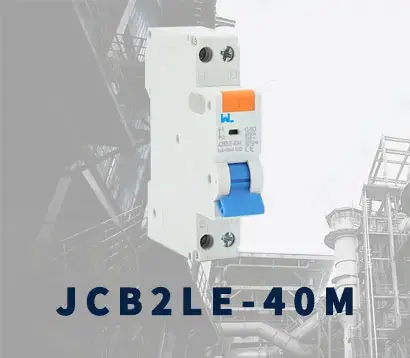 JCB2LE-40M
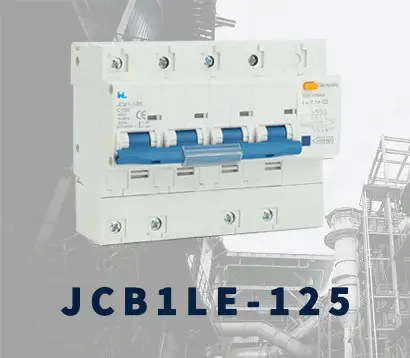 JCB1LE-125
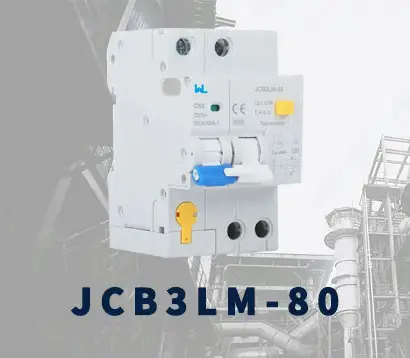 JCB3LM-80
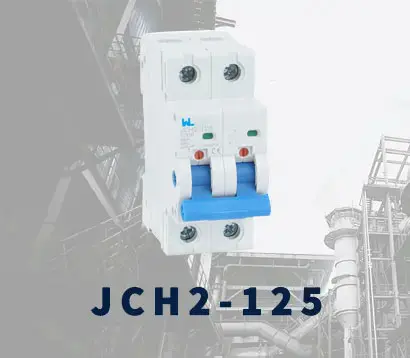 JCH2-125
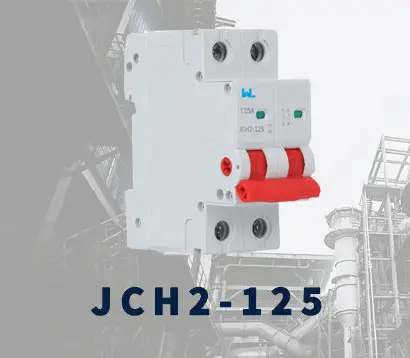 JCH2-125
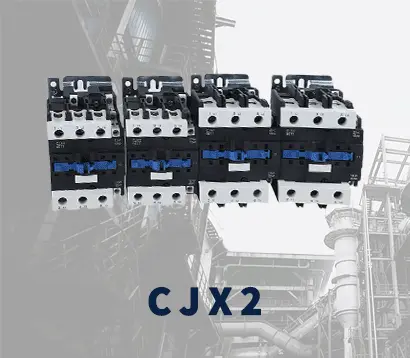 CJX2
CJX2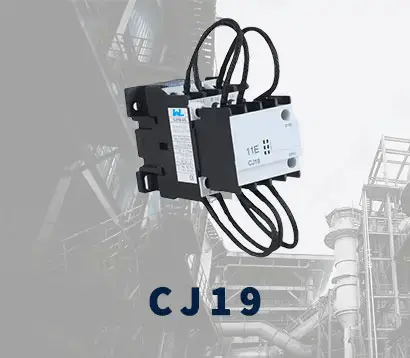 CJ19
CJ19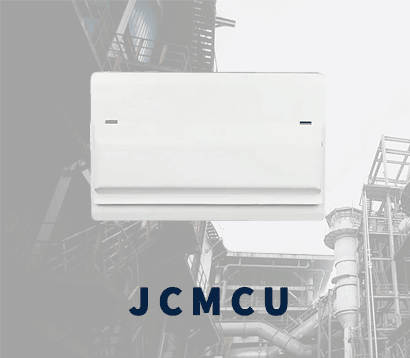 JCMCU
JCMCU JCHA
JCHA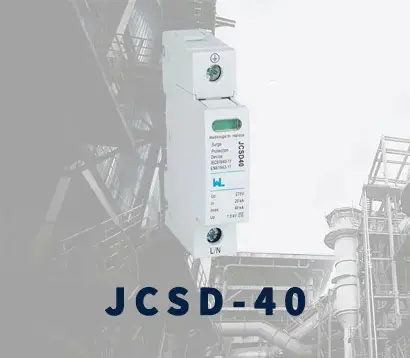 JCSD-40
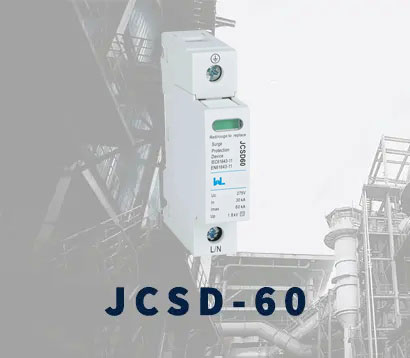 JCSD-60
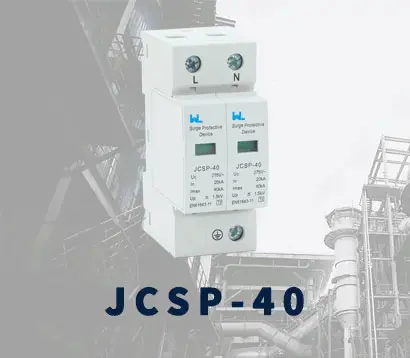 JCSP-40
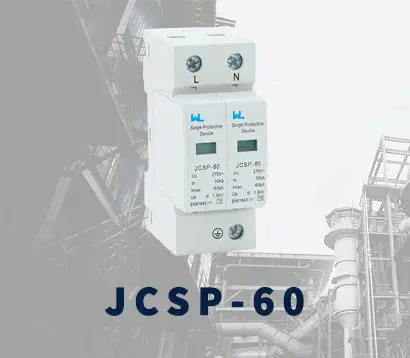 JCSP-60
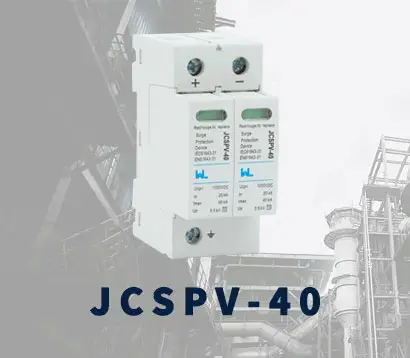 JCSPV
JCSPV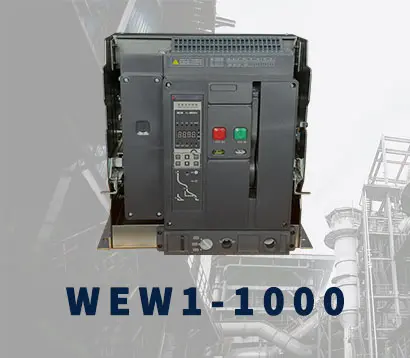 WEW1-1000
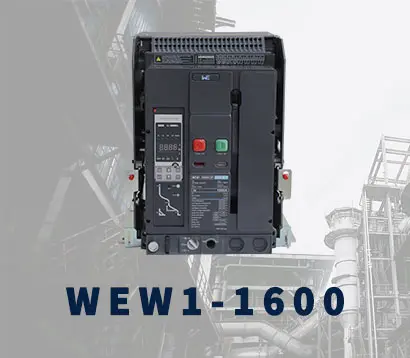 WEW1-1600
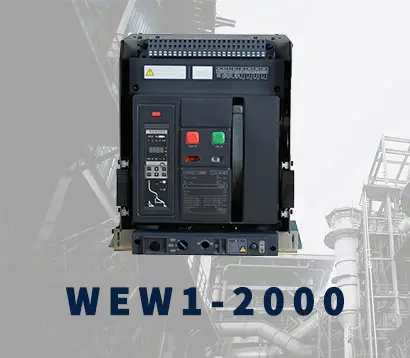 WEW1-2000
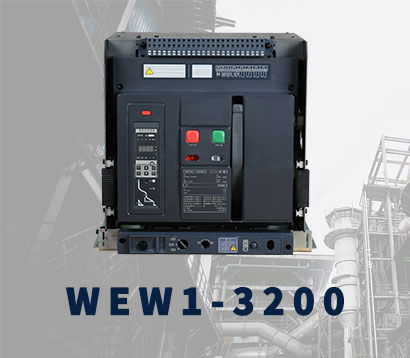 WEW1-3200
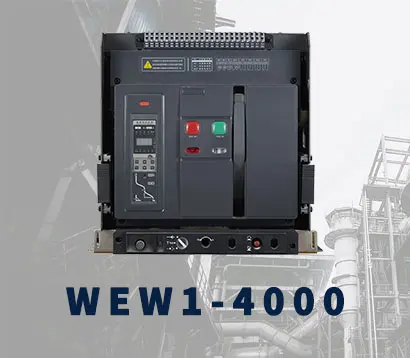 WEW1-4000
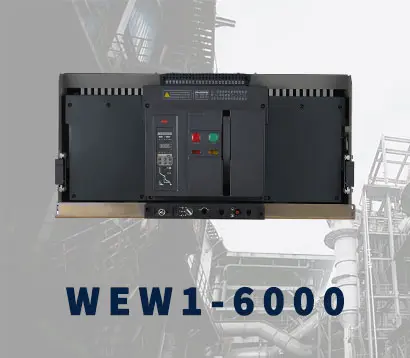 WEW1-6300
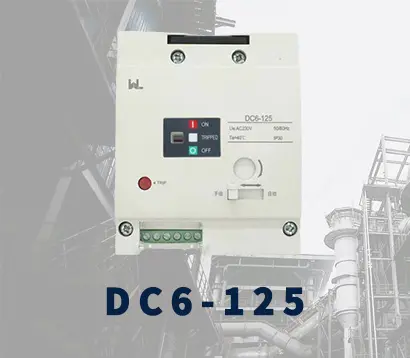 DC6-125
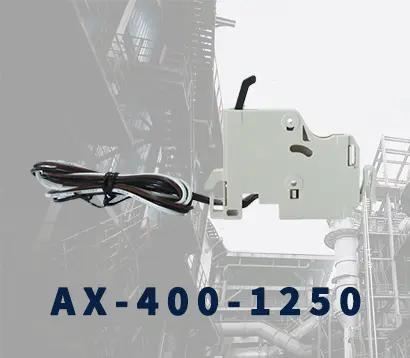 AX-400-1250
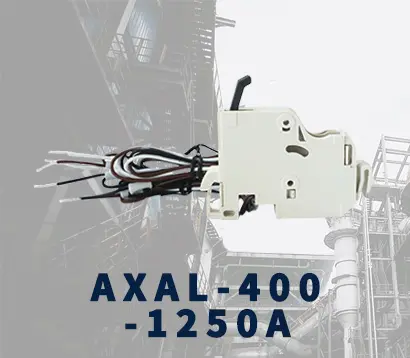 AXAL-400-1250A
 AL-400-1250
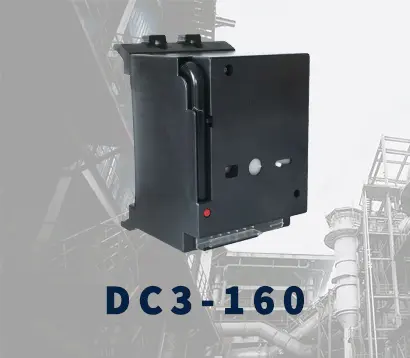 DC3-160
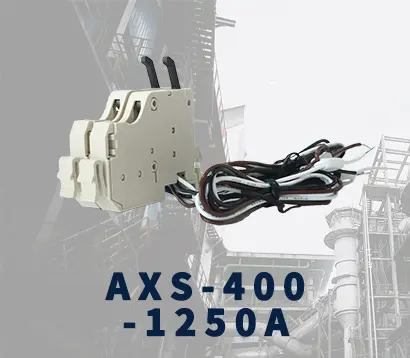 AXS-400-1250A
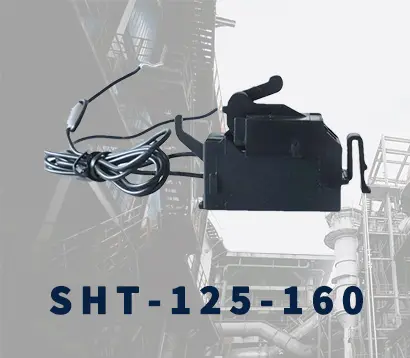 SHT-125-160
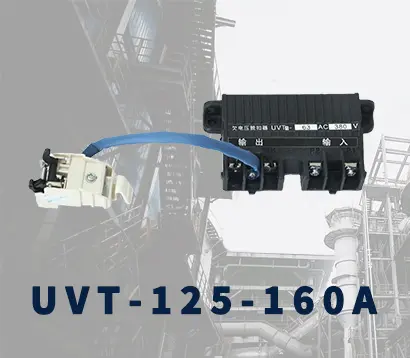 UVT-125-160A
 P-250A-3P-A
 400-3P/4P terminal cover
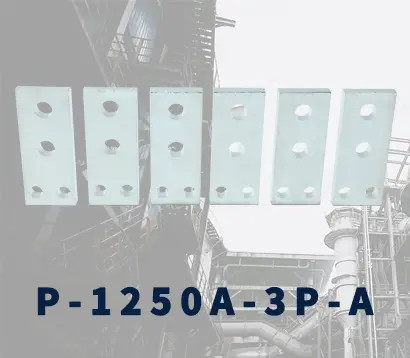 1250-3Pmccb accessories busbar
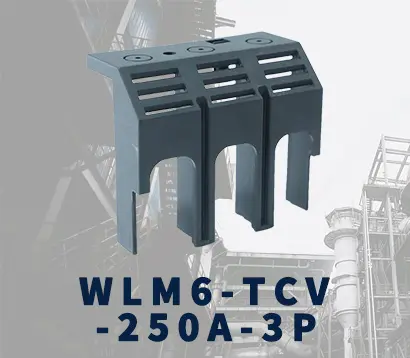 250-3P terminal conver
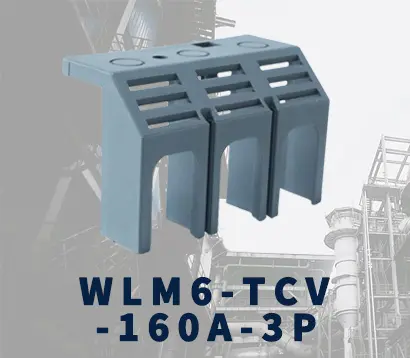 WLM6-TCV-160A-3P
 WLM6-MIP-250A
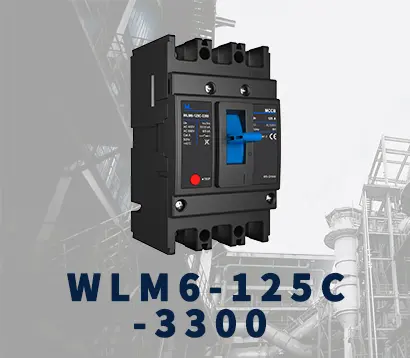 WLM6-125A-3300 3P/4P
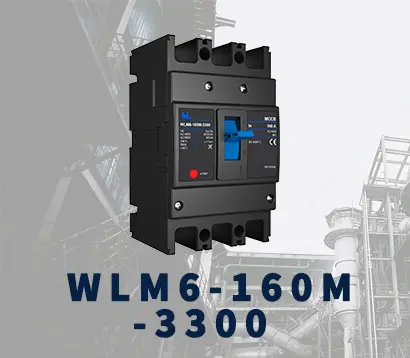 WLM6-160A-3300 3P/4P
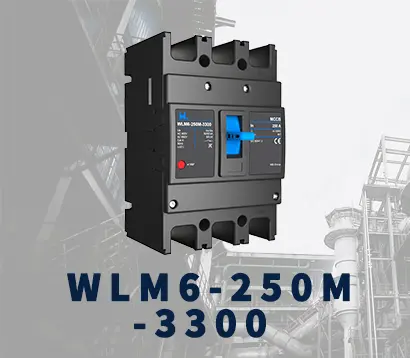 WLM6-250A-3300 3P/4P
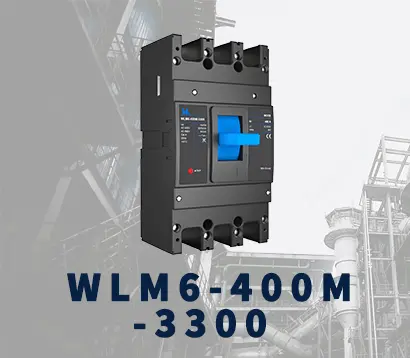 WLM6-400A-3300 3P/4P
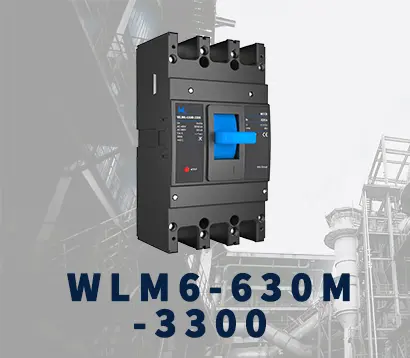 WLM6-630A-3300 3P/4P
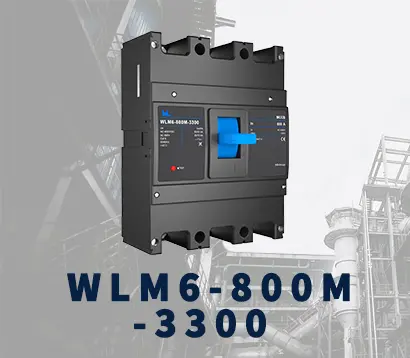 WLM6-800A-3300 3P/4P
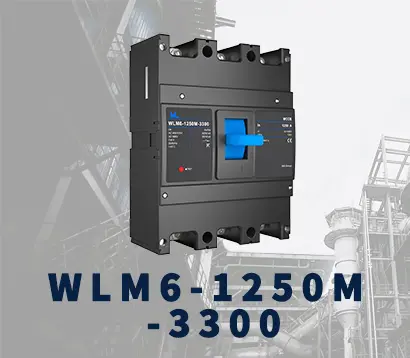 WLM6-1250A-3300 3P/4P
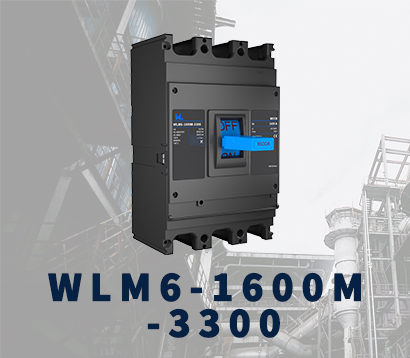 WLM6-1600A-3300 3P/4P
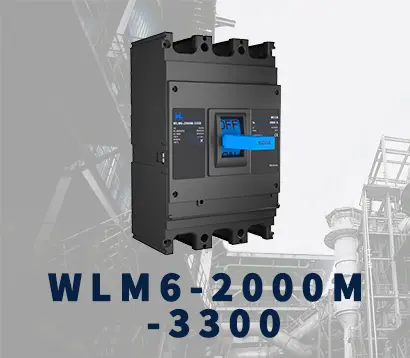 WLM6-2000A 3P/4P
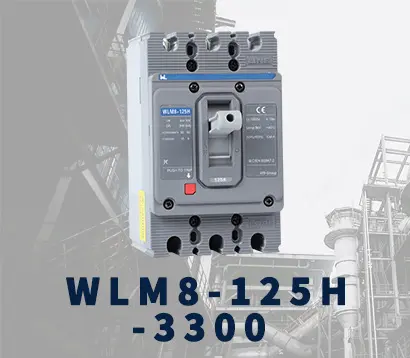 WLM8-125H-3300
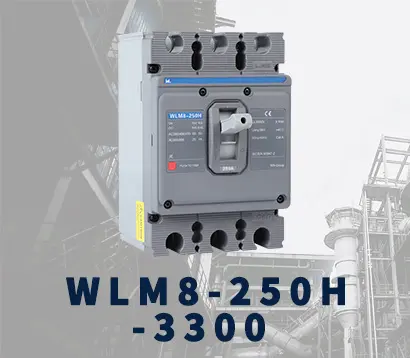 WLM8-250H-3300
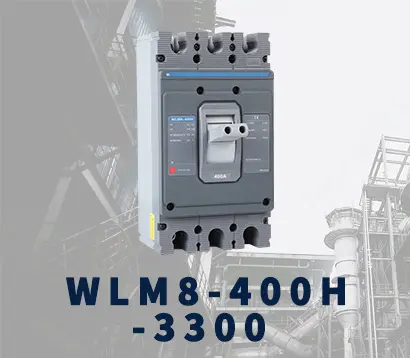 WLM8-400H-3300
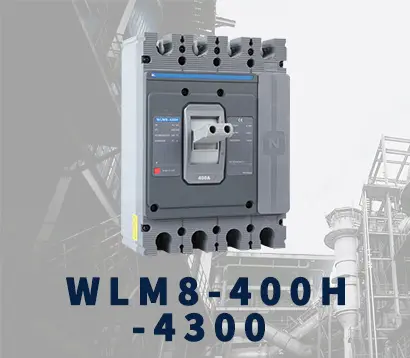 WLM8-400H-4300
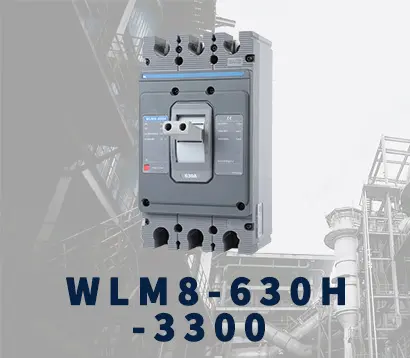 WLM8-630H-3300
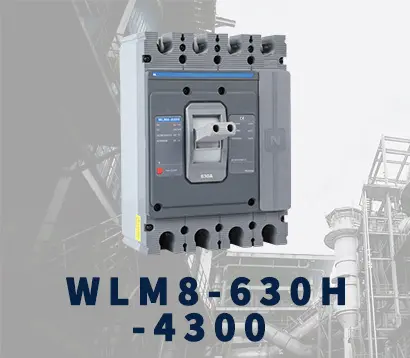 WLM8-630H-4300
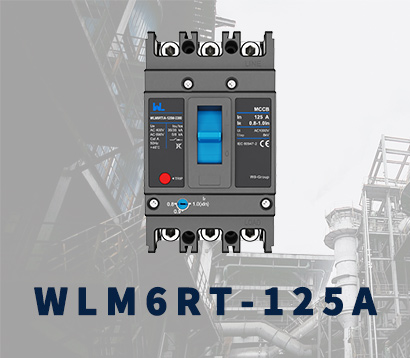 WLM6RT-125A
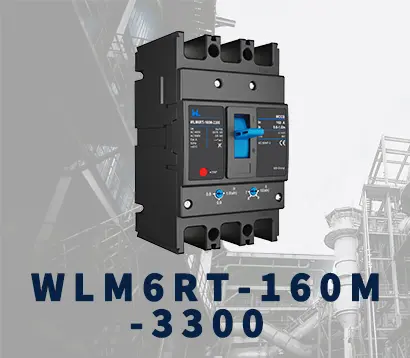 WLM6RT-160A
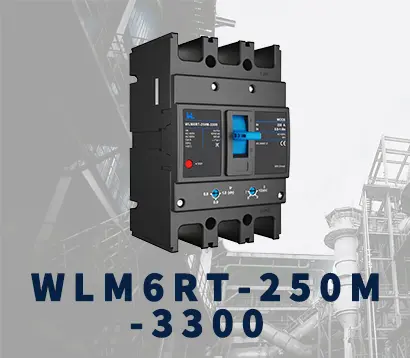 WLM6RT-250A
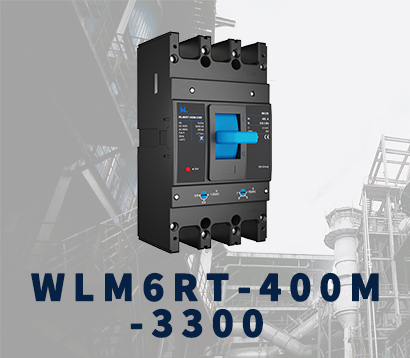 WLM6RT-400A
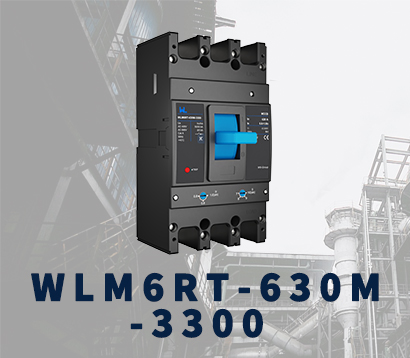 WLM6RT-630A
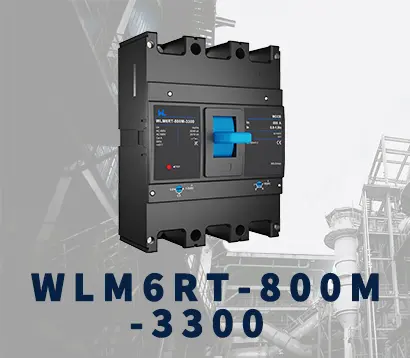 WLM6RT-800A
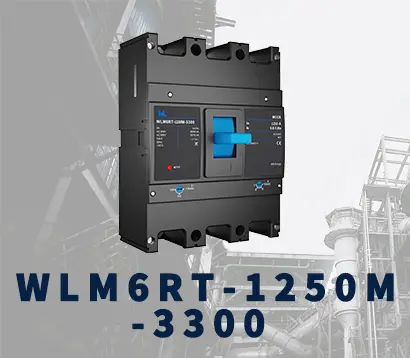 WLM6RT-1250A
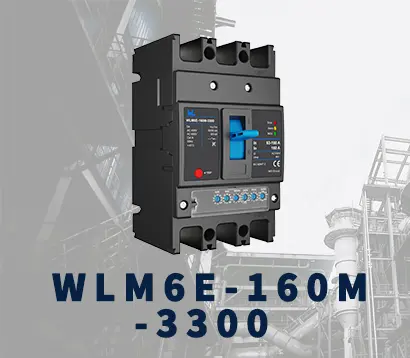 WLM6E-160A-3300 3P
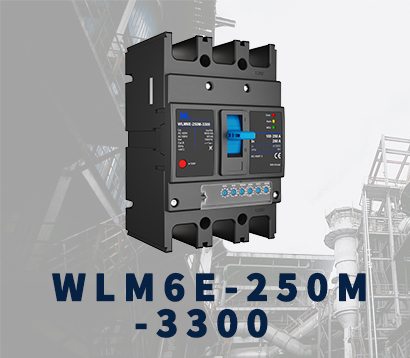 WLM6E-250A-3300
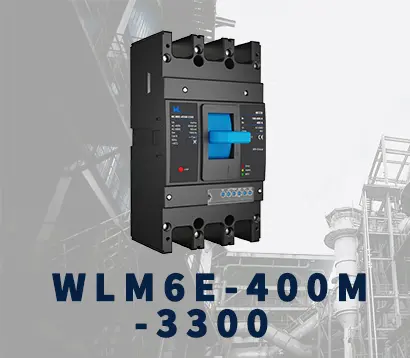 WLM6E-400A-3300 3P/4P
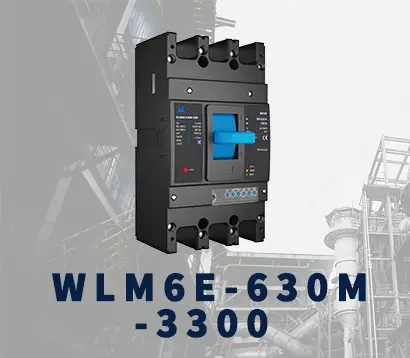 WLM6E-630A-3300
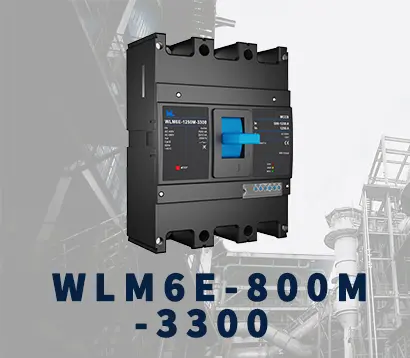 WLM6E-800A-3300 3P/4P
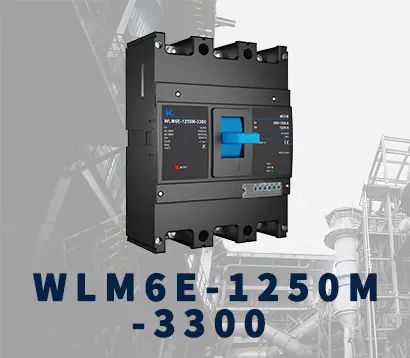 WLM6E-1250A-3300
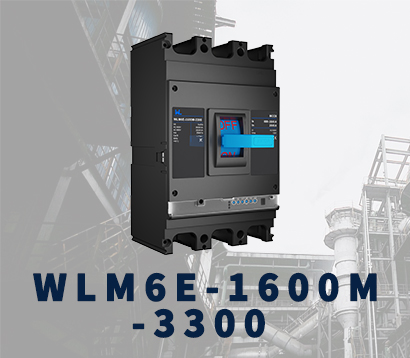 WLM6E-1600-3300 3P/4P
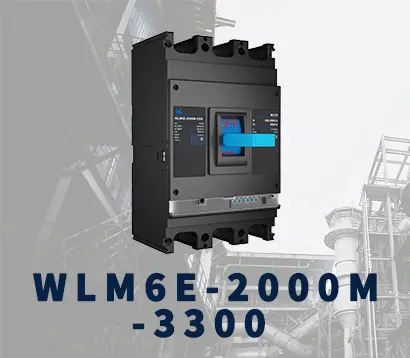 WLM6E-2000A-3300 3P/4P
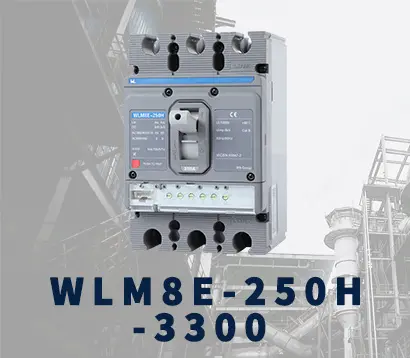 WLM8E-250H-3300
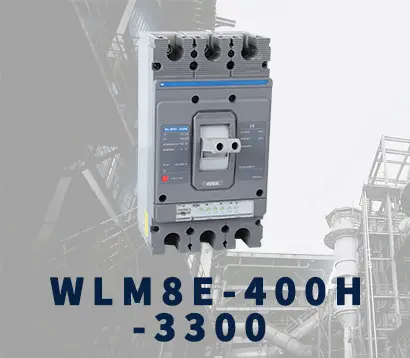 WLM8E-400H-3300
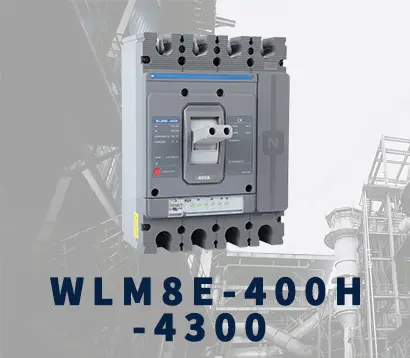 WLM8E-400H-4300
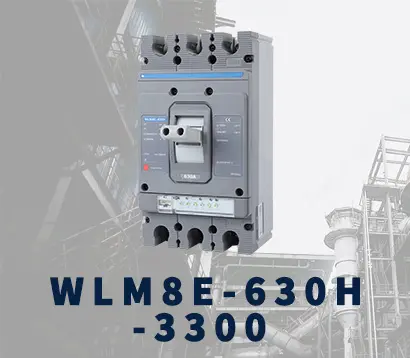 WLM8E-630H-3300
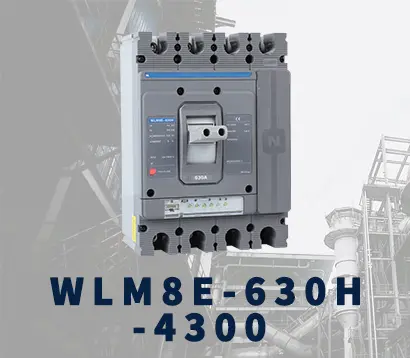 WLM8E-630H-4300
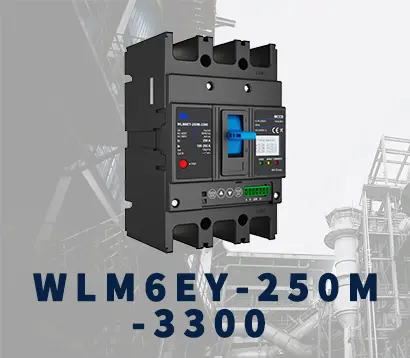 WLM6EY-250-3300 3P/4P
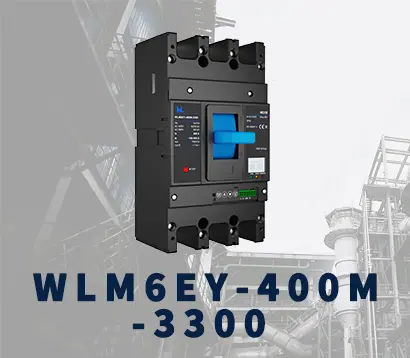 WLM6EY-400 3P/4P
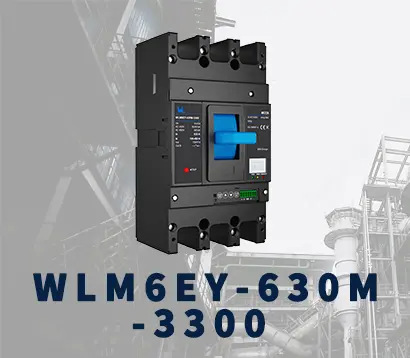 WLM6EY-630 3P/4P
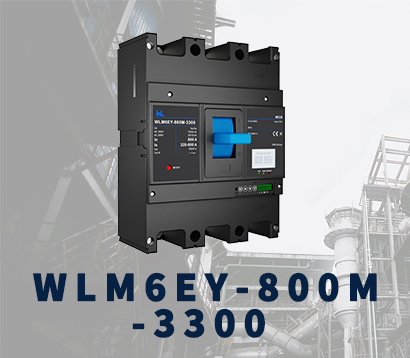 WLM6EY-800A 3P/4P
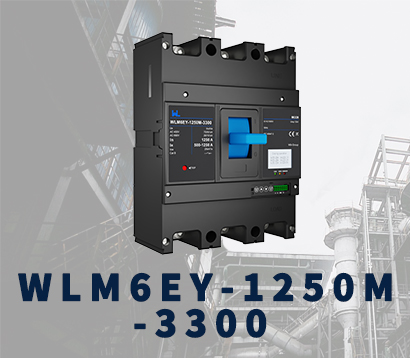 WLM6EY-1250A 3P/4P
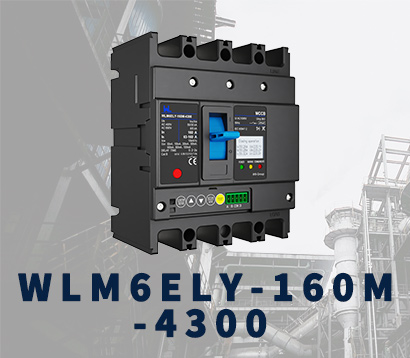 WLM6ELY-160A
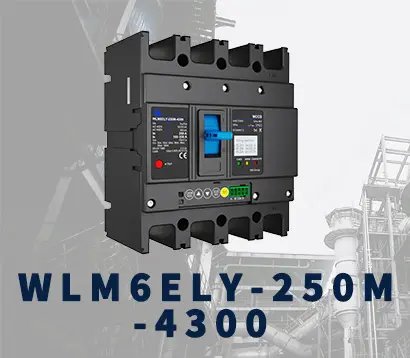 WLM6ELY-250A
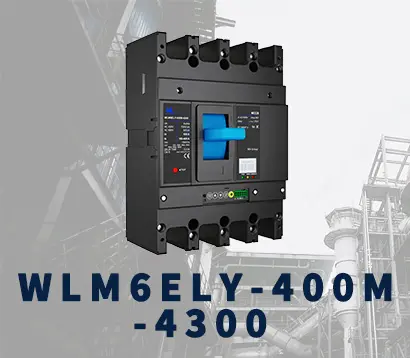 WLM6ELY-400A
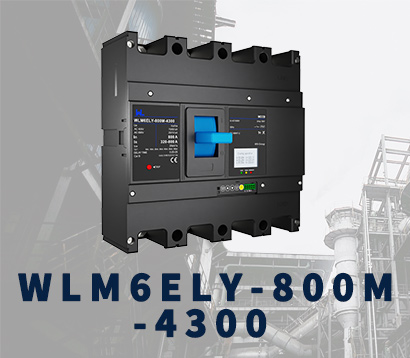 WLM6ELY-800A
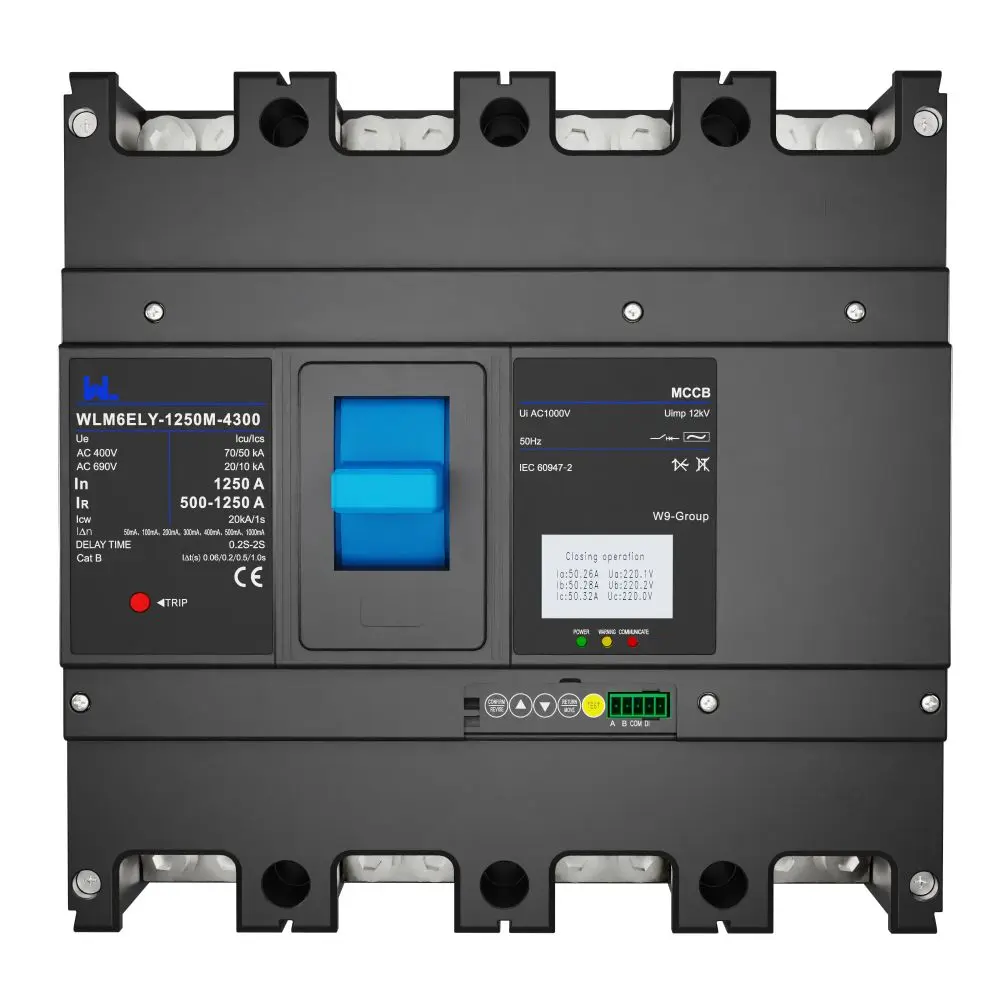 WLM6ELY-1250A
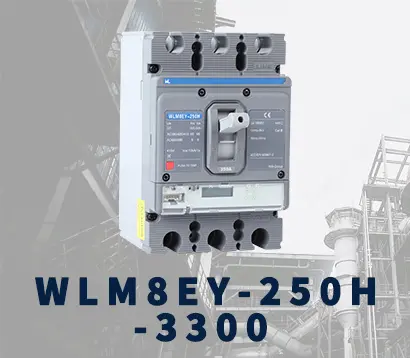 WLM8EY-250H-3300
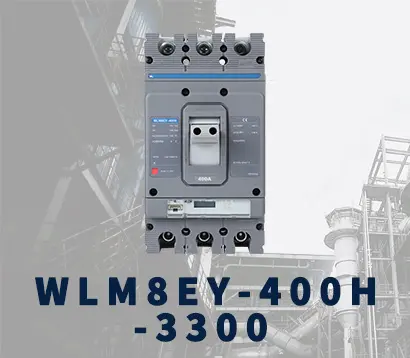 WLM8EY-400H-3300
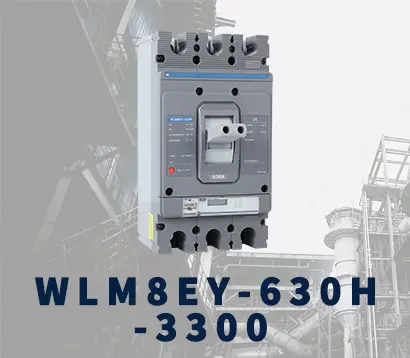 WLM8EY-630H-3300
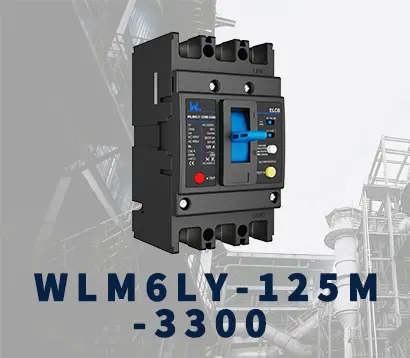 WLM6LY-125A
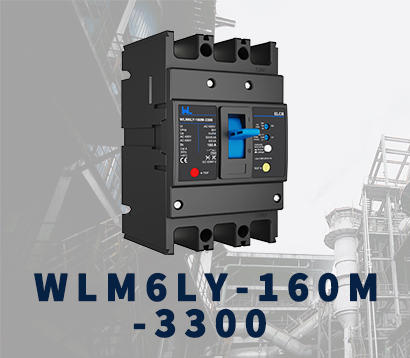 WLM6L-160A
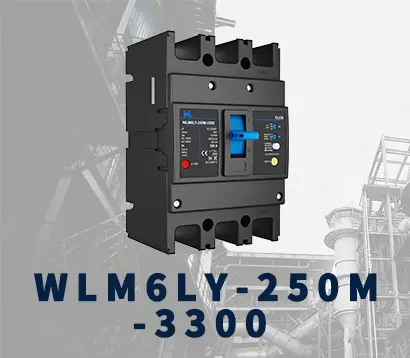 WLM6LY-250A
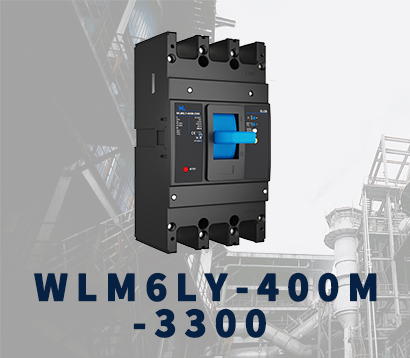 WLM6LY-400A
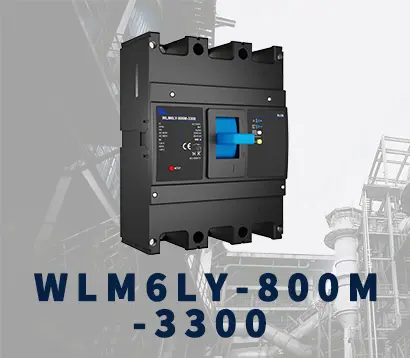 WLM6LY-800A
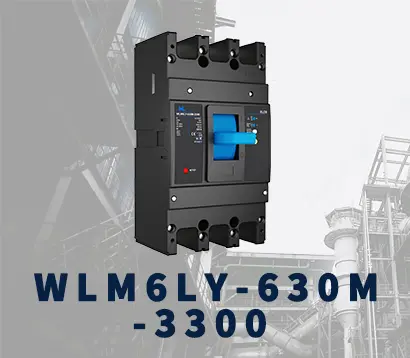 WLM6LY-630A
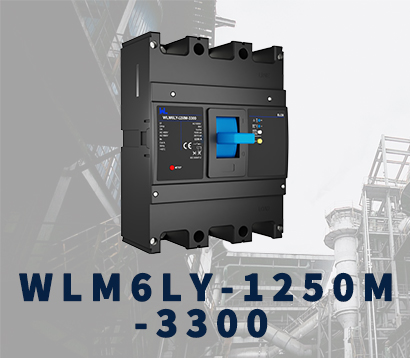 WLM6LY-1250A
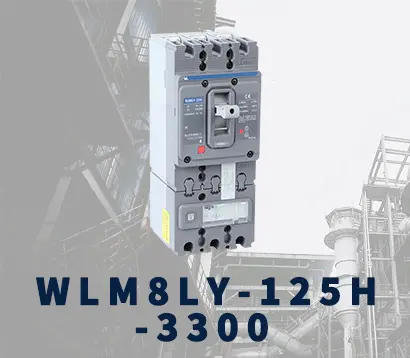 WLM8LY-125H-3300
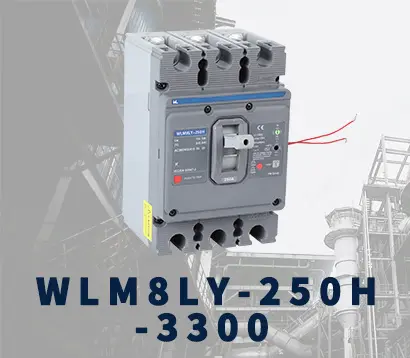 WLM8LY-250H-3300
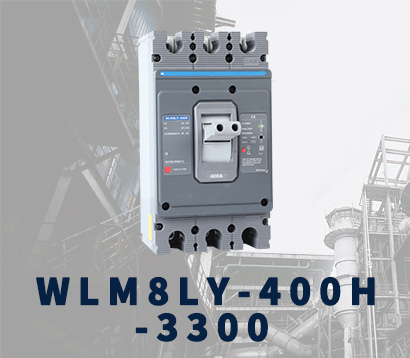 WLM8LY-400H-3300
 WLM8LY-630H-3300
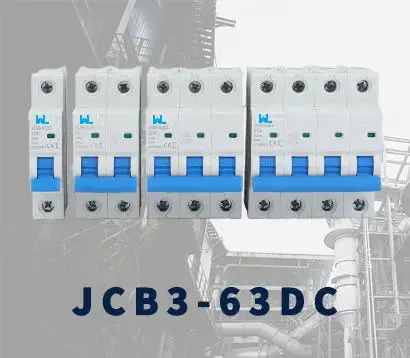 JCB3-63DC
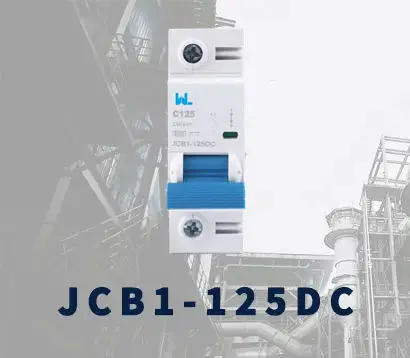 JCB1-125DC
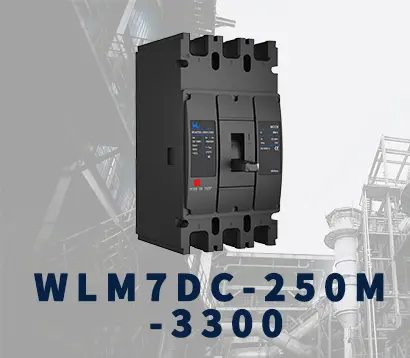 WLM7DC-250A-2300 2P/3P
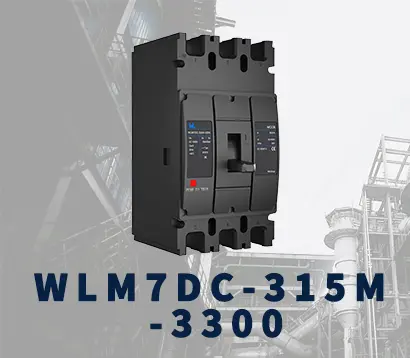 WLM7DC-315A-3300 2P/3P
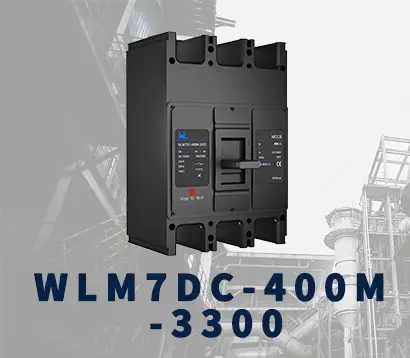 WLM7DC-400A-2300 2P/3P
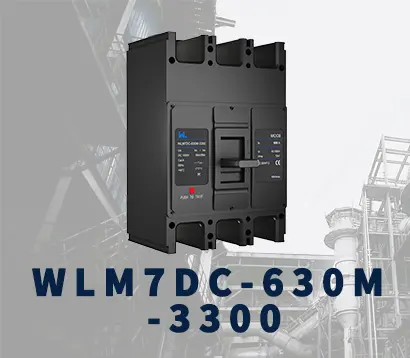 WLM7DC-630A-3300 3P
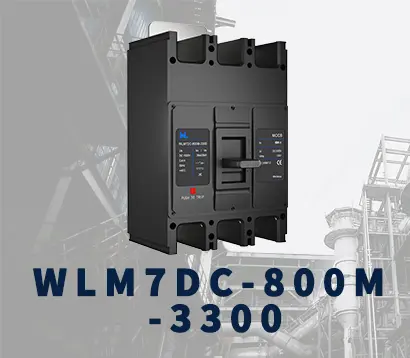 WLM7DC-800A-2300 2P/3P
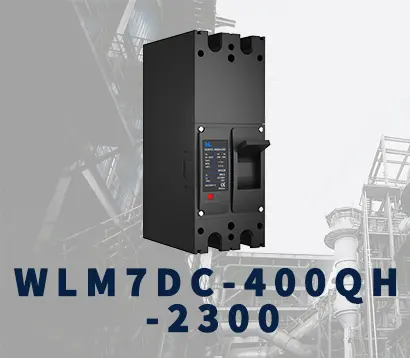 WLM7DC-400A 2300
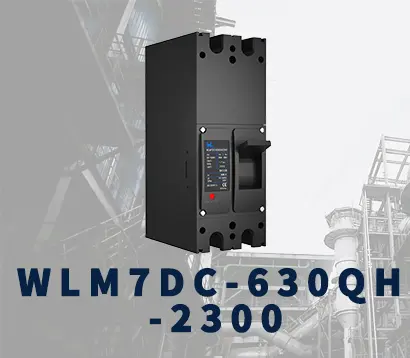 WLM7DC-630A-2300 2P
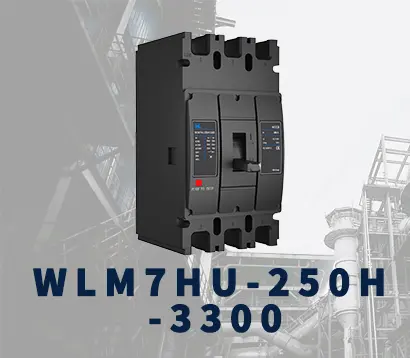 WLM7HU-250-3300 3P
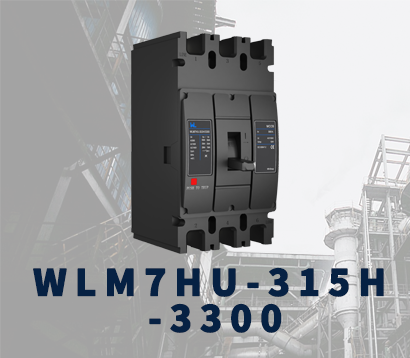 WLM7HU-315-3300 3P
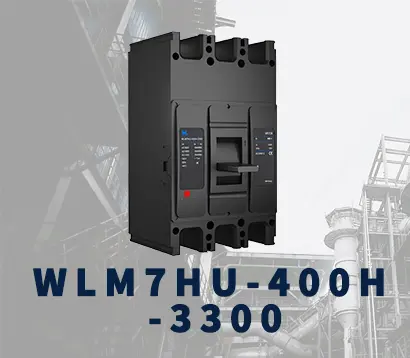 WLM7HU-400-3300 3P
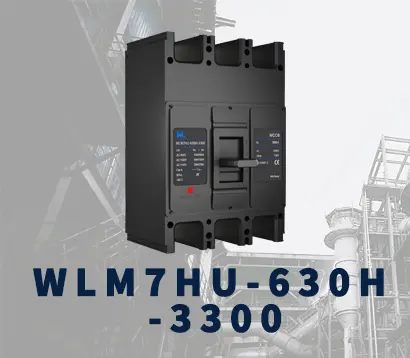 WLM7HU-630-3300 3P
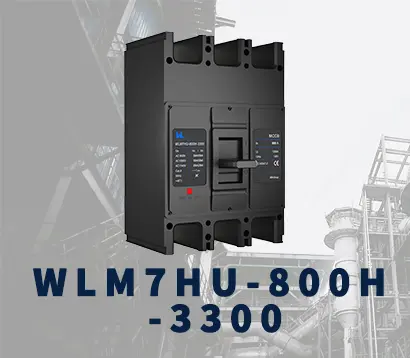 WLM7HU-800-3300 3P
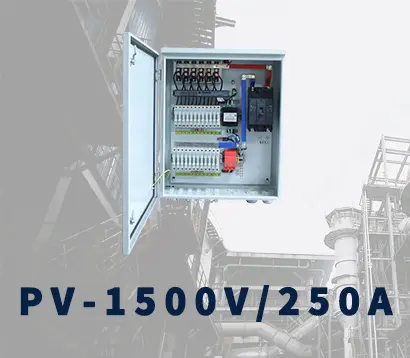 PV-1500V/250A
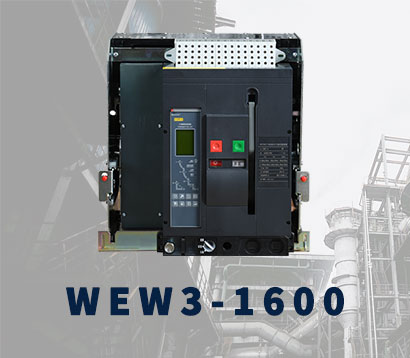 WEW3-1600
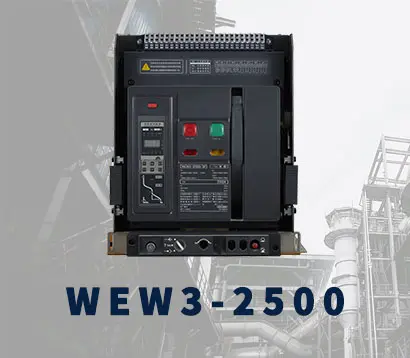 WEW3-2500
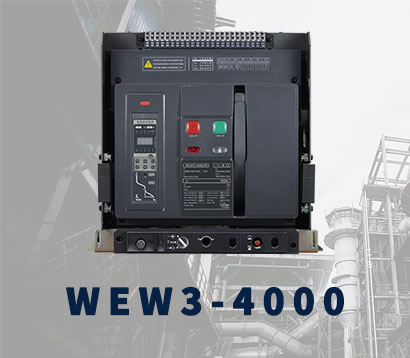 WEW3-4000
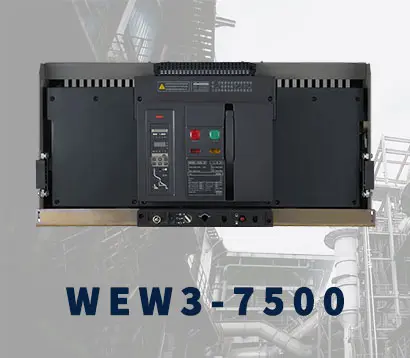 WEW3-7500