The Ultimate Guide to China Molded Case Circuit Breaker Innovation and Applications?
In the realm of electrical engineering, the China Molded Case Circuit Breaker stands out as a crucial innovation. Understanding its design and functionality is essential for engineers and technicians. This guide aims to explore the advancements in this technology and its various applications.
China Molded Case Circuit Breakers have transformed safety standards in electrical systems. Their ability to protect circuits from overloads and short circuits has become indispensable. Although they offer numerous benefits, their effectiveness is not without debate. Some users encounter issues, highlighting the need for ongoing improvement.
Innovation remains at the forefront of this field. Manufacturers continuously refine their products to enhance performance and reliability. For industry professionals, staying informed about these changes is vital. This guide serves as a comprehensive overview, addressing both the strengths and weaknesses of China Molded Case Circuit Breakers.
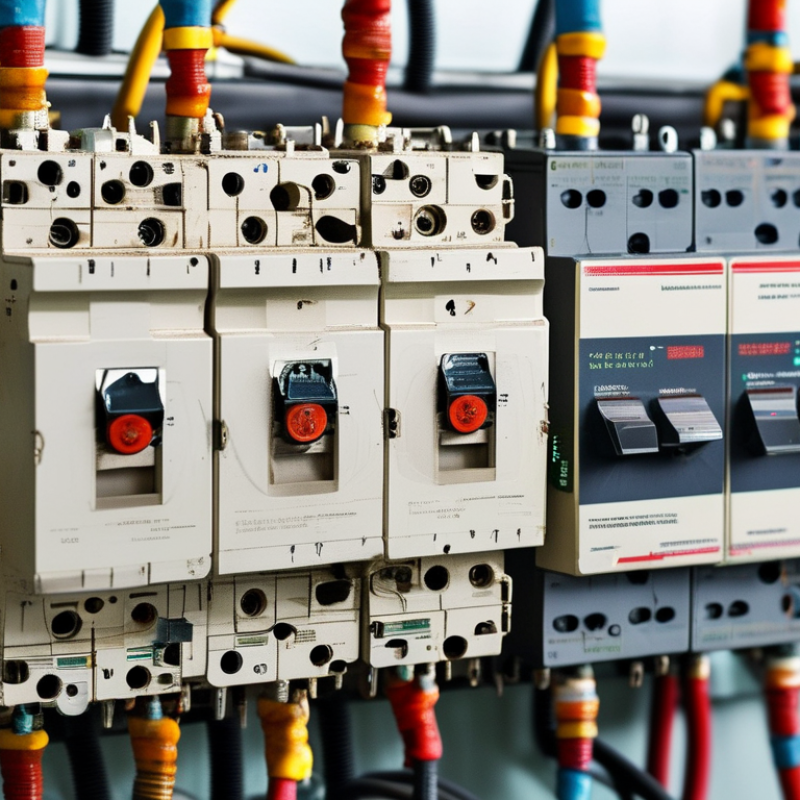
Overview of Molded Case Circuit Breakers in China
Molded Case Circuit Breakers (MCCBs) play a crucial role in electrical safety and efficiency in China. These devices protect electrical circuits from overloads and short circuits. The Chinese market for MCCBs is growing rapidly, driven by increasing industrialization. According to a report by ResearchAndMarkets, the demand for MCCBs in China is expected to expand at a CAGR of 6.5% from 2023 to 2028.
In China, the applications of MCCBs span various sectors. They are commonly used in manufacturing, construction, and renewable energy projects. The shift towards smart technologies also influences MCCB designs. Many manufacturers are incorporating advanced features such as digital monitoring and remote control. These innovations improve reliability and operational efficiency. However, the adoption of smart MCCBs requires careful consideration. Reliability and cybersecurity are still areas of concern.
While the future seems promising for MCCBs, challenges persist. The industry faces issues like the need for standardization and regulatory changes. As companies strive for compliance, staying updated becomes vital. Moreover, balancing innovation with cost can be a daunting task. The market's rapid evolution necessitates continuous learning and adaptation for industry professionals.
Key Innovations in China's Molded Case Circuit Breaker Technology
China's molded case circuit breaker (MCCB) technology has experienced significant advancements in recent years. According to industry reports, the market for MCCBs in China is expected to exceed USD 5 billion by 2025. This growth is driven by the increasing demand for smart and energy-efficient electrical systems in both residential and industrial sectors. Innovations in MCCB design now include digital interfaces for precise monitoring and control, enhancing operational efficiency.
The integration of IoT into MCCB systems marks a pivotal shift. These breakers can now communicate with other devices, allowing for real-time diagnostics and fault management. This transformation not only improves safety but also reduces downtime in critical applications. However, as technology evolves, some challenges remain. The reliability of communication protocols and the compatibility with existing systems are areas that require ongoing attention.
Moreover, advanced materials used in MCCB construction contribute to performance improvements. Lightweight and durable composites reduce the overall size while maintaining strength. Industry experts note that as construction trends lean toward compact designs, these innovations become increasingly relevant. Despite these advancements, the industry must address gaps in training for technicians dealing with modern MCCBs. Skills development is crucial for ensuring these innovations are effectively utilized in practice.
The Ultimate Guide to China Molded Case Circuit Breaker Innovation and Applications
| Feature |
Description |
Innovation Type |
Application Area |
| Smart Detection |
Real-time monitoring and fault detection through IoT technology. |
IoT Integration |
Industrial Automation |
| Compact Design |
Smaller footprint for better space utilization in panels. |
Design Optimization |
Commercial Buildings |
| Enhanced Protection |
Advanced protection features against overcurrent, short circuit, and ground faults. |
Safety Enhancement |
Power Distribution |
| Energy Efficiency |
Optimized for lower energy losses during operation. |
Energy Conservation |
Renewable Energy Systems |
| Remote Control |
Ability to control and monitor circuit breakers remotely. |
Control Systems |
Smart Grids |
Applications of Molded Case Circuit Breakers Across Various Industries
Molded Case Circuit Breakers (MCCBs) are pivotal across various industries, ensuring electrical safety and efficiency. In manufacturing, MCCBs protect machinery from overloads and short circuits.
According to the International Electrotechnical Commission (IEC), around 45% of industrial electrical failures stem from inadequate circuit protection. Using MCCBs can significantly mitigate these risks.
In the commercial sector, the demand for reliable power distribution is paramount. The global MCCB market is projected to reach $10 billion by 2025, driven largely by infrastructure development. Hospitals and data centers rely heavily on MCCBs for uninterrupted power supply. However, a recent report highlighted that around 20% of installations may not use MCCBs optimally, leading to performance issues and potential electrical fires.
Furthermore, the renewable energy sector is experiencing a surge in MCCB applications. Wind and solar power systems require robust circuit protection. Despite the increase in usage, industry experts note that some installations lack necessary maintenance checks. Regular assessments can improve MCCB reliability and longevity. As industries evolve, awareness of the significance of proper MCCB application remains crucial for safety and efficiency.
Comparative Analysis of Chinese and Global Molded Case Circuit Breakers
In recent years, the molded case circuit breaker (MCCB) market has experienced significant advancements. Chinese manufacturers have made substantial progress in technology and production capabilities. They focus heavily on enhancing safety features and energy efficiency. This evolution is driven by increased industrial demand and strict regulatory standards.
When comparing Chinese and global MCCBs, differences in design and functionality emerge. Chinese MCCBs often prioritize affordability, making them attractive for large-scale projects. However, international models frequently incorporate advanced smart technology. These products can monitor electrical parameters in real-time, offering enhanced control. Additionally, global brands may have a more extensive history of reliability and customer trust, making them preferred in critical applications.
Despite these innovations, there are challenges in the Chinese market. Many manufacturers still grapple with quality consistency and certification issues. As demand grows, so does the need for higher standards. Engaging in collaborations with global firms could bridge this gap. There is room for improvement in understanding international standards and practices. This can ultimately foster a more competitive landscape in the MCCB industry.
Future Trends in Molded Case Circuit Breaker Development in China
Molded case circuit breakers (MCCBs) are crucial for electrical safety. In China, they play a significant role in various sectors, including industrial, commercial, and residential applications. Current data indicates that the Chinese MCCB market is expected to grow steadily, reaching $3.2 billion by 2025. This growth is driven by rising infrastructure investments and increasing demands for energy efficiency.
A report from the China Electric Power Research Institute highlights the urgent need for innovation in MCCB technology. Key trends include the integration of smart technologies and improved energy management systems. Smart MCCBs can monitor performance in real-time, enhancing reliability and reducing downtime. However, many manufacturers still lack expertise in developing these advanced features.
As the market evolves, sustainability becomes a focal point. Companies need to address environmental concerns in their production processes. Current recycling rates for MCCBs remain low, indicating room for improvement. Embracing sustainable practices can differentiate companies in a competitive landscape. The path forward requires a blend of innovation, environmental responsibility, and technical know-how.

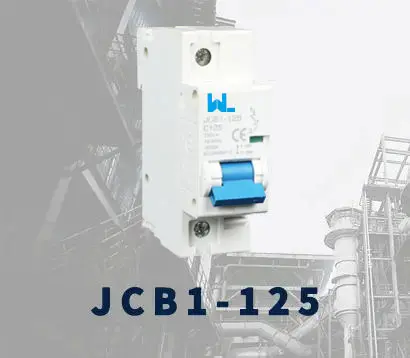 JCB1-125
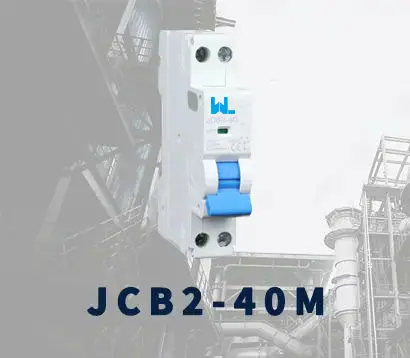 JCB2-40M
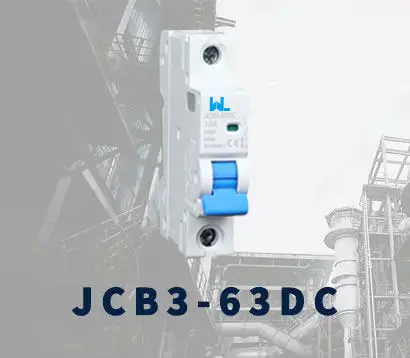 JCB3-63DC
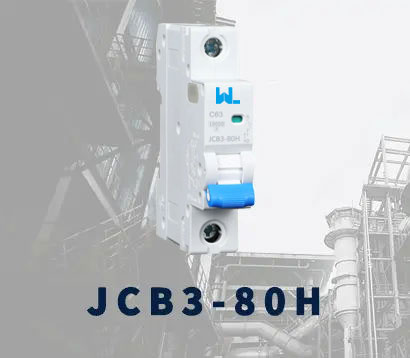 JCB3-80H
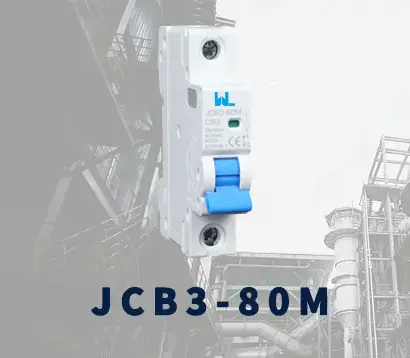 JCB3-80M
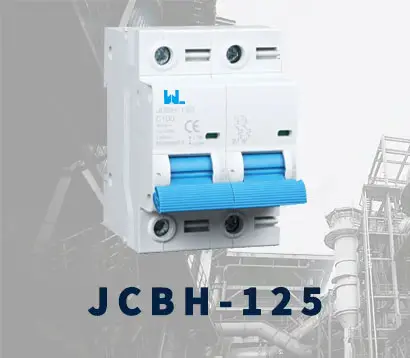 JCBH-125
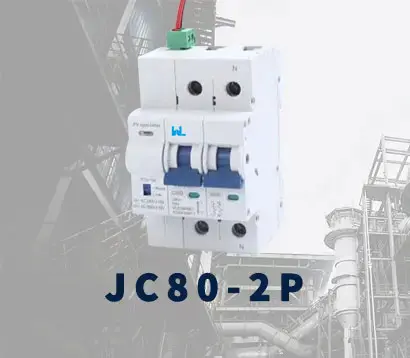 JC80-2P
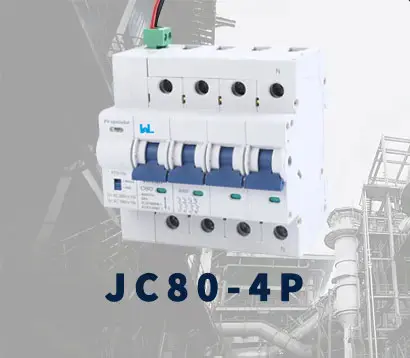 JC80-4P
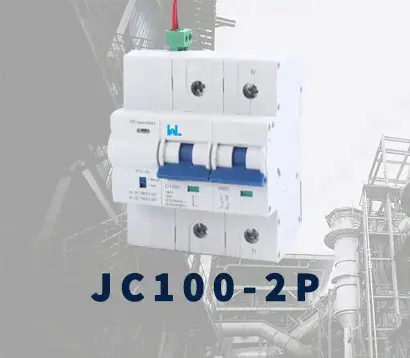 JC125-2P
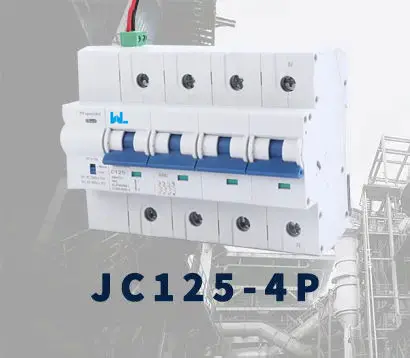 JC125-4P
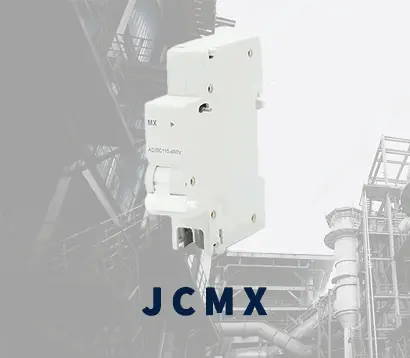 JCMX
JCMX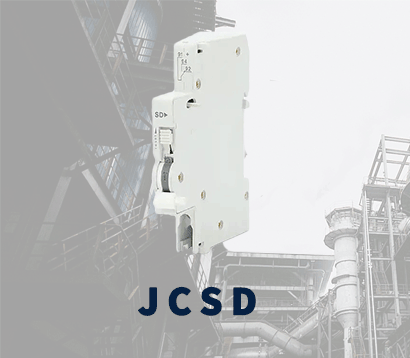 JCSD
JCSD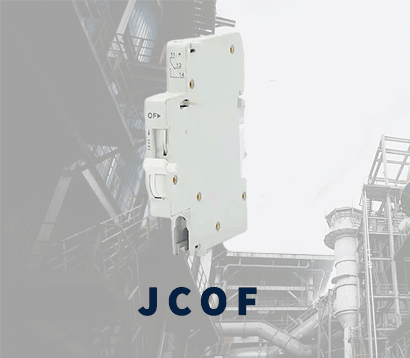 JCOF
JCOF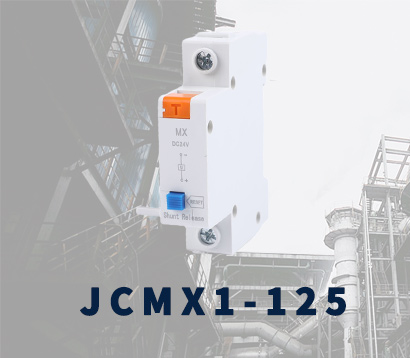 JCMX1-125
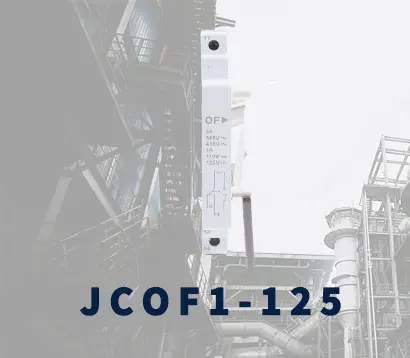 JCOF1-125
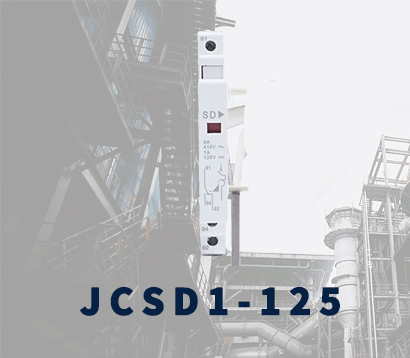 JCSD1-125
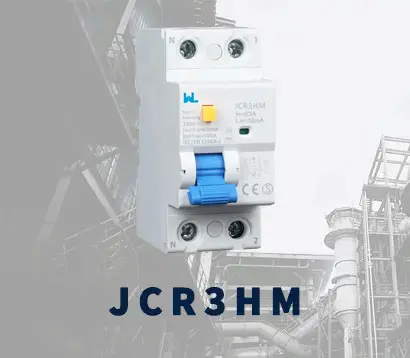 JCR3HM
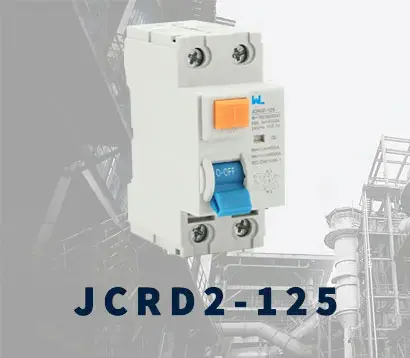 JCRD2-125
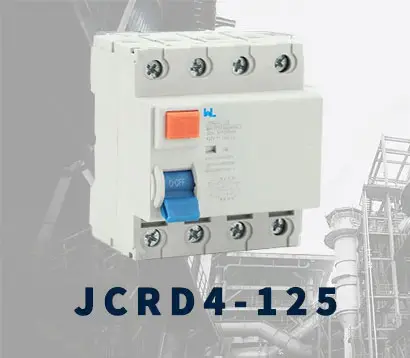 JCRD4-125
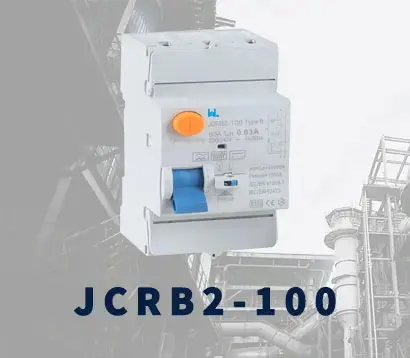 JCRB2-100
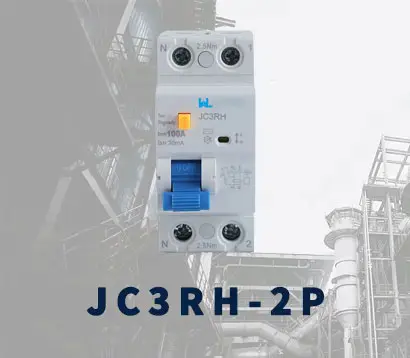 JC3RH-2P
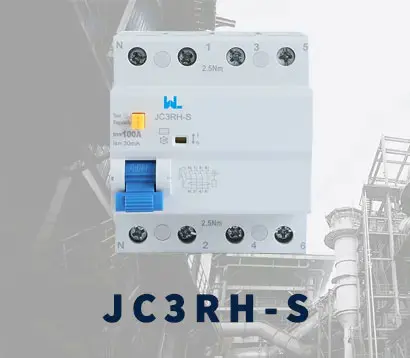 JC3RH-S
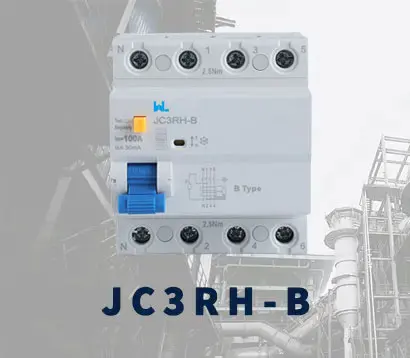 JC3RH-B
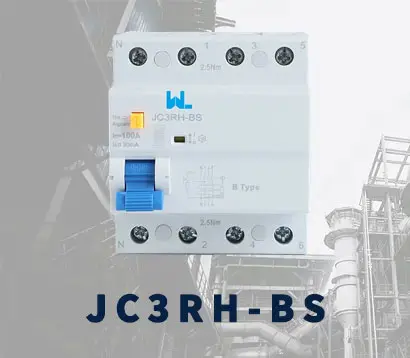 JC3RH-BS
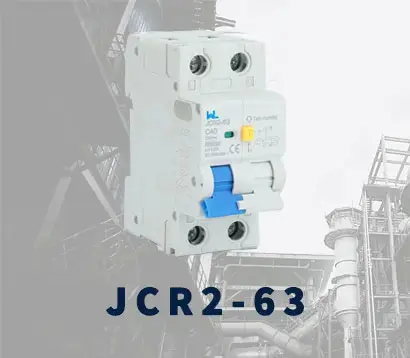 JCR2-63
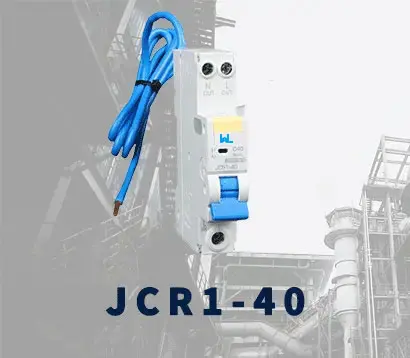 JCR1-40
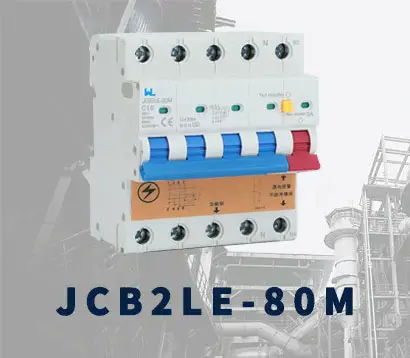 JCB2LE-80M
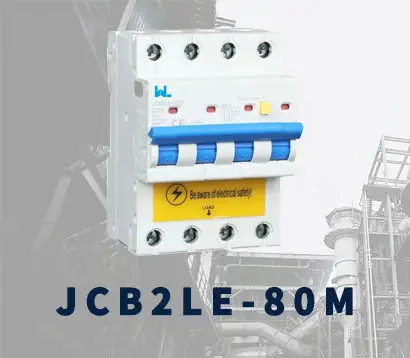 JCB2LE-80M
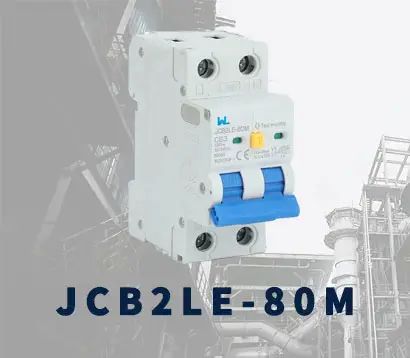 JCB2LE-80M
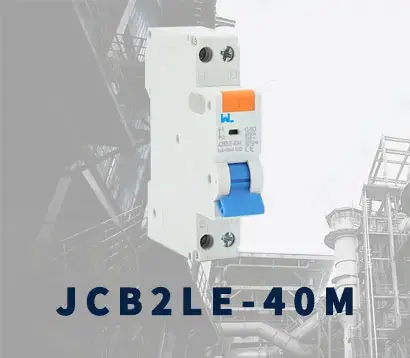 JCB2LE-40M
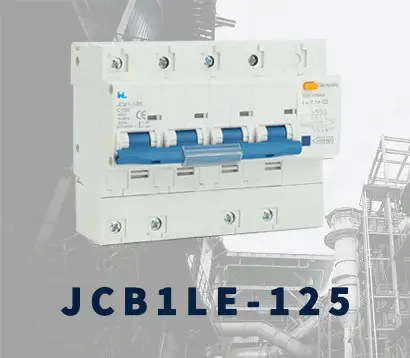 JCB1LE-125
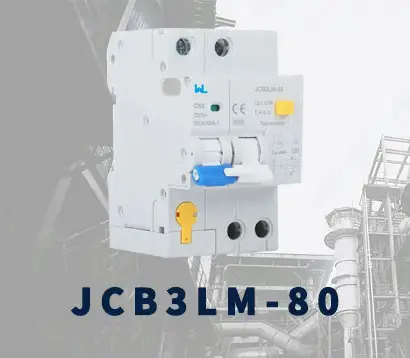 JCB3LM-80
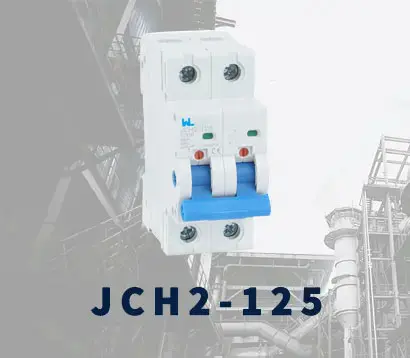 JCH2-125
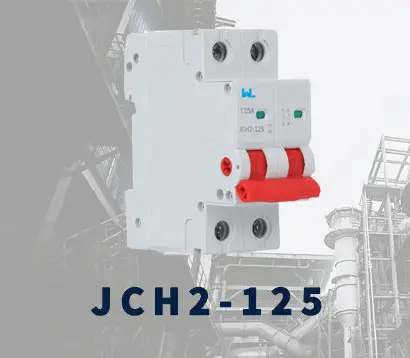 JCH2-125
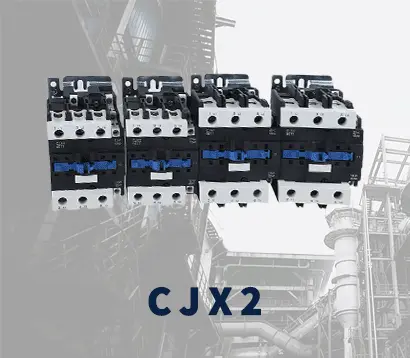 CJX2
CJX2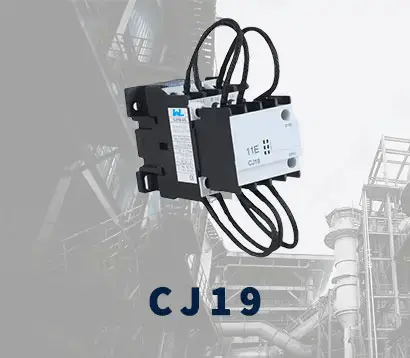 CJ19
CJ19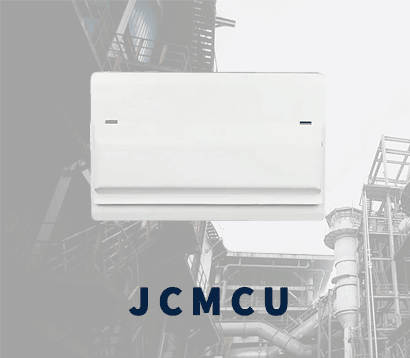 JCMCU
JCMCU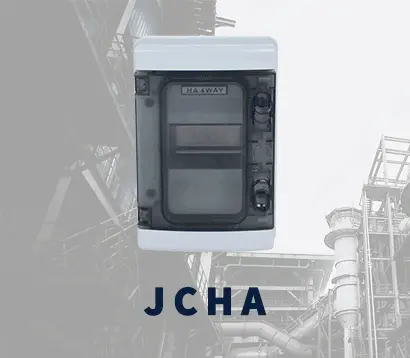 JCHA
JCHA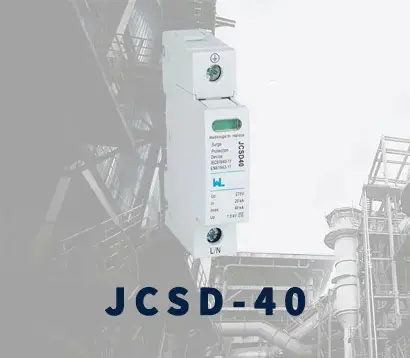 JCSD-40
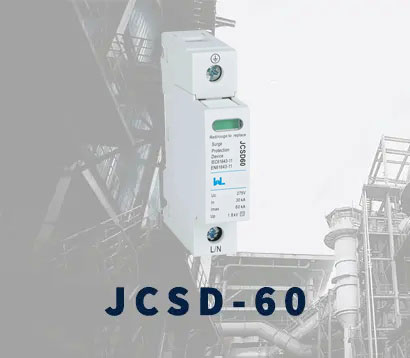 JCSD-60
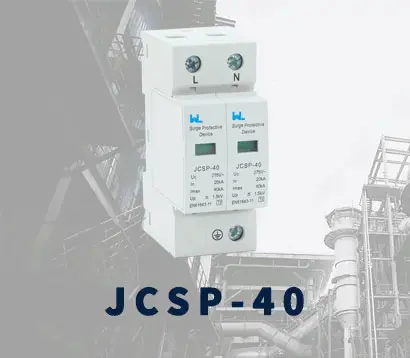 JCSP-40
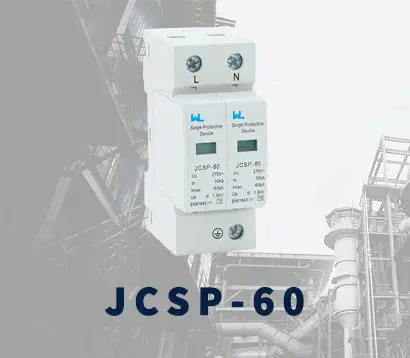 JCSP-60
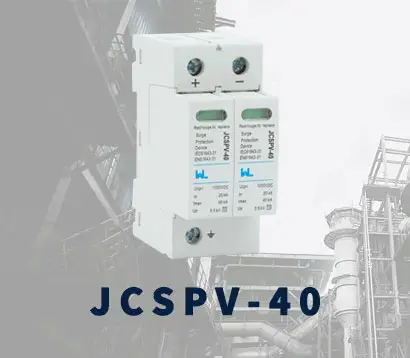 JCSPV
JCSPV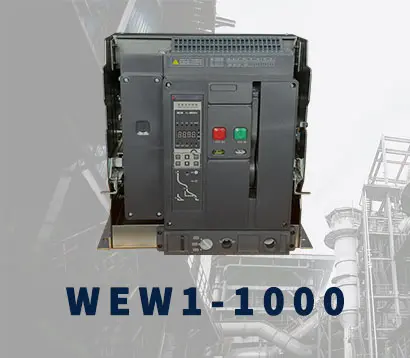 WEW1-1000
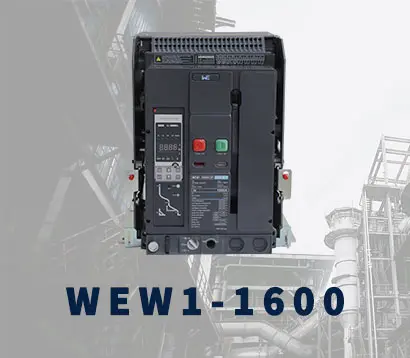 WEW1-1600
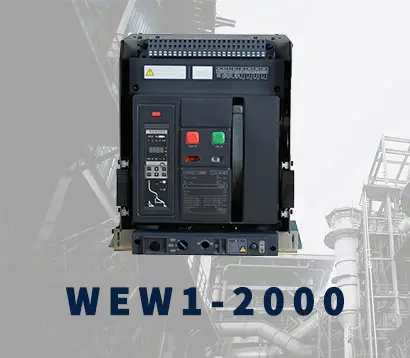 WEW1-2000
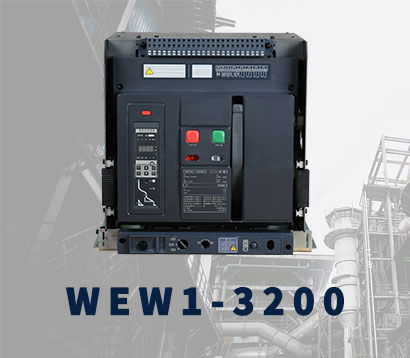 WEW1-3200
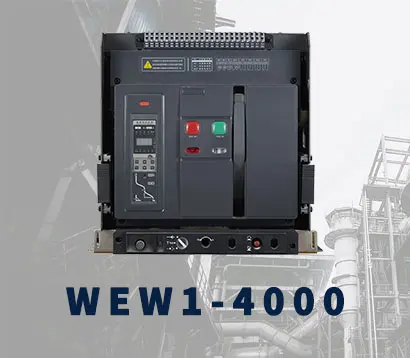 WEW1-4000
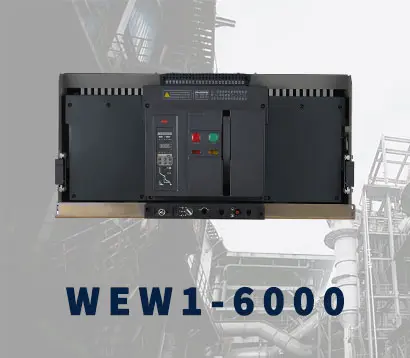 WEW1-6300
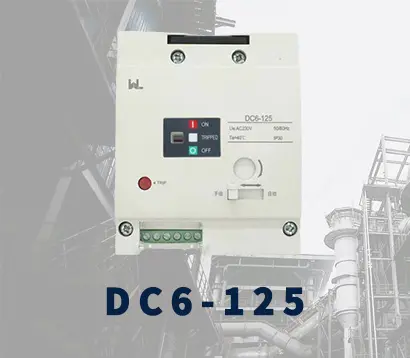 DC6-125
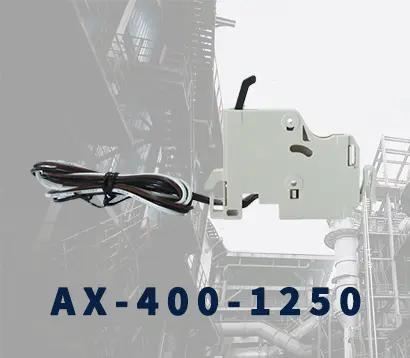 AX-400-1250
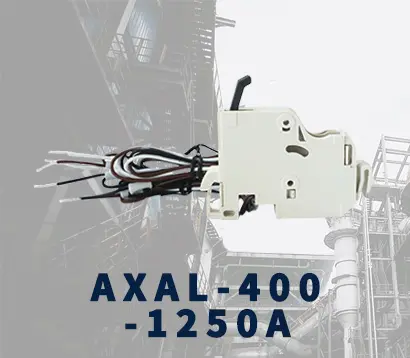 AXAL-400-1250A
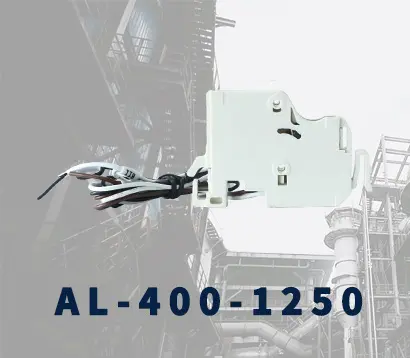 AL-400-1250
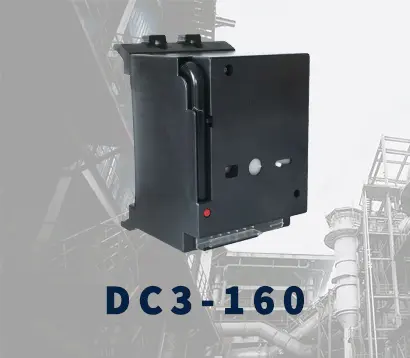 DC3-160
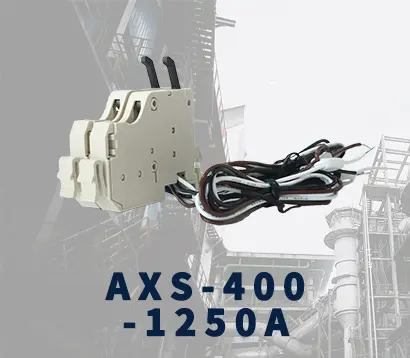 AXS-400-1250A
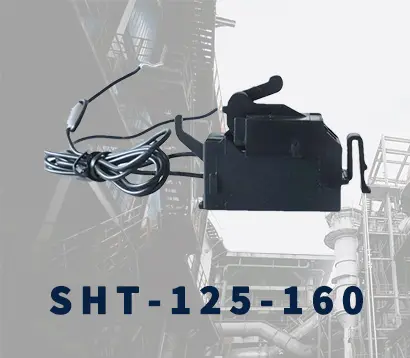 SHT-125-160
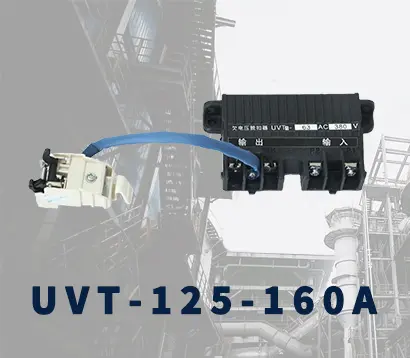 UVT-125-160A
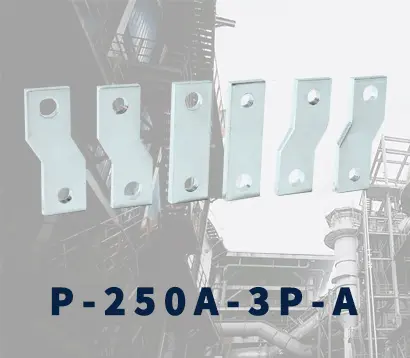 P-250A-3P-A
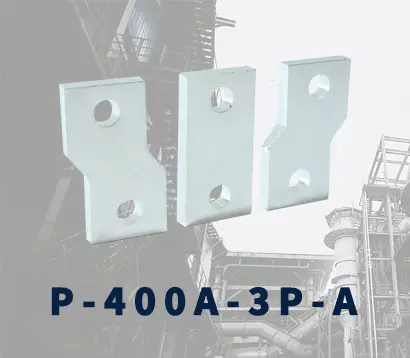 400-3P/4P terminal cover
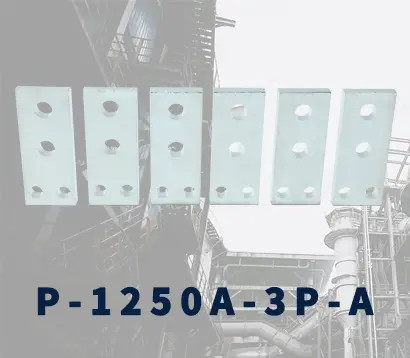 1250-3Pmccb accessories busbar
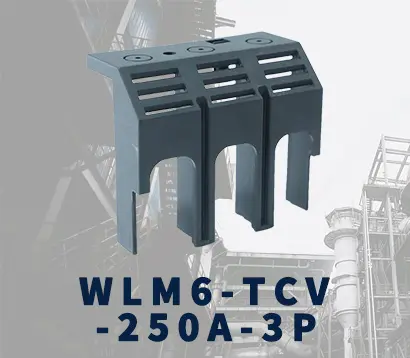 250-3P terminal conver
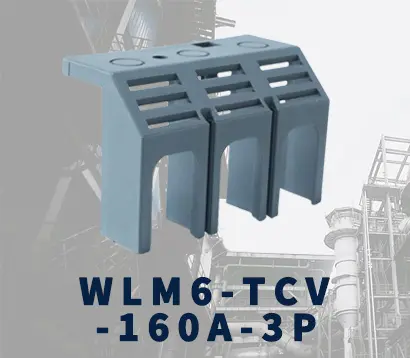 WLM6-TCV-160A-3P
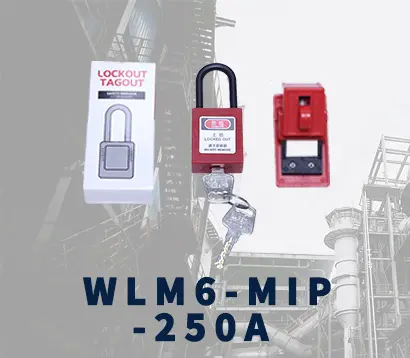 WLM6-MIP-250A
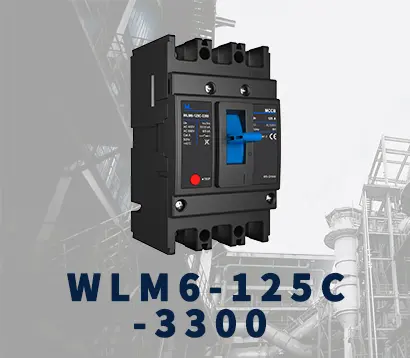 WLM6-125A-3300 3P/4P
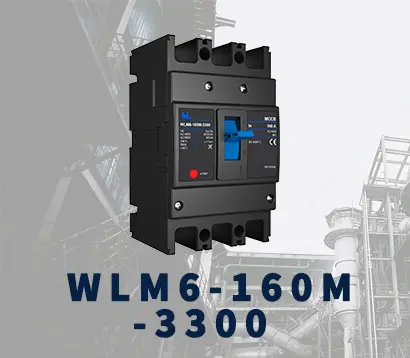 WLM6-160A-3300 3P/4P
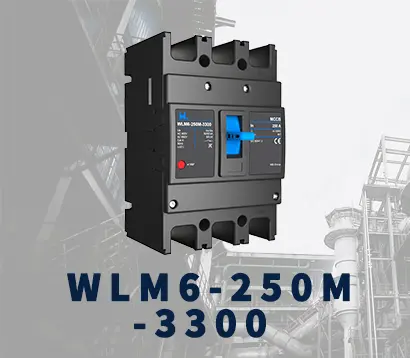 WLM6-250A-3300 3P/4P
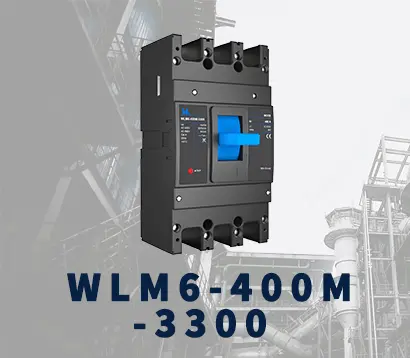 WLM6-400A-3300 3P/4P
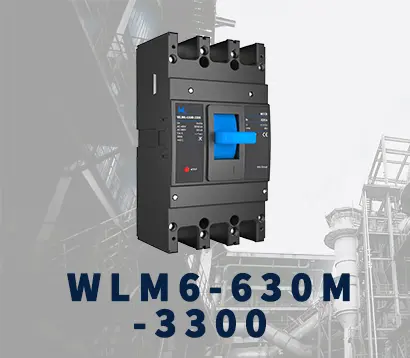 WLM6-630A-3300 3P/4P
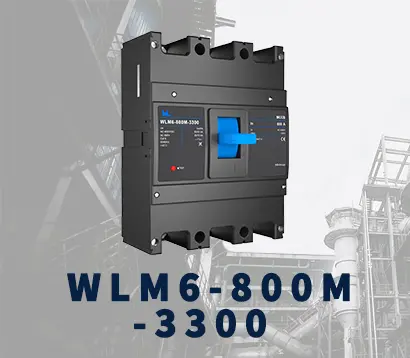 WLM6-800A-3300 3P/4P
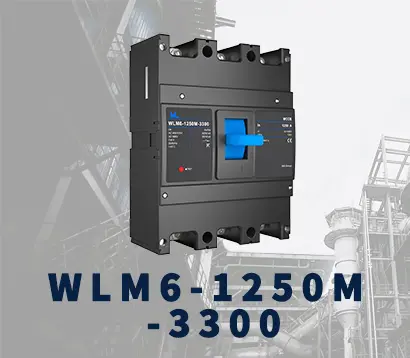 WLM6-1250A-3300 3P/4P
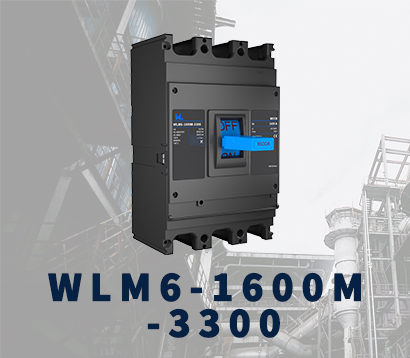 WLM6-1600A-3300 3P/4P
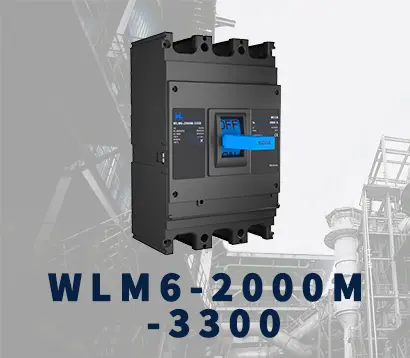 WLM6-2000A 3P/4P
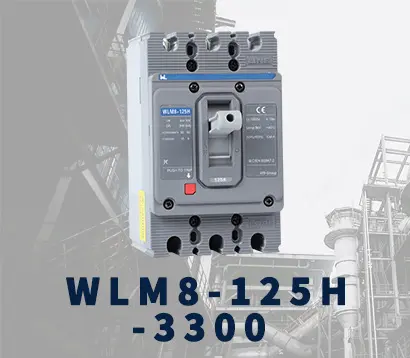 WLM8-125H-3300
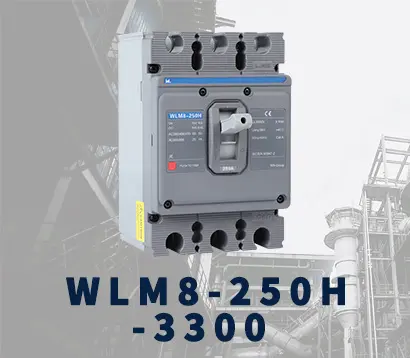 WLM8-250H-3300
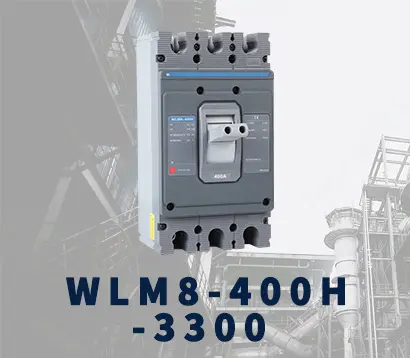 WLM8-400H-3300
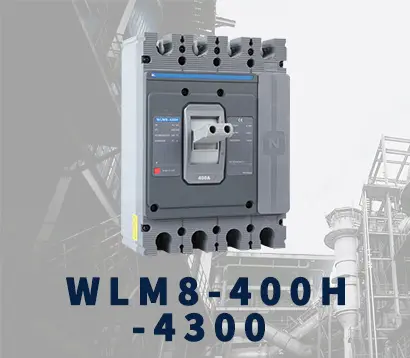 WLM8-400H-4300
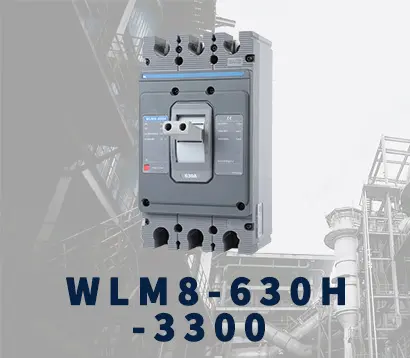 WLM8-630H-3300
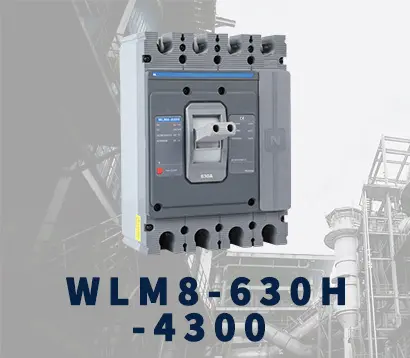 WLM8-630H-4300
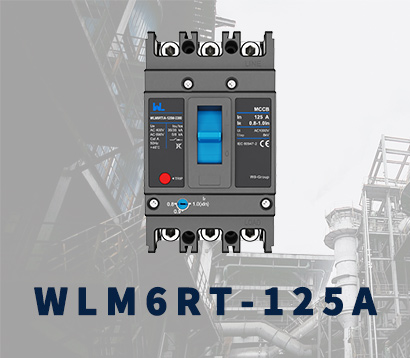 WLM6RT-125A
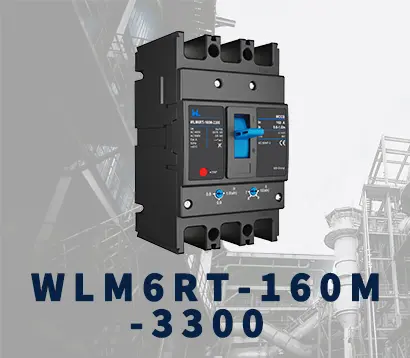 WLM6RT-160A
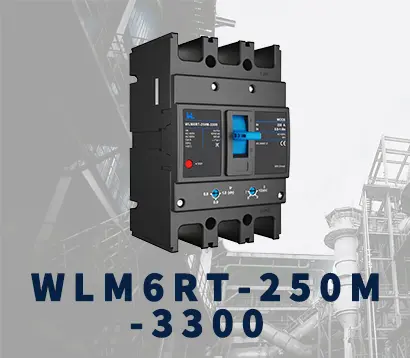 WLM6RT-250A
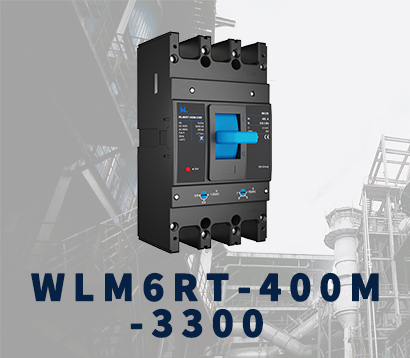 WLM6RT-400A
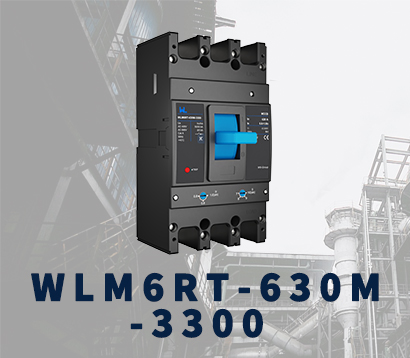 WLM6RT-630A
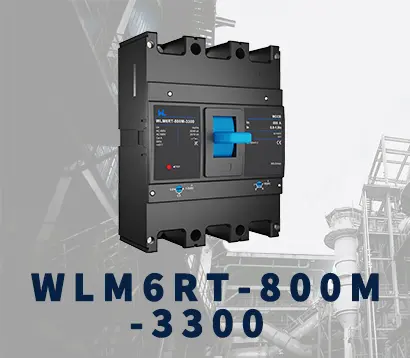 WLM6RT-800A
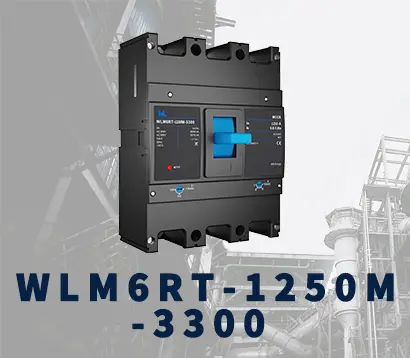 WLM6RT-1250A
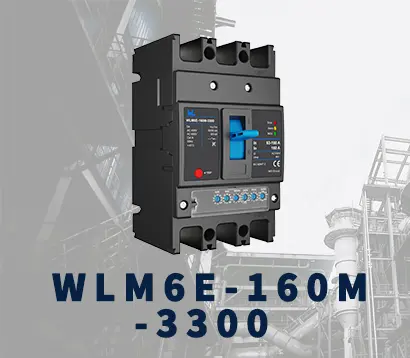 WLM6E-160A-3300 3P
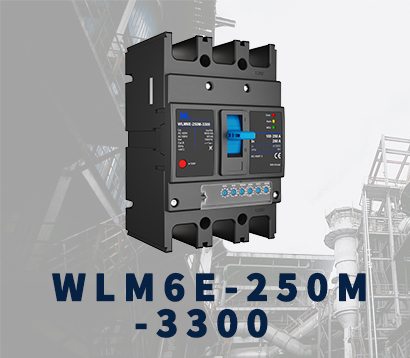 WLM6E-250A-3300
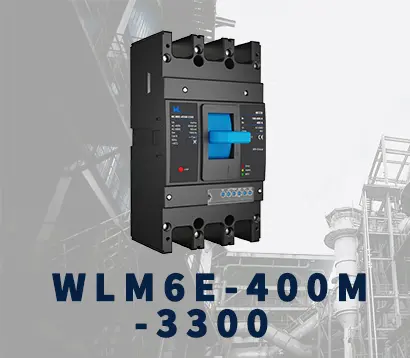 WLM6E-400A-3300 3P/4P
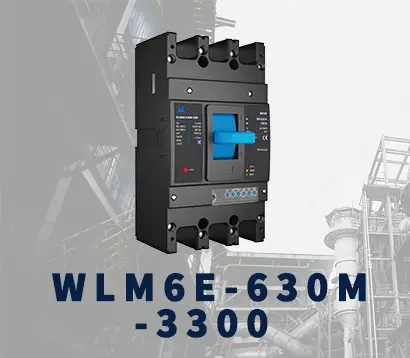 WLM6E-630A-3300
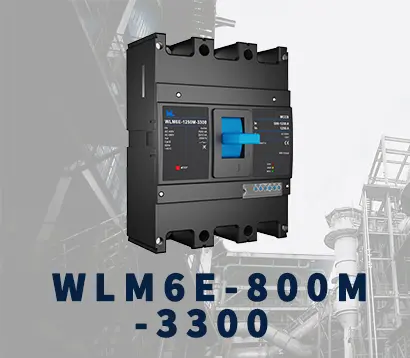 WLM6E-800A-3300 3P/4P
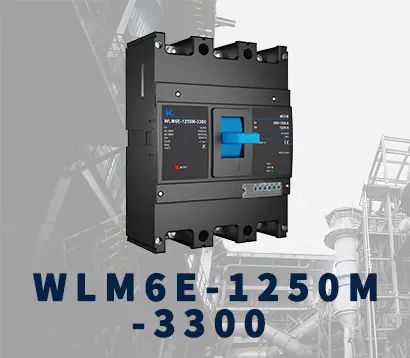 WLM6E-1250A-3300
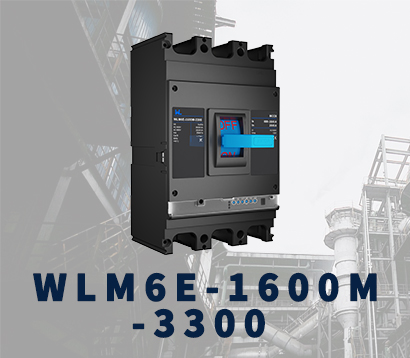 WLM6E-1600-3300 3P/4P
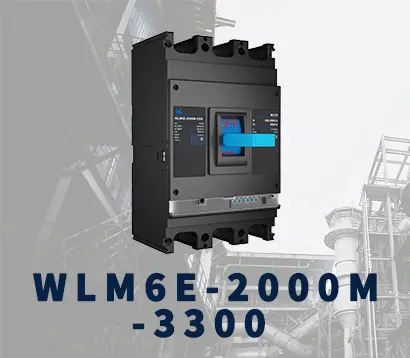 WLM6E-2000A-3300 3P/4P
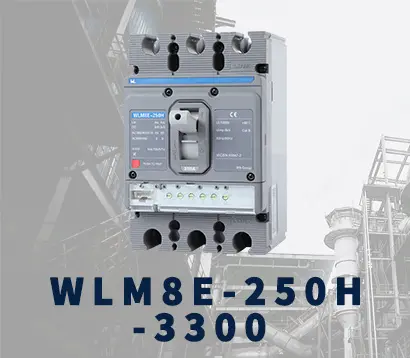 WLM8E-250H-3300
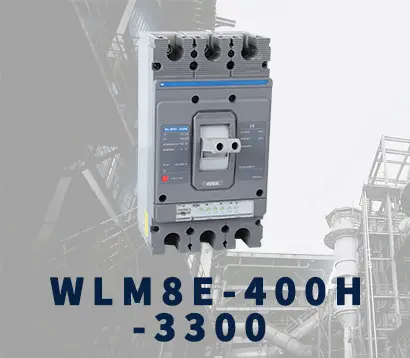 WLM8E-400H-3300
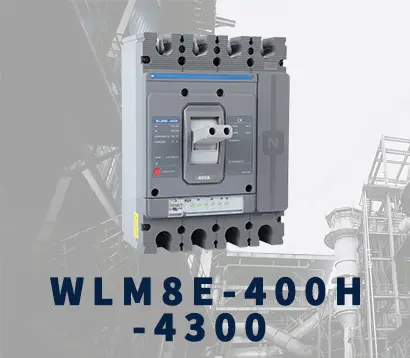 WLM8E-400H-4300
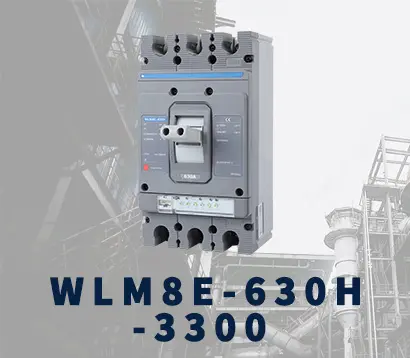 WLM8E-630H-3300
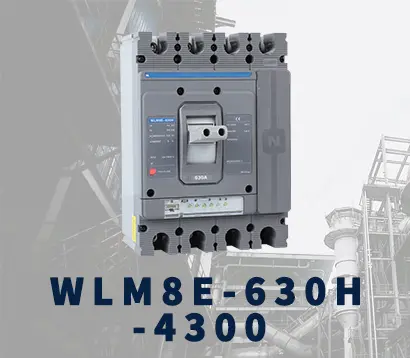 WLM8E-630H-4300
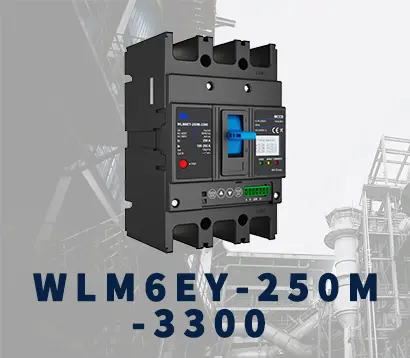 WLM6EY-250-3300 3P/4P
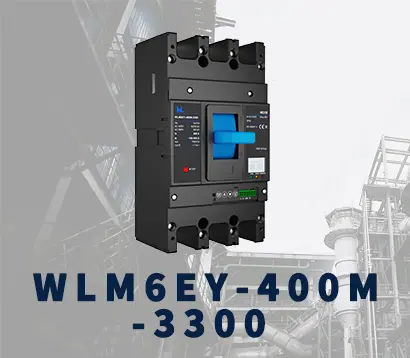 WLM6EY-400 3P/4P
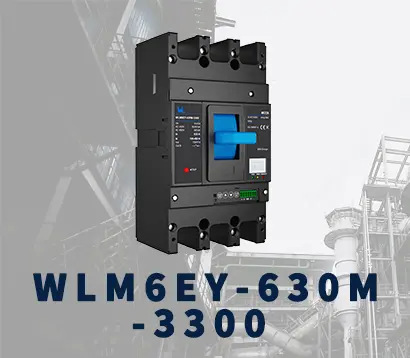 WLM6EY-630 3P/4P
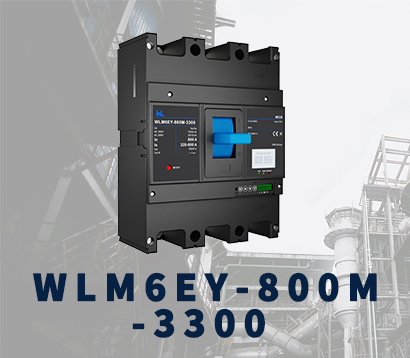 WLM6EY-800A 3P/4P
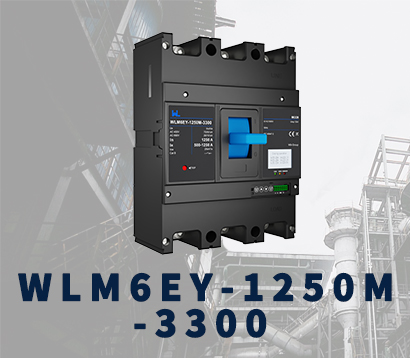 WLM6EY-1250A 3P/4P
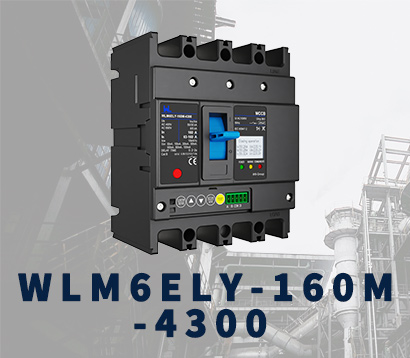 WLM6ELY-160A
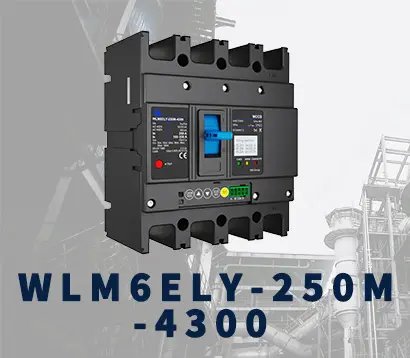 WLM6ELY-250A
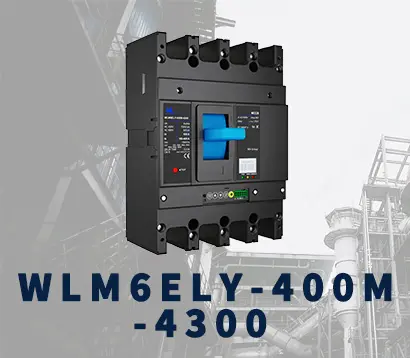 WLM6ELY-400A
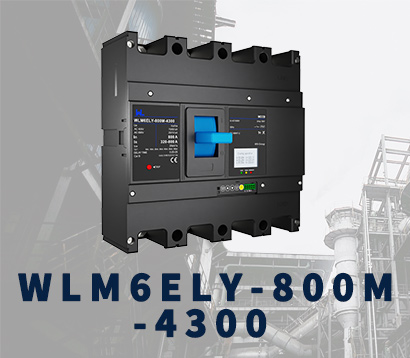 WLM6ELY-800A
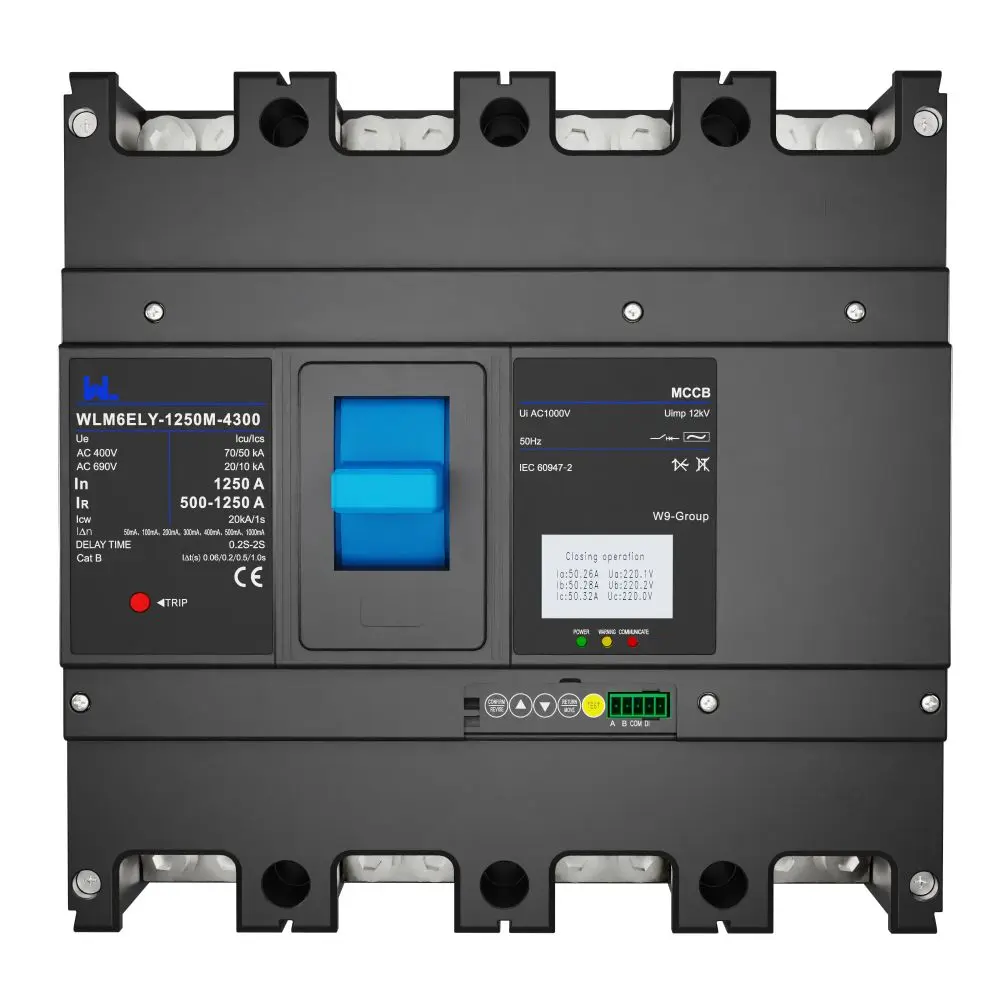 WLM6ELY-1250A
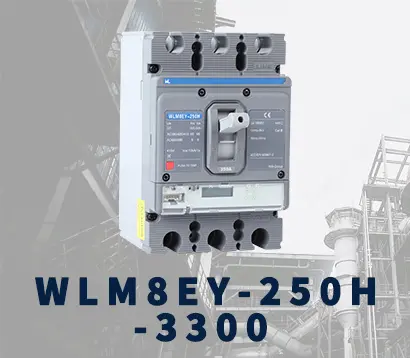 WLM8EY-250H-3300
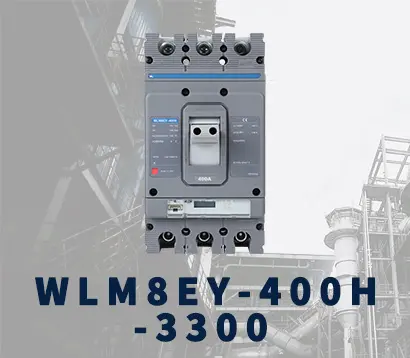 WLM8EY-400H-3300
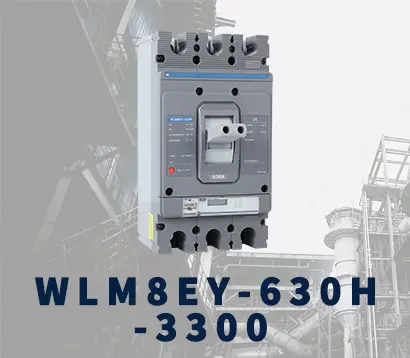 WLM8EY-630H-3300
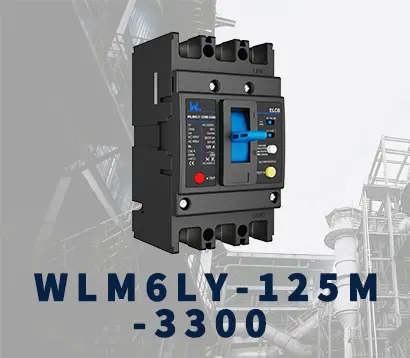 WLM6LY-125A
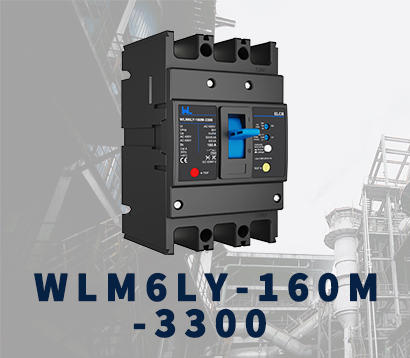 WLM6L-160A
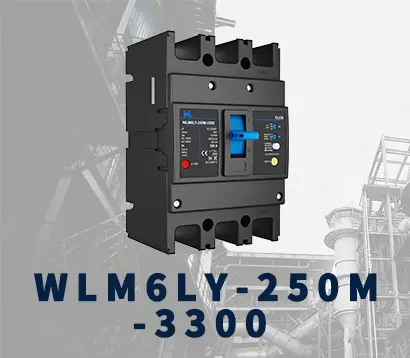 WLM6LY-250A
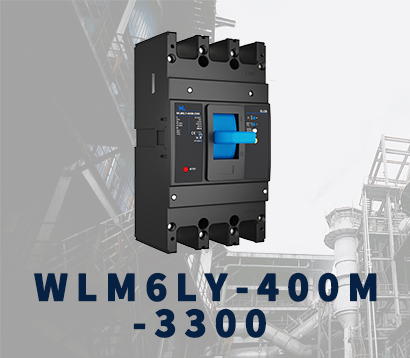 WLM6LY-400A
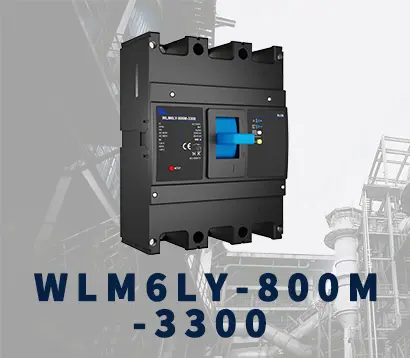 WLM6LY-800A
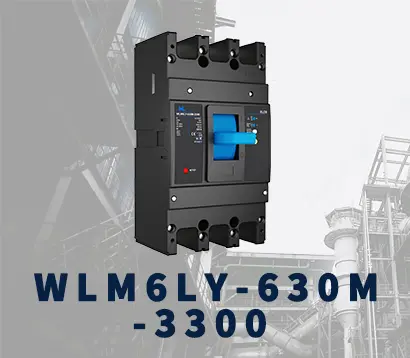 WLM6LY-630A
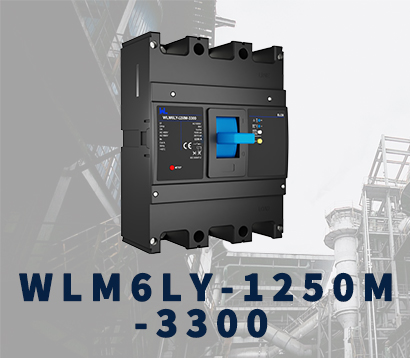 WLM6LY-1250A
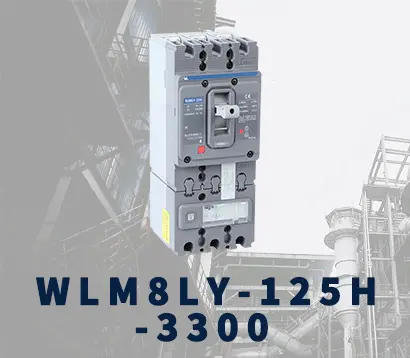 WLM8LY-125H-3300
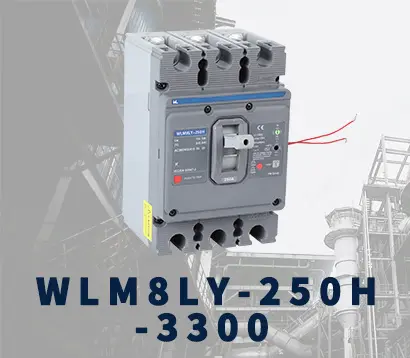 WLM8LY-250H-3300
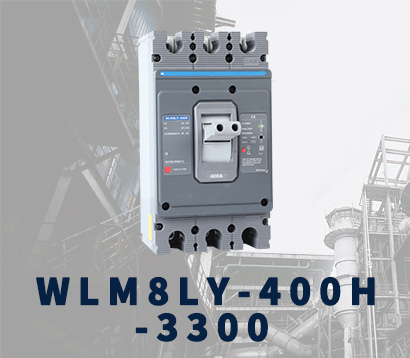 WLM8LY-400H-3300
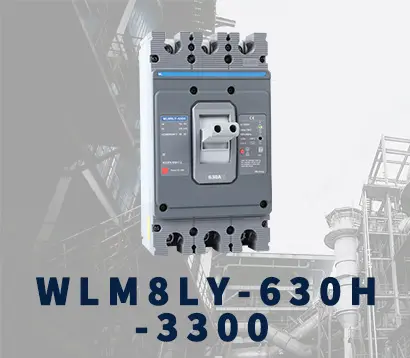 WLM8LY-630H-3300
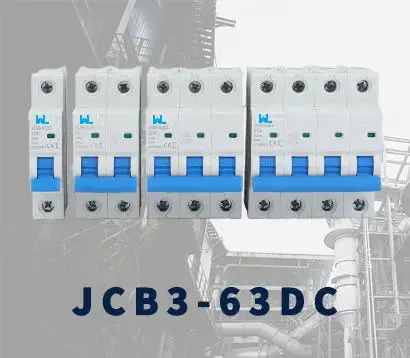 JCB3-63DC
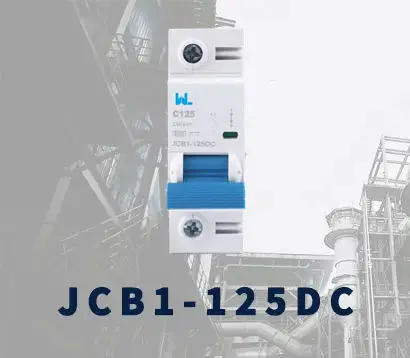 JCB1-125DC
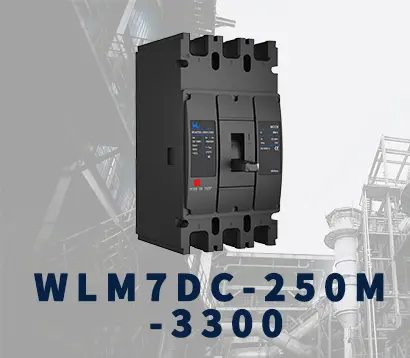 WLM7DC-250A-2300 2P/3P
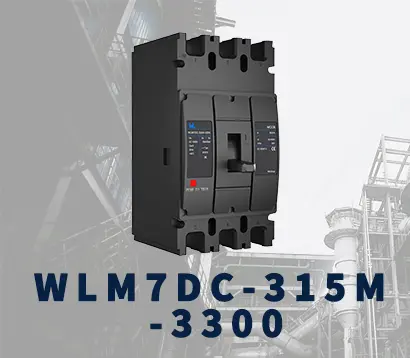 WLM7DC-315A-3300 2P/3P
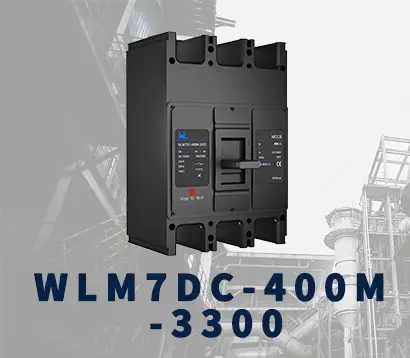 WLM7DC-400A-2300 2P/3P
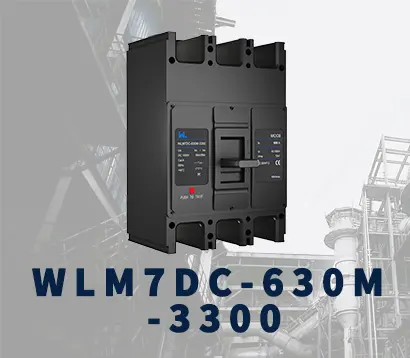 WLM7DC-630A-3300 3P
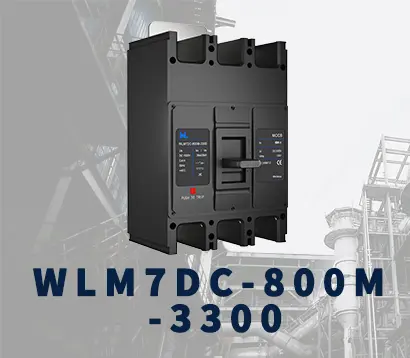 WLM7DC-800A-2300 2P/3P
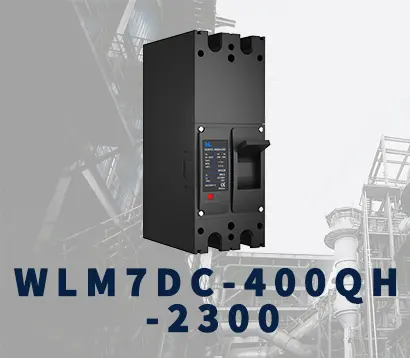 WLM7DC-400A 2300
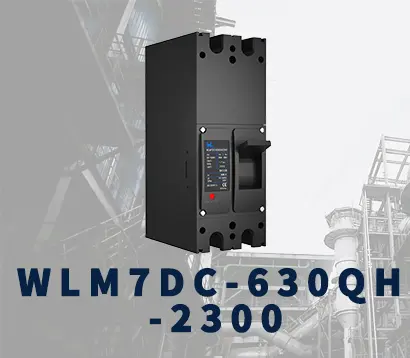 WLM7DC-630A-2300 2P
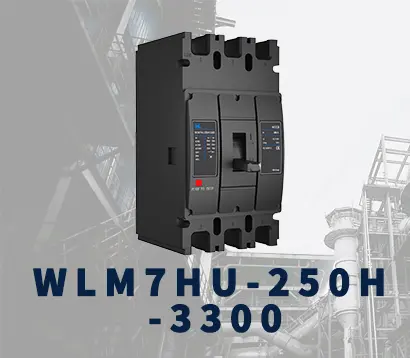 WLM7HU-250-3300 3P
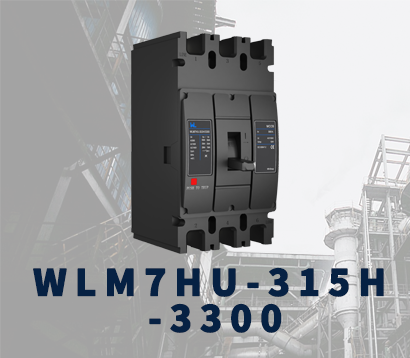 WLM7HU-315-3300 3P
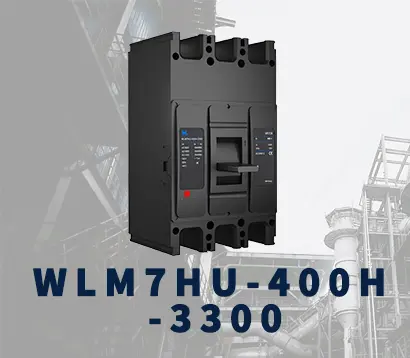 WLM7HU-400-3300 3P
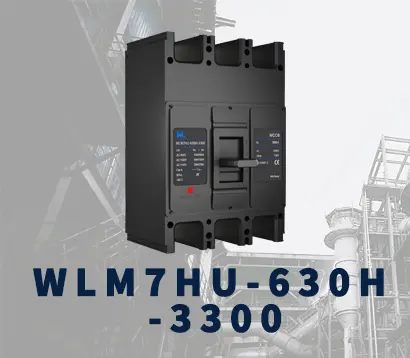 WLM7HU-630-3300 3P
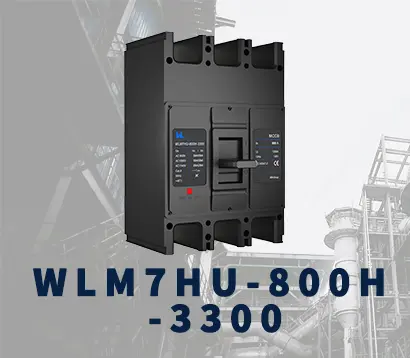 WLM7HU-800-3300 3P
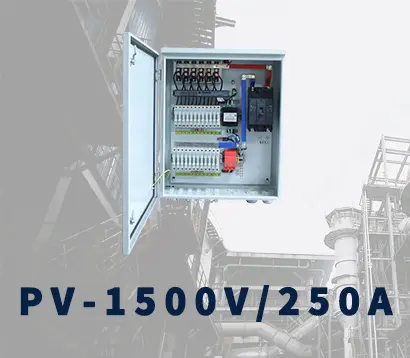 PV-1500V/250A
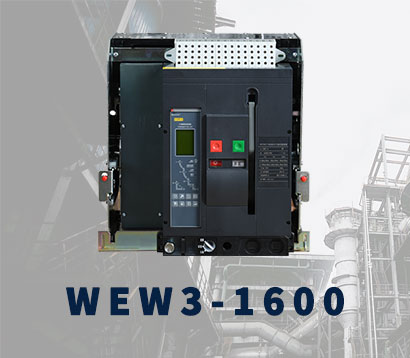 WEW3-1600
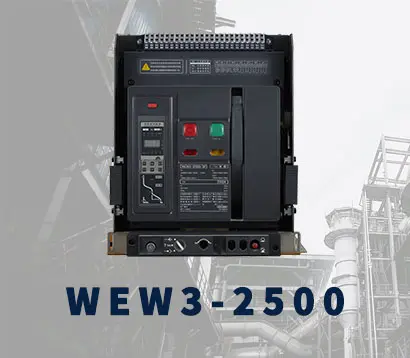 WEW3-2500
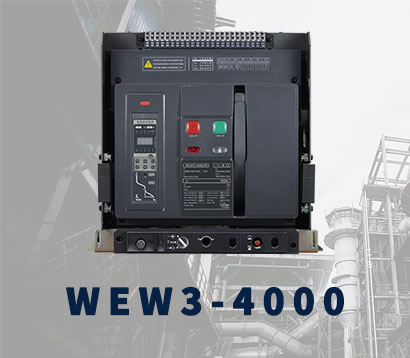 WEW3-4000
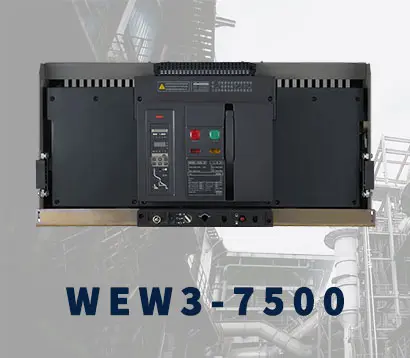 WEW3-7500