
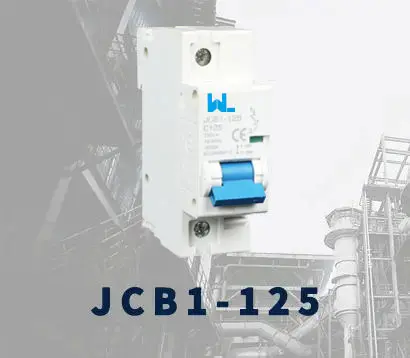
 JCB1-125
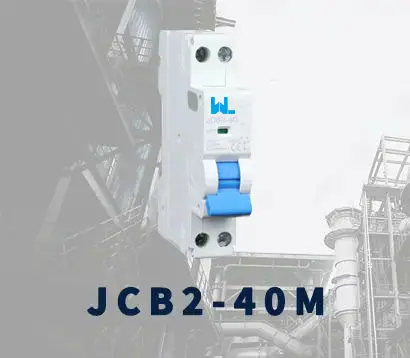 JCB2-40M
 JCB3-63DC
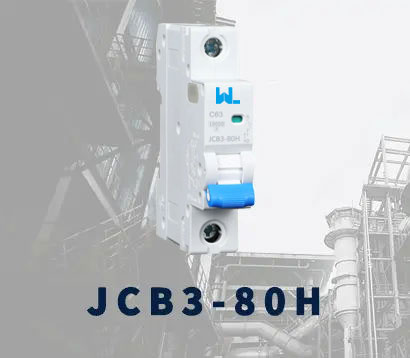 JCB3-80H
 JCB3-80M
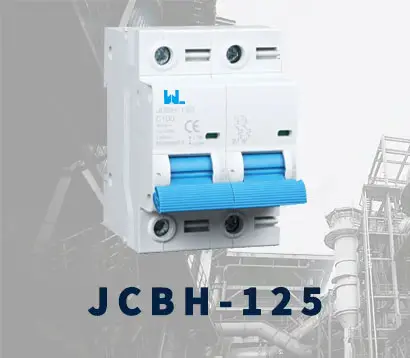 JCBH-125
 JC80-2P
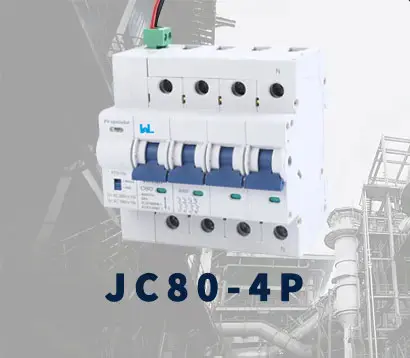 JC80-4P
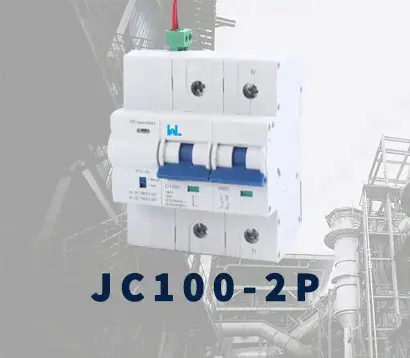 JC125-2P
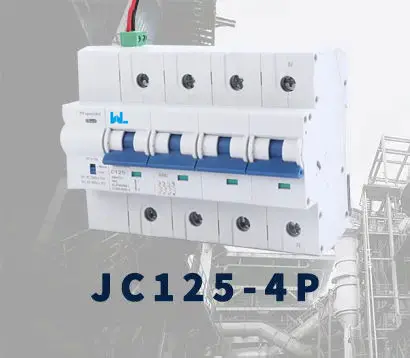 JC125-4P
 JCMX
JCMX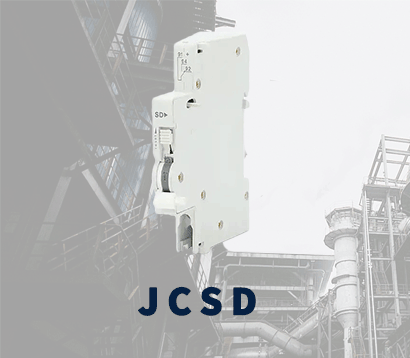 JCSD
JCSD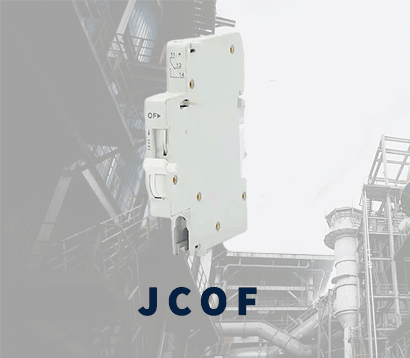 JCOF
JCOF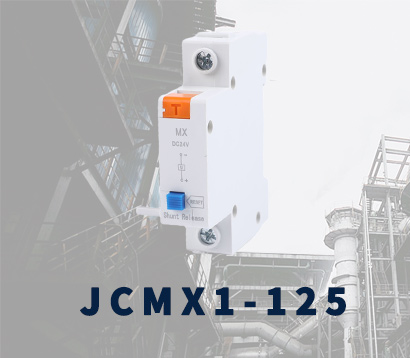 JCMX1-125
 JCOF1-125
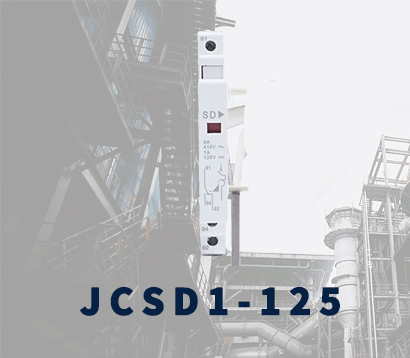 JCSD1-125
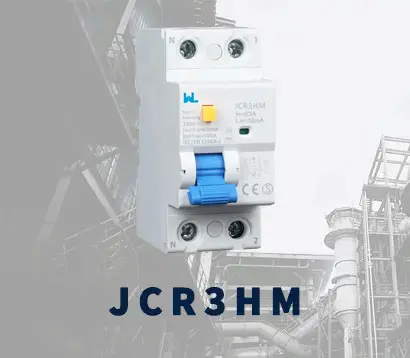 JCR3HM
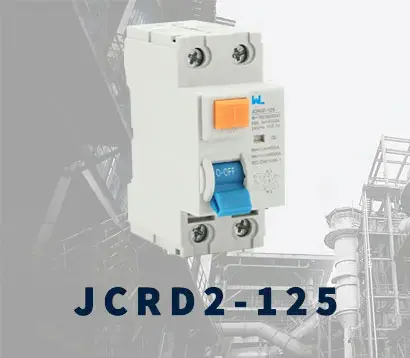 JCRD2-125
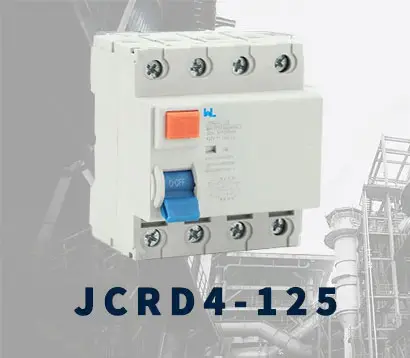 JCRD4-125
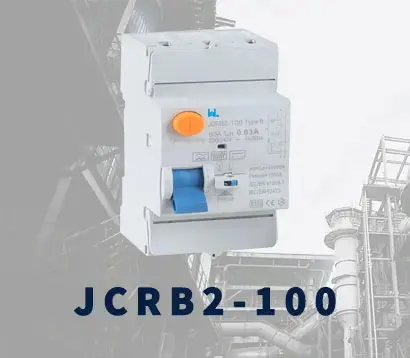 JCRB2-100
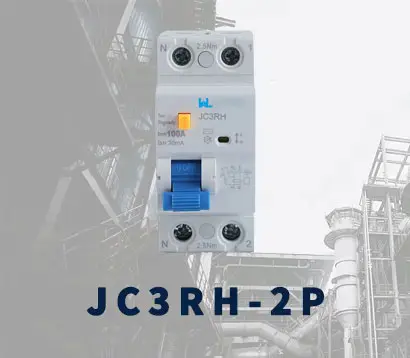 JC3RH-2P
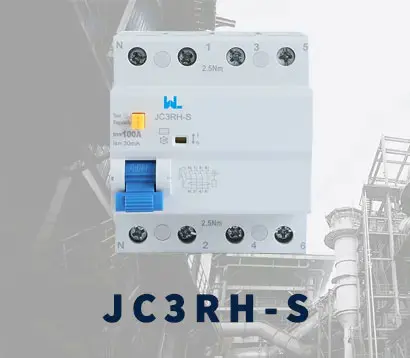 JC3RH-S
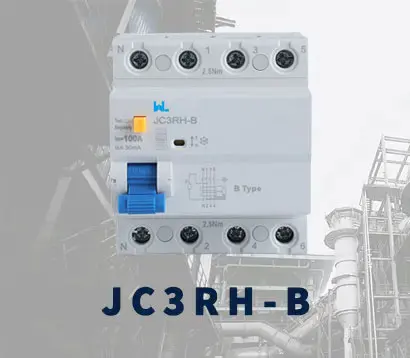 JC3RH-B
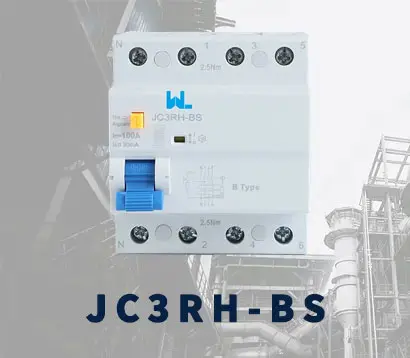 JC3RH-BS
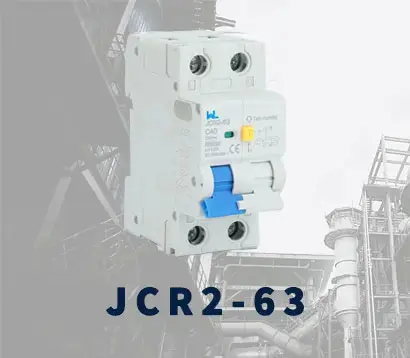 JCR2-63
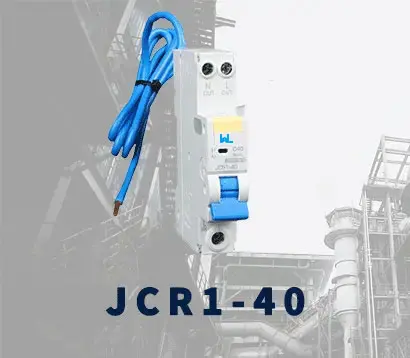 JCR1-40
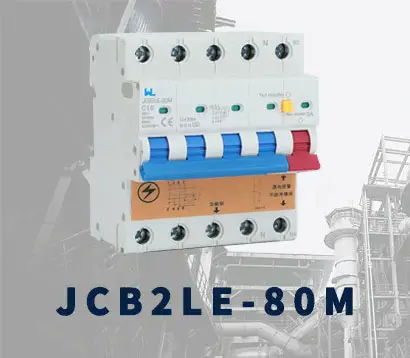 JCB2LE-80M
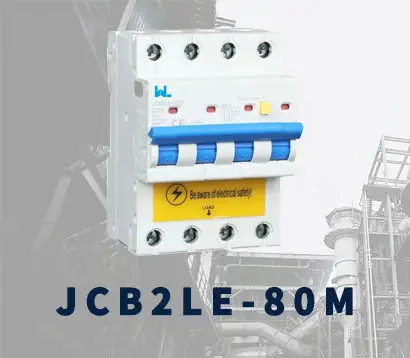 JCB2LE-80M
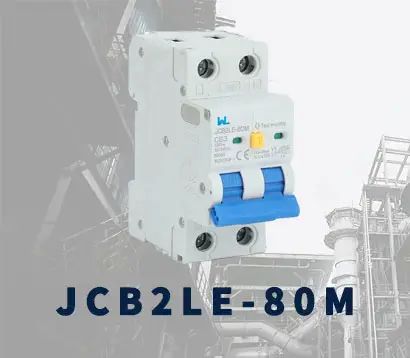 JCB2LE-80M
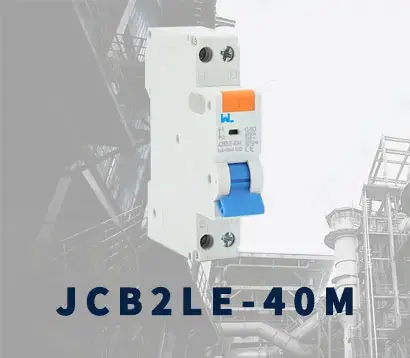 JCB2LE-40M
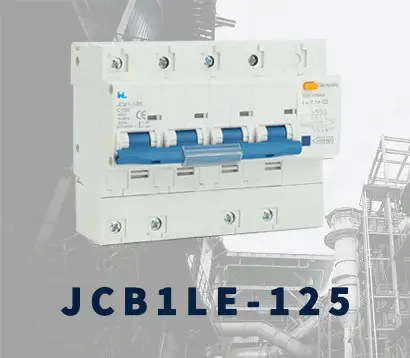 JCB1LE-125
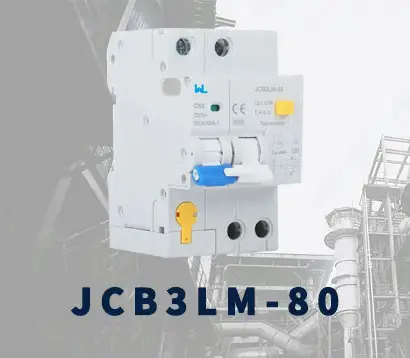 JCB3LM-80
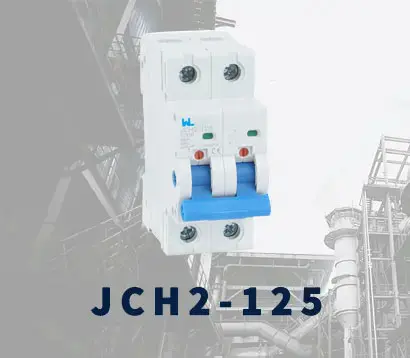 JCH2-125
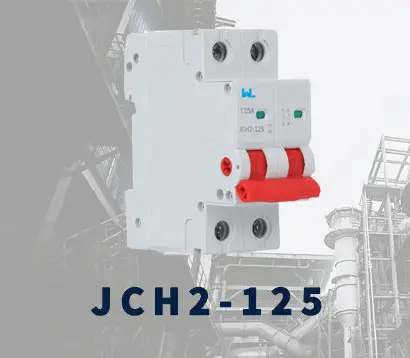 JCH2-125
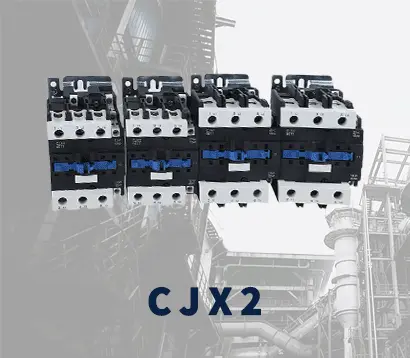 CJX2
CJX2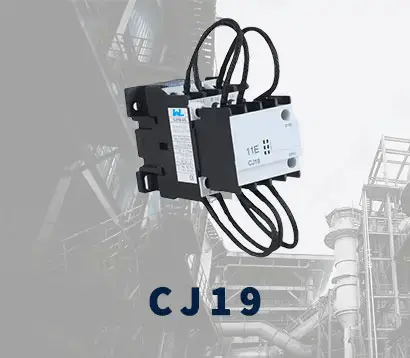 CJ19
CJ19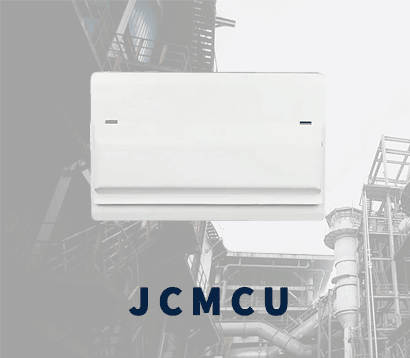 JCMCU
JCMCU JCHA
JCHA JCSD-40
 JCSD-60
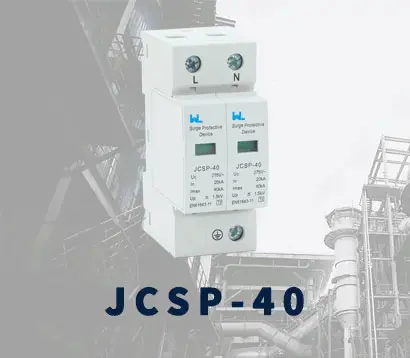 JCSP-40
 JCSP-60
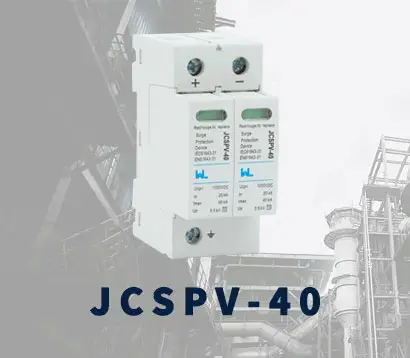 JCSPV
JCSPV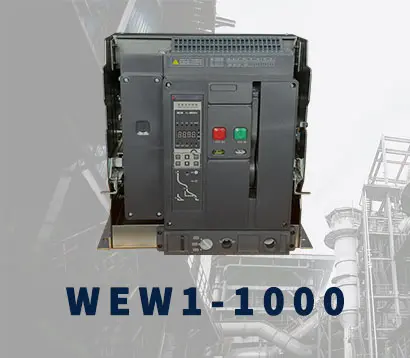 WEW1-1000
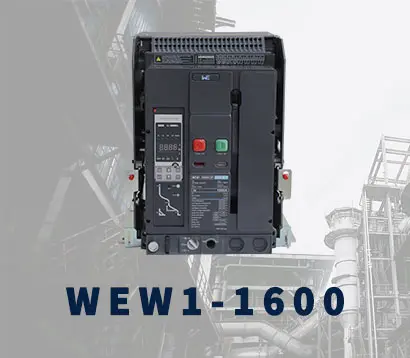 WEW1-1600
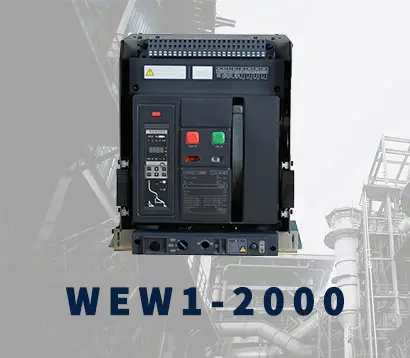 WEW1-2000
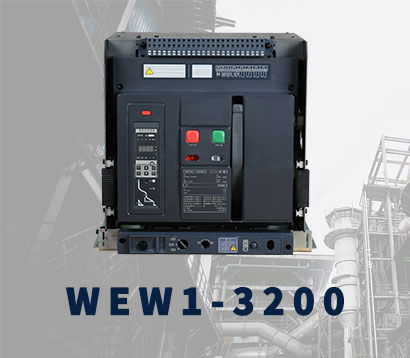 WEW1-3200
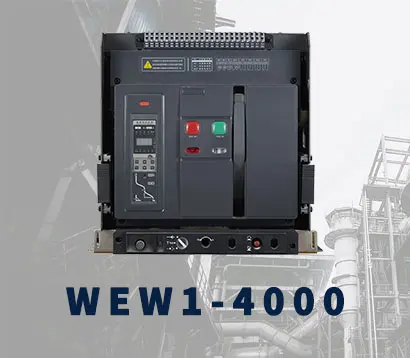 WEW1-4000
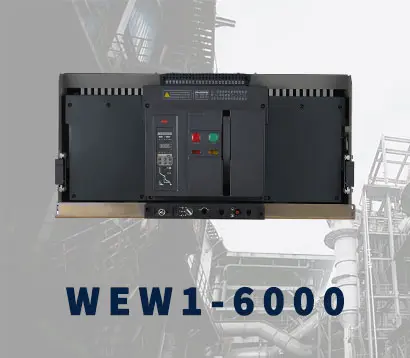 WEW1-6300
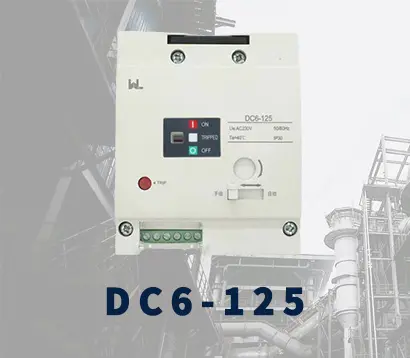 DC6-125
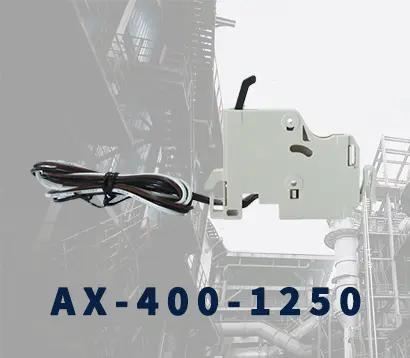 AX-400-1250
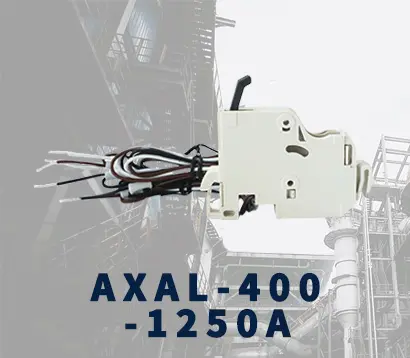 AXAL-400-1250A
 AL-400-1250
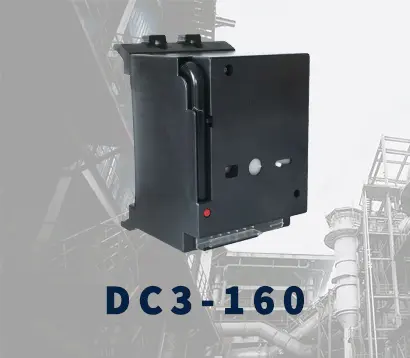 DC3-160
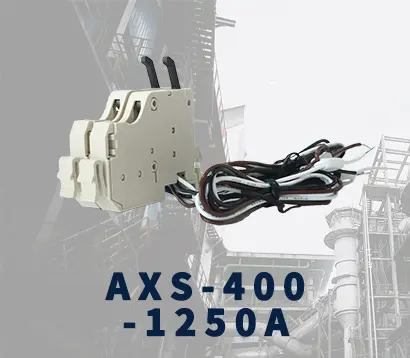 AXS-400-1250A
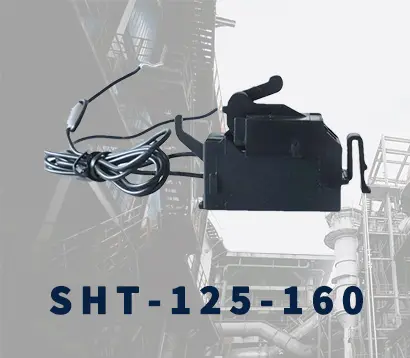 SHT-125-160
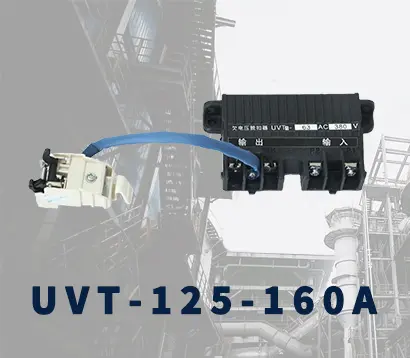 UVT-125-160A
 P-250A-3P-A
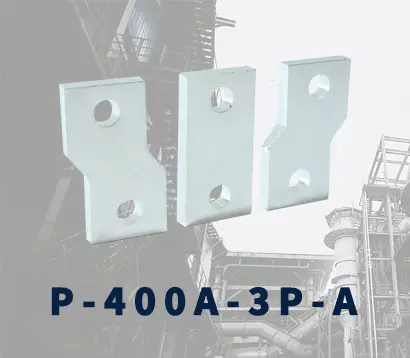 400-3P/4P terminal cover
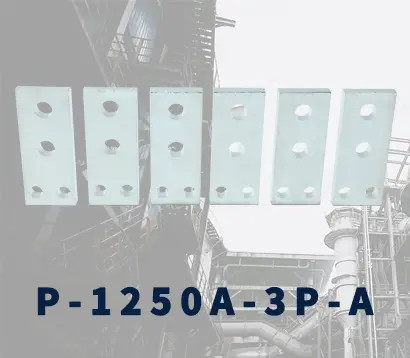 1250-3Pmccb accessories busbar
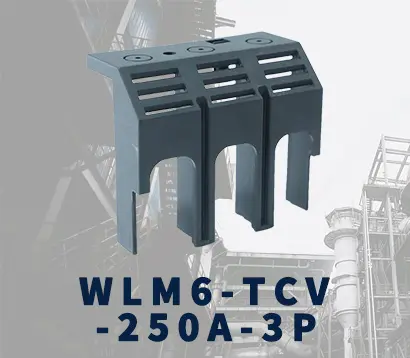 250-3P terminal conver
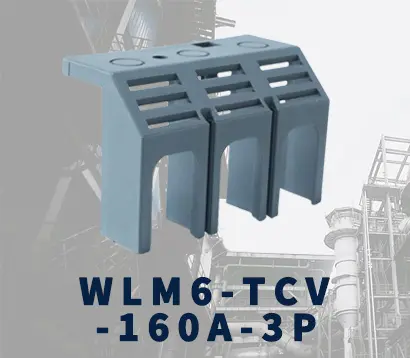 WLM6-TCV-160A-3P
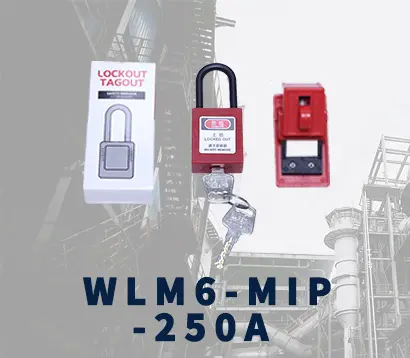 WLM6-MIP-250A
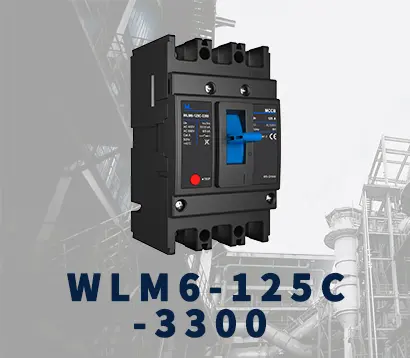 WLM6-125A-3300 3P/4P
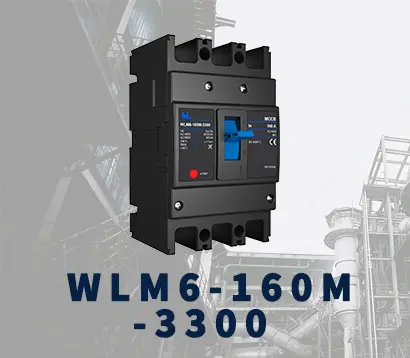 WLM6-160A-3300 3P/4P
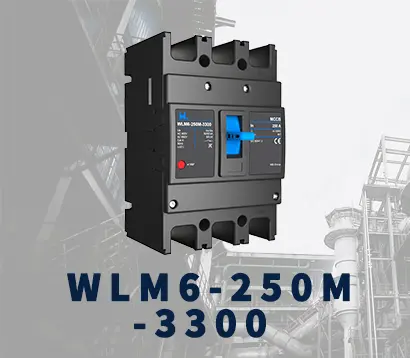 WLM6-250A-3300 3P/4P
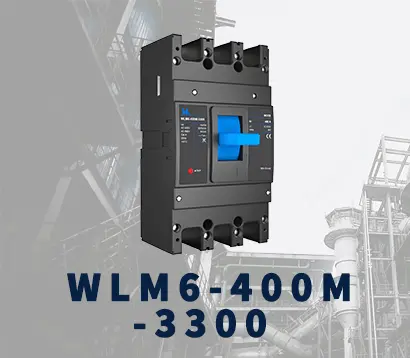 WLM6-400A-3300 3P/4P
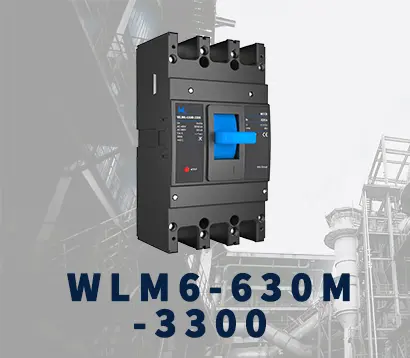 WLM6-630A-3300 3P/4P
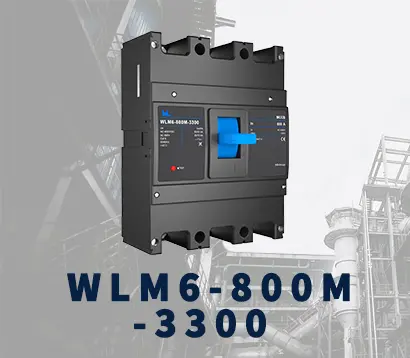 WLM6-800A-3300 3P/4P
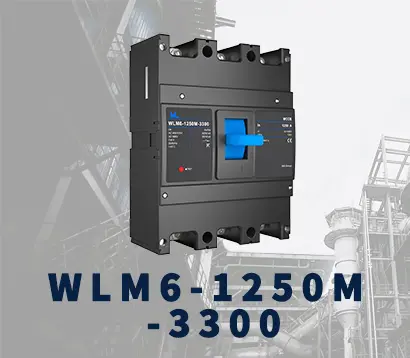 WLM6-1250A-3300 3P/4P
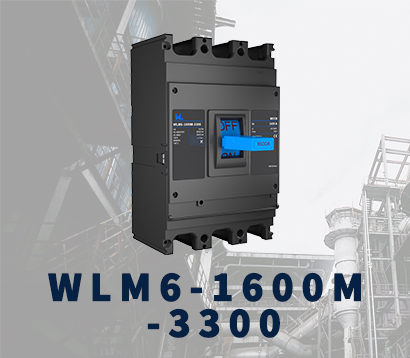 WLM6-1600A-3300 3P/4P
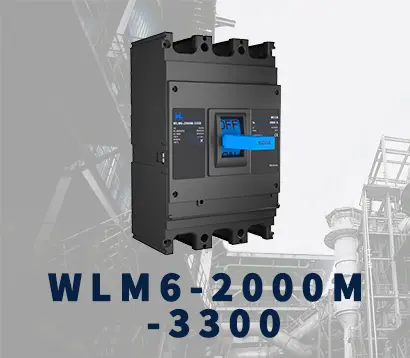 WLM6-2000A 3P/4P
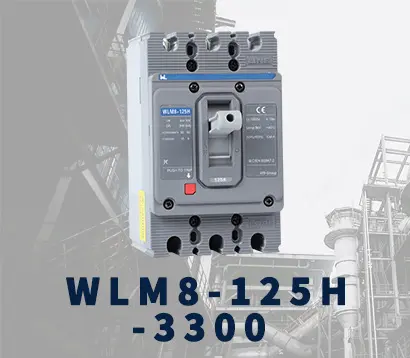 WLM8-125H-3300
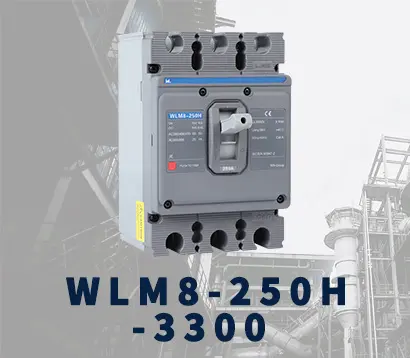 WLM8-250H-3300
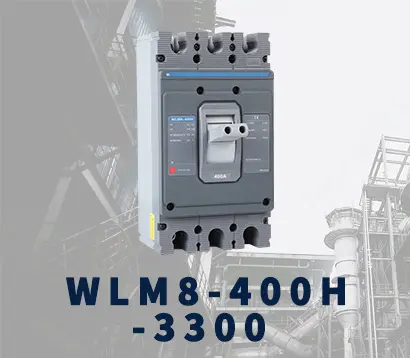 WLM8-400H-3300
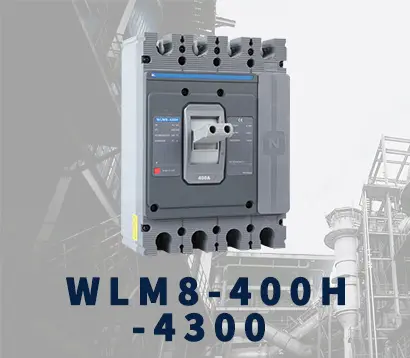 WLM8-400H-4300
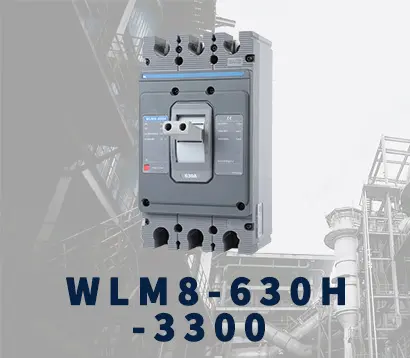 WLM8-630H-3300
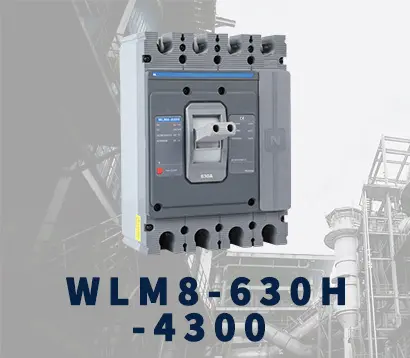 WLM8-630H-4300
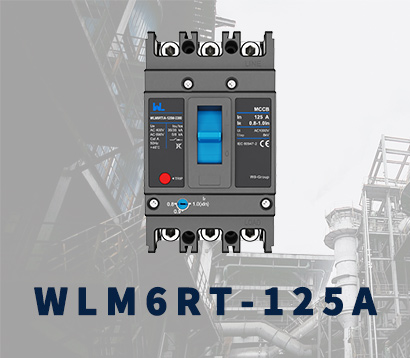 WLM6RT-125A
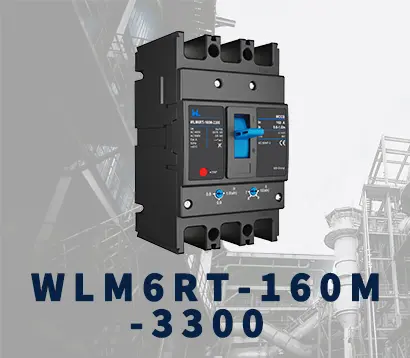 WLM6RT-160A
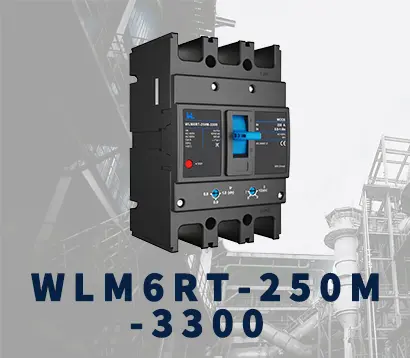 WLM6RT-250A
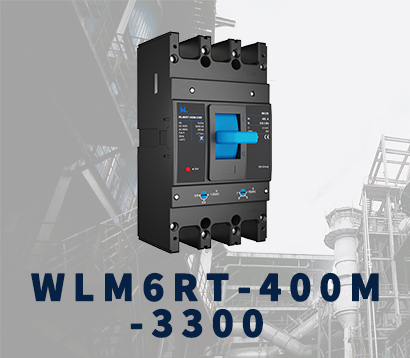 WLM6RT-400A
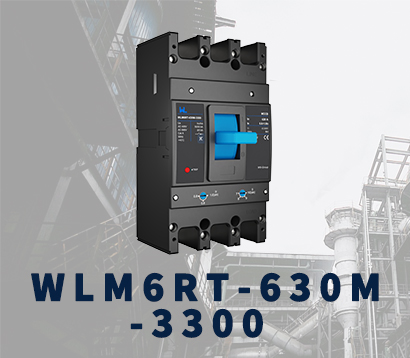 WLM6RT-630A
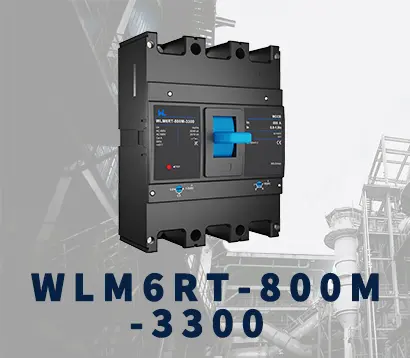 WLM6RT-800A
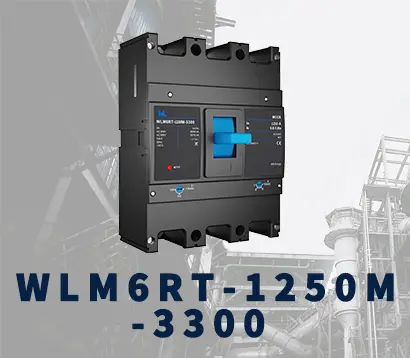 WLM6RT-1250A
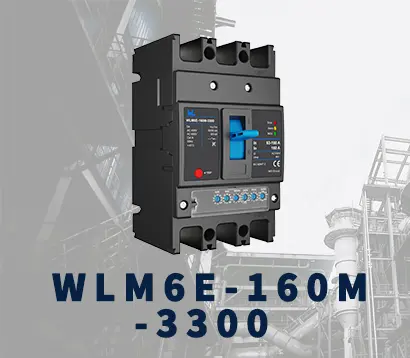 WLM6E-160A-3300 3P
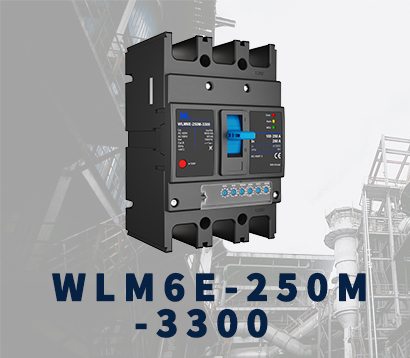 WLM6E-250A-3300
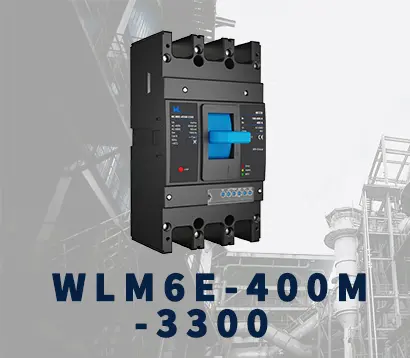 WLM6E-400A-3300 3P/4P
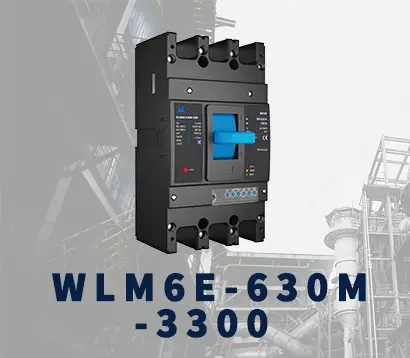 WLM6E-630A-3300
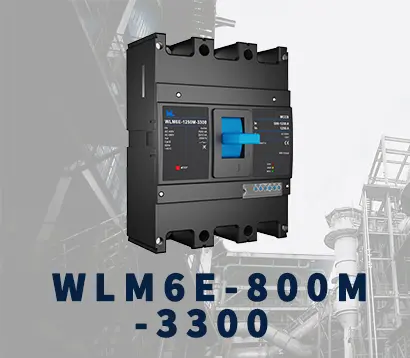 WLM6E-800A-3300 3P/4P
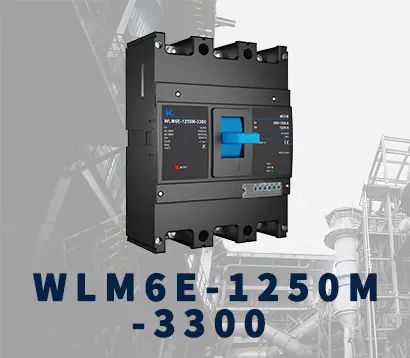 WLM6E-1250A-3300
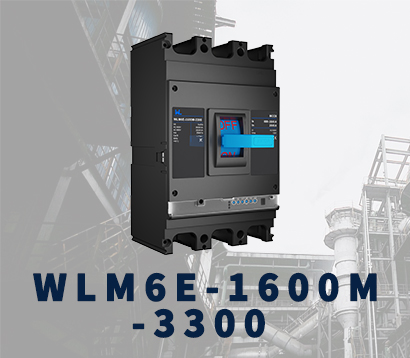 WLM6E-1600-3300 3P/4P
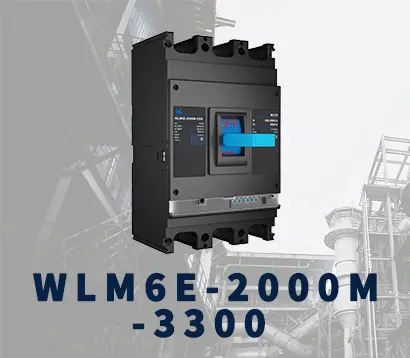 WLM6E-2000A-3300 3P/4P
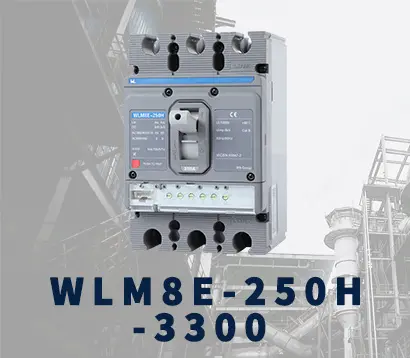 WLM8E-250H-3300
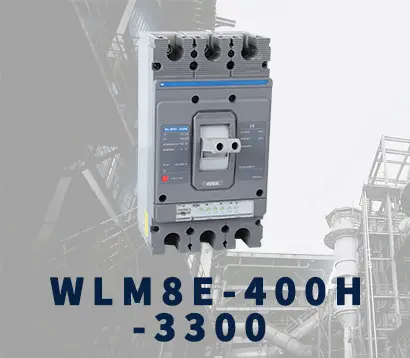 WLM8E-400H-3300
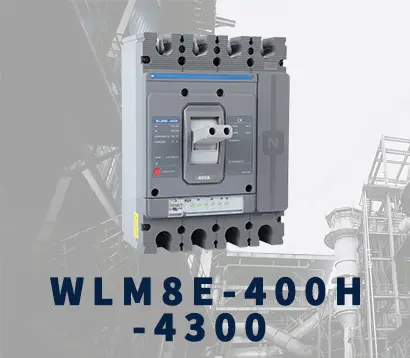 WLM8E-400H-4300
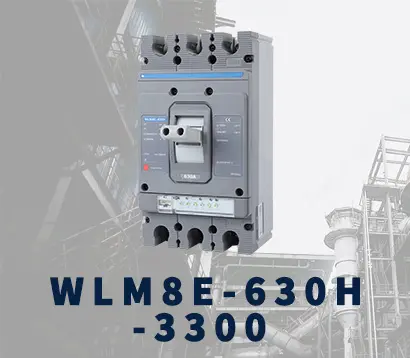 WLM8E-630H-3300
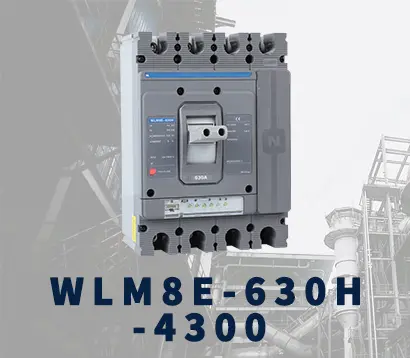 WLM8E-630H-4300
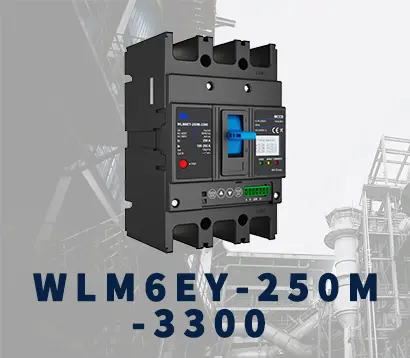 WLM6EY-250-3300 3P/4P
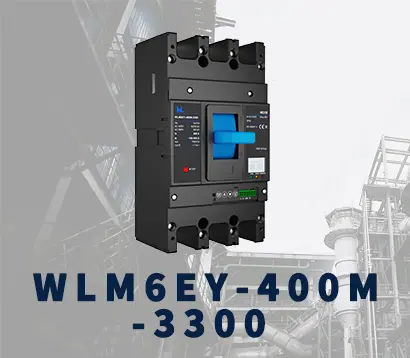 WLM6EY-400 3P/4P
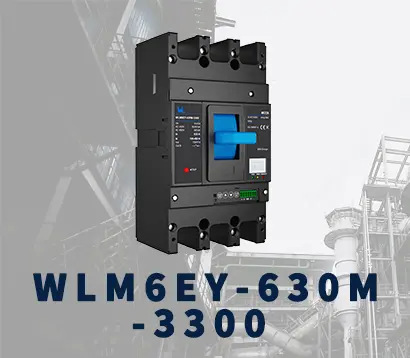 WLM6EY-630 3P/4P
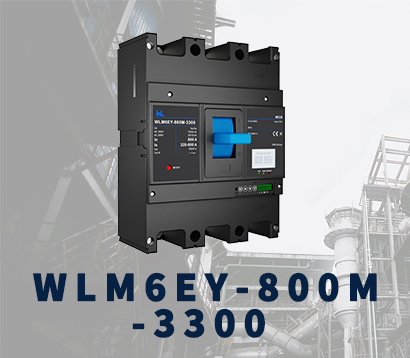 WLM6EY-800A 3P/4P
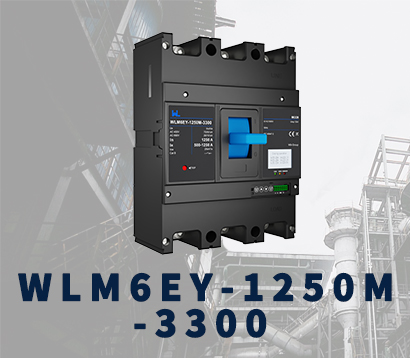 WLM6EY-1250A 3P/4P
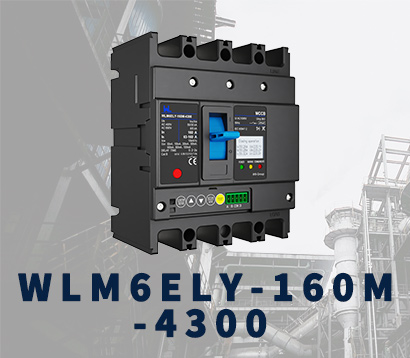 WLM6ELY-160A
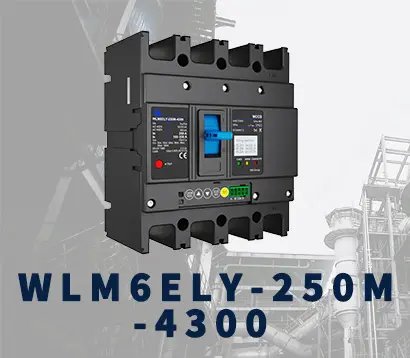 WLM6ELY-250A
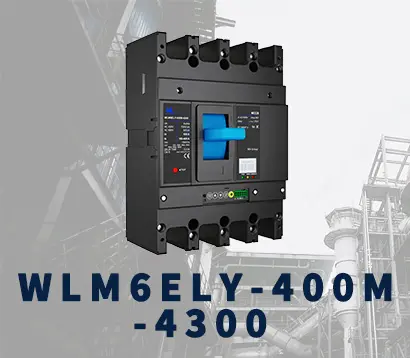 WLM6ELY-400A
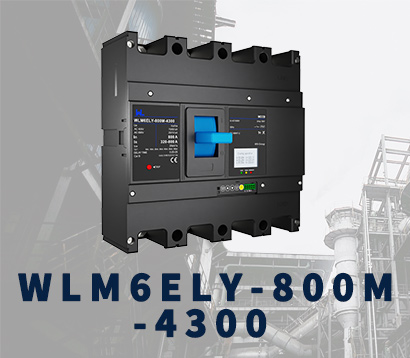 WLM6ELY-800A
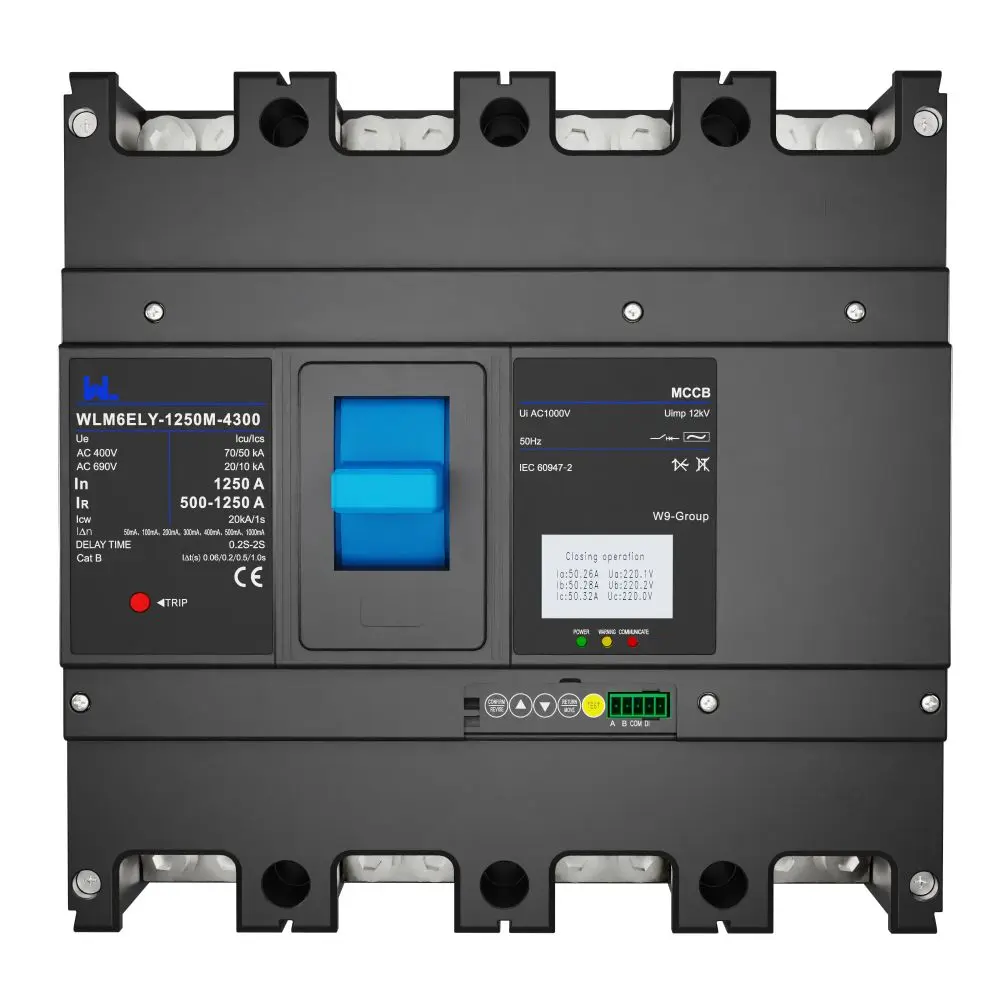 WLM6ELY-1250A
 WLM8EY-250H-3300
 WLM8EY-400H-3300
 WLM8EY-630H-3300
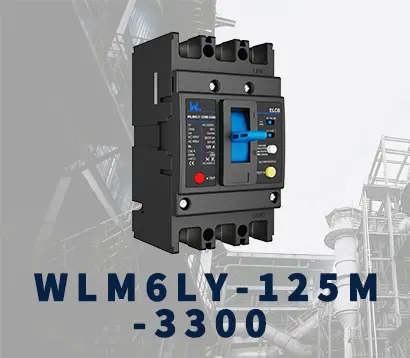 WLM6LY-125A
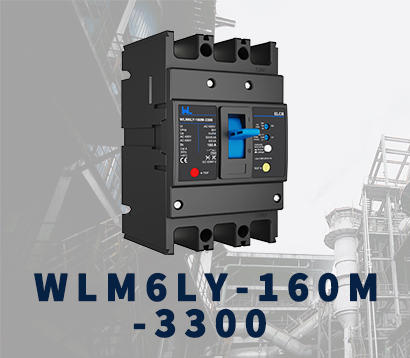 WLM6L-160A
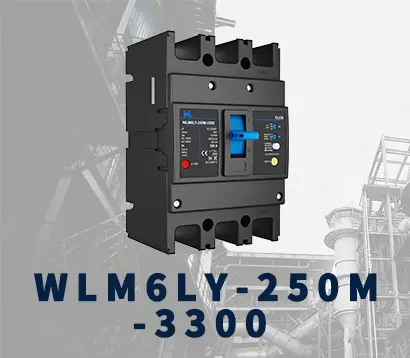 WLM6LY-250A
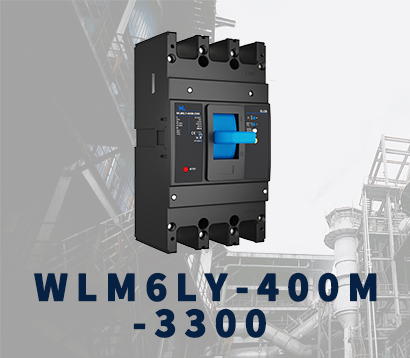 WLM6LY-400A
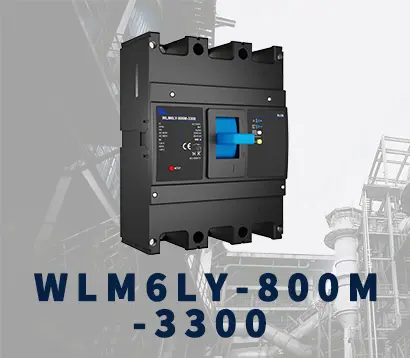 WLM6LY-800A
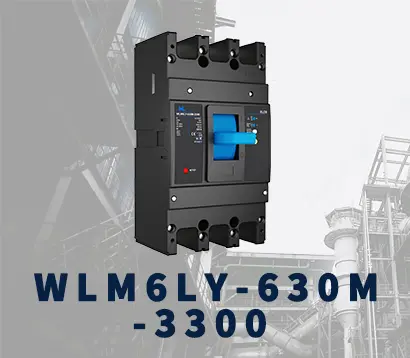 WLM6LY-630A
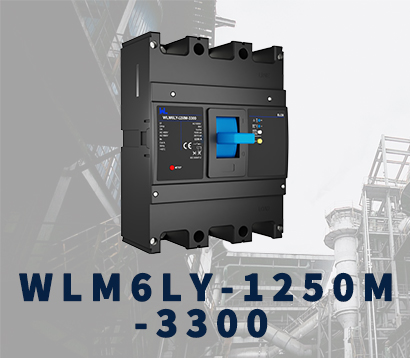 WLM6LY-1250A
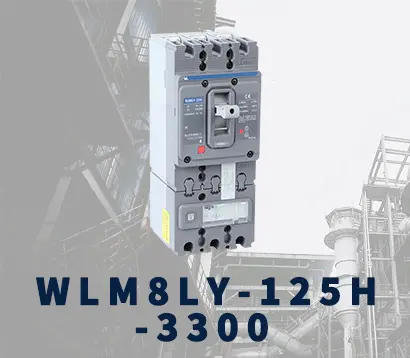 WLM8LY-125H-3300
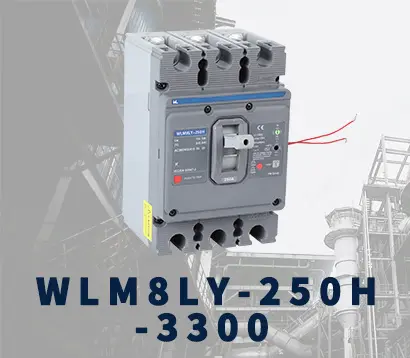 WLM8LY-250H-3300
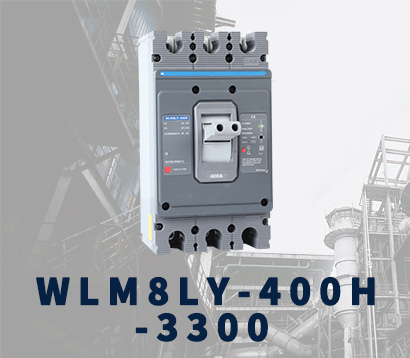 WLM8LY-400H-3300
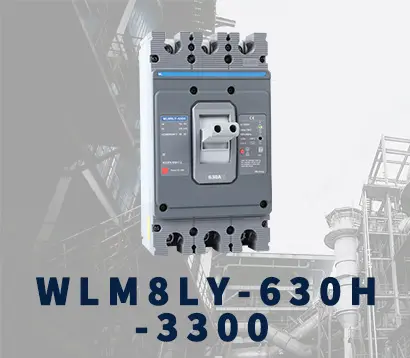 WLM8LY-630H-3300
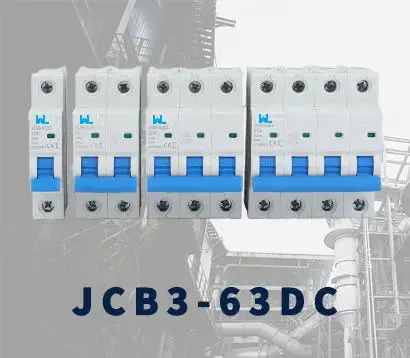 JCB3-63DC
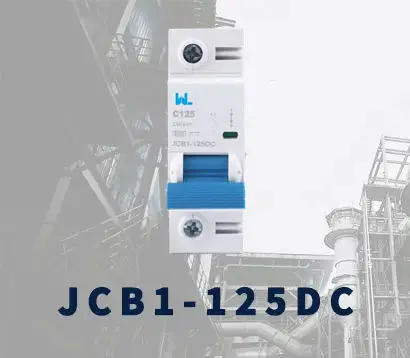 JCB1-125DC
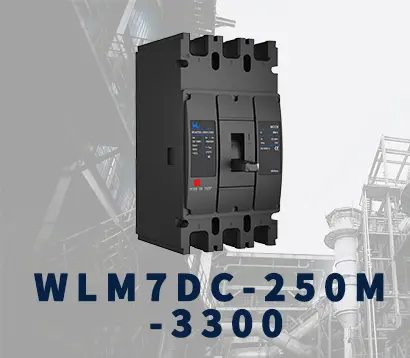 WLM7DC-250A-2300 2P/3P
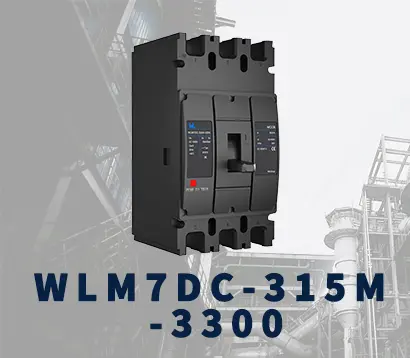 WLM7DC-315A-3300 2P/3P
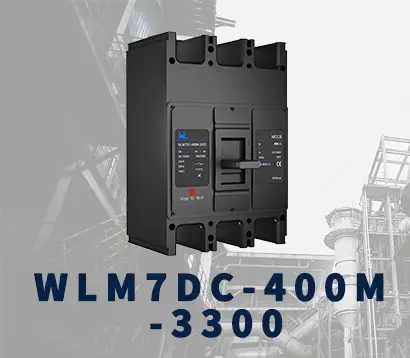 WLM7DC-400A-2300 2P/3P
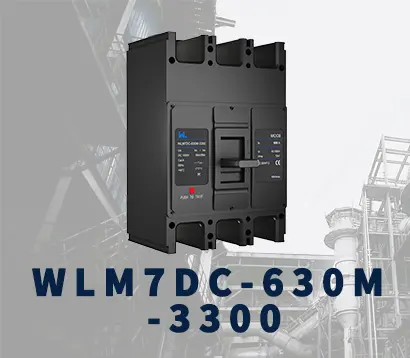 WLM7DC-630A-3300 3P
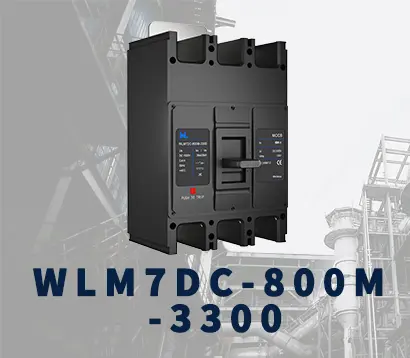 WLM7DC-800A-2300 2P/3P
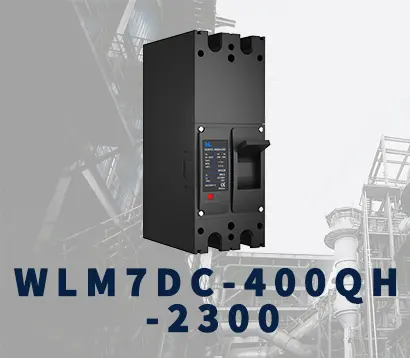 WLM7DC-400A 2300
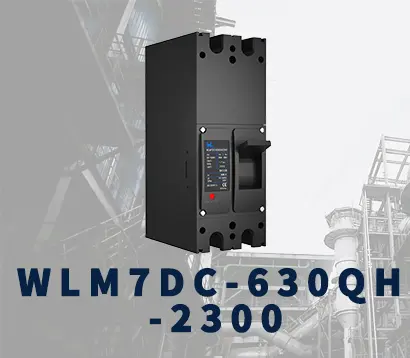 WLM7DC-630A-2300 2P
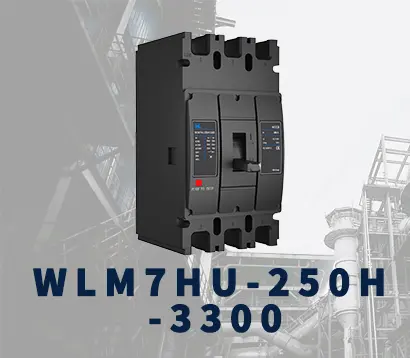 WLM7HU-250-3300 3P
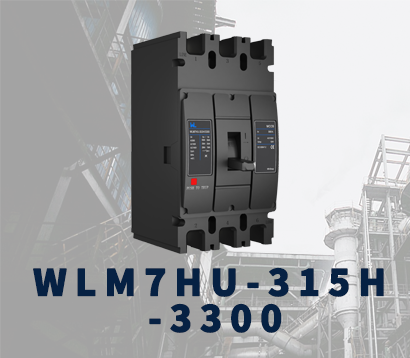 WLM7HU-315-3300 3P
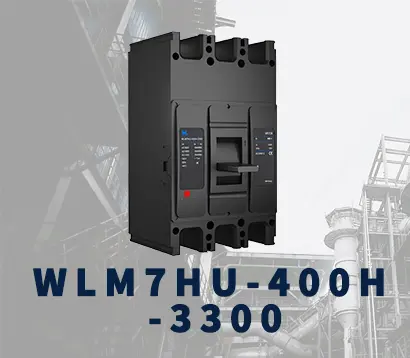 WLM7HU-400-3300 3P
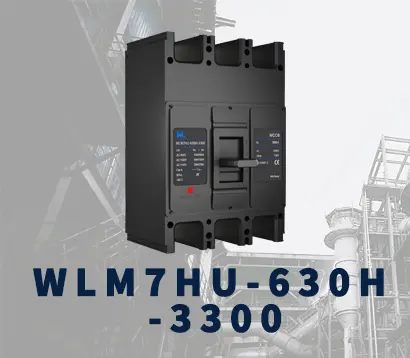 WLM7HU-630-3300 3P
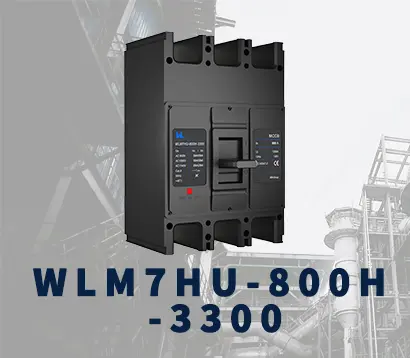 WLM7HU-800-3300 3P
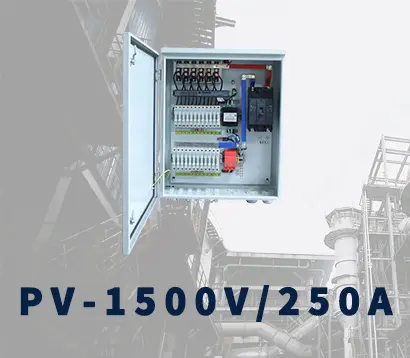 PV-1500V/250A
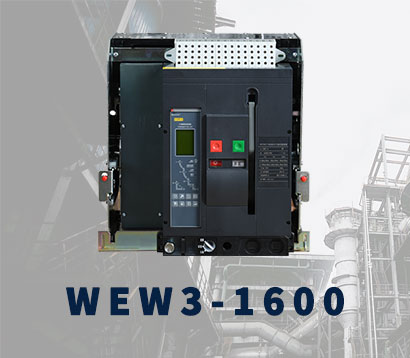 WEW3-1600
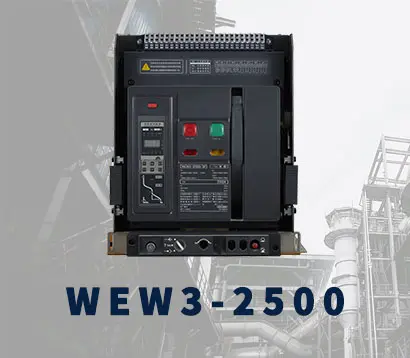 WEW3-2500
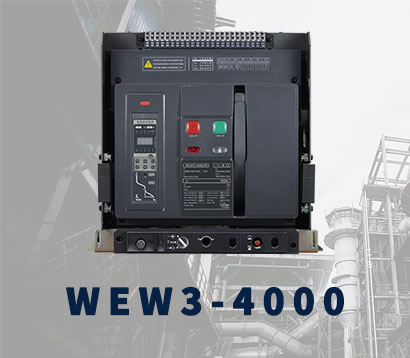 WEW3-4000
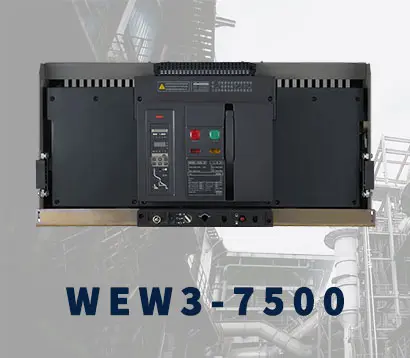 WEW3-7500





How to Choose the Best Thermal Magnetic MCCB for Your Needs?
Choosing the right Thermal Magnetic MCCB is essential for ensuring safety and efficiency in electrical systems. These devices are designed to protect circuits from overloads and short circuits. Selecting the best one can be challenging. There are many options available on the market.
Before making a decision, consider the specific requirements of your application. Think about the voltage and current ratings needed. Identify the environment where the MCCB will be installed. For instance, harsh conditions may demand a sturdier unit. In some cases, professionals overlook these details, leading to inefficient systems.
It's important to reflect on your needs and limitations. Not every Thermal Magnetic MCCB will fit your requirements perfectly. In some instances, users may choose based on price rather than suitability. This could lead to costly mistakes down the line. Thus, careful consideration of each option is paramount.
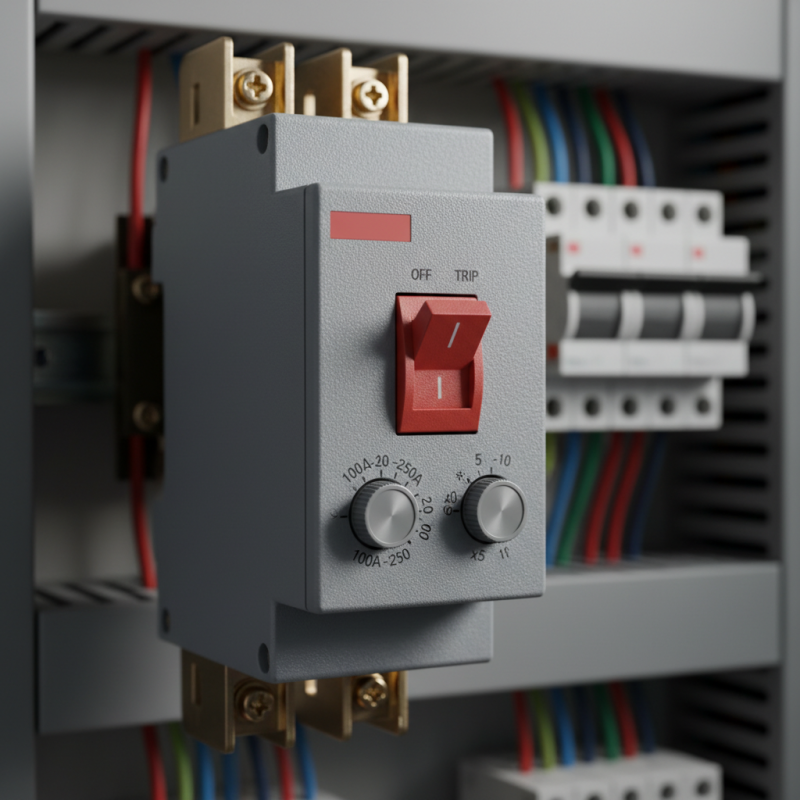
Understanding Thermal Magnetic MCCBs: An Overview
Understanding Thermal Magnetic MCCBs: An Overview
Thermal magnetic molded case circuit breakers (MCCBs) play a vital role in electrical systems. They combine thermal and magnetic protection. This dual function helps safeguard circuits from overloads and short circuits. According to industry reports, up to 80% of electrical failures can be attributed to inadequate protection devices. Understanding the operation of MCCBs is essential for effective selection.
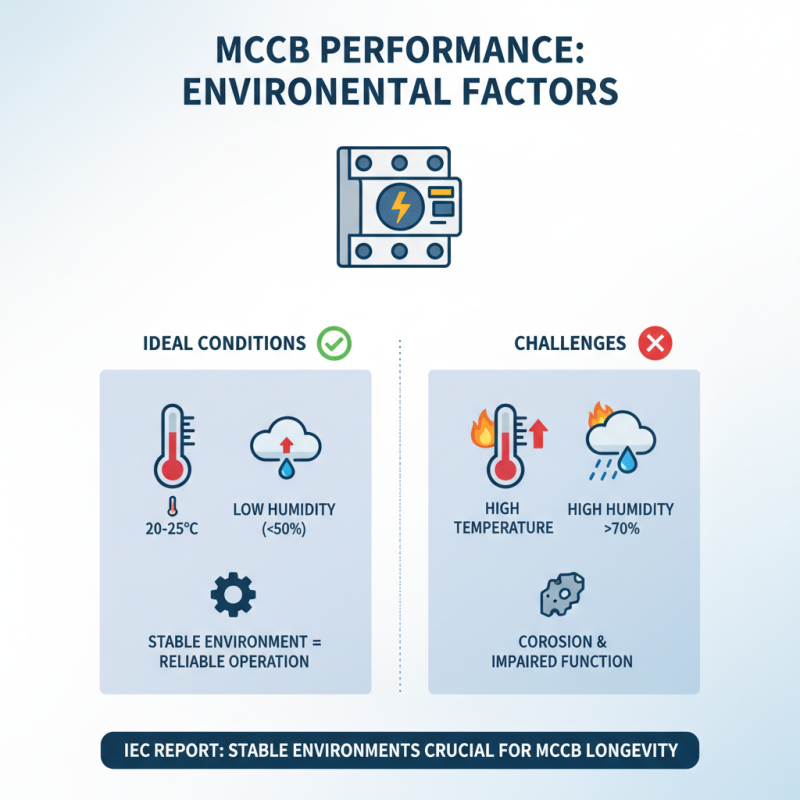
Thermal protection activates when current exceeds the rated value for extended periods. This mechanism typically relies on a bi-metallic strip. Magnetic protection kicks in for high current surge situations. The magnetic trip is nearly instantaneous, addressing sudden short circuits. These two features work hand-in-hand, enhancing system reliability. However, choosing an MCCB requires careful consideration. Factors like load type and environmental conditions are critical.
It's also essential to recognize the potential for human error in selecting the right MCCB. Many users may underestimate current ratings or fail to account for ambient temperature variations. Reports indicate that improper sizing can lead to operational inefficiencies, sometimes exceeding 15%. Awareness of these pitfalls can guide better decision-making, ensuring optimal system protection.
How to Choose the Best Thermal Magnetic MCCB for Your Needs?
| Parameter | Description | Considerations | Typical Values |
|---|---|---|---|
| Current Rating (Amps) | The maximum continuous current the MCCB can handle. | Choose according to the load requirements of your application. | 16A, 32A, 63A, 100A, 125A |
| Voltage Rating (Volts) | Maximum voltage the MCCB can protect against. | Match with system voltage to ensure safety and functionality. | 230V, 400V, 690V |
| Breaking Capacity (kA) | The maximum fault current the MCCB can interrupt safely. | Assess potential fault levels in your installation. | 6kA, 10kA, 15kA, 25kA |
| Mounting Type | How the MCCB is installed (e.g., panel-mounted or din rail). | Ensure compatibility with the installation site. | Panel Mount, Din Rail |
| Trip Characteristics | Behavior of the MCCB under overload or short-circuit conditions. | Choose based on application-specific requirements. | B, C, D Curve |

Related Posts
-
Exploring the Future of Thermal Magnetic MCCB at the 138th China Import and Export Fair in 2025
-
Navigating Global Compliance: Import and Export Certifications for Best MCCB Moulded Case Circuit Breakers
-

Why is the China Air Circuit Breaker Essential for Modern Electrical Systems
-

Choosing Reliable Manufacturers: Essential Tips and Solutions for Best China Molded Case Circuit Breakers
-
2025's Top 10 MCCB Circuit Breakers: Best Choices for Reliable Protection
-
What is a Molded Case Breaker and How Does it Work?