How to Choose the Right Square D MCCB for Your Needs?
Choosing the right Square D MCCB (Molded Case Circuit Breaker) is crucial for electrical safety and efficiency. These devices protect your electrical systems from overloads and short circuits. With various options available, a thoughtful selection is essential.
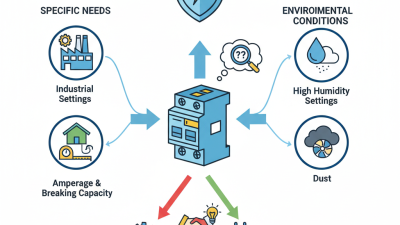
Consider your specific needs. Evaluate factors such as voltage, current ratings, and application types. For example, industrial settings may require higher ampacity. Yet, smaller projects often need less robust options. Each choice impacts performance and reliability, making informed decisions vital.
While Square D MCCB offers high quality, mismatches can lead to failures. Take time to assess environmental conditions and regulatory requirements. Factors like temperature variations and humidity can influence performance. Thoughtful reflection on these elements ensures safety and compliance.
Understanding Square D MCCB: Key Features and Benefits
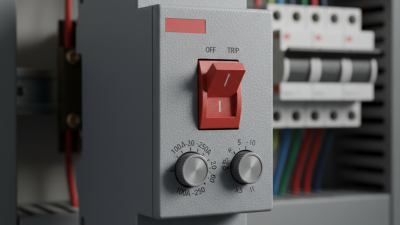
Selecting the right molded case circuit breaker (MCCB) is critical for ensuring electrical safety and reliability. Understanding key features can guide your decision. A reliable MCCB offers adjustable trip settings, thermal and magnetic protection, and comprehensive monitoring capabilities. These features help prevent overloads and short circuits, essential for maintaining system integrity.
According to the Electric Power Research Institute, proper breaker selection can reduce operational costs by 20%. It’s vital to assess your specific requirements. Consider the voltage ratings, frame sizes, and environmental conditions. The right MCCB protects equipment and improves energy efficiency.
Tips: Always check the manufacturer’s specifications for compatibility. Look for MCCBs that comply with industry standards. Also, regular testing and maintenance are crucial. Ignoring these can lead to unexpected failures. The implications are serious and can disrupt operations. It's essential to stay informed to ensure optimal performance.
Identifying Your Power Requirements for MCCB Selection
When selecting a Molded Case Circuit Breaker (MCCB), identifying your power requirements is essential. Begin by assessing your electrical load. Determine the total amperage needed for your equipment. This includes motors, lighting, and other devices. Accuracy here is vital. Underestimating your requirements can lead to frequent tripping or equipment damage.
Next, consider the environment where the MCCB will be installed. Will it be indoors or outdoors? Is it exposed to moisture or dust? Environmental factors can impact performance. You may need a device with specific enclosures or ratings. Additionally, think about future needs. If you plan to expand, opt for a model that can handle increased loads.
It's also crucial to evaluate safety features. Look for models with adjustable trip settings. This allows customization based on your operation. Remember, not all MCCBs are created equal. Reliability varies, and it's important to understand your options. Consider long-term costs versus upfront investment. Sometimes, a cheaper model may not provide the reliability required. Reflect on the long-term implications of your choice. These factors are only as reliable as your initial assessment.
Evaluating Environmental Conditions Affecting MCCB Choice
When selecting a molded case circuit breaker (MCCB), environmental factors play a crucial role. Certain conditions impact how well an MCCB operates and its longevity. For instance, temperature extremes can significantly influence electrical performance. According to the National Electrical Manufacturers Association (NEMA), MCCBs should ideally be rated for ambient temperatures between 20°C to 40°C. Exceeding this range can lead to overheating and premature circuit breaker failure.
Humidity is another key factor. In environments with high humidity, corrosion becomes a concern. The Institute of Electrical and Electronics Engineers (IEEE) indicates that moisture can degrade insulation resistance over time. This degradation may result in insulation failure and increased maintenance costs. Choosing an MCCB with appropriate protection features is essential to mitigate these risks.
Dust and particulates also affect MCCB function. Polluted environments can lead to increased wear and tear. Regular inspections and maintenance routines are critical in such settings. An experienced technician can provide insights into the specific environmental challenges at your facility. By taking these factors into account, you can better ensure the reliability and longevity of your MCCB system.
Comparing Different Square D MCCB Models and Ratings
When selecting a molded case circuit breaker (MCCB), understanding the differences in models and ratings is crucial. These devices protect electrical circuits from overloads and short circuits. Each model has its unique specifications, making it essential to evaluate them carefully.
Start by examining the current rating of each model. This rating indicates the maximum continuous current the MCCB can handle. Choosing a unit with a rating too low for your application can result in frequent trips. On the other hand, selecting a model with an unnecessarily high rating may lead to insufficient protection. Identify your specific needs to find the right balance.
Voltage ratings also play a significant role. They determine the maximum voltage levels the MCCB can safely interrupt. Make sure to choose a model with a compatible voltage rating for your system. Additionally, consider the frame size and physical dimensions of the MCCB. A unit that doesn’t fit in your electrical panel can complicate installation. It’s essential to account for these factors to avoid later issues. Sometimes, the differences may seem minor, but they can have a significant impact on performance.
How to Choose the Right MCCB for Your Needs?
| Model |
Rated Current (A) |
Breaking Capacity (kA) |
Number of Poles |
Mounting Type |
| MCCB-1000 |
1000 A |
50 kA |
3 |
Panel Mount |
| MCCB-800 |
800 A |
35 kA |
3 |
Din Rail |
| MCCB-600 |
600 A |
25 kA |
2 |
Panel Mount |
| MCCB-400 |
400 A |
20 kA |
3 |
Din Rail |
| MCCB-250 |
250 A |
15 kA |
1 |
Panel Mount |
Consulting with Experts for Optimal MCCB Recommendations
When selecting the right Molded Case Circuit Breaker (MCCB) for your needs, expert consultation can be invaluable. Industry professionals possess the necessary experience to guide you in understanding the complexities of electrical systems. They can explain the critical factors to consider, such as load requirements, fault currents, and operational environment. Discussing your specific application helps narrow down options effectively.
Engaging repeatedly with experts offers a clearer view of your MCCB choices. Their insights can reveal common pitfalls in selection. For instance, overestimating protection needs can lead to unnecessary costs. Additionally, misconceptions about compatibility with existing systems may emerge. Addressing these concerns not only enhances reliability but also ensures compliance with safety standards.
Consider reaching out to specialized engineers or electricians who have hands-on experience in your industry. Their professional recommendations can guide you towards making informed decisions. Also, sharing your previous experiences can lead to useful feedback. Collaborating closely with experts ultimately elevates your MCCB selection process, bringing both clarity and confidence.

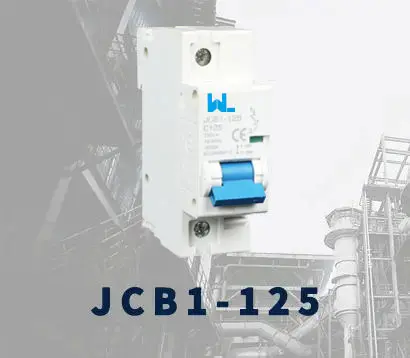 JCB1-125
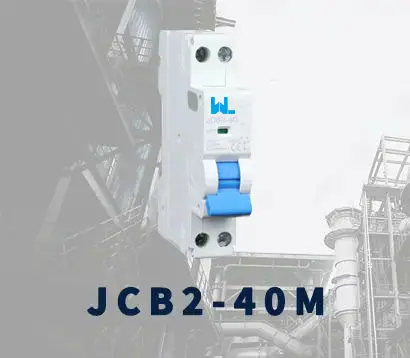 JCB2-40M
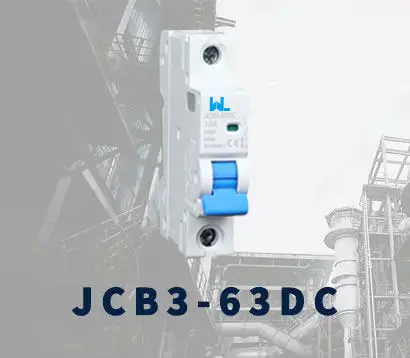 JCB3-63DC
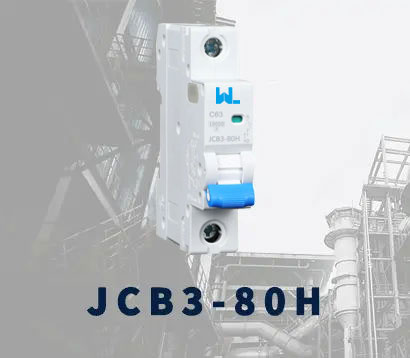 JCB3-80H
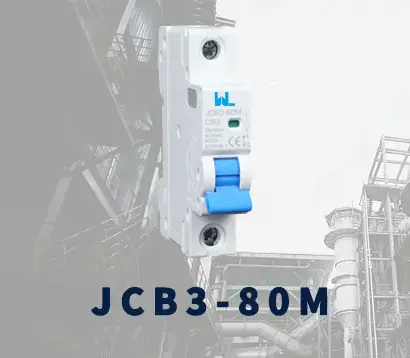 JCB3-80M
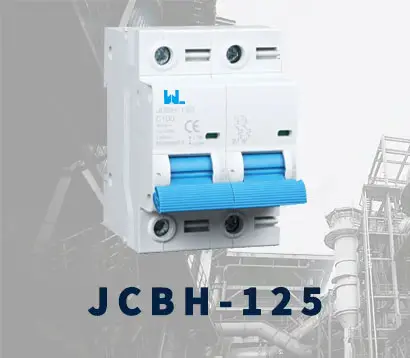 JCBH-125
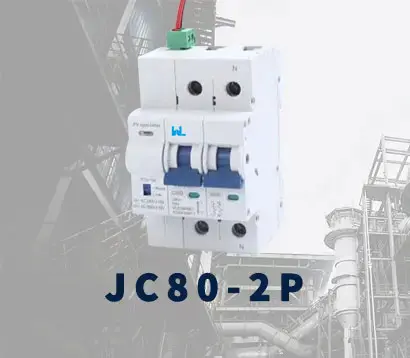 JC80-2P
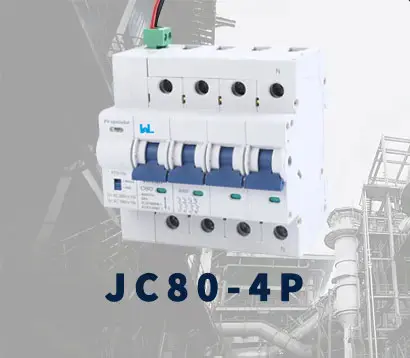 JC80-4P
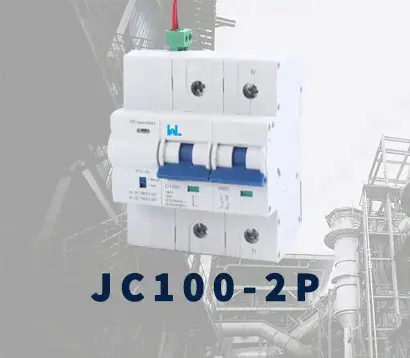 JC125-2P
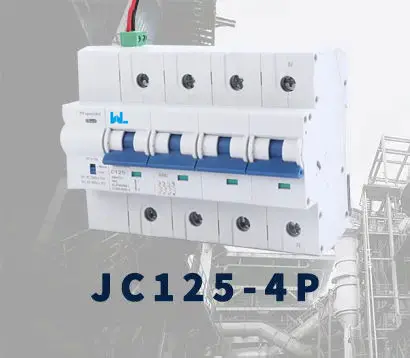 JC125-4P
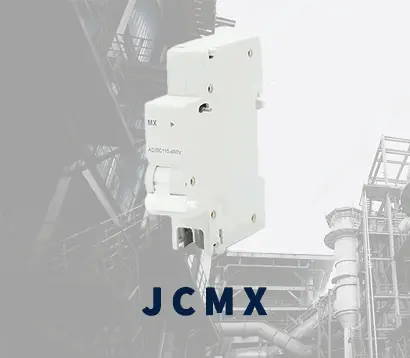 JCMX
JCMX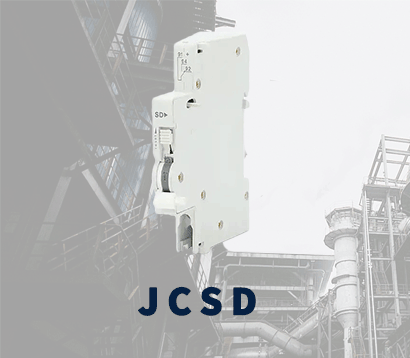 JCSD
JCSD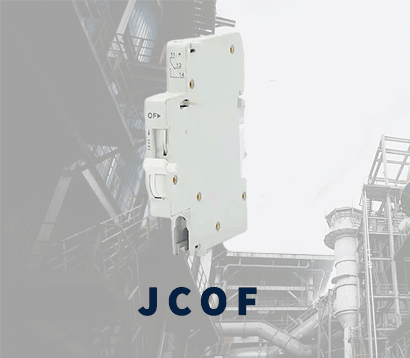 JCOF
JCOF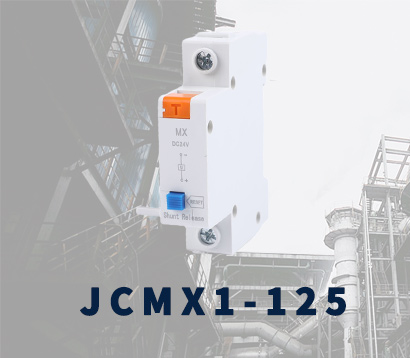 JCMX1-125
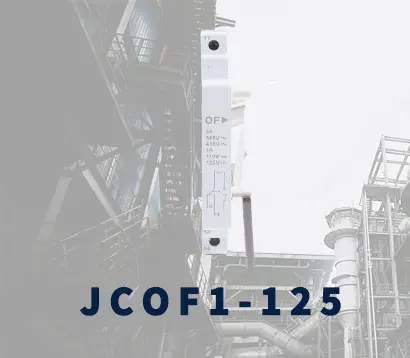 JCOF1-125
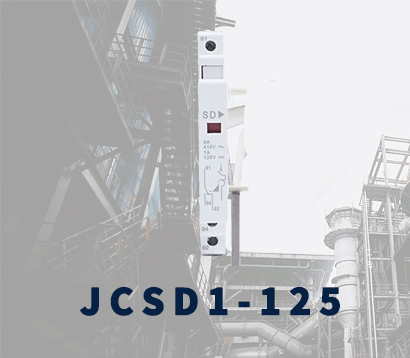 JCSD1-125
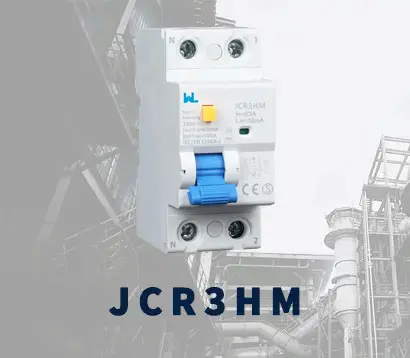 JCR3HM
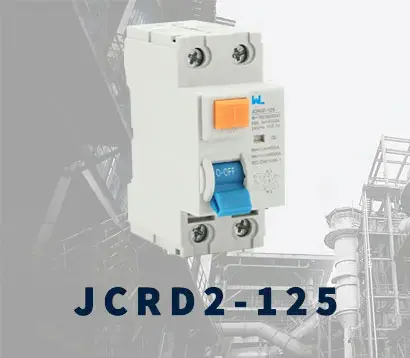 JCRD2-125
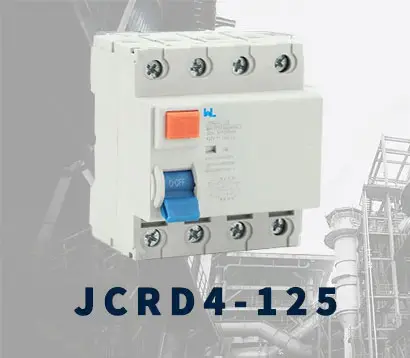 JCRD4-125
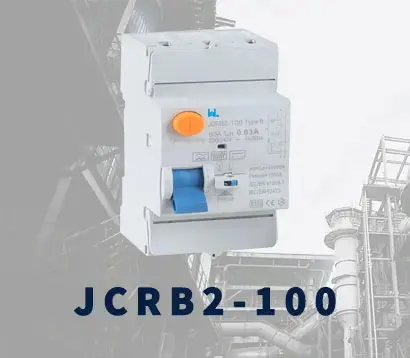 JCRB2-100
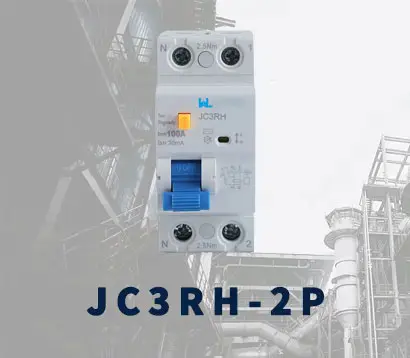 JC3RH-2P
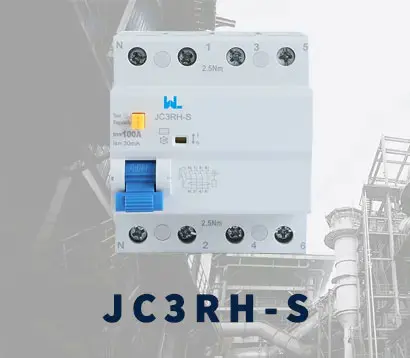 JC3RH-S
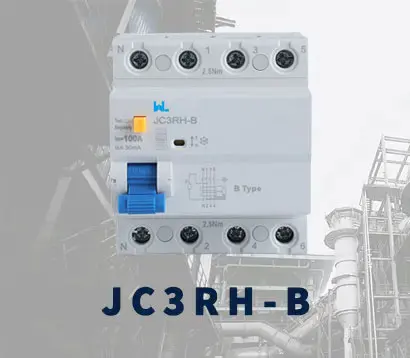 JC3RH-B
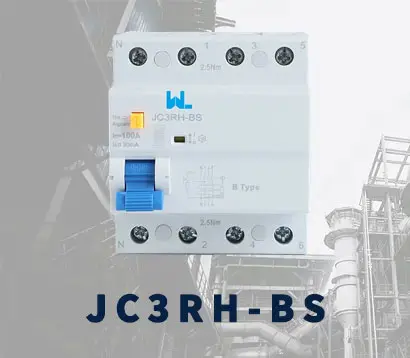 JC3RH-BS
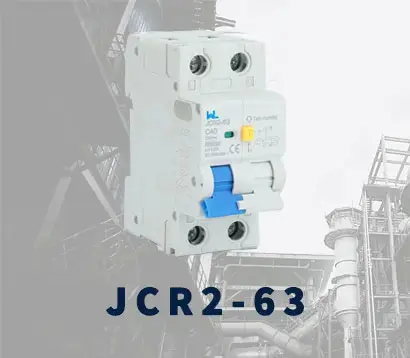 JCR2-63
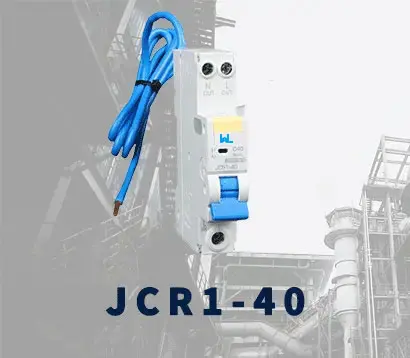 JCR1-40
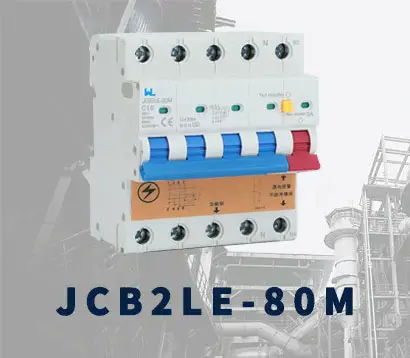 JCB2LE-80M
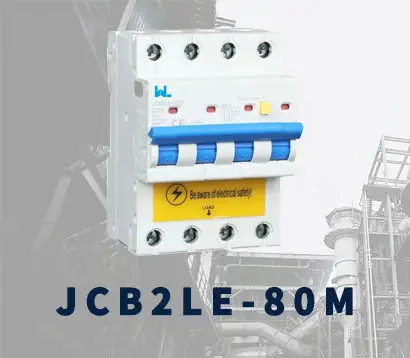 JCB2LE-80M
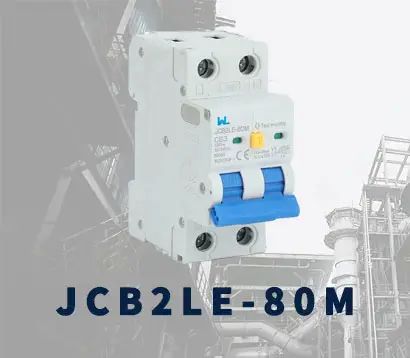 JCB2LE-80M
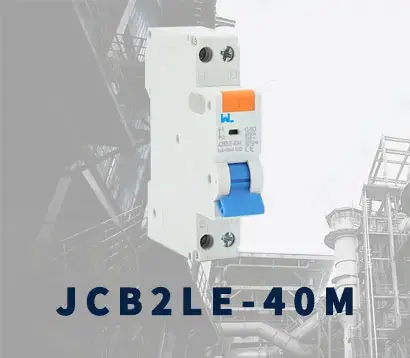 JCB2LE-40M
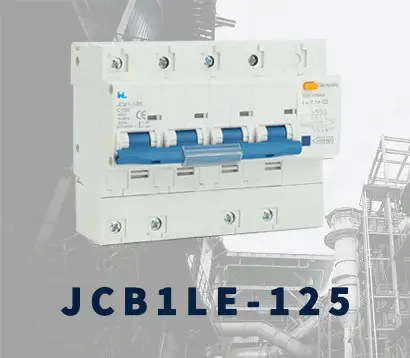 JCB1LE-125
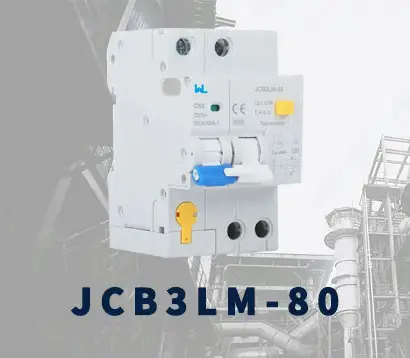 JCB3LM-80
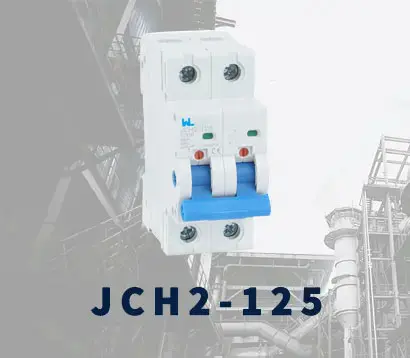 JCH2-125
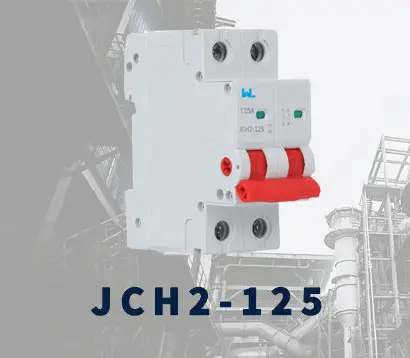 JCH2-125
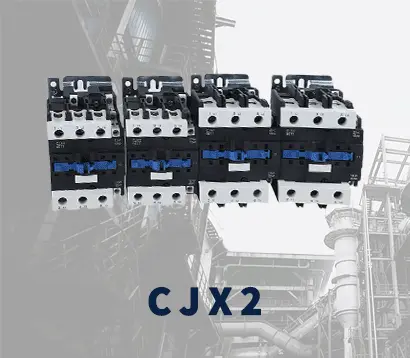 CJX2
CJX2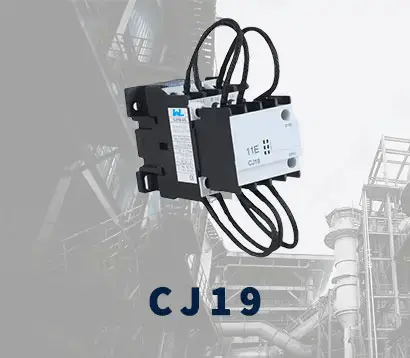 CJ19
CJ19 JCMCU
JCMCU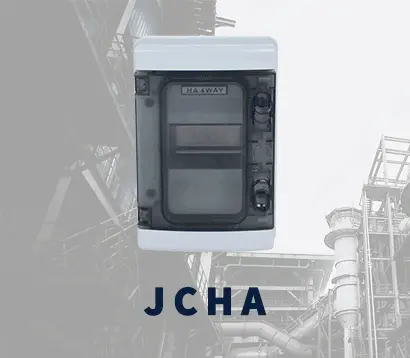 JCHA
JCHA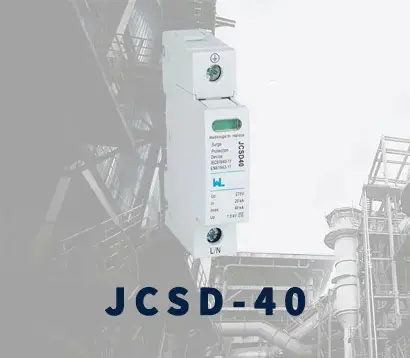 JCSD-40
 JCSD-60
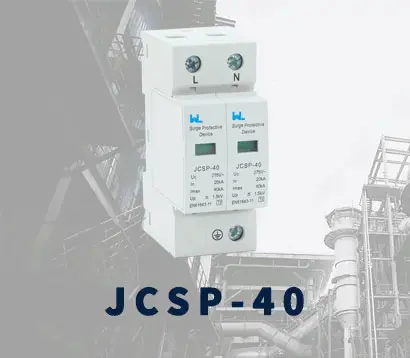 JCSP-40
 JCSP-60
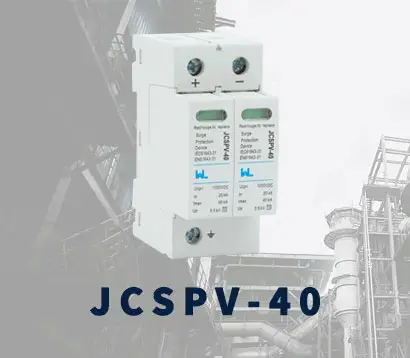 JCSPV
JCSPV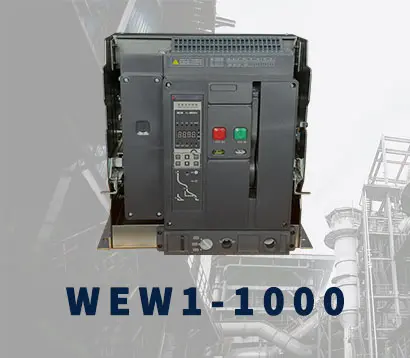 WEW1-1000
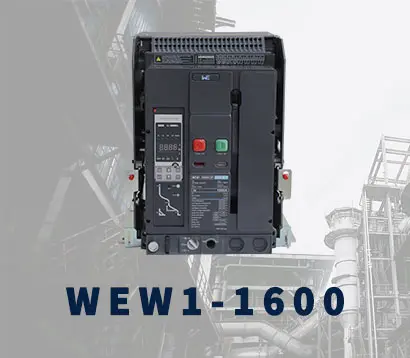 WEW1-1600
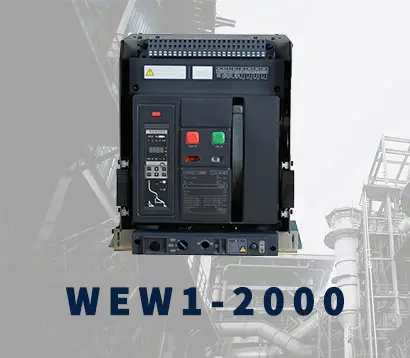 WEW1-2000
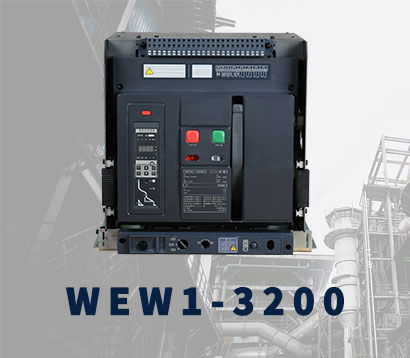 WEW1-3200
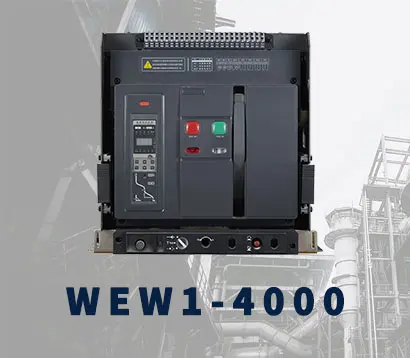 WEW1-4000
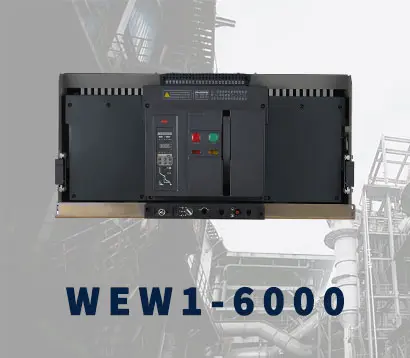 WEW1-6300
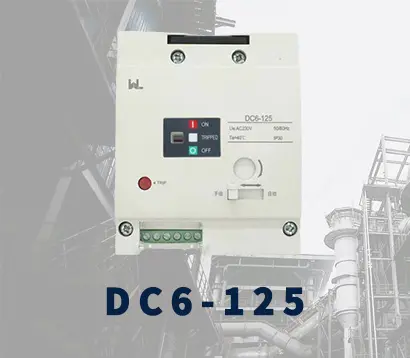 DC6-125
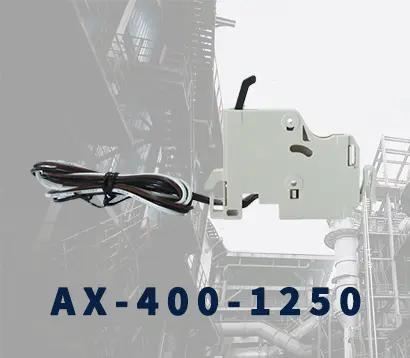 AX-400-1250
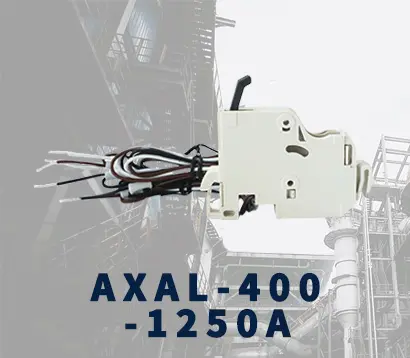 AXAL-400-1250A
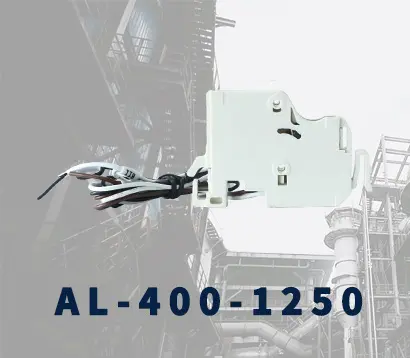 AL-400-1250
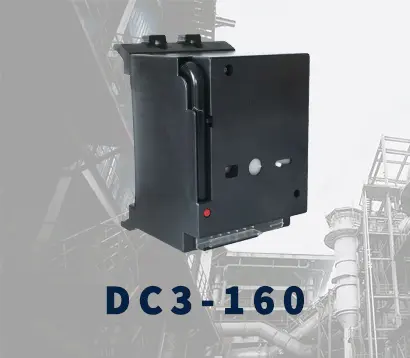 DC3-160
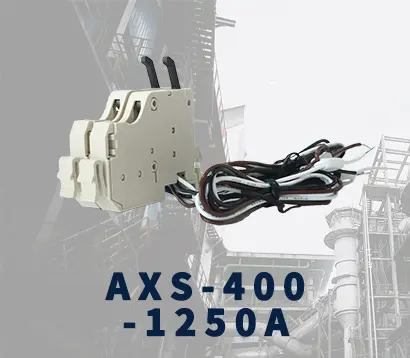 AXS-400-1250A
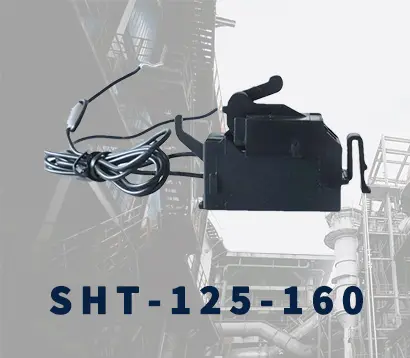 SHT-125-160
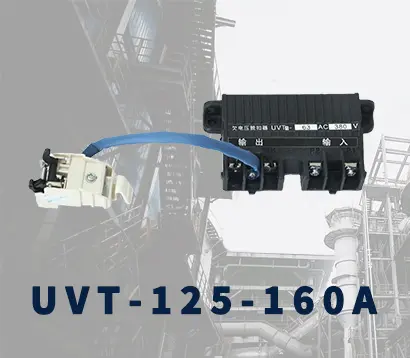 UVT-125-160A
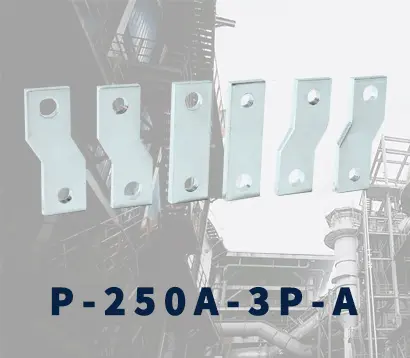 P-250A-3P-A
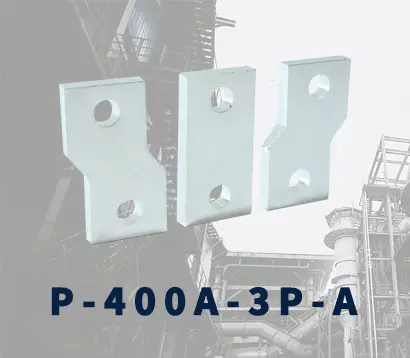 400-3P/4P terminal cover
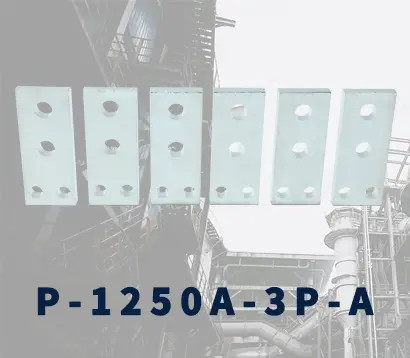 1250-3Pmccb accessories busbar
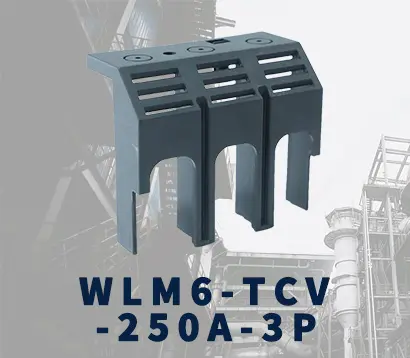 250-3P terminal conver
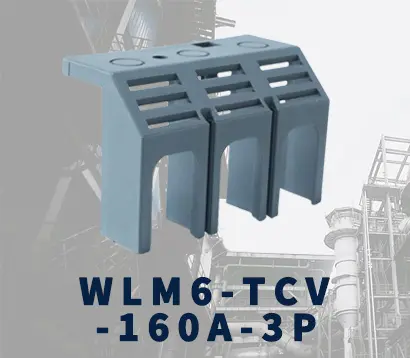 WLM6-TCV-160A-3P
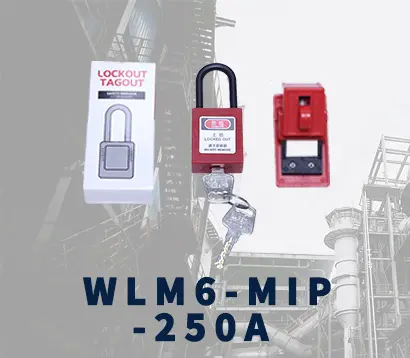 WLM6-MIP-250A
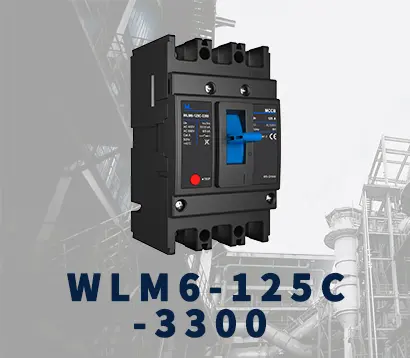 WLM6-125A-3300 3P/4P
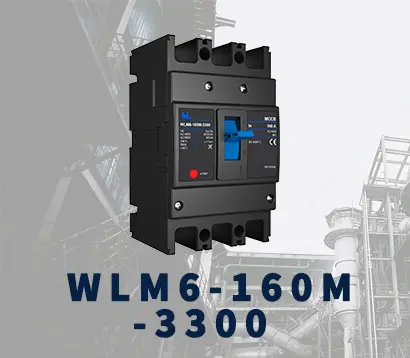 WLM6-160A-3300 3P/4P
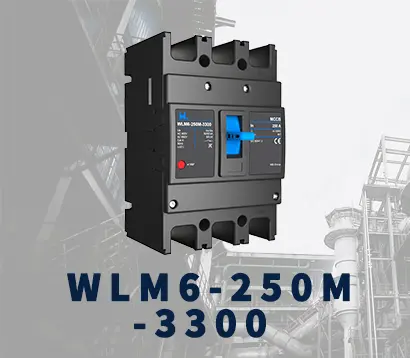 WLM6-250A-3300 3P/4P
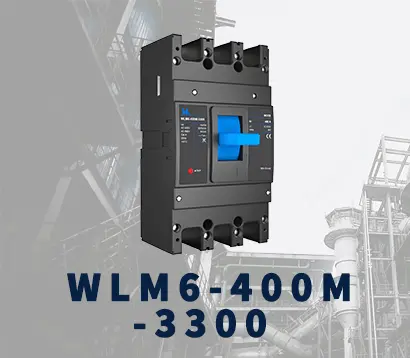 WLM6-400A-3300 3P/4P
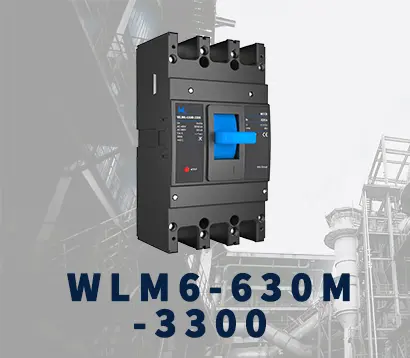 WLM6-630A-3300 3P/4P
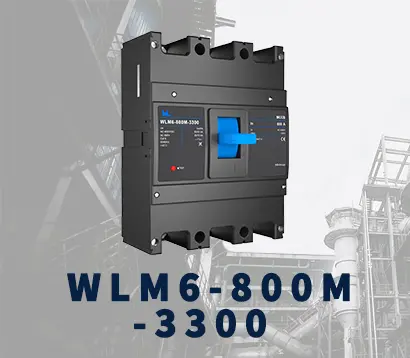 WLM6-800A-3300 3P/4P
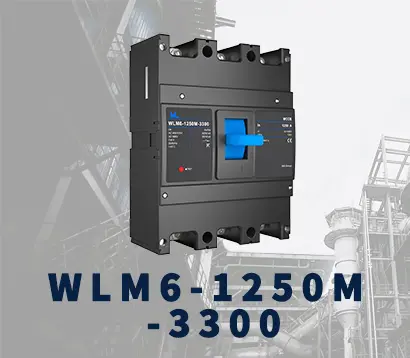 WLM6-1250A-3300 3P/4P
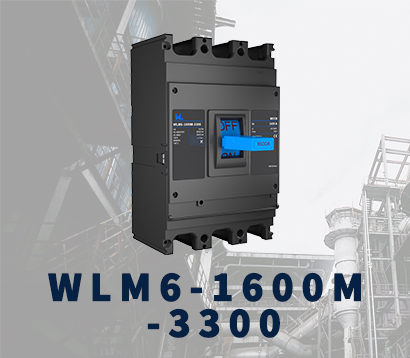 WLM6-1600A-3300 3P/4P
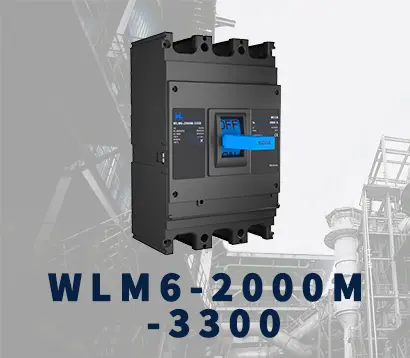 WLM6-2000A 3P/4P
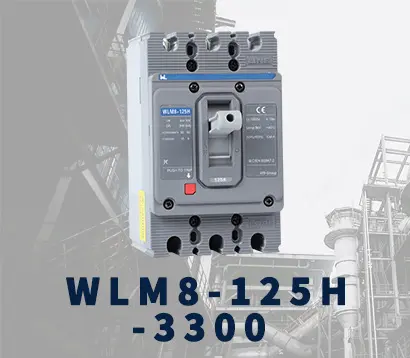 WLM8-125H-3300
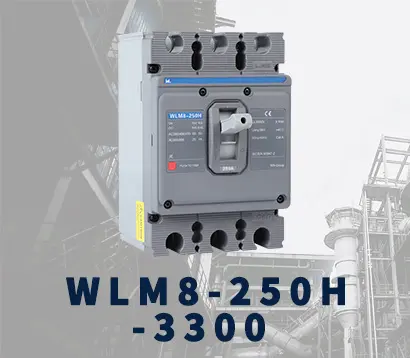 WLM8-250H-3300
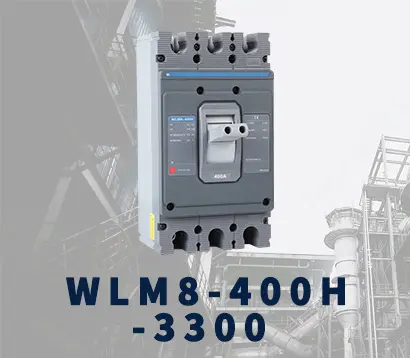 WLM8-400H-3300
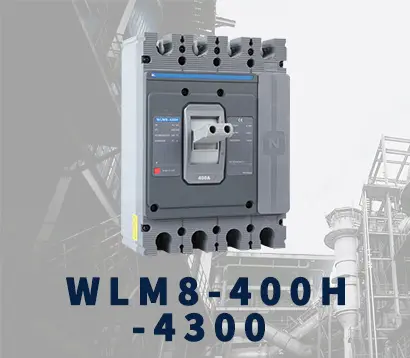 WLM8-400H-4300
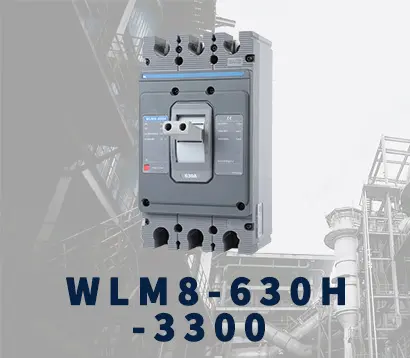 WLM8-630H-3300
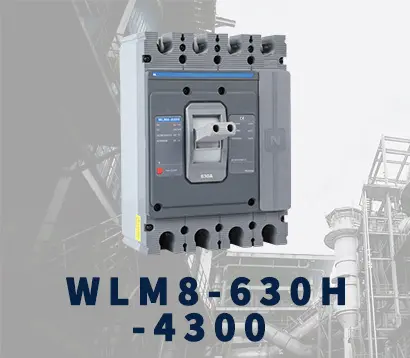 WLM8-630H-4300
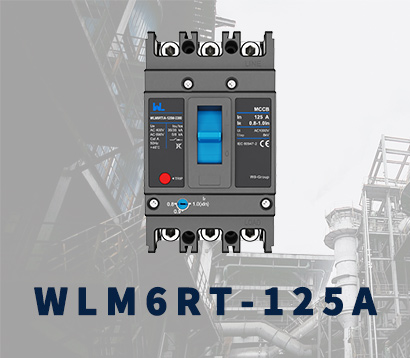 WLM6RT-125A
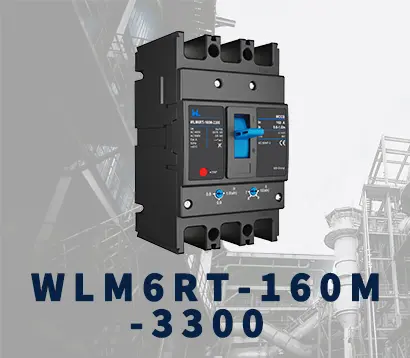 WLM6RT-160A
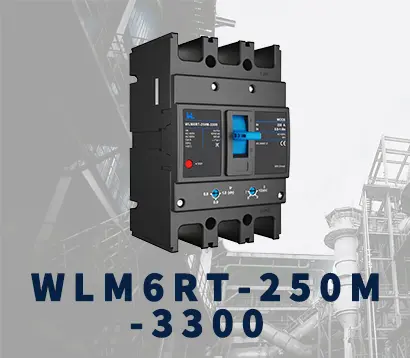 WLM6RT-250A
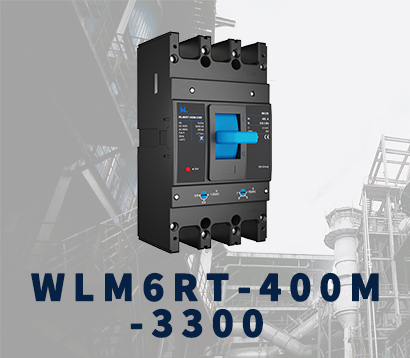 WLM6RT-400A
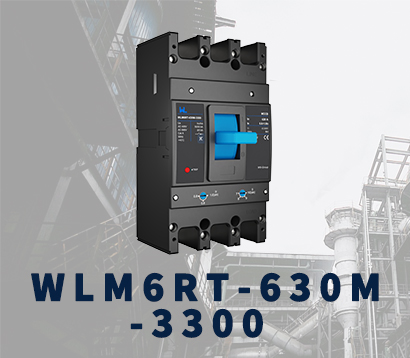 WLM6RT-630A
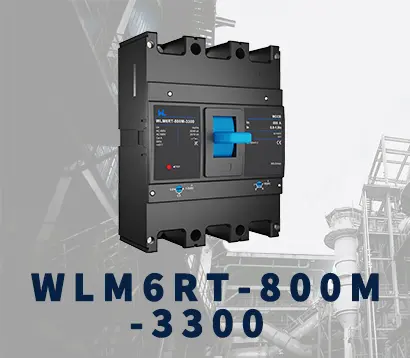 WLM6RT-800A
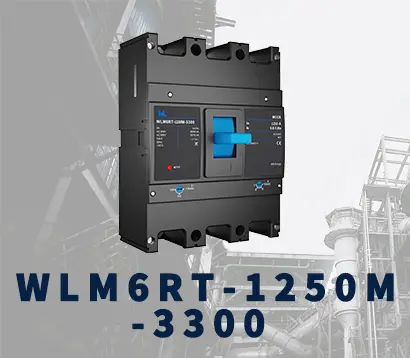 WLM6RT-1250A
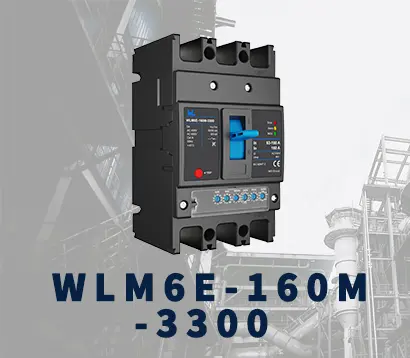 WLM6E-160A-3300 3P
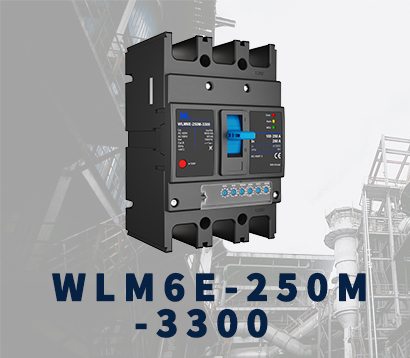 WLM6E-250A-3300
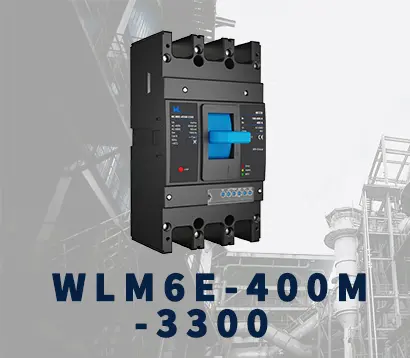 WLM6E-400A-3300 3P/4P
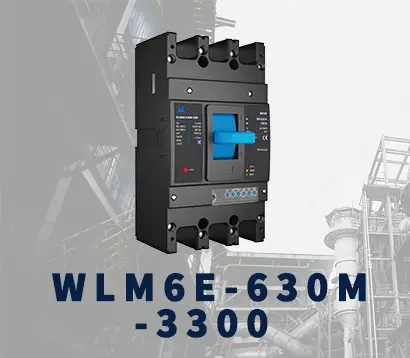 WLM6E-630A-3300
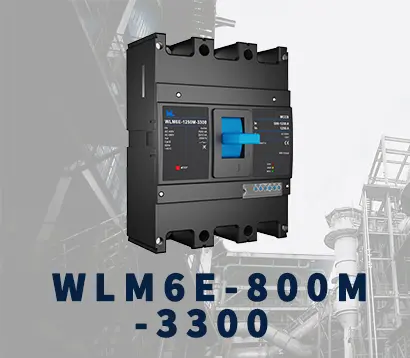 WLM6E-800A-3300 3P/4P
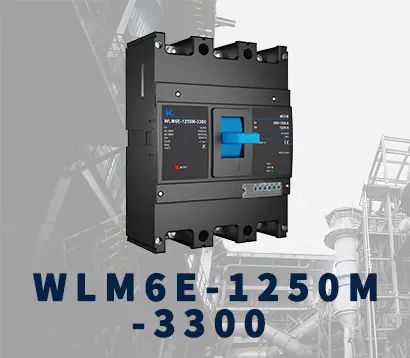 WLM6E-1250A-3300
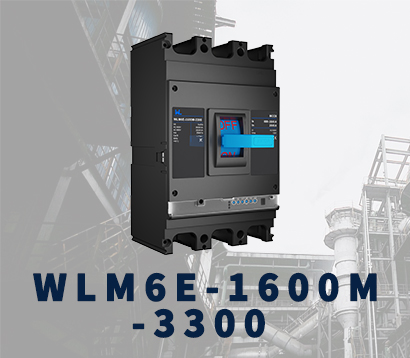 WLM6E-1600-3300 3P/4P
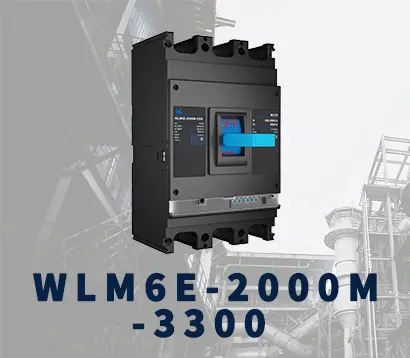 WLM6E-2000A-3300 3P/4P
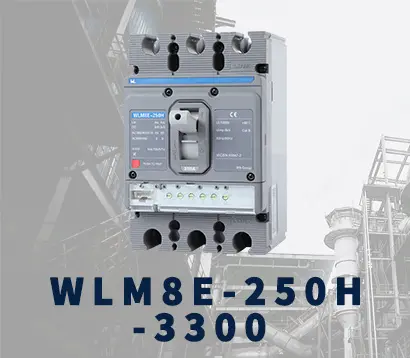 WLM8E-250H-3300
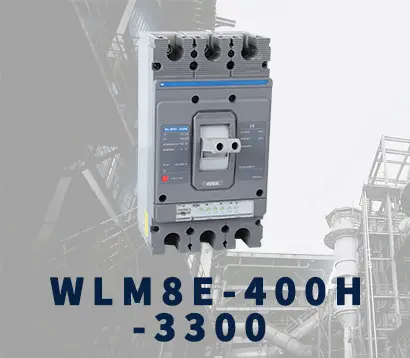 WLM8E-400H-3300
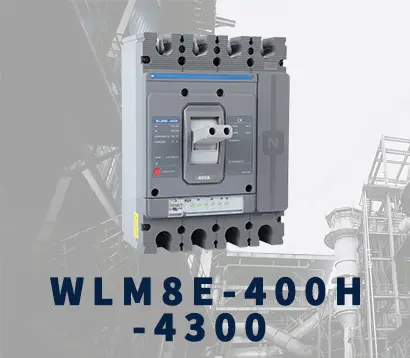 WLM8E-400H-4300
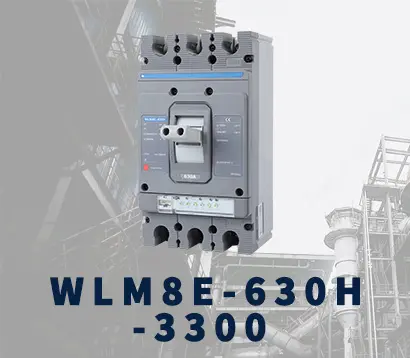 WLM8E-630H-3300
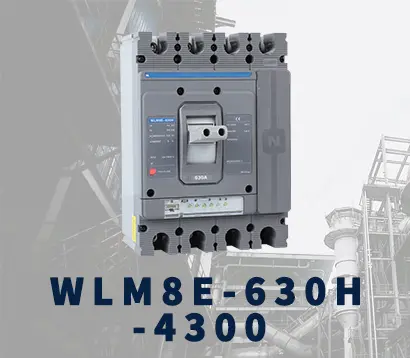 WLM8E-630H-4300
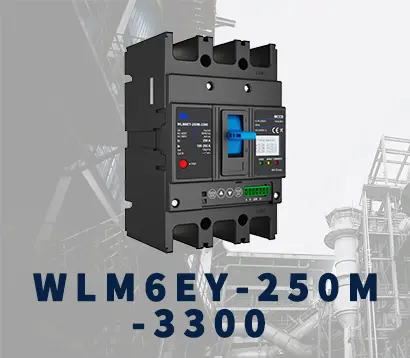 WLM6EY-250-3300 3P/4P
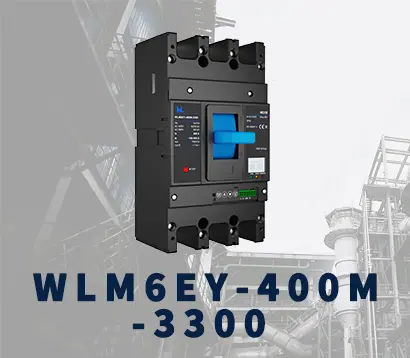 WLM6EY-400 3P/4P
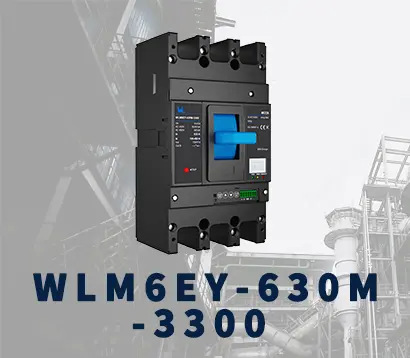 WLM6EY-630 3P/4P
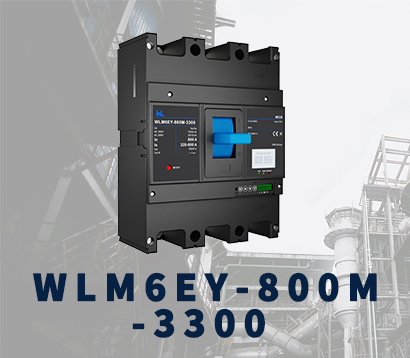 WLM6EY-800A 3P/4P
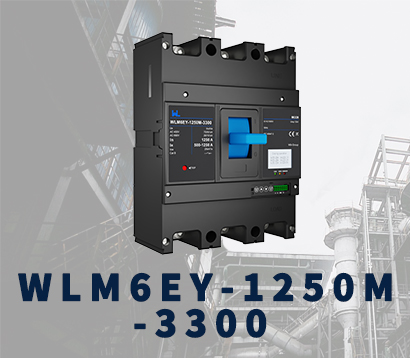 WLM6EY-1250A 3P/4P
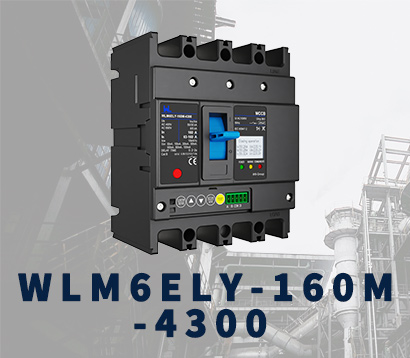 WLM6ELY-160A
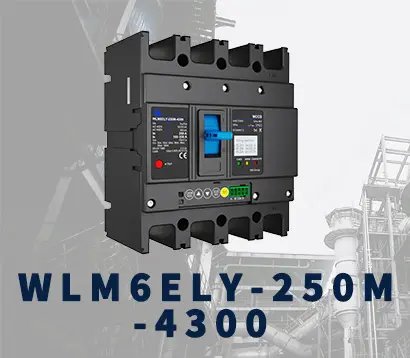 WLM6ELY-250A
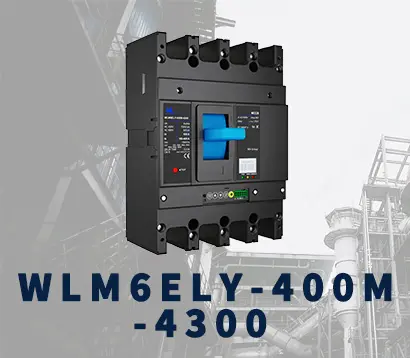 WLM6ELY-400A
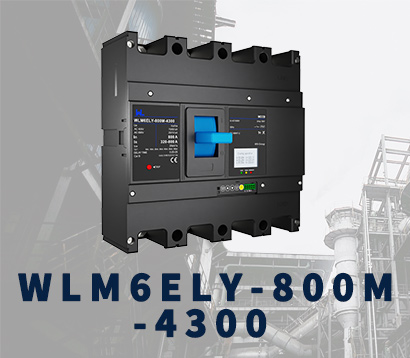 WLM6ELY-800A
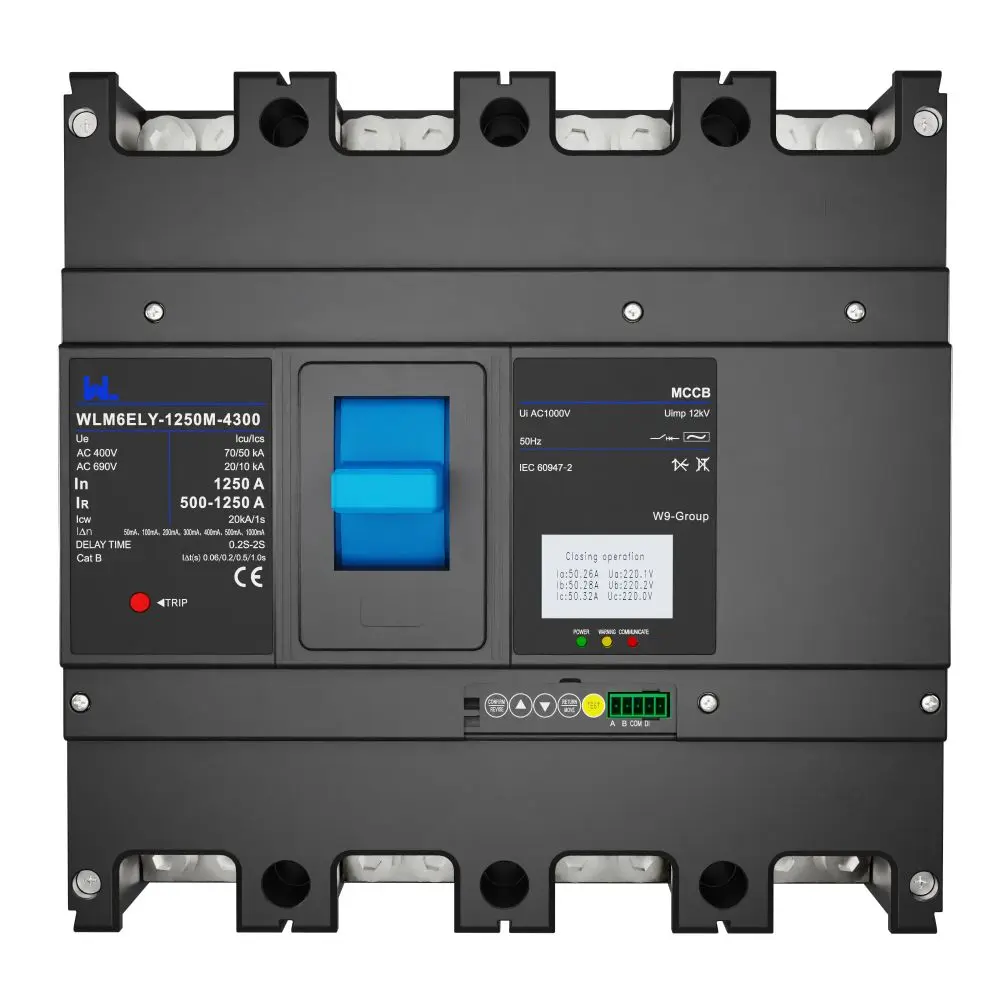 WLM6ELY-1250A
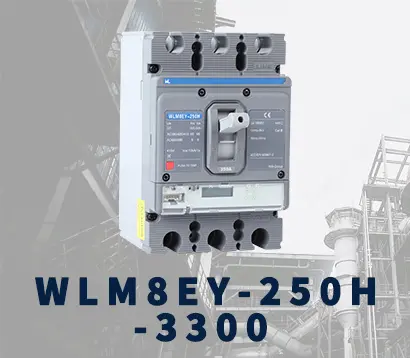 WLM8EY-250H-3300
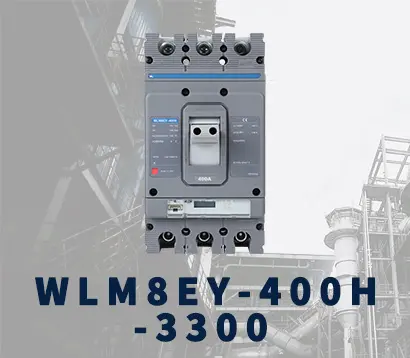 WLM8EY-400H-3300
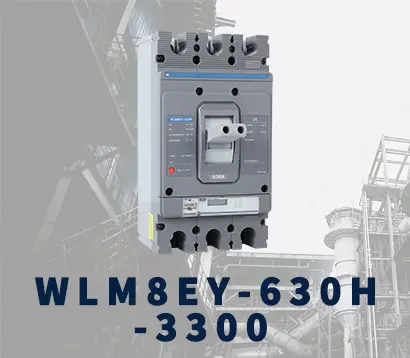 WLM8EY-630H-3300
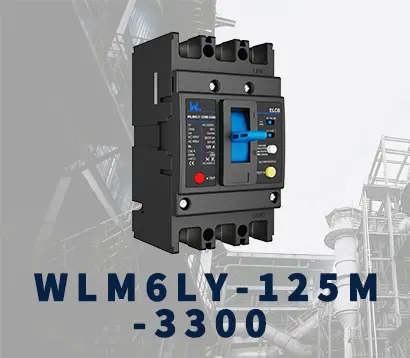 WLM6LY-125A
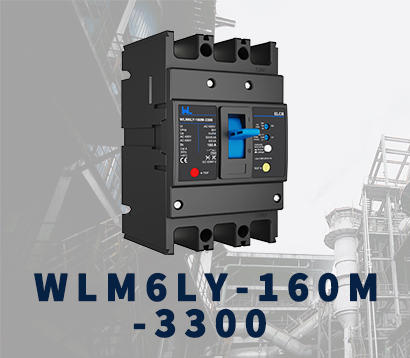 WLM6L-160A
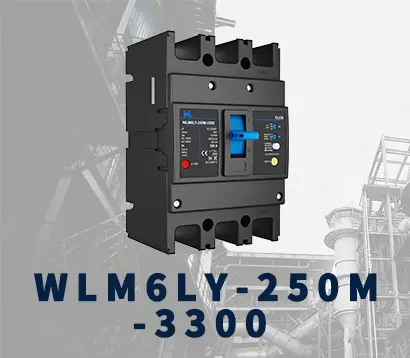 WLM6LY-250A
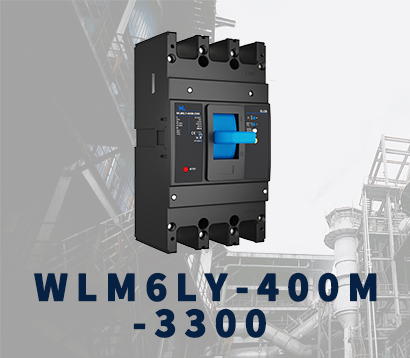 WLM6LY-400A
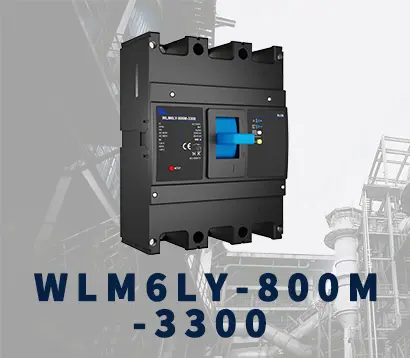 WLM6LY-800A
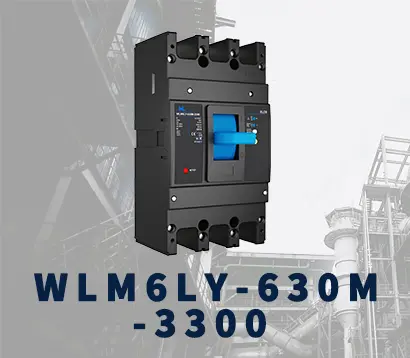 WLM6LY-630A
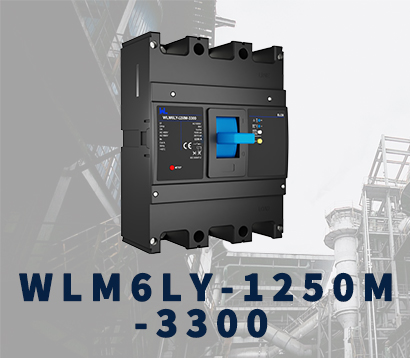 WLM6LY-1250A
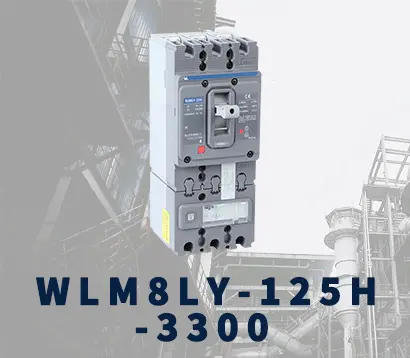 WLM8LY-125H-3300
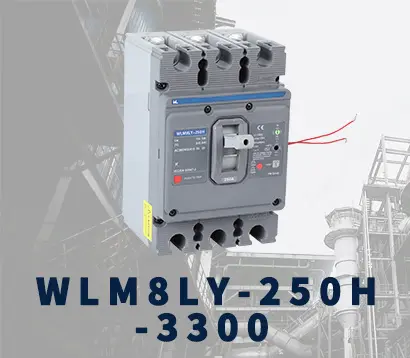 WLM8LY-250H-3300
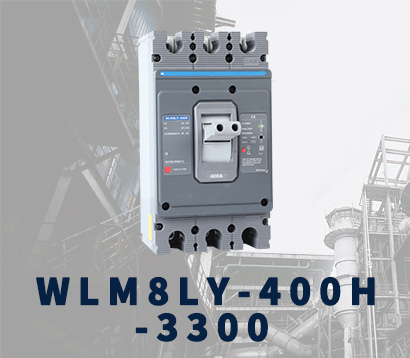 WLM8LY-400H-3300
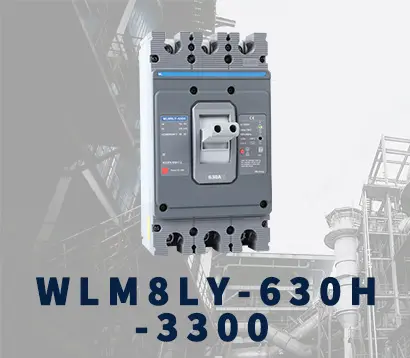 WLM8LY-630H-3300
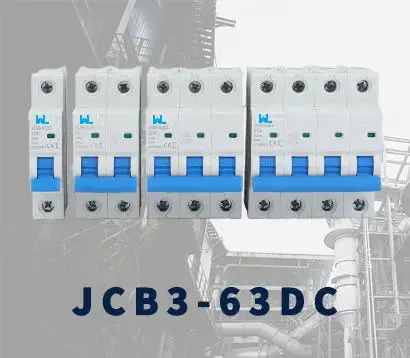 JCB3-63DC
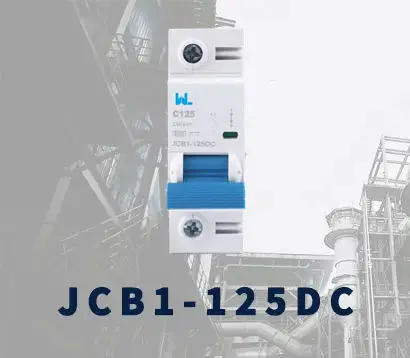 JCB1-125DC
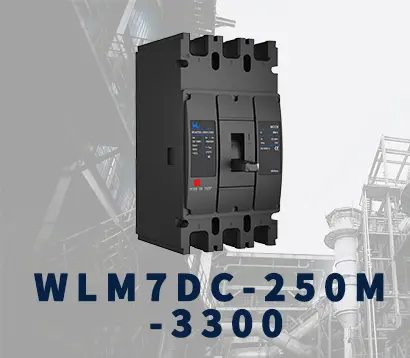 WLM7DC-250A-2300 2P/3P
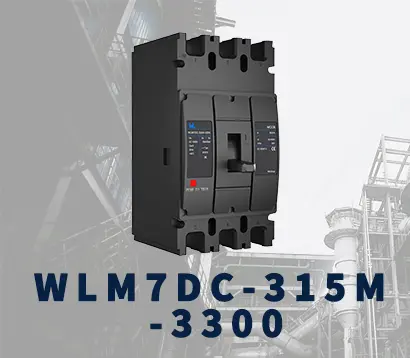 WLM7DC-315A-3300 2P/3P
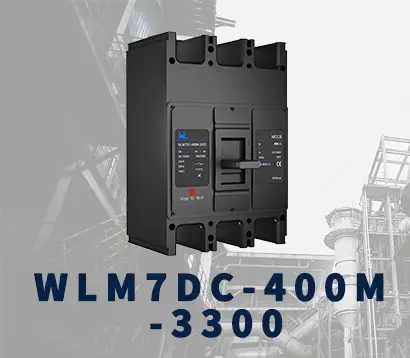 WLM7DC-400A-2300 2P/3P
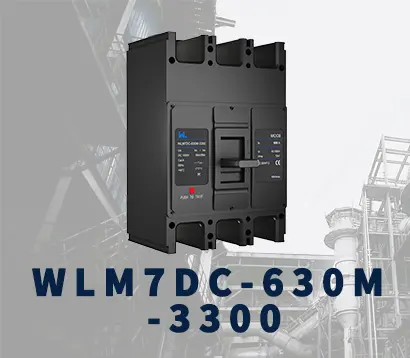 WLM7DC-630A-3300 3P
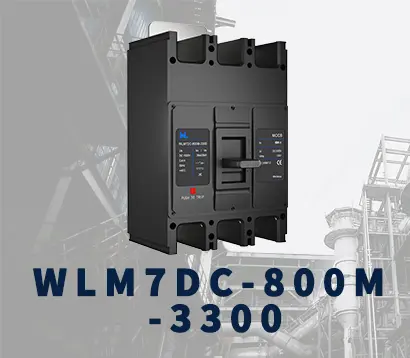 WLM7DC-800A-2300 2P/3P
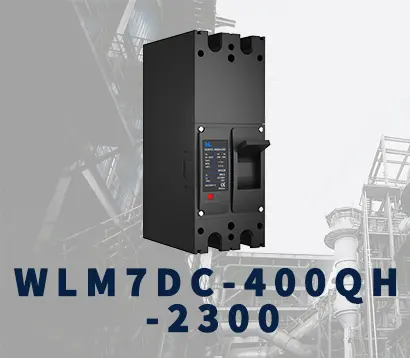 WLM7DC-400A 2300
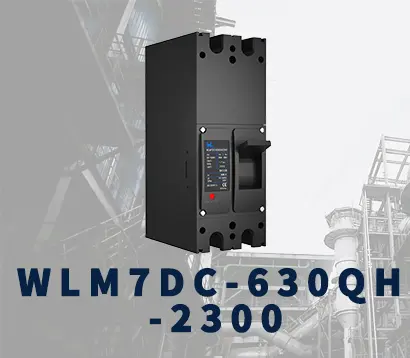 WLM7DC-630A-2300 2P
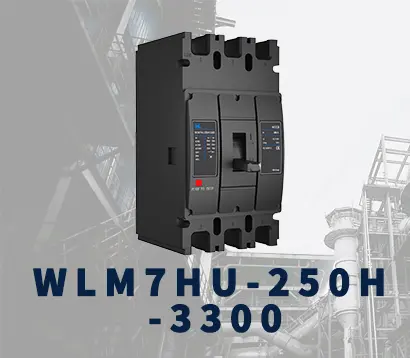 WLM7HU-250-3300 3P
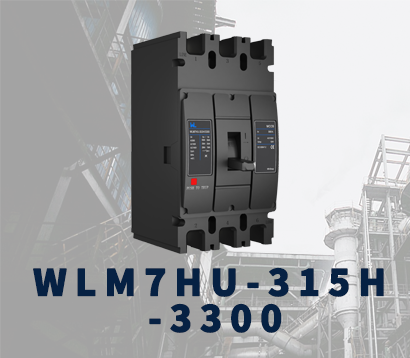 WLM7HU-315-3300 3P
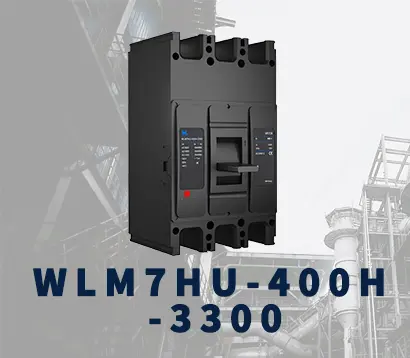 WLM7HU-400-3300 3P
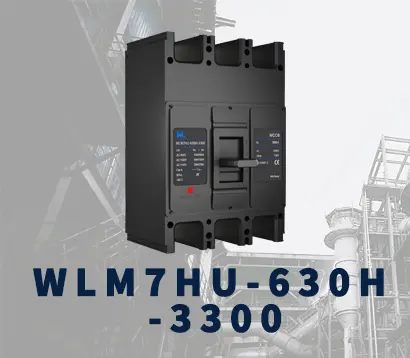 WLM7HU-630-3300 3P
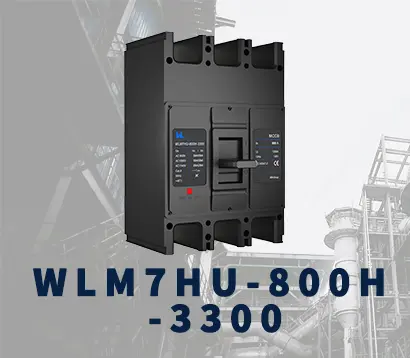 WLM7HU-800-3300 3P
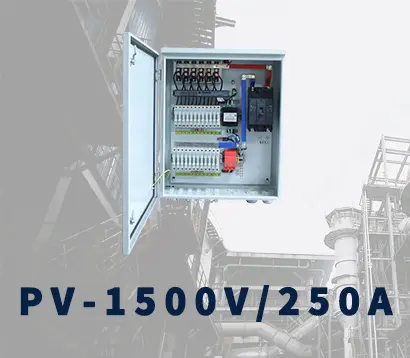 PV-1500V/250A
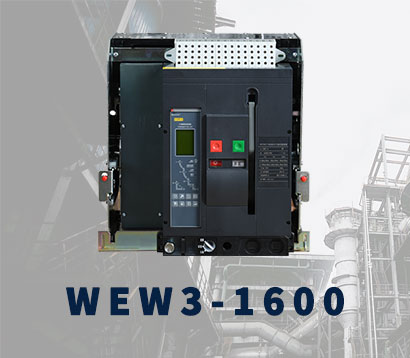 WEW3-1600
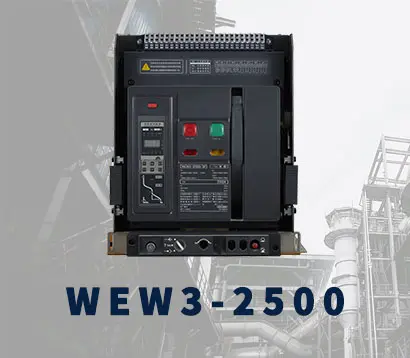 WEW3-2500
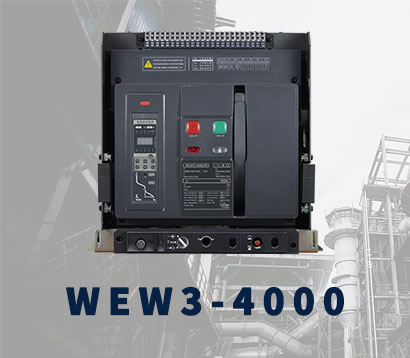 WEW3-4000
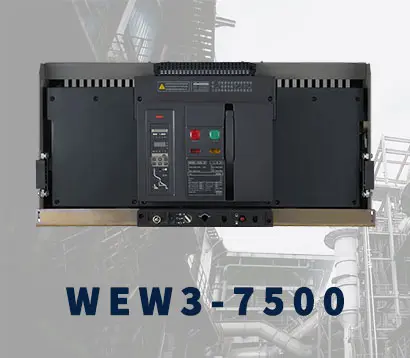 WEW3-7500