How to Choose the Right Thermal Magnetic MCCB for Your Needs?
Choosing the right Thermal Magnetic MCCB can be challenging. Different applications require different specifications. According to industry reports, the global market for MCCBs is projected to reach $5 billion by 2025. This growth reflects the increasing demand for efficient and reliable electrical protection.
Thermal Magnetic MCCBs combine thermal and magnetic protection. They offer adaptability for various load conditions. In industrial settings, these devices protect equipment from overload and short circuits. An inappropriate choice can lead to equipment failure or safety hazards. The right MCCB must match specific requirements, like voltage and current ratings.
Not all Thermal Magnetic MCCBs are created equal. Some manufacturers may focus on cost over reliability. This can lead to inadequate protection. Research shows that over 30% of electrical failures in industries stem from improper device selection. It’s crucial to reflect on your needs and consult experts to ensure a suitable choice.

Understanding Thermal Magnetic MCCBs and Their Functions
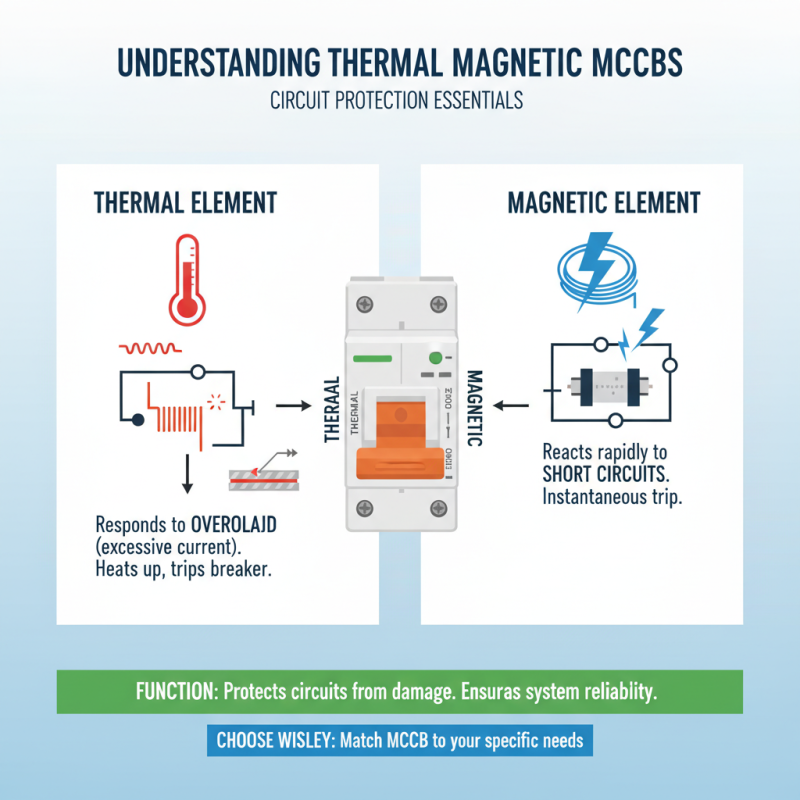
Thermal magnetic MCCBs are essential in electrical systems. They protect circuits from overloads and short circuits. Understanding their functions helps you choose the right one for your needs. The thermal element responds to heat caused by excessive current. The magnetic part reacts quickly to short circuits, providing rapid protection.
When selecting an MCCB, consider the load type. Different applications may require different specifications. Think about the voltage levels too. Are they low voltage or high? Know the environment as well. If it’s humid or dusty, choose an MCCB with a suitable enclosure.
**Tips:** Always check the current rating. It should match your system requirements. Also, remember to assess the fault current. A higher fault level requires a more robust MCCB. Don't overlook installation space. Space constraints could limit your options. Be prepared to revise your initial choices based on real-world conditions.
Identifying Your Electrical Load Requirements
Choosing the right thermal magnetic MCCB requires a clear understanding of your electrical load requirements. You'll need to assess the devices you plan to connect. Start by determining the total current draw for these devices. For instance, if you have multiple motors or lighting systems, calculate their combined power ratings.
Once you know the total load, consider your usage patterns. Are the devices running consistently or intermittently? This affects the MCCB's sizing. It's important to factor in potential surges during startup, especially for motors. These surges can be several times the normal operating current, so selecting an MCCB with adequate short-circuit protection is crucial.
Don’t forget about future needs. Will you expand your electrical system? If so, opt for a breaker that accommodates growth. Sometimes it's tempting to go with the minimum specifications. This can lead to issues down the line. Reflect on your choices to ensure you get the right fit for today and tomorrow.
Evaluating Environment and Installation Conditions
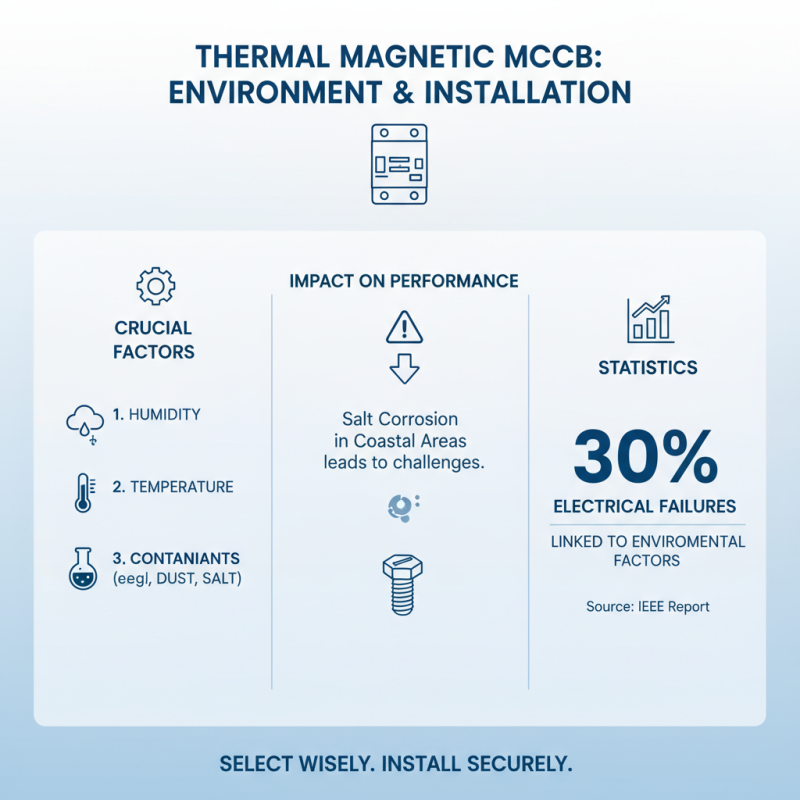
When selecting a thermal magnetic MCCB, evaluating environmental and installation conditions is crucial. Factors like humidity, temperature, and potential contaminants can significantly influence performance. For instance, MCCBs in coastal areas may face challenges due to salt corrosion. According to a report by IEEE, 30% of electrical failures are linked to environmental factors.
Consider installation conditions as well. The location of the MCCB affects its cooling efficiency. If installed in a cramped or poorly ventilated space, the risk of overheating increases. The National Fire Protection Association (NFPA) indicates that inadequate cooling can shorten the lifespan of circuit breakers by up to 50%.
Furthermore, dust and debris can accumulate around MCCBs in industrial settings. This buildup can affect their functionality and lead to malfunctions. A recent study highlighted that 25% of MCCB failures are due to dirty environments. Regular inspections and maintenance are essential to mitigate these risks, although they are often overlooked.
Selecting Key Features and Specifications
When selecting a thermal magnetic MCCB, focus on key features and specifications that suit your application. One critical factor is the rated current. According to industry standards, an optimal MCCB should have a current rating that exceeds typical operational loads by 25%. This helps in preventing nuisance tripping during peak usage.
Another essential specification is the voltage rating. In many reports, experts emphasize that choosing a voltage rating at least 25% higher than the system's operating voltage can safeguard against unforeseen surges. It is fascinating to note that improper voltage ratings lead to equipment failures in about 30% of cases.
Additionally, consider the breaking capacity, which is crucial for your safety. The National Electrical Manufacturers Association (NEMA) suggests a breaking capacity rating that surpasses potential fault currents in your circuit. Aim for a minimum margin of 20%. Many users overlook this, often leading to expensive damages or safety hazards. Each specification plays a role in ensuring that your MCCB not only functions correctly but also enhances the reliability of your electrical system.
Thermal Magnetic MCCB Key Features Comparison
Comparing Brands and Models for Optimal Performance
Choosing the right thermal magnetic MCCB involves comparing various brands and models. Each model has unique features. Not every option suits every need. Some models excel in specific applications. For instance, certain designs offer enhanced protection levels. Others may focus on energy efficiency. It can be tricky to identify the ideal choice.
When considering performance, look at the breaking capacity. It determines how effectively the MCCB can handle overloads. You might find that some models are over-engineered for simple requirements. This could lead to wasted resources. Meanwhile, other models may lack sufficient protection, which poses risks. Evaluate the specifications critically.
Another aspect to consider is the ease of installation and maintenance. Some designs are more user-friendly than others. This is crucial for long-term performance. Complexity can lead to installation errors. Such mistakes often go unnoticed until there's a failure. A straightforward approach usually saves headaches. Make sure to weigh these factors carefully.

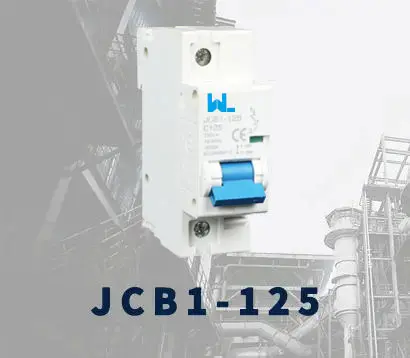 JCB1-125
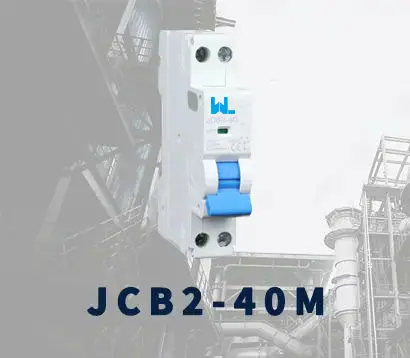 JCB2-40M
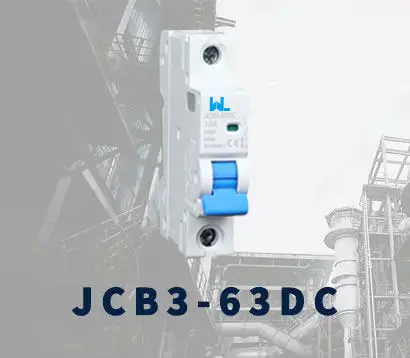 JCB3-63DC
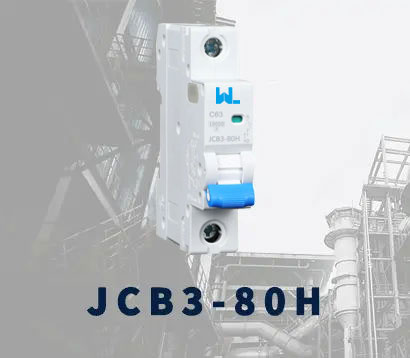 JCB3-80H
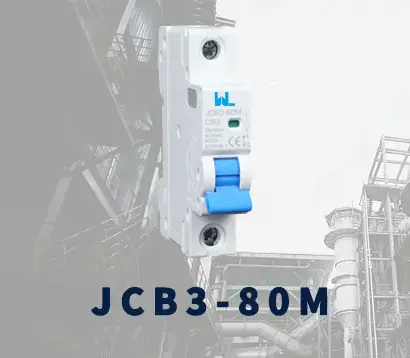 JCB3-80M
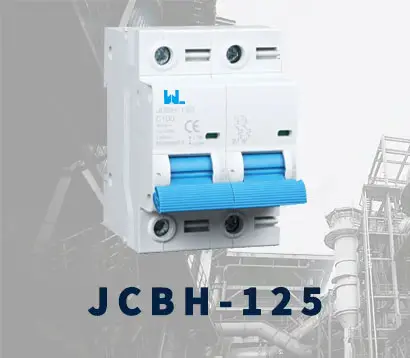 JCBH-125
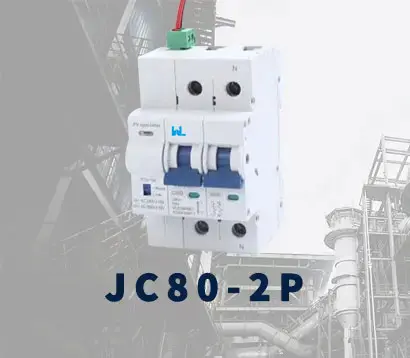 JC80-2P
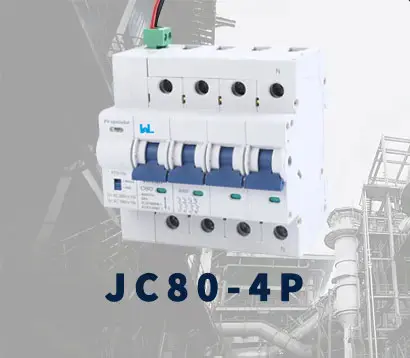 JC80-4P
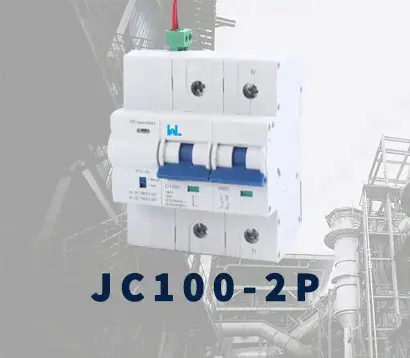 JC125-2P
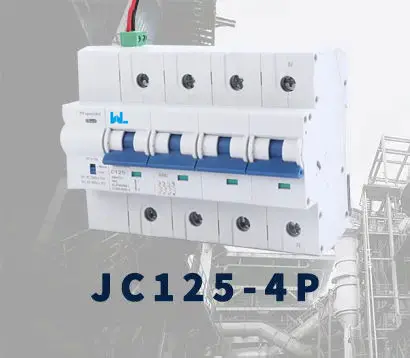 JC125-4P
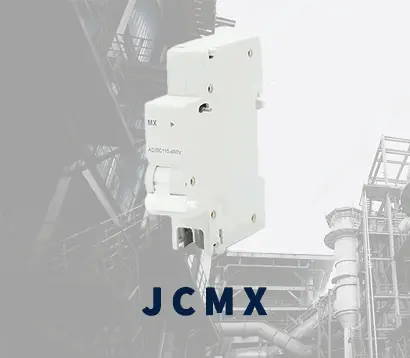 JCMX
JCMX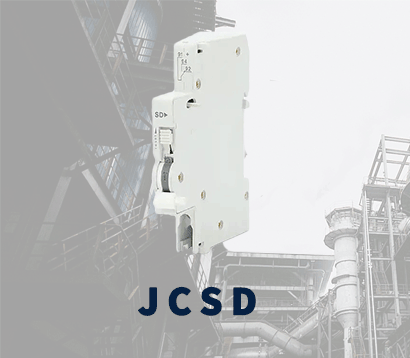 JCSD
JCSD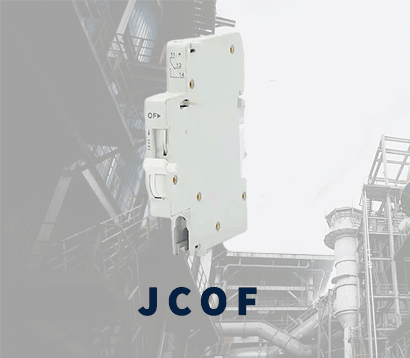 JCOF
JCOF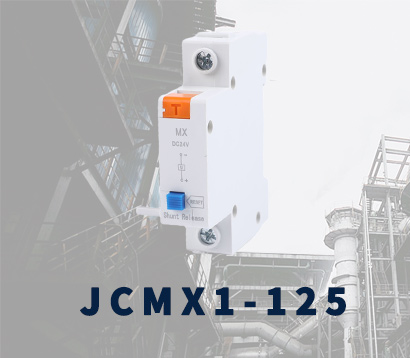 JCMX1-125
 JCOF1-125
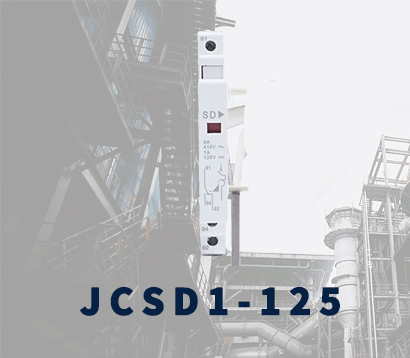 JCSD1-125
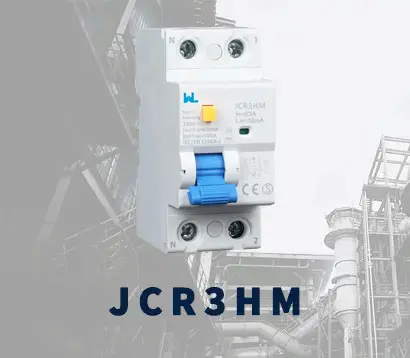 JCR3HM
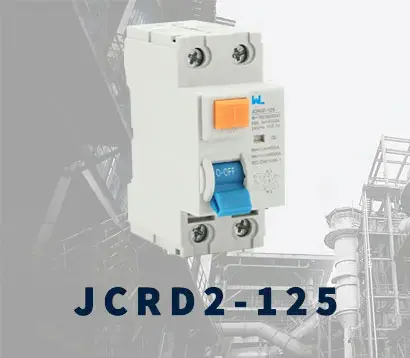 JCRD2-125
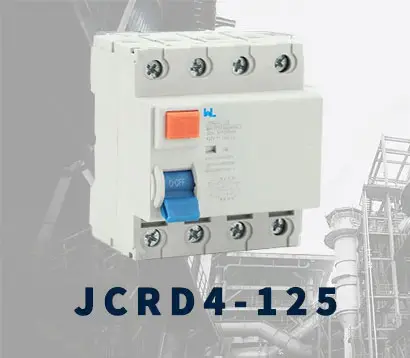 JCRD4-125
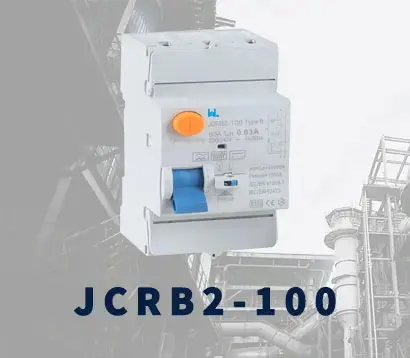 JCRB2-100
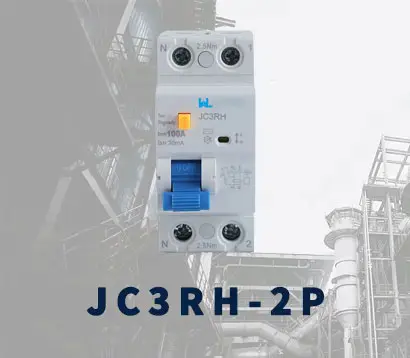 JC3RH-2P
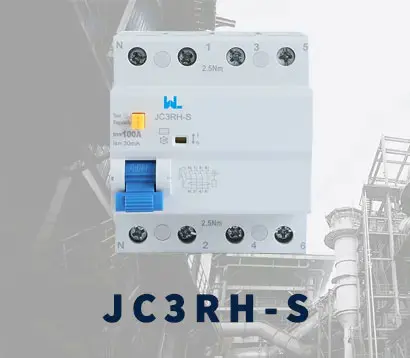 JC3RH-S
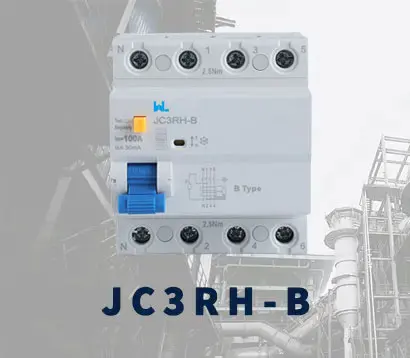 JC3RH-B
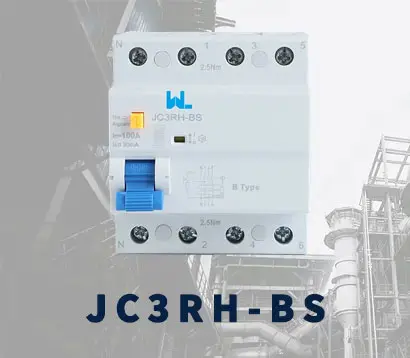 JC3RH-BS
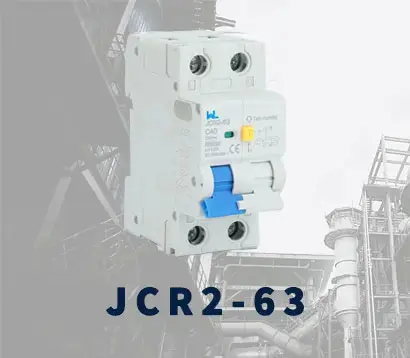 JCR2-63
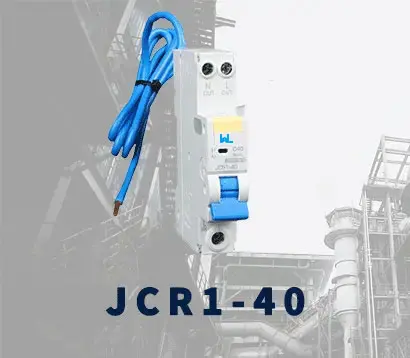 JCR1-40
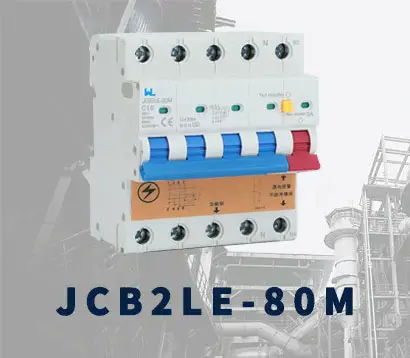 JCB2LE-80M
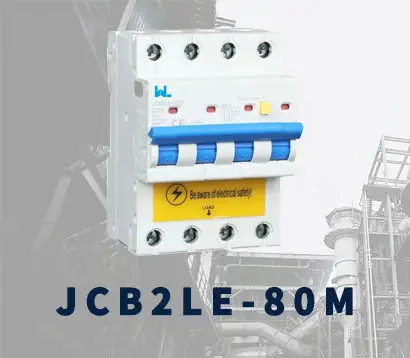 JCB2LE-80M
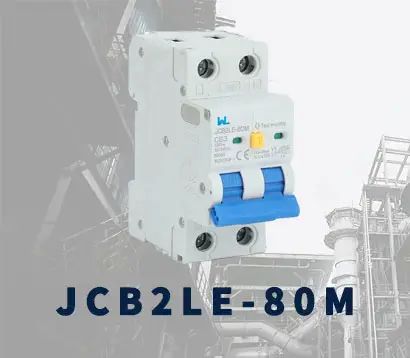 JCB2LE-80M
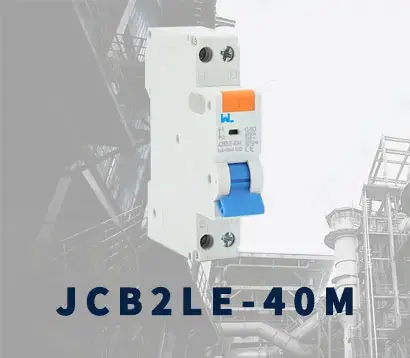 JCB2LE-40M
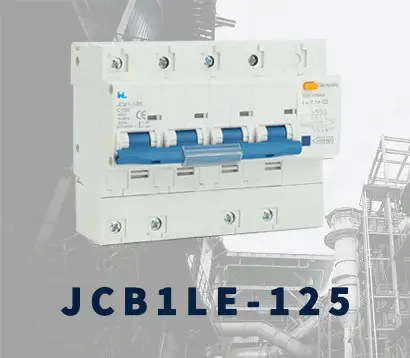 JCB1LE-125
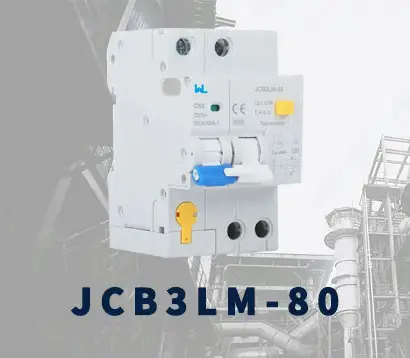 JCB3LM-80
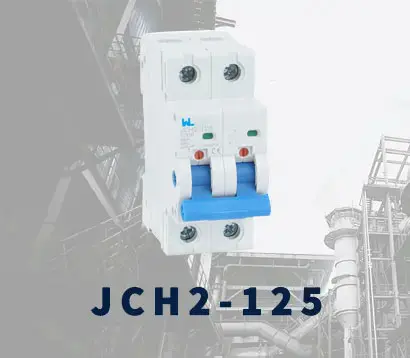 JCH2-125
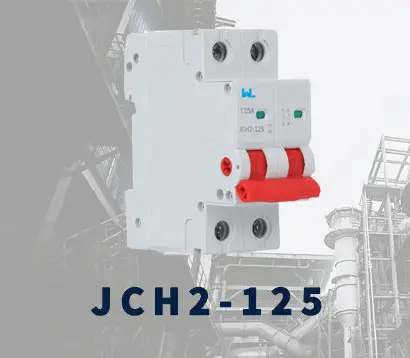 JCH2-125
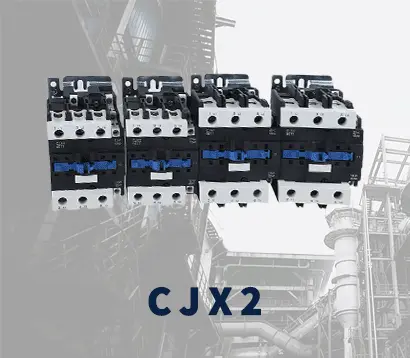 CJX2
CJX2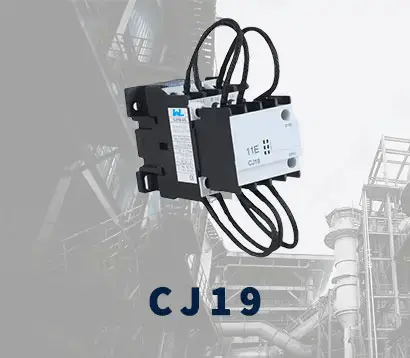 CJ19
CJ19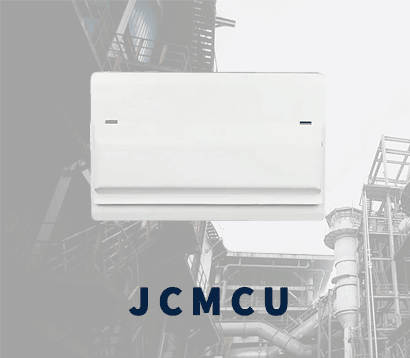 JCMCU
JCMCU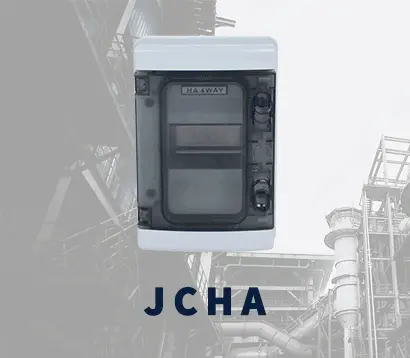 JCHA
JCHA JCSD-40
 JCSD-60
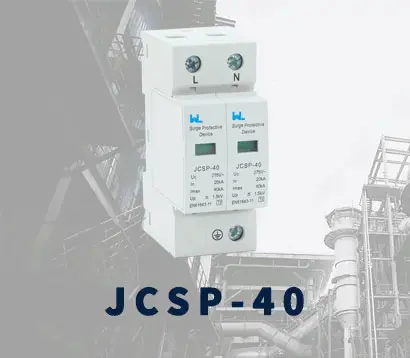 JCSP-40
 JCSP-60
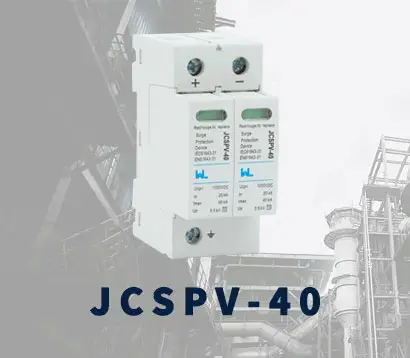 JCSPV
JCSPV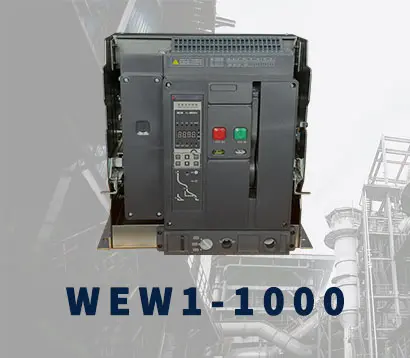 WEW1-1000
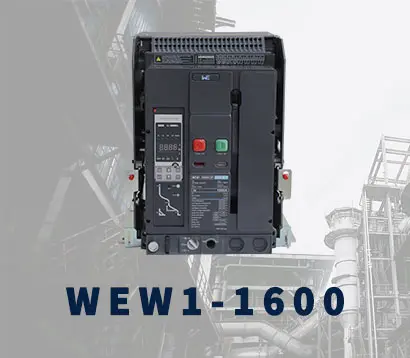 WEW1-1600
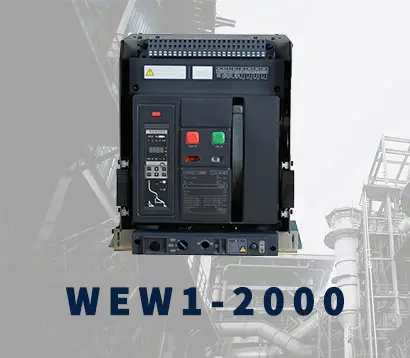 WEW1-2000
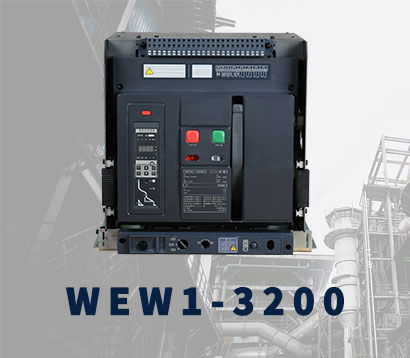 WEW1-3200
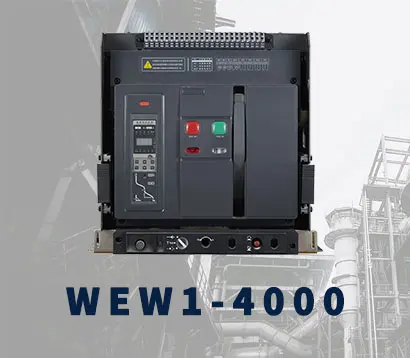 WEW1-4000
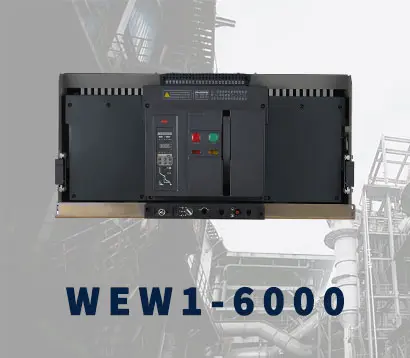 WEW1-6300
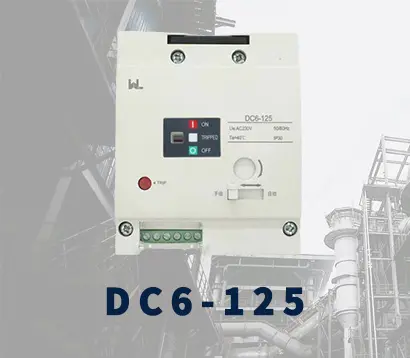 DC6-125
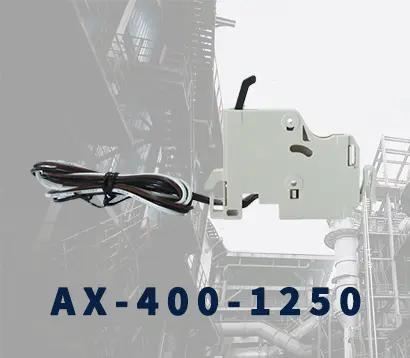 AX-400-1250
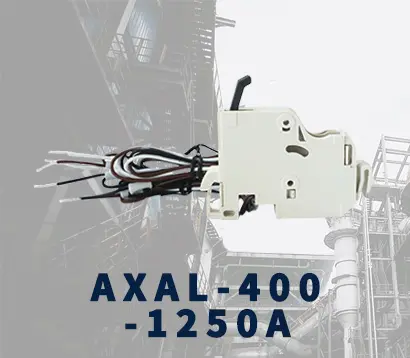 AXAL-400-1250A
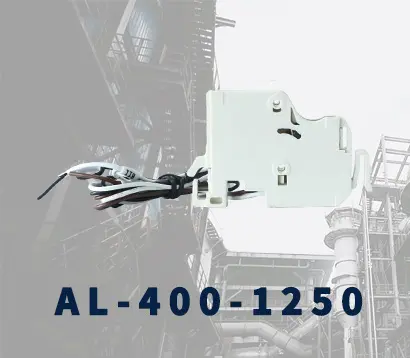 AL-400-1250
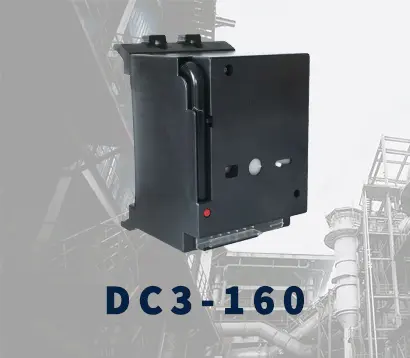 DC3-160
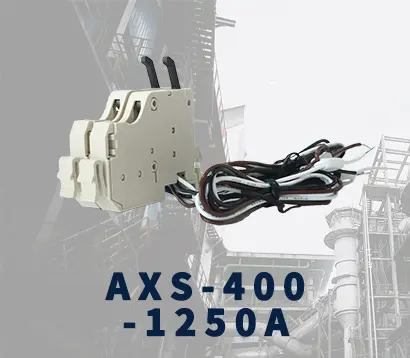 AXS-400-1250A
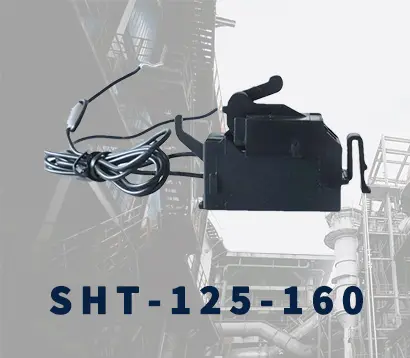 SHT-125-160
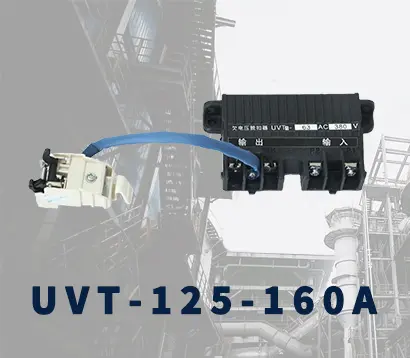 UVT-125-160A
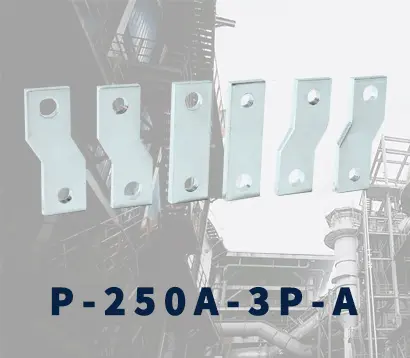 P-250A-3P-A
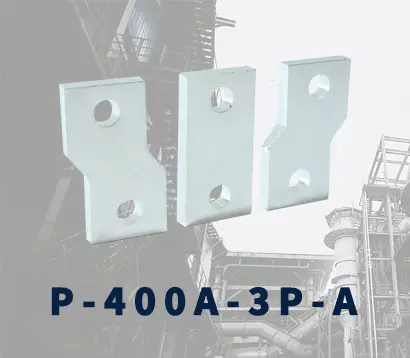 400-3P/4P terminal cover
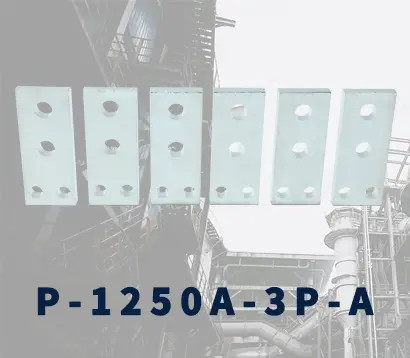 1250-3Pmccb accessories busbar
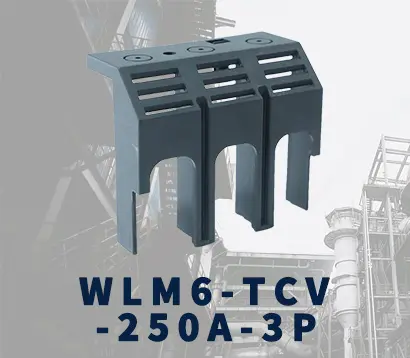 250-3P terminal conver
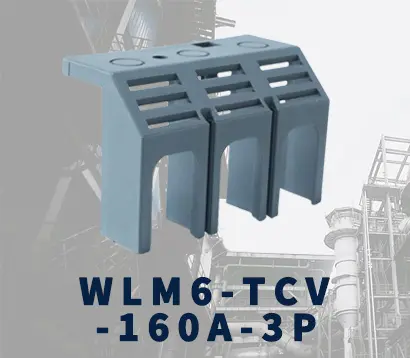 WLM6-TCV-160A-3P
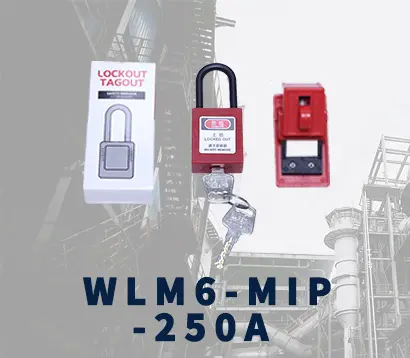 WLM6-MIP-250A
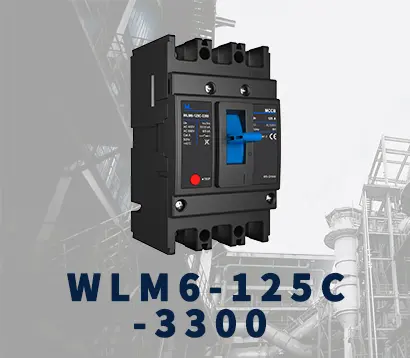 WLM6-125A-3300 3P/4P
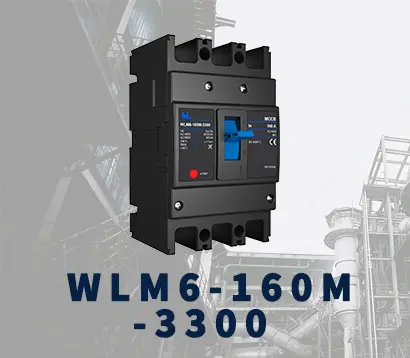 WLM6-160A-3300 3P/4P
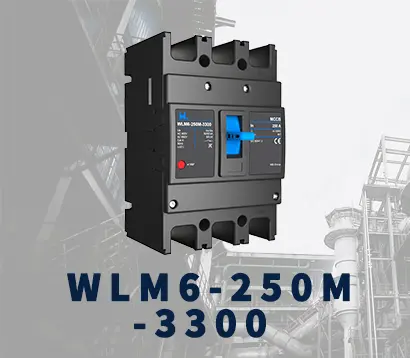 WLM6-250A-3300 3P/4P
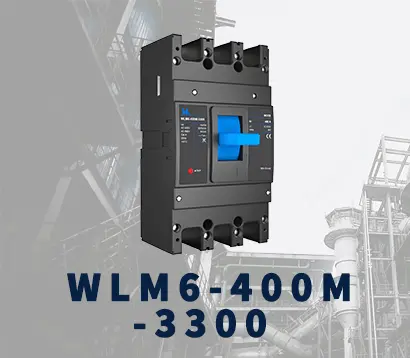 WLM6-400A-3300 3P/4P
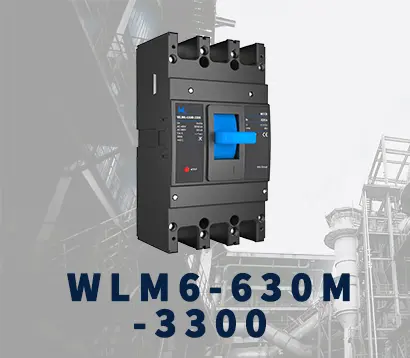 WLM6-630A-3300 3P/4P
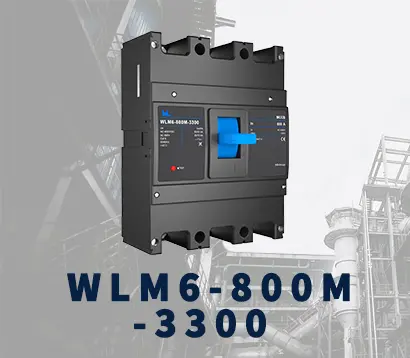 WLM6-800A-3300 3P/4P
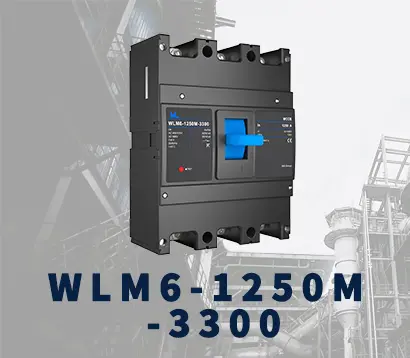 WLM6-1250A-3300 3P/4P
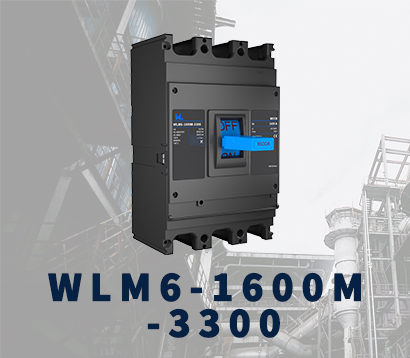 WLM6-1600A-3300 3P/4P
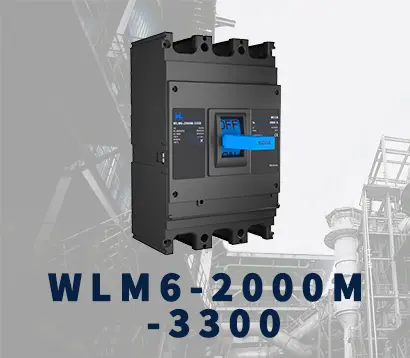 WLM6-2000A 3P/4P
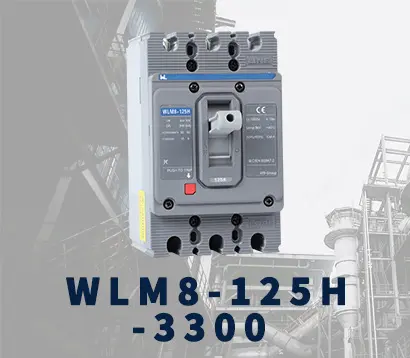 WLM8-125H-3300
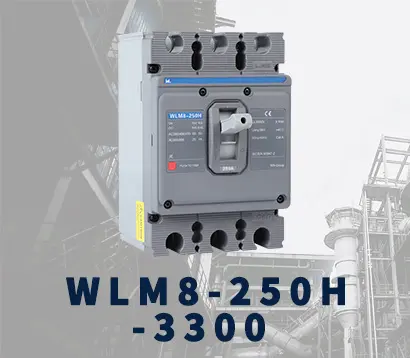 WLM8-250H-3300
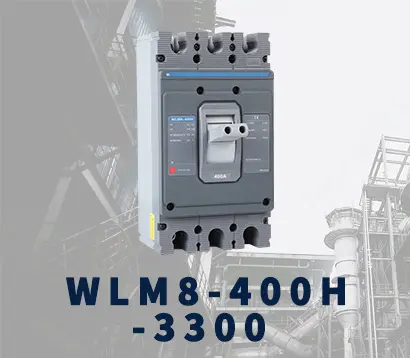 WLM8-400H-3300
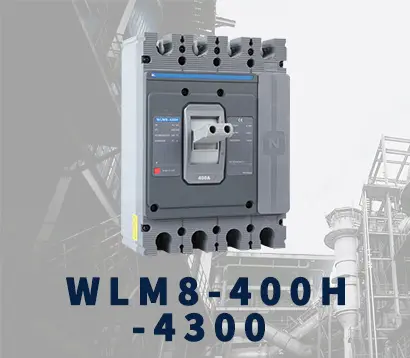 WLM8-400H-4300
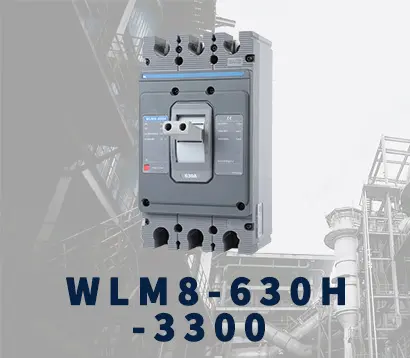 WLM8-630H-3300
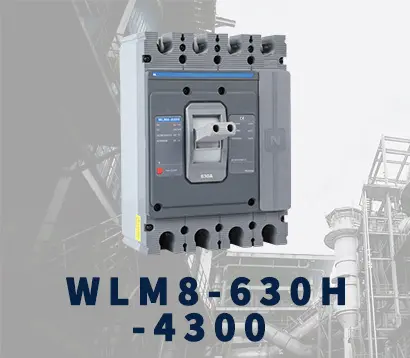 WLM8-630H-4300
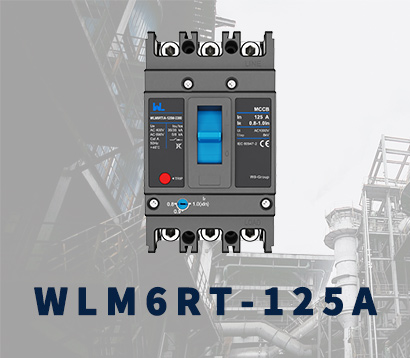 WLM6RT-125A
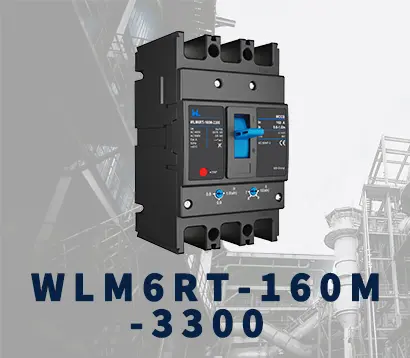 WLM6RT-160A
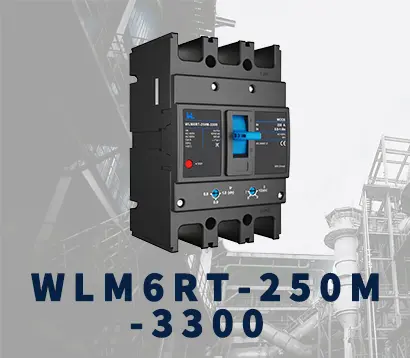 WLM6RT-250A
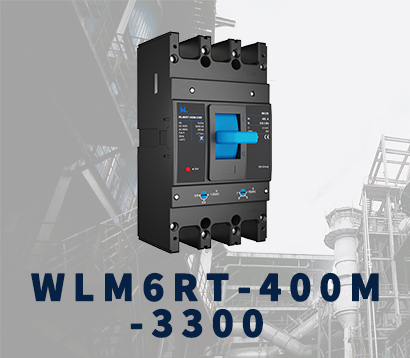 WLM6RT-400A
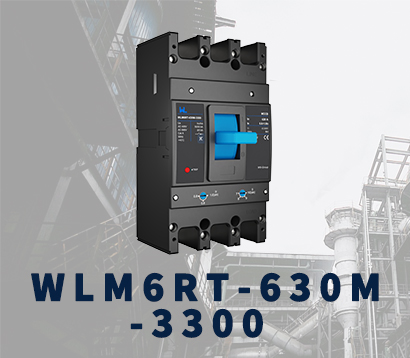 WLM6RT-630A
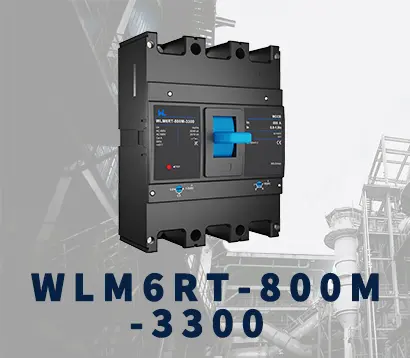 WLM6RT-800A
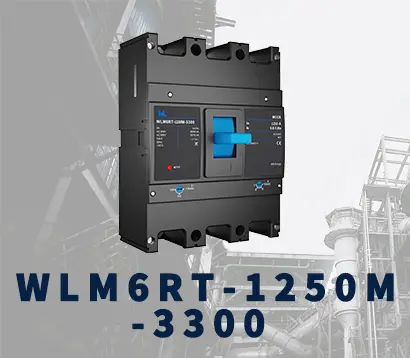 WLM6RT-1250A
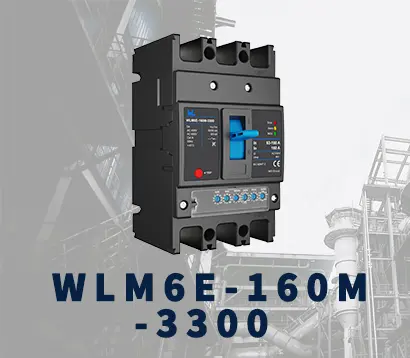 WLM6E-160A-3300 3P
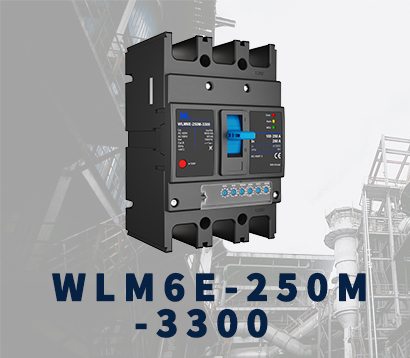 WLM6E-250A-3300
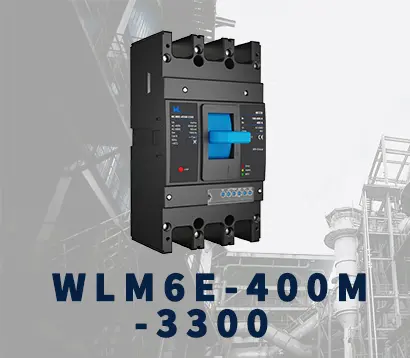 WLM6E-400A-3300 3P/4P
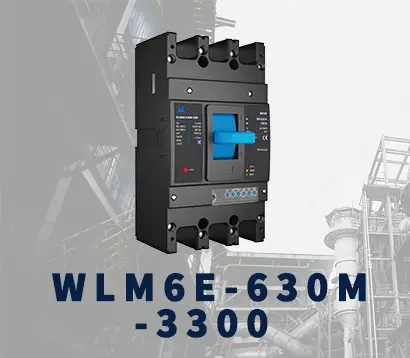 WLM6E-630A-3300
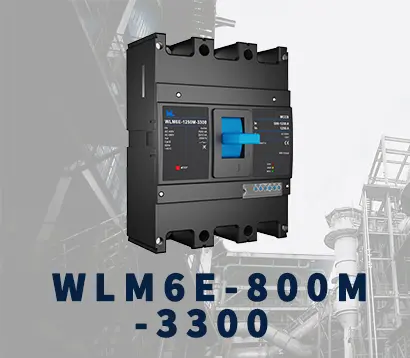 WLM6E-800A-3300 3P/4P
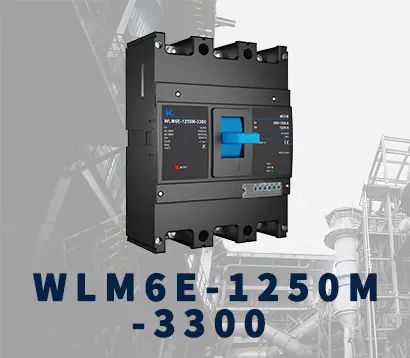 WLM6E-1250A-3300
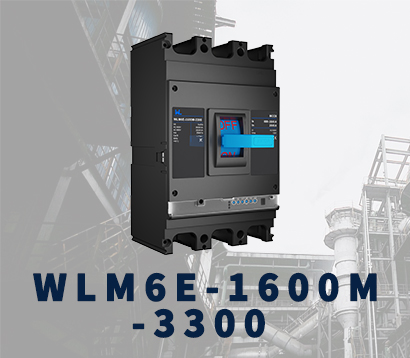 WLM6E-1600-3300 3P/4P
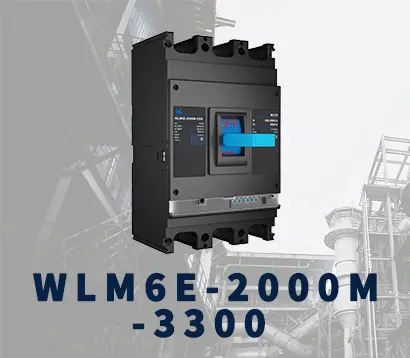 WLM6E-2000A-3300 3P/4P
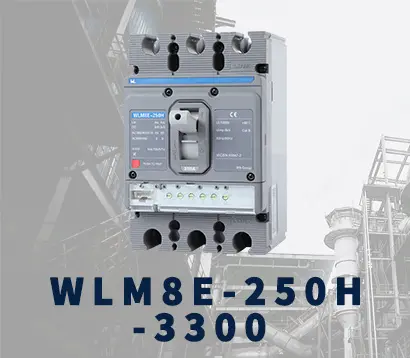 WLM8E-250H-3300
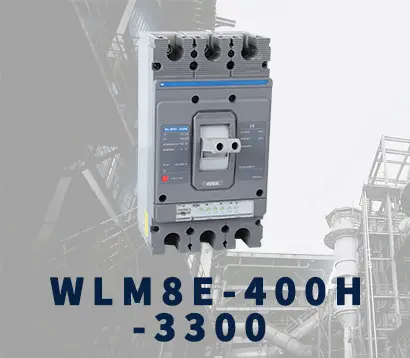 WLM8E-400H-3300
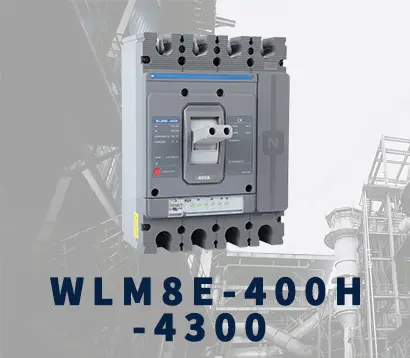 WLM8E-400H-4300
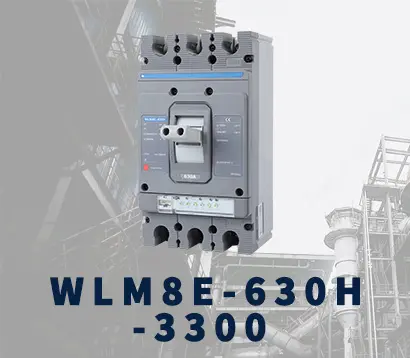 WLM8E-630H-3300
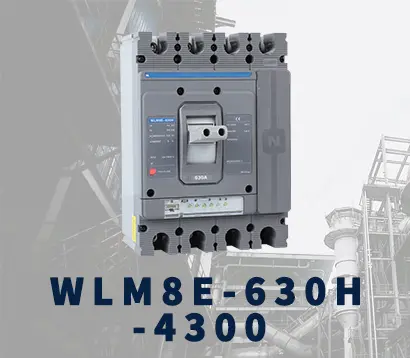 WLM8E-630H-4300
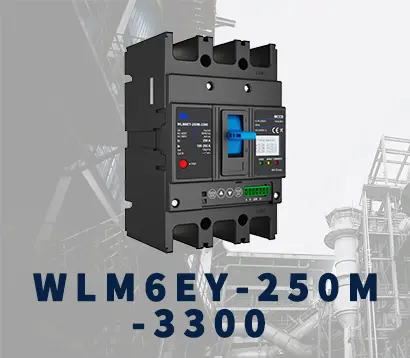 WLM6EY-250-3300 3P/4P
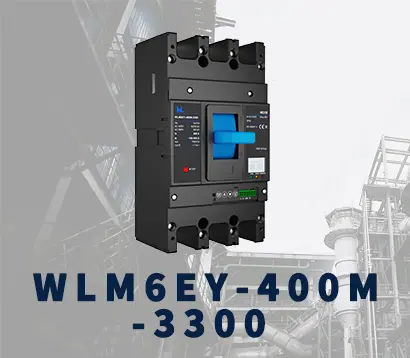 WLM6EY-400 3P/4P
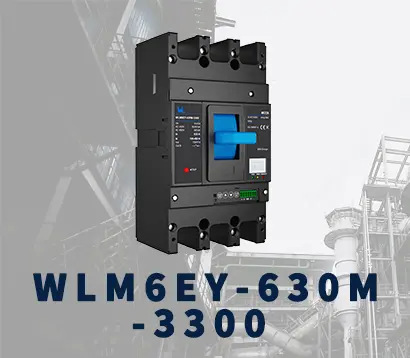 WLM6EY-630 3P/4P
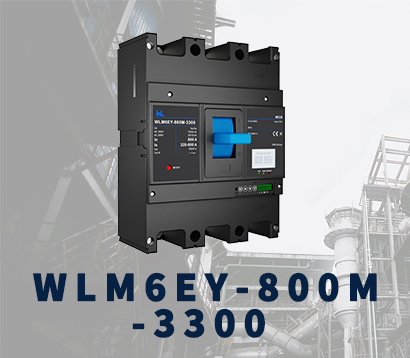 WLM6EY-800A 3P/4P
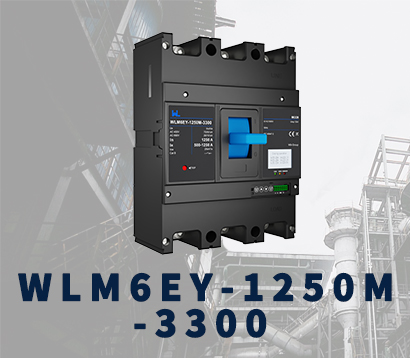 WLM6EY-1250A 3P/4P
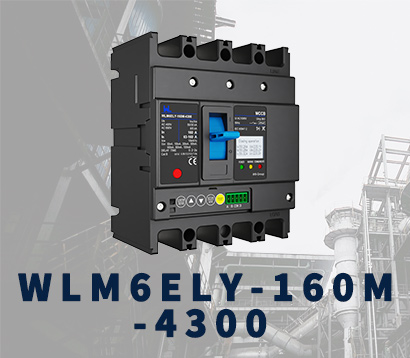 WLM6ELY-160A
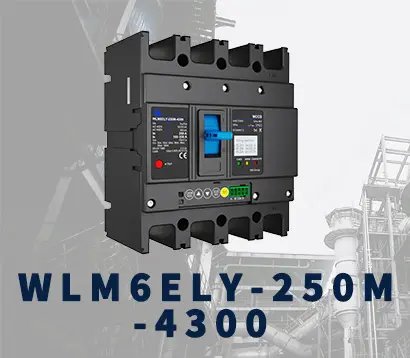 WLM6ELY-250A
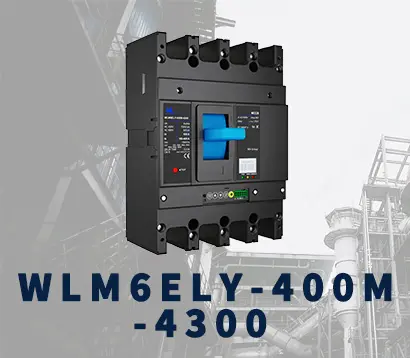 WLM6ELY-400A
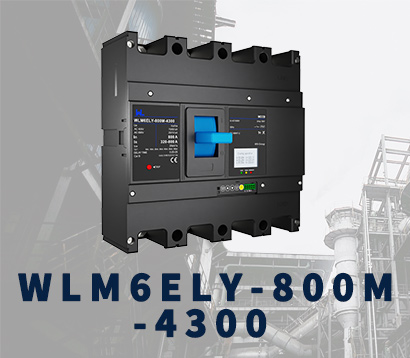 WLM6ELY-800A
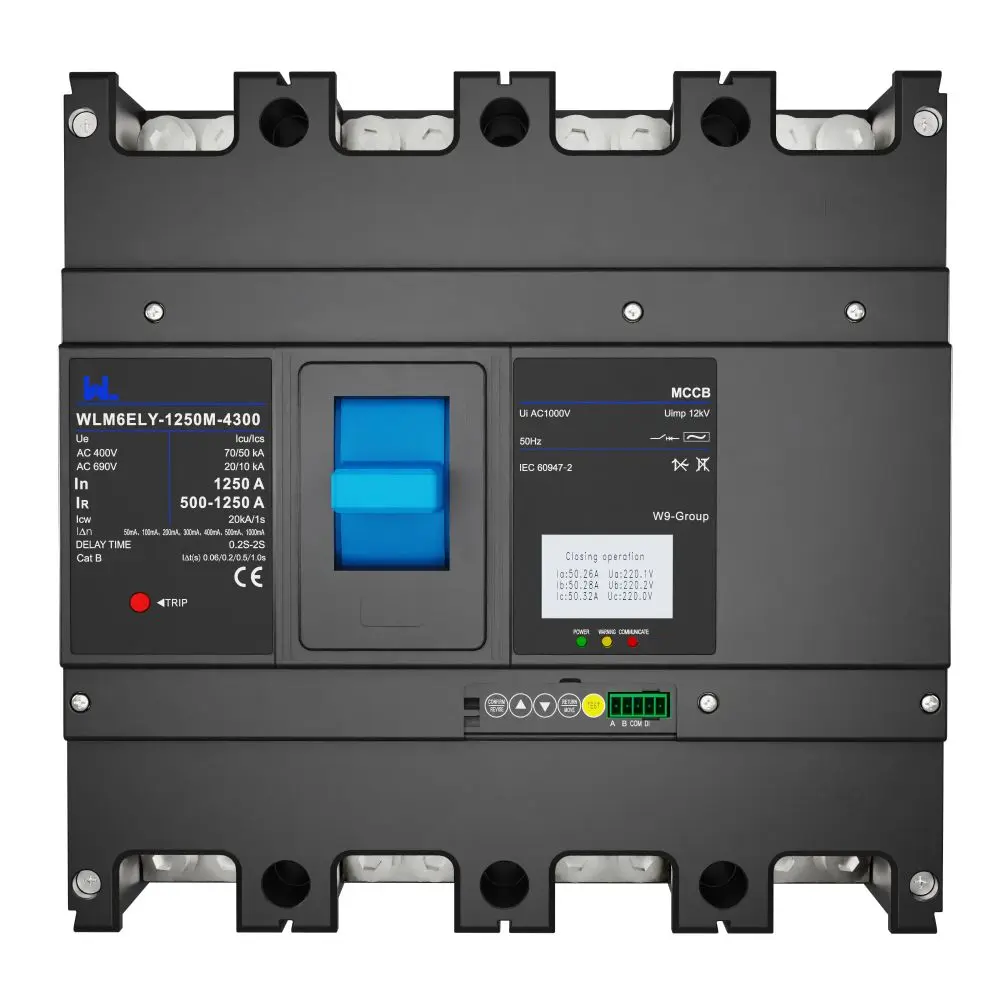 WLM6ELY-1250A
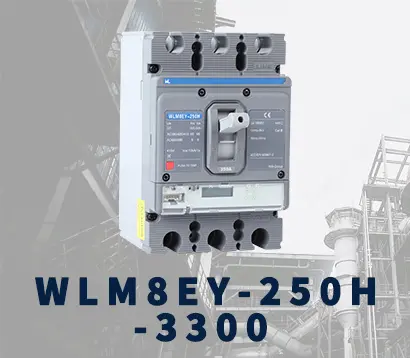 WLM8EY-250H-3300
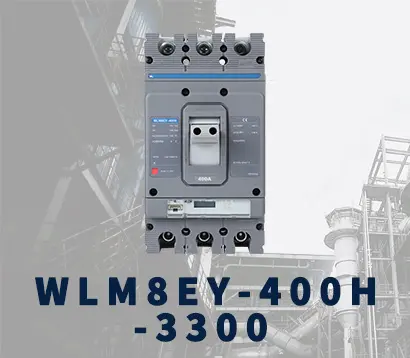 WLM8EY-400H-3300
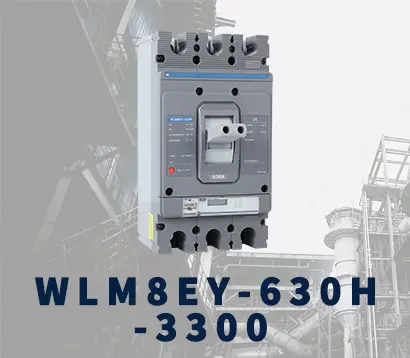 WLM8EY-630H-3300
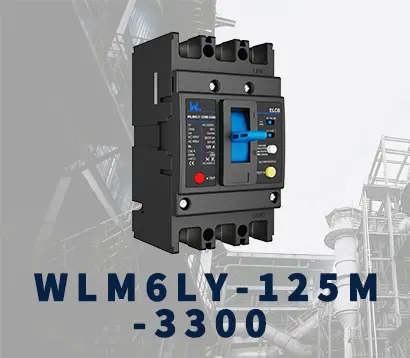 WLM6LY-125A
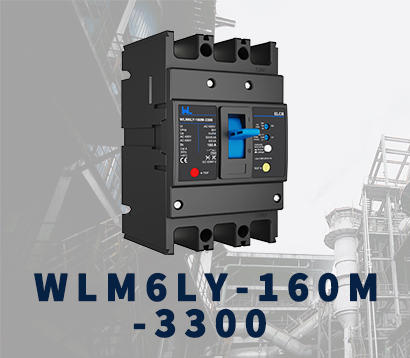 WLM6L-160A
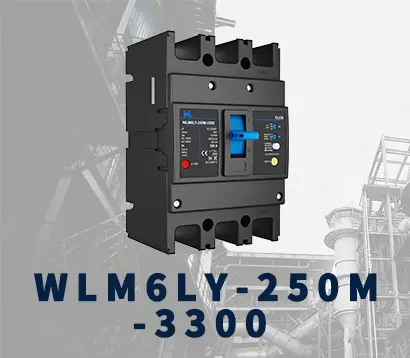 WLM6LY-250A
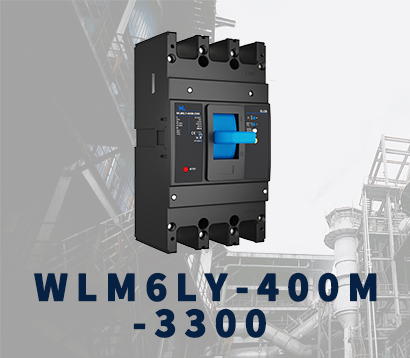 WLM6LY-400A
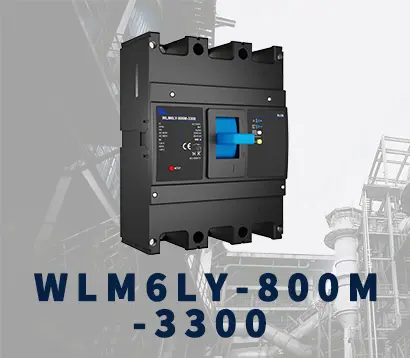 WLM6LY-800A
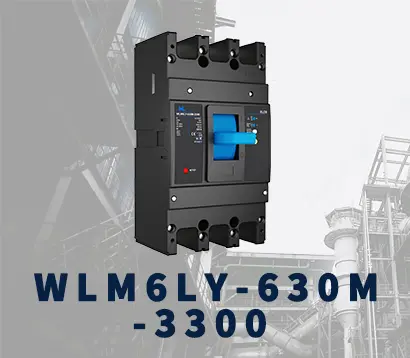 WLM6LY-630A
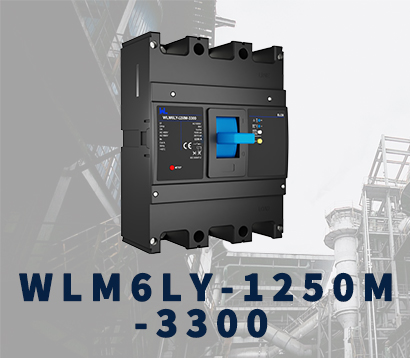 WLM6LY-1250A
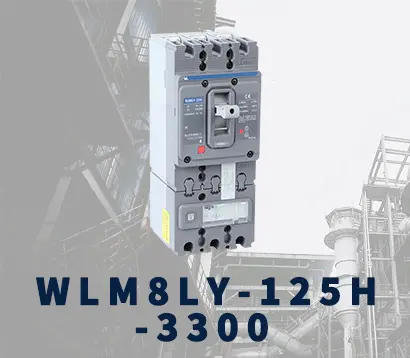 WLM8LY-125H-3300
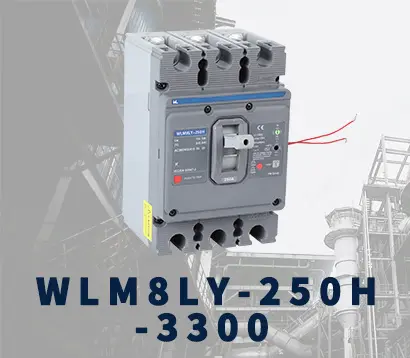 WLM8LY-250H-3300
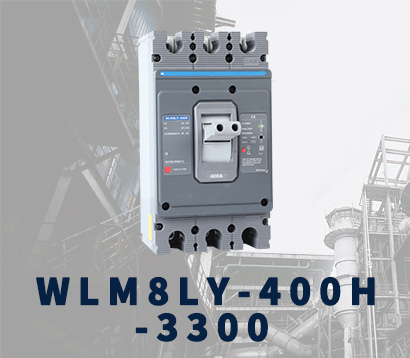 WLM8LY-400H-3300
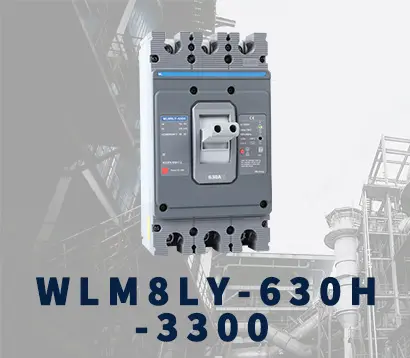 WLM8LY-630H-3300
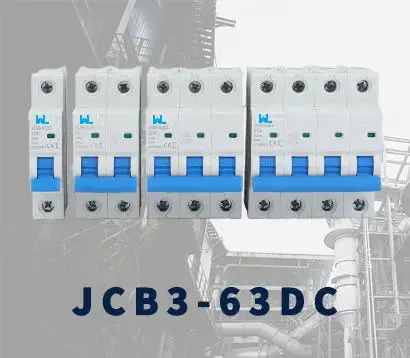 JCB3-63DC
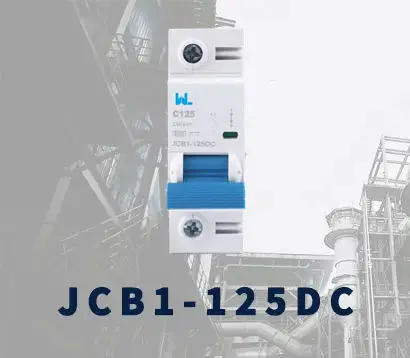 JCB1-125DC
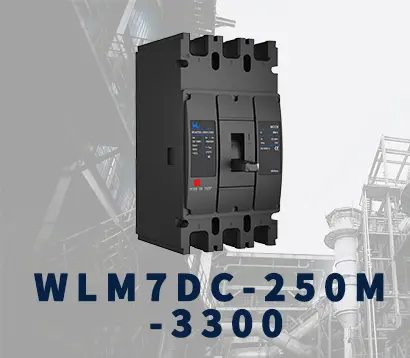 WLM7DC-250A-2300 2P/3P
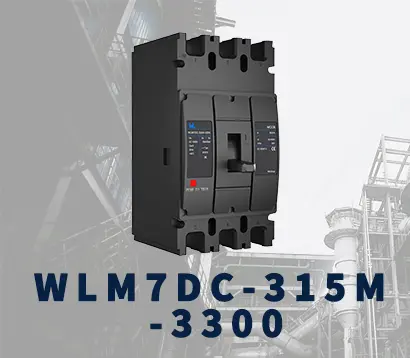 WLM7DC-315A-3300 2P/3P
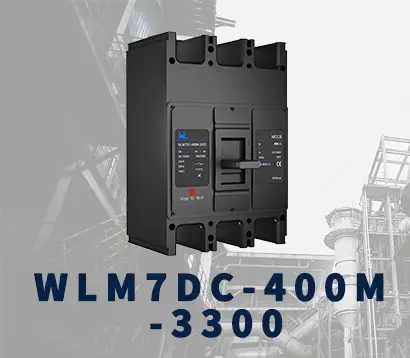 WLM7DC-400A-2300 2P/3P
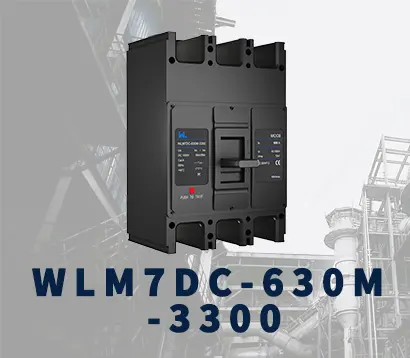 WLM7DC-630A-3300 3P
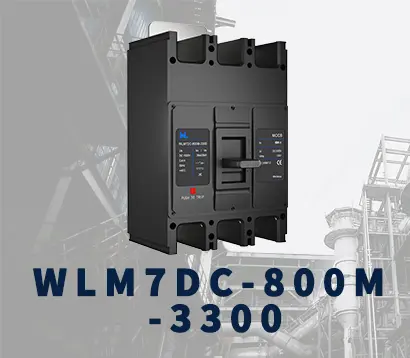 WLM7DC-800A-2300 2P/3P
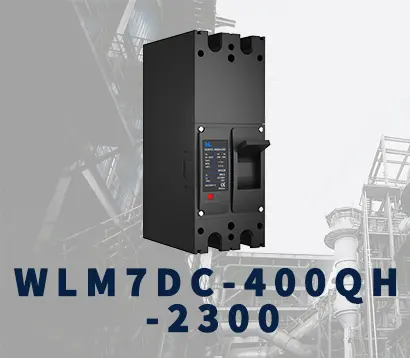 WLM7DC-400A 2300
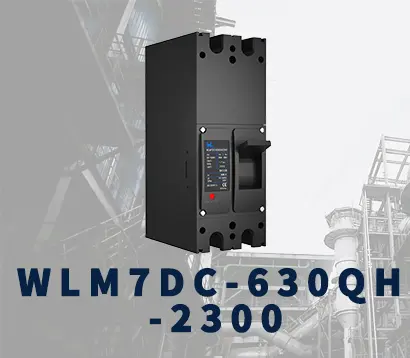 WLM7DC-630A-2300 2P
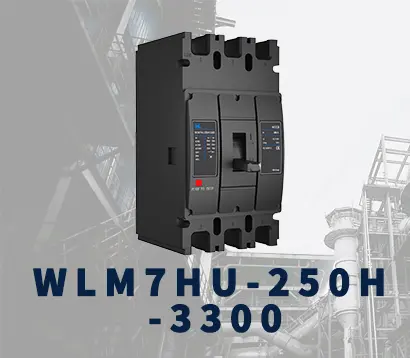 WLM7HU-250-3300 3P
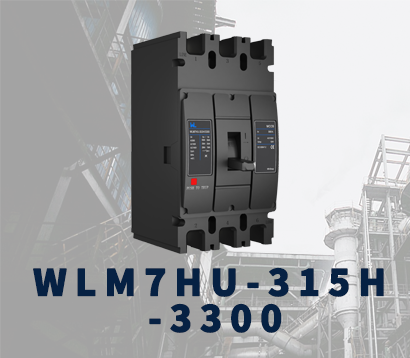 WLM7HU-315-3300 3P
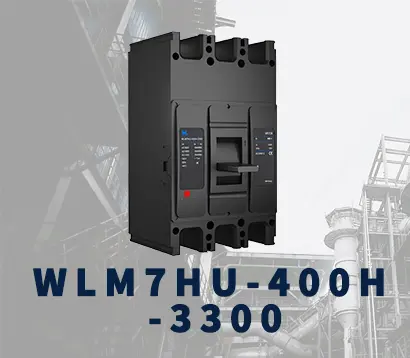 WLM7HU-400-3300 3P
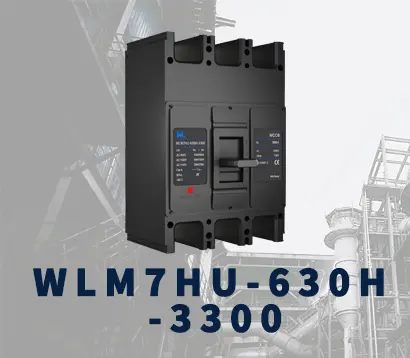 WLM7HU-630-3300 3P
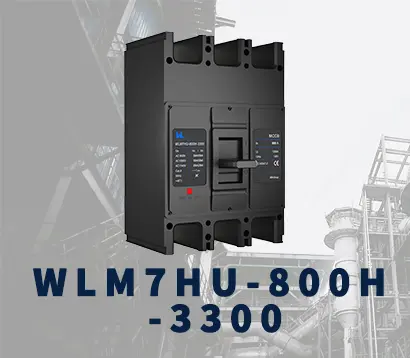 WLM7HU-800-3300 3P
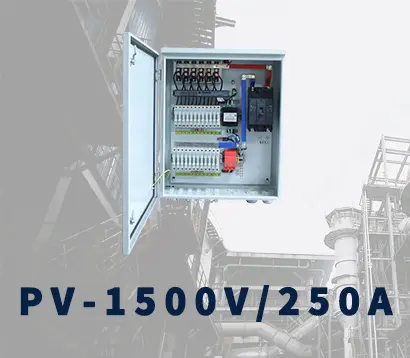 PV-1500V/250A
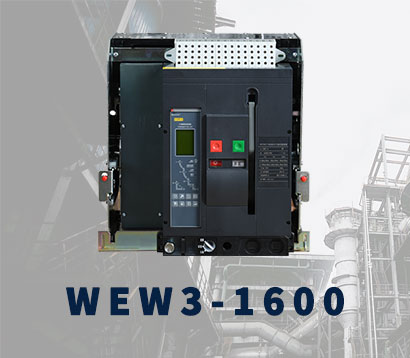 WEW3-1600
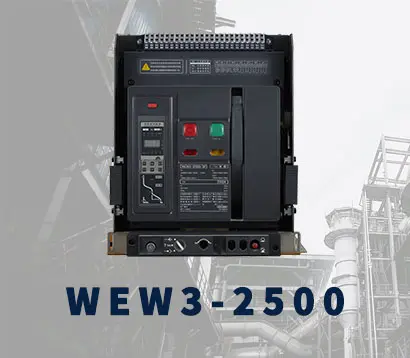 WEW3-2500
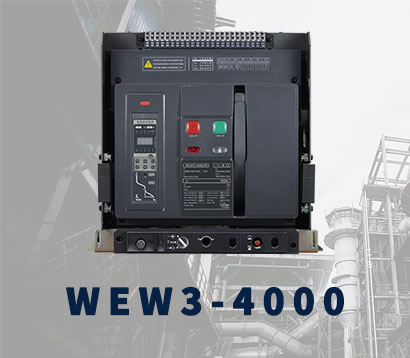 WEW3-4000
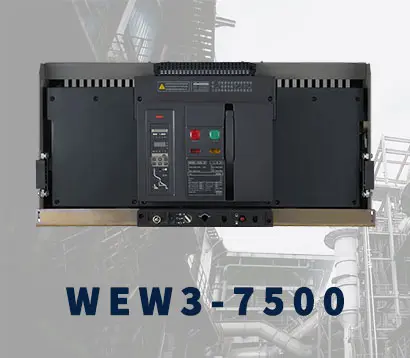 WEW3-7500