How to Choose the Right Electric Main Breaker for Your Needs?
Choosing the right Electric Main Breaker is crucial for your home's safety and efficiency. John Smith, an experienced electrical engineer, emphasizes, "Selecting the proper breaker protects your home and devices." With various options available, understanding your needs is vital.
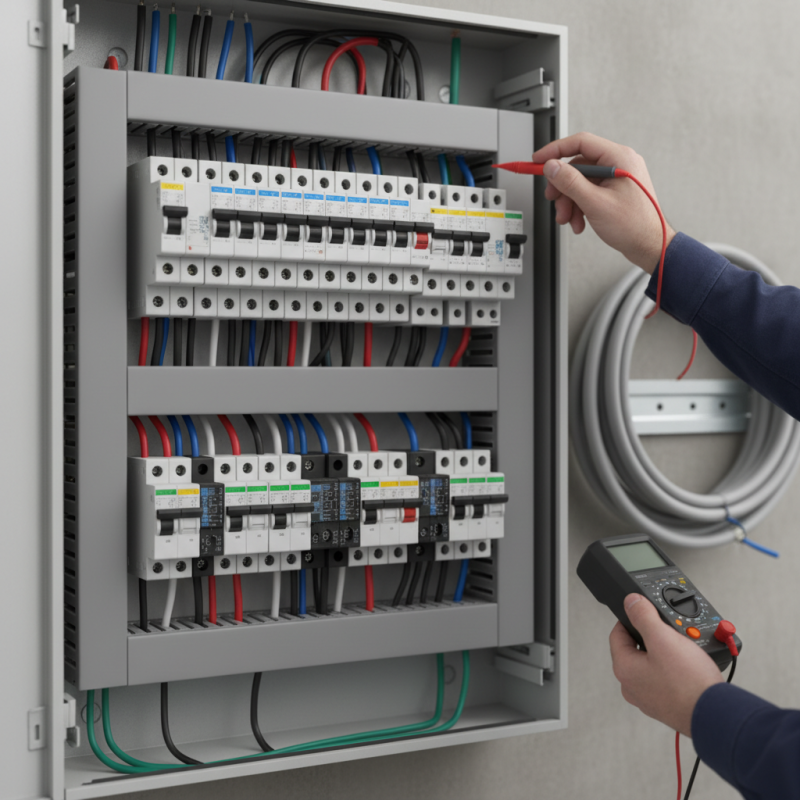
The Electric Main Breaker serves as a crucial line of defense against electrical faults. It controls the flow of electricity, preventing overloads and potential hazards. Factors such as amperage rating, compatibility, and safety features must be carefully considered. Without careful thought, one might choose an unsuitable breaker, leading to risks.
A common mistake is underestimating the importance of quality. Not all Electric Main Breakers are created equal. Some may offer less reliability. Investing time to research or consult an expert can save homeowners from future headaches. Balancing cost and safety is essential in this decision-making process.
Understanding the Basics of Electric Main Breakers
Electric main breakers are essential for home safety. They protect circuits from overloads and short circuits. Understanding the basics can help you make informed choices. A standard residential main breaker typically rated at 100, 200, or 400 amps is common. According to the National Electrical Code (NEC), these ratings ensure adequate power distribution.
When selecting an electric main breaker, consider your home's requirements. The average U.S. household uses about 877 kWh per month, according to the U.S. Energy Information Administration. Higher demand can signal the need for a higher amperage. Moreover, factors like the number of electrical appliances and potential future expansions should be evaluated.
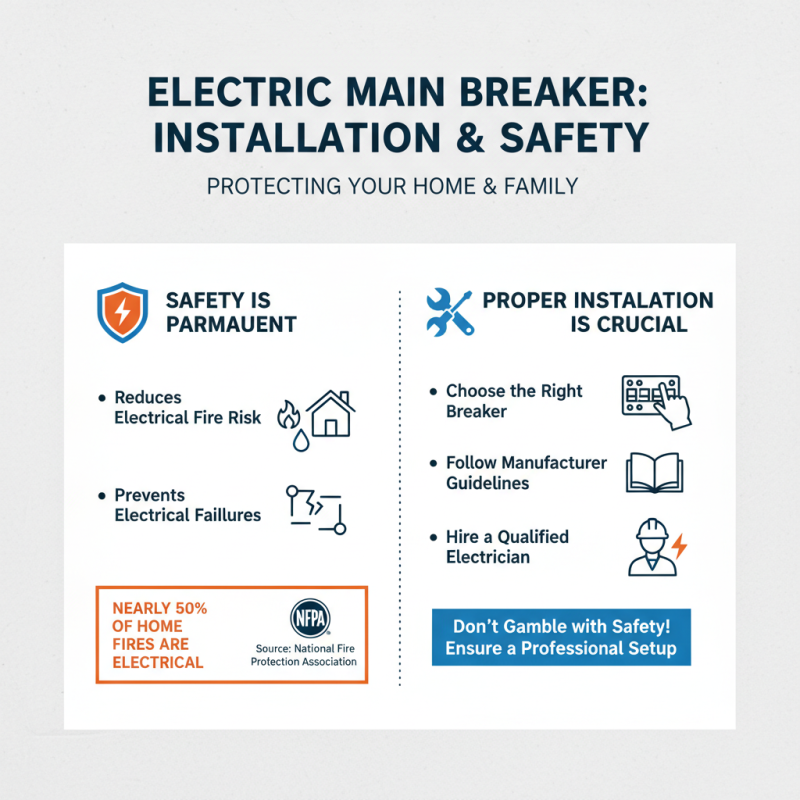
However, even experienced homeowners sometimes overlook load calculations. It's crucial to perform these calculations for safety and efficiency. A professional electrician can help verify your requirements. Not every installation meets the ideal conditions. Improper matching can lead to future issues. Thus, consulting industry standards and guidelines can prevent costly mistakes. Understanding your electric main breaker is vital for safeguarding your home’s electrical system.
Electric Main Breaker Ratings Comparison
This bar chart compares the amperage ratings of different types of electric main breakers, helping you to choose the right one for your needs.
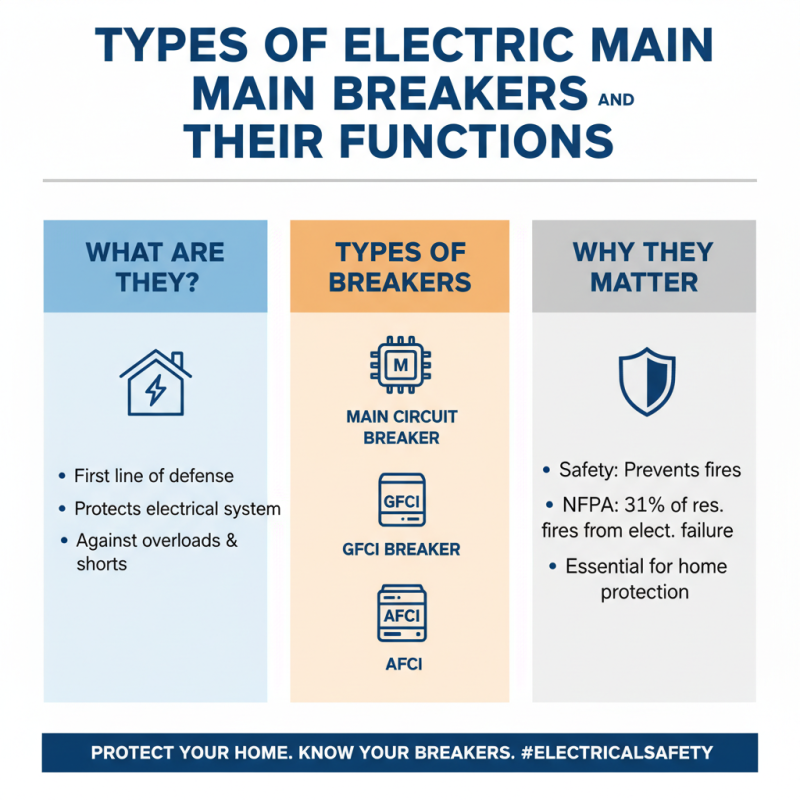
Types of Electric Main Breakers and Their Functions
When it comes to electric main breakers, understanding the types and their functions is crucial. Main breakers are vital for protecting your electrical system. They act as the first line of defense against overloads. According to the National Fire Protection Association (NFPA), electrical failures contribute to 31% of residential fires. Having the right breaker can make a significant difference in safety.
There are various types of electric main breakers, including standard, double pole, and combination breakers. Standard breakers are the most common. They protect circuits from overload and short circuits. Double pole breakers handle 240-volt circuits, crucial for heavy-duty appliances. Combination breakers serve both functions, providing versatility. Data from the U.S. Department of Energy indicates that using the appropriate breaker can improve energy efficiency by up to 15%.
Choosing the right breaker is not just about capacity; it’s about specific needs. Each type has its unique applications, and overlooking details can lead to issues. For instance, miscalculating load can result in inadequate protection. Experts emphasize the importance of consulting an electrician. Their experience can help assess the specific requirements of your electrical system.
Determining Your Electrical Load Requirements
Choosing the right electric main breaker starts with understanding your electrical load requirements. Assessing these needs is crucial for safety and efficiency. Every device in your home or business consumes power. This cumulative demand influences the size of the breaker needed. For example, a home with multiple high-powered appliances will require a different breaker than one with only basic needs.
Calculate the wattage of all significant appliances and fixtures. Sum this up to find your total load. It can be helpful to create a chart listing each appliance alongside its wattage. Remember to consider future needs, too. Planning for growth means selecting a breaker that accommodates potential new devices. An inadequate breaker increases the risk of tripping. It may even lead to electrical hazards over time.
Be mindful of the breaker rating in relation to your calculated load. Breakers are rated in amps. Choosing one too close to your load can result in frequent interruptions. Yet, an oversized breaker can fail to protect your wiring. This balance between capacity and safety is delicate. Adjusting your calculations, as needs evolve, is an ongoing process.
Factors to Consider When Selecting a Main Breaker
Choosing the right electric main breaker involves careful consideration of various factors. One key aspect is amperage rating. The right rating ensures your system can handle the required load without tripping frequently. According to the National Electrical Manufacturers Association (NEMA), common residential breakers range from 100 to 200 amps. Selecting an inadequate rating can lead to overheating or equipment failure.
Another important factor is the voltage rating. Most residential systems operate at 120/240 volts. A mismatch can result in appliances malfunctioning and potential safety hazards. For instance, a 120-volt breaker installed in a 240-volt system will not effectively protect the circuit. Understanding the specific requirements of your home is vital.
Additionally, consider the type of breaker. Do you need standard, GFCI, or AFCI protection? Each type serves different safety functions. GFCI protects against ground faults, while AFCI prevents arcing. Misjudging the type can pose risks, leading to dangerous situations. Getting it right ensures compliance with local codes and enhances safety. Balancing these factors can feel overwhelming. It’s essential to consult with a qualified electrician for guidance tailored to your unique needs.

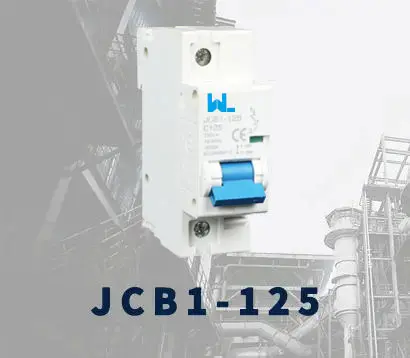 JCB1-125
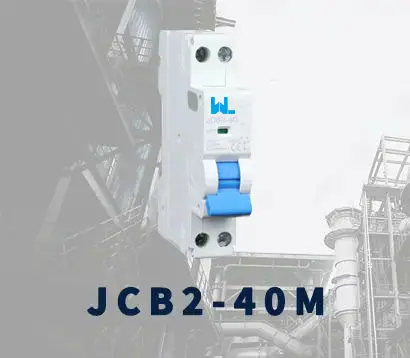 JCB2-40M
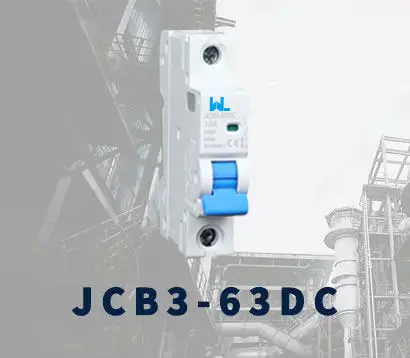 JCB3-63DC
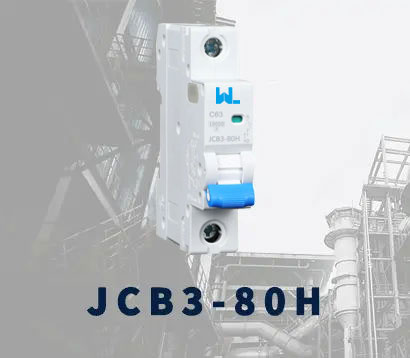 JCB3-80H
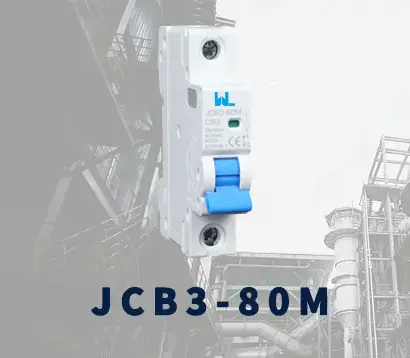 JCB3-80M
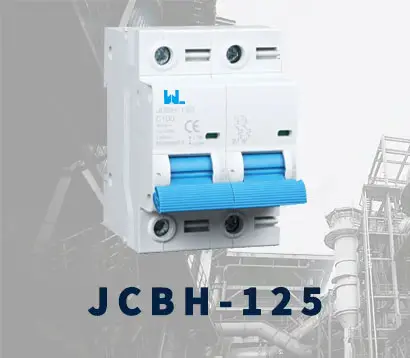 JCBH-125
 JC80-2P
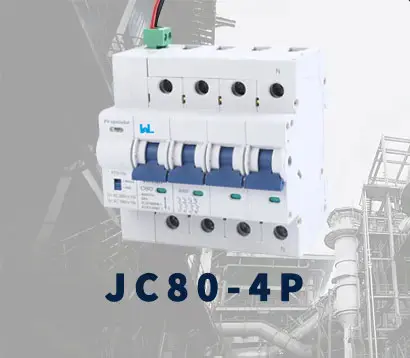 JC80-4P
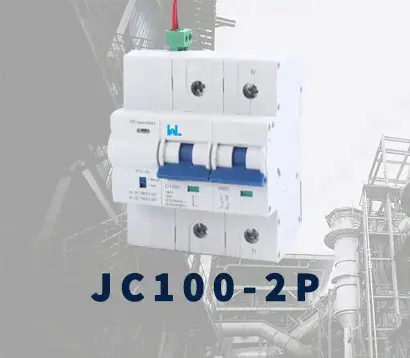 JC125-2P
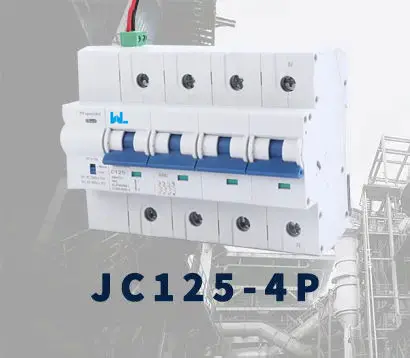 JC125-4P
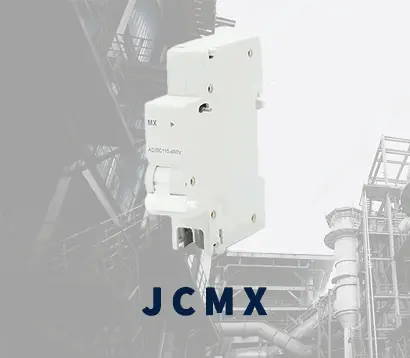 JCMX
JCMX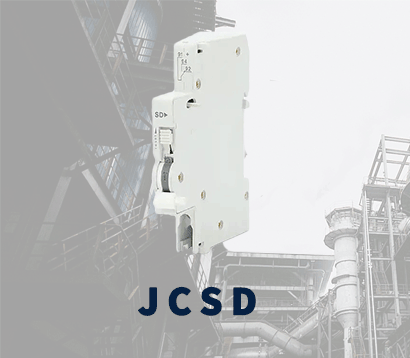 JCSD
JCSD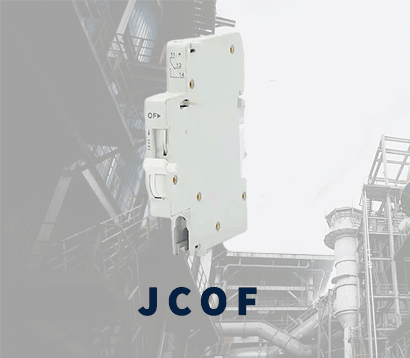 JCOF
JCOF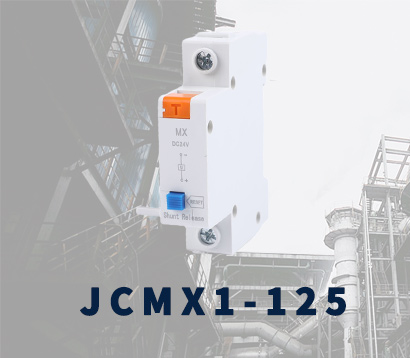 JCMX1-125
 JCOF1-125
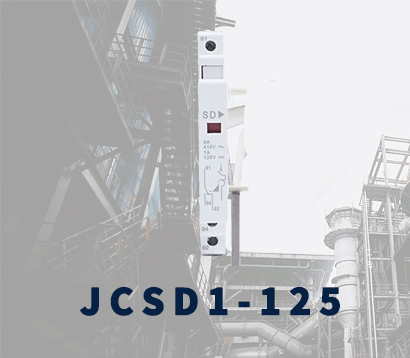 JCSD1-125
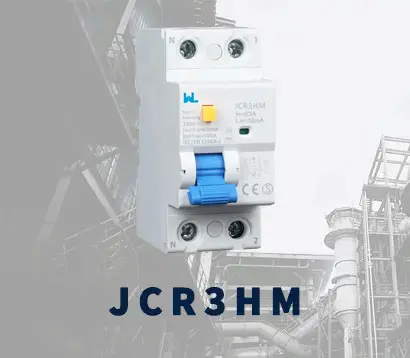 JCR3HM
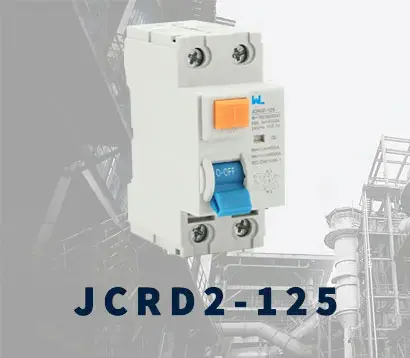 JCRD2-125
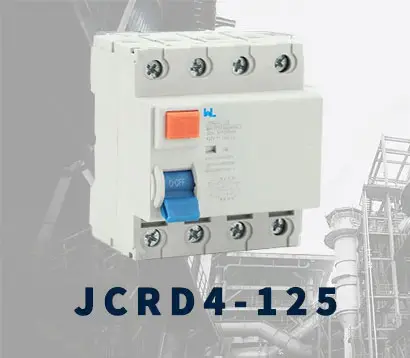 JCRD4-125
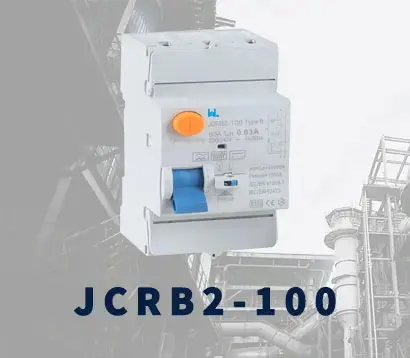 JCRB2-100
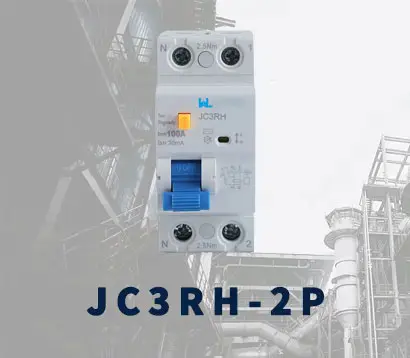 JC3RH-2P
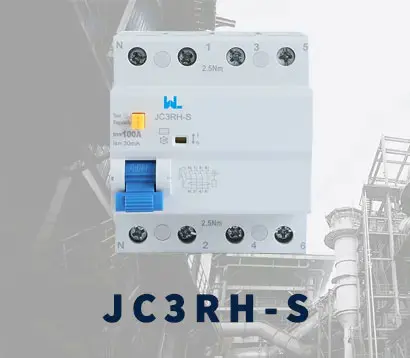 JC3RH-S
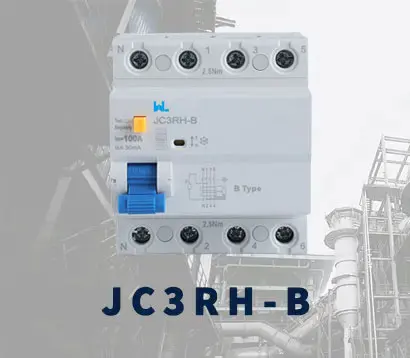 JC3RH-B
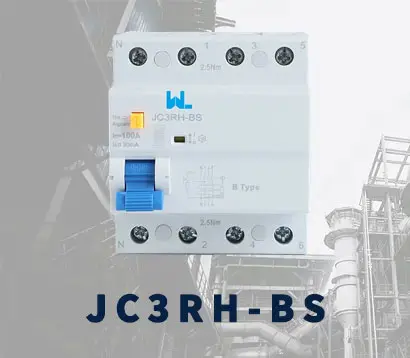 JC3RH-BS
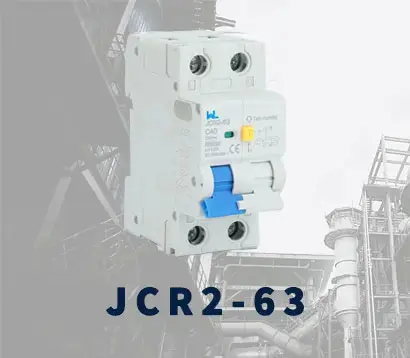 JCR2-63
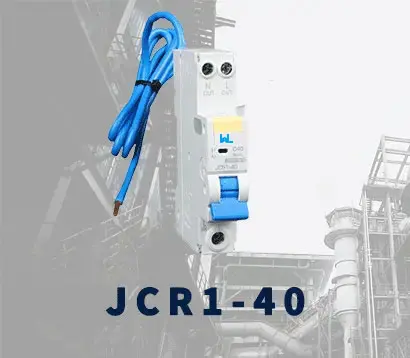 JCR1-40
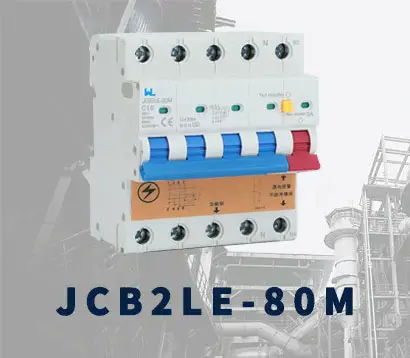 JCB2LE-80M
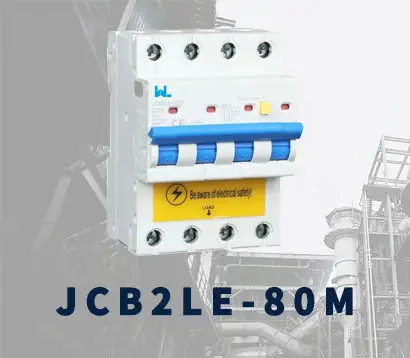 JCB2LE-80M
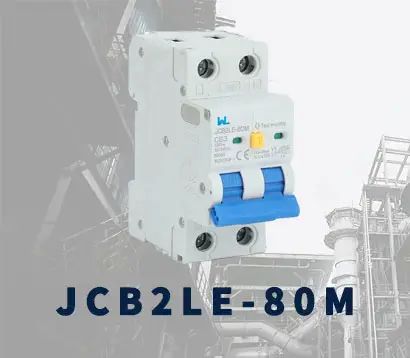 JCB2LE-80M
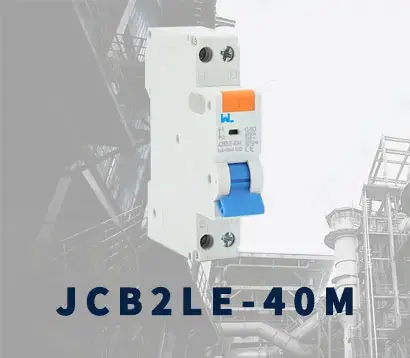 JCB2LE-40M
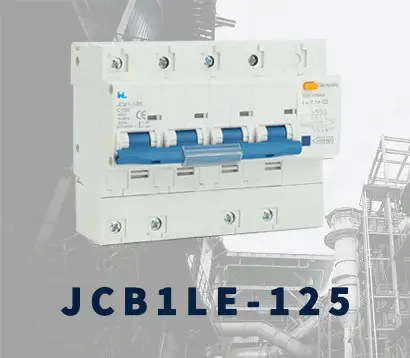 JCB1LE-125
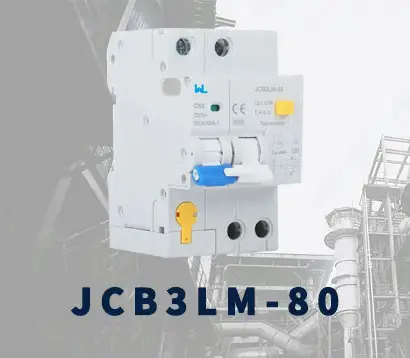 JCB3LM-80
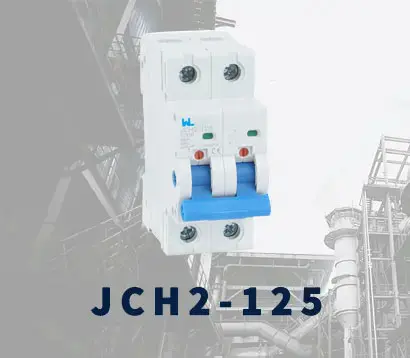 JCH2-125
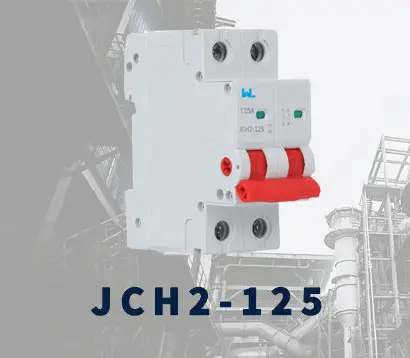 JCH2-125
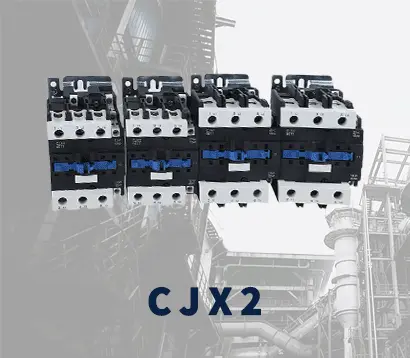 CJX2
CJX2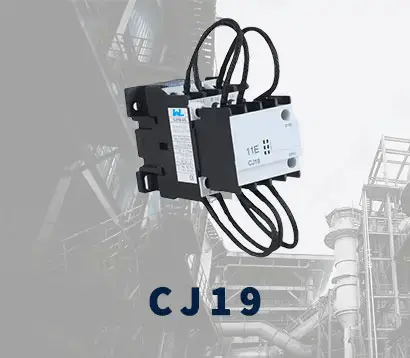 CJ19
CJ19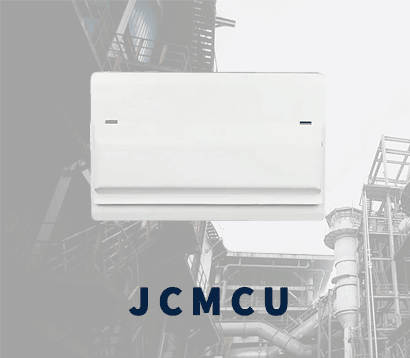 JCMCU
JCMCU JCHA
JCHA JCSD-40
 JCSD-60
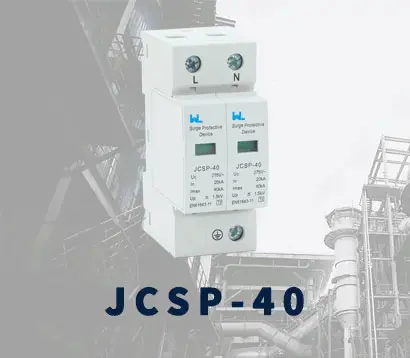 JCSP-40
 JCSP-60
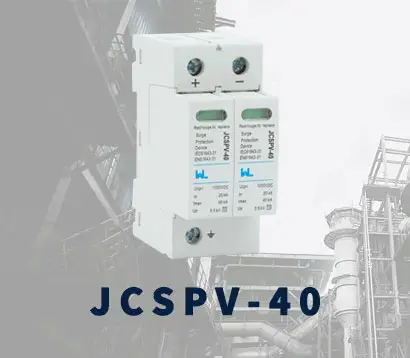 JCSPV
JCSPV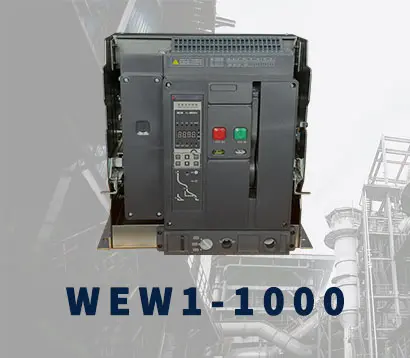 WEW1-1000
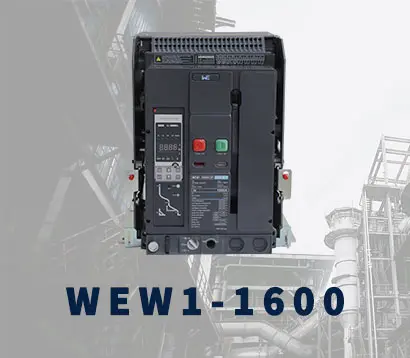 WEW1-1600
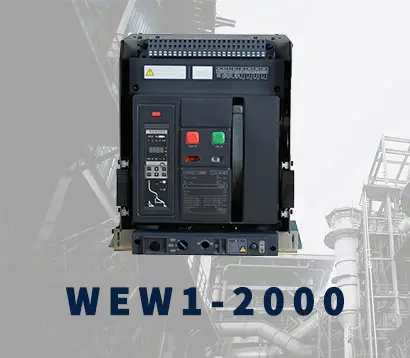 WEW1-2000
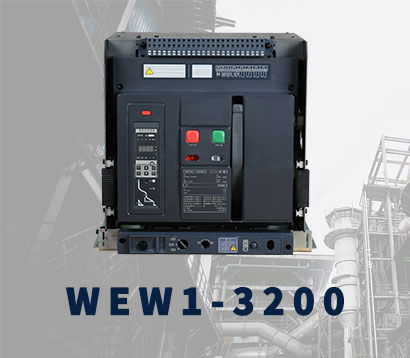 WEW1-3200
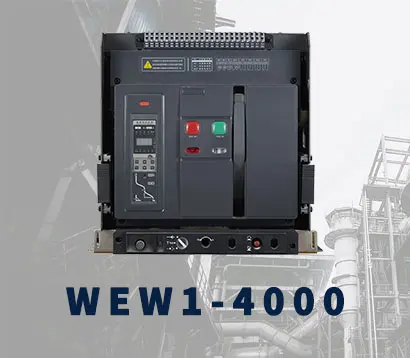 WEW1-4000
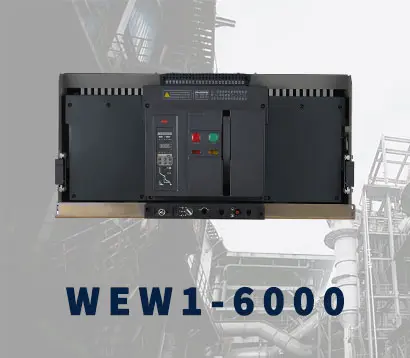 WEW1-6300
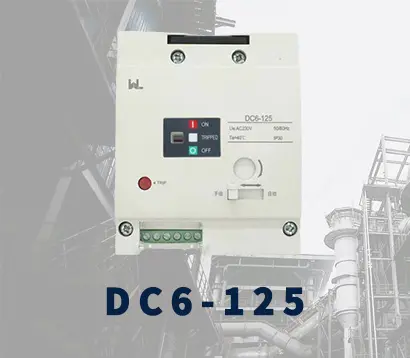 DC6-125
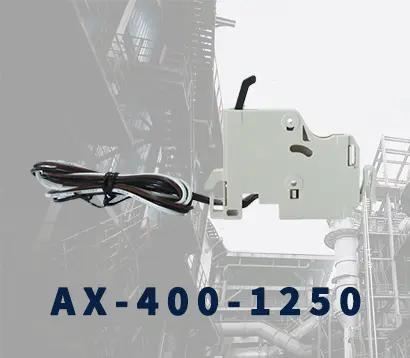 AX-400-1250
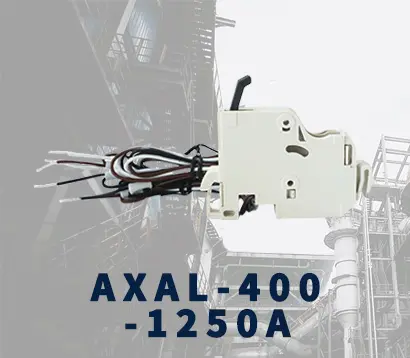 AXAL-400-1250A
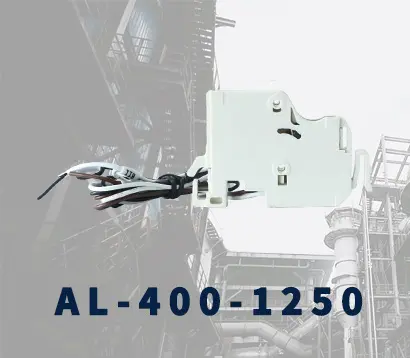 AL-400-1250
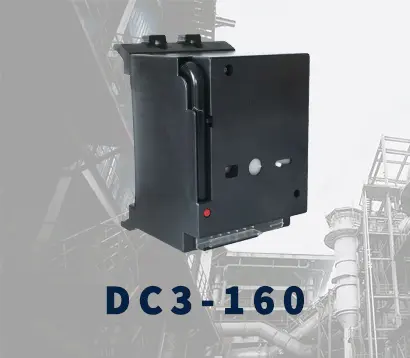 DC3-160
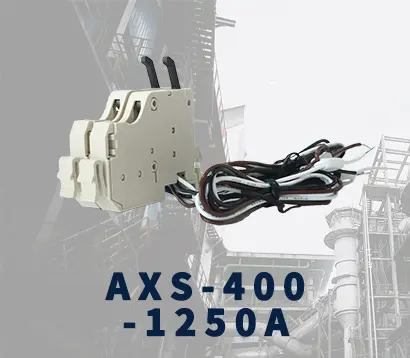 AXS-400-1250A
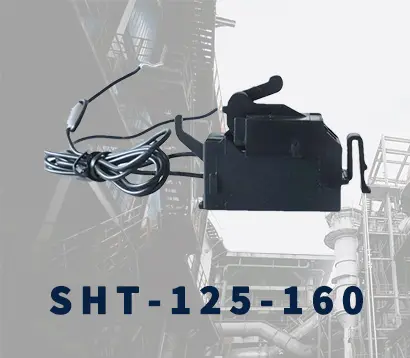 SHT-125-160
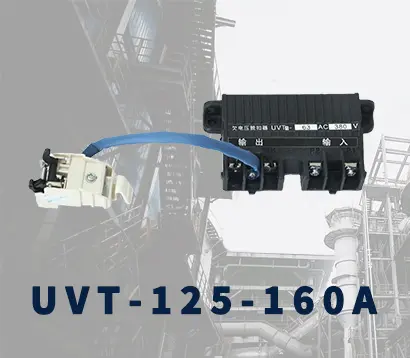 UVT-125-160A
 P-250A-3P-A
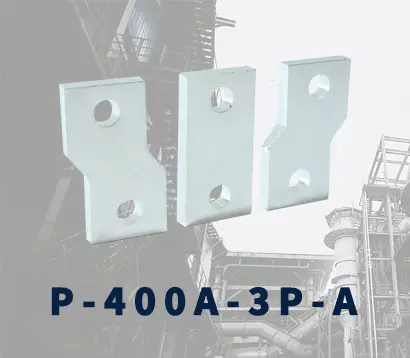 400-3P/4P terminal cover
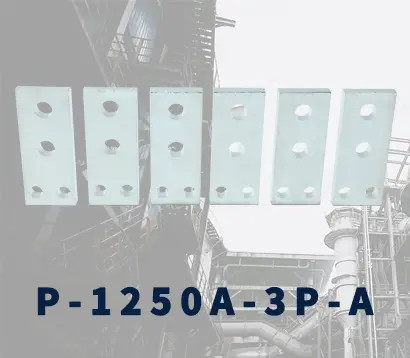 1250-3Pmccb accessories busbar
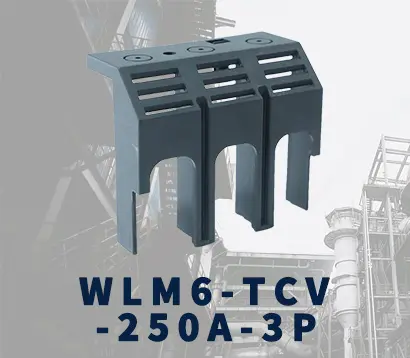 250-3P terminal conver
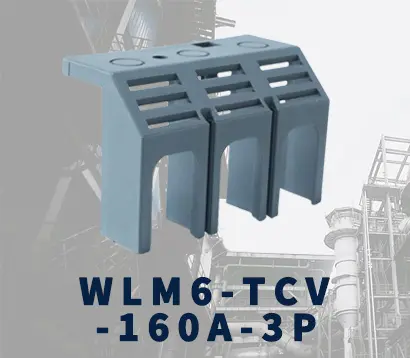 WLM6-TCV-160A-3P
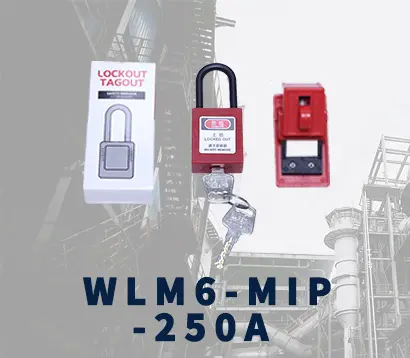 WLM6-MIP-250A
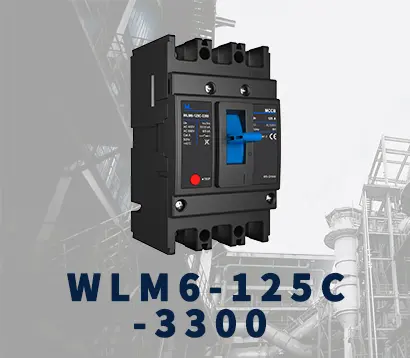 WLM6-125A-3300 3P/4P
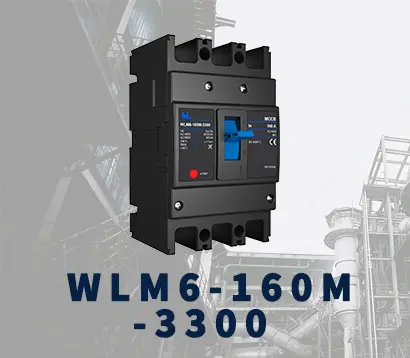 WLM6-160A-3300 3P/4P
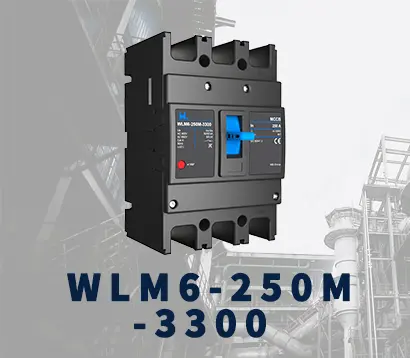 WLM6-250A-3300 3P/4P
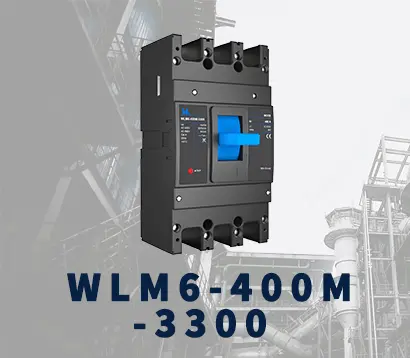 WLM6-400A-3300 3P/4P
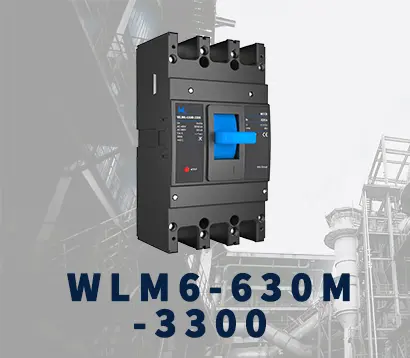 WLM6-630A-3300 3P/4P
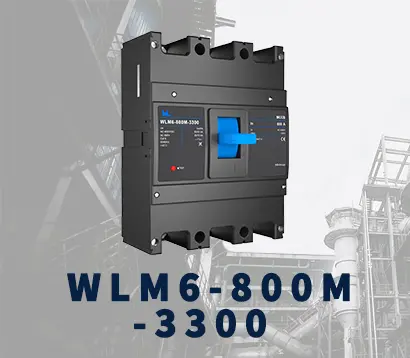 WLM6-800A-3300 3P/4P
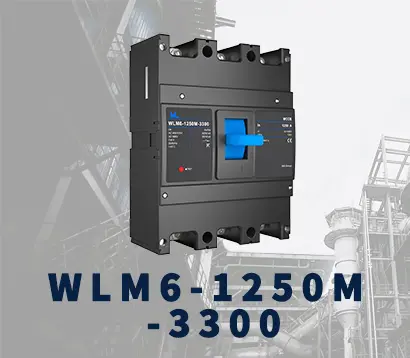 WLM6-1250A-3300 3P/4P
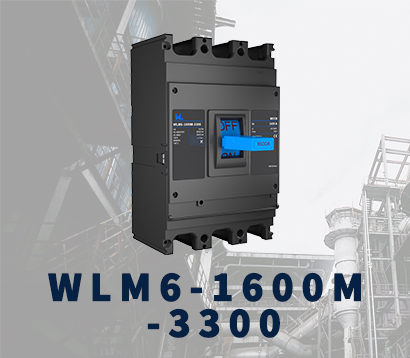 WLM6-1600A-3300 3P/4P
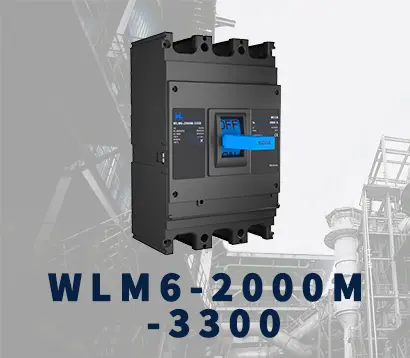 WLM6-2000A 3P/4P
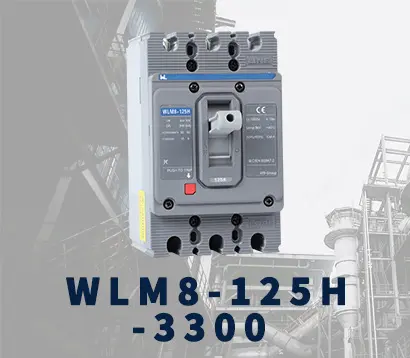 WLM8-125H-3300
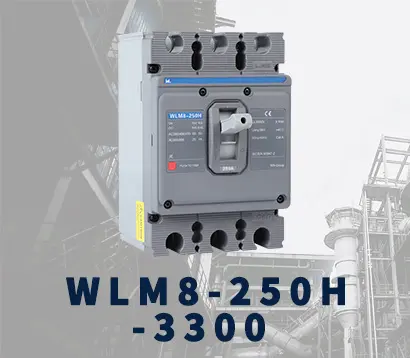 WLM8-250H-3300
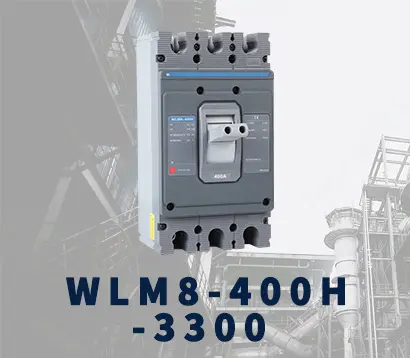 WLM8-400H-3300
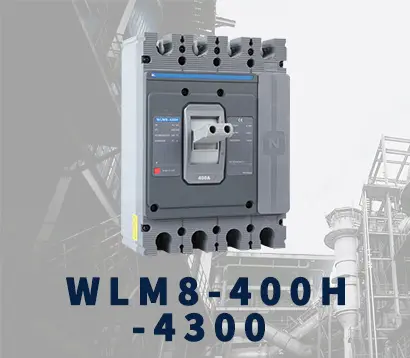 WLM8-400H-4300
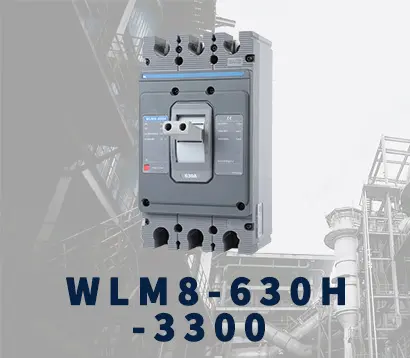 WLM8-630H-3300
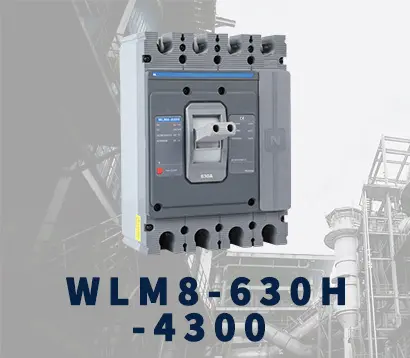 WLM8-630H-4300
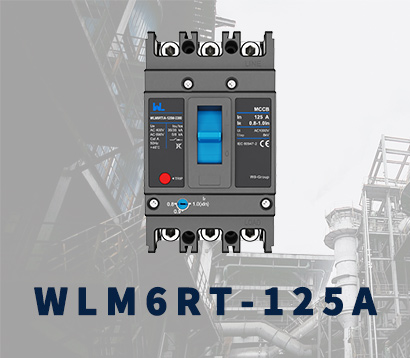 WLM6RT-125A
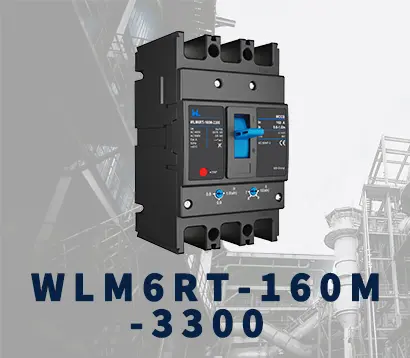 WLM6RT-160A
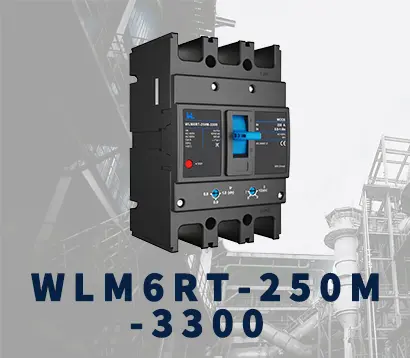 WLM6RT-250A
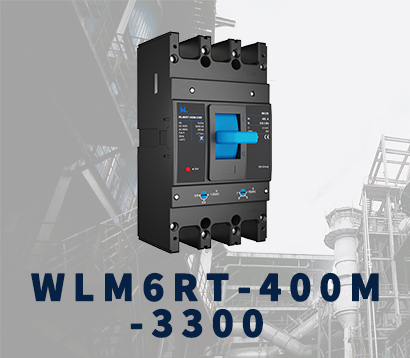 WLM6RT-400A
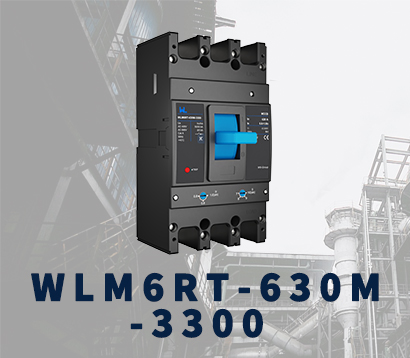 WLM6RT-630A
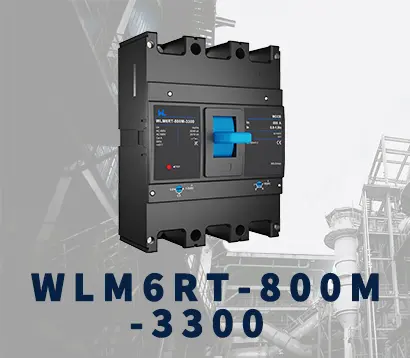 WLM6RT-800A
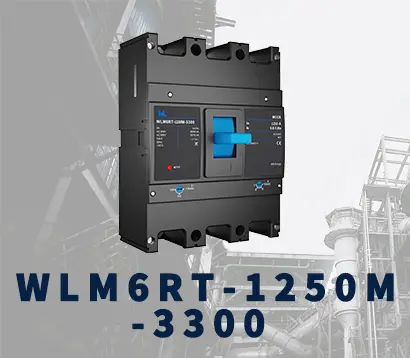 WLM6RT-1250A
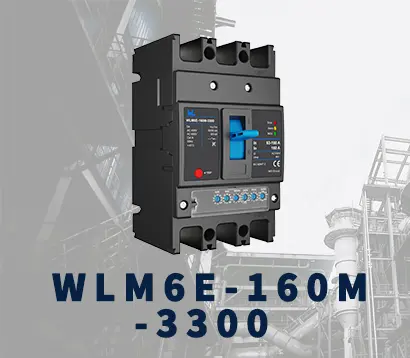 WLM6E-160A-3300 3P
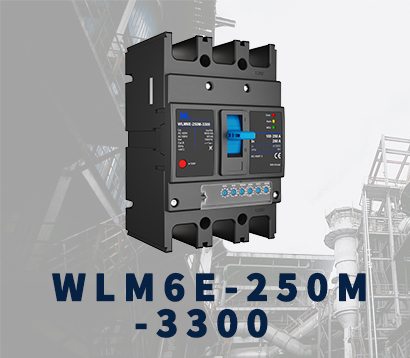 WLM6E-250A-3300
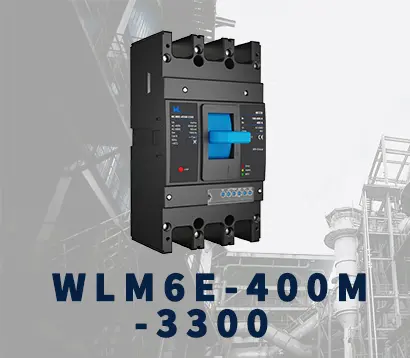 WLM6E-400A-3300 3P/4P
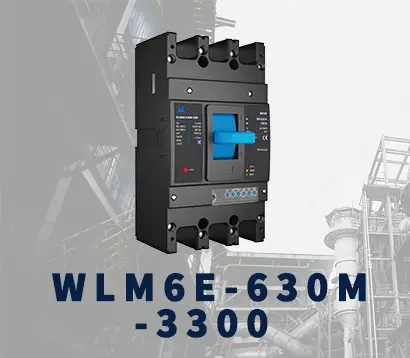 WLM6E-630A-3300
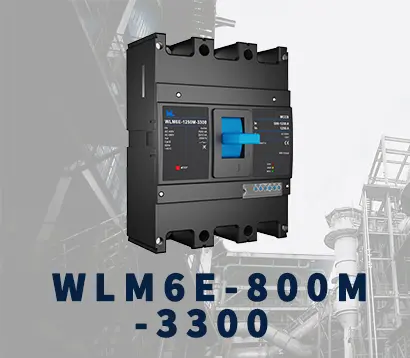 WLM6E-800A-3300 3P/4P
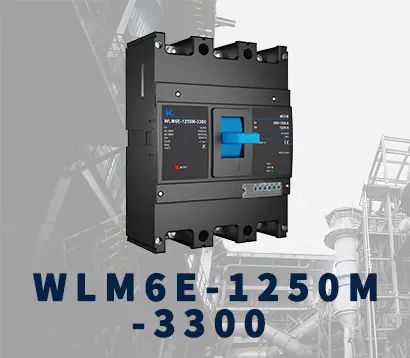 WLM6E-1250A-3300
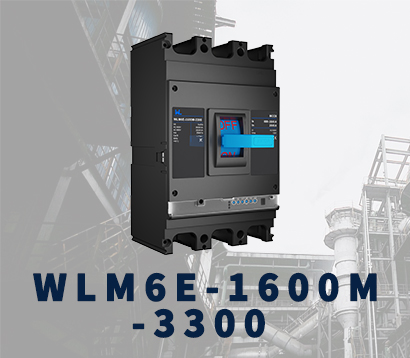 WLM6E-1600-3300 3P/4P
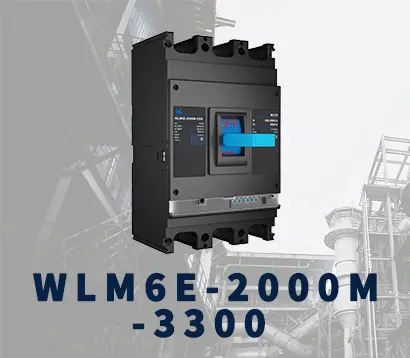 WLM6E-2000A-3300 3P/4P
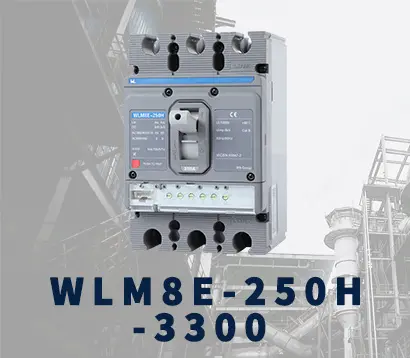 WLM8E-250H-3300
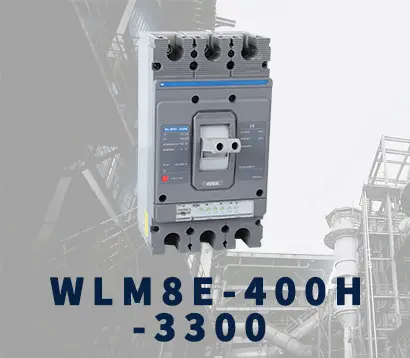 WLM8E-400H-3300
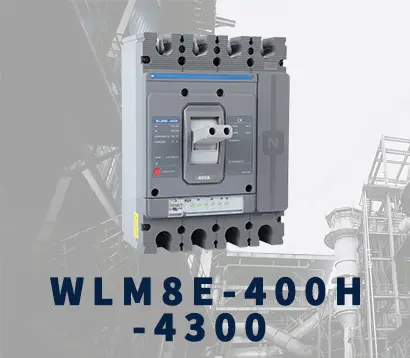 WLM8E-400H-4300
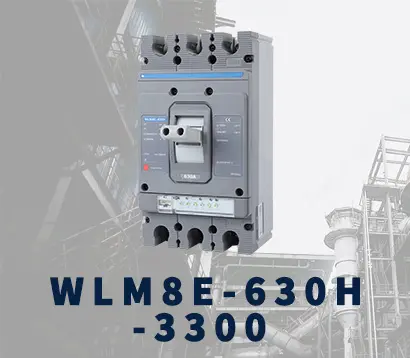 WLM8E-630H-3300
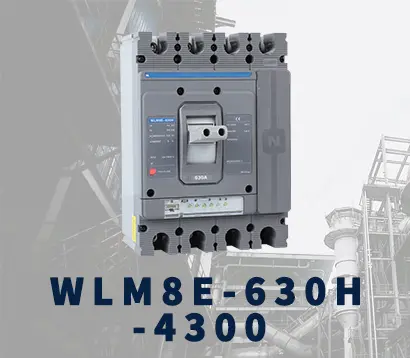 WLM8E-630H-4300
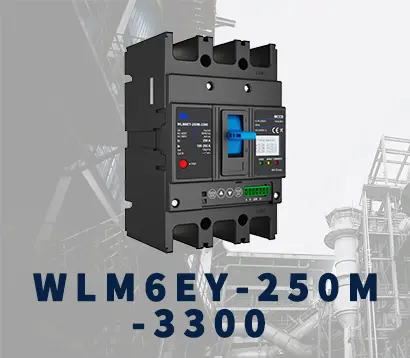 WLM6EY-250-3300 3P/4P
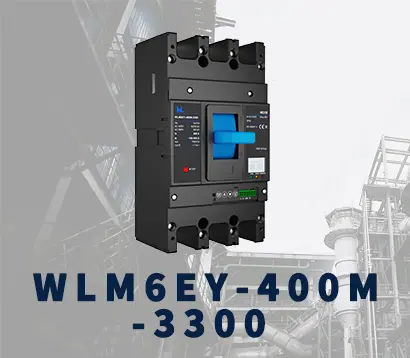 WLM6EY-400 3P/4P
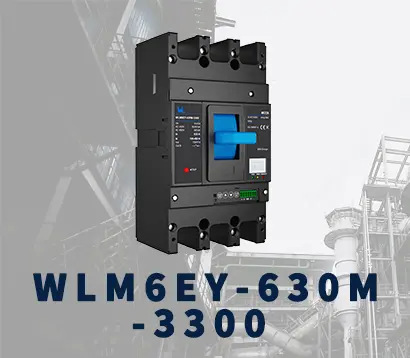 WLM6EY-630 3P/4P
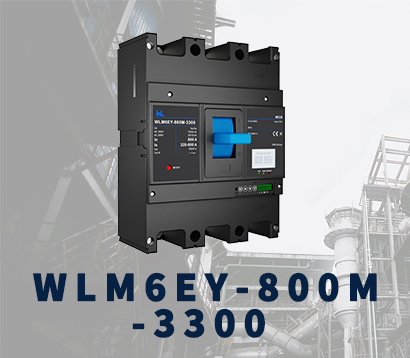 WLM6EY-800A 3P/4P
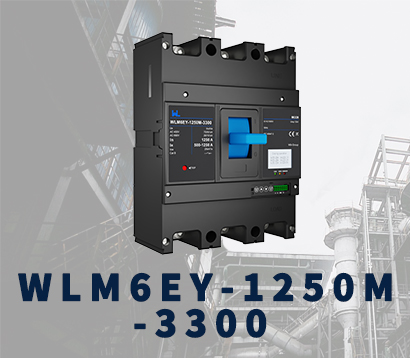 WLM6EY-1250A 3P/4P
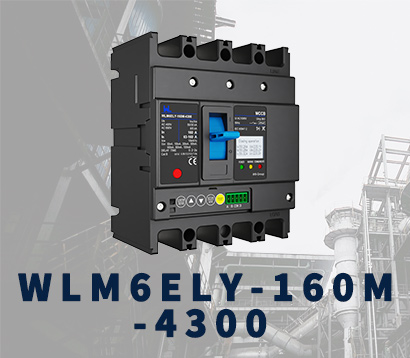 WLM6ELY-160A
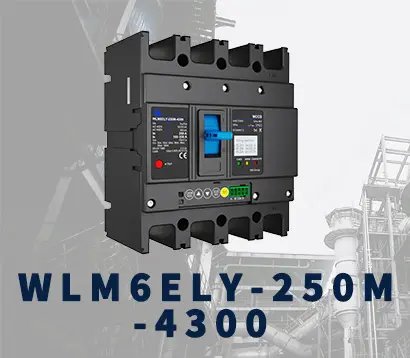 WLM6ELY-250A
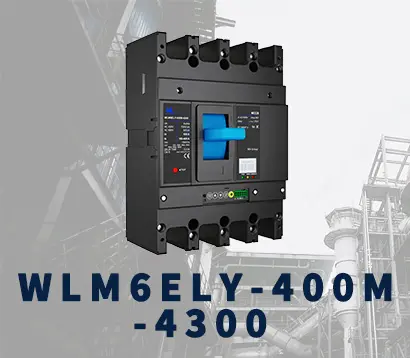 WLM6ELY-400A
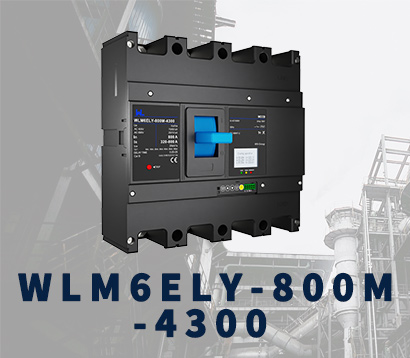 WLM6ELY-800A
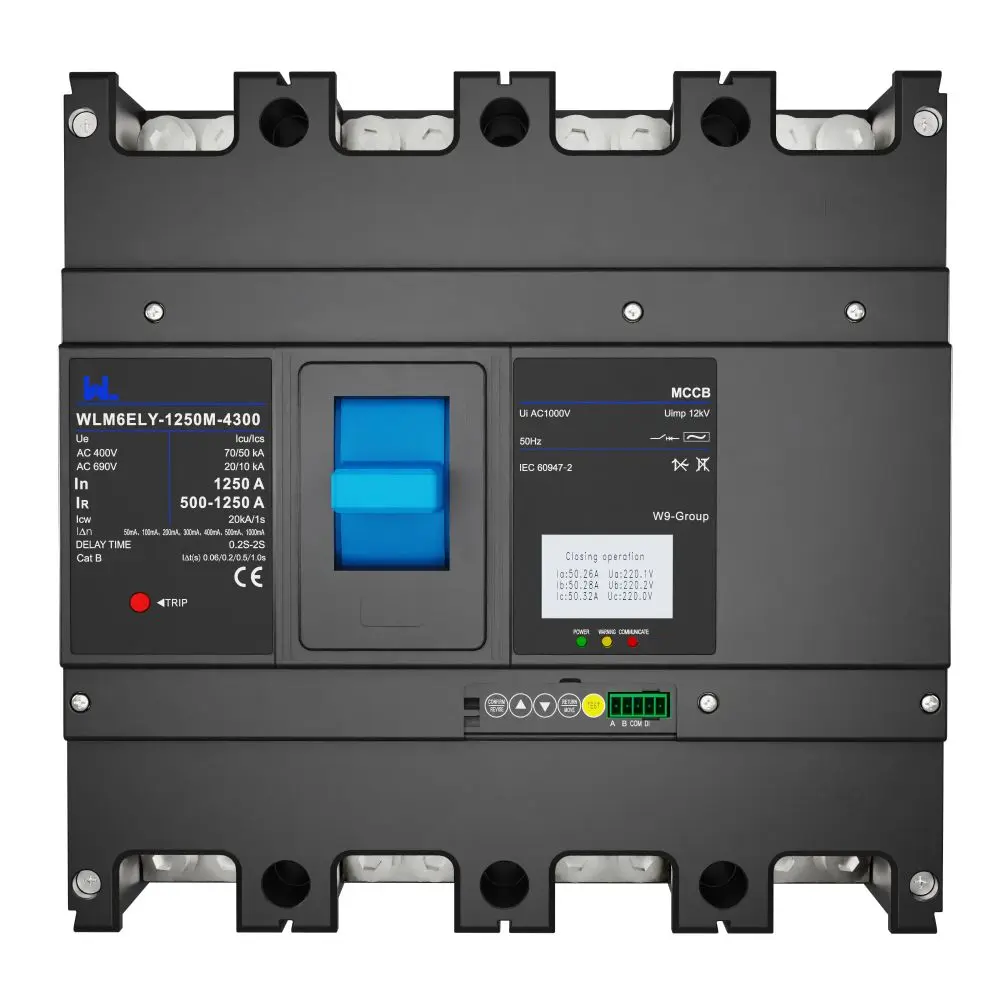 WLM6ELY-1250A
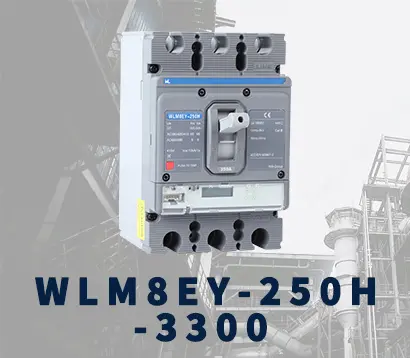 WLM8EY-250H-3300
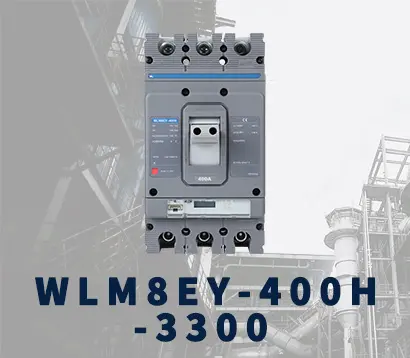 WLM8EY-400H-3300
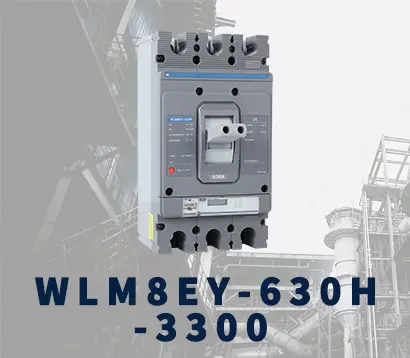 WLM8EY-630H-3300
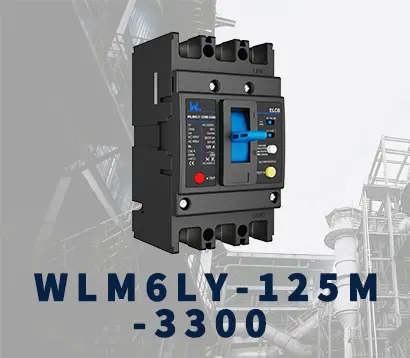 WLM6LY-125A
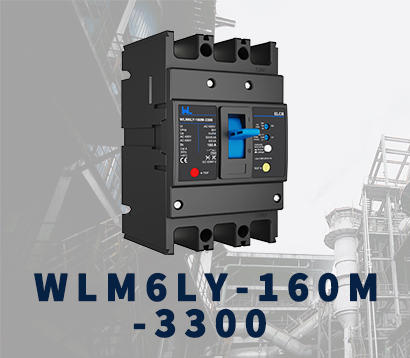 WLM6L-160A
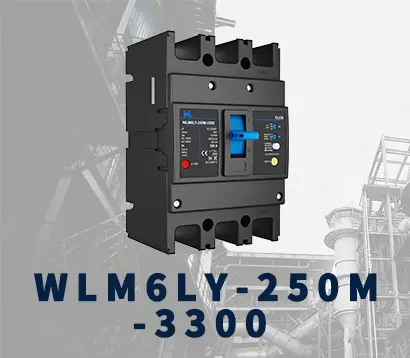 WLM6LY-250A
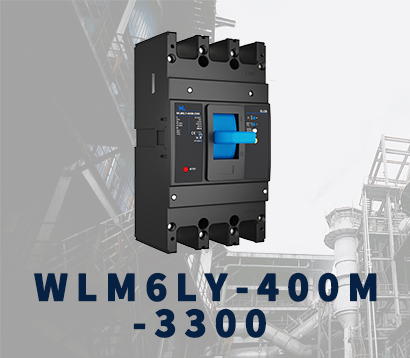 WLM6LY-400A
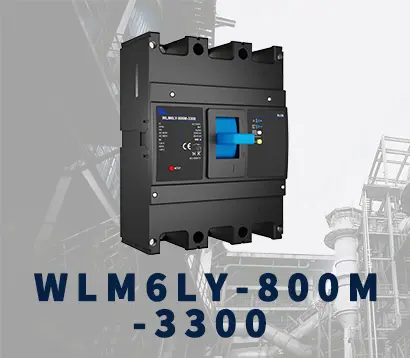 WLM6LY-800A
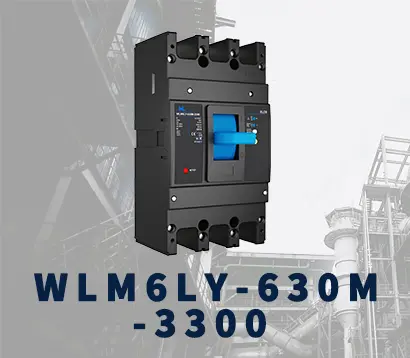 WLM6LY-630A
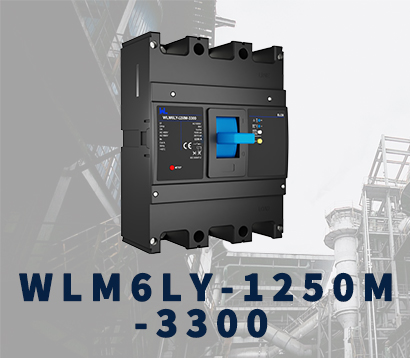 WLM6LY-1250A
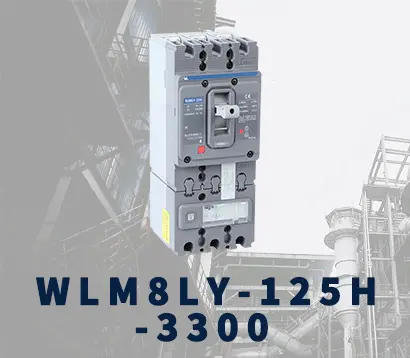 WLM8LY-125H-3300
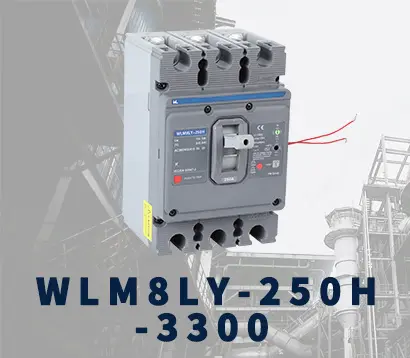 WLM8LY-250H-3300
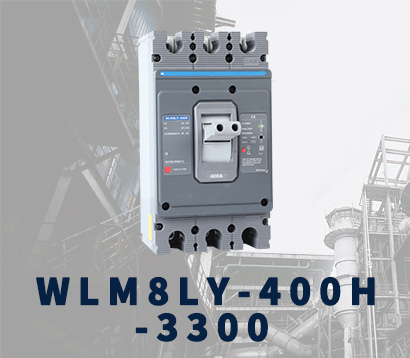 WLM8LY-400H-3300
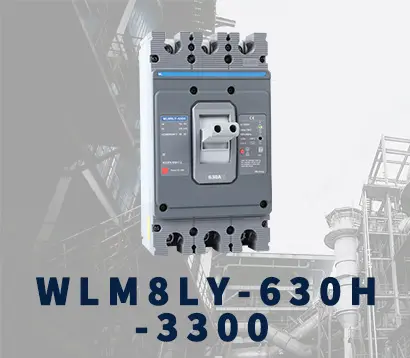 WLM8LY-630H-3300
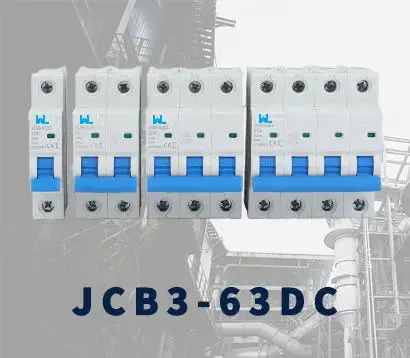 JCB3-63DC
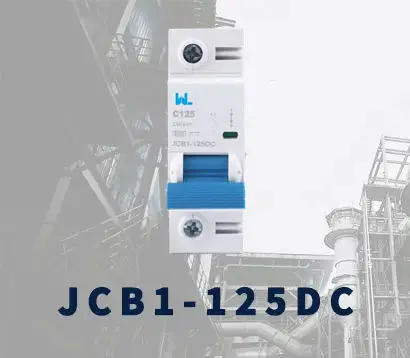 JCB1-125DC
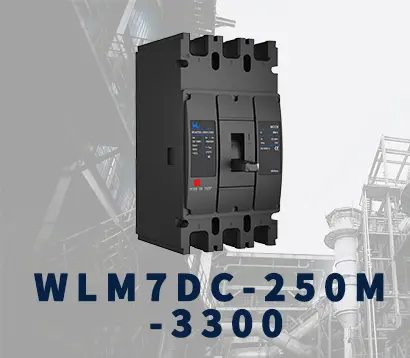 WLM7DC-250A-2300 2P/3P
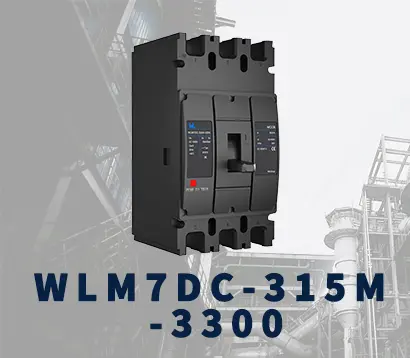 WLM7DC-315A-3300 2P/3P
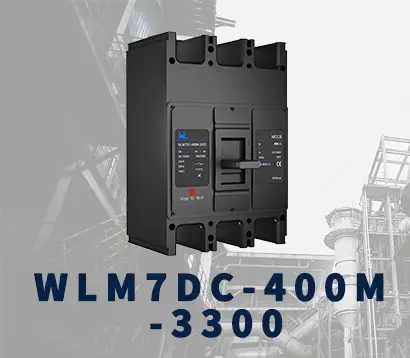 WLM7DC-400A-2300 2P/3P
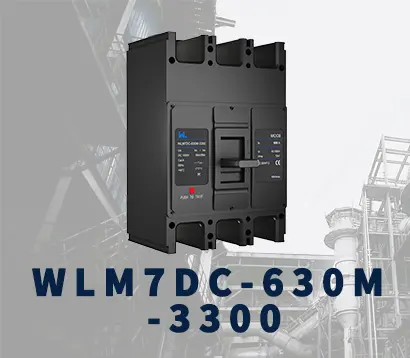 WLM7DC-630A-3300 3P
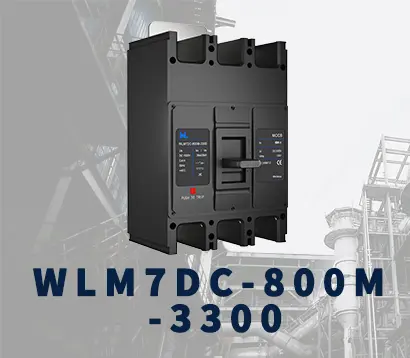 WLM7DC-800A-2300 2P/3P
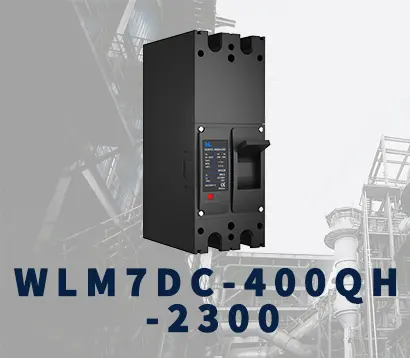 WLM7DC-400A 2300
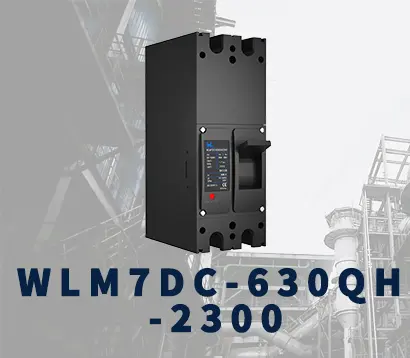 WLM7DC-630A-2300 2P
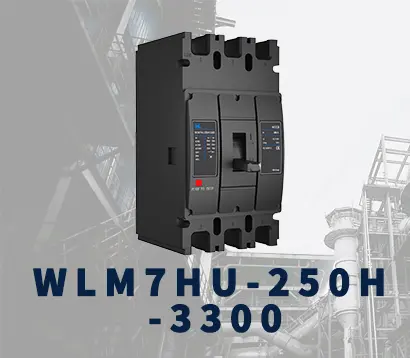 WLM7HU-250-3300 3P
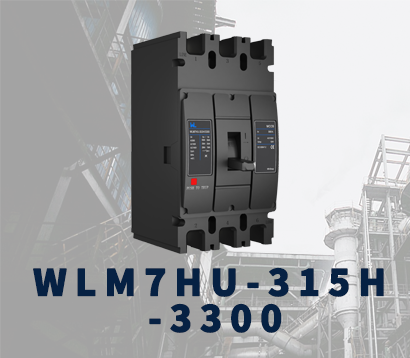 WLM7HU-315-3300 3P
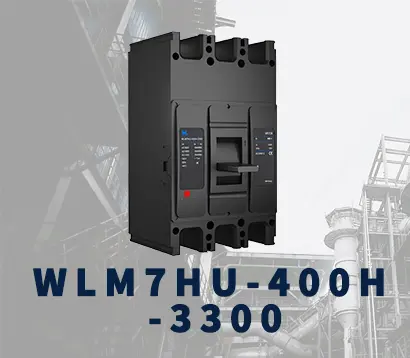 WLM7HU-400-3300 3P
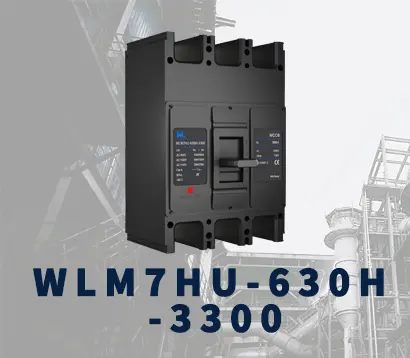 WLM7HU-630-3300 3P
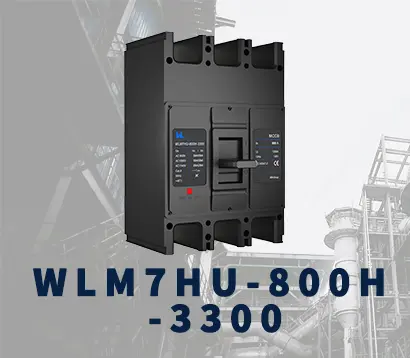 WLM7HU-800-3300 3P
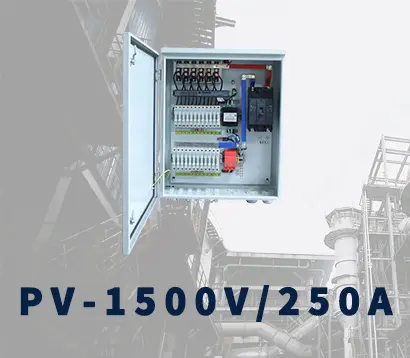 PV-1500V/250A
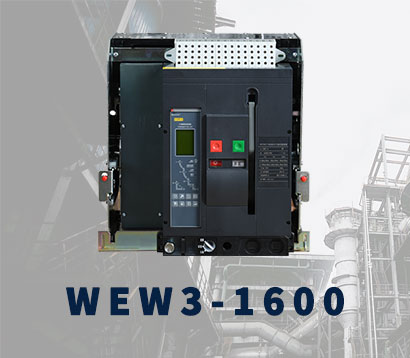 WEW3-1600
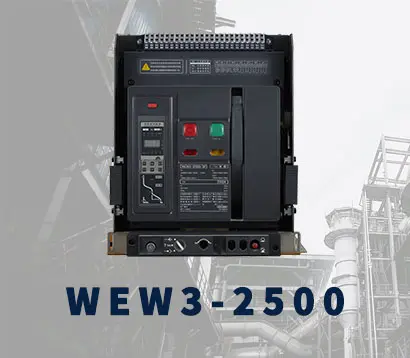 WEW3-2500
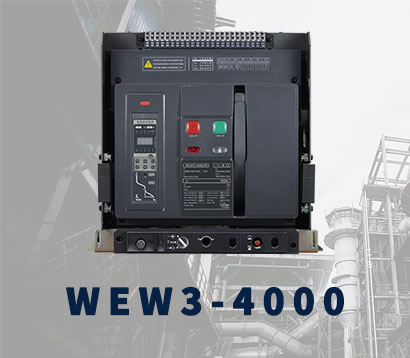 WEW3-4000
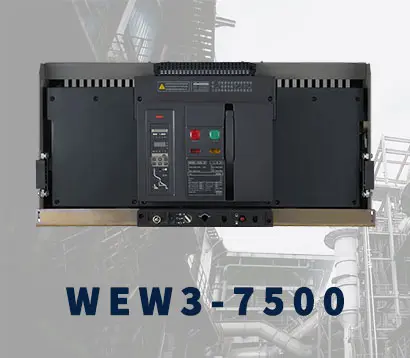 WEW3-7500