How to Choose the Right Molded Case Breaker for Your Needs?
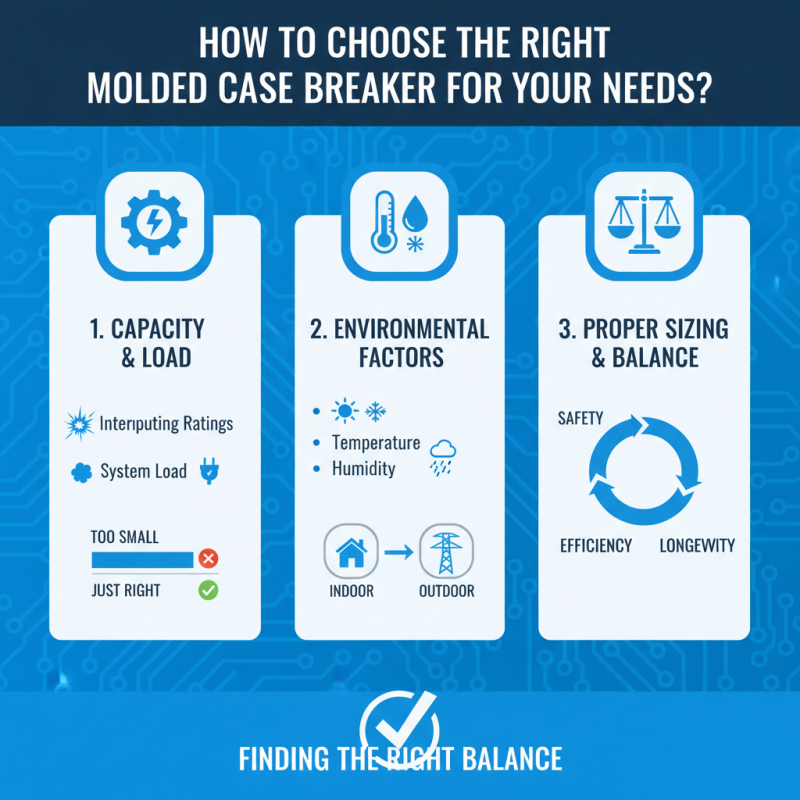
Choosing the right Molded Case Breaker is crucial for your electrical system. A well-selected breaker can ensure safety, efficiency, and longevity. However, the decision can be overwhelming. There are numerous options available, each with unique features.
When selecting a Molded Case Breaker, consider the capacity needed for your application. Do you require high interrupting ratings? Pay attention to the load your system will experience. This is vital for maintaining reliable operations. Many people overlook the importance of proper sizing. A breaker that is too small might trip frequently. Conversely, one that is too large may not trip when needed.
Furthermore, assess the environment where the breaker will be used. Will it face extreme temperatures or humidity? Molded Case Breakers vary in their tolerance levels. Some require extra attention for outdoor use, while others are designed for indoor environments. Reflecting on these details helps in making a better choice. After all, it's about finding the right balance for your specific needs.
Understanding Molded Case Breakers and Their Applications
Molded case breakers (MCBs) are crucial components in electrical systems. They protect circuits from overloads and short circuits. Understanding their applications is essential for selecting the right model. According to a recent industry report, the global molded case circuit breaker market is expected to reach $14 billion by 2026. This shows their rising importance in various sectors, including residential, commercial, and industrial uses.
In residential settings, MCBs are vital for safeguarding home appliances. They help prevent damage due to electrical surges. In commercial buildings, these breakers support various equipment, ensuring operational continuity. Larger industrial setups utilize MCBs for machinery protection. It’s common for some users to overlook specific ratings. Not all breakers suit every application, which can lead to inefficiencies and even hazards.
Choosing the right MCB involves considering voltage ratings and current-carrying capacity. A poorly matched breaker may cause unexpected outages. A recent survey indicates that nearly 30% of facilities experience downtime due to inadequate protection. This underlines the importance of careful selection. There’s room for improvement in educating decision-makers about these choices. Misinformation can lead to costly mistakes and safety issues in the long run.
Understanding Molded Case Breakers and Their Applications
This chart represents the different applications of molded case breakers across various industries.
Key Factors to Consider When Selecting a Molded Case Breaker
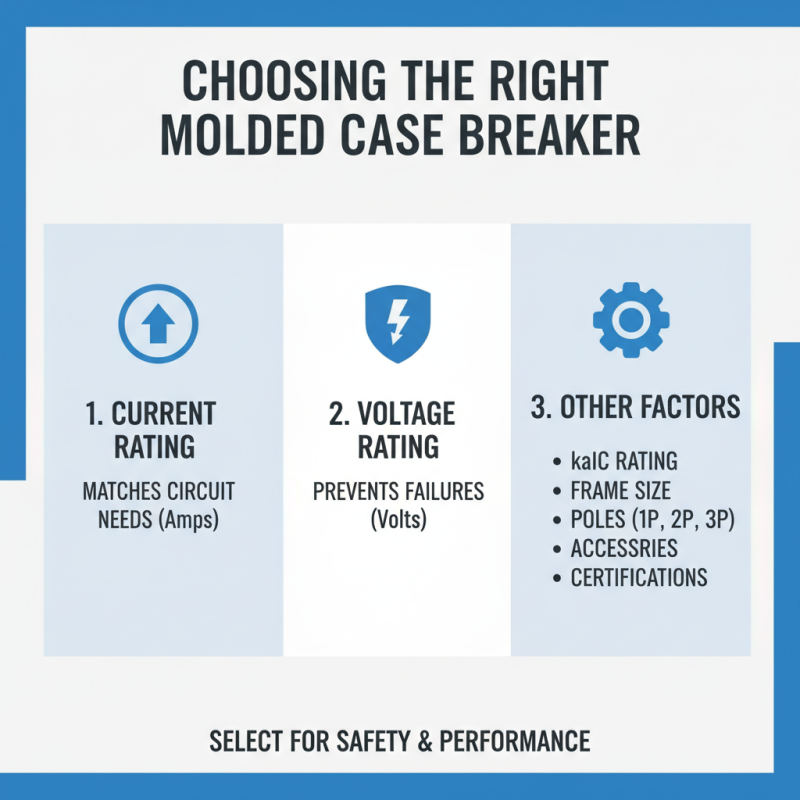
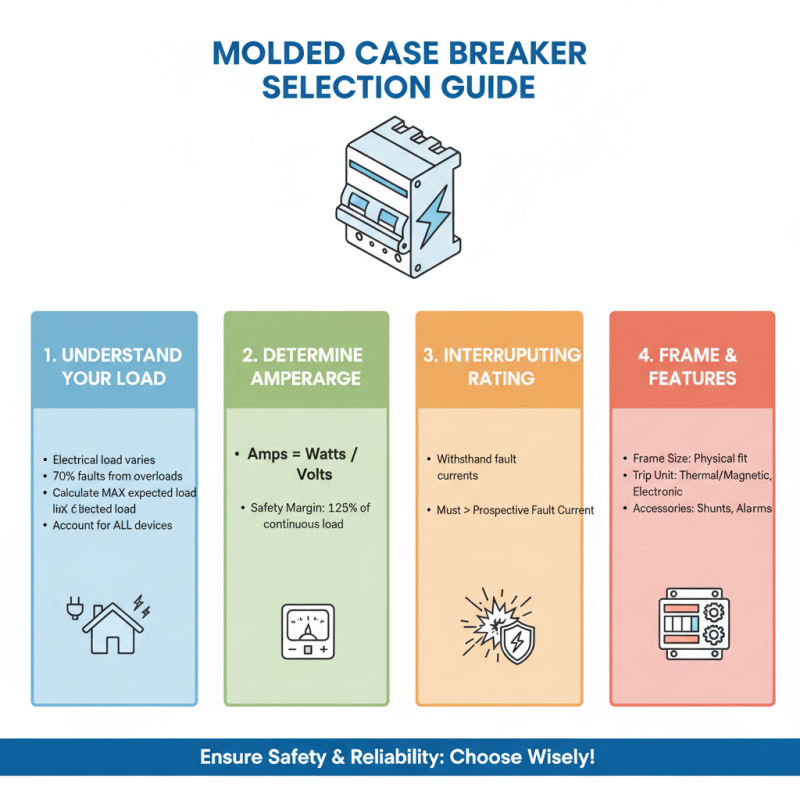
Choosing the right molded case breaker can be challenging. Many factors affect your decision. Start with the current rating. It should match your circuit needs. Check the voltage ratings too. A mismatch here can lead to failures.
Next, consider the interrupting capacity. This indicates how much fault current the breaker can safely handle. It is vital for protecting equipment. Also, think about the settings. Adjustability might be important for specific applications.
Don’t forget about installation space. Size matters, and you should assess physical dimensions. A breaker that’s too large won’t fit. Additionally, evaluate the environment where the breaker will operate. Moisture, dust, and temperature can impact performance. Take all these elements into account before making your choice.
Assessing the Electrical Load and Environment Requirements
Choosing the right molded case breaker begins with understanding your electrical load. The typical circuit can experience significant variation in load. Reports show that around 70% of electrical faults are due to unexpected overloads. It's crucial to calculate your maximum expected load carefully. Include all devices and appliances to avoid underestimating your needs.
Next, consider the environment where the breaker will be installed. Humidity, temperature fluctuations, and dust levels can all affect performance. Research indicates that over 60% of electrical equipment failures stem from environmental factors. A breaker in a harsh environment may require additional features, like moisture resistance, to ensure longevity. It's not always easy to gauge these conditions accurately, leading to potential miscalculations.
Finally, reflect on the possibility of future expansion. Anticipate any future electrical demands to avoid frequent upgrades. Industry studies suggest that planning for a 25% increase in capacity is a good practice. This approach can save both time and money down the line. Balancing current needs with future potential can be challenging. However, taking the time to assess these factors will lead to better performance and safety.
Comparing Different Types and Ratings of Molded Case Breakers
When selecting a molded case breaker, understanding the various types and ratings is crucial. Molded case breakers (MCBs) provide overload and short-circuit protection. According to a recent industry report, the global molded case circuit breakers market is projected to reach USD 10 billion by 2026, highlighting their growing importance in electrical systems.
The common types of MCBs include thermal, magnetic, and electronic. Each type serves different needs. Thermal MCBs respond to heat. They are ideal for low-voltage applications. Magnetic MCBs react to sudden surges. They are effective in high-voltage scenarios. Electronic MCBs offer advanced features like adjustable settings. These can optimize protection for complex systems. Different ratings, such as 10A, 16A, or 32A, determine the ampacity. Choosing the right rating is vital for safety and efficiency.
Tips: Assess your load requirements before selection. Mismatching can lead to tripped circuits or damage. Make sure to check local regulations. Ensure compliance with electrical standards. Regular maintenance is key. Periodic inspections can reveal hidden issues that might compromise safety. Remember, even small errors in choosing ratings can have significant consequences.
How to Choose the Right Molded Case Breaker for Your Needs? - Comparing Different Types and Ratings of Molded Case Breakers
| Type |
Rated Current (A) |
Breaking Capacity (kA) |
Number of Poles |
Application |
| Molded Case Circuit Breaker (MCCB) |
15 - 800 |
10 - 65 |
1, 2, 3, 4 |
Commercial, Industrial |
| Miniature Circuit Breaker (MCB) |
6 - 63 |
6 - 10 |
1, 2, 3 |
Residential, Light Commercial |
| Earth Leakage Circuit Breaker (ELCB) |
16 - 300 |
6 - 10 |
1, 2, 3 |
Safety Protection |
| Hydraulic Magnetic Circuit Breaker |
50 - 1200 |
10 - 100 |
3, 4 |
Heavy Industrial |
| Dual Function Circuit Breaker |
32 - 800 |
10 - 70 |
1, 2, 3 |
Mixed Applications |
Common Mistakes to Avoid When Choosing a Molded Case Breaker
Choosing the right molded case breaker can be challenging. Many people overlook important factors. One common mistake is not assessing the specific electrical load you need to protect. Each breaker type has unique ratings. Failing to match these ratings to your needs can lead to overheating or failures.
Another mistake is neglecting the environment where the breaker will be installed. Wet or humid areas require different specifications than dry locations. Ignoring these details can compromise safety and functionality. Additionally, some users fail to consider future expansion. A breaker that fits today may not accommodate future growth.
Many buyers rush their decision. They often pick the first option they see. This can lead to regrettable choices down the line. It’s also crucial to consult with professionals. Their insights can help avoid pitfalls you may not be aware of. Reflect on your needs carefully before making a decision.

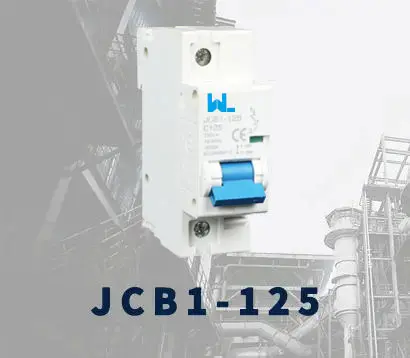 JCB1-125
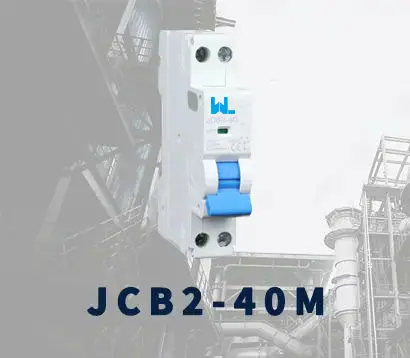 JCB2-40M
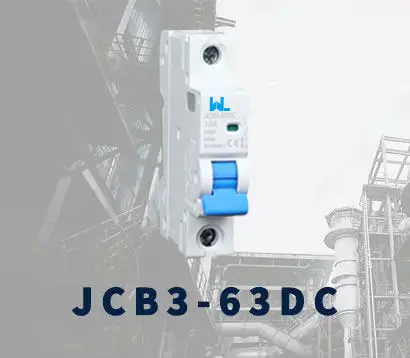 JCB3-63DC
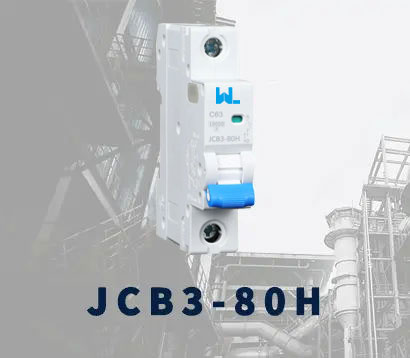 JCB3-80H
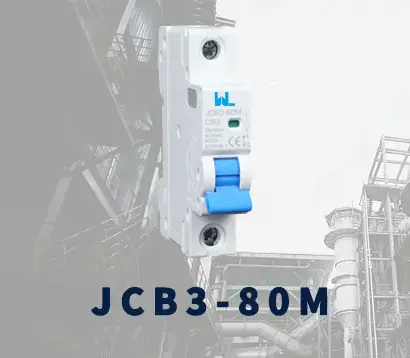 JCB3-80M
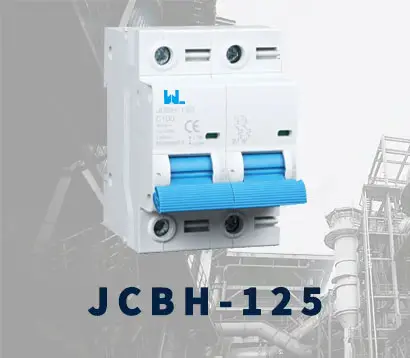 JCBH-125
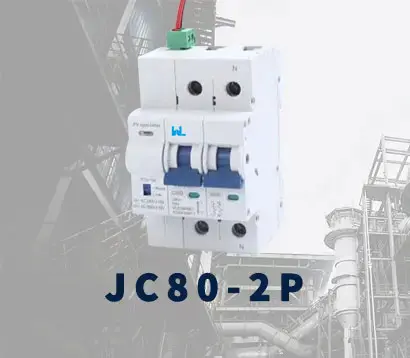 JC80-2P
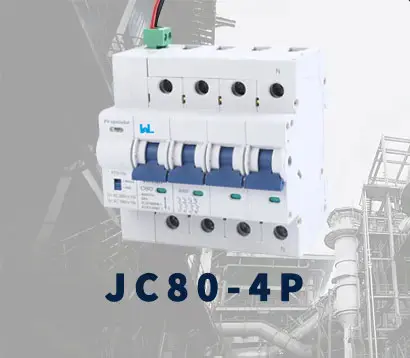 JC80-4P
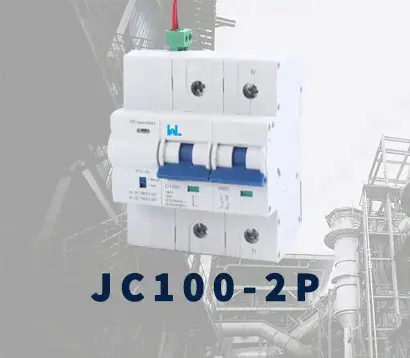 JC125-2P
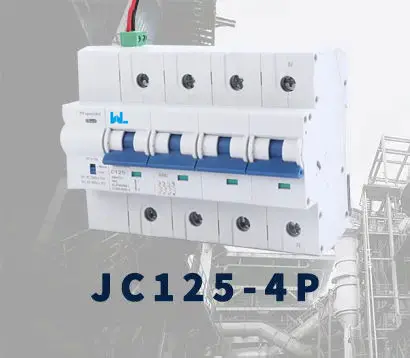 JC125-4P
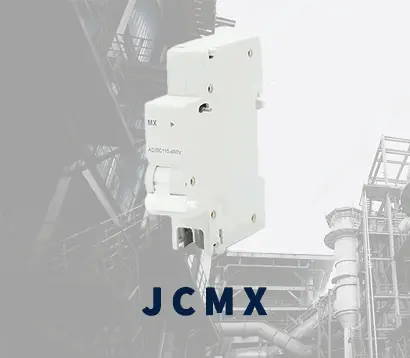 JCMX
JCMX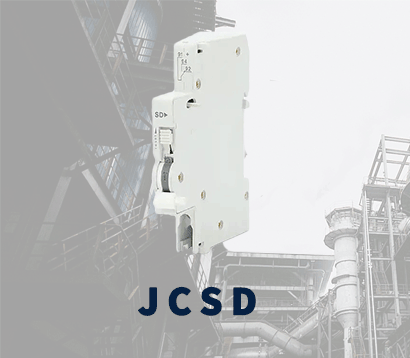 JCSD
JCSD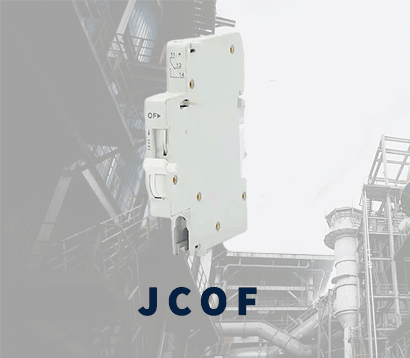 JCOF
JCOF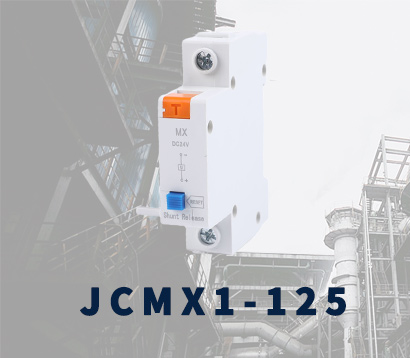 JCMX1-125
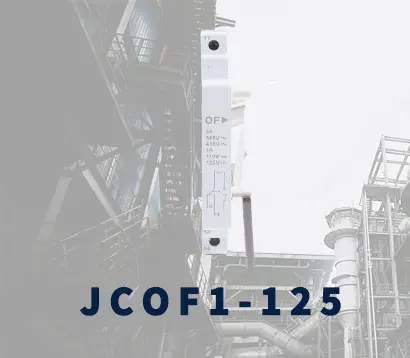 JCOF1-125
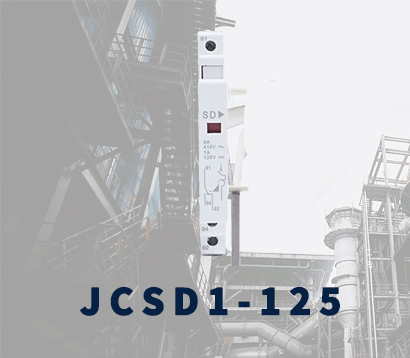 JCSD1-125
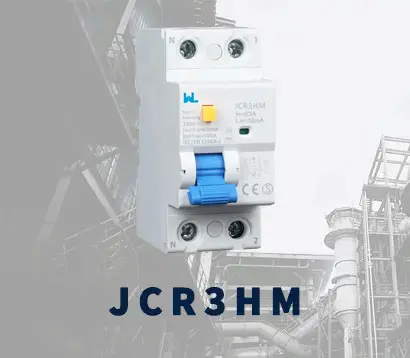 JCR3HM
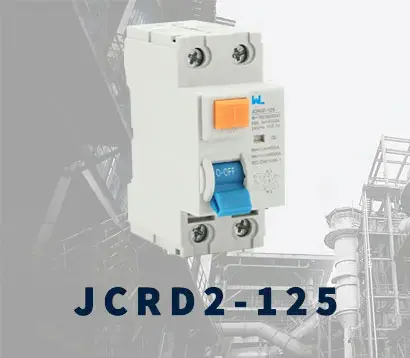 JCRD2-125
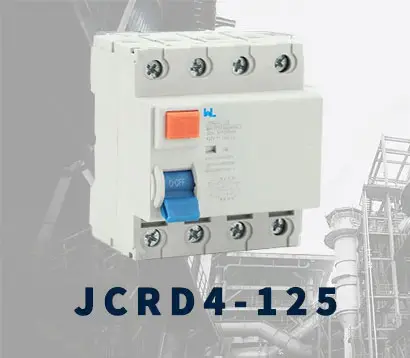 JCRD4-125
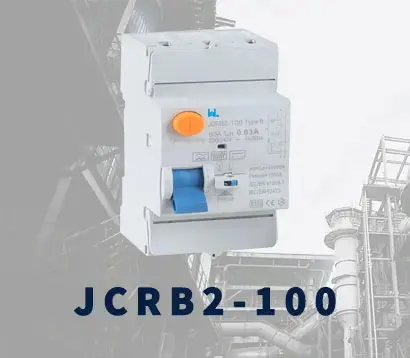 JCRB2-100
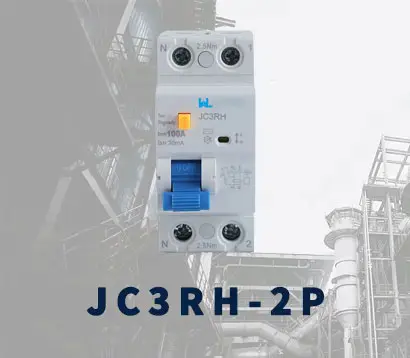 JC3RH-2P
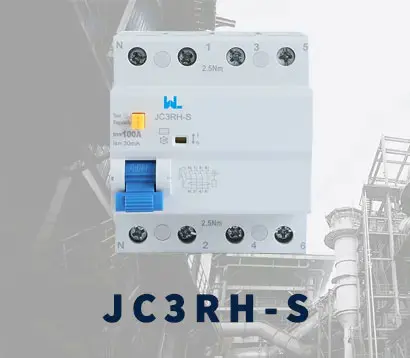 JC3RH-S
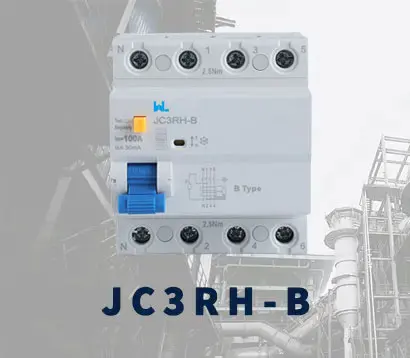 JC3RH-B
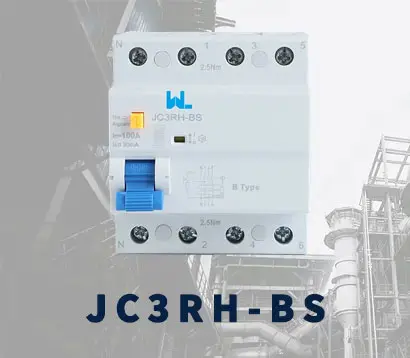 JC3RH-BS
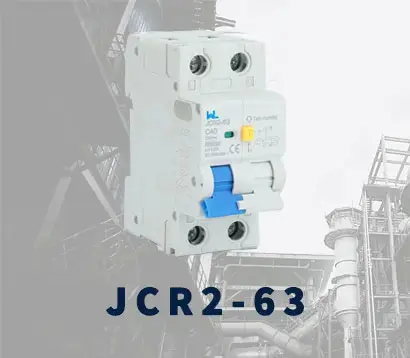 JCR2-63
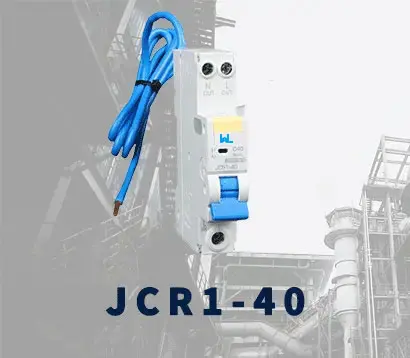 JCR1-40
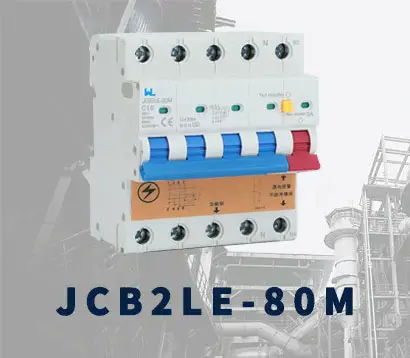 JCB2LE-80M
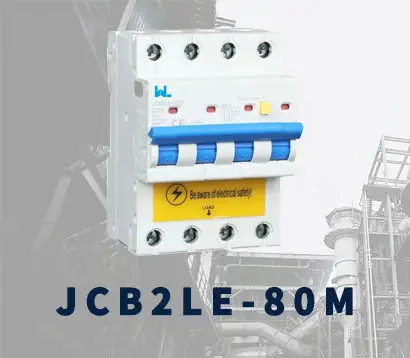 JCB2LE-80M
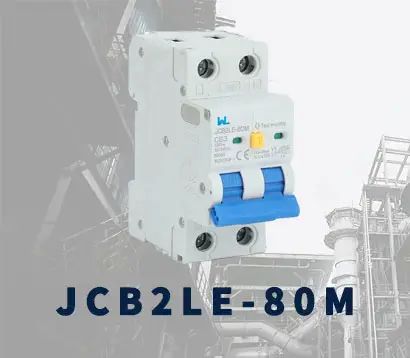 JCB2LE-80M
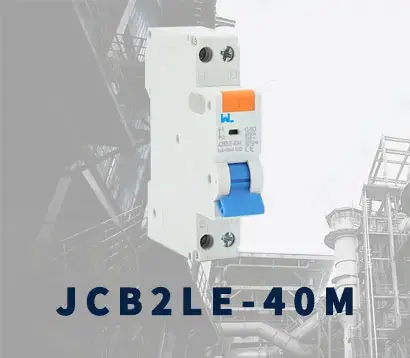 JCB2LE-40M
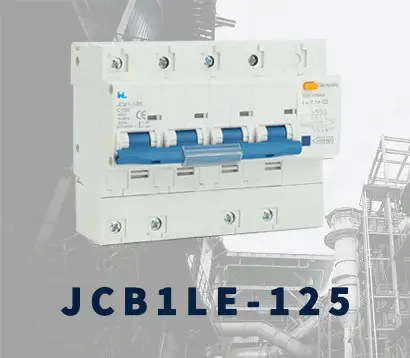 JCB1LE-125
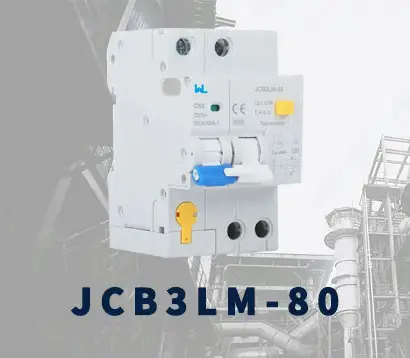 JCB3LM-80
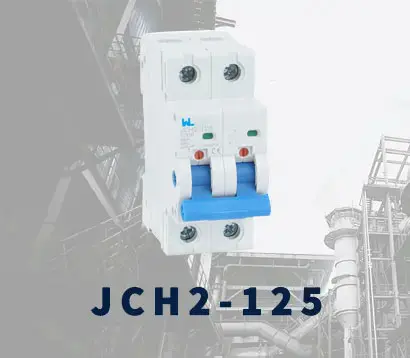 JCH2-125
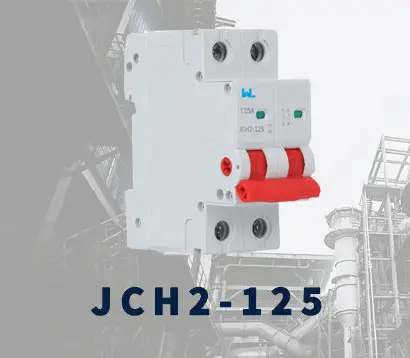 JCH2-125
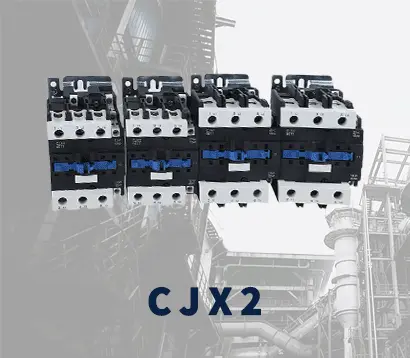 CJX2
CJX2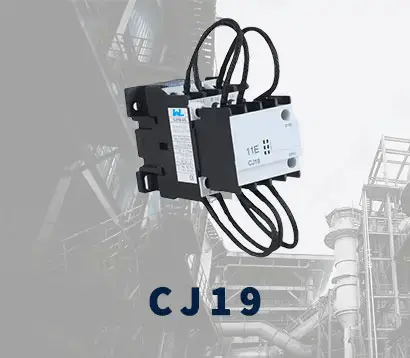 CJ19
CJ19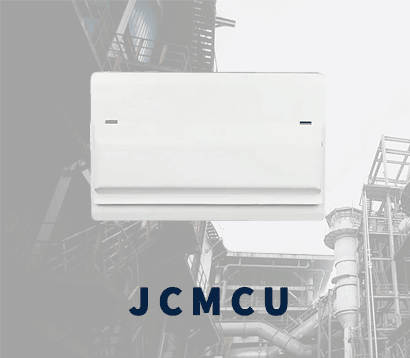 JCMCU
JCMCU JCHA
JCHA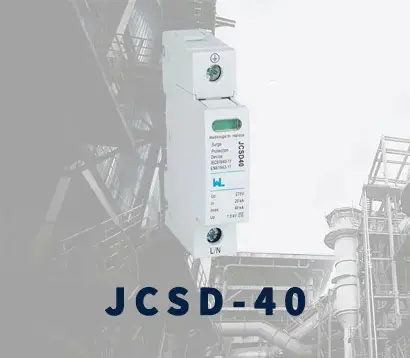 JCSD-40
 JCSD-60
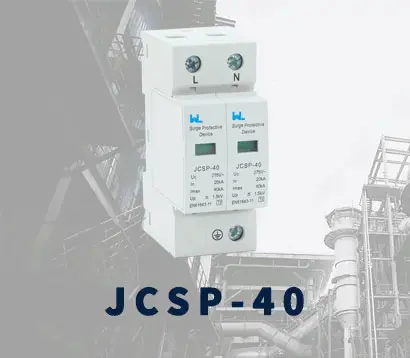 JCSP-40
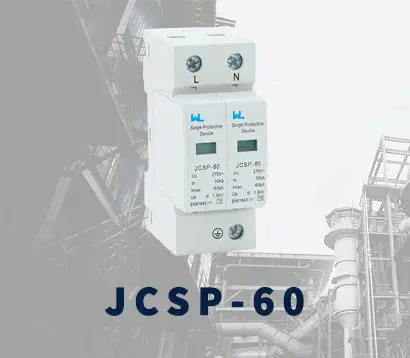 JCSP-60
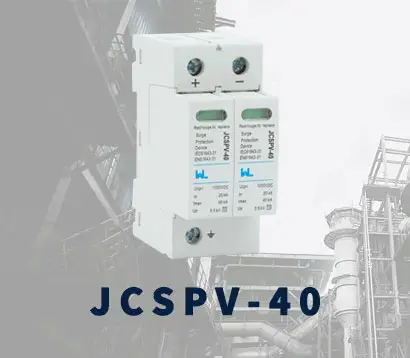 JCSPV
JCSPV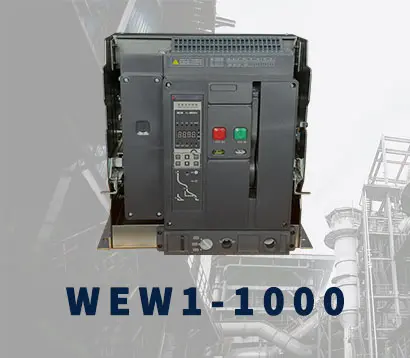 WEW1-1000
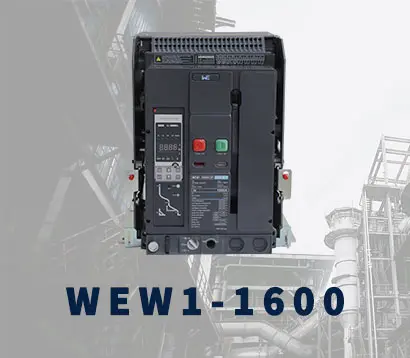 WEW1-1600
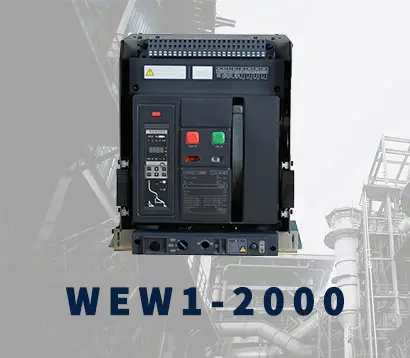 WEW1-2000
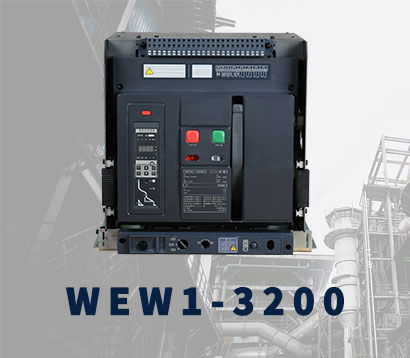 WEW1-3200
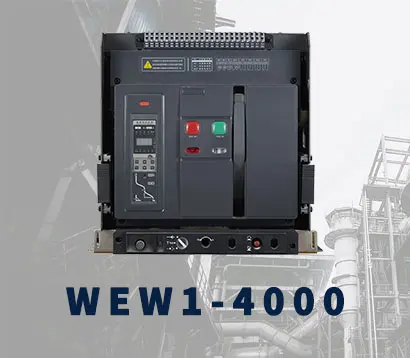 WEW1-4000
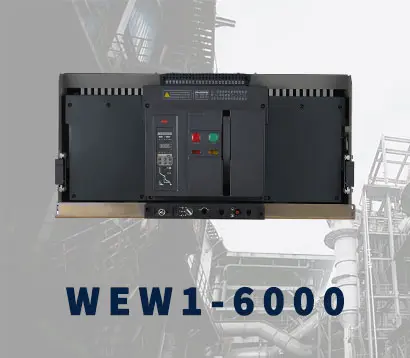 WEW1-6300
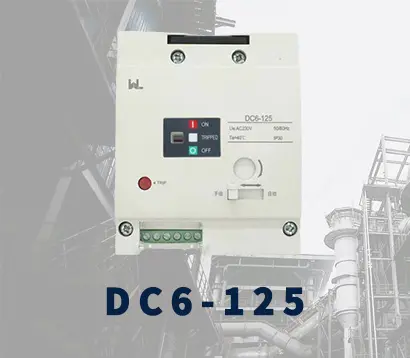 DC6-125
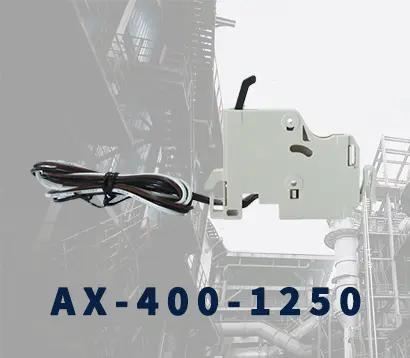 AX-400-1250
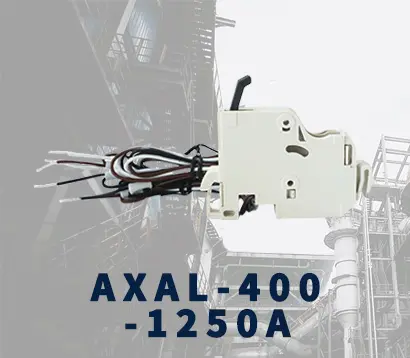 AXAL-400-1250A
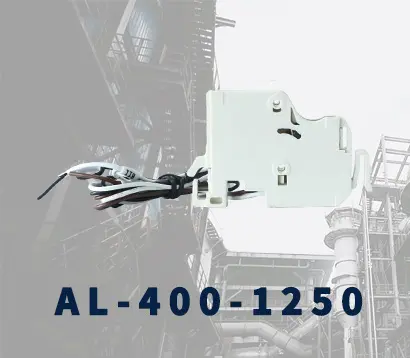 AL-400-1250
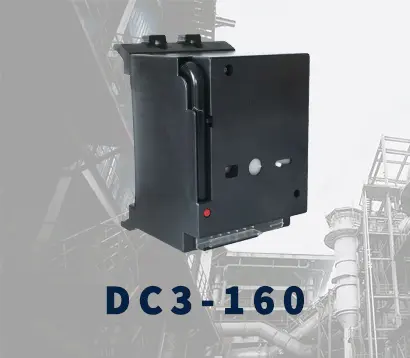 DC3-160
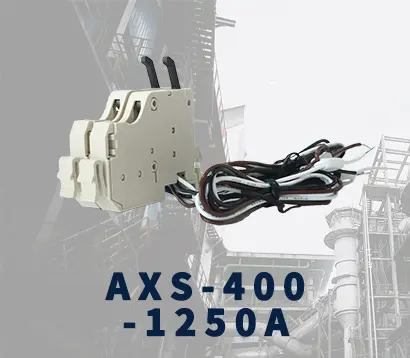 AXS-400-1250A
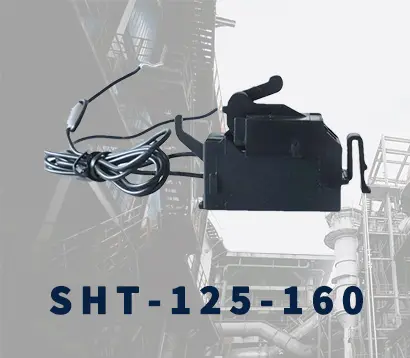 SHT-125-160
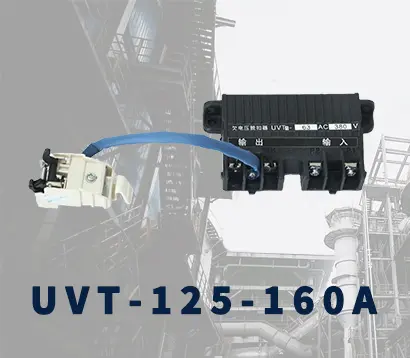 UVT-125-160A
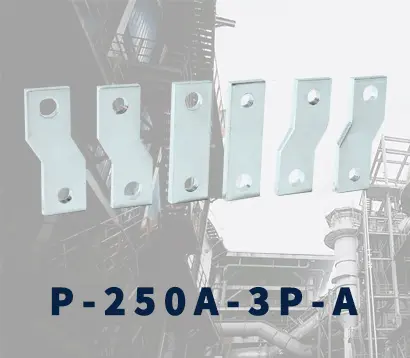 P-250A-3P-A
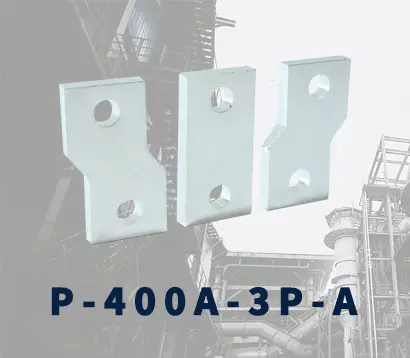 400-3P/4P terminal cover
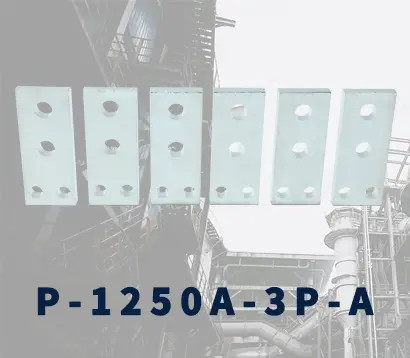 1250-3Pmccb accessories busbar
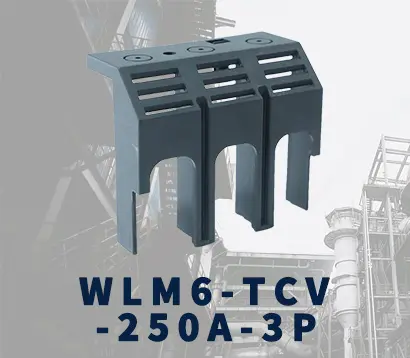 250-3P terminal conver
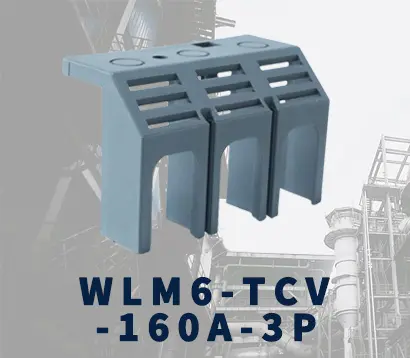 WLM6-TCV-160A-3P
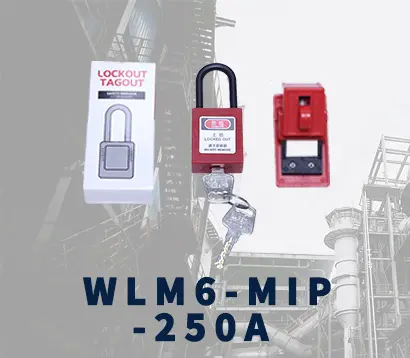 WLM6-MIP-250A
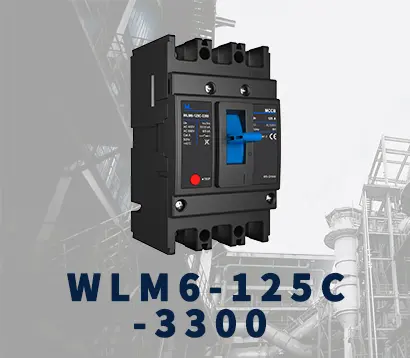 WLM6-125A-3300 3P/4P
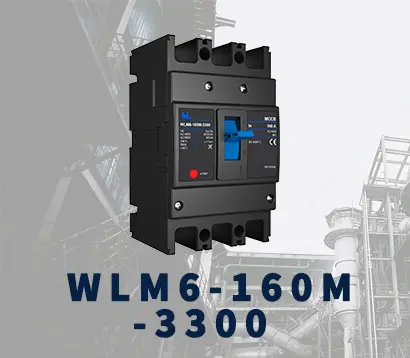 WLM6-160A-3300 3P/4P
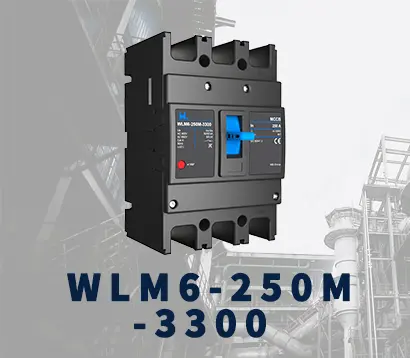 WLM6-250A-3300 3P/4P
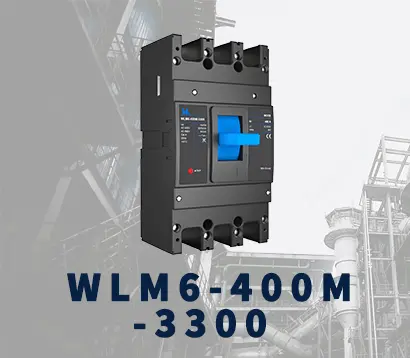 WLM6-400A-3300 3P/4P
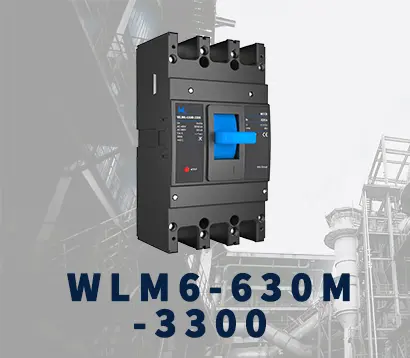 WLM6-630A-3300 3P/4P
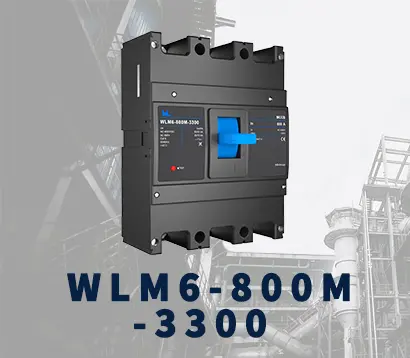 WLM6-800A-3300 3P/4P
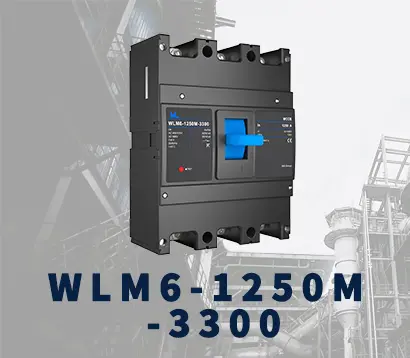 WLM6-1250A-3300 3P/4P
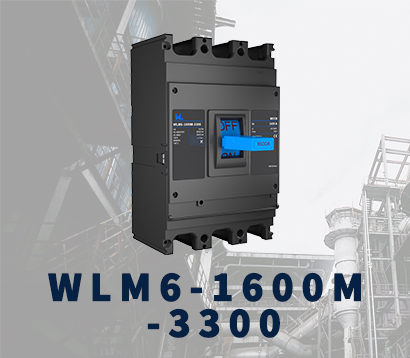 WLM6-1600A-3300 3P/4P
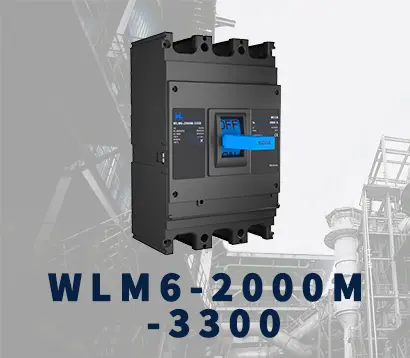 WLM6-2000A 3P/4P
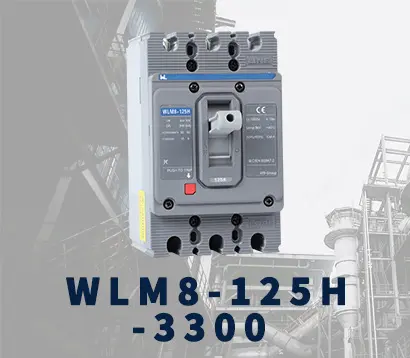 WLM8-125H-3300
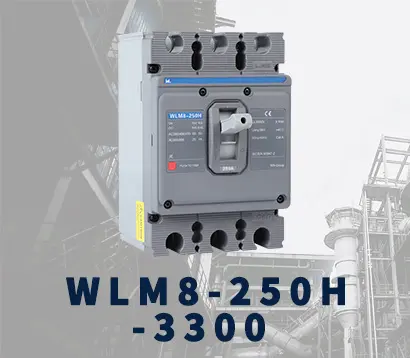 WLM8-250H-3300
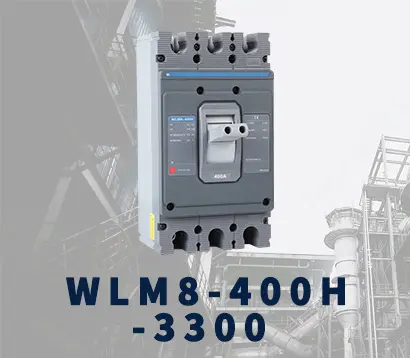 WLM8-400H-3300
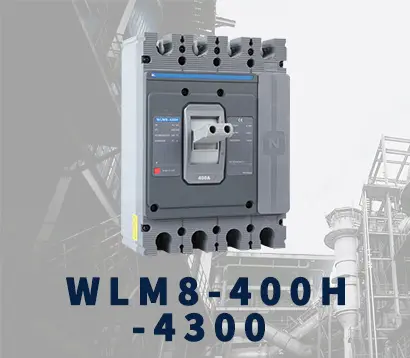 WLM8-400H-4300
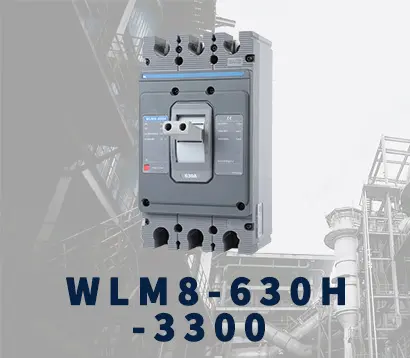 WLM8-630H-3300
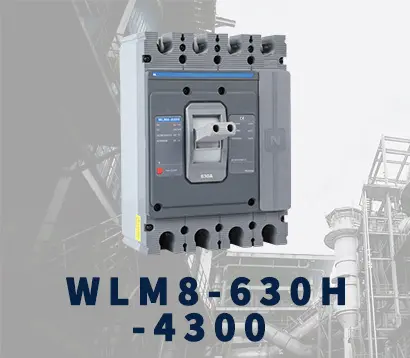 WLM8-630H-4300
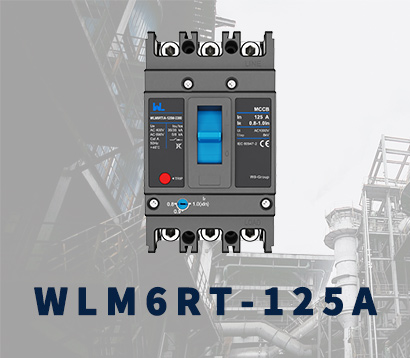 WLM6RT-125A
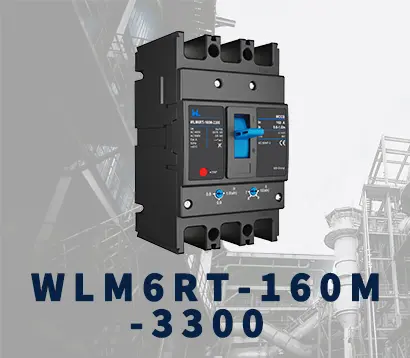 WLM6RT-160A
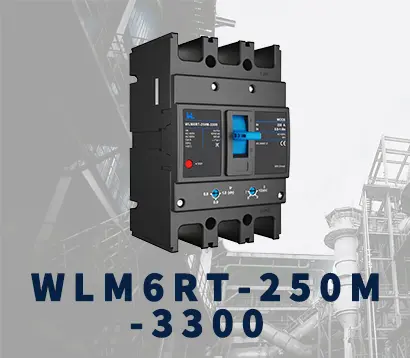 WLM6RT-250A
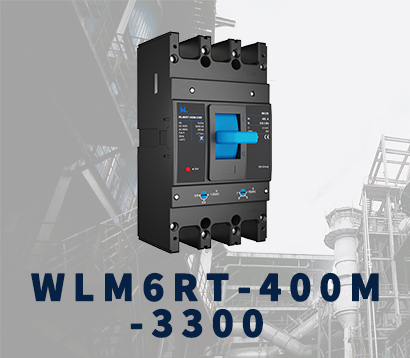 WLM6RT-400A
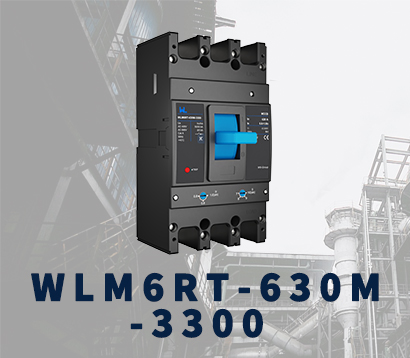 WLM6RT-630A
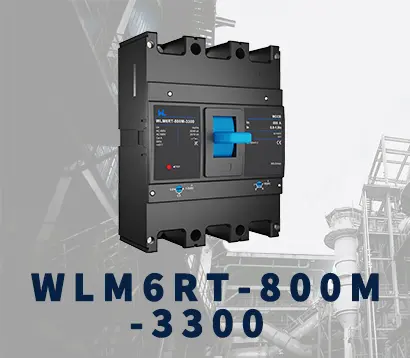 WLM6RT-800A
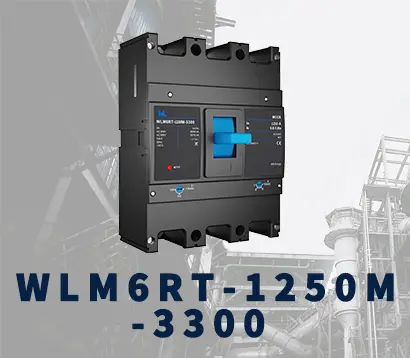 WLM6RT-1250A
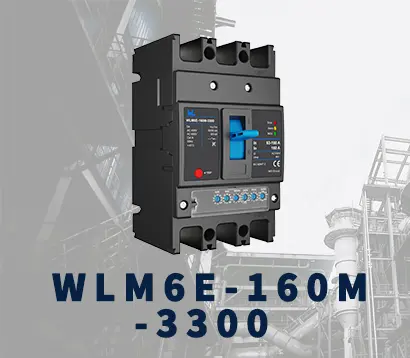 WLM6E-160A-3300 3P
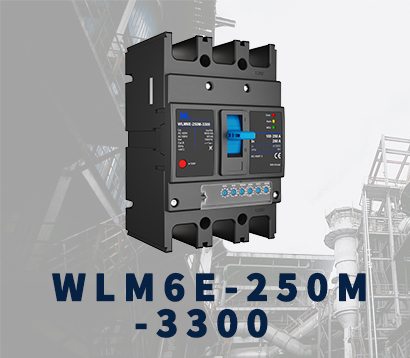 WLM6E-250A-3300
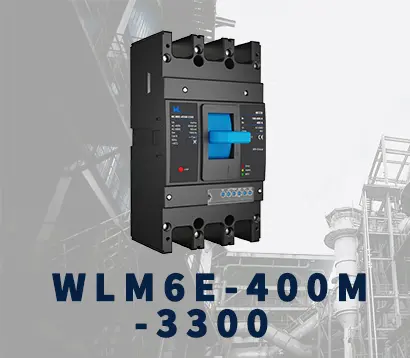 WLM6E-400A-3300 3P/4P
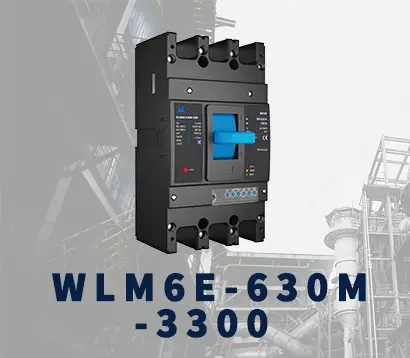 WLM6E-630A-3300
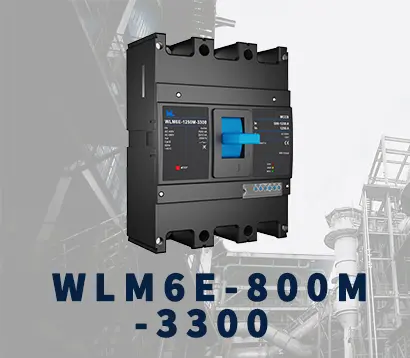 WLM6E-800A-3300 3P/4P
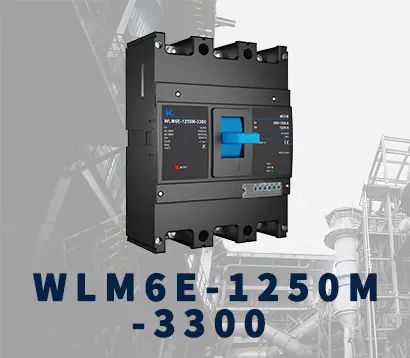 WLM6E-1250A-3300
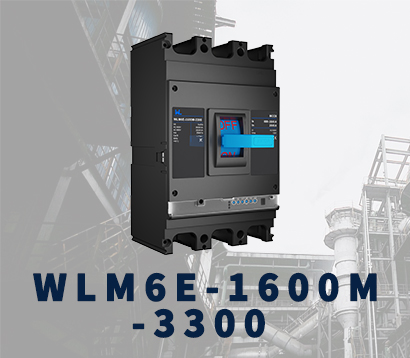 WLM6E-1600-3300 3P/4P
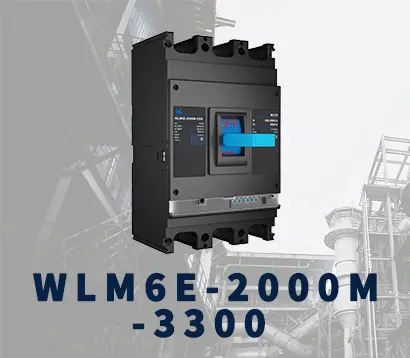 WLM6E-2000A-3300 3P/4P
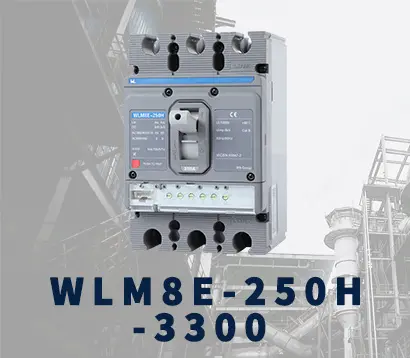 WLM8E-250H-3300
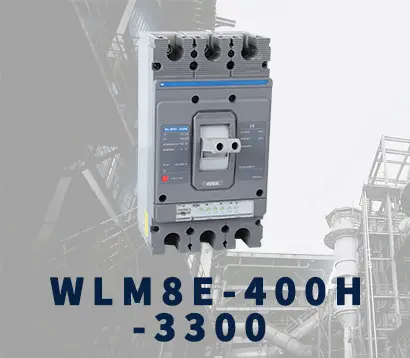 WLM8E-400H-3300
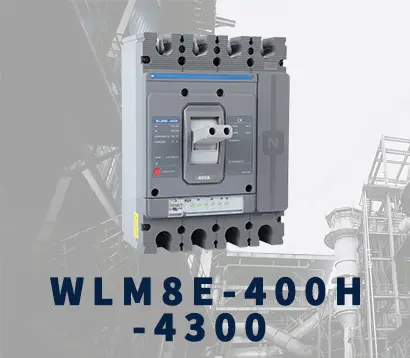 WLM8E-400H-4300
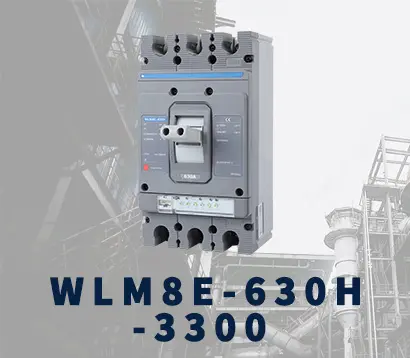 WLM8E-630H-3300
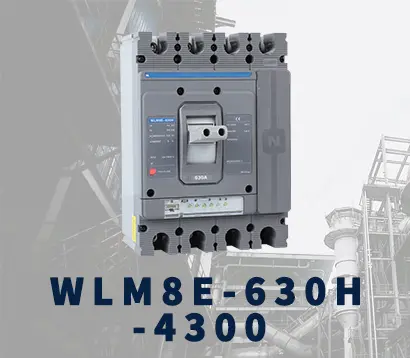 WLM8E-630H-4300
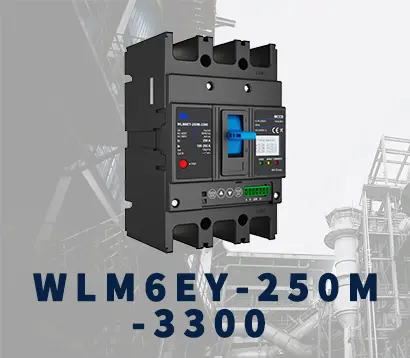 WLM6EY-250-3300 3P/4P
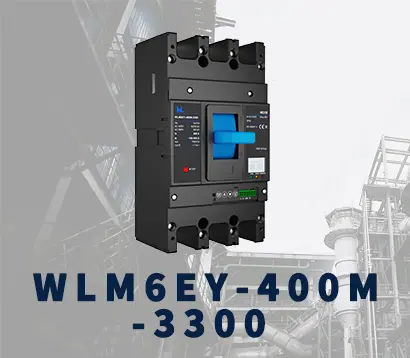 WLM6EY-400 3P/4P
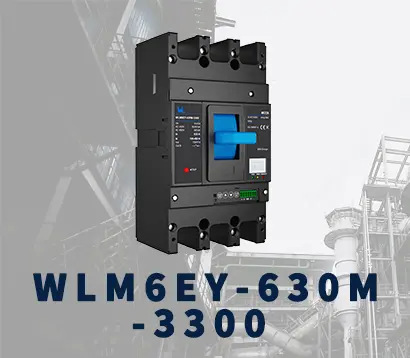 WLM6EY-630 3P/4P
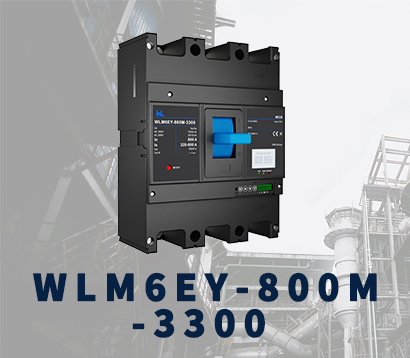 WLM6EY-800A 3P/4P
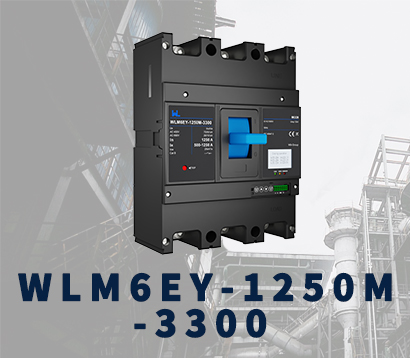 WLM6EY-1250A 3P/4P
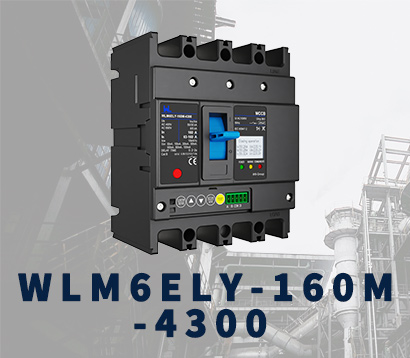 WLM6ELY-160A
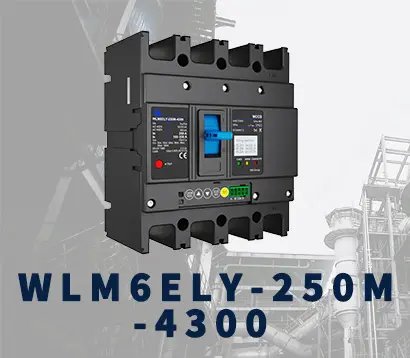 WLM6ELY-250A
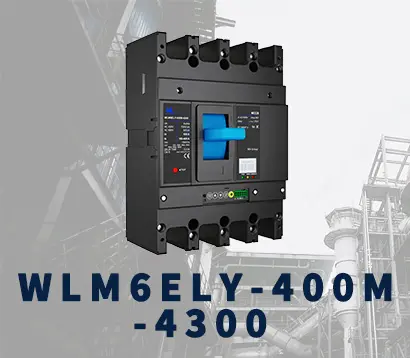 WLM6ELY-400A
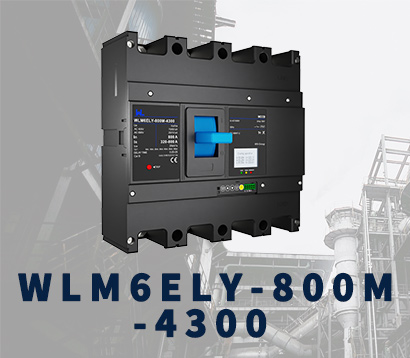 WLM6ELY-800A
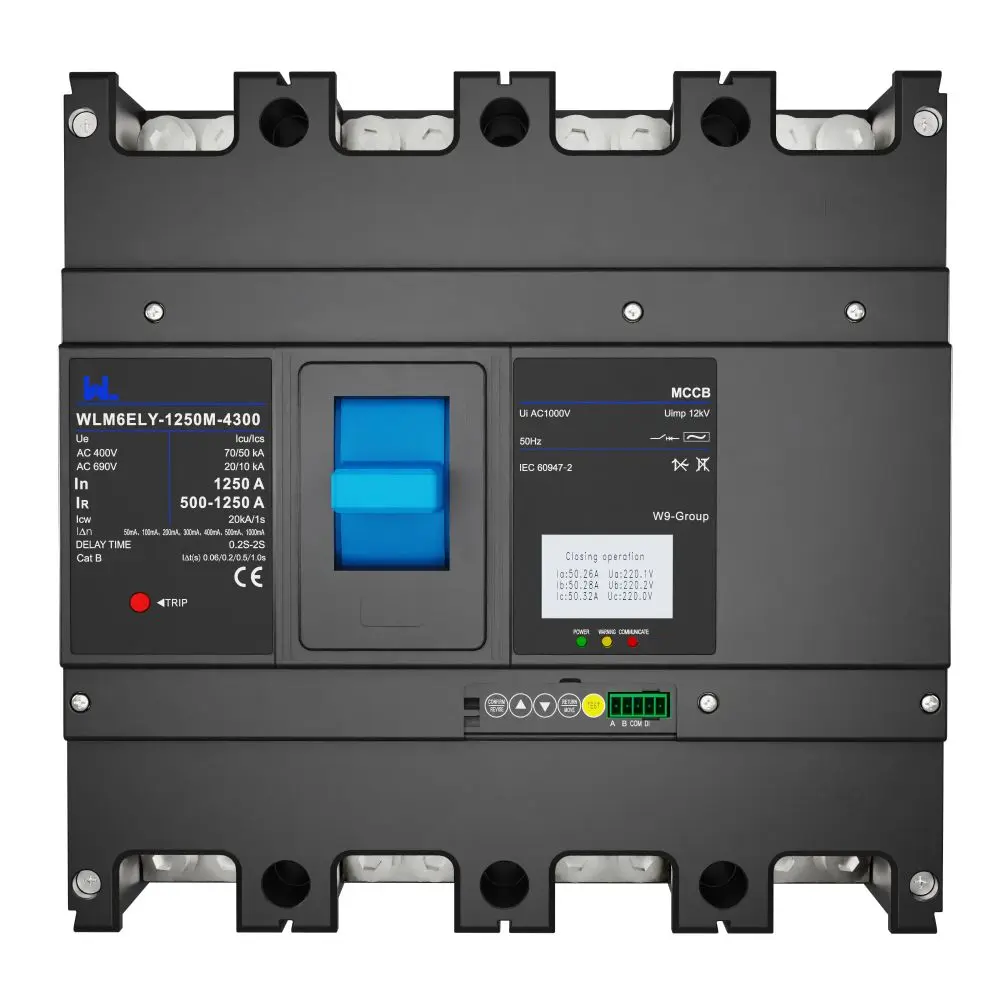 WLM6ELY-1250A
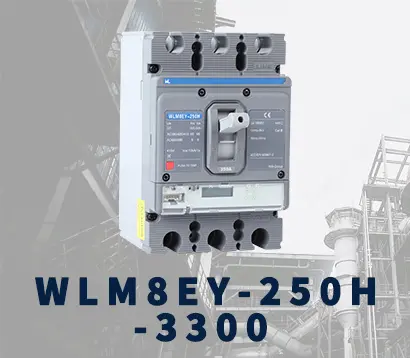 WLM8EY-250H-3300
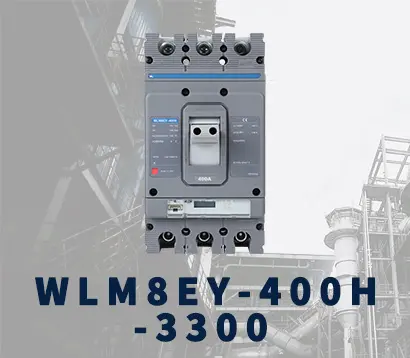 WLM8EY-400H-3300
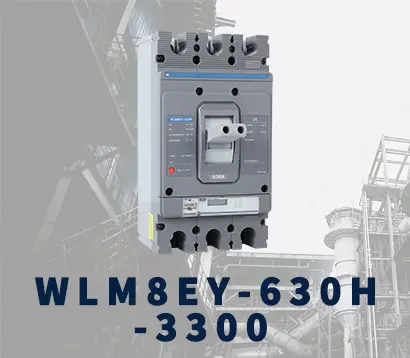 WLM8EY-630H-3300
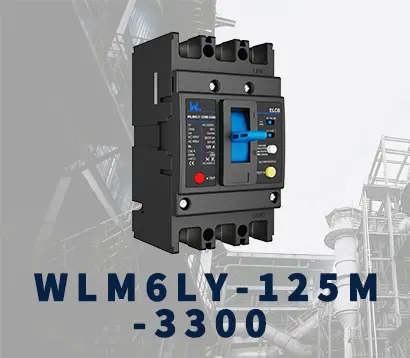 WLM6LY-125A
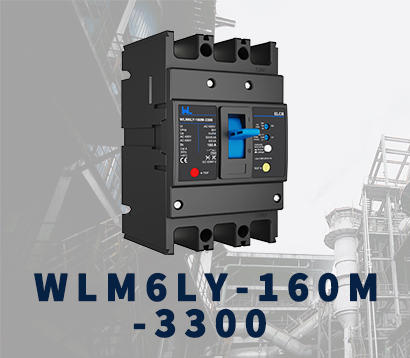 WLM6L-160A
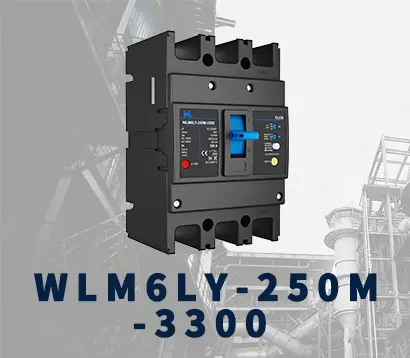 WLM6LY-250A
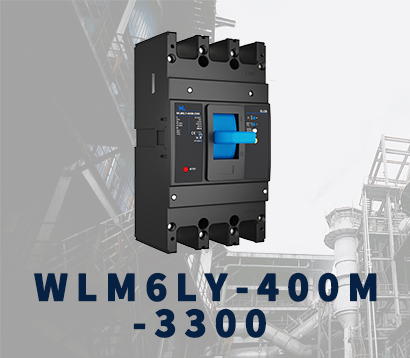 WLM6LY-400A
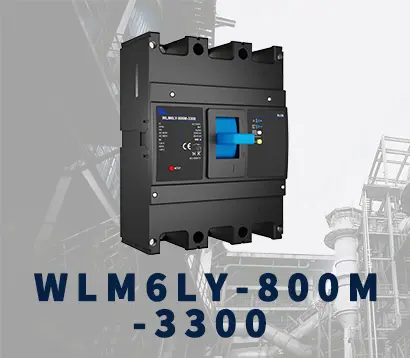 WLM6LY-800A
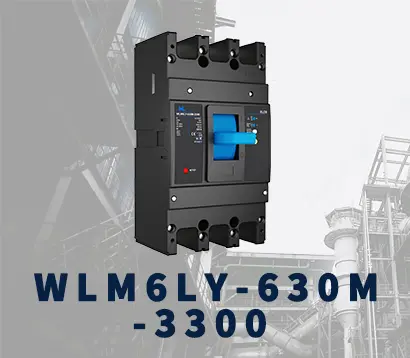 WLM6LY-630A
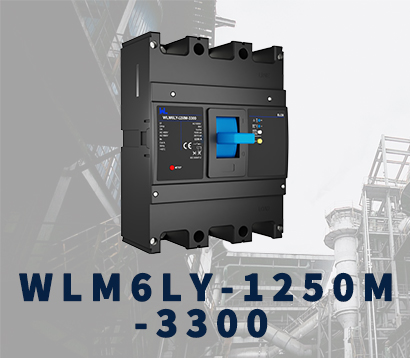 WLM6LY-1250A
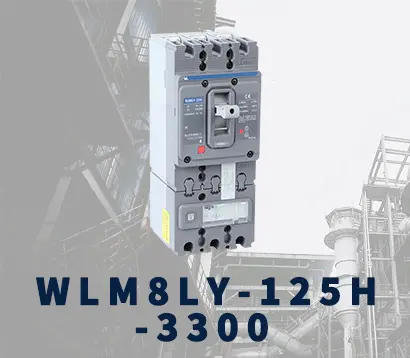 WLM8LY-125H-3300
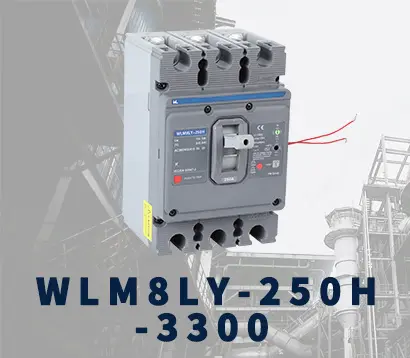 WLM8LY-250H-3300
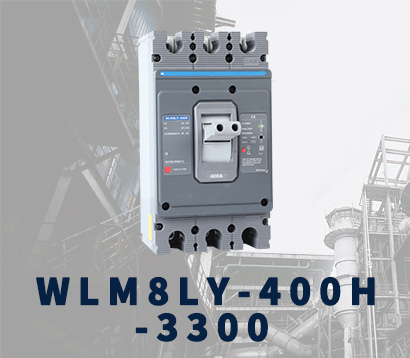 WLM8LY-400H-3300
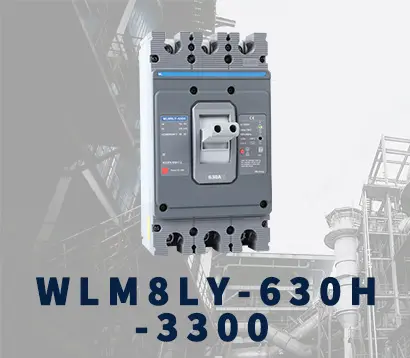 WLM8LY-630H-3300
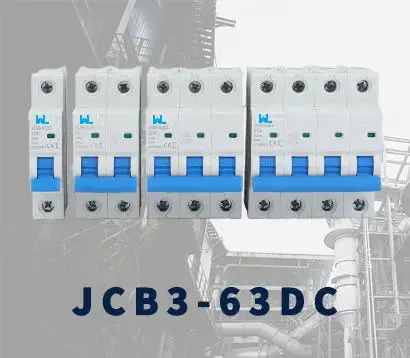 JCB3-63DC
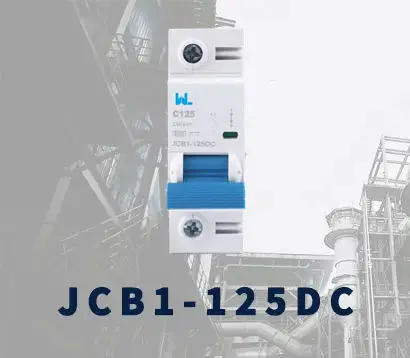 JCB1-125DC
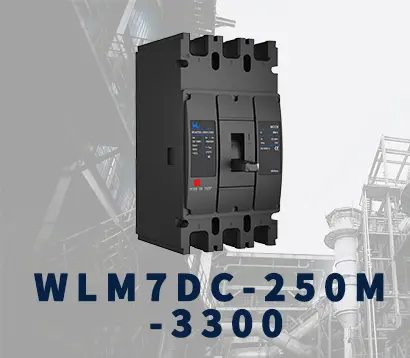 WLM7DC-250A-2300 2P/3P
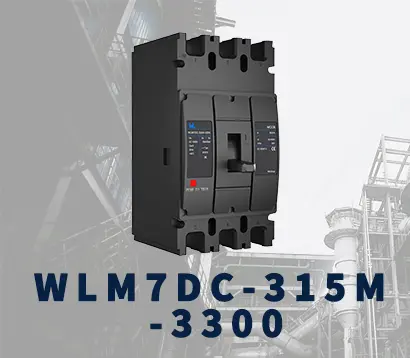 WLM7DC-315A-3300 2P/3P
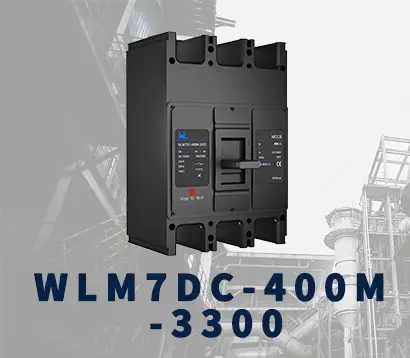 WLM7DC-400A-2300 2P/3P
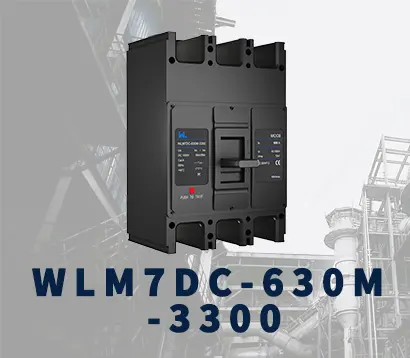 WLM7DC-630A-3300 3P
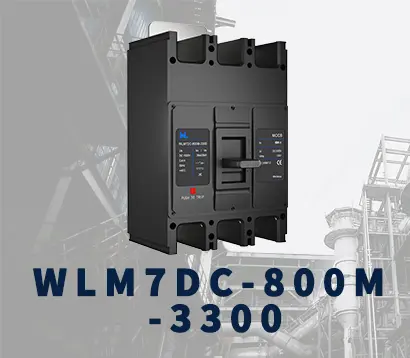 WLM7DC-800A-2300 2P/3P
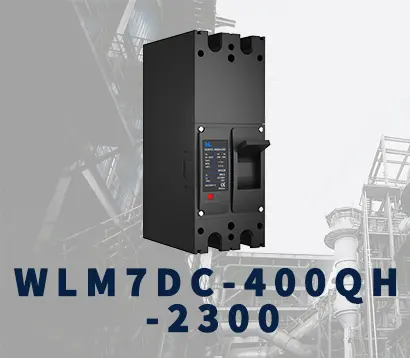 WLM7DC-400A 2300
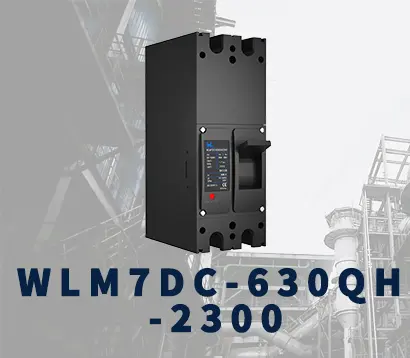 WLM7DC-630A-2300 2P
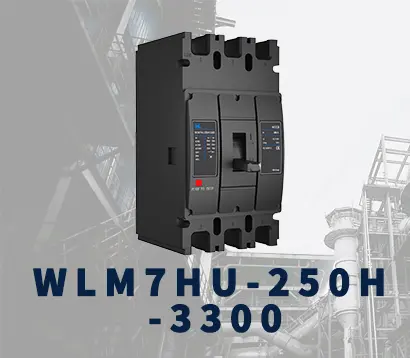 WLM7HU-250-3300 3P
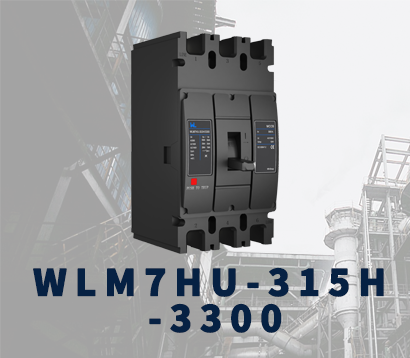 WLM7HU-315-3300 3P
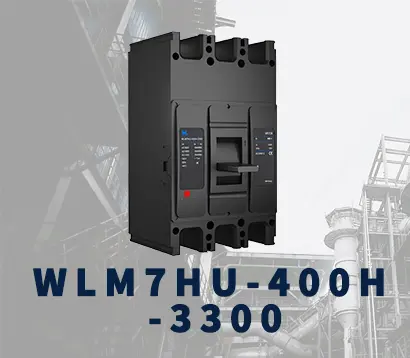 WLM7HU-400-3300 3P
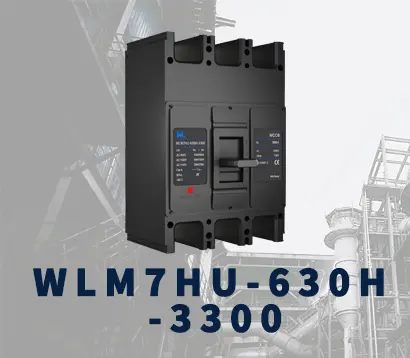 WLM7HU-630-3300 3P
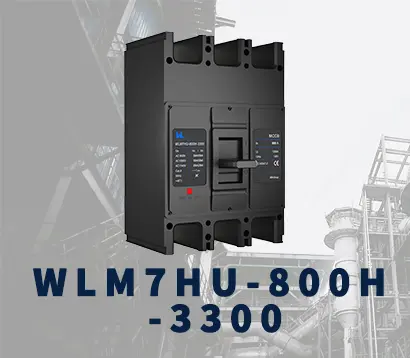 WLM7HU-800-3300 3P
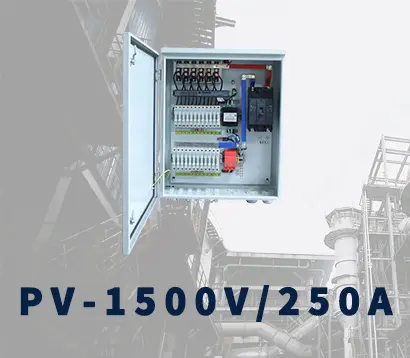 PV-1500V/250A
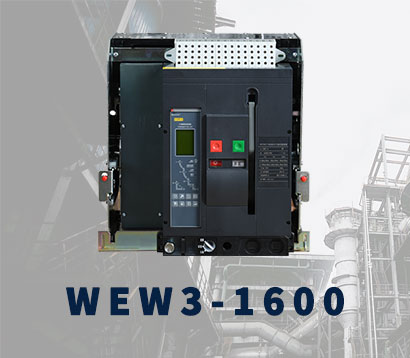 WEW3-1600
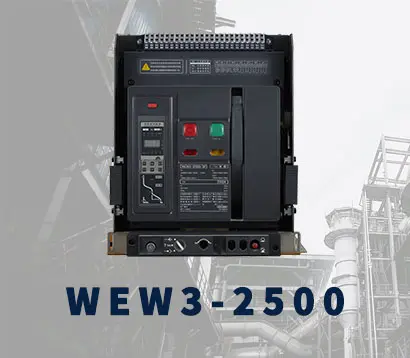 WEW3-2500
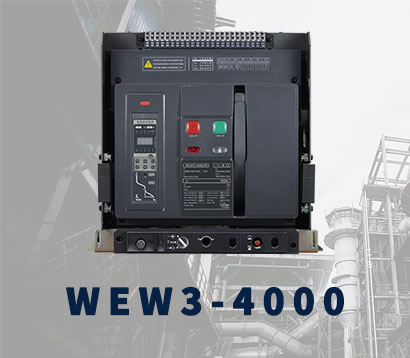 WEW3-4000
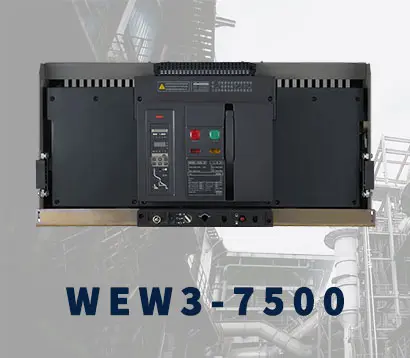 WEW3-7500