
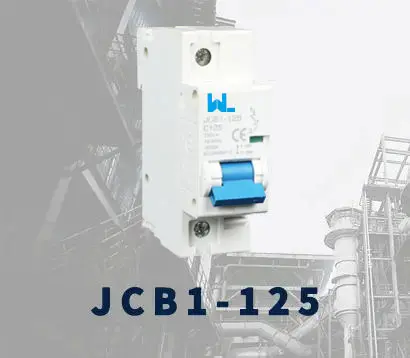
 JCB1-125
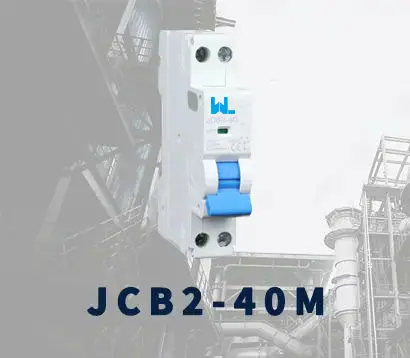 JCB2-40M
 JCB3-63DC
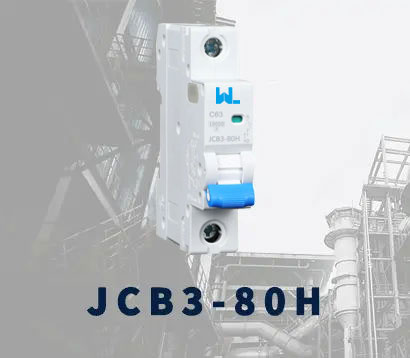 JCB3-80H
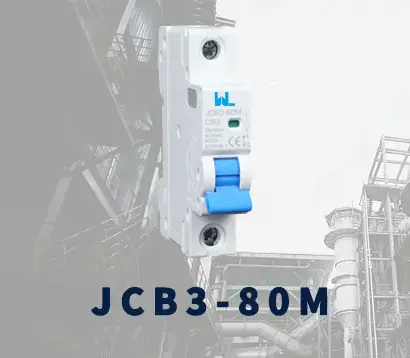 JCB3-80M
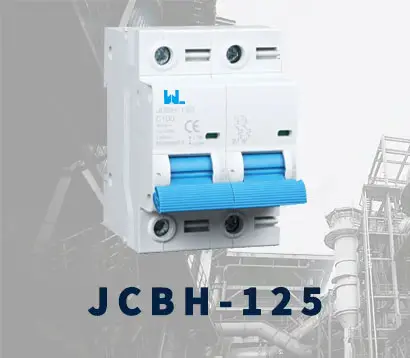 JCBH-125
 JC80-2P
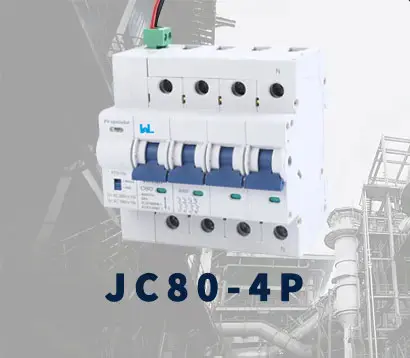 JC80-4P
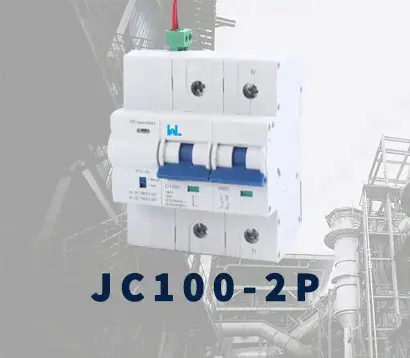 JC125-2P
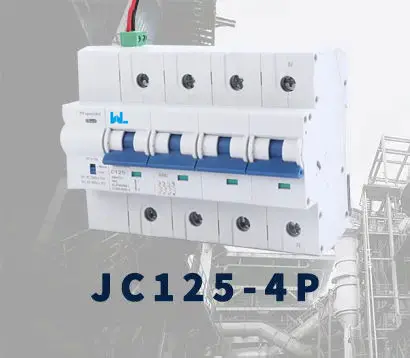 JC125-4P
 JCMX
JCMX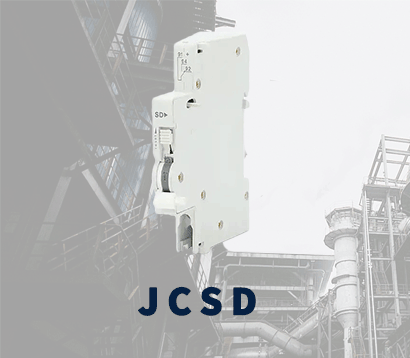 JCSD
JCSD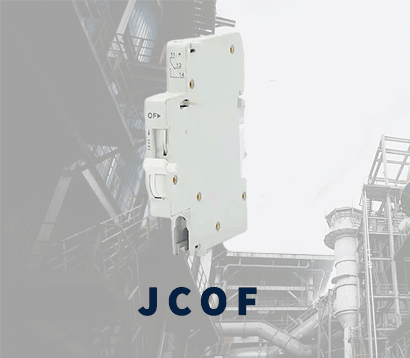 JCOF
JCOF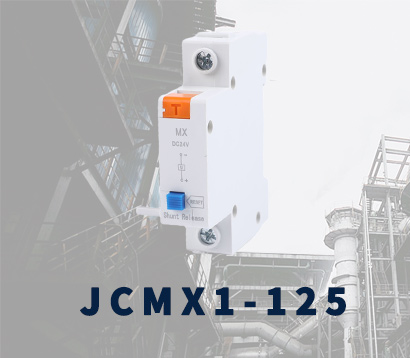 JCMX1-125
 JCOF1-125
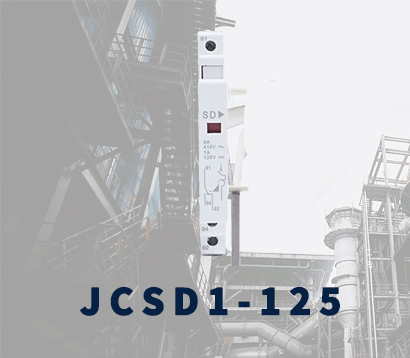 JCSD1-125
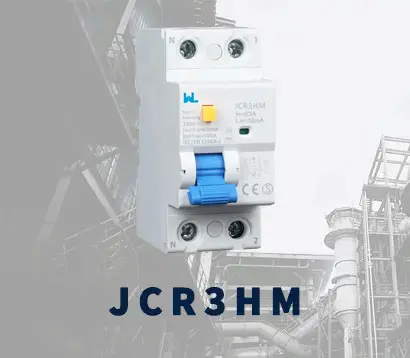 JCR3HM
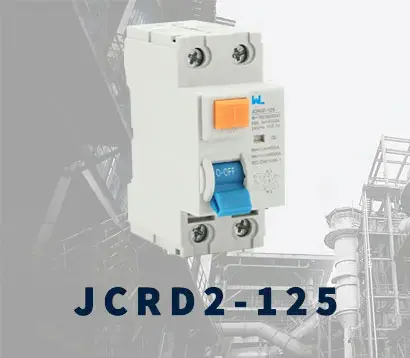 JCRD2-125
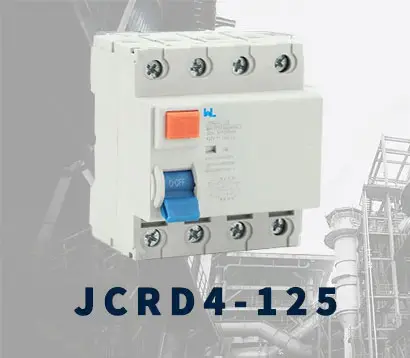 JCRD4-125
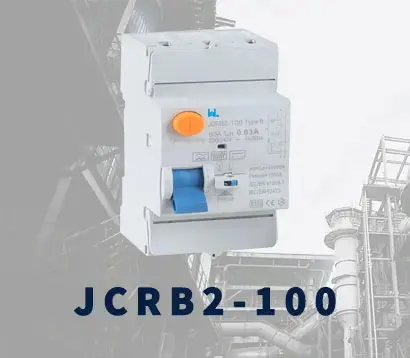 JCRB2-100
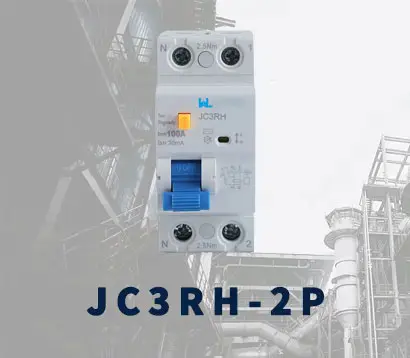 JC3RH-2P
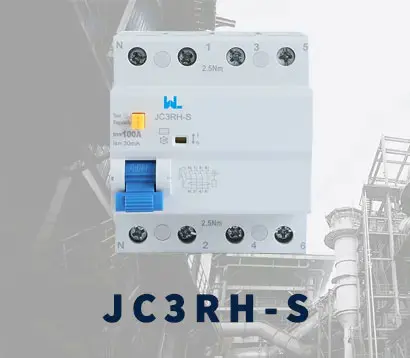 JC3RH-S
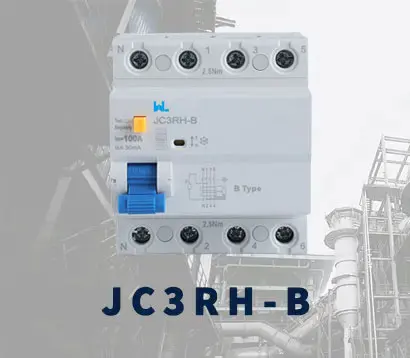 JC3RH-B
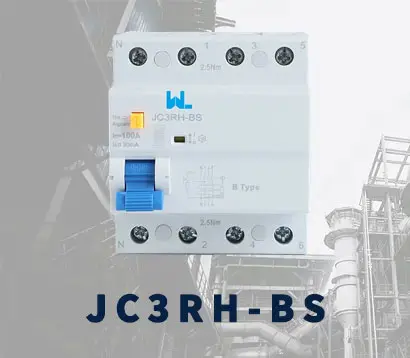 JC3RH-BS
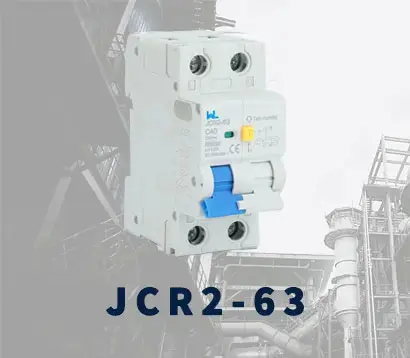 JCR2-63
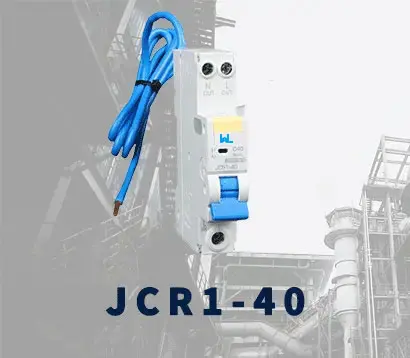 JCR1-40
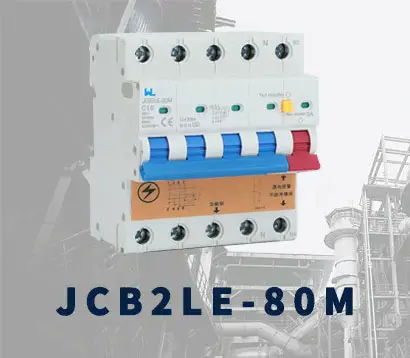 JCB2LE-80M
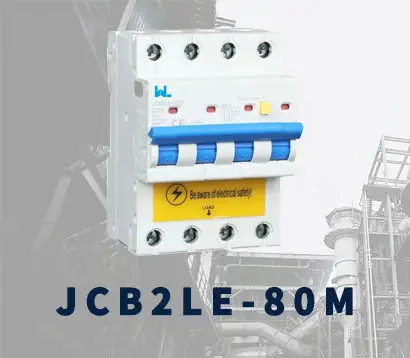 JCB2LE-80M
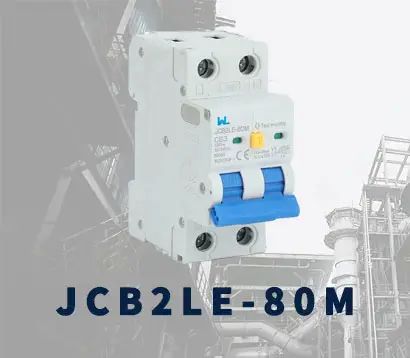 JCB2LE-80M
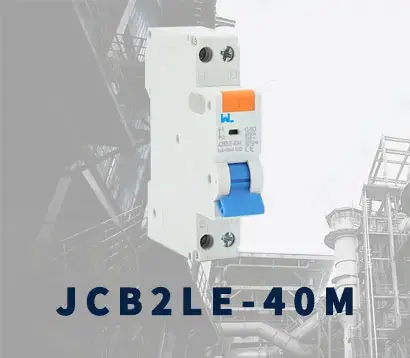 JCB2LE-40M
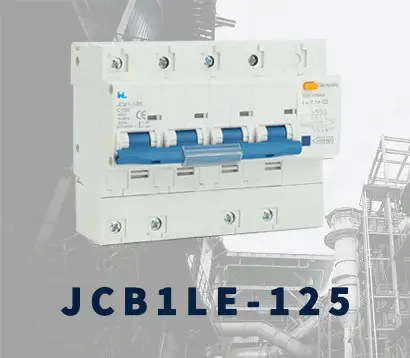 JCB1LE-125
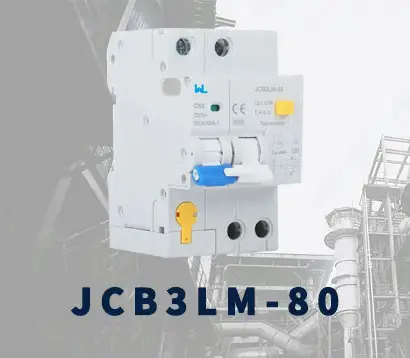 JCB3LM-80
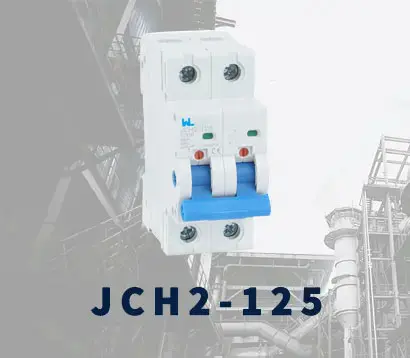 JCH2-125
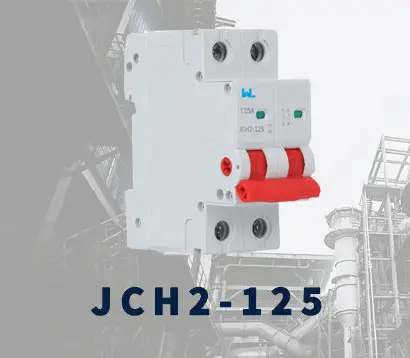 JCH2-125
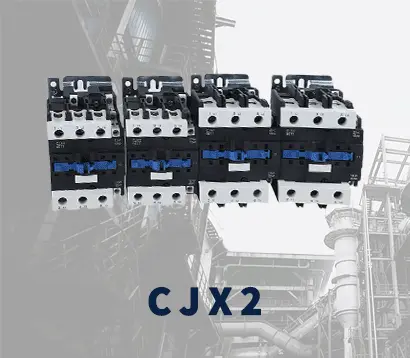 CJX2
CJX2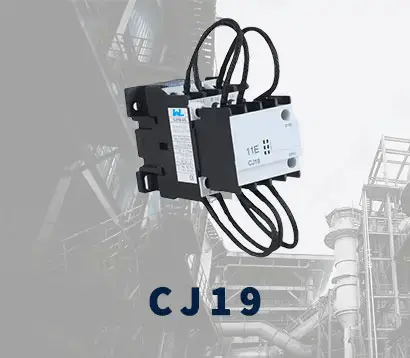 CJ19
CJ19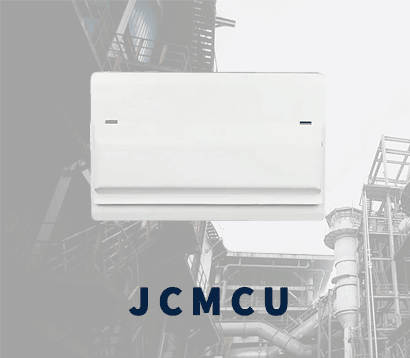 JCMCU
JCMCU JCHA
JCHA JCSD-40
 JCSD-60
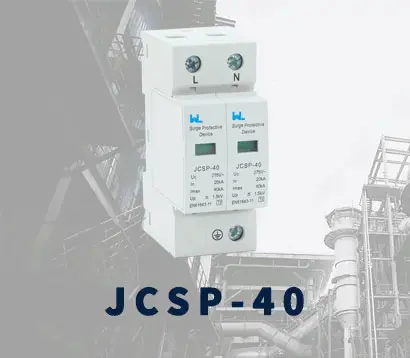 JCSP-40
 JCSP-60
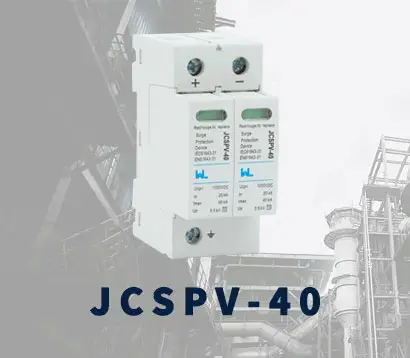 JCSPV
JCSPV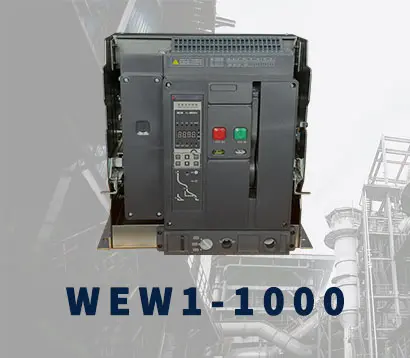 WEW1-1000
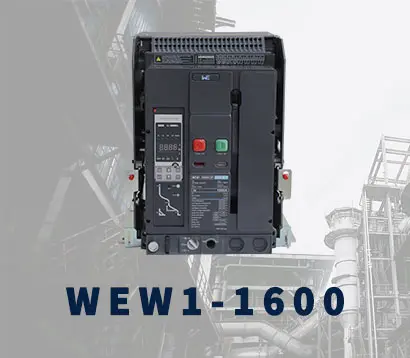 WEW1-1600
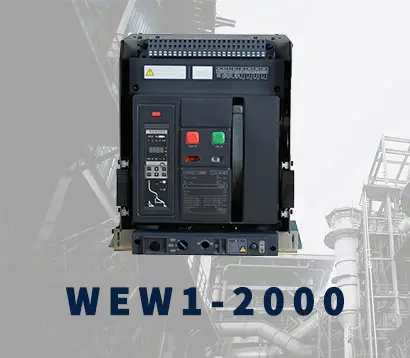 WEW1-2000
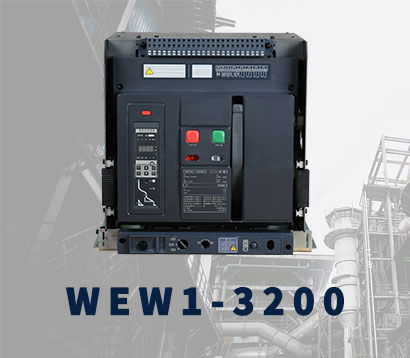 WEW1-3200
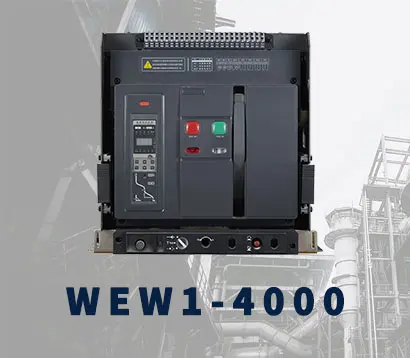 WEW1-4000
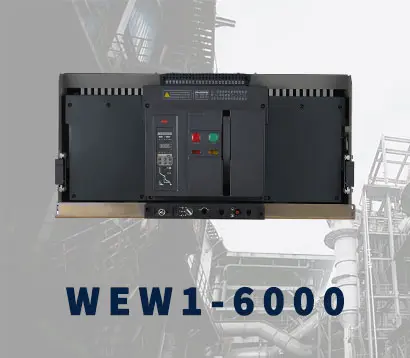 WEW1-6300
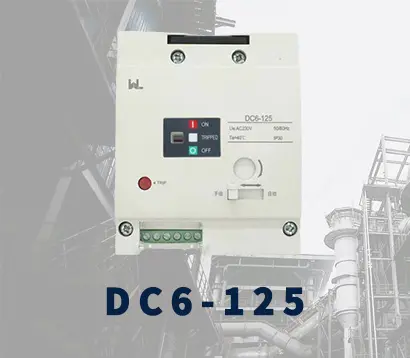 DC6-125
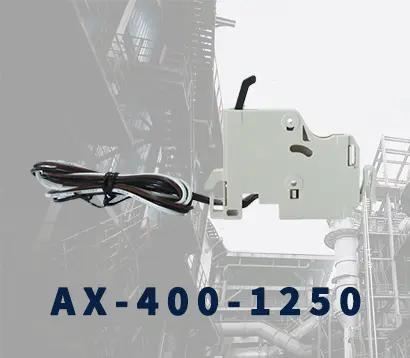 AX-400-1250
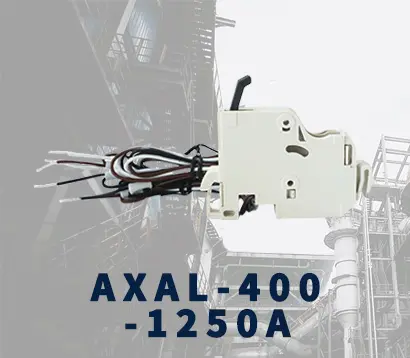 AXAL-400-1250A
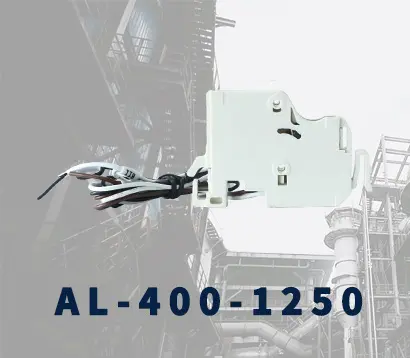 AL-400-1250
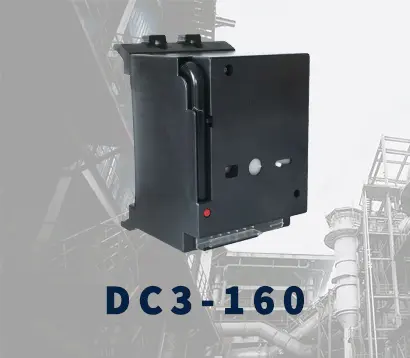 DC3-160
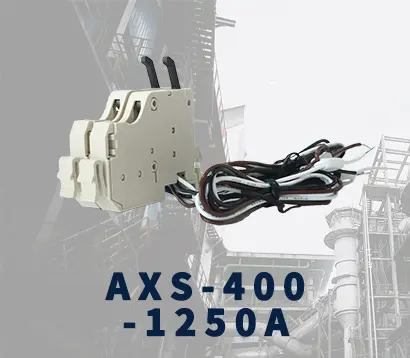 AXS-400-1250A
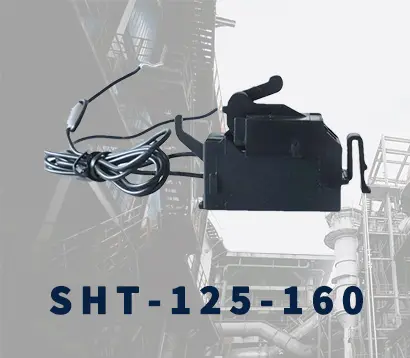 SHT-125-160
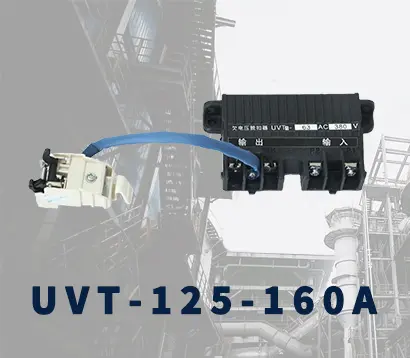 UVT-125-160A
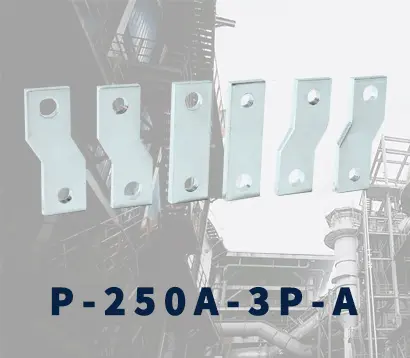 P-250A-3P-A
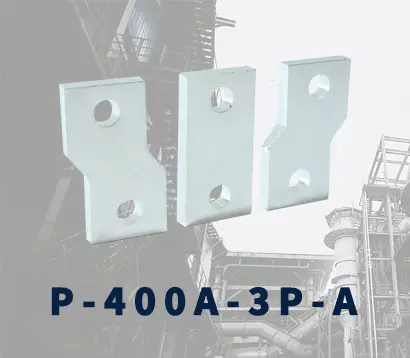 400-3P/4P terminal cover
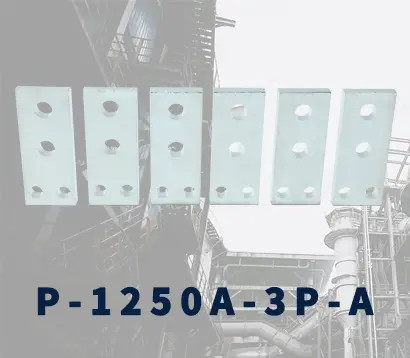 1250-3Pmccb accessories busbar
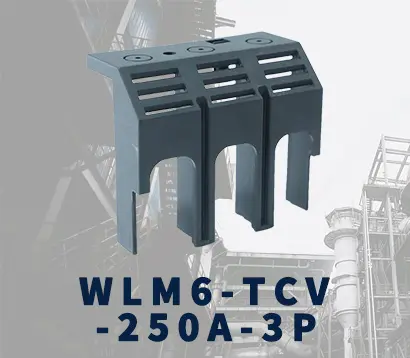 250-3P terminal conver
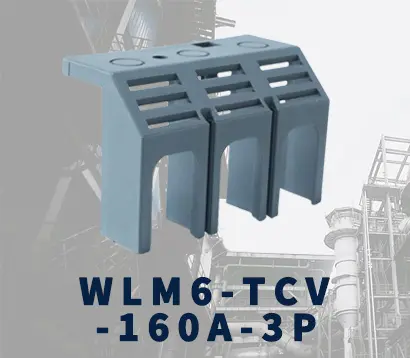 WLM6-TCV-160A-3P
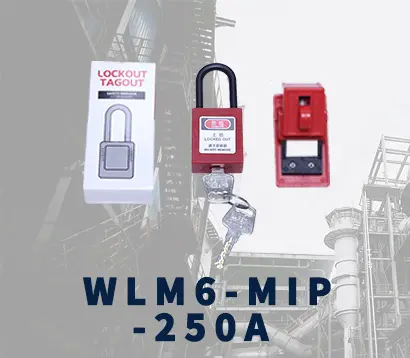 WLM6-MIP-250A
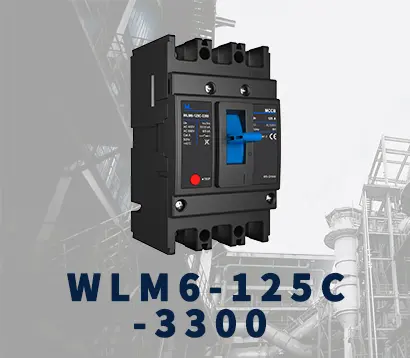 WLM6-125A-3300 3P/4P
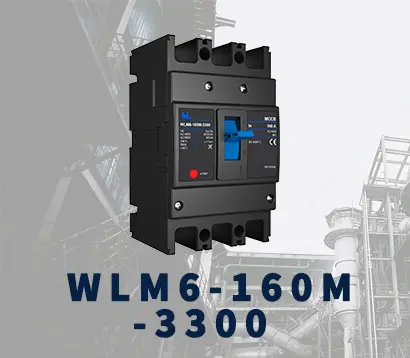 WLM6-160A-3300 3P/4P
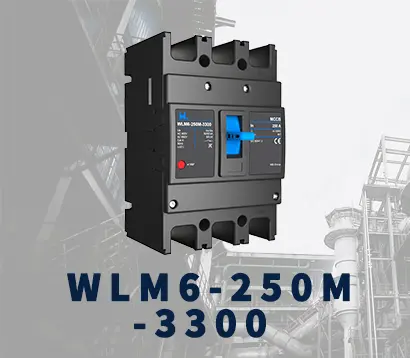 WLM6-250A-3300 3P/4P
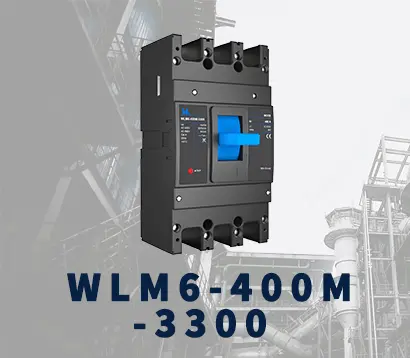 WLM6-400A-3300 3P/4P
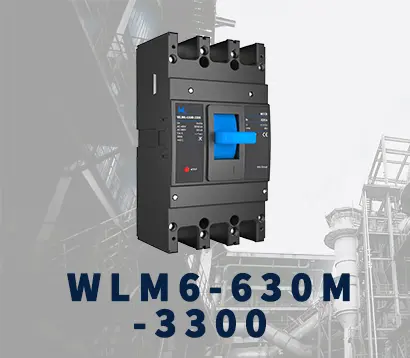 WLM6-630A-3300 3P/4P
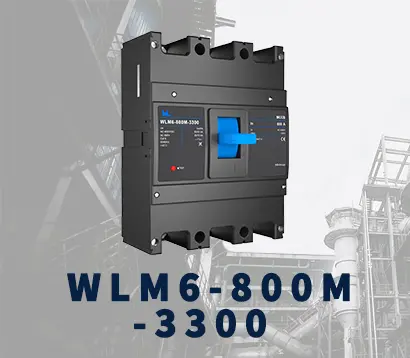 WLM6-800A-3300 3P/4P
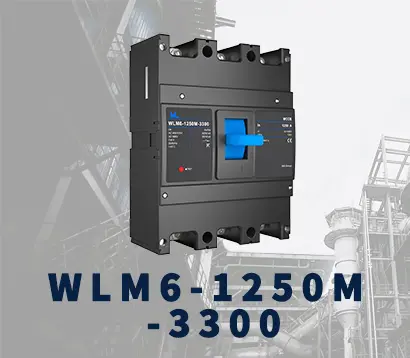 WLM6-1250A-3300 3P/4P
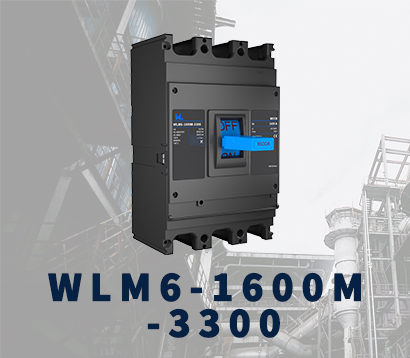 WLM6-1600A-3300 3P/4P
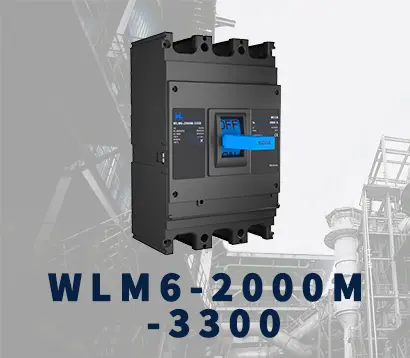 WLM6-2000A 3P/4P
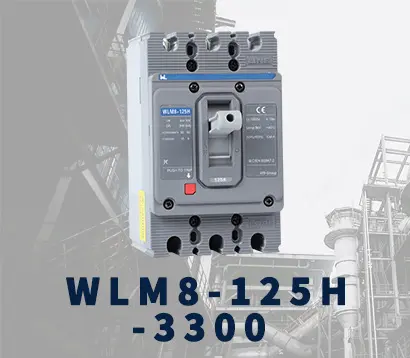 WLM8-125H-3300
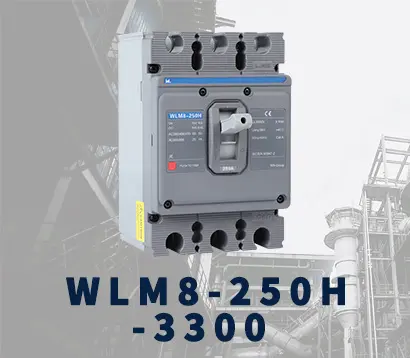 WLM8-250H-3300
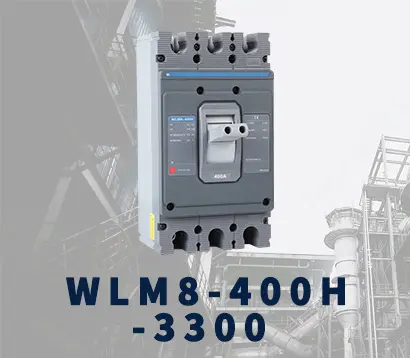 WLM8-400H-3300
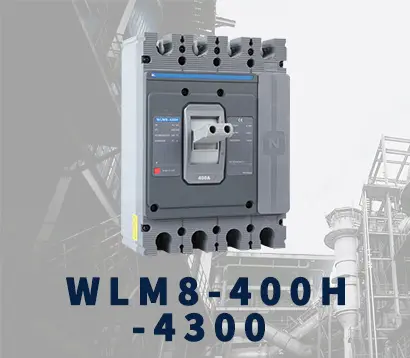 WLM8-400H-4300
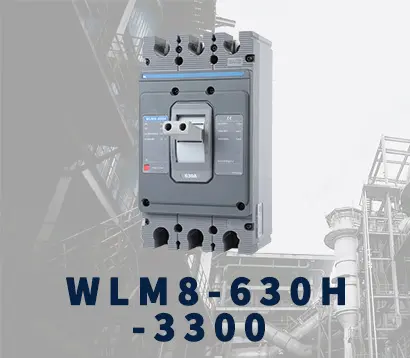 WLM8-630H-3300
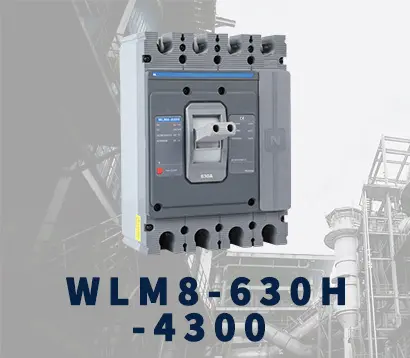 WLM8-630H-4300
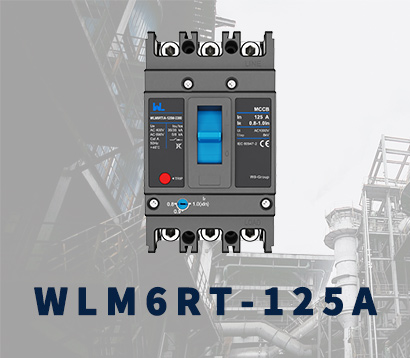 WLM6RT-125A
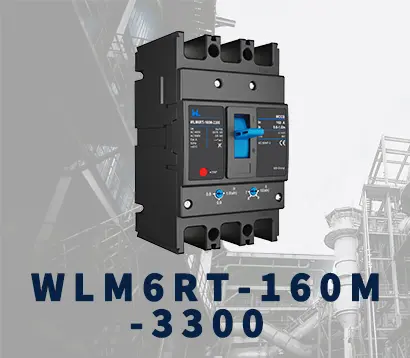 WLM6RT-160A
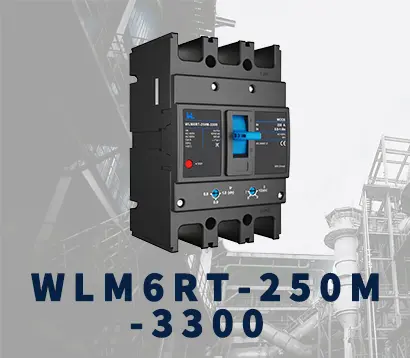 WLM6RT-250A
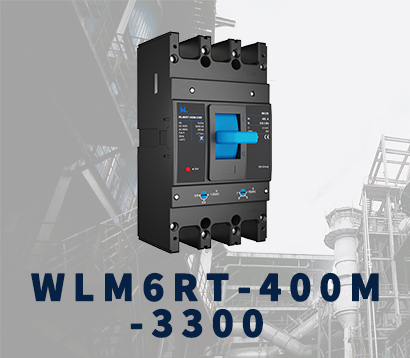 WLM6RT-400A
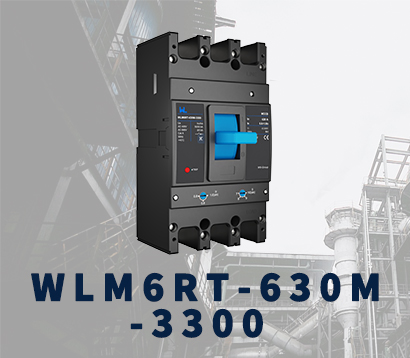 WLM6RT-630A
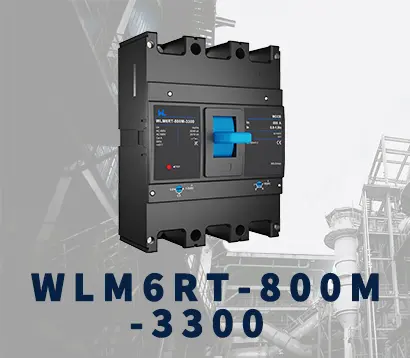 WLM6RT-800A
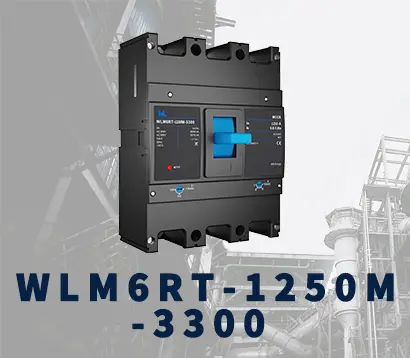 WLM6RT-1250A
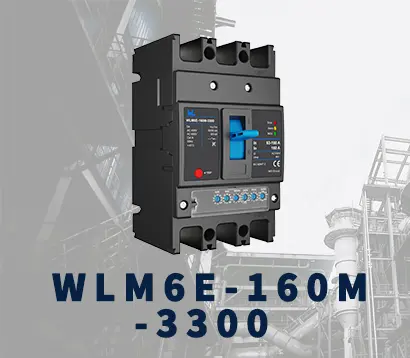 WLM6E-160A-3300 3P
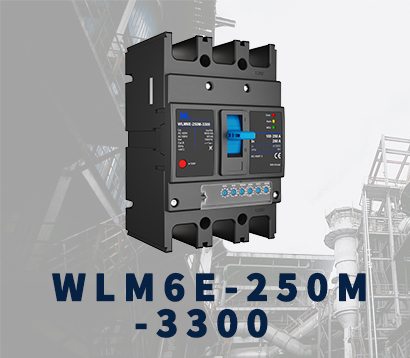 WLM6E-250A-3300
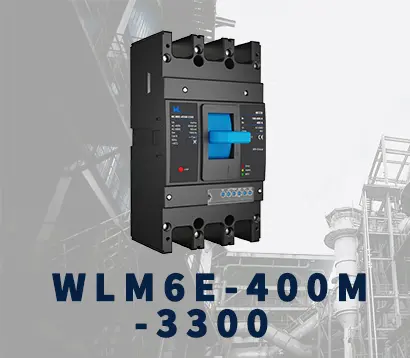 WLM6E-400A-3300 3P/4P
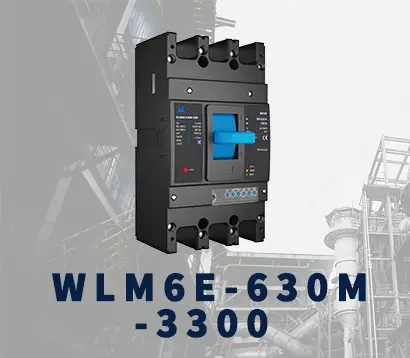 WLM6E-630A-3300
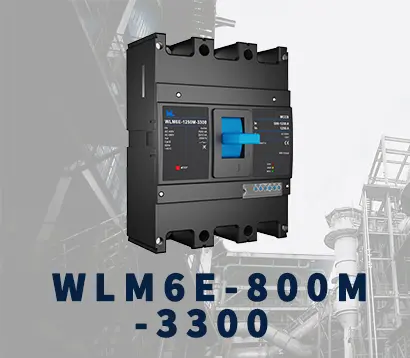 WLM6E-800A-3300 3P/4P
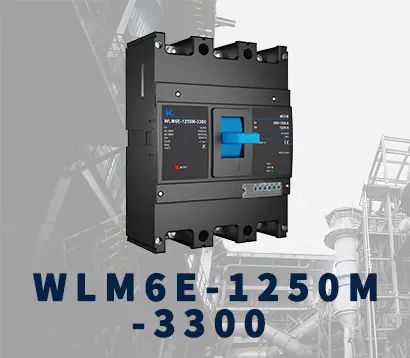 WLM6E-1250A-3300
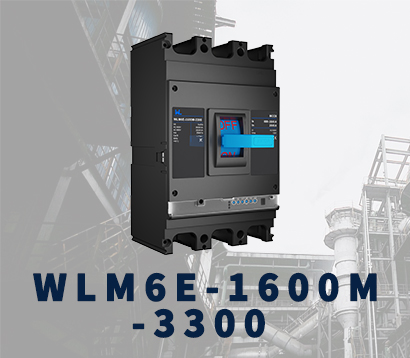 WLM6E-1600-3300 3P/4P
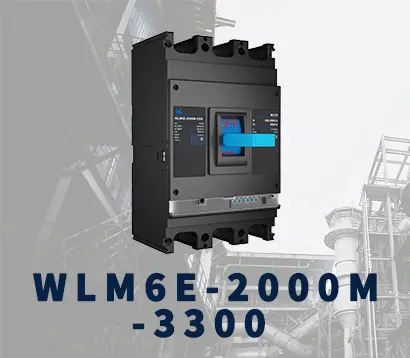 WLM6E-2000A-3300 3P/4P
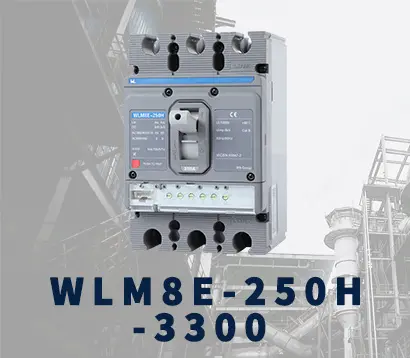 WLM8E-250H-3300
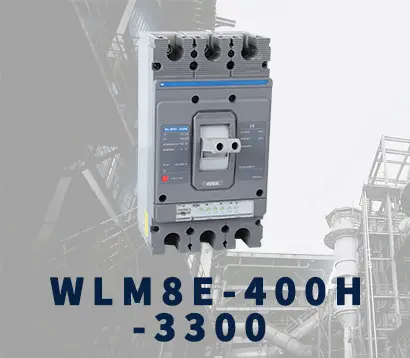 WLM8E-400H-3300
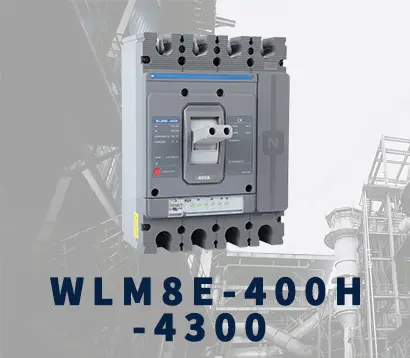 WLM8E-400H-4300
 WLM8E-630H-3300
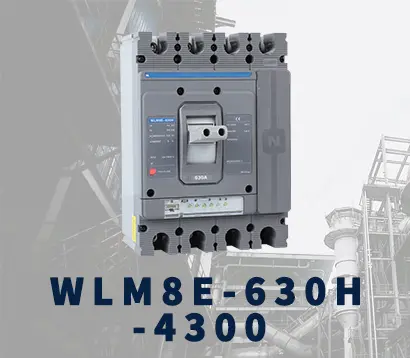 WLM8E-630H-4300
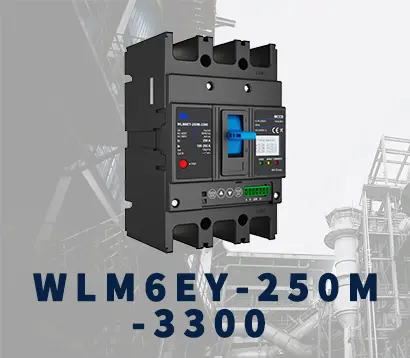 WLM6EY-250-3300 3P/4P
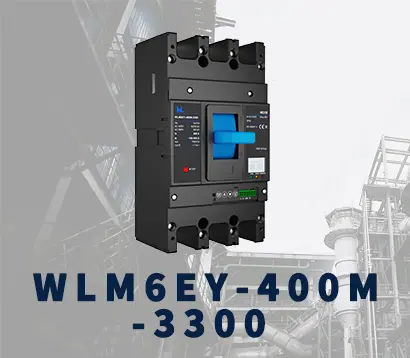 WLM6EY-400 3P/4P
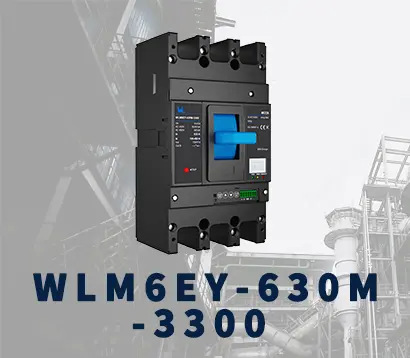 WLM6EY-630 3P/4P
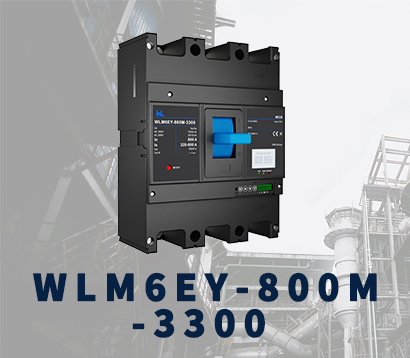 WLM6EY-800A 3P/4P
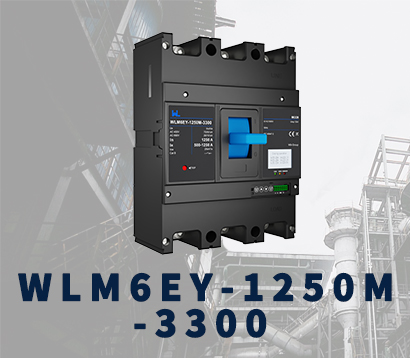 WLM6EY-1250A 3P/4P
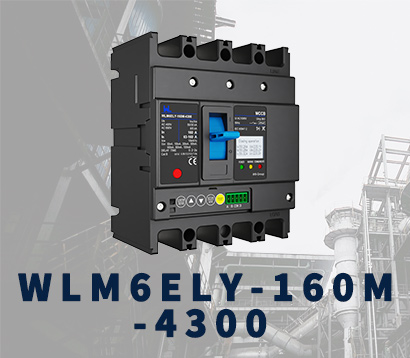 WLM6ELY-160A
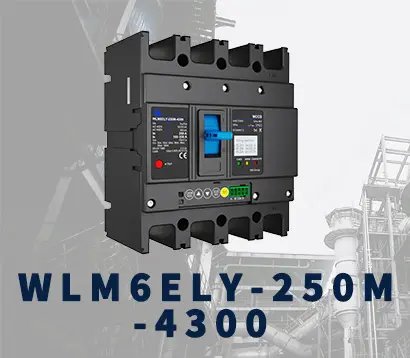 WLM6ELY-250A
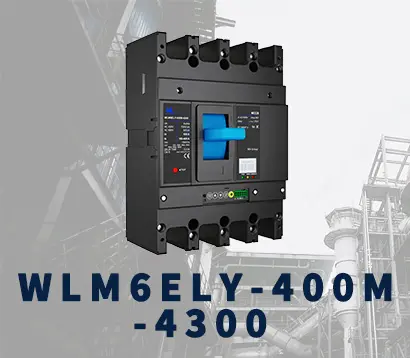 WLM6ELY-400A
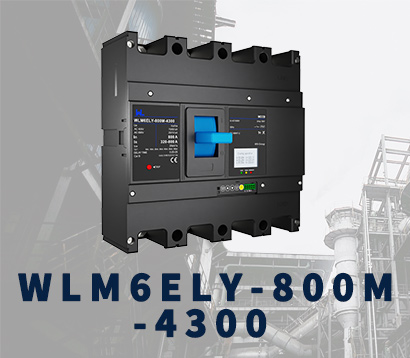 WLM6ELY-800A
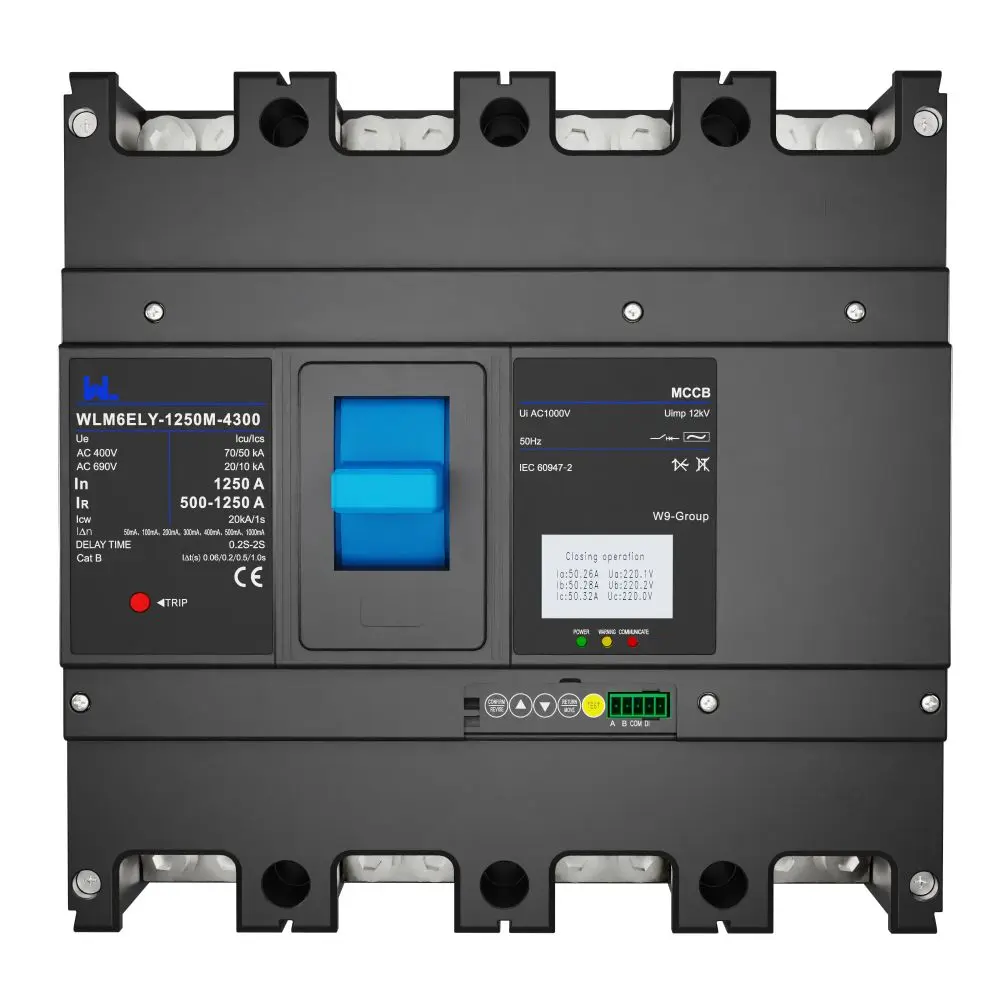 WLM6ELY-1250A
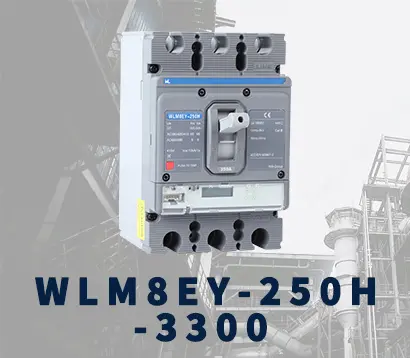 WLM8EY-250H-3300
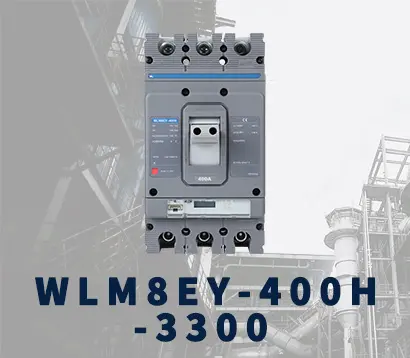 WLM8EY-400H-3300
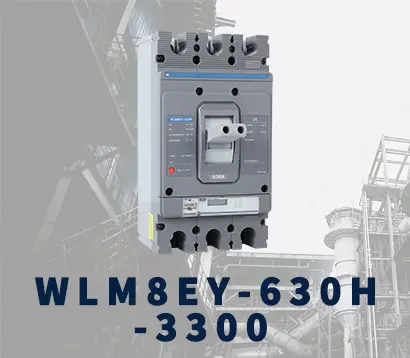 WLM8EY-630H-3300
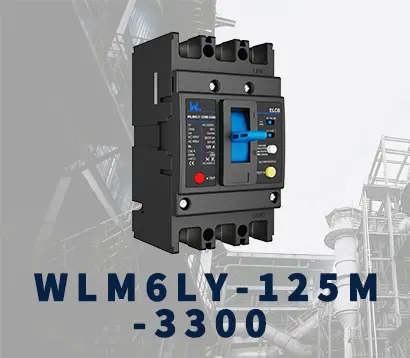 WLM6LY-125A
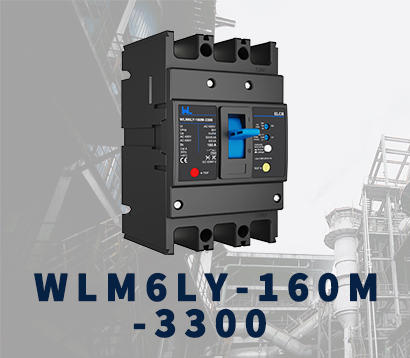 WLM6L-160A
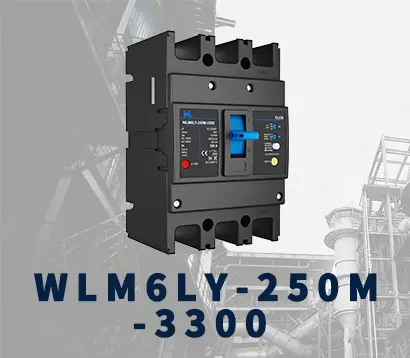 WLM6LY-250A
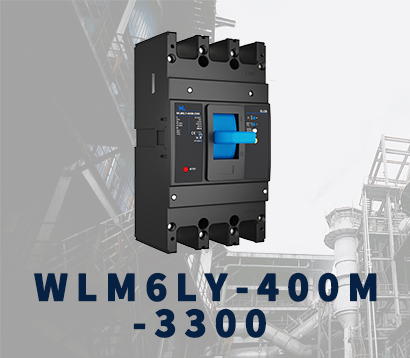 WLM6LY-400A
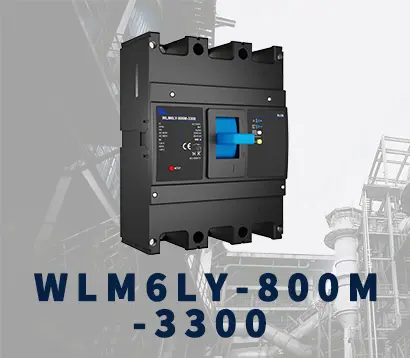 WLM6LY-800A
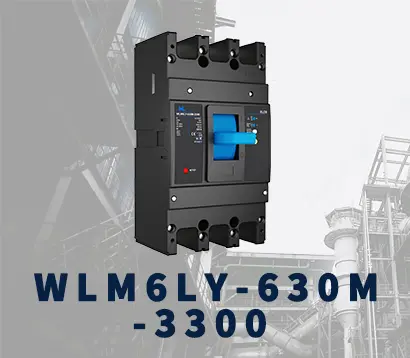 WLM6LY-630A
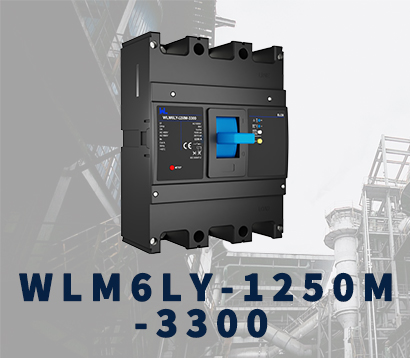 WLM6LY-1250A
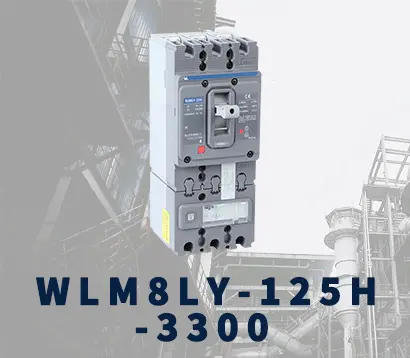 WLM8LY-125H-3300
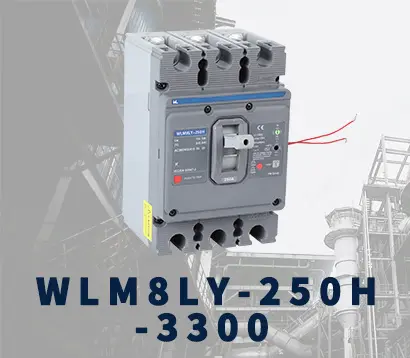 WLM8LY-250H-3300
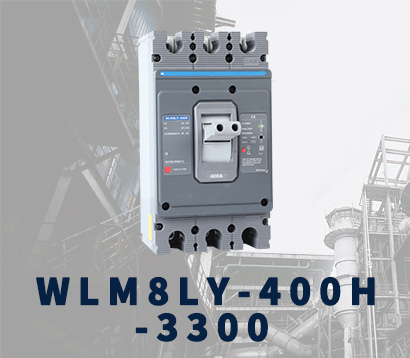 WLM8LY-400H-3300
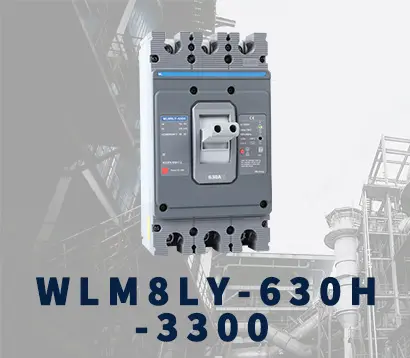 WLM8LY-630H-3300
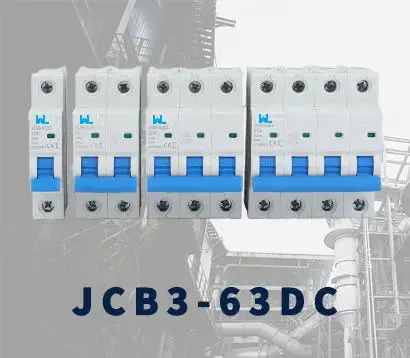 JCB3-63DC
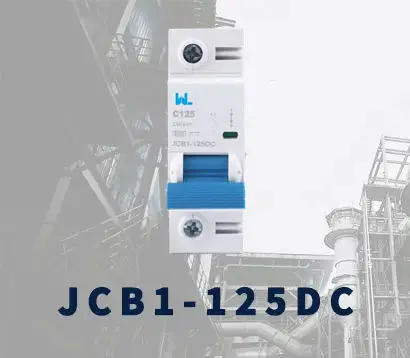 JCB1-125DC
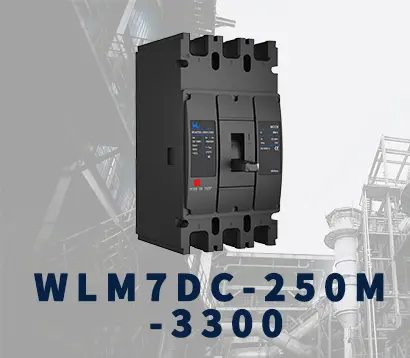 WLM7DC-250A-2300 2P/3P
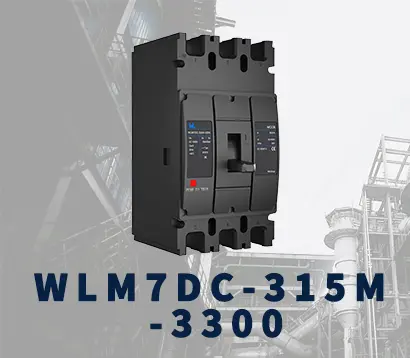 WLM7DC-315A-3300 2P/3P
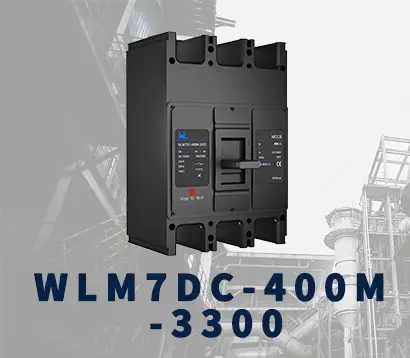 WLM7DC-400A-2300 2P/3P
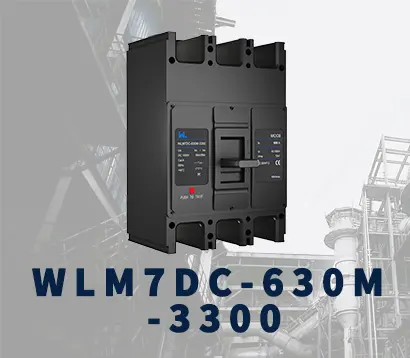 WLM7DC-630A-3300 3P
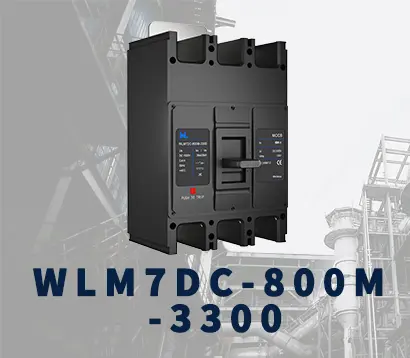 WLM7DC-800A-2300 2P/3P
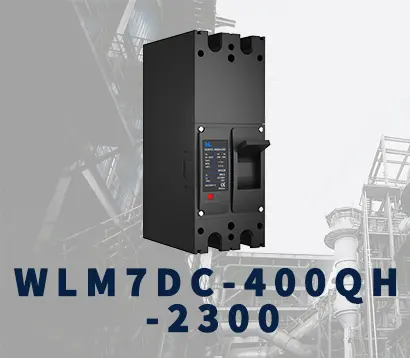 WLM7DC-400A 2300
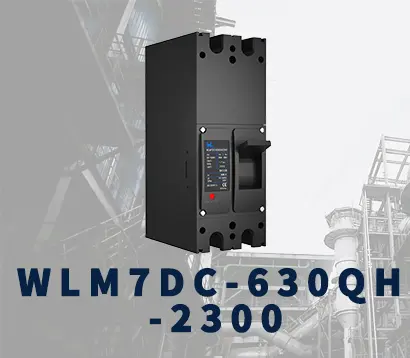 WLM7DC-630A-2300 2P
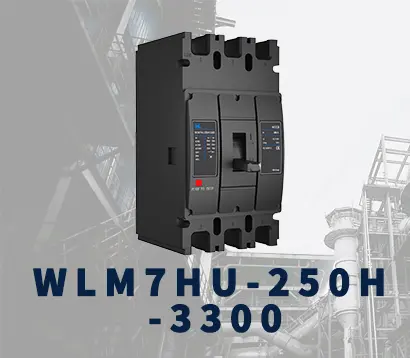 WLM7HU-250-3300 3P
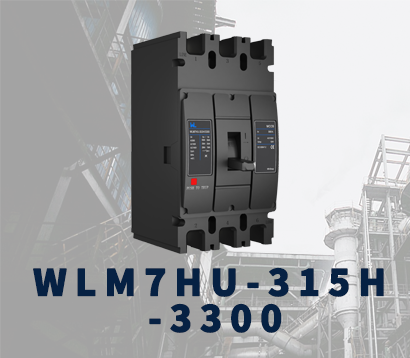 WLM7HU-315-3300 3P
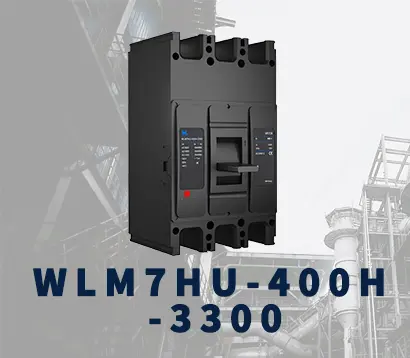 WLM7HU-400-3300 3P
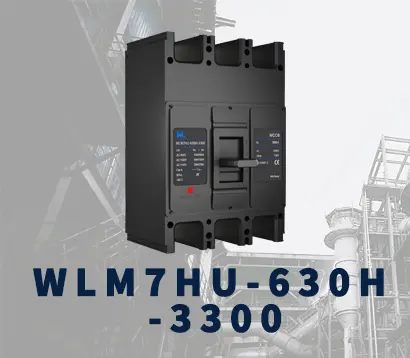 WLM7HU-630-3300 3P
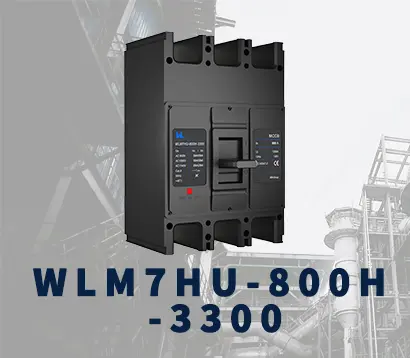 WLM7HU-800-3300 3P
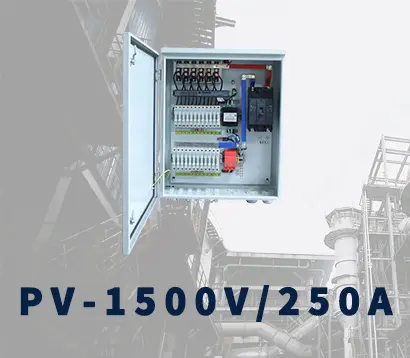 PV-1500V/250A
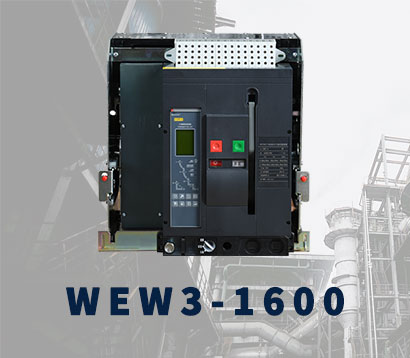 WEW3-1600
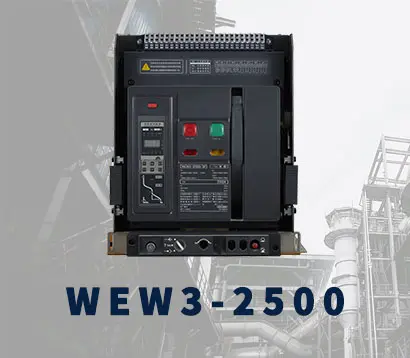 WEW3-2500
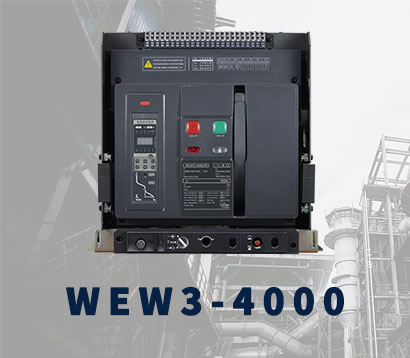 WEW3-4000
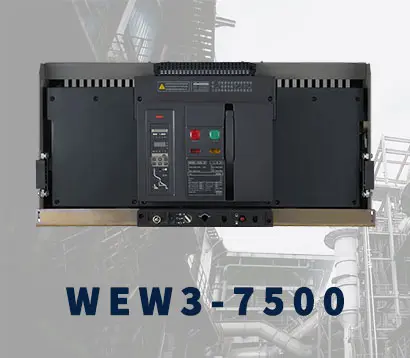 WEW3-7500





How to Choose the Right Molded Circuit Breaker for Your Needs?
Choosing the right Molded Circuit Breaker (MCB) is crucial for any electrical system. An MCB not only protects your wiring but also enhances safety in your environment. With various options available, selecting the appropriate one can feel overwhelming.
Understanding your specific needs is essential. Factors like voltage, current rating, and application type play a significant role in making the right choice. Each MCB model has unique features tailored to different tasks. For example, some are designed for residential use, while others serve industrial purposes. Therefore, identifying the primary application will guide your decision.
Quality matters when selecting a Molded Circuit Breaker. It’s important to consult reliable sources or experts to ensure you choose a trustworthy product. An unreliable breaker may lead to safety hazards or equipment failures. Reflect on your requirements and consider manufacturer reputation. Balancing price and quality is another consideration worth pondering.
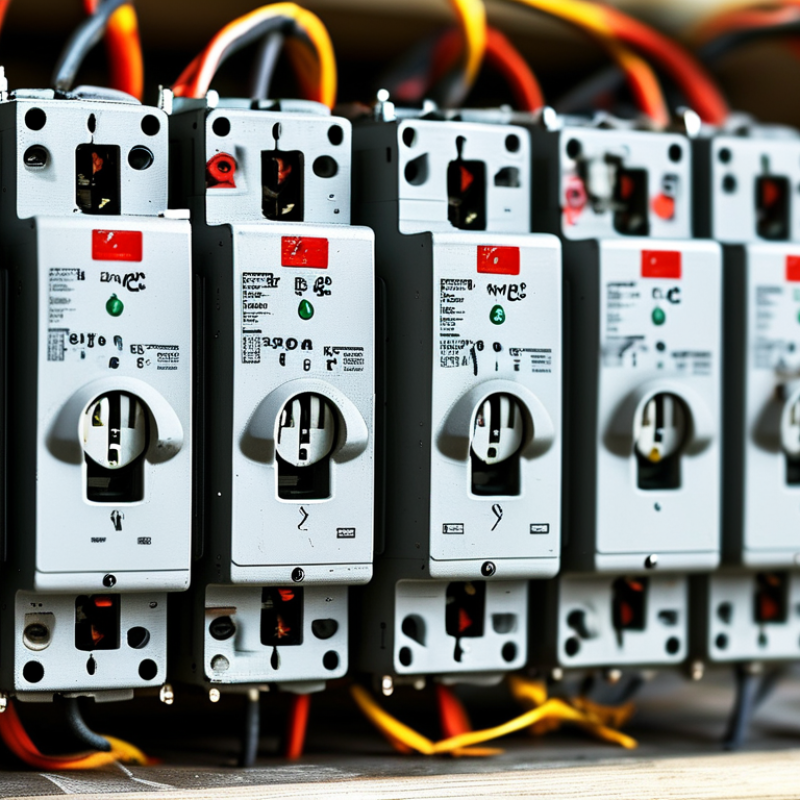
Understanding Molded Circuit Breaker Types and Applications
Molded circuit breakers (MCBs) are essential for protecting electrical circuits. They come in various types, each serving different applications. Knowing how to choose the right type can significantly enhance safety and efficiency in your projects.
Residential applications often use Type B MCBs. They are designed to handle devices with low inrush currents. For commercial or industrial settings, Type C or D MCBs are more suitable. These types can manage larger inrush currents from motors or transformers. It’s crucial to assess your specific needs before making a selection.
When selecting an MCB, consider the maximum current rating. Ensure it matches your circuit requirements. Evaluate the type of load you plan to connect. If it's inductive, opt for a type that accommodates higher inrush currents. Always check for the voltage rating, too. It should exceed your application’s operational voltage.
Check the environment where the breaker will be installed. Factors like humidity and temperature can affect performance. Lastly, review the product specifications and ratings carefully. This will help avoid mistakes that could lead to future safety risks.
Related Posts
-
Ultimate Techniques for Selecting the Best Molded Case Breaker in Today’s Market
-
What is a Molded Case Breaker and How Does it Work?
-
Exploring Unique Alternatives to the Best Low Voltage Circuit Breaker for Your Electrical Needs
-
How to Choose the Best Molded Case Breaker for Your Needs?
-
How to Choose the Best Thermal Magnetic MCCB for Your Needs?
-
Exploring Future Trends in After Sales Support and Repair Costs for Best Molded Case Breakers