Top Electrical MCCB Types Explained for Optimal Circuit Protection
In the realm of electrical engineering, the selection of appropriate circuit protection devices is critical. Electrical MCCB (Molded Case Circuit Breaker) stands out among these devices. According to a recent industry report, the global MCCB market is expected to grow by 6.5% annually, driven by rising demand for efficient power distribution.
MCCBs are integral in safeguarding electrical circuits against overloads and short circuits. Their ability to break the circuit in the event of faults protects expensive equipment and enhances safety. Notably, they are versatile, suitable for various applications, from industrial settings to residential use. However, many users overlook the importance of correctly sizing and selecting these breakers, which can lead to failures. A survey indicated that 30% of circuit failures are attributed to improper device selection.
Understanding the different types of Electrical MCCB is essential for optimal circuit protection. Each type serves unique functions, offering distinct advantages and disadvantages. Recognizing these subtleties can improve decision-making in electrical installations. Manufacturers vary in quality, which further complicates selection. Therefore, careful analysis of specifications is necessary to ensure reliability and performance in electrical systems.
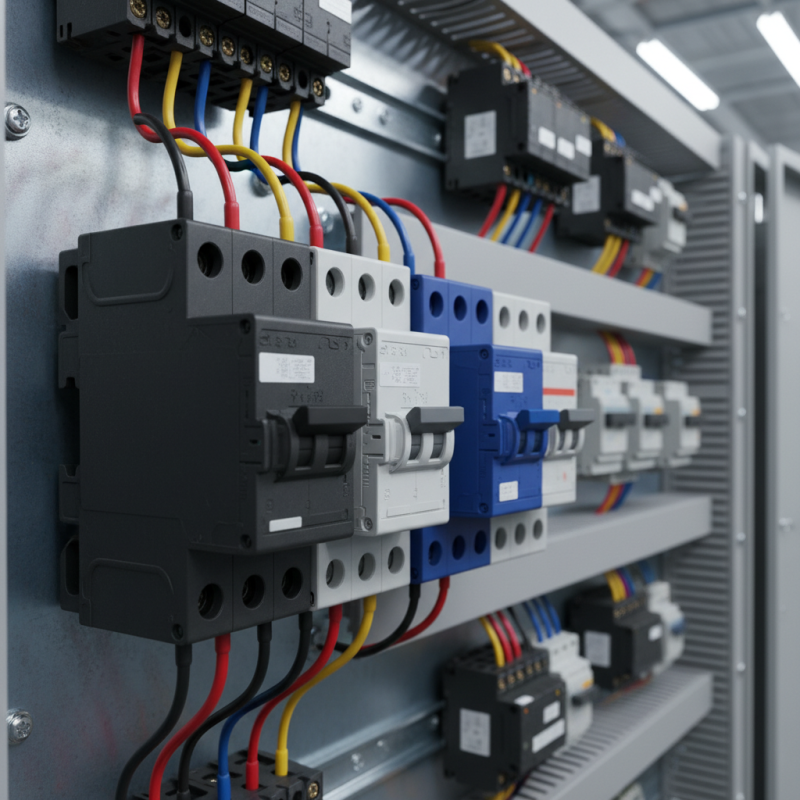
Types of MCCBs: Understanding Their Functions and Applications
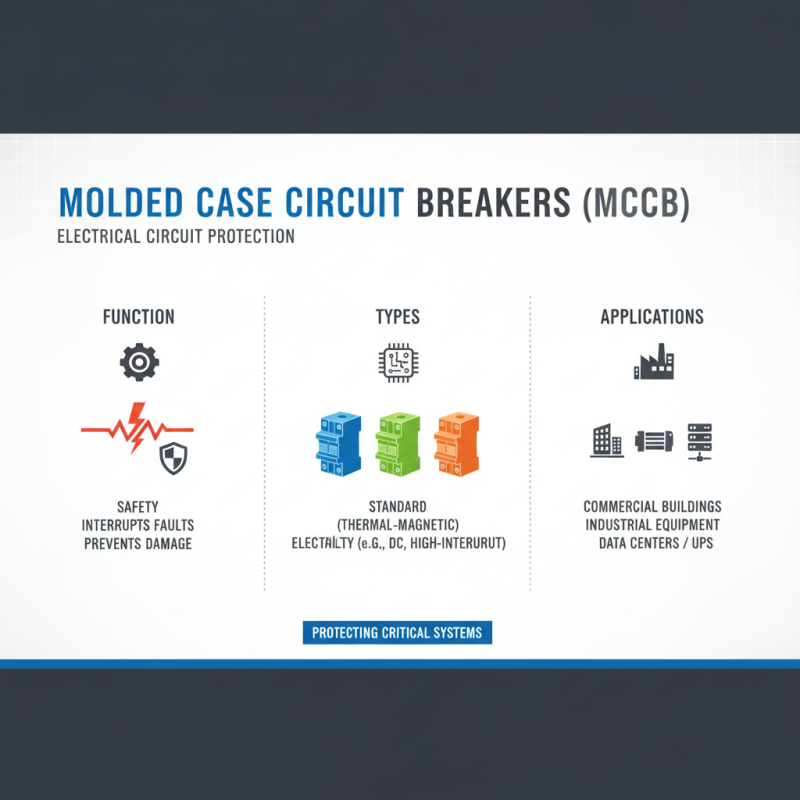
Molded Case Circuit Breakers (MCCBs) are crucial for protecting electrical circuits. They provide safety by interrupting the flow of electricity during faults. Each type of MCCB serves a specific function, making it essential to understand their applications.
One common type is the thermal magnetic MCCB. This device combines thermal and magnetic protection. It responds to overloads with heat and reacts swiftly to short circuits. Another type is the electronic MCCB. It offers advanced features, including adjustable settings. It is ideal for modern applications requiring precise control.
MCCBs also vary in their current ratings. It's vital to choose the right rating for your application. Oversized breakers may not trip during faults, while undersized ones can fail, causing damage. Not all MCCBs work the same in every situation. It's a challenge to know which one is optimal for specific needs. Understanding how each type functions can prevent costly mistakes and enhance circuit reliability.
Key Features of MCCBs for Reliable Circuit Protection
MCCBs, or Molded Case Circuit Breakers, are essential for protecting electrical circuits. They come with various key features that ensure reliability. One main function is to detect overloads and short circuits. This ability prevents damage to equipment and wiring.
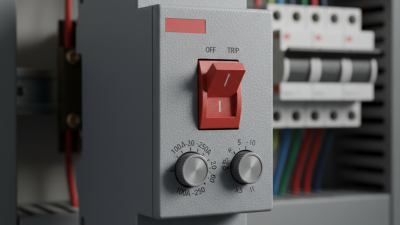
In addition, MCCBs often feature adjustable trip settings. This allows for customization based on the specific needs of a circuit. Careful calibration can enhance protection. However, improper settings can lead to unnecessary tripping, causing frustration. Regularly review settings to ensure optimal performance.
Another benefit of MCCBs is their ability to provide comprehensive protection. They can guard against a variety of electrical faults. Knowing when to replace an MCCB is crucial. Signs of wear can include frequent tripping or visible damage. Regular inspections can help identify issues before they escalate.
Tips: Ensure your MCCB is rated correctly for your application. Regular maintenance checks can prevent unexpected failures. Don't hesitate to consult a professional for complex problems.
Top Electrical MCCB Types Explained for Optimal Circuit Protection
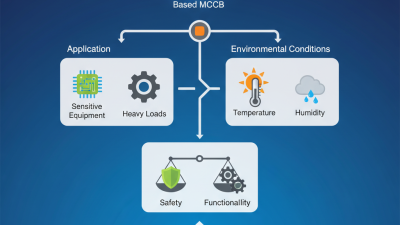
This chart illustrates the key features and performance ratings of different types of Molded Case Circuit Breakers (MCCBs) for reliable circuit protection. The data showcases common MCCB types and their respective Interrupting Ratings (IR) and Frame Sizes (FS).
Comparison of MCCB Ratings and Specifications
When choosing the right Molded Case Circuit Breaker (MCCB), understanding ratings and specifications is crucial. MCCBs are rated based on their current capacity, which is typically expressed in amperes. Common ratings include 100A, 250A, and 630A. Selecting the appropriate rating ensures that the circuit can handle expected loads without tripping unnecessarily. Based on industry reports, improper sizing can lead to increased maintenance costs by up to 15%.
Different specifications impact performance too. For instance, interrupting capacity refers to the maximum fault current that an MCCB can safely interrupt. This characteristic is vital in preventing equipment damage during short circuits. A report from a leading electrical safety organization emphasizes choosing an MCCB with a higher interrupting capacity than your system's calculated fault current.
Tips: Always evaluate environmental conditions. Extreme temperatures can affect performance. Regular testing is recommended to ensure reliability. Don't overlook documentation. Specifications might be confusing at times; clarify any doubts before finalizing your choice. This meticulous approach will lead to optimal circuit protection and performance.
Top Electrical MCCB Types Explained for Optimal Circuit Protection
| MCCB Type |
Rated Current (A) |
Breaking Capacity (kA) |
Voltage Rating (V) |
Application |
| Standard MCCB |
16 - 250 |
10 - 36 |
240 / 415 |
General-purpose |
| Earth Leakage MCCB |
16 - 630 |
10 - 50 |
240 / 415 |
Protection against earth faults |
| Adjustable MCCB |
50 - 800 |
15 - 100 |
240 / 690 |
Industrial applications |
| Miniature MCCB |
6 - 63 |
3 - 10 |
230 |
Residential & light commercial |
| Thermal Magnetic MCCB |
20 - 400 |
6 - 25 |
240 / 480 |
Motor protection |
Installation Considerations for MCCB in Electrical Systems
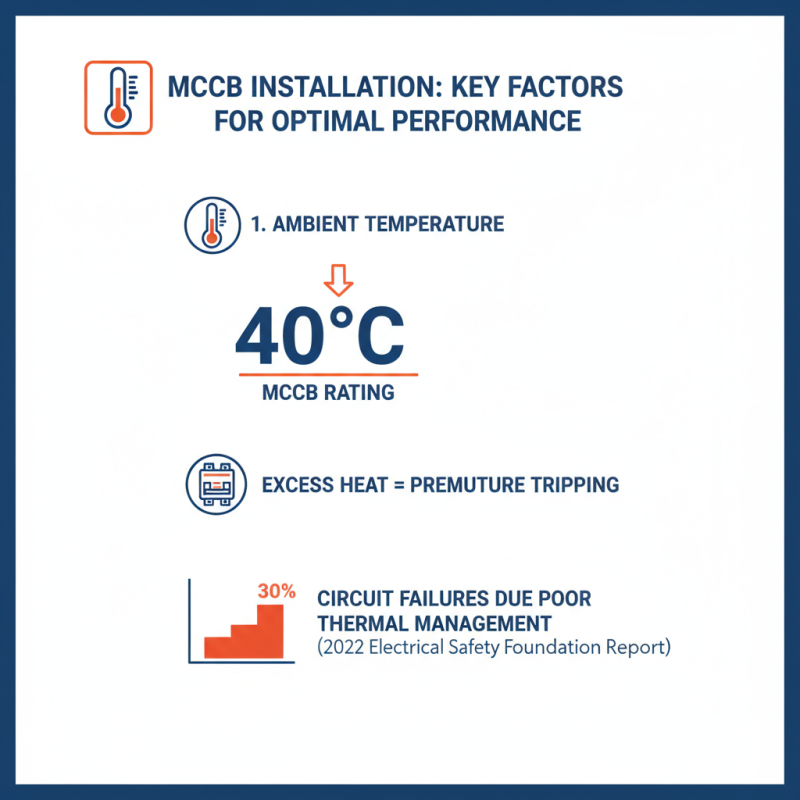
When considering MCCB installation, several factors must be taken into account to ensure optimal performance. First, the ambient temperature plays a crucial role in the operation of the circuit breaker. For instance, MCCBs are generally rated for 40°C. Exceeding this limit can lead to premature tripping. According to a 2022 report by the Electrical Safety Foundation, nearly 30% of circuit failures are attributed to poor thermal management.
The physical space available for installation also matters. Adequate clearance around the MCCB ensures proper airflow. Restricted airflow can trap heat and reduce reliability. It is essential to follow the manufacturer's recommendations for spacing. Additionally, the choice of mounting location impacts accessibility for maintenance. Keeping these considerations in mind can enhance the longevity and safety of an electrical system.
Another aspect often overlooked is the electrical load. Ensure that the MCCB's current rating matches the expected load. Overloading can lead to frequent trips, causing operational delays. Data from the National Electrical Manufacturers Association highlights that 25% of MCCB issues arise from improper sizing. Regular testing of your system can prevent these shortcomings. It is vital to reflect on installation practices to improve overall circuit protection.
Best Practices for Maintaining and Testing MCCBs
Maintaining and testing Molded Case Circuit Breakers (MCCBs)
is essential for optimal circuit protection. Regular inspection can help prevent failures.
According to industry reports, nearly 30% of electrical fires are attributed to faulty circuit breakers.
Routine maintenance can drastically reduce these occurrences.
MCCBs should be handled according to specific guidelines. Tightening terminal connections is crucial;
a loose connection can lead to overheating. Regularly testing the trip mechanism is also necessary to ensure functionality.
A report from the IEEE highlights that 25% of maintenance issues stem from inadequate testing practices.
It's also important to monitor the ambient conditions around MCCBs. Excessive dust or moisture can compromise their performance.
Best practices suggest cleaning these devices bi-annually.
Additionally, annual thermal imaging can reveal hotspots that may indicate underlying problems.
These precautionary measures may seem tedious but are vital for safety and reliability.
Neglecting them could lead to costly downtimes or damage.

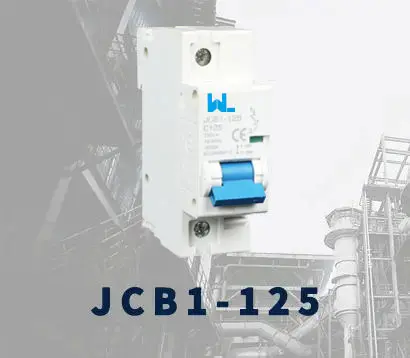 JCB1-125
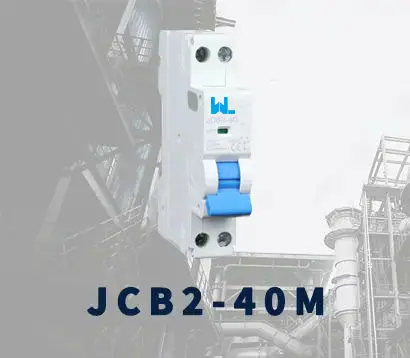 JCB2-40M
 JCB3-63DC
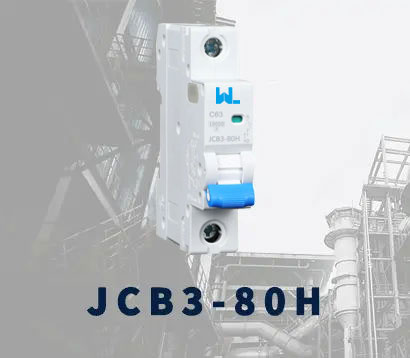 JCB3-80H
 JCB3-80M
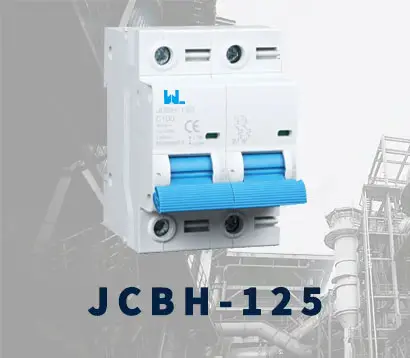 JCBH-125
 JC80-2P
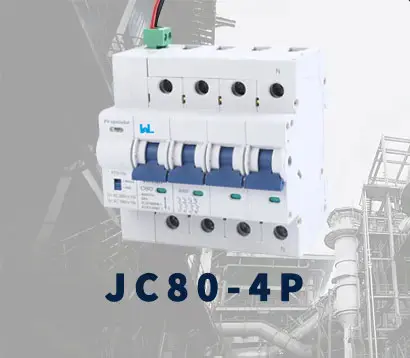 JC80-4P
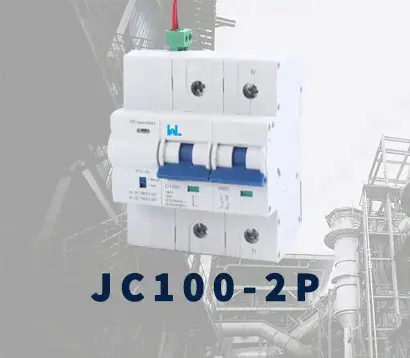 JC125-2P
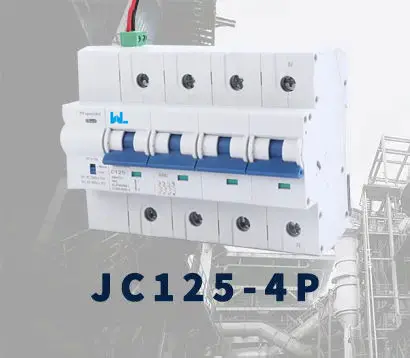 JC125-4P
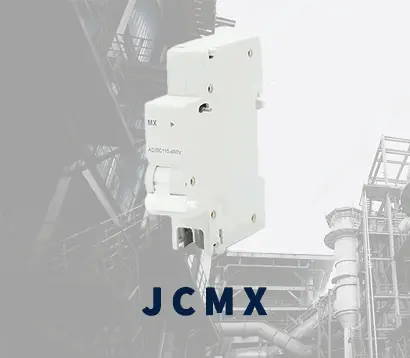 JCMX
JCMX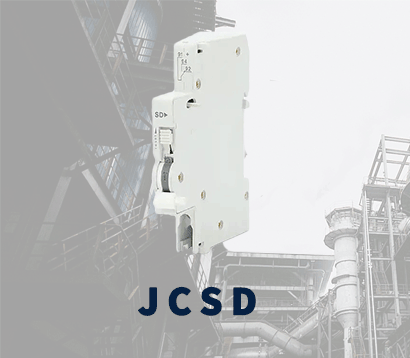 JCSD
JCSD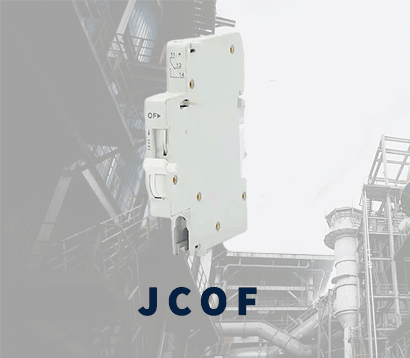 JCOF
JCOF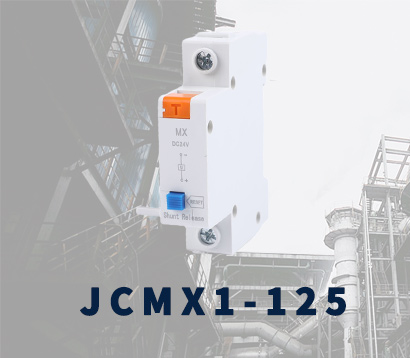 JCMX1-125
 JCOF1-125
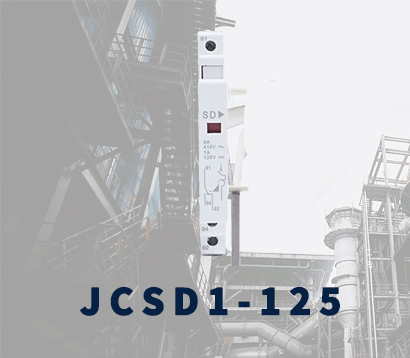 JCSD1-125
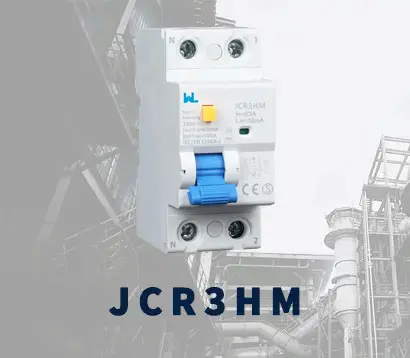 JCR3HM
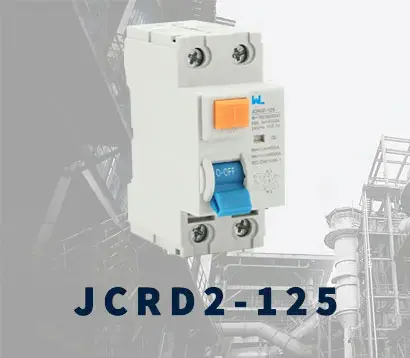 JCRD2-125
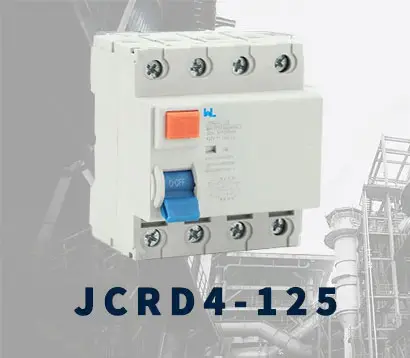 JCRD4-125
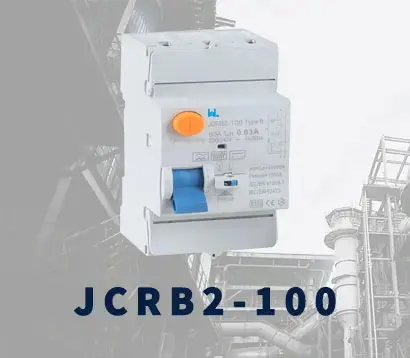 JCRB2-100
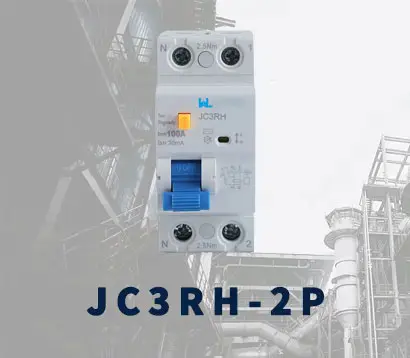 JC3RH-2P
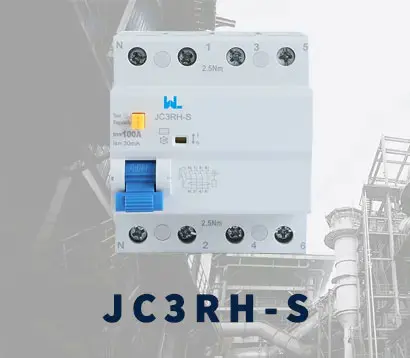 JC3RH-S
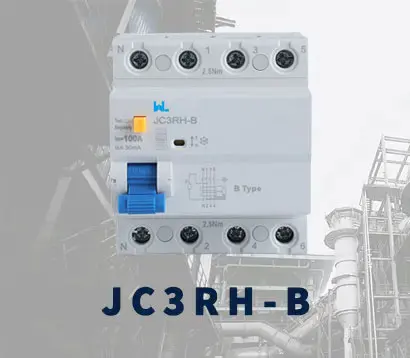 JC3RH-B
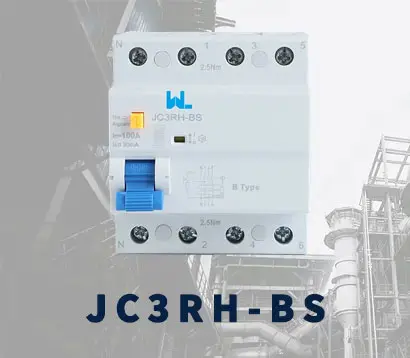 JC3RH-BS
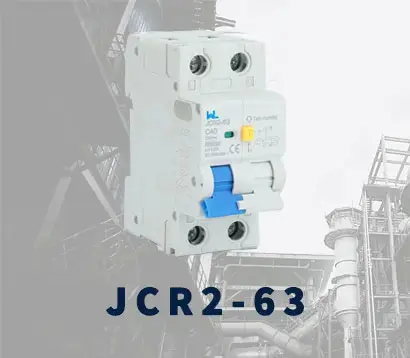 JCR2-63
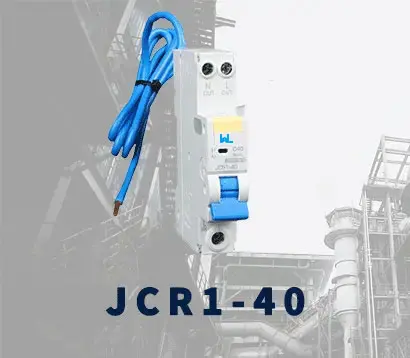 JCR1-40
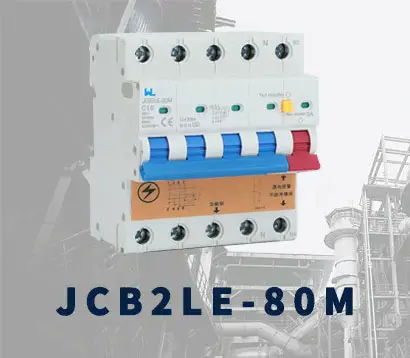 JCB2LE-80M
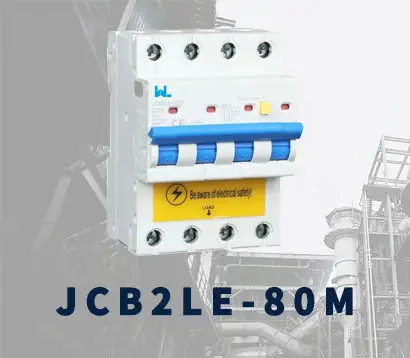 JCB2LE-80M
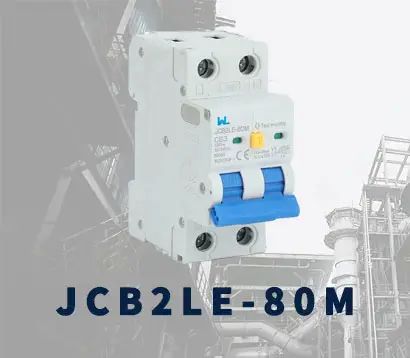 JCB2LE-80M
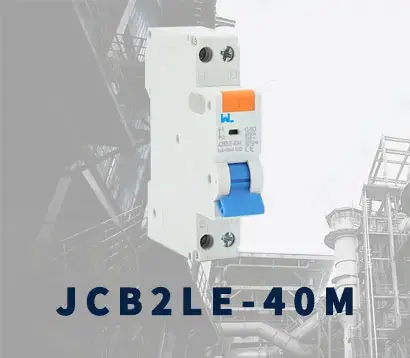 JCB2LE-40M
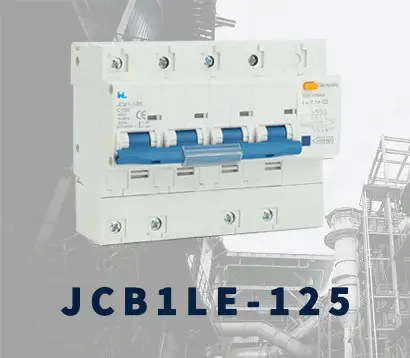 JCB1LE-125
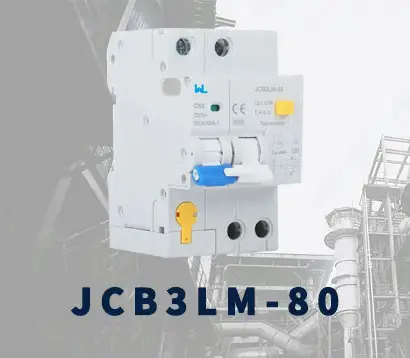 JCB3LM-80
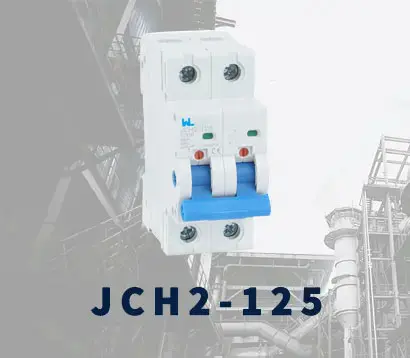 JCH2-125
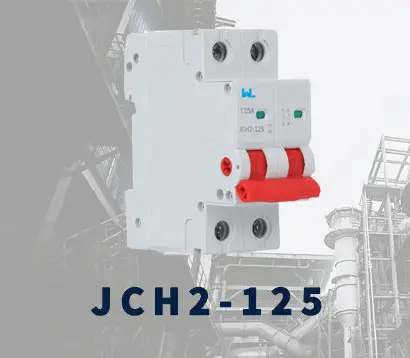 JCH2-125
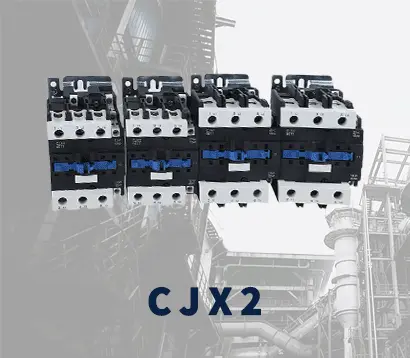 CJX2
CJX2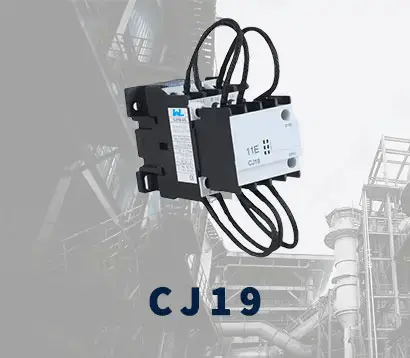 CJ19
CJ19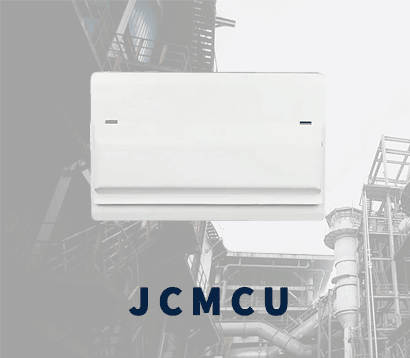 JCMCU
JCMCU JCHA
JCHA JCSD-40
 JCSD-60
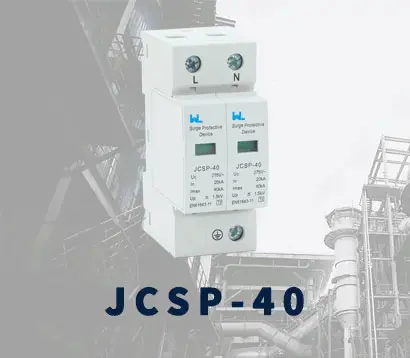 JCSP-40
 JCSP-60
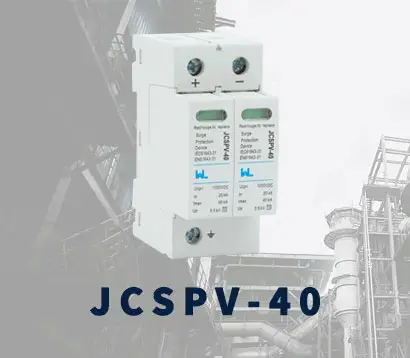 JCSPV
JCSPV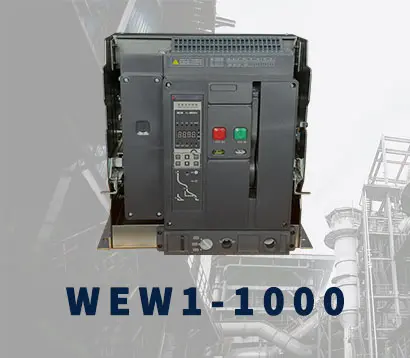 WEW1-1000
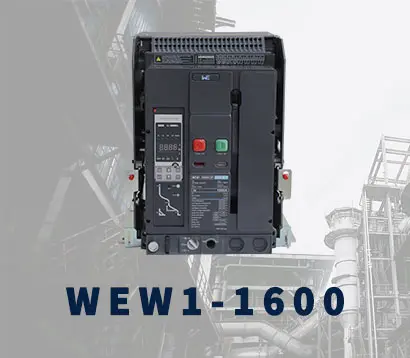 WEW1-1600
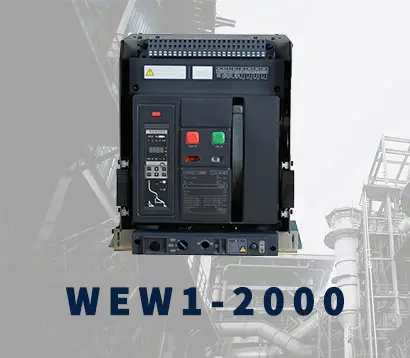 WEW1-2000
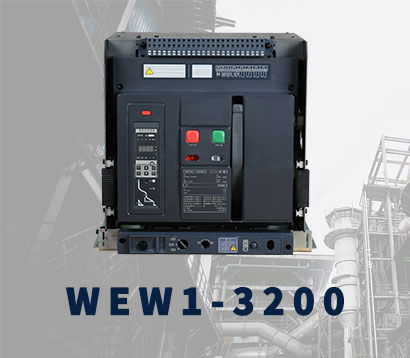 WEW1-3200
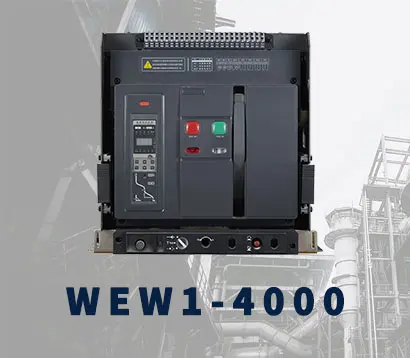 WEW1-4000
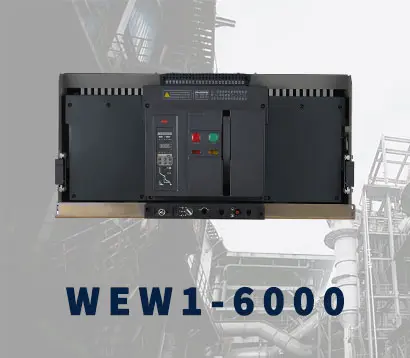 WEW1-6300
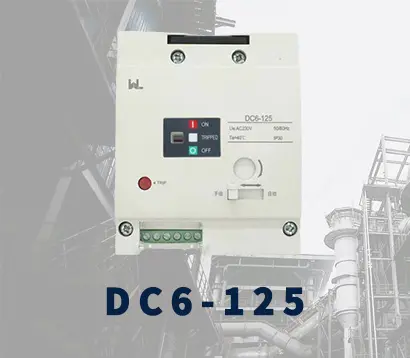 DC6-125
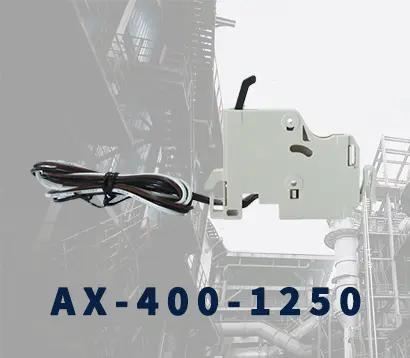 AX-400-1250
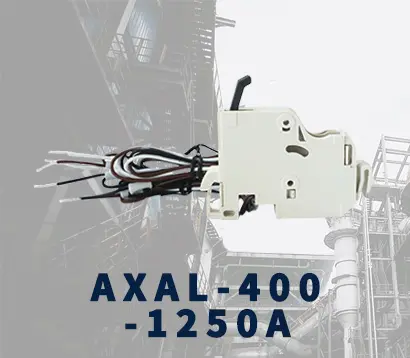 AXAL-400-1250A
 AL-400-1250
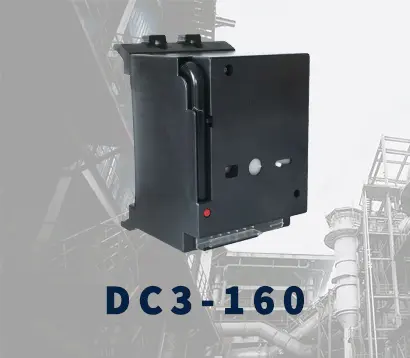 DC3-160
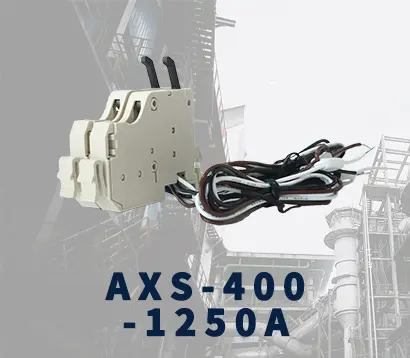 AXS-400-1250A
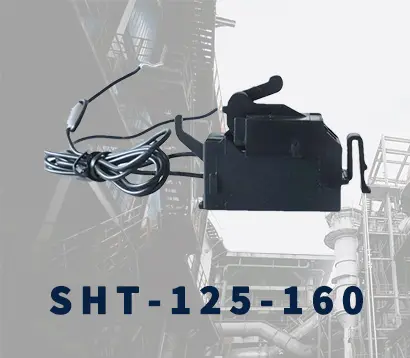 SHT-125-160
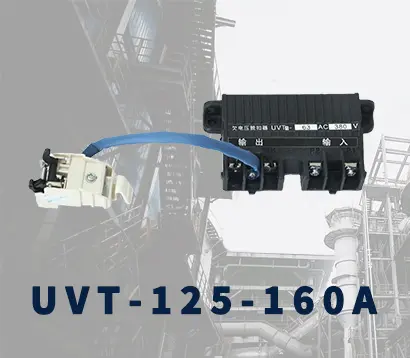 UVT-125-160A
 P-250A-3P-A
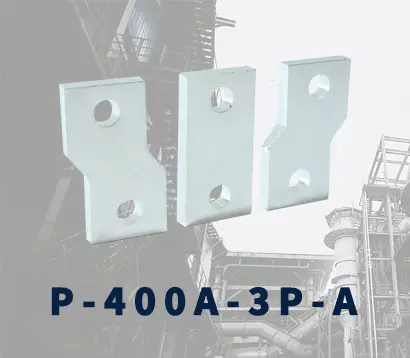 400-3P/4P terminal cover
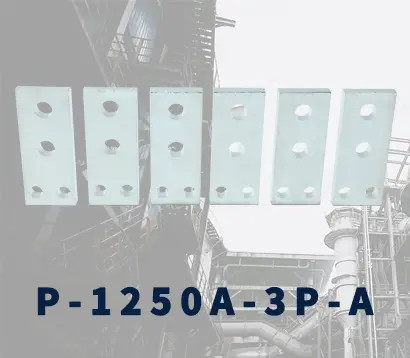 1250-3Pmccb accessories busbar
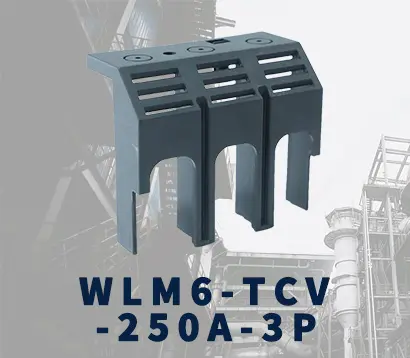 250-3P terminal conver
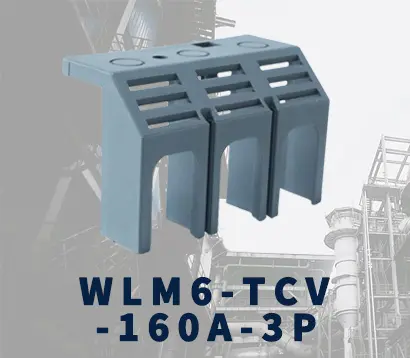 WLM6-TCV-160A-3P
 WLM6-MIP-250A
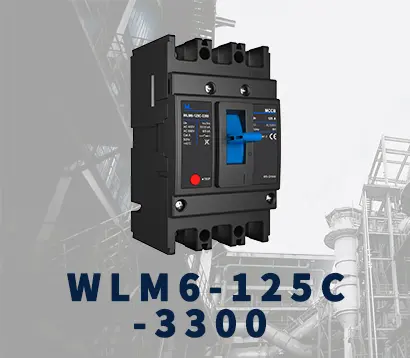 WLM6-125A-3300 3P/4P
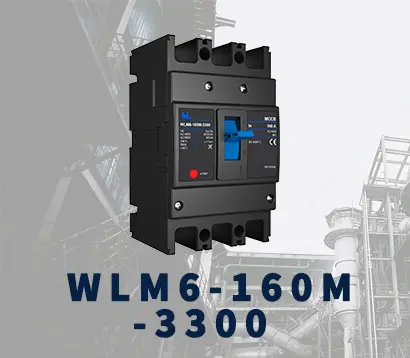 WLM6-160A-3300 3P/4P
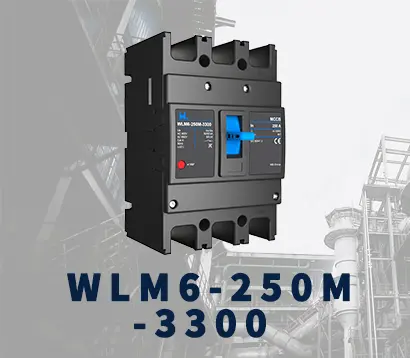 WLM6-250A-3300 3P/4P
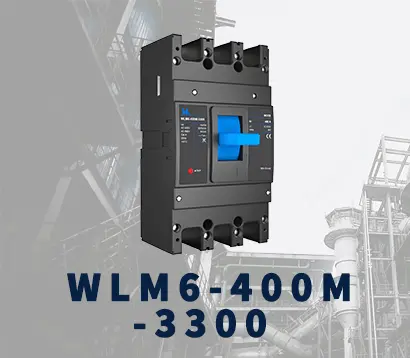 WLM6-400A-3300 3P/4P
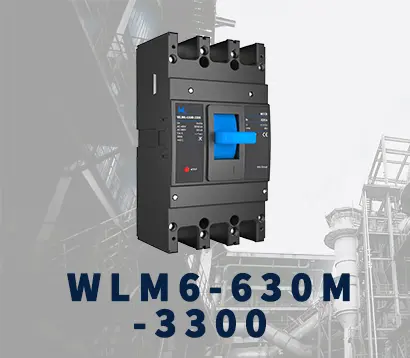 WLM6-630A-3300 3P/4P
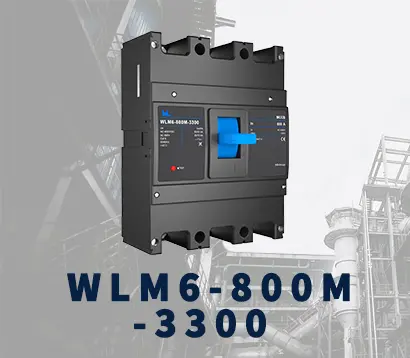 WLM6-800A-3300 3P/4P
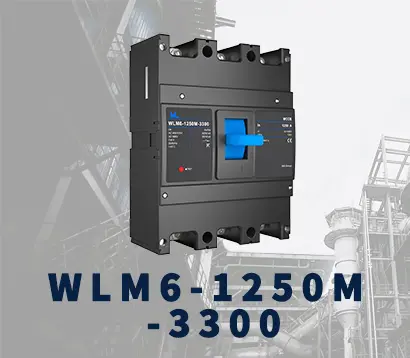 WLM6-1250A-3300 3P/4P
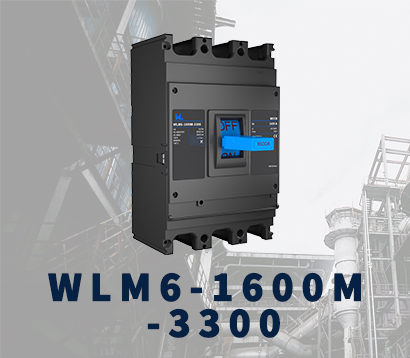 WLM6-1600A-3300 3P/4P
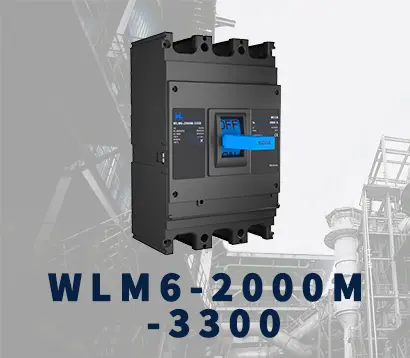 WLM6-2000A 3P/4P
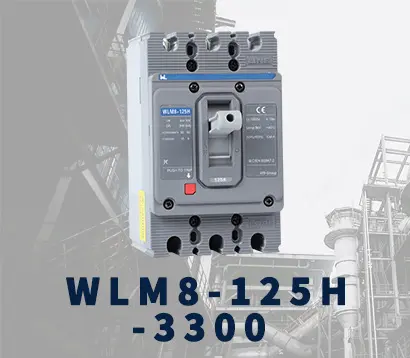 WLM8-125H-3300
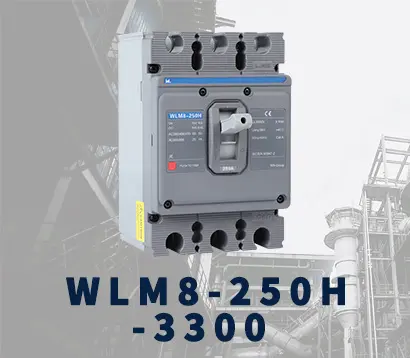 WLM8-250H-3300
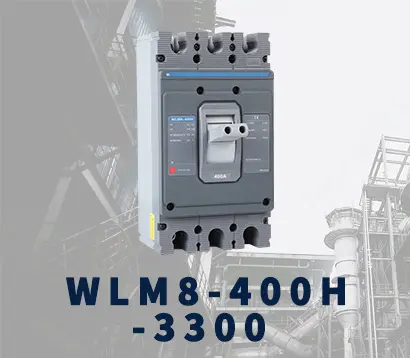 WLM8-400H-3300
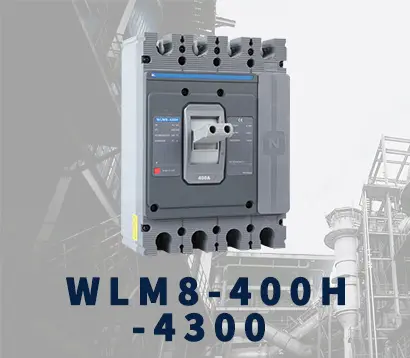 WLM8-400H-4300
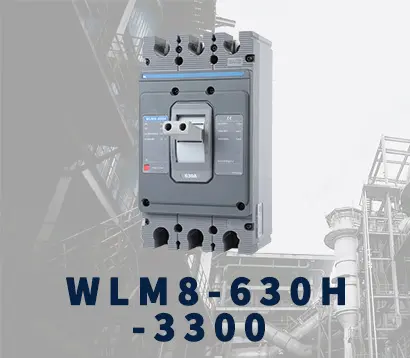 WLM8-630H-3300
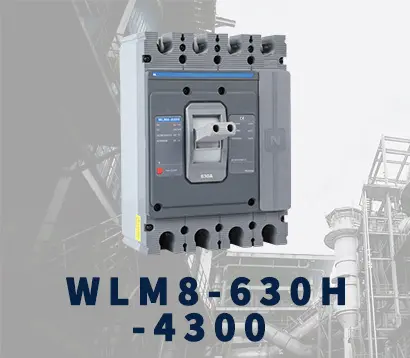 WLM8-630H-4300
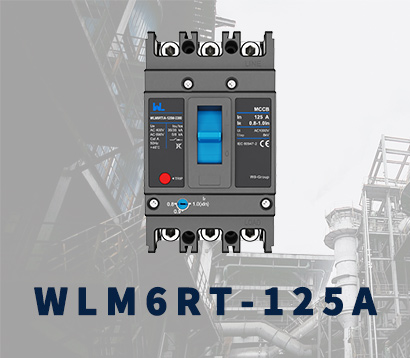 WLM6RT-125A
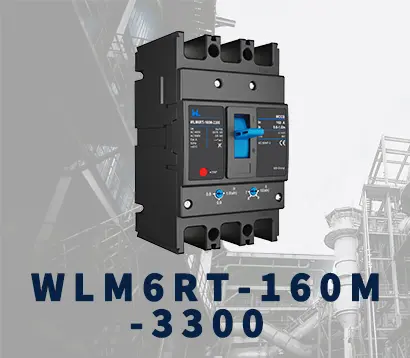 WLM6RT-160A
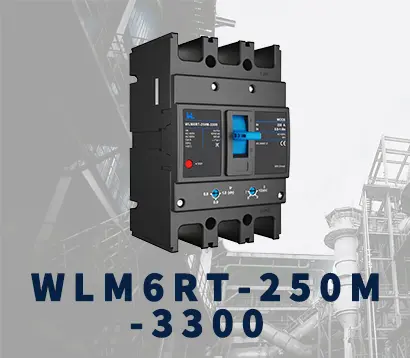 WLM6RT-250A
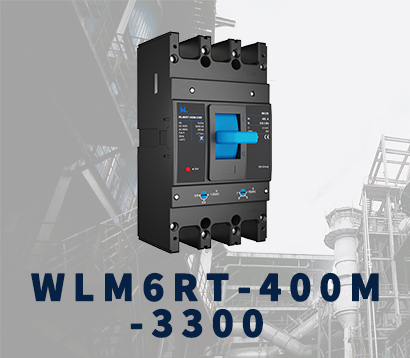 WLM6RT-400A
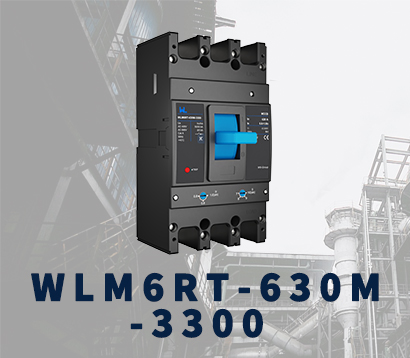 WLM6RT-630A
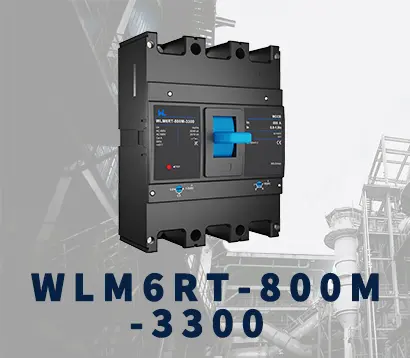 WLM6RT-800A
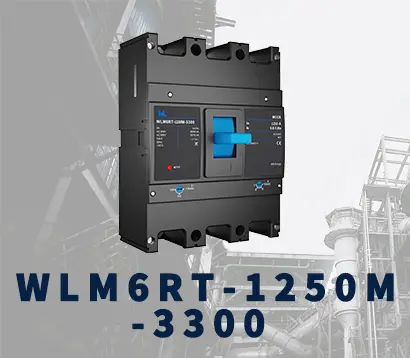 WLM6RT-1250A
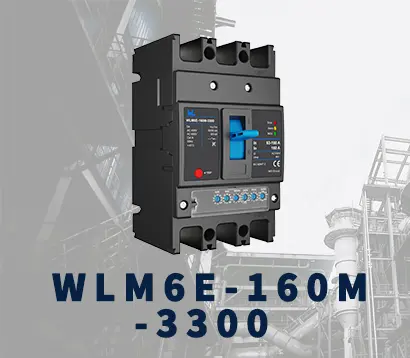 WLM6E-160A-3300 3P
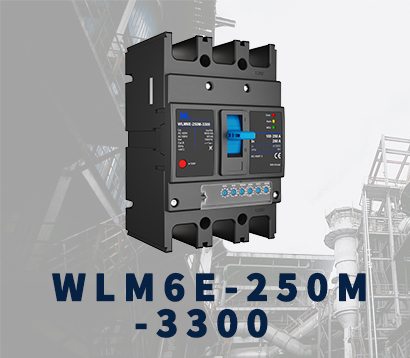 WLM6E-250A-3300
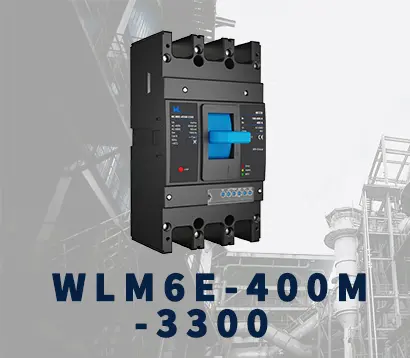 WLM6E-400A-3300 3P/4P
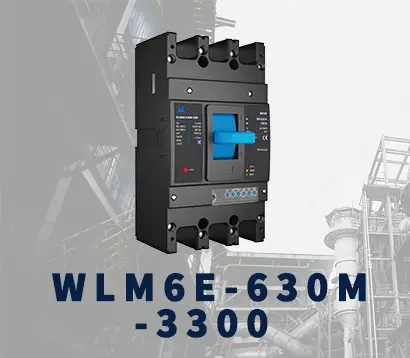 WLM6E-630A-3300
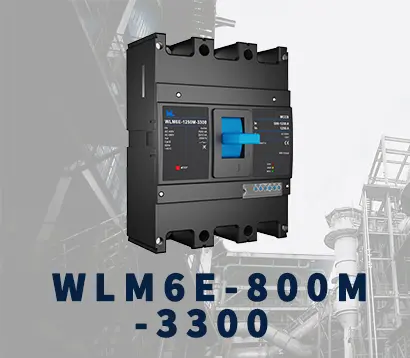 WLM6E-800A-3300 3P/4P
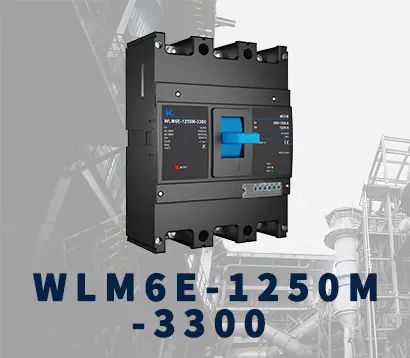 WLM6E-1250A-3300
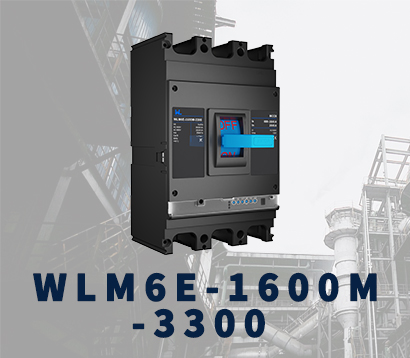 WLM6E-1600-3300 3P/4P
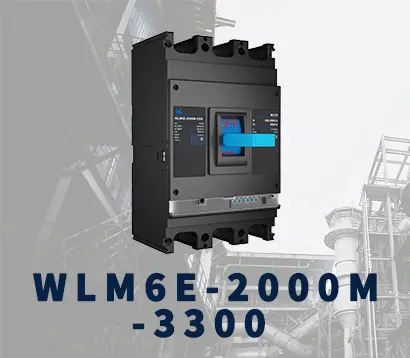 WLM6E-2000A-3300 3P/4P
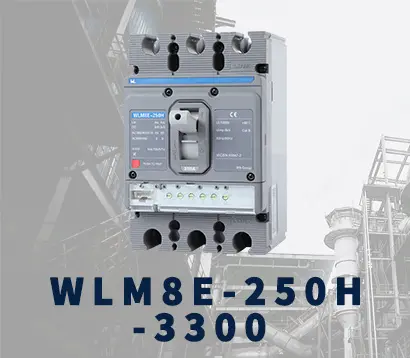 WLM8E-250H-3300
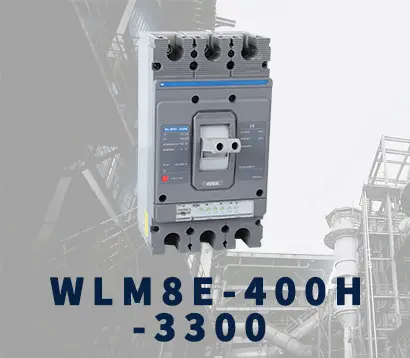 WLM8E-400H-3300
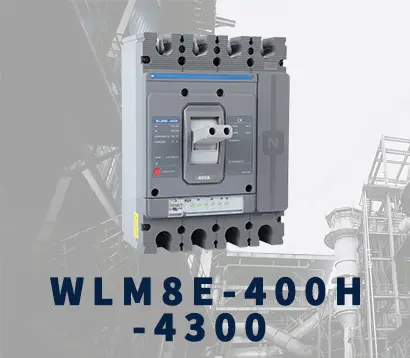 WLM8E-400H-4300
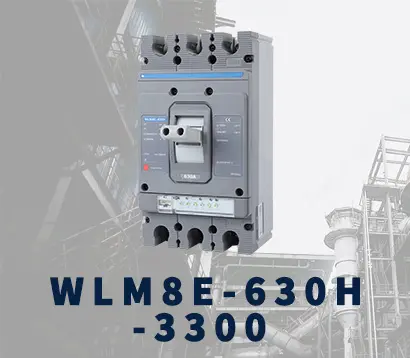 WLM8E-630H-3300
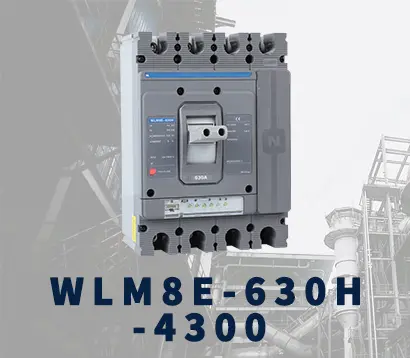 WLM8E-630H-4300
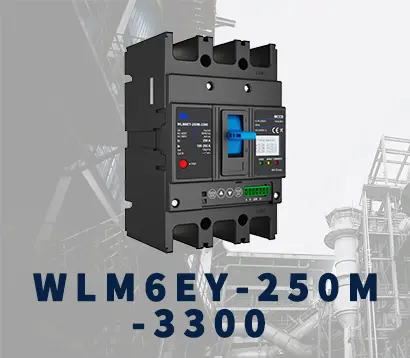 WLM6EY-250-3300 3P/4P
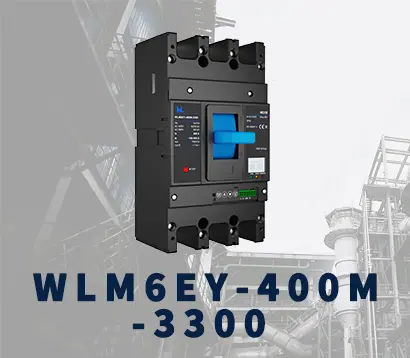 WLM6EY-400 3P/4P
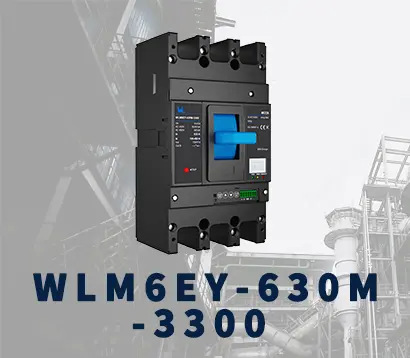 WLM6EY-630 3P/4P
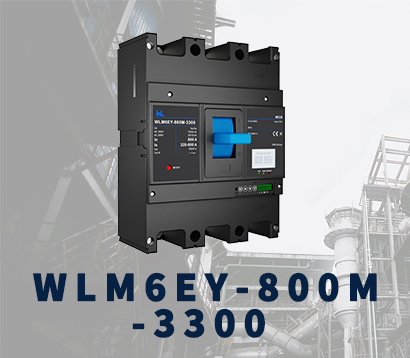 WLM6EY-800A 3P/4P
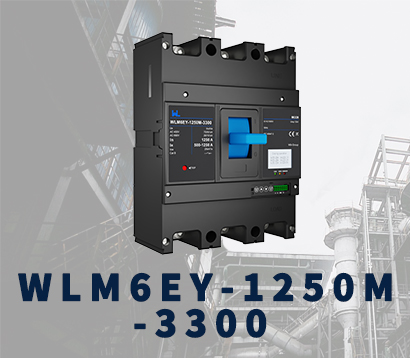 WLM6EY-1250A 3P/4P
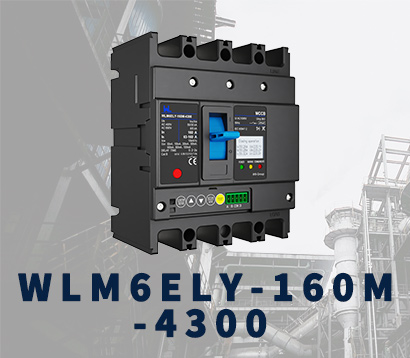 WLM6ELY-160A
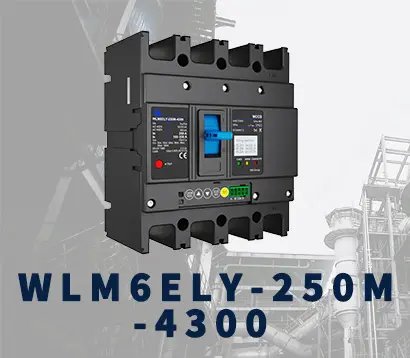 WLM6ELY-250A
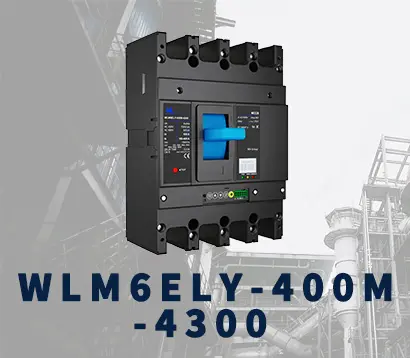 WLM6ELY-400A
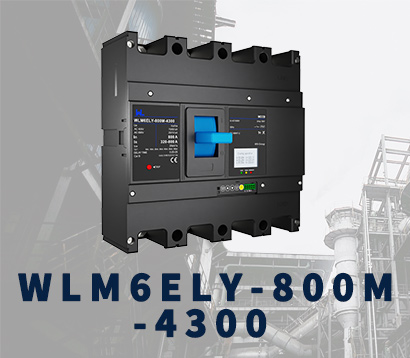 WLM6ELY-800A
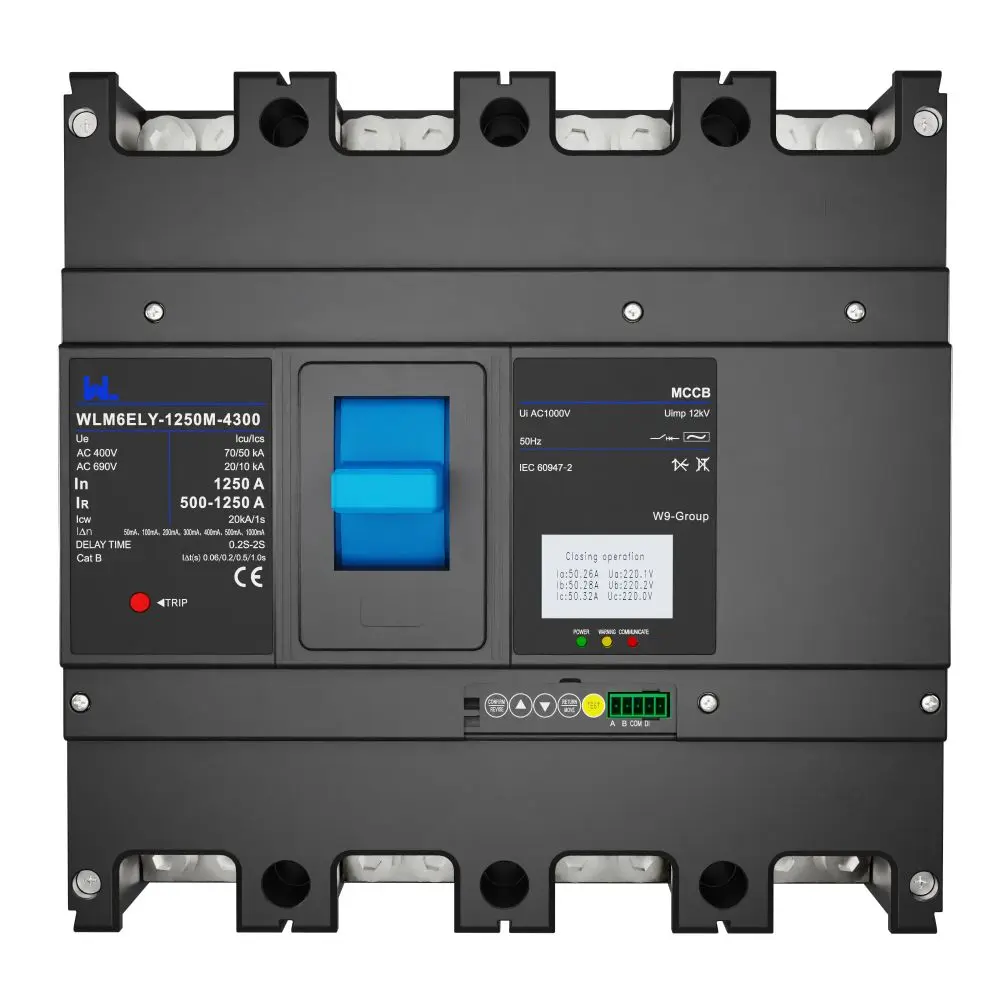 WLM6ELY-1250A
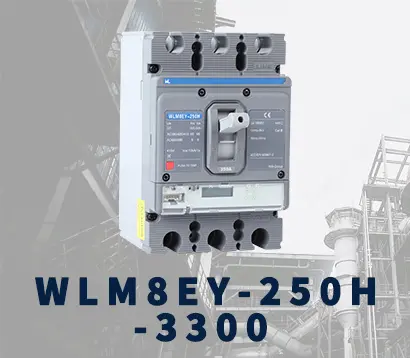 WLM8EY-250H-3300
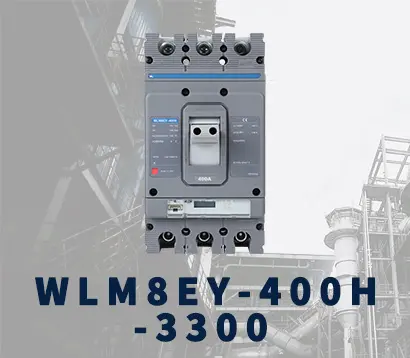 WLM8EY-400H-3300
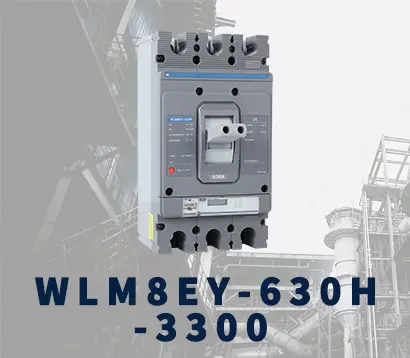 WLM8EY-630H-3300
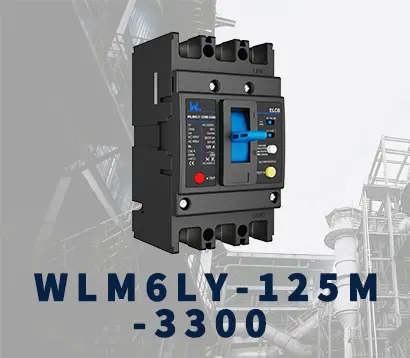 WLM6LY-125A
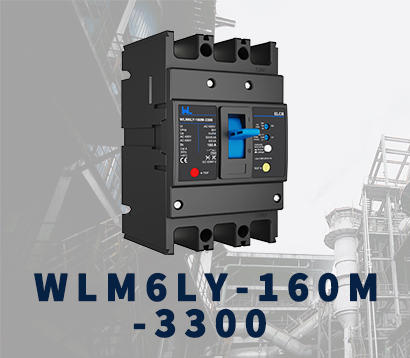 WLM6L-160A
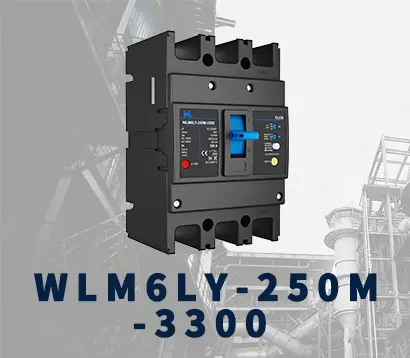 WLM6LY-250A
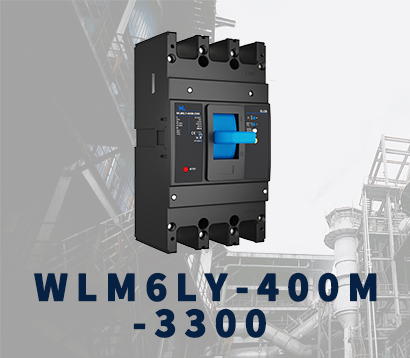 WLM6LY-400A
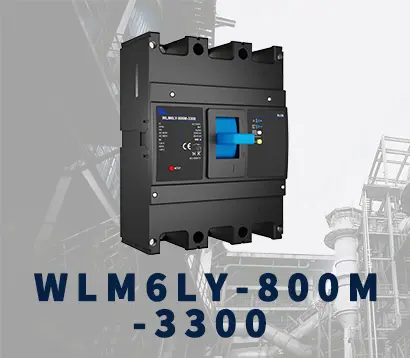 WLM6LY-800A
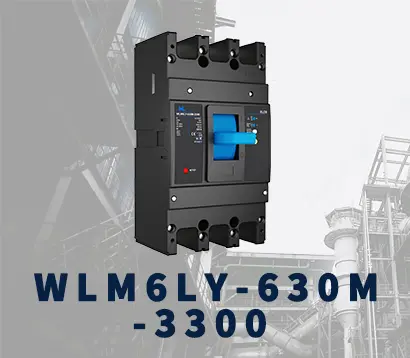 WLM6LY-630A
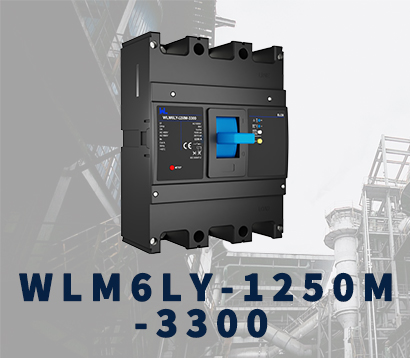 WLM6LY-1250A
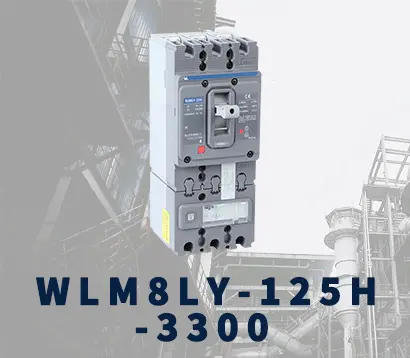 WLM8LY-125H-3300
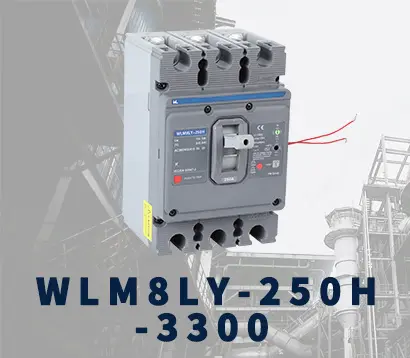 WLM8LY-250H-3300
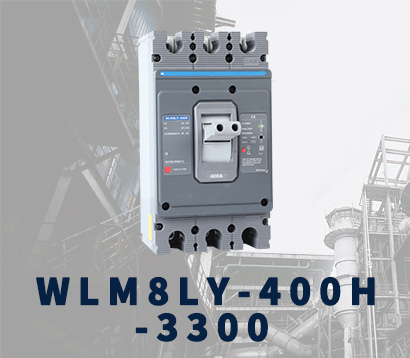 WLM8LY-400H-3300
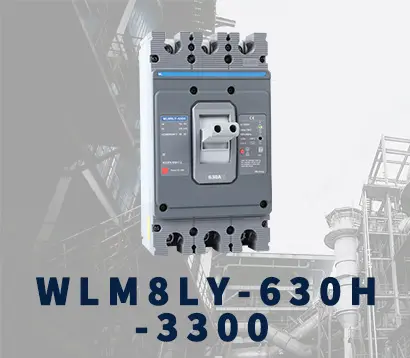 WLM8LY-630H-3300
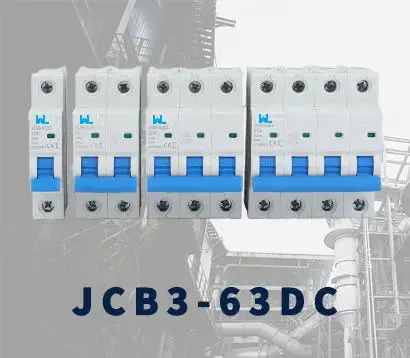 JCB3-63DC
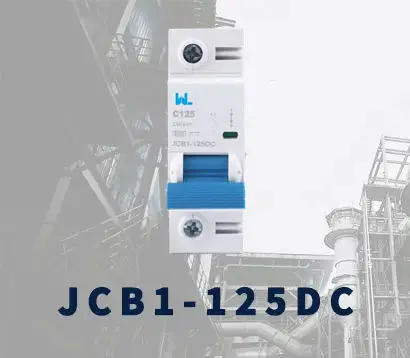 JCB1-125DC
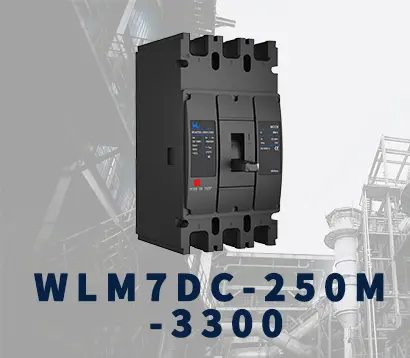 WLM7DC-250A-2300 2P/3P
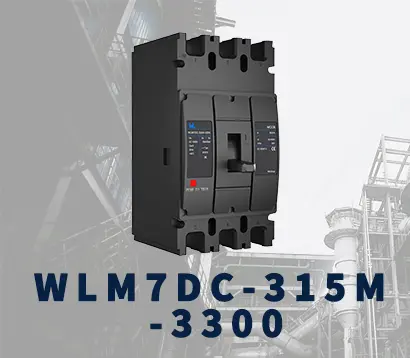 WLM7DC-315A-3300 2P/3P
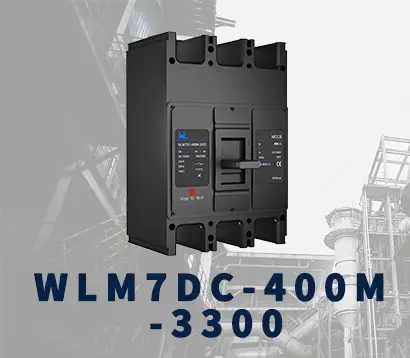 WLM7DC-400A-2300 2P/3P
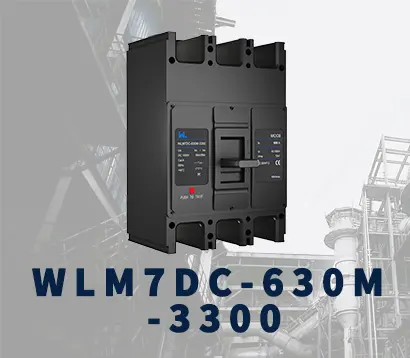 WLM7DC-630A-3300 3P
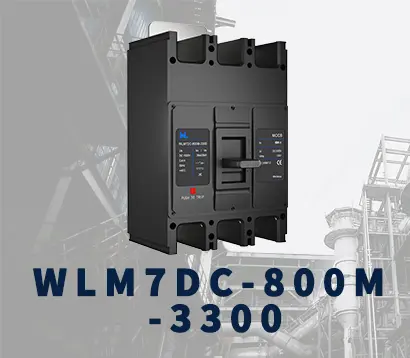 WLM7DC-800A-2300 2P/3P
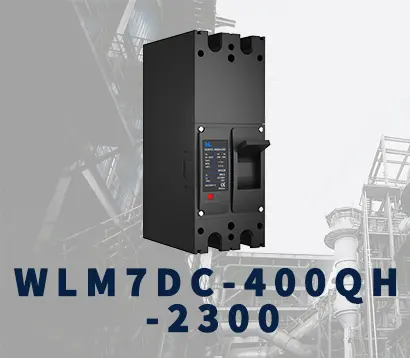 WLM7DC-400A 2300
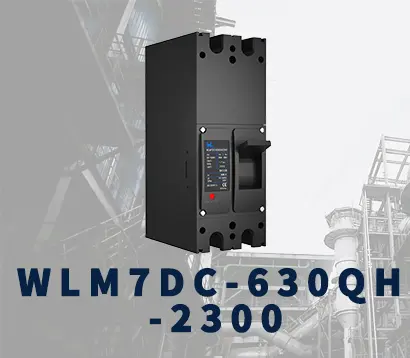 WLM7DC-630A-2300 2P
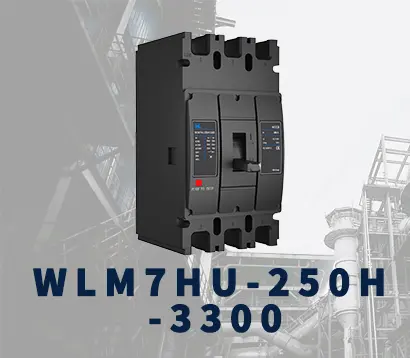 WLM7HU-250-3300 3P
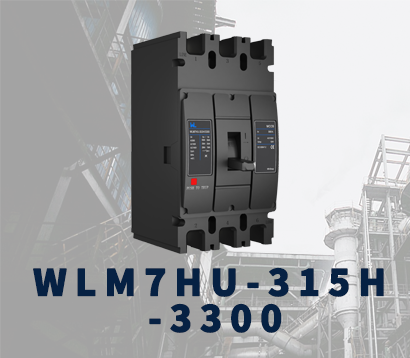 WLM7HU-315-3300 3P
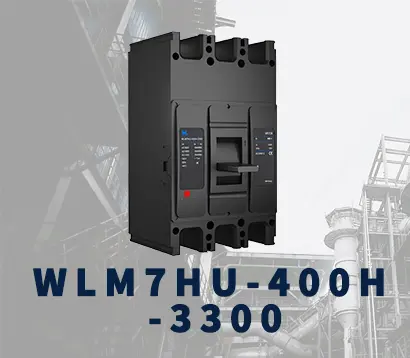 WLM7HU-400-3300 3P
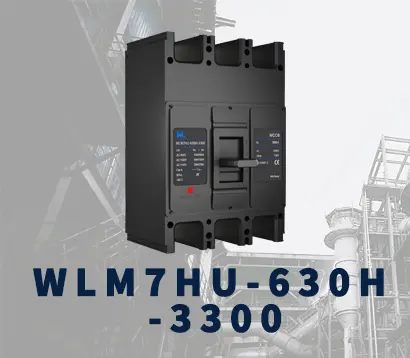 WLM7HU-630-3300 3P
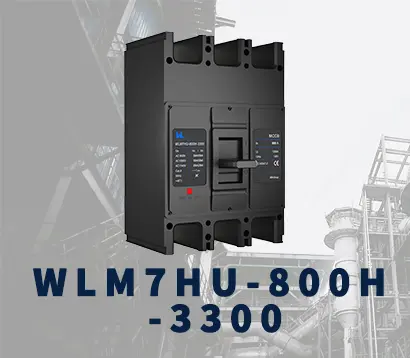 WLM7HU-800-3300 3P
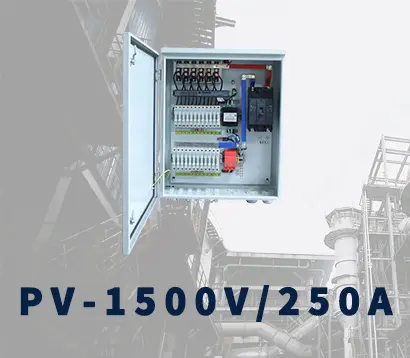 PV-1500V/250A
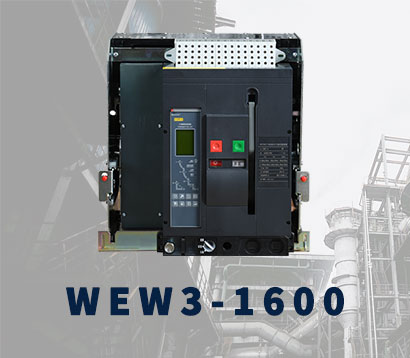 WEW3-1600
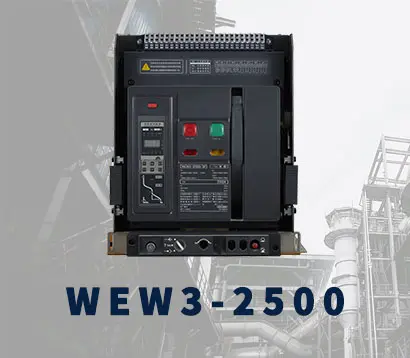 WEW3-2500
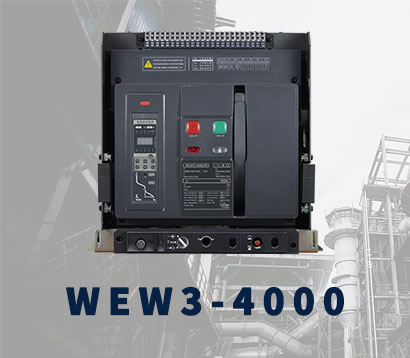 WEW3-4000
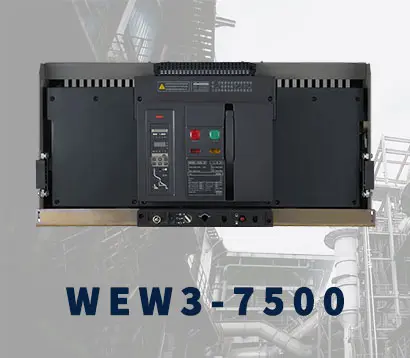 WEW3-7500