What is an MCCB Molded Case Circuit Breaker and How Does It Work?
In the world of electrical safety, the MCCB Molded Case Circuit Breaker plays a crucial role. This device protects electrical circuits from overloads and faults. Industry expert John Smith states, "Understanding MCCB is vital for safety in modern electrical systems." His words highlight the importance of this technology in daily applications.
An MCCB Molded Case Circuit Breaker detects issues and disconnects power instantly. It prevents damage to wiring and connected devices. This process can save lives and equipment. However, not everyone knows how it works. Many misunderstand its function or choose the wrong specifications. An improper choice can lead to serious consequences.
Education about MCCB Molded Case Circuit Breaker is essential. Many users fail to recognize its features. People might overlook the need for regular maintenance. A lack of knowledge can result in unsafe situations. Understanding this device is not just beneficial—it's necessary for safety.
What is an MCCB Molded Case Circuit Breaker?
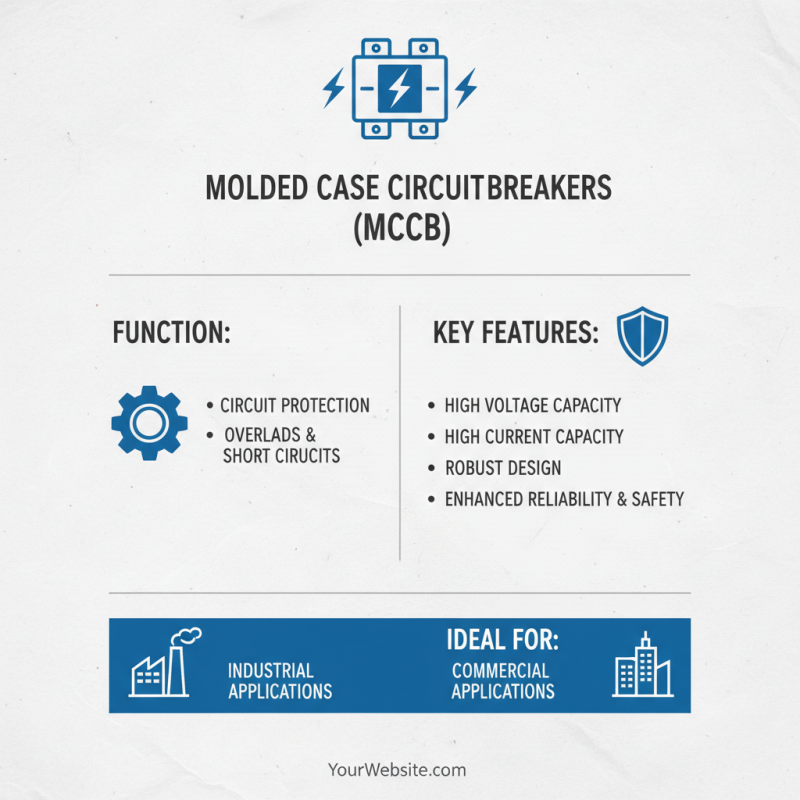
Molded Case Circuit Breakers (MCCBs) are essential components in electrical systems. They protect circuits from overloads and short circuits. Unlike standard circuit breakers, MCCBs are designed for higher voltage and current capacities. This makes them suitable for industrial and commercial applications. Their robust design enhances reliability and safety.
The core function of an MCCB is current interruption. It detects faults and interrupts the circuit to prevent damage. When excessive current flows, the MCCB trips. This action isolates the faulty section, safeguarding equipment. However, setting the correct trip settings can be challenging. If set too high, damage might occur before tripping. If too low, unnecessary trips could disrupt operations.
MCCBs come with various features. Some include adjustable trip settings and built-in thermal protection. These features allow customized protection for different applications. However, understanding these adjustments requires proper training. Sometimes, users may overlook details, leading to inadequate protection. Regular maintenance is also essential. Without it, the performance can degrade over time, risking reliability.
Key Components of an MCCB
Molded Case Circuit Breakers (MCCBs) are essential in electrical systems. They help protect against overloads and short circuits. Understanding their key components is crucial for effective use. The main elements include the enclosure, trip unit, and operating mechanism.
The enclosure is made from durable materials. It safeguards internal components from environmental damage. According to the Electrical Safety Foundation International, MCCBs must withstand diverse conditions. Many are rated for high ambient temperatures, which means reliability is vital. The trip unit monitors current flow, calculating whether to open or close the circuit. This component is often thermal-magnetic or electronic, offering different response times.
An effective MCCB design also includes the operating mechanism. The mechanism ensures quick disconnection when necessary. Data from industry reports show that improper mechanism function can lead to serious system failures. Regular maintenance checks and testing are vital. These practices help avoid unexpected outages and enhance system reliability. While MCCBs perform well, they are not infallible. Users must stay vigilant about their operational status.
How MCCBs Operate: The Mechanics Behind Functionality
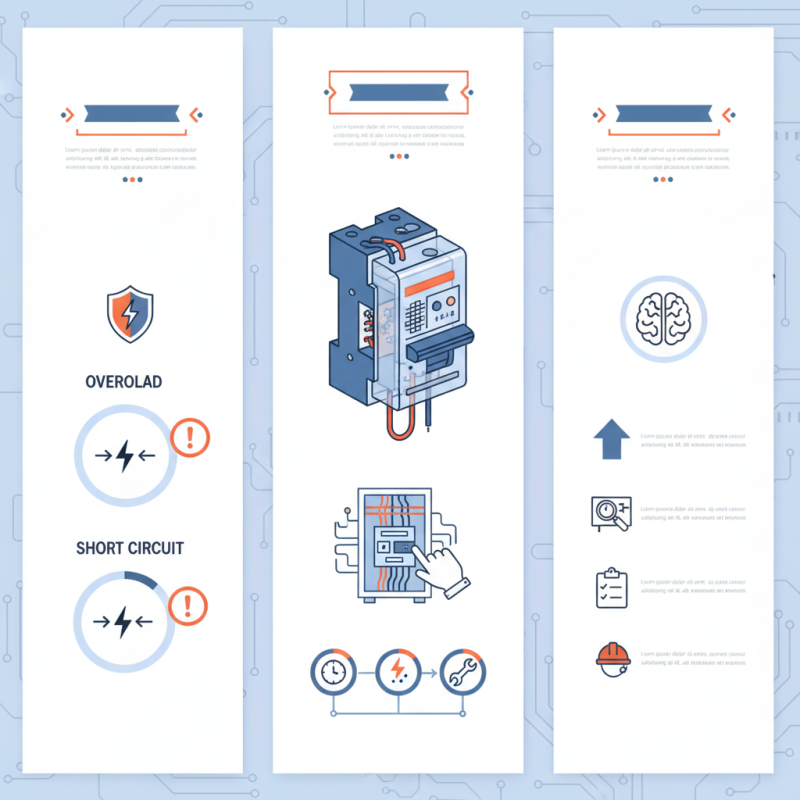
Molded Case Circuit Breakers (MCCBs) play a critical role in electrical systems. Understanding their mechanics reveals how they ensure safety. MCCBs operate using a combination of thermal and magnetic trip units. The thermal trip reacts to prolonged overloads, while the magnetic trip acts instantaneously during short circuits. This dual action helps prevent equipment damage and fire hazards.
According to industry reports, approximately 30% of electrical equipment failures stem from overload conditions. MCCBs are designed to sense these problems early. Their construction allows for a fast response. For instance, in a typical installation, an MCCB may interrupt current within 0.5 seconds of a fault. This rapid reaction minimizes downtime and enhances overall system reliability.
MCCBs must also be calibrated appropriately. Incorrect settings can lead to nuisance tripping or inadequate protection. Data shows that nearly 20% of circuit breakers are not set to optimal conditions. This can result in significant operational inefficiencies. Without proper maintenance and adjustments, the effectiveness of MCCBs diminishes, leading to potential safety risks. Understanding these details emphasizes the importance of regular assessment and recalibration of MCCBs in any electrical system.
Applications of MCCBs in Electrical Systems
Molded Case Circuit Breakers (MCCBs) play an essential role in electrical systems. They protect circuits from overloads and short circuits. According to industry reports, the global MCCB market is projected to reach $14 billion by 2025. This growth is driven by the need for improved safety and reliability in electrical installations.
MCCBs are commonly used in commercial and industrial applications. They provide reliable protection for motors, transformers, and other heavy machinery. For instance, their use in manufacturing facilities can reduce downtime caused by electrical failures. The ability to reset these breakers automatically after a trip enhances operational efficiency. However, the need for regular maintenance is often overlooked, leading to potential risks.
In residential applications, MCCBs are gaining traction. They ensure safety by preventing electrical fires. Data shows that improper circuit protection contributes to 23% of electrical hazards. It's vital to consider proper sizing of MCCBs for various applications. An undersized breaker can lead to frequent tripping, frustrating users and diminishing trust in the electrical system. Proper education on the selection and maintenance of MCCBs is critical for optimal performance.
Benefits and Limitations of Using MCCBs
Molded Case Circuit Breakers (MCCBs) provide vital protection for electrical systems. They prevent overloads and short circuits. However, they come with both benefits and limitations that users should consider.
One key benefit of MCCBs is their capacity range. They can handle currents from 15A to 2500A. This makes them versatile for various applications. According to a 2022 market report, over 40% of industries chose MCCBs for medium voltage applications due to their reliability. Additionally, they provide adjustable settings, which allow users to customize the trip mechanism according to their needs.
On the other hand, MCCBs have limitations. Their bulk can be a disadvantage in smaller installations. They may occupy more space than other circuit protection devices. Maintenance can also be an issue. Users must check MCCBs regularly to ensure proper functioning. Neglecting maintenance can lead to failures. A report from the Electrical Safety Foundation highlighted that 60% of electrical failures were linked to neglected circuit protection devices. These factors necessitate careful planning and consideration when choosing MCCBs for specific applications.
Benefits and Limitations of Using MCCBs
This bar chart represents the rating of different aspects of MCCBs (Molded Case Circuit Breakers) based on their benefits and limitations. Ratings are given on a scale of 1 to 10, where higher numbers indicate better performance or importance. Key areas analyzed include protection, customization options, size, cost, and maintenance requirements.

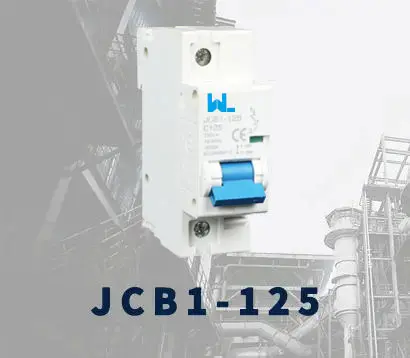 JCB1-125
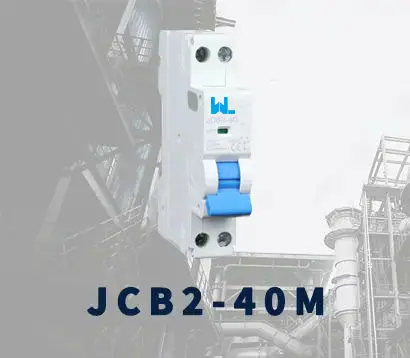 JCB2-40M
 JCB3-63DC
 JCB3-80H
 JCB3-80M
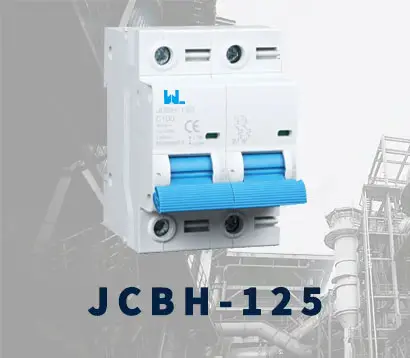 JCBH-125
 JC80-2P
 JC80-4P
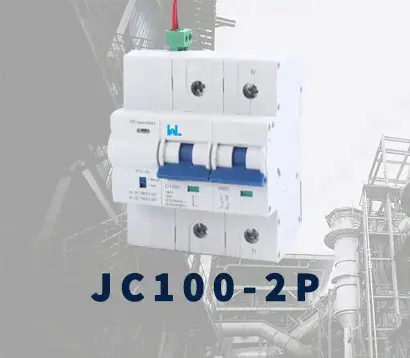 JC125-2P
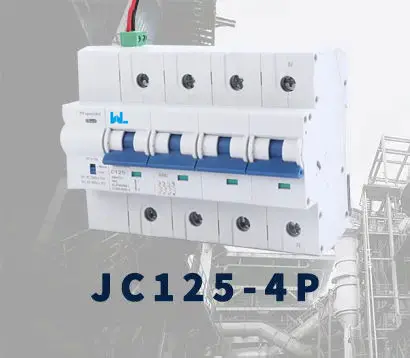 JC125-4P
 JCMX
JCMX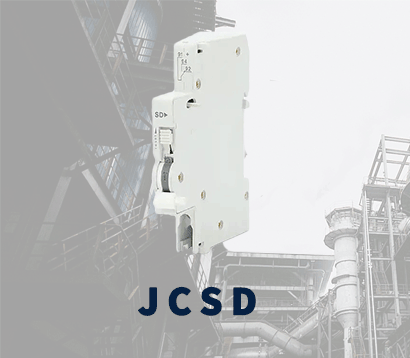 JCSD
JCSD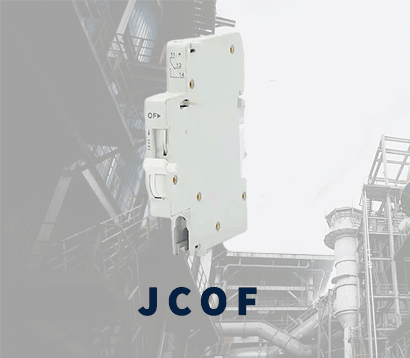 JCOF
JCOF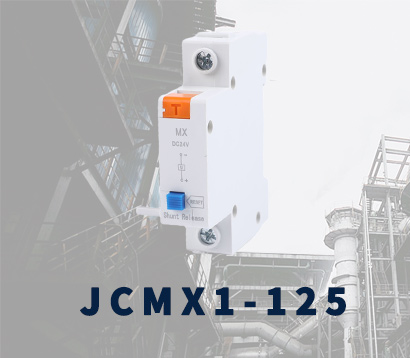 JCMX1-125
 JCOF1-125
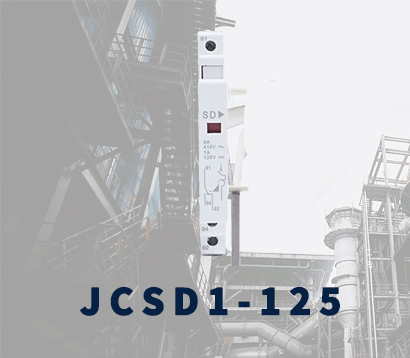 JCSD1-125
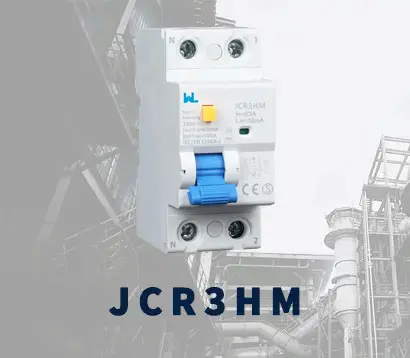 JCR3HM
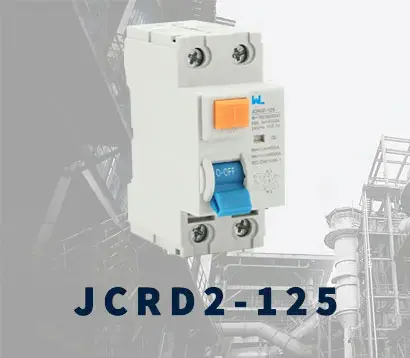 JCRD2-125
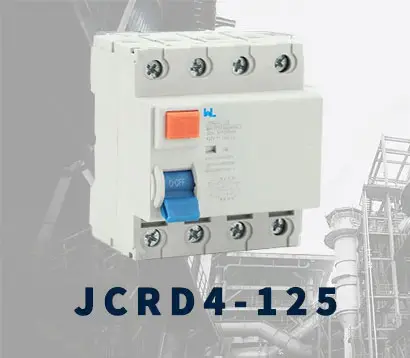 JCRD4-125
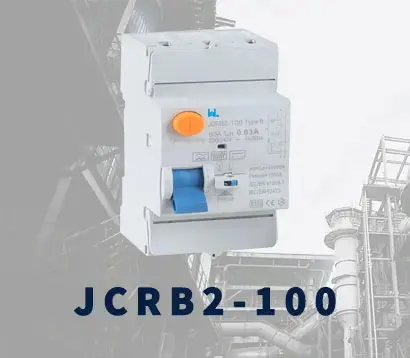 JCRB2-100
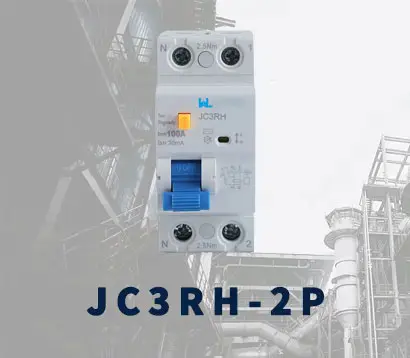 JC3RH-2P
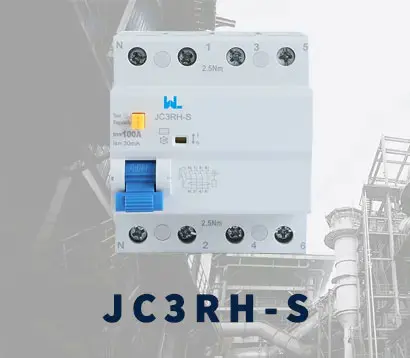 JC3RH-S
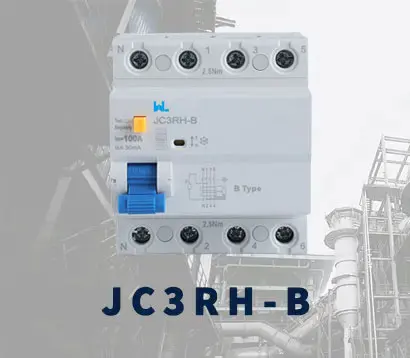 JC3RH-B
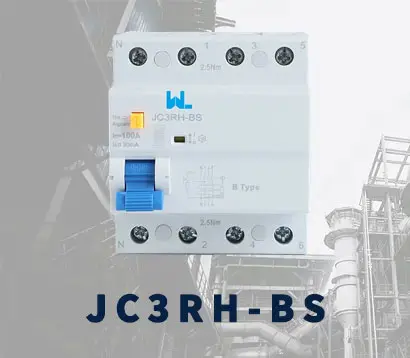 JC3RH-BS
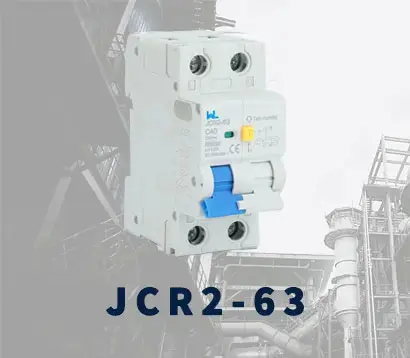 JCR2-63
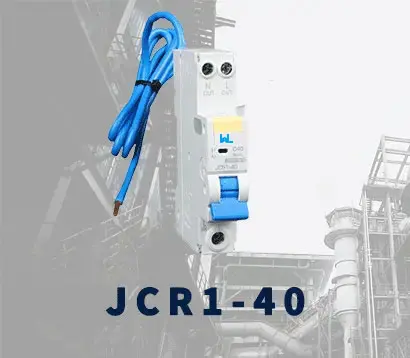 JCR1-40
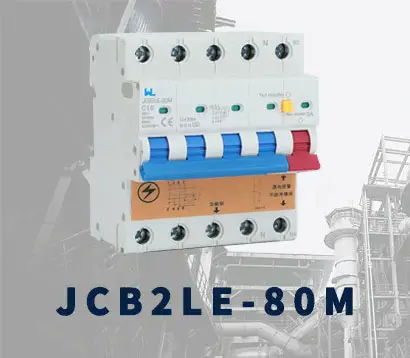 JCB2LE-80M
 JCB2LE-80M
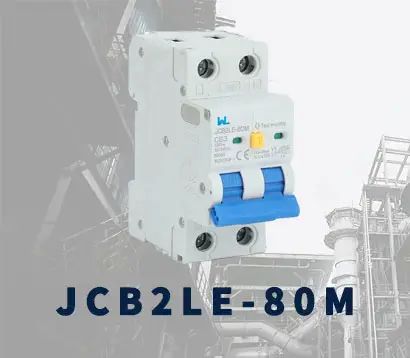 JCB2LE-80M
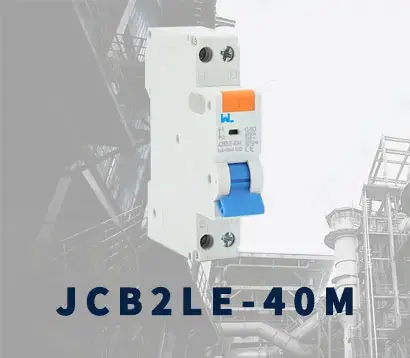 JCB2LE-40M
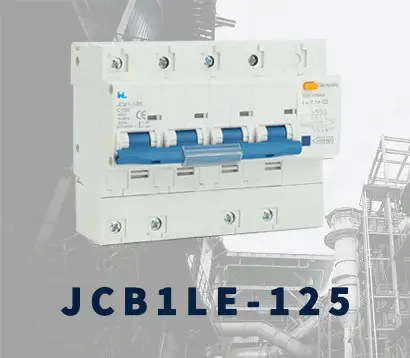 JCB1LE-125
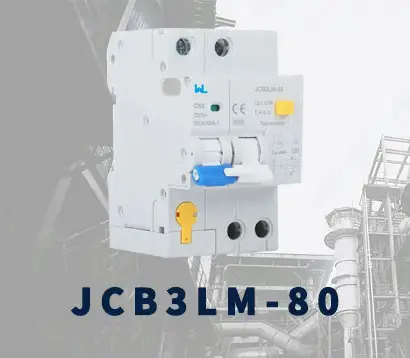 JCB3LM-80
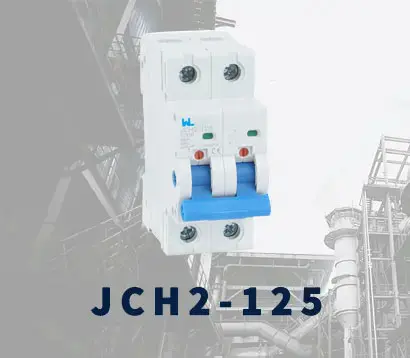 JCH2-125
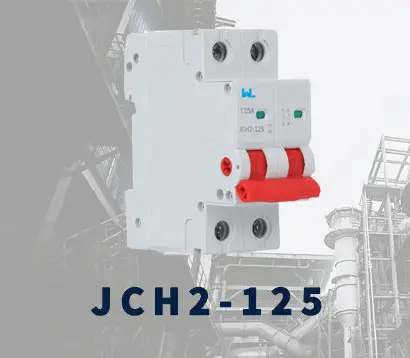 JCH2-125
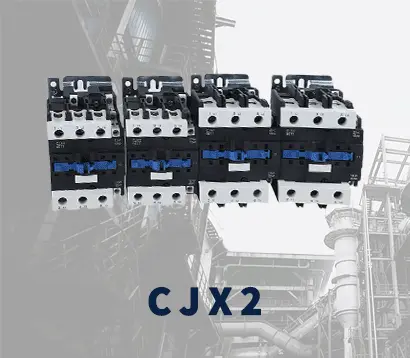 CJX2
CJX2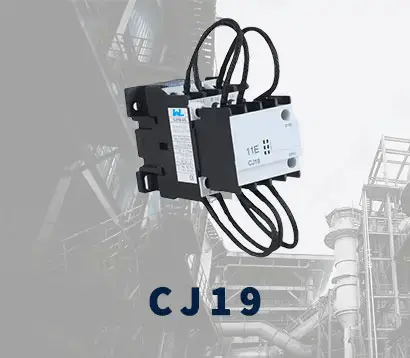 CJ19
CJ19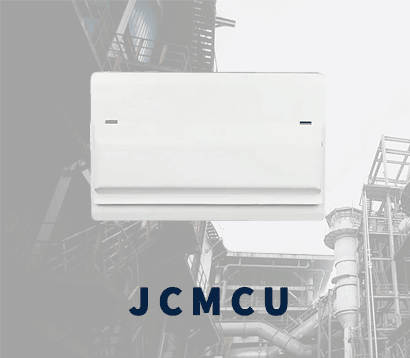 JCMCU
JCMCU JCHA
JCHA JCSD-40
 JCSD-60
 JCSP-40
 JCSP-60
 JCSPV
JCSPV WEW1-1000
 WEW1-1600
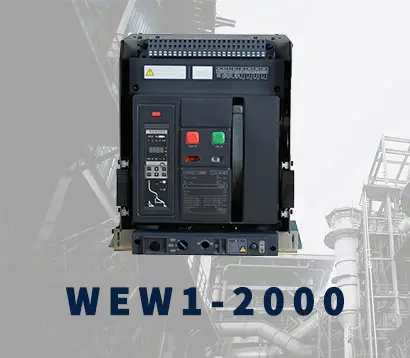 WEW1-2000
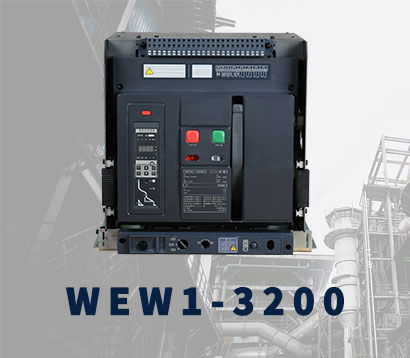 WEW1-3200
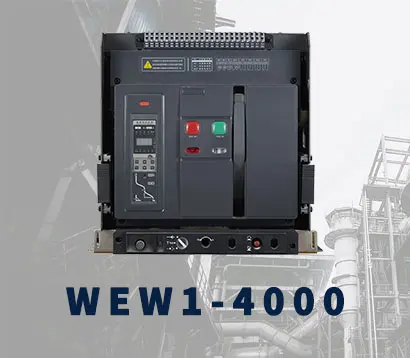 WEW1-4000
 WEW1-6300
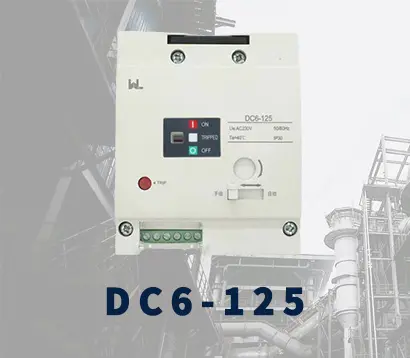 DC6-125
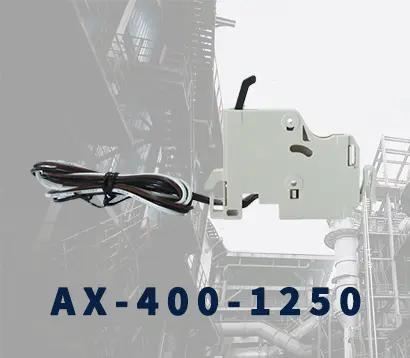 AX-400-1250
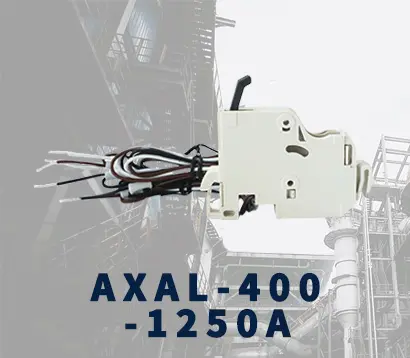 AXAL-400-1250A
 AL-400-1250
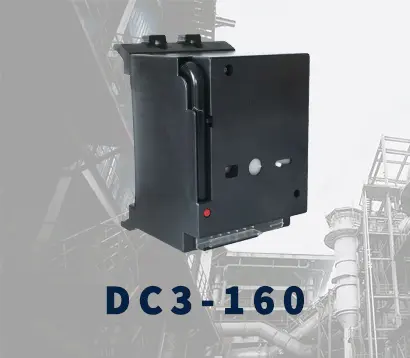 DC3-160
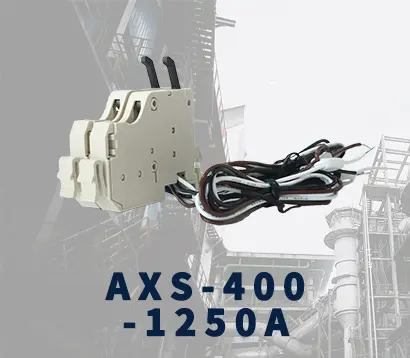 AXS-400-1250A
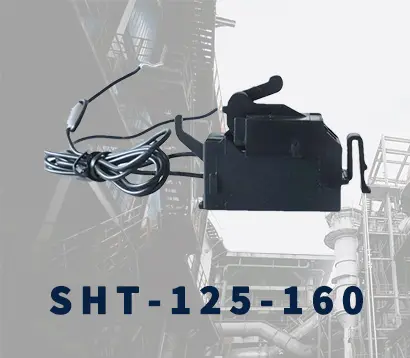 SHT-125-160
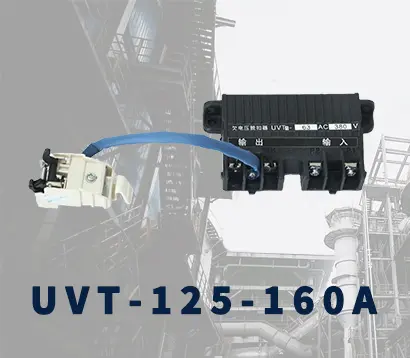 UVT-125-160A
 P-250A-3P-A
 400-3P/4P terminal cover
 1250-3Pmccb accessories busbar
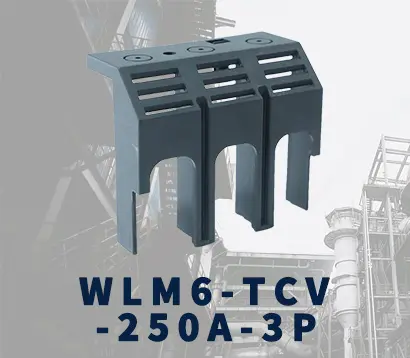 250-3P terminal conver
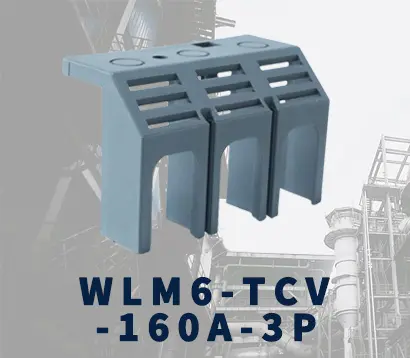 WLM6-TCV-160A-3P
 WLM6-MIP-250A
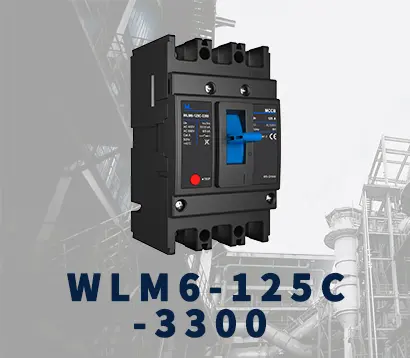 WLM6-125A-3300 3P/4P
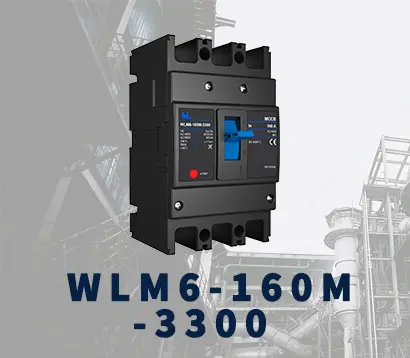 WLM6-160A-3300 3P/4P
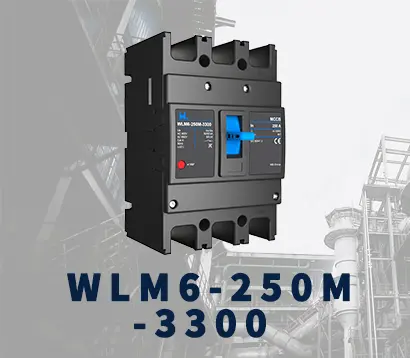 WLM6-250A-3300 3P/4P
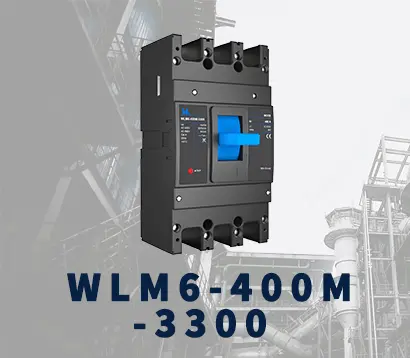 WLM6-400A-3300 3P/4P
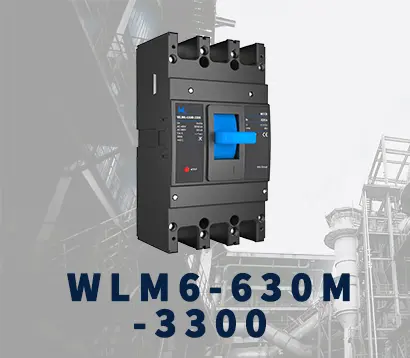 WLM6-630A-3300 3P/4P
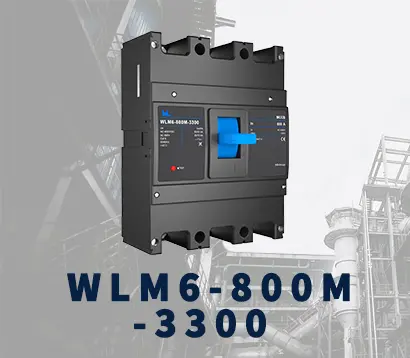 WLM6-800A-3300 3P/4P
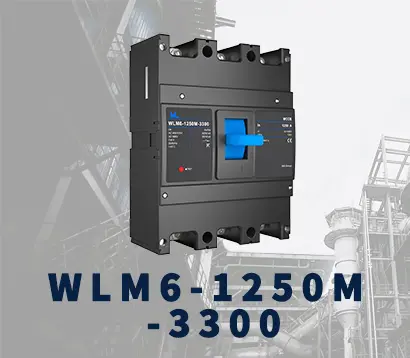 WLM6-1250A-3300 3P/4P
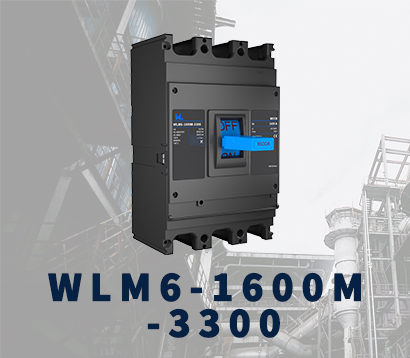 WLM6-1600A-3300 3P/4P
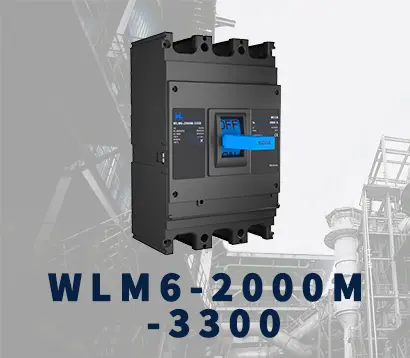 WLM6-2000A 3P/4P
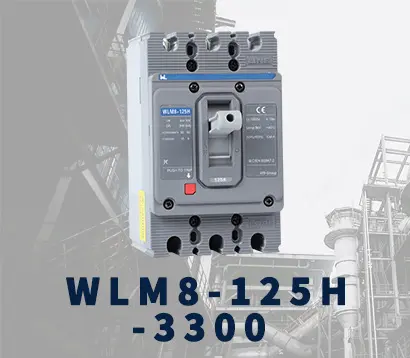 WLM8-125H-3300
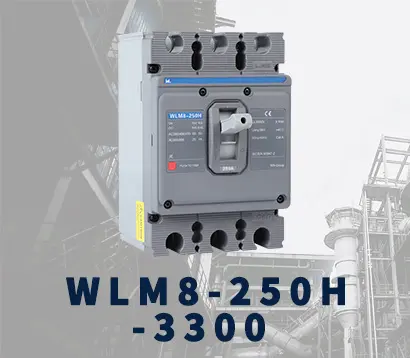 WLM8-250H-3300
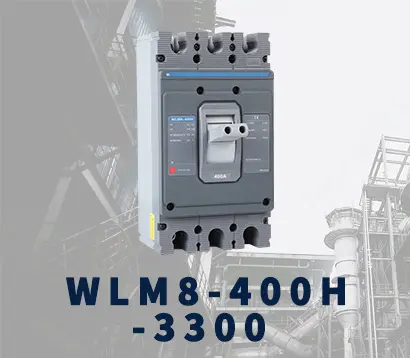 WLM8-400H-3300
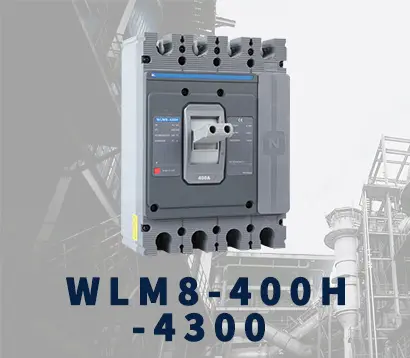 WLM8-400H-4300
 WLM8-630H-3300
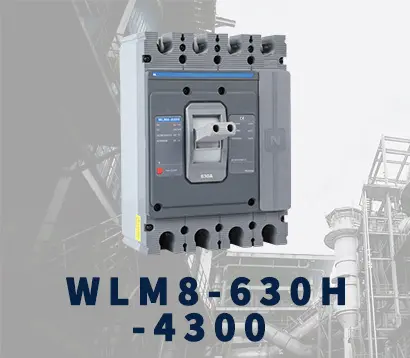 WLM8-630H-4300
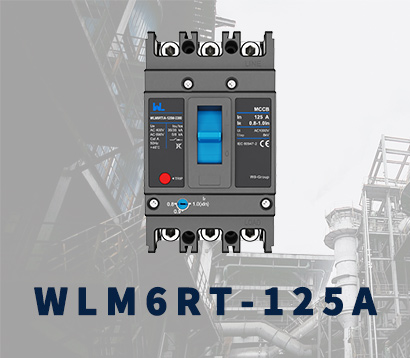 WLM6RT-125A
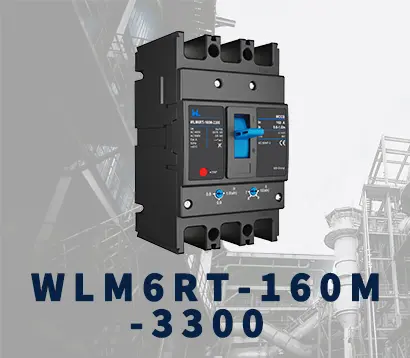 WLM6RT-160A
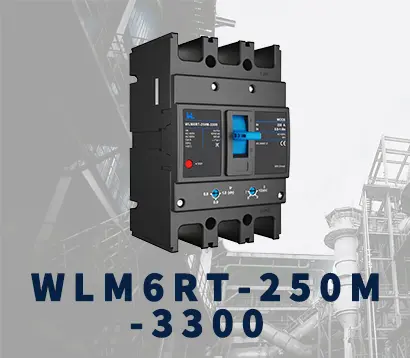 WLM6RT-250A
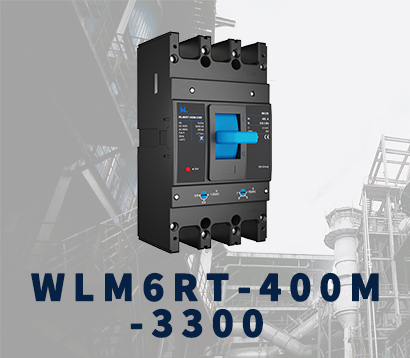 WLM6RT-400A
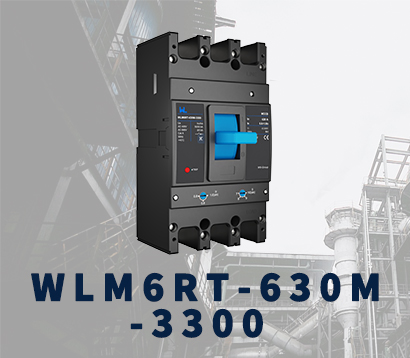 WLM6RT-630A
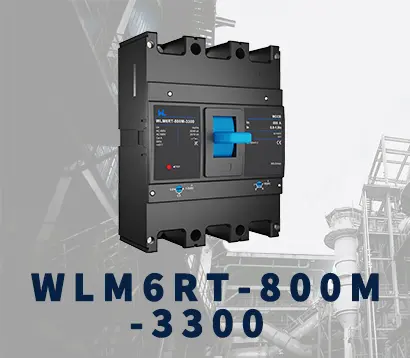 WLM6RT-800A
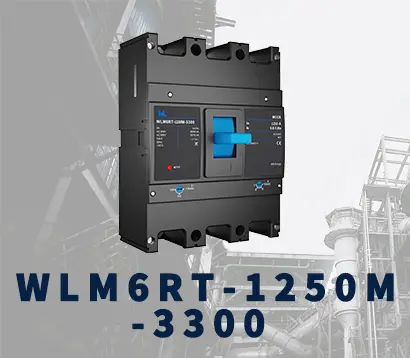 WLM6RT-1250A
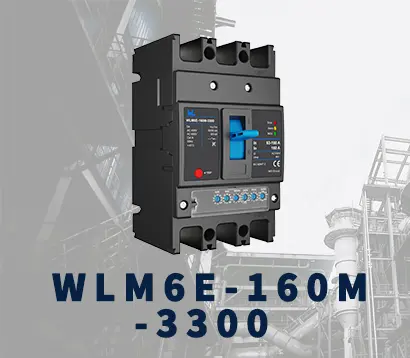 WLM6E-160A-3300 3P
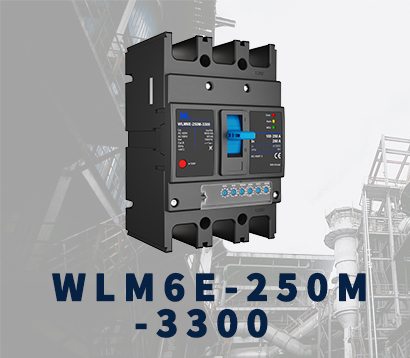 WLM6E-250A-3300
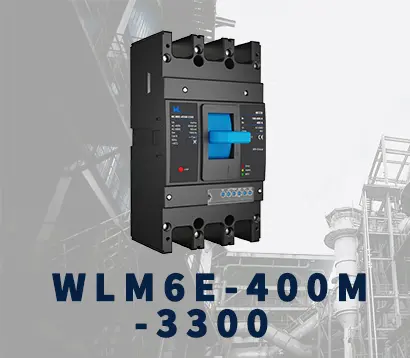 WLM6E-400A-3300 3P/4P
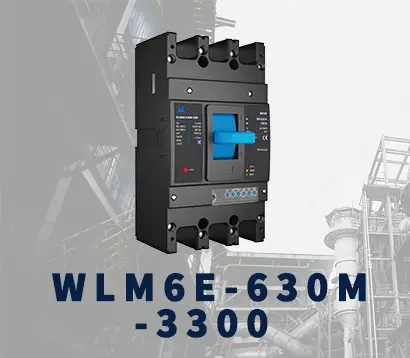 WLM6E-630A-3300
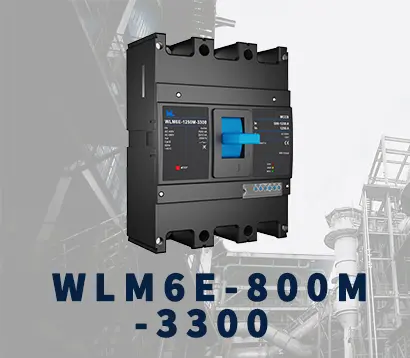 WLM6E-800A-3300 3P/4P
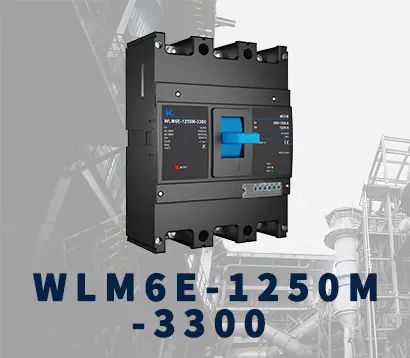 WLM6E-1250A-3300
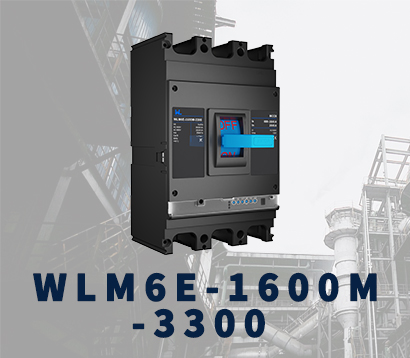 WLM6E-1600-3300 3P/4P
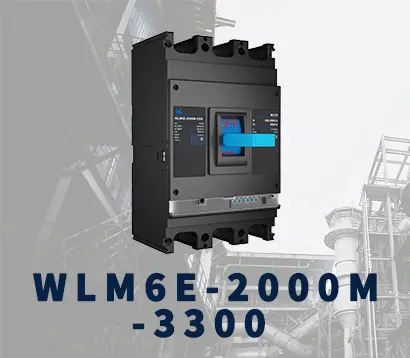 WLM6E-2000A-3300 3P/4P
 WLM8E-250H-3300
 WLM8E-400H-3300
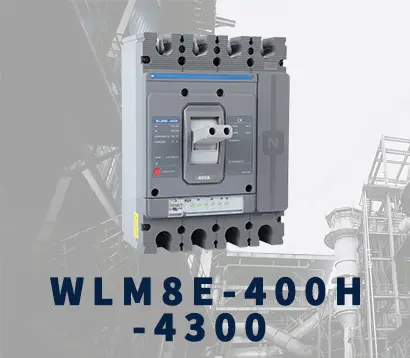 WLM8E-400H-4300
 WLM8E-630H-3300
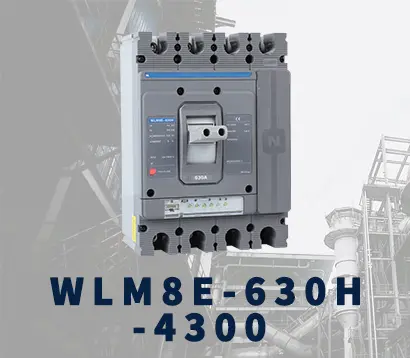 WLM8E-630H-4300
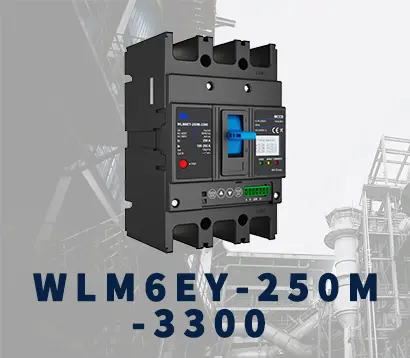 WLM6EY-250-3300 3P/4P
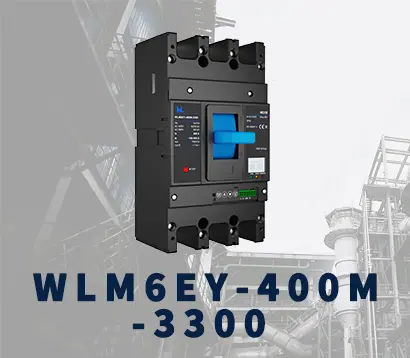 WLM6EY-400 3P/4P
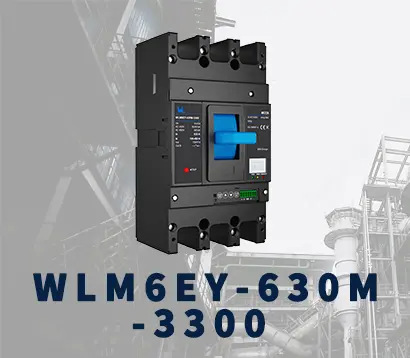 WLM6EY-630 3P/4P
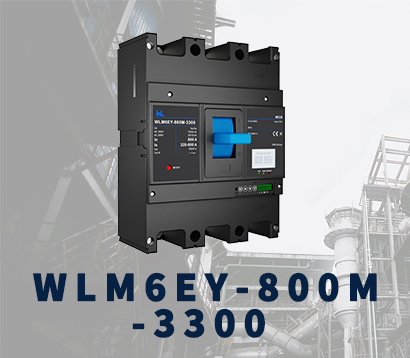 WLM6EY-800A 3P/4P
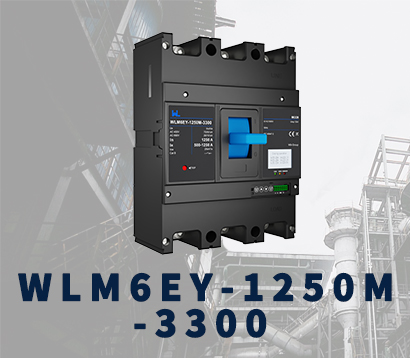 WLM6EY-1250A 3P/4P
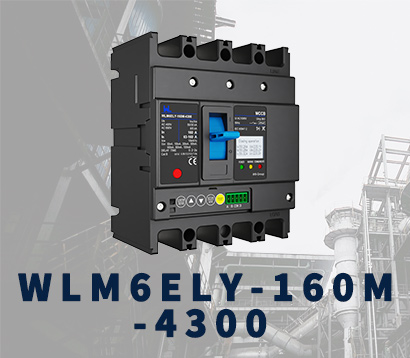 WLM6ELY-160A
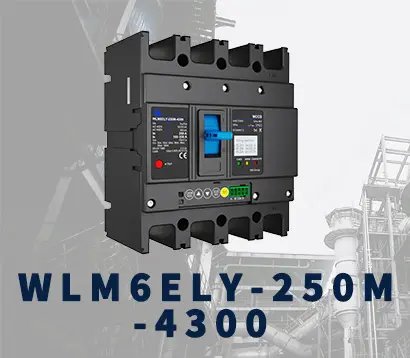 WLM6ELY-250A
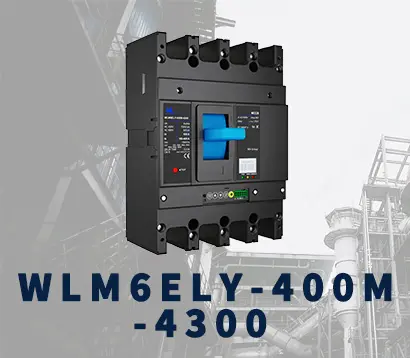 WLM6ELY-400A
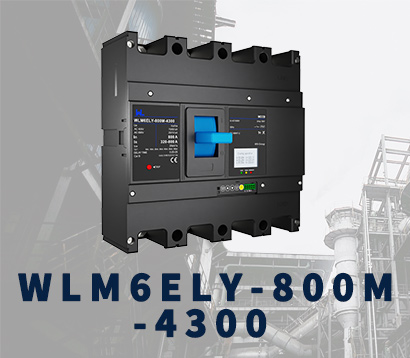 WLM6ELY-800A
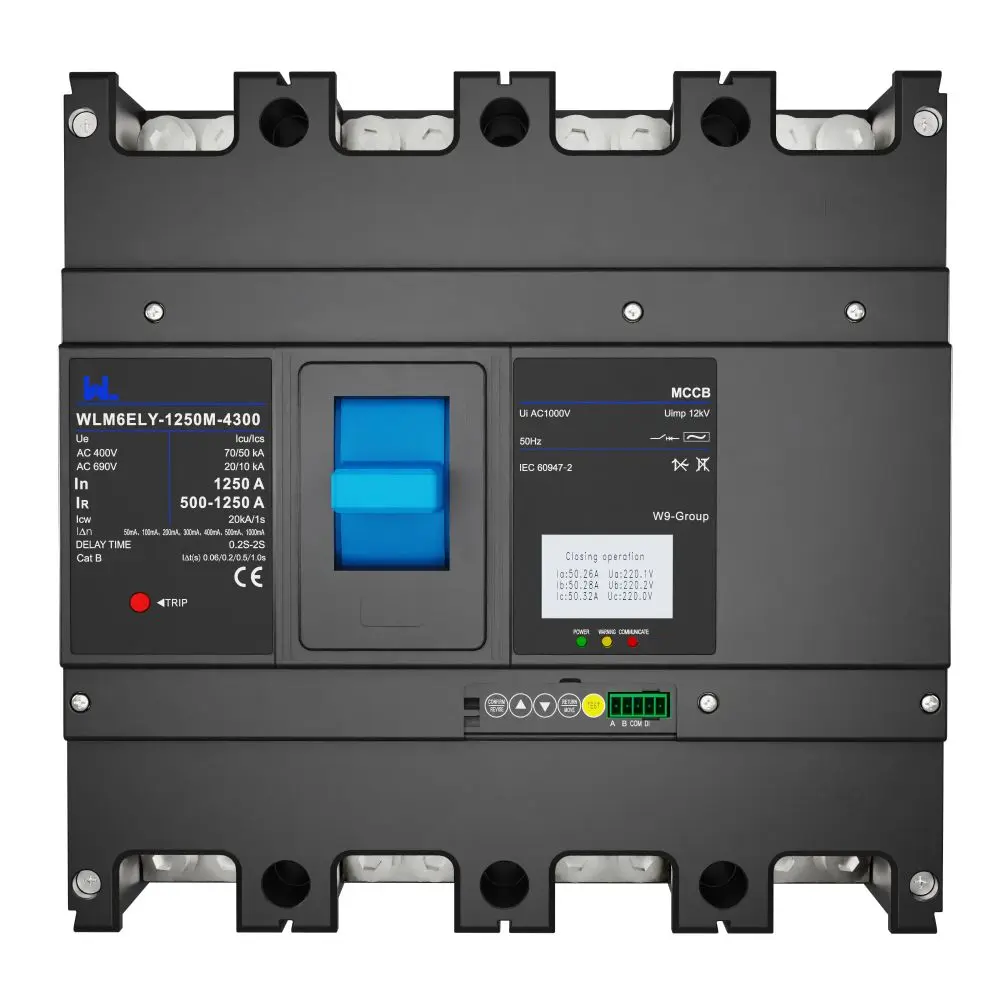 WLM6ELY-1250A
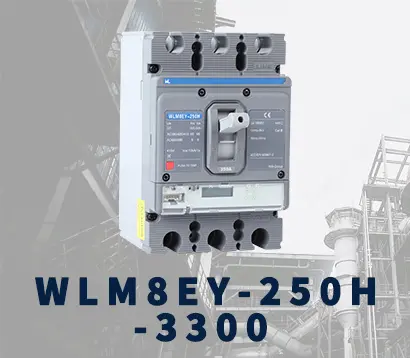 WLM8EY-250H-3300
 WLM8EY-400H-3300
 WLM8EY-630H-3300
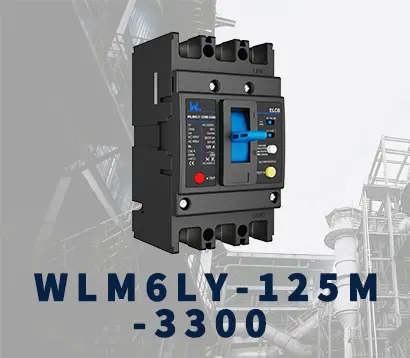 WLM6LY-125A
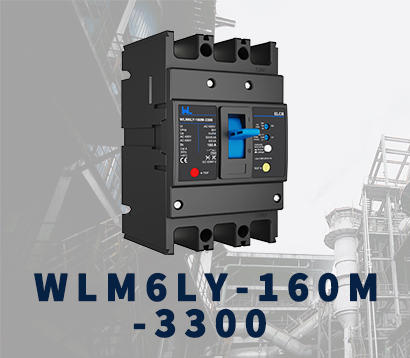 WLM6L-160A
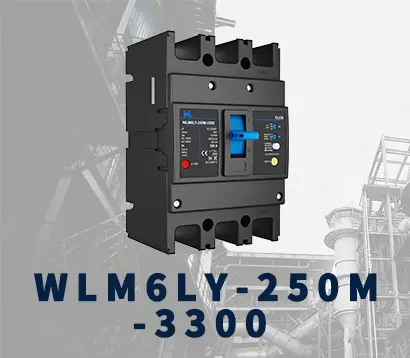 WLM6LY-250A
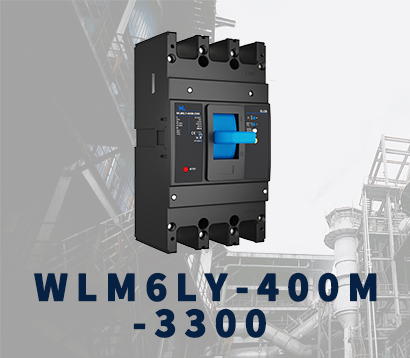 WLM6LY-400A
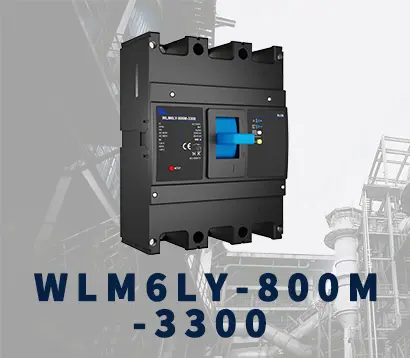 WLM6LY-800A
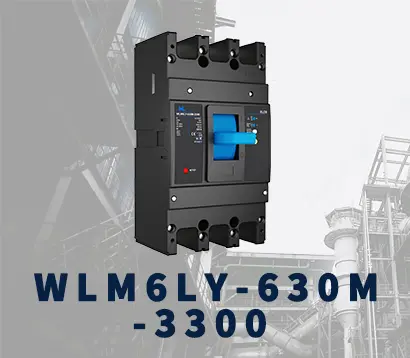 WLM6LY-630A
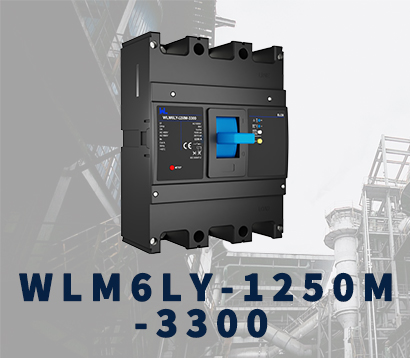 WLM6LY-1250A
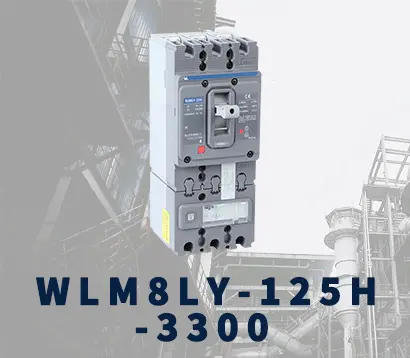 WLM8LY-125H-3300
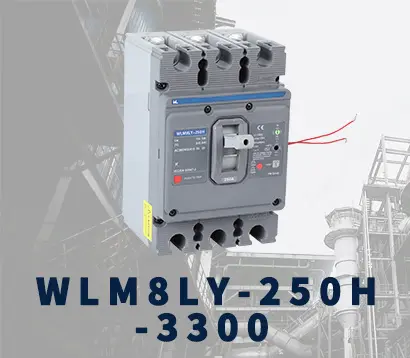 WLM8LY-250H-3300
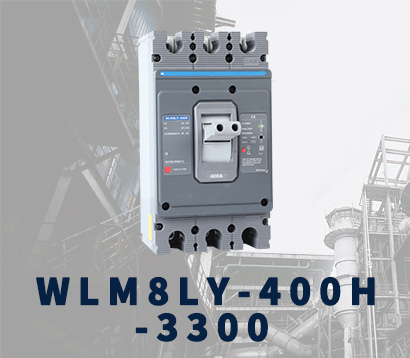 WLM8LY-400H-3300
 WLM8LY-630H-3300
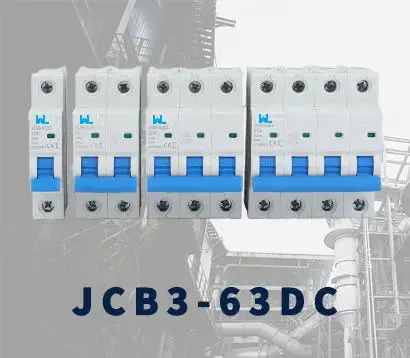 JCB3-63DC
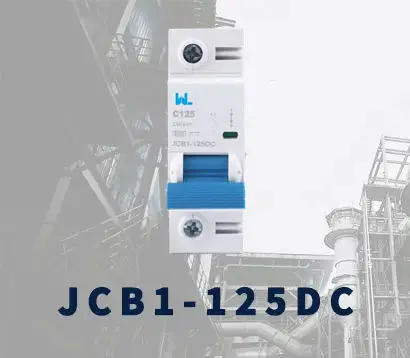 JCB1-125DC
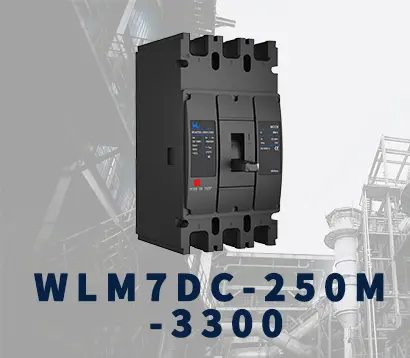 WLM7DC-250A-2300 2P/3P
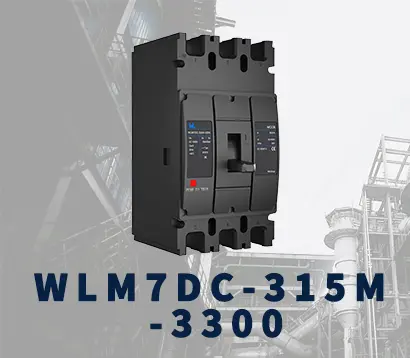 WLM7DC-315A-3300 2P/3P
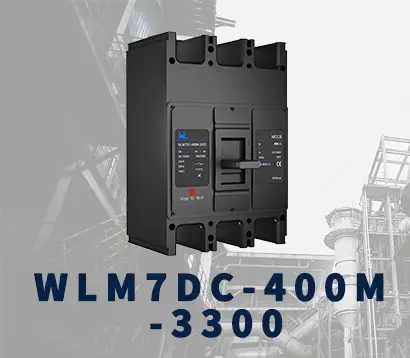 WLM7DC-400A-2300 2P/3P
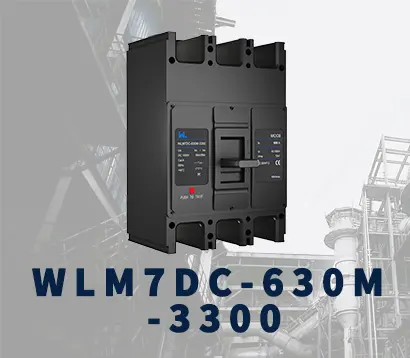 WLM7DC-630A-3300 3P
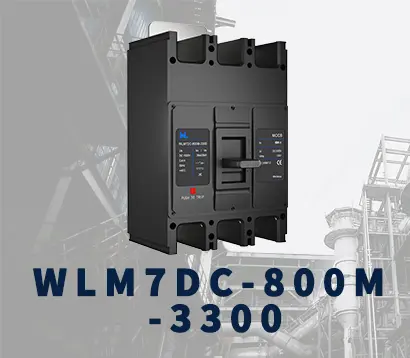 WLM7DC-800A-2300 2P/3P
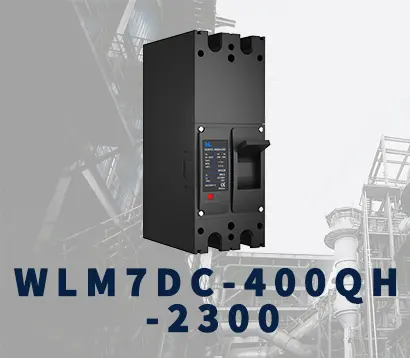 WLM7DC-400A 2300
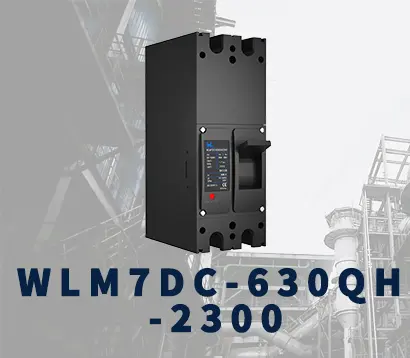 WLM7DC-630A-2300 2P
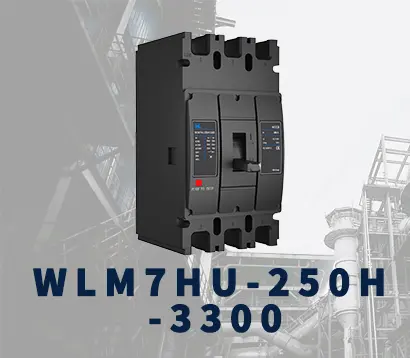 WLM7HU-250-3300 3P
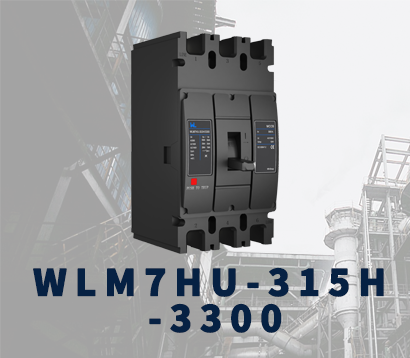 WLM7HU-315-3300 3P
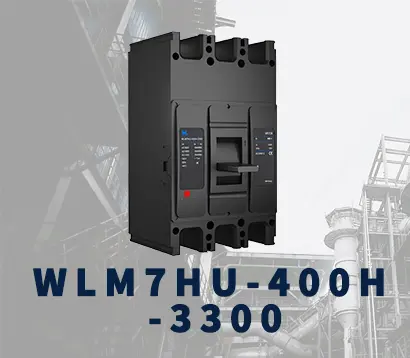 WLM7HU-400-3300 3P
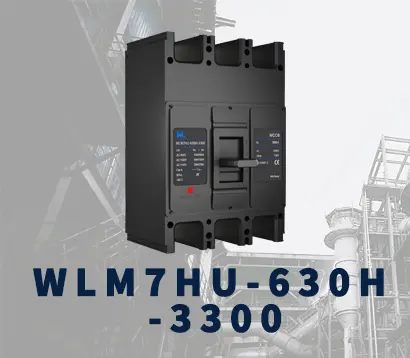 WLM7HU-630-3300 3P
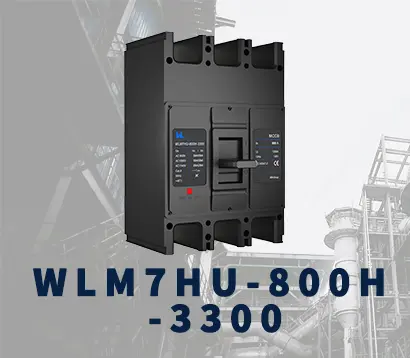 WLM7HU-800-3300 3P
 PV-1500V/250A
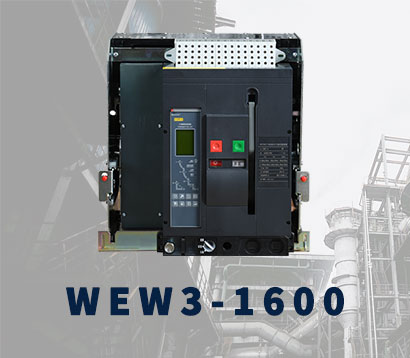 WEW3-1600
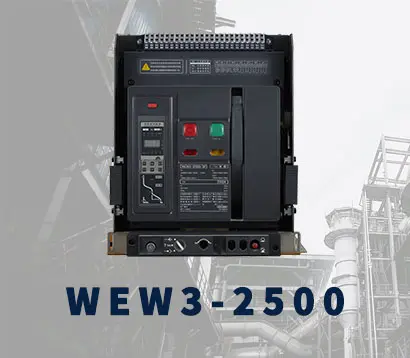 WEW3-2500
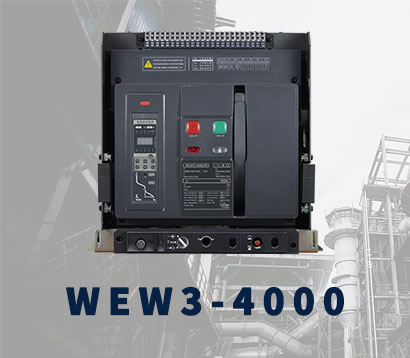 WEW3-4000
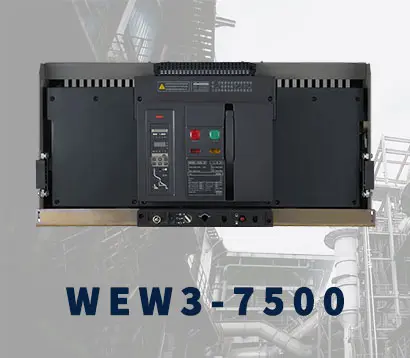 WEW3-7500