What is a Molded Breaker and How Does it Work?
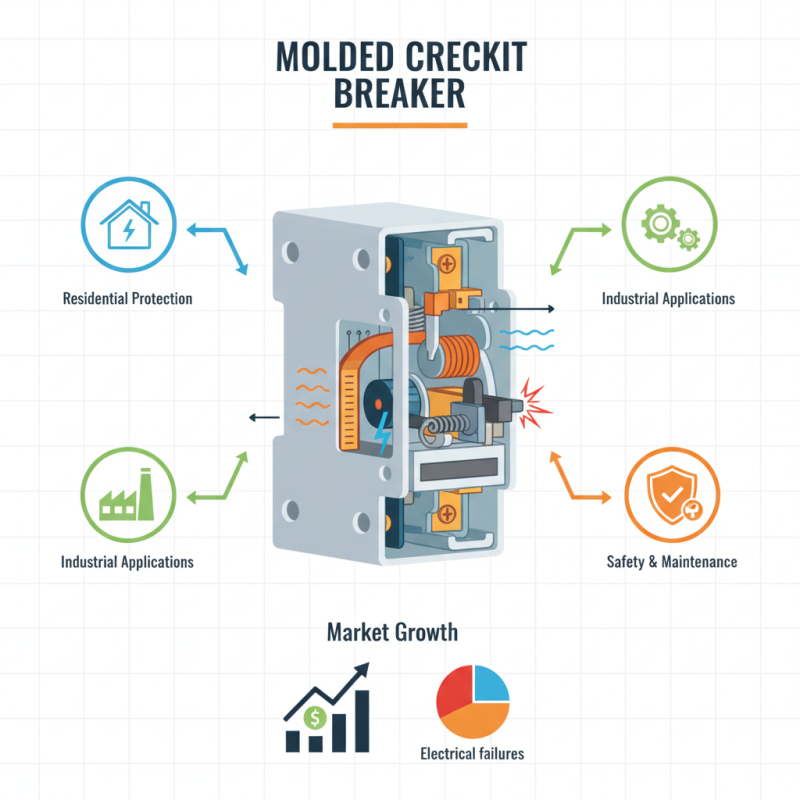
In the realm of electrical engineering, the Molded Breaker plays a crucial role in ensuring safety and efficiency. According to a report by the International Electrotechnical Commission (IEC), approximately 85% of electrical failures occur due to improper circuit protection. Molded Breakers address these issues effectively. They are designed to protect electrical circuits from overload and short circuits. This proactive approach minimizes risks in electrical systems.
The global market for Molded Breakers is projected to reach over $10 billion by 2026, reflecting a growing awareness of electrical safety standards. Their compact design and advanced technology make them suitable for various applications, from residential to industrial settings. Moreover, organizations like the National Fire Protection Association (NFPA) emphasize the importance of reliable circuit protection to prevent electrical fires.
Despite their effectiveness, users often overlook the need for regular maintenance and testing. Many assume that Molded Breakers will function indefinitely without attention. This belief can lead to dangerous situations. It is essential to understand the working principles of Molded Breakers to appreciate their importance fully. Proper knowledge and regular assessments can lead to safer electrical environments.
What is a Molded Breaker? Definition and Key Features
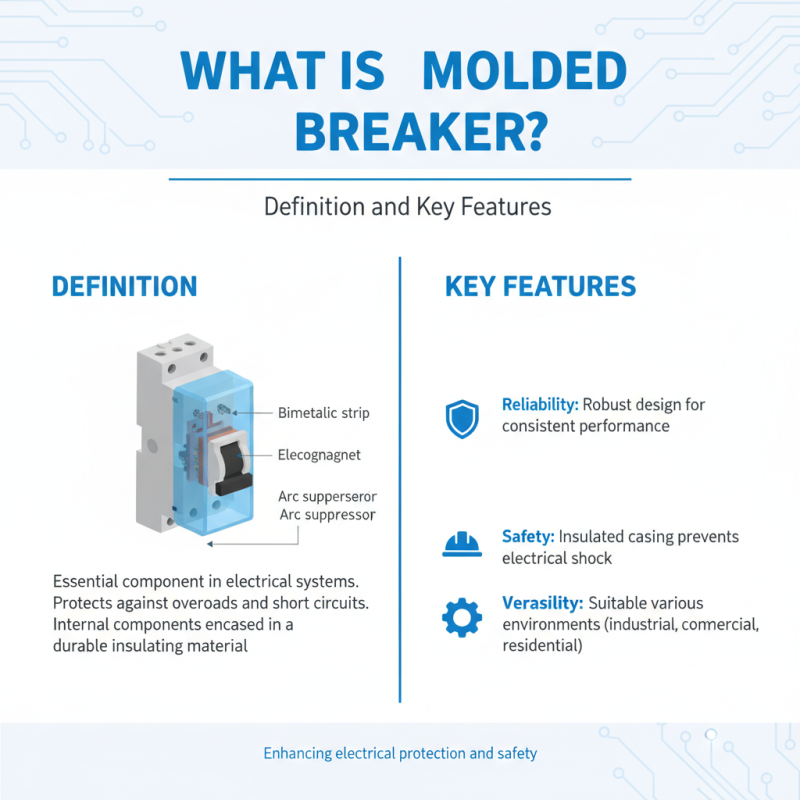
Molded circuit breakers are essential components in electrical systems. They protect against overloads and short circuits. A molded breaker contains internal components encased in a durable insulating material. This design enhances reliability and safety in various environments.
One key feature of molded breakers is their adjustable trip settings. Users can tailor them to the specific needs of their circuits. This flexibility is useful in industrial applications where equipment varies greatly. The rapid response to faults minimizes potential damage. However, improper settings can lead to nuisance tripping or delayed responses.
When selecting a molded breaker, consider your system’s voltage and current requirements. **Tip:** Always check the breaker's compatibility with your wiring. Inspect the insulation regularly for signs of wear. **Tip:** Periodic testing helps ensure proper function. These steps can extend the life of the breaker and enhance overall safety.
The Working Principles of Molded Circuit Breakers Explained
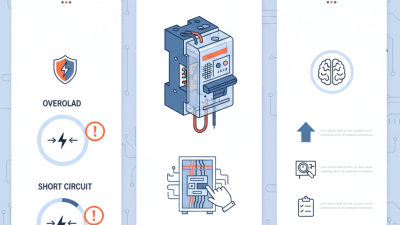
Molded circuit breakers (MCBs) play a vital role in electrical safety. They protect circuits from overloads and short circuits. An MCB works by automatically disconnecting the circuit when it detects a fault. This mechanism prevents potential damage to electrical devices and reduces fire risks.
The working principle of an MCB involves two main functions: thermal and magnetic trip mechanisms. The thermal trip responds to sustained overloads. It uses a bimetallic strip that bends with heat. The magnetic trip responds to short circuits. It activates rapidly through an electromagnetic mechanism. When either condition occurs, the breaker trips, cutting off electricity flow.
Installation and maintenance of MCBs require careful attention. Improper installation can lead to malfunctions. Some users may think they understand these devices, but a deeper knowledge is essential. Regular testing can ensure reliability. It’s important to reflect on how these systems may perform under different conditions to ensure safety.
What is a Molded Breaker and How Does it Work?
| Dimension |
Description |
Example Value |
| Rated Current |
The maximum current that the breaker can carry continuously |
100A |
| Tripping Mechanism |
The method by which the breaker disconnects power in case of overload or short circuit |
Thermal and Magnetic |
| Breaking Capability |
The maximum fault current that the breaker can interrupt without damage |
10kA |
| Pole Configuration |
The number of poles in the breaker for single-phase or three-phase applications |
3-Pole |
| Mounting Type |
How the breaker is installed in electrical panels |
DIN Rail Mount |
Types of Molded Breakers: Applications and Specifications
Molded breakers come in various types, each designed for specific applications. One common type is the miniature molded circuit breaker (MCB). These devices protect circuits from overloads and short circuits. They typically handle currents between 6A and 63A and are common in residential setups. MCBs provide reliable protection and reset easily after an overload event. However, improper installation can lead to malfunction.
Another important type is the molded case circuit breaker (MCCB). These are larger and handle higher voltages, typically from 63A to 2500A. MCCBs are often used in industrial settings, protecting large machinery. They can have adjustable trip settings, which allow customization based on the specific load. This flexibility is a strength, but it requires knowledgeable installation and settings adjustment. Users must weigh the risks of misconfiguration.
Lastly, it’s essential to recognize the need for regular maintenance. Molded breakers can have wear over time, affecting their performance. Maintaining these devices ensures safety and reliability. Users should inspect connections and reset mechanisms periodically. This practice reduces the chance of unexpected failures and enhances the overall electrical safety of any system.
Performance Ratings: Current, Voltage, and Trip Settings
Molded circuit breakers are essential in electrical distribution systems. They protect circuits from overloads and faults. Their performance ratings include current, voltage, and trip settings, which determine their operational capacity.
Current ratings indicate the maximum current a breaker can handle without tripping. It's crucial to choose the right rating based on your load requirements. If the rating is too low, frequent tripping occurs. Too high, and the circuit is at risk of damage.
Voltage ratings indicate the maximum voltage a breaker can safely interrupt. Choosing an appropriate voltage rating is key to maintaining system integrity. Under voltage settings, breakers may fail to trip during faults, potentially causing hazardous situations.
Trip settings are adjustable parameters that define when a breaker will disconnect the circuit. It's vital to calibrate these settings accurately. An improperly set trip can either lead to nuisance tripping or, worse, not trip at all during a fault.
**Tip:** Regularly review your breaker settings to ensure they match current usage. Consider sun damage or wear over time. Keep an eye on potential overheating issues too, as they can indicate the need for adjustments.
**Tip:** Inspect your molded circuit breakers for signs of wear. Dust and moisture can affect performance. Clean your breakers regularly to maintain their reliability.
Periodically assess your system requirements. Changes in connected load can necessitate adjustments to breaker ratings and settings. Take proactive measures to prevent electrical failures.
Industry Standards and Compliance for Molded Circuit Breakers
Molded circuit breakers (MCBs) are critical components in electrical systems. They ensure safety by preventing overload and short circuit conditions. To manufacture MCBs, adherence to industry standards is vital. Compliance ensures that these devices function reliably and safely.
In many regions, MCBs must meet specific codes set by standards organizations. These include IEEE, IEC, and UL guidelines. They outline design, performance, and testing requirements. For instance, thermal and magnetic characteristics must be precisely defined. Testing under various conditions ensures the breaker will operate correctly. This compliance isn't just a checkbox; it reflects a commitment to safety and reliability.
However, the need for compliance brings challenges. Manufacturers must continuously update practices to align with new standards. Navigating evolving regulations can be daunting. Some businesses might struggle with meeting these stringent guidelines, which can lead to questions about reliability. Therefore, ongoing training and investment in quality assurance are essential for maintaining standards in molded circuit breaker production.

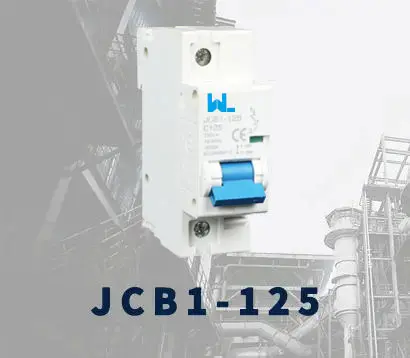 JCB1-125
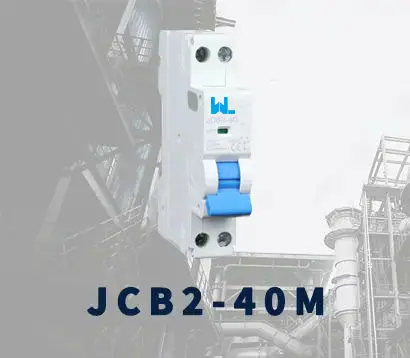 JCB2-40M
 JCB3-63DC
 JCB3-80H
 JCB3-80M
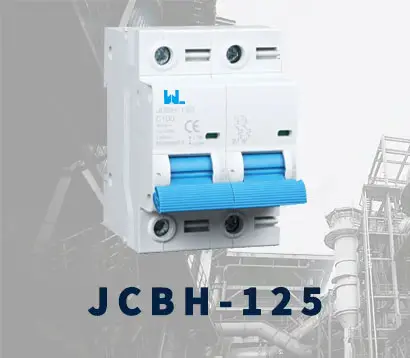 JCBH-125
 JC80-2P
 JC80-4P
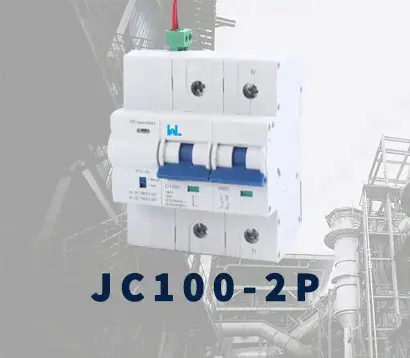 JC125-2P
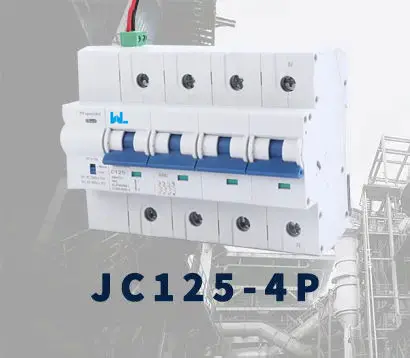 JC125-4P
 JCMX
JCMX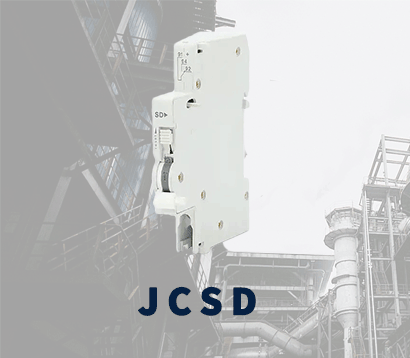 JCSD
JCSD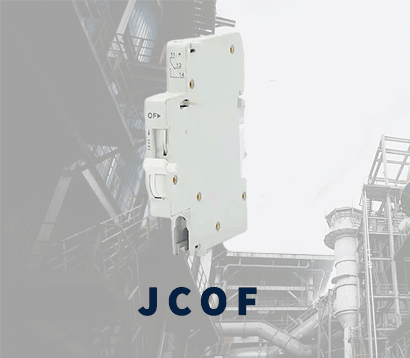 JCOF
JCOF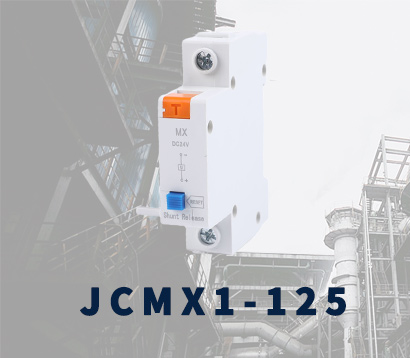 JCMX1-125
 JCOF1-125
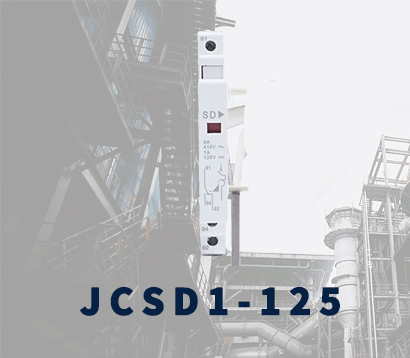 JCSD1-125
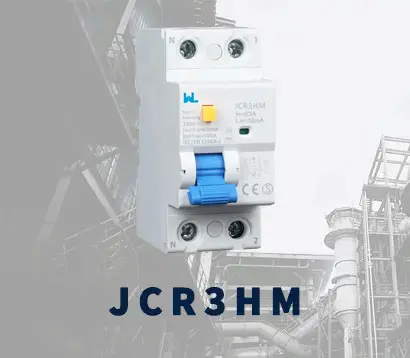 JCR3HM
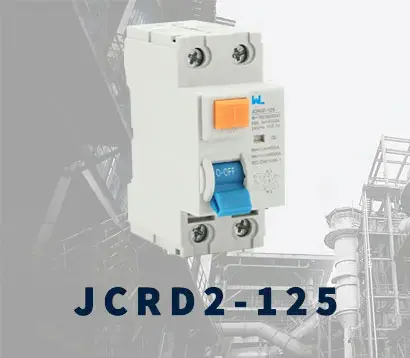 JCRD2-125
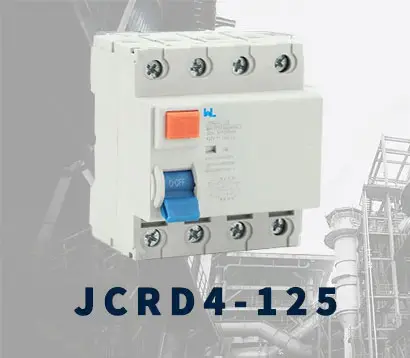 JCRD4-125
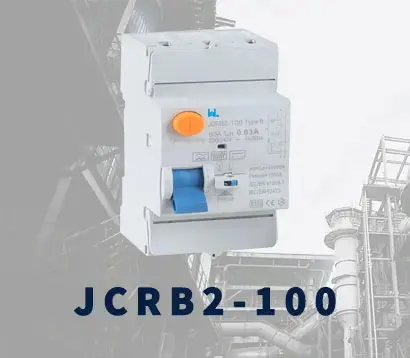 JCRB2-100
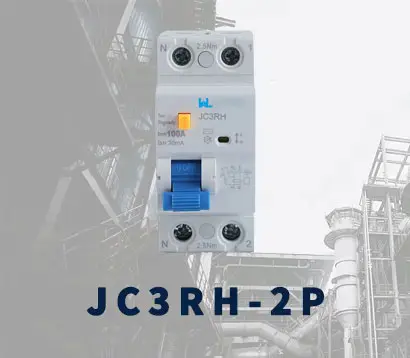 JC3RH-2P
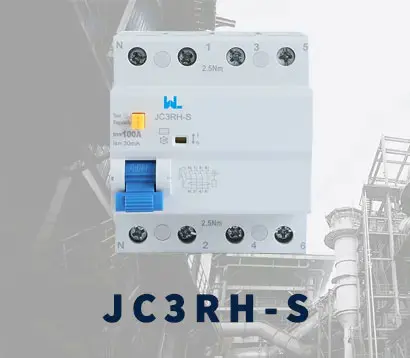 JC3RH-S
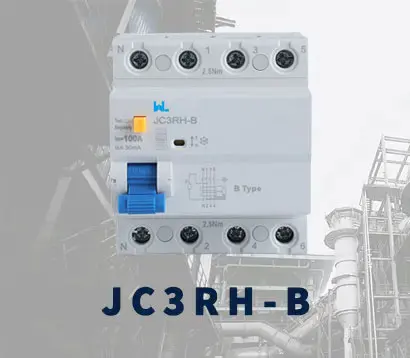 JC3RH-B
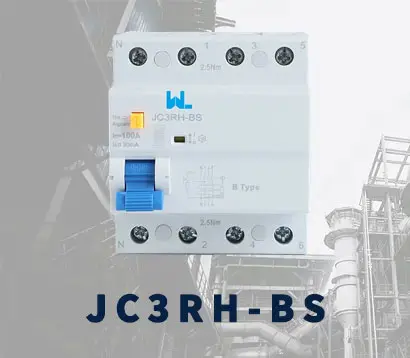 JC3RH-BS
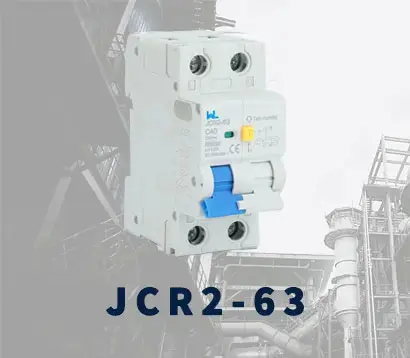 JCR2-63
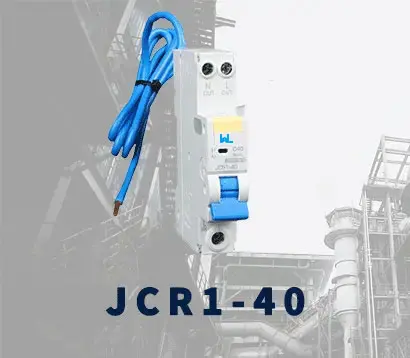 JCR1-40
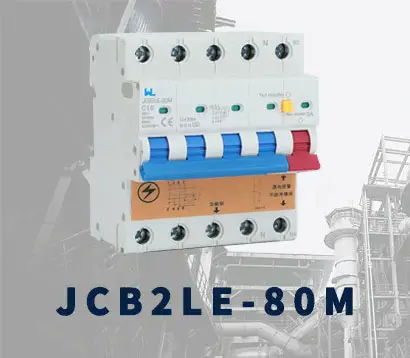 JCB2LE-80M
 JCB2LE-80M
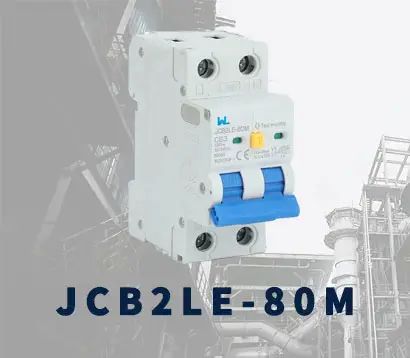 JCB2LE-80M
 JCB2LE-40M
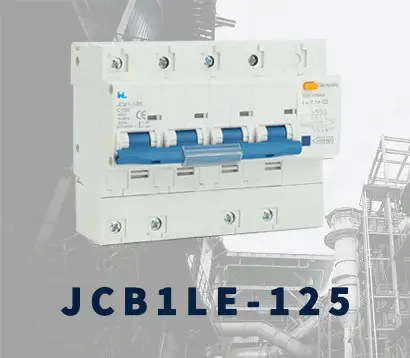 JCB1LE-125
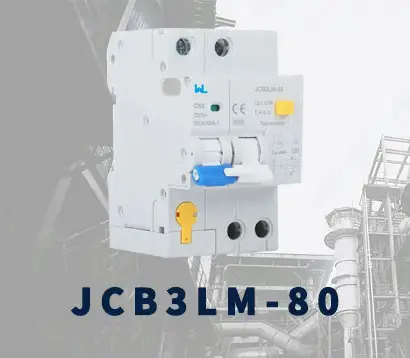 JCB3LM-80
 JCH2-125
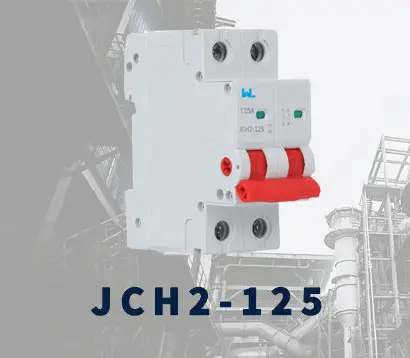 JCH2-125
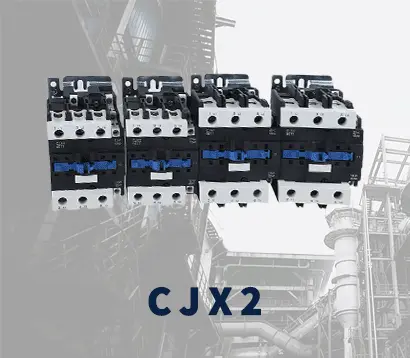 CJX2
CJX2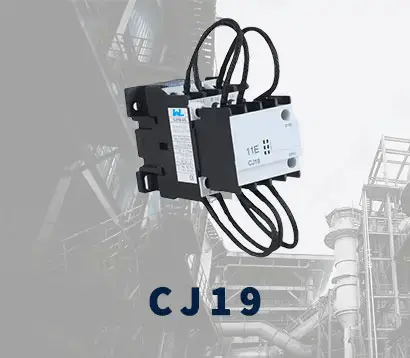 CJ19
CJ19 JCMCU
JCMCU JCHA
JCHA JCSD-40
 JCSD-60
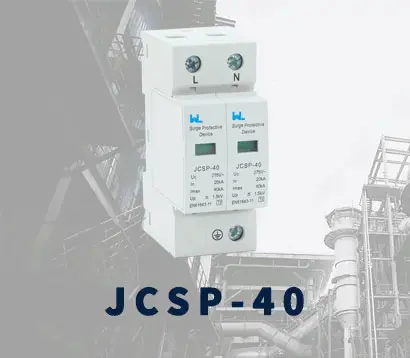 JCSP-40
 JCSP-60
 JCSPV
JCSPV WEW1-1000
 WEW1-1600
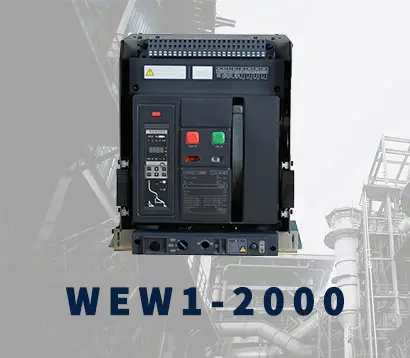 WEW1-2000
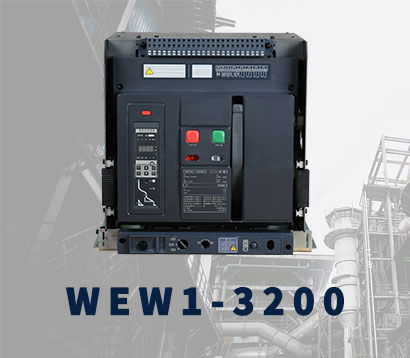 WEW1-3200
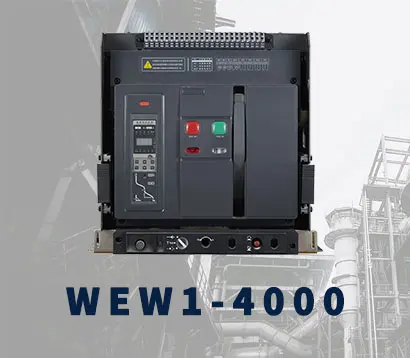 WEW1-4000
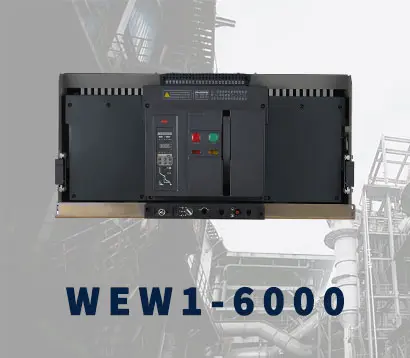 WEW1-6300
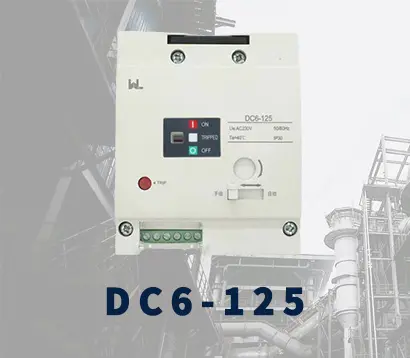 DC6-125
 AX-400-1250
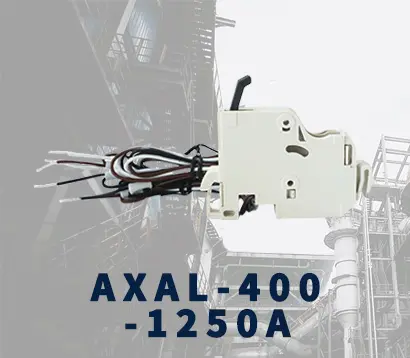 AXAL-400-1250A
 AL-400-1250
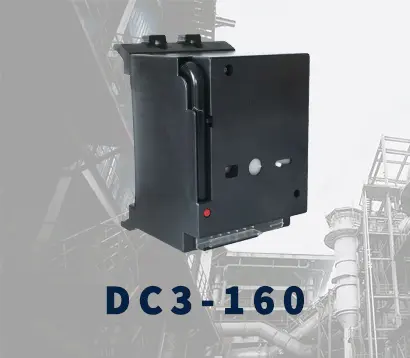 DC3-160
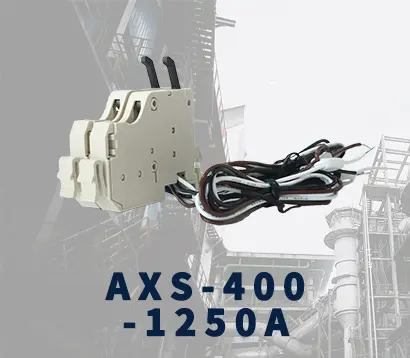 AXS-400-1250A
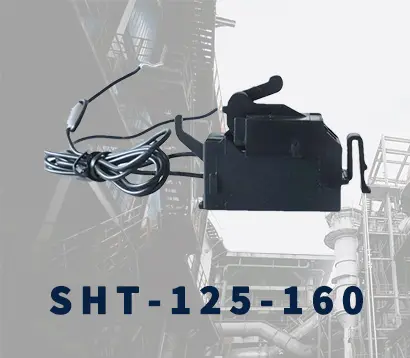 SHT-125-160
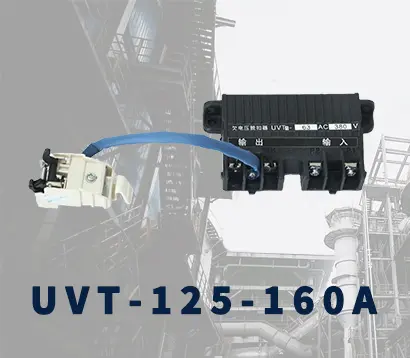 UVT-125-160A
 P-250A-3P-A
 400-3P/4P terminal cover
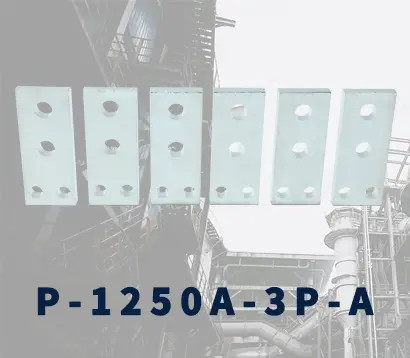 1250-3Pmccb accessories busbar
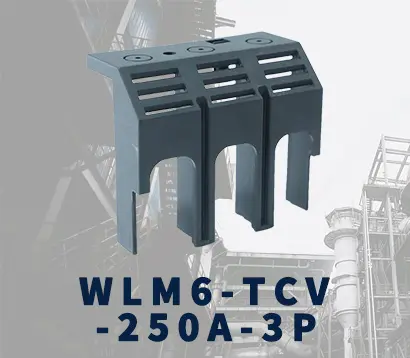 250-3P terminal conver
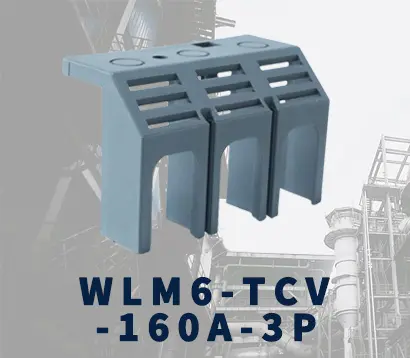 WLM6-TCV-160A-3P
 WLM6-MIP-250A
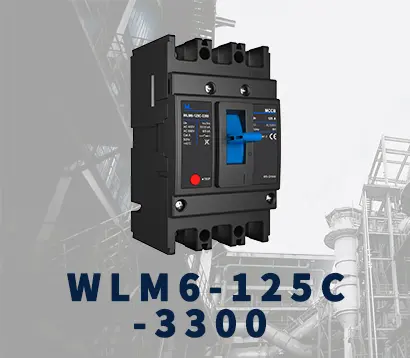 WLM6-125A-3300 3P/4P
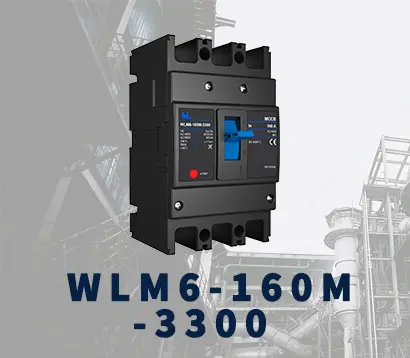 WLM6-160A-3300 3P/4P
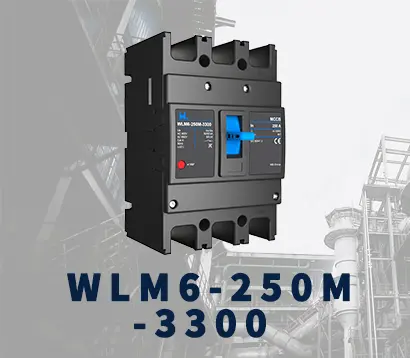 WLM6-250A-3300 3P/4P
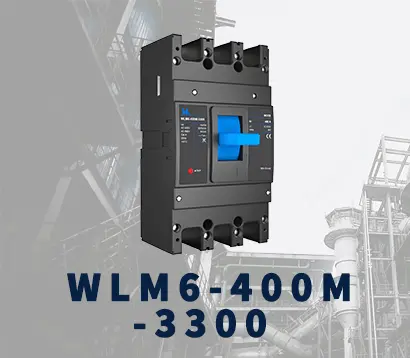 WLM6-400A-3300 3P/4P
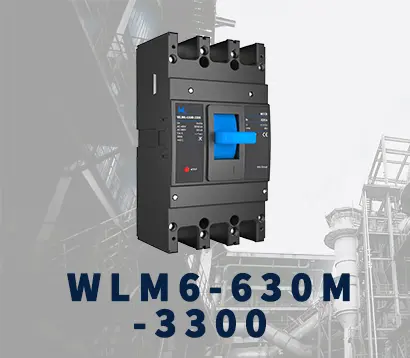 WLM6-630A-3300 3P/4P
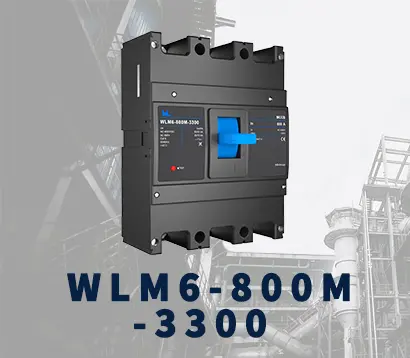 WLM6-800A-3300 3P/4P
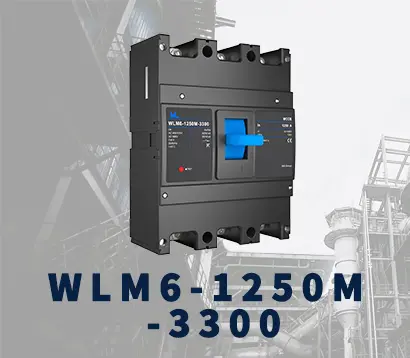 WLM6-1250A-3300 3P/4P
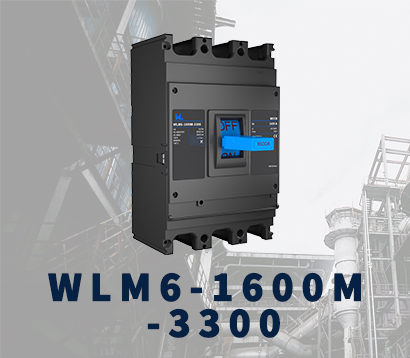 WLM6-1600A-3300 3P/4P
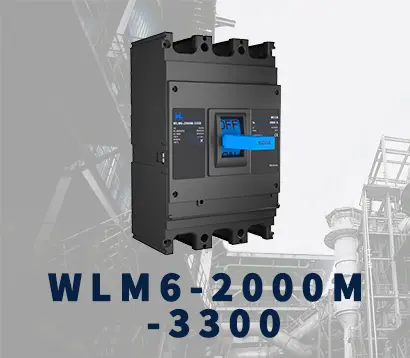 WLM6-2000A 3P/4P
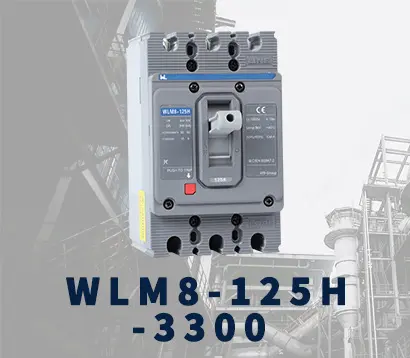 WLM8-125H-3300
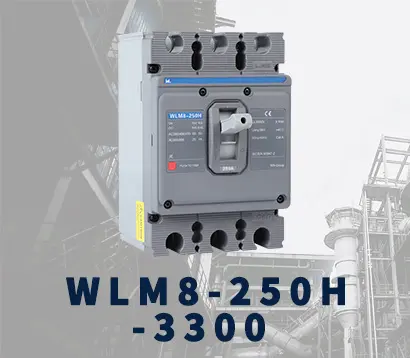 WLM8-250H-3300
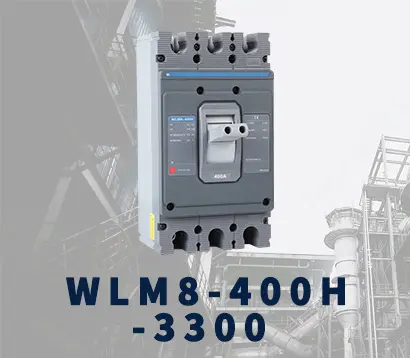 WLM8-400H-3300
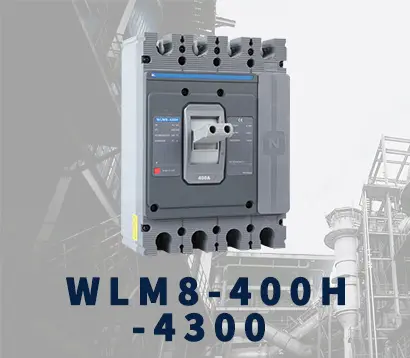 WLM8-400H-4300
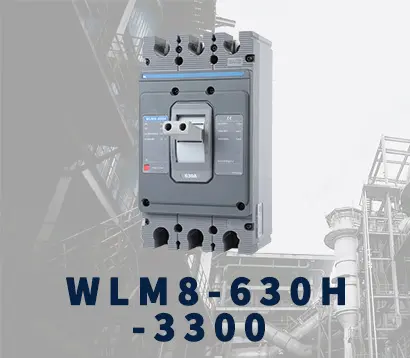 WLM8-630H-3300
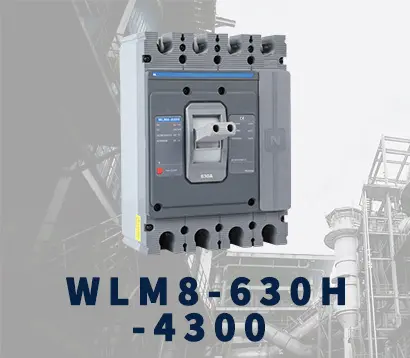 WLM8-630H-4300
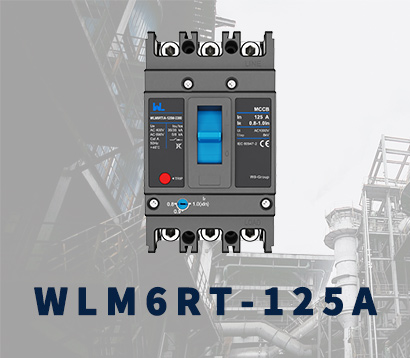 WLM6RT-125A
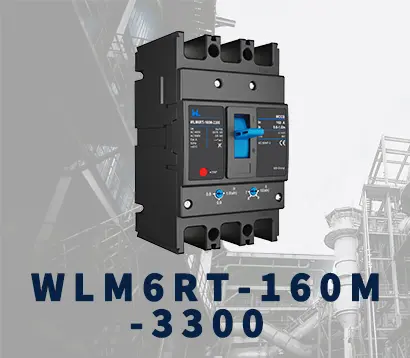 WLM6RT-160A
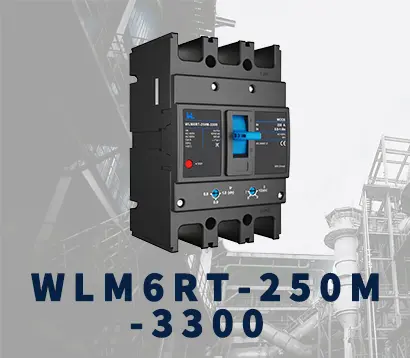 WLM6RT-250A
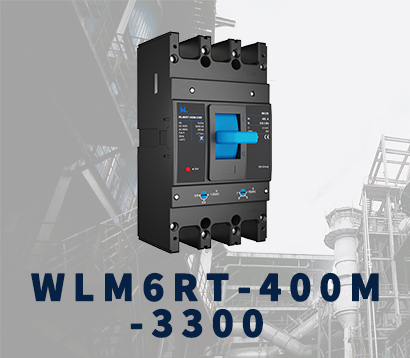 WLM6RT-400A
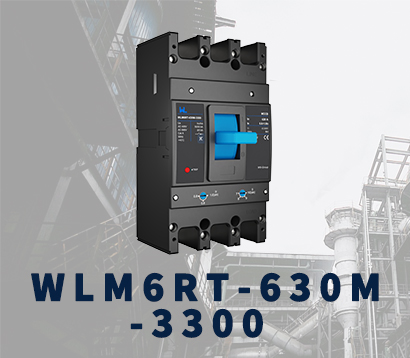 WLM6RT-630A
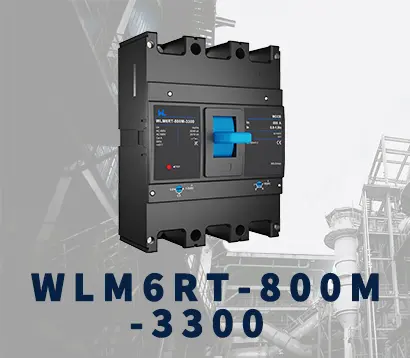 WLM6RT-800A
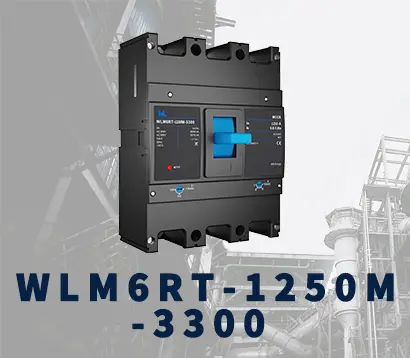 WLM6RT-1250A
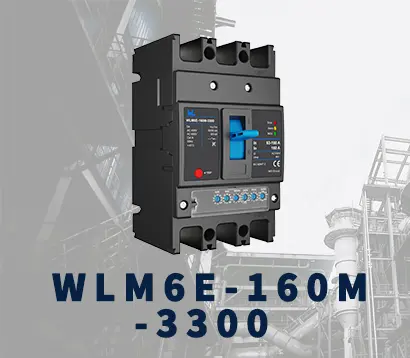 WLM6E-160A-3300 3P
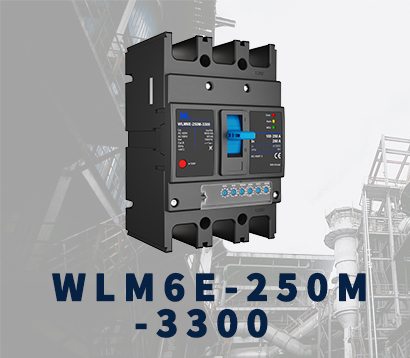 WLM6E-250A-3300
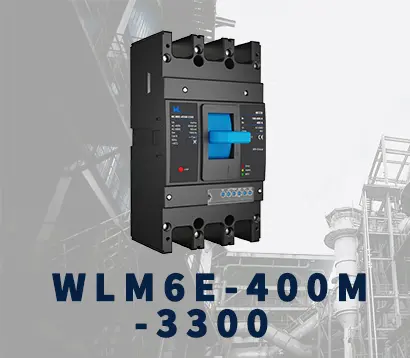 WLM6E-400A-3300 3P/4P
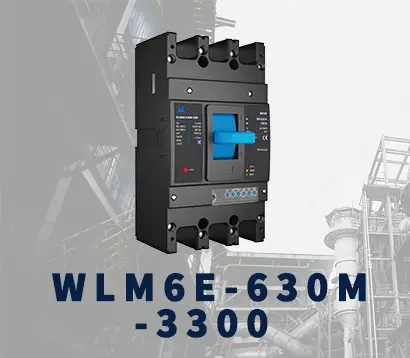 WLM6E-630A-3300
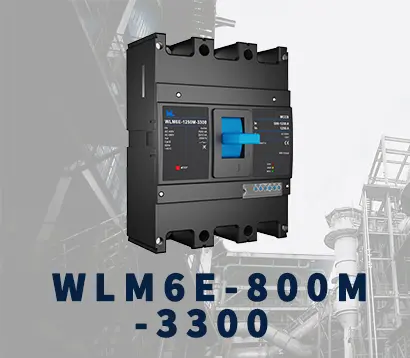 WLM6E-800A-3300 3P/4P
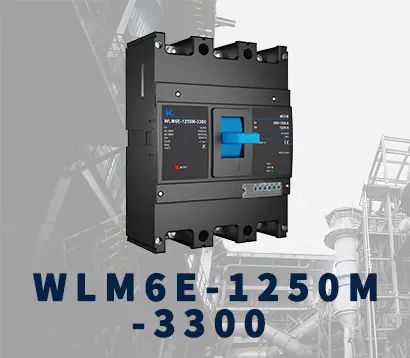 WLM6E-1250A-3300
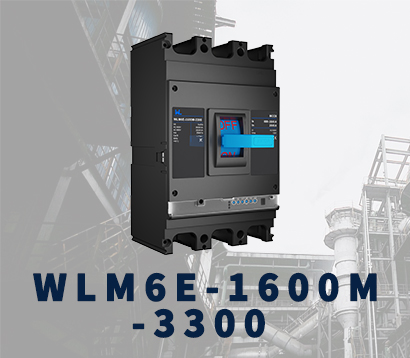 WLM6E-1600-3300 3P/4P
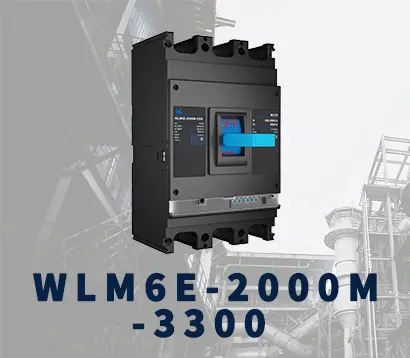 WLM6E-2000A-3300 3P/4P
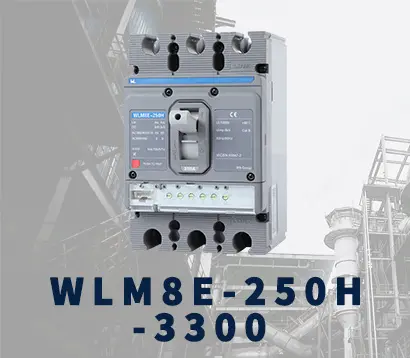 WLM8E-250H-3300
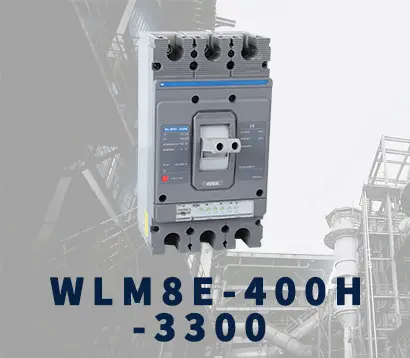 WLM8E-400H-3300
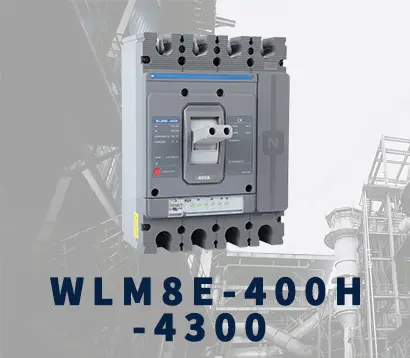 WLM8E-400H-4300
 WLM8E-630H-3300
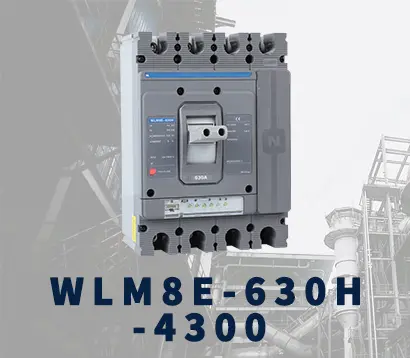 WLM8E-630H-4300
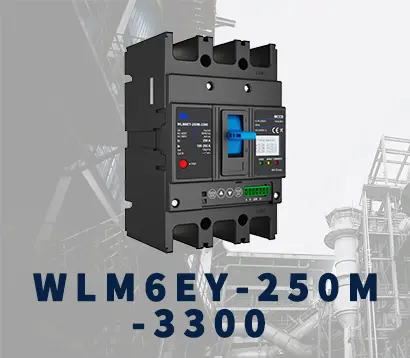 WLM6EY-250-3300 3P/4P
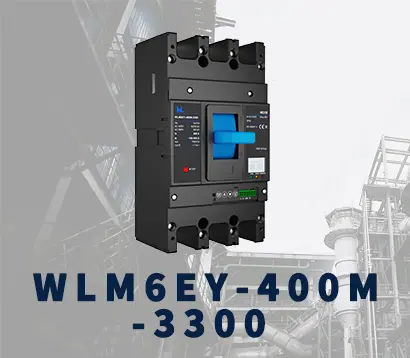 WLM6EY-400 3P/4P
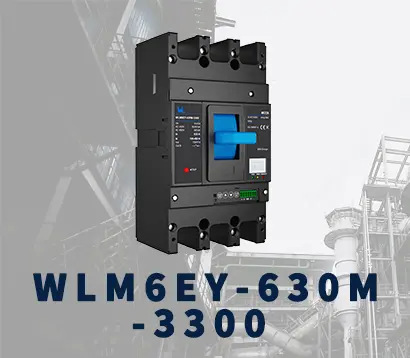 WLM6EY-630 3P/4P
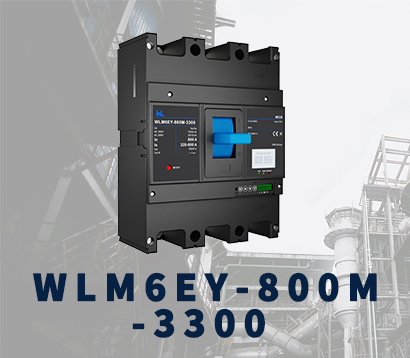 WLM6EY-800A 3P/4P
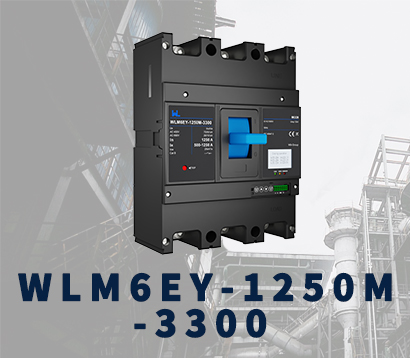 WLM6EY-1250A 3P/4P
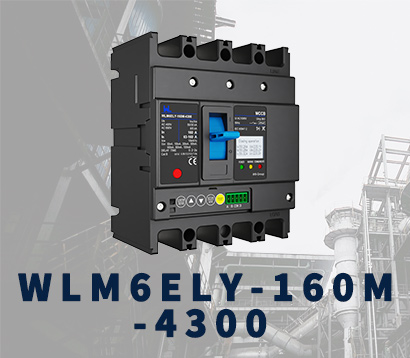 WLM6ELY-160A
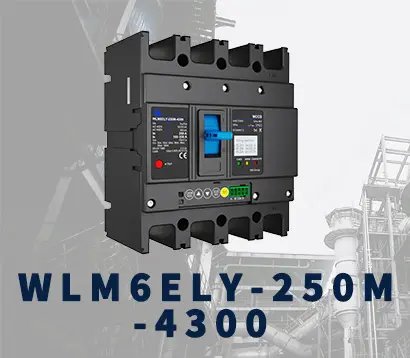 WLM6ELY-250A
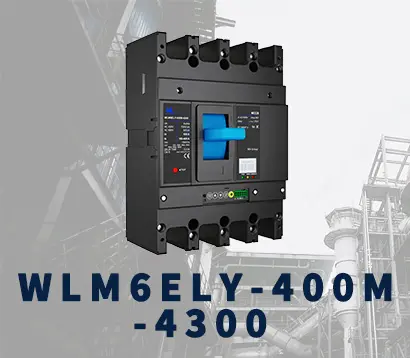 WLM6ELY-400A
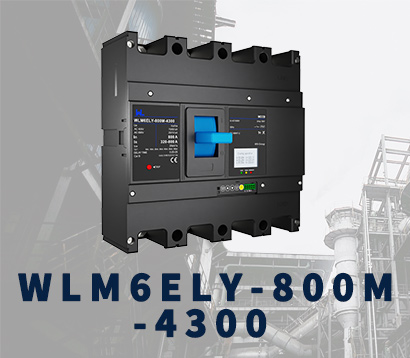 WLM6ELY-800A
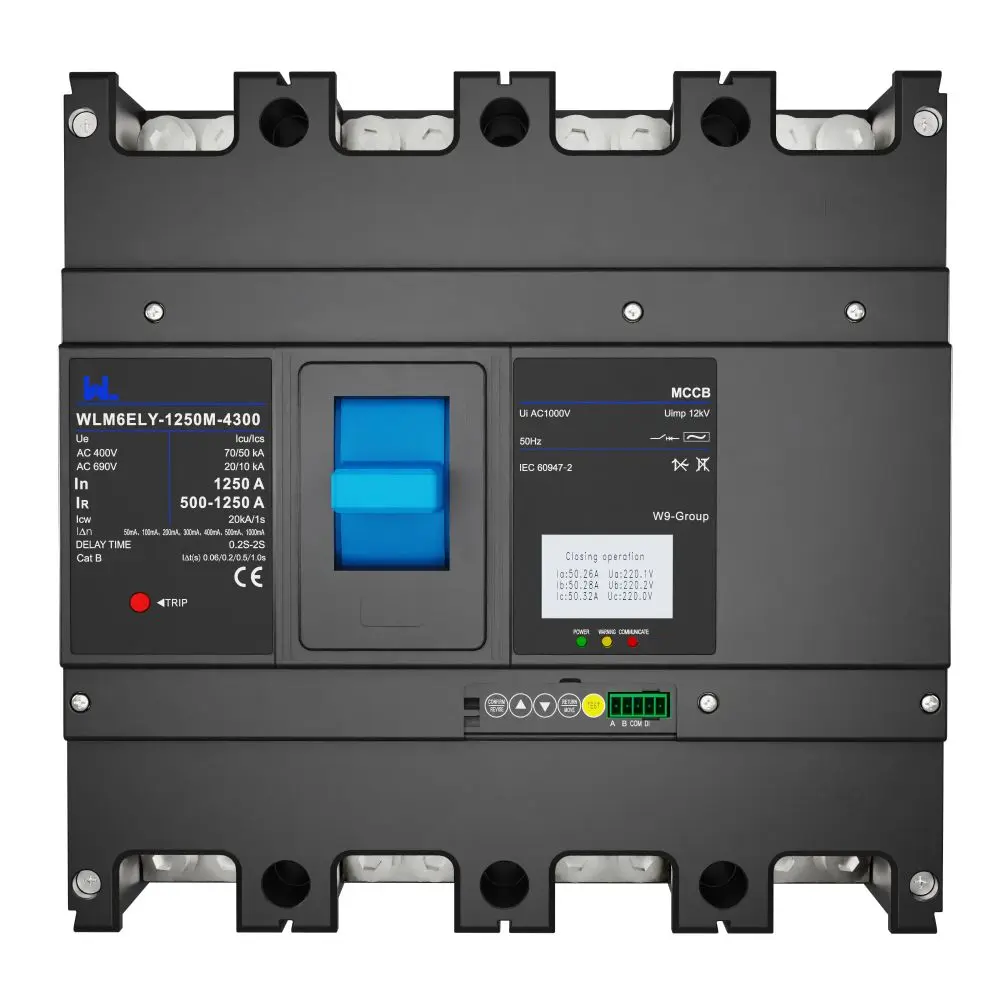 WLM6ELY-1250A
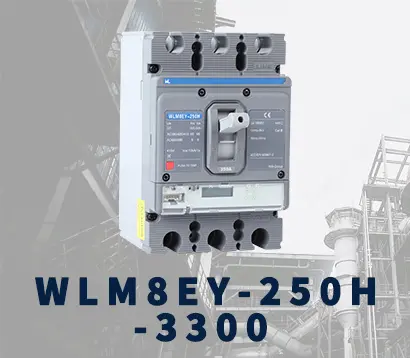 WLM8EY-250H-3300
 WLM8EY-400H-3300
 WLM8EY-630H-3300
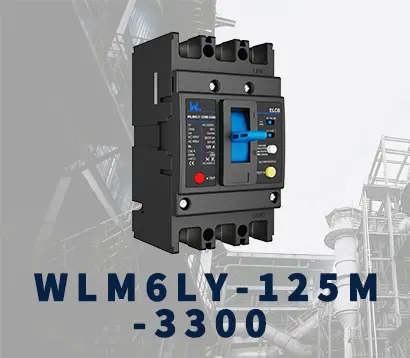 WLM6LY-125A
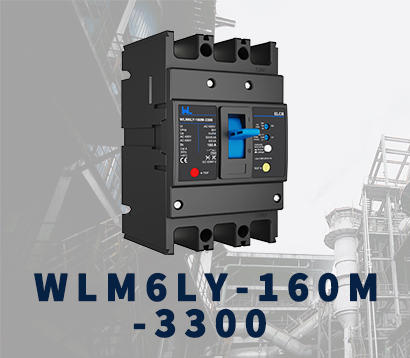 WLM6L-160A
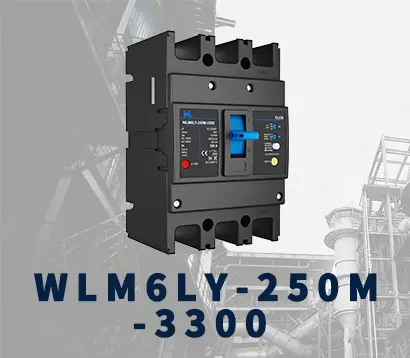 WLM6LY-250A
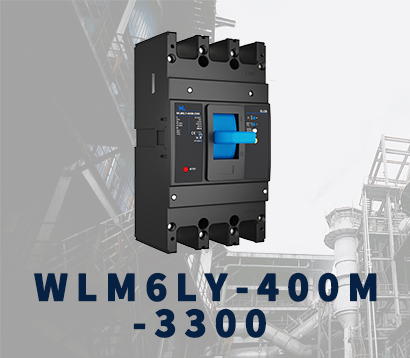 WLM6LY-400A
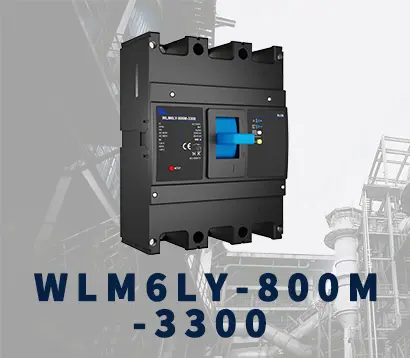 WLM6LY-800A
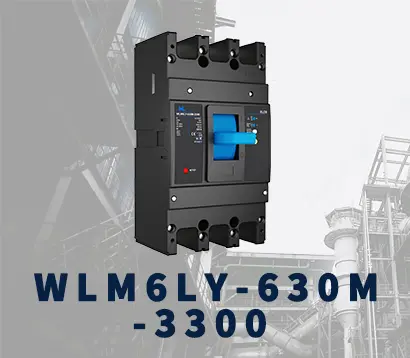 WLM6LY-630A
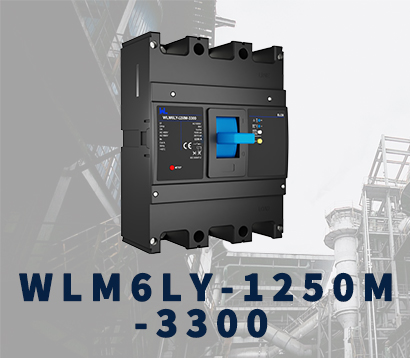 WLM6LY-1250A
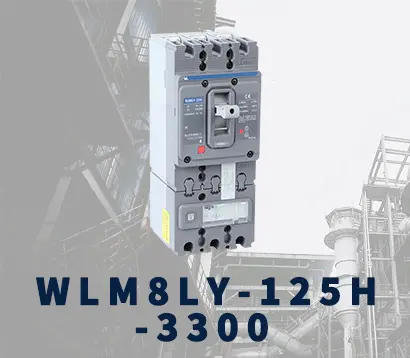 WLM8LY-125H-3300
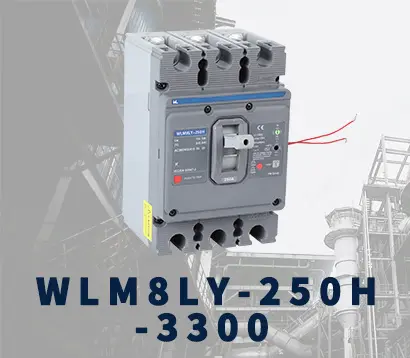 WLM8LY-250H-3300
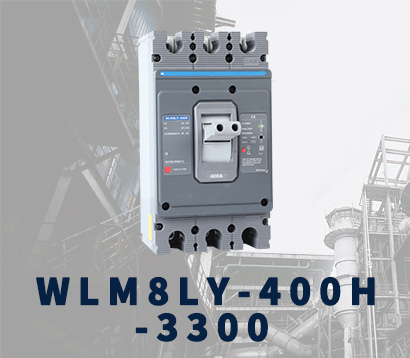 WLM8LY-400H-3300
 WLM8LY-630H-3300
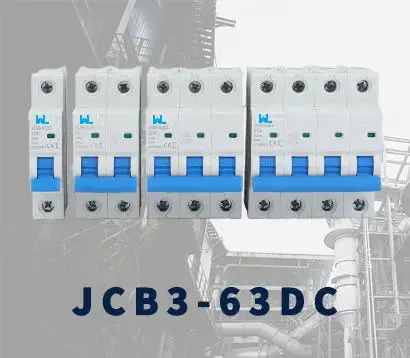 JCB3-63DC
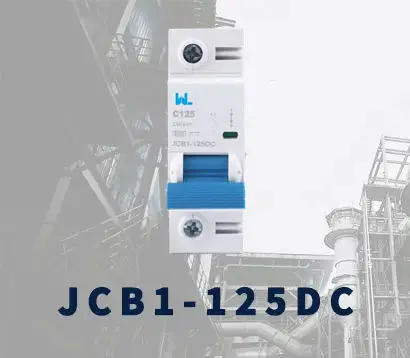 JCB1-125DC
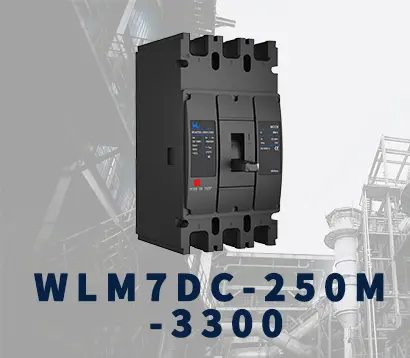 WLM7DC-250A-2300 2P/3P
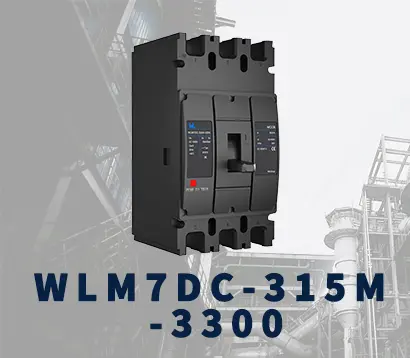 WLM7DC-315A-3300 2P/3P
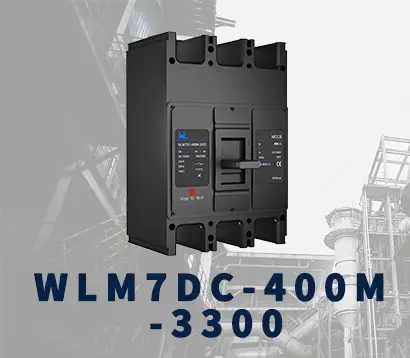 WLM7DC-400A-2300 2P/3P
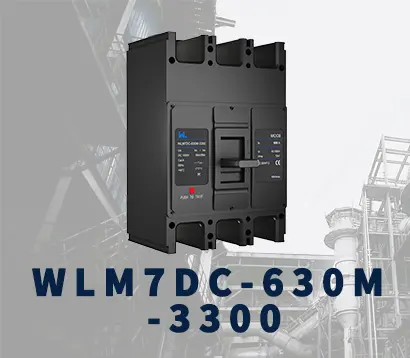 WLM7DC-630A-3300 3P
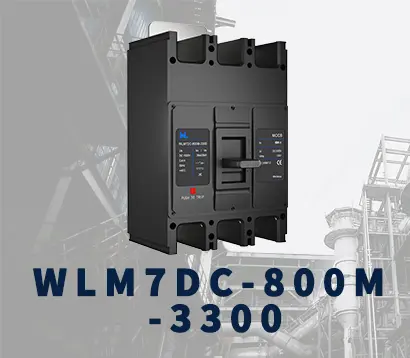 WLM7DC-800A-2300 2P/3P
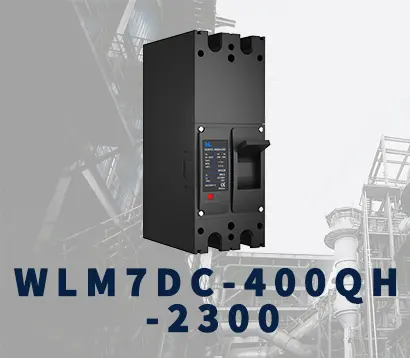 WLM7DC-400A 2300
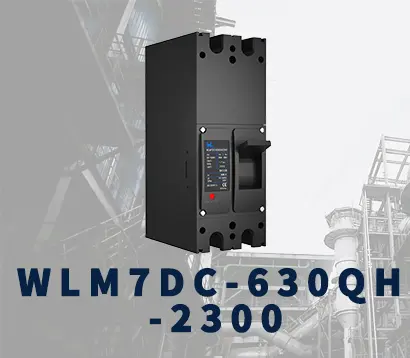 WLM7DC-630A-2300 2P
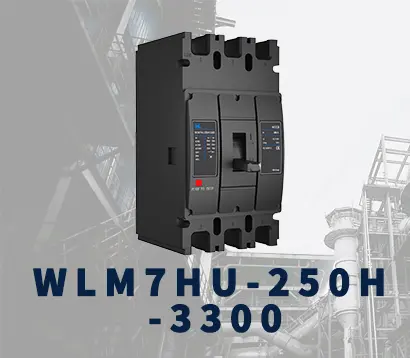 WLM7HU-250-3300 3P
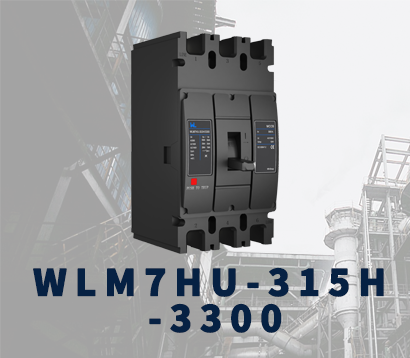 WLM7HU-315-3300 3P
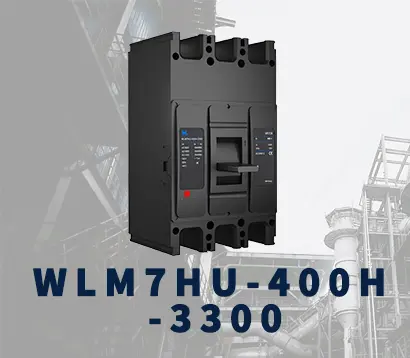 WLM7HU-400-3300 3P
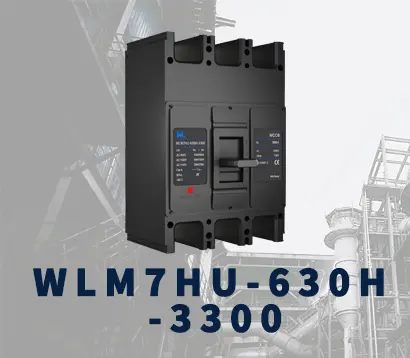 WLM7HU-630-3300 3P
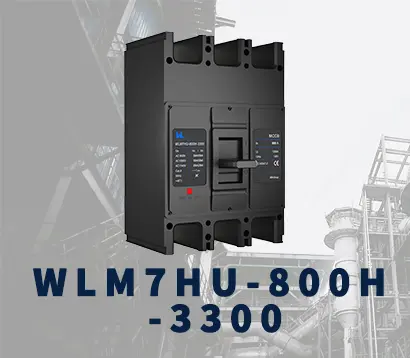 WLM7HU-800-3300 3P
 PV-1500V/250A
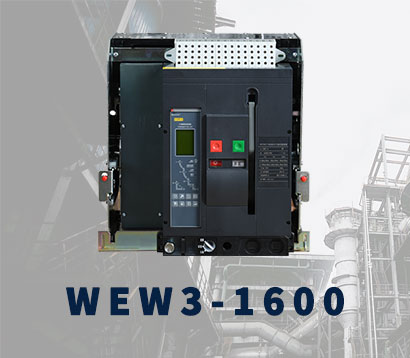 WEW3-1600
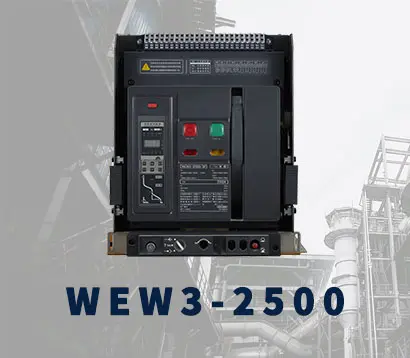 WEW3-2500
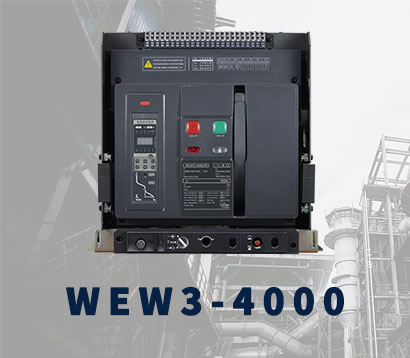 WEW3-4000
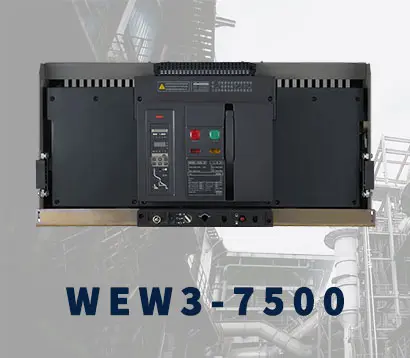 WEW3-7500