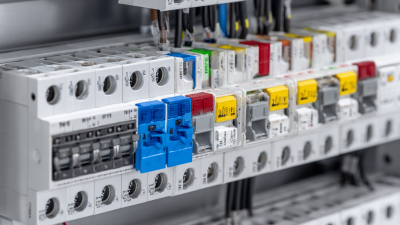
Electric MCCB Tips for Optimal Performance and Maintenance?
Electric MCCBs (Molded Case Circuit Breakers) are essential for electrical protection. According to the International Electrotechnical Commission (IEC), proper maintenance can significantly enhance their performance and lifespan. A recent report highlighted that 30% of electrical failures in industrial settings stem from inadequate maintenance of MCCBs. This statistic underscores the necessity for diligent upkeep.
Optimizing Electric MCCB performance requires regular inspections. Monitoring connections and environmental conditions is vital. Corrosion and dust accumulation can lead to failures. Research indicates that routine checks can reduce unexpected breakdowns by up to 50%. However, many professionals neglect these practices, leading to potential hazards.
Training personnel on Electric MCCB maintenance is another crucial factor. Workers must understand the importance of routine checks. During an industry survey, 40% of respondents admitted to inadequate training on MCCB upkeep. This gap can result in costly consequences. Enhancing awareness and skills is crucial for ensuring safety and reliability in electrical systems.
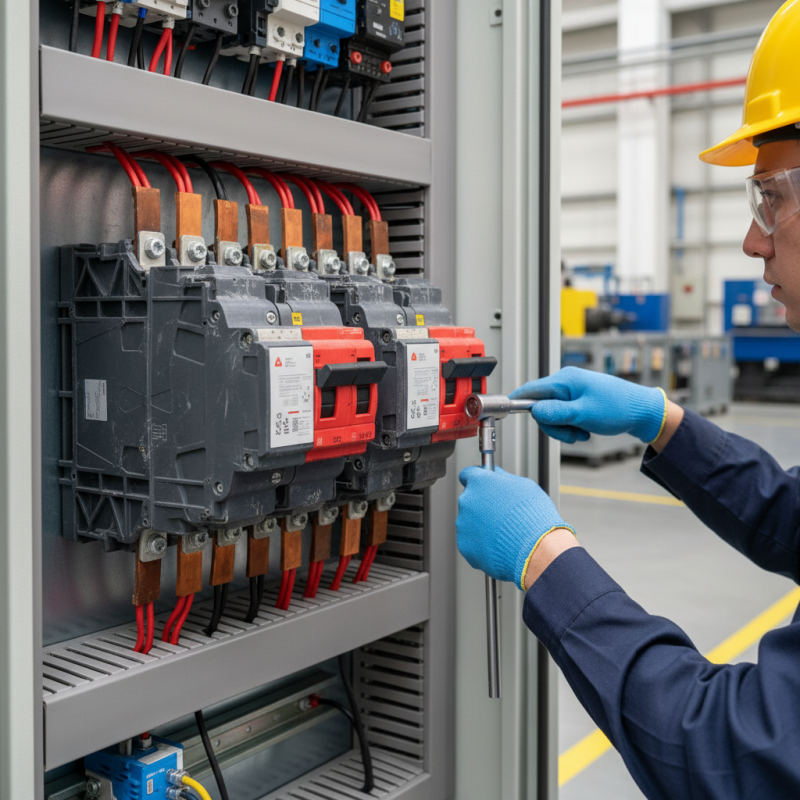
Overview of Electric MCCB and Its Importance in Electrical Systems
Electric MCCBs, or Molded Case Circuit Breakers, play a critical role in electrical systems. They protect against overloads and short circuits. According to industry reports, over 60% of electrical failures in commercial environments stem from faulty circuit protection. This highlights the need for reliable MCCBs in installations.
Maintenance is crucial to ensure optimal performance. Regular inspection can prevent malfunctions. A study indicates that nearly 30% of MCCB issues arise from poor maintenance practices. Users often neglect dust accumulation and thermal expansion. This leads to overheating and potential failure. Many technicians overlook connection issues, which can also hinder functionality.
Installing accessories like monitoring devices can extend MCCB life. These devices provide alerts for irregularities. A proactive approach can improve reliability and safety. However, many facilities still lack effective monitoring systems. This oversight can lead to significant operational risks. Investing in proper maintenance and monitoring ensures the longevity of these important components.
Key Features and Specifications of Electric MCCBs
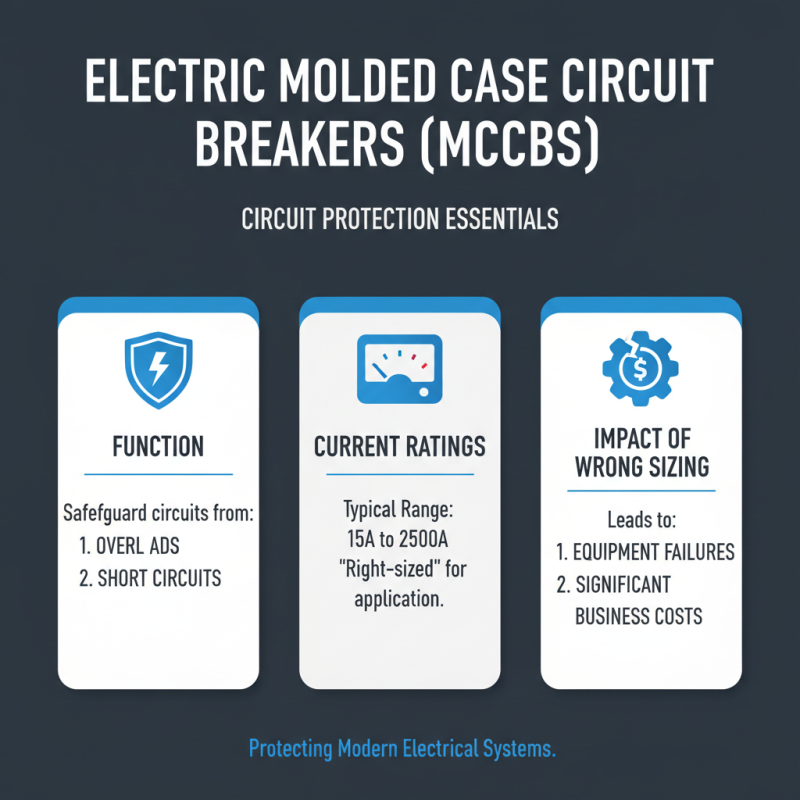
Electric Molded Case Circuit Breakers (MCCBs) are essential in modern electrical systems. They protect circuits from overloads and short circuits. A standard MCCB can handle various current ratings, typically ranging from 15A to 2500A. In industrial settings, choosing the right specification is crucial. Data indicates that improperly sized MCCBs can lead to failures in equipment, costing businesses significantly.
Key features to consider include thermal-magnetic trip units and adjustable settings. Thermal protection helps with overload, while magnetic protection addresses short circuits. An ideal MCCB should also have a high interrupting rating. Reports show that a high fault current may exceed the breaker's capacity. This can cause damage or create hazards. A common misconception is that all MCCBs provide the same protection level. However, specifications such as trip ratings and insulation properties vary widely.
Many users overlook regular maintenance, assuming MCCBs will function indefinitely. Neglect can lead to performance degradation. Inspections should include checking the condition of terminals and connections. Reports reveal that about 30% of failures stem from poor connections. Hence, considering both specifications and maintenance practices is crucial for optimal performance in any electrical system.
Best Practices for Maintaining Electric MCCBs for Longevity
Electric Molded Case Circuit Breakers (MCCBs) are crucial for safeguarding electrical systems. For optimal performance, regular maintenance is vital. According to industry reports, about 30% of breaker failures are due to lack of maintenance. This statistic highlights the need for proactive care.
Inspect MCCBs routinely. Look for signs of wear, overheating, or corrosion. Ensure connections are tight and free from oxidation. Cleaning dust and debris can prevent overheating and improve efficiency. Many experts suggest using thermal imaging to detect hot spots.
Additionally, keep in mind that environmental factors affect MCCB performance. Moisture, extreme temperatures, and dust can cause inefficiencies. Proper enclosure and ventilation help mitigate these issues. Unfortunately, many facilities overlook these basic practices. Regular staff training is necessary to ensure everyone understands the maintenance protocols. With appropriate care, MCCBs can operate efficiently and last longer, reducing unexpected downtime.
Electric MCCB Tips for Optimal Performance and Maintenance
| Maintenance Task |
Frequency |
Recommended Tools |
Notes |
| Visual Inspection |
Monthly |
Flashlight, Inspection Mirror |
Check for wear, discoloration, or damage. |
| Torque Checks |
Quarterly |
Torque Wrench |
Ensure terminals are properly torqued. |
| Dust Cleaning |
Monthly |
Compressed Air, Brush |
Prevent overheating due to dust accumulation. |
| Functional Testing |
Annually |
Multimeter, Load Tester |
Verify mechanical operation and electrical functionality. |
| Thermal Imaging |
Semi-Annually |
Thermal Camera |
Identify hotspots that indicate potential failures. |
Common Issues and Troubleshooting Tips for Electric MCCBs
Electric MCCBs (Molded Case Circuit Breakers) are essential in safeguarding electrical systems. However, they face common issues that can impede performance. A notable study indicated that around 30% of MCCB failures stem from improper settings or poor maintenance. This can lead to overheating or reduced operational efficiency.
Regular inspections are critical. Look for signs of wear or dirt on connections. A recent report also noted that frequent thermal cycling can affect the lifespan of MCCBs. Users often overlook the importance of ambient temperature. Keeping MCCBs within the manufacturer's specified temperature range can prevent premature failures.
Troubleshooting MCCBs can be tricky. Many may ignore nuisance tripping, which occurs in nearly 25% of instances. This is often due to loose connections or environmental factors. Understanding these common issues and addressing them promptly can improve overall performance and reliability.
Safety Protocols When Working with Electric MCCBs
When working with electric MCCBs, safety is paramount. Always ensure your workspace is dry and well-ventilated. Wearing appropriate personal protective equipment (PPE) is essential. Gloves, goggles, and insulated tools can prevent accidents and injuries.
Regular inspections are crucial. Look for signs of wear, such as discoloration or cracking in the casing. Missing screws can lead to significant problems. It is vital to address these issues immediately. Some users overlook maintenance schedules, which can lead to unexpected failures.
Ensure all connections are tight and secure. Loose connections can generate heat, leading to dangerous situations. If you find an abnormal smell or a hint of smoke, act immediately. Do not ignore minor warning signs. They can escalate rapidly. Pay attention to the indicators on the MCCB. They serve as early warning systems. Regularly review operating procedures to keep everyone informed and safe.

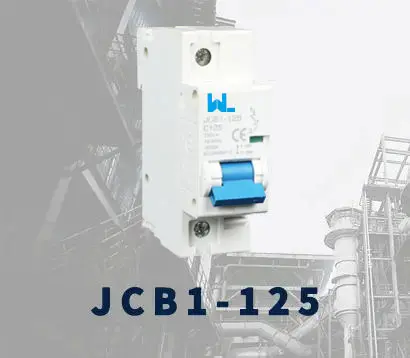 JCB1-125
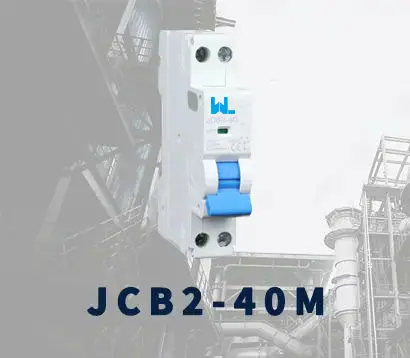 JCB2-40M
 JCB3-63DC
 JCB3-80H
 JCB3-80M
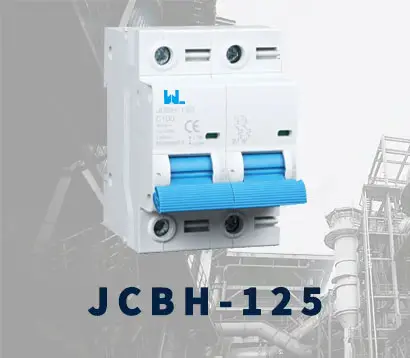 JCBH-125
 JC80-2P
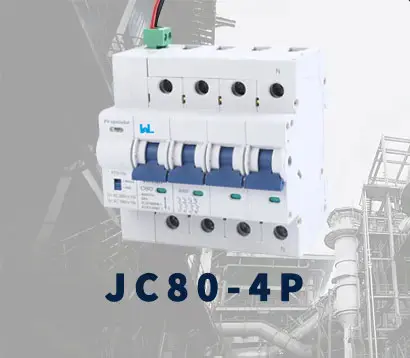 JC80-4P
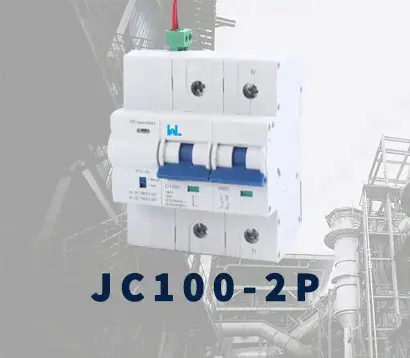 JC125-2P
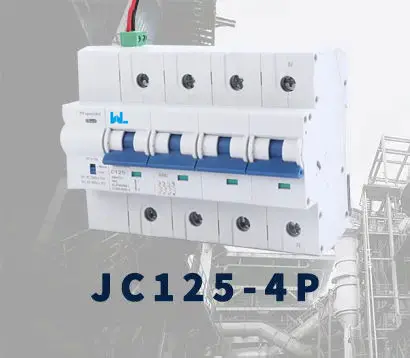 JC125-4P
 JCMX
JCMX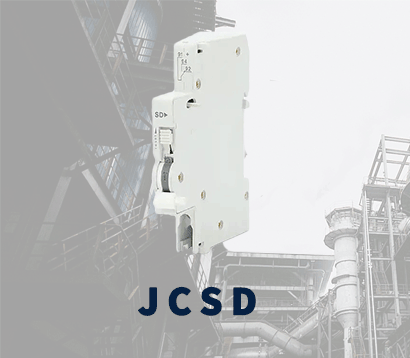 JCSD
JCSD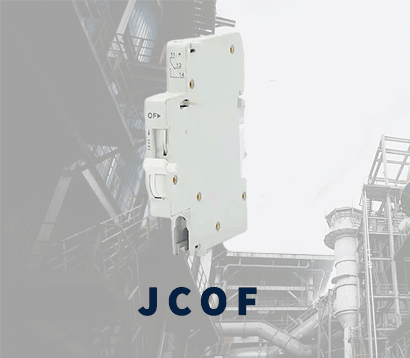 JCOF
JCOF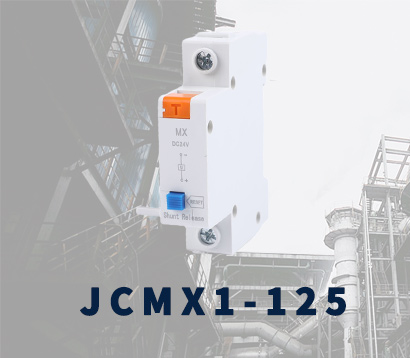 JCMX1-125
 JCOF1-125
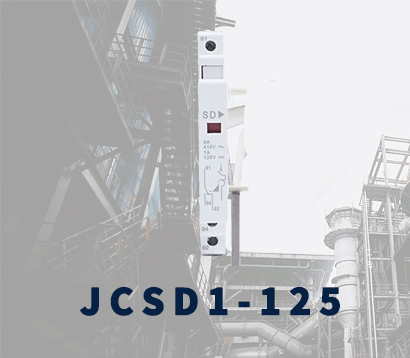 JCSD1-125
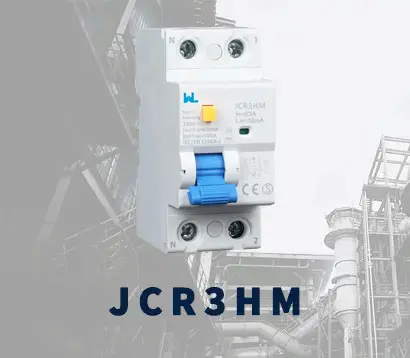 JCR3HM
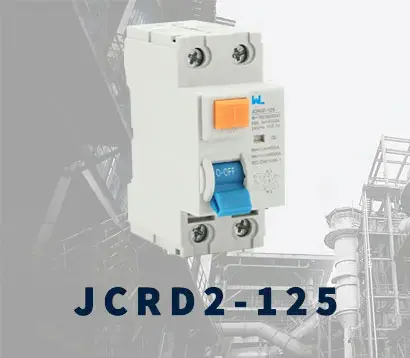 JCRD2-125
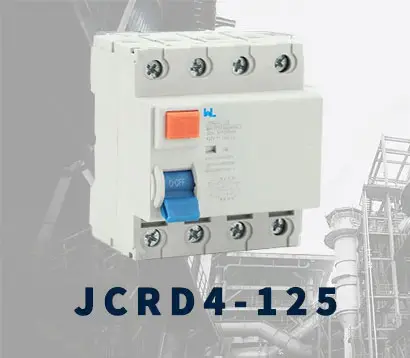 JCRD4-125
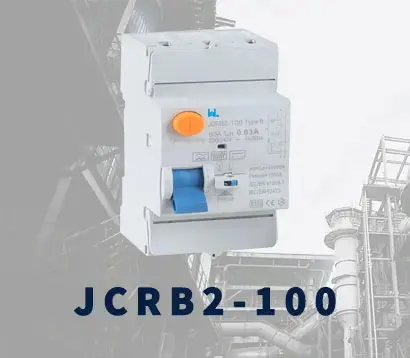 JCRB2-100
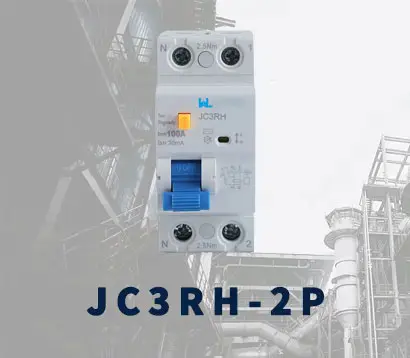 JC3RH-2P
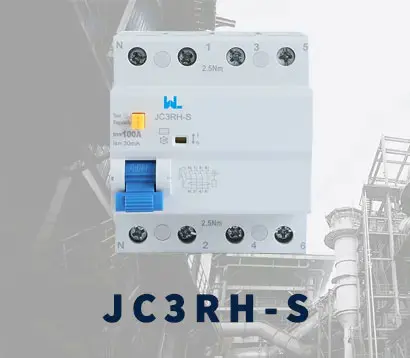 JC3RH-S
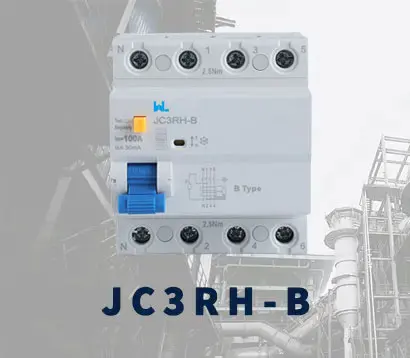 JC3RH-B
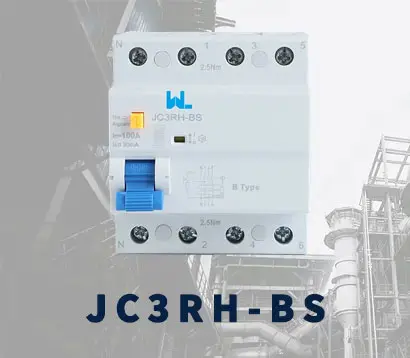 JC3RH-BS
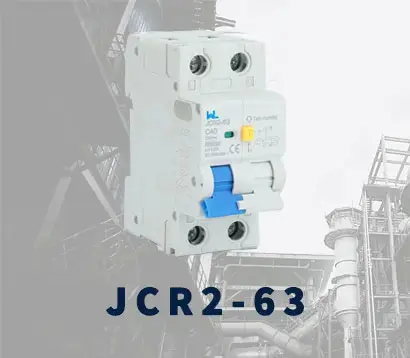 JCR2-63
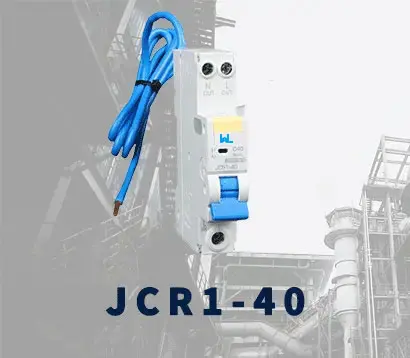 JCR1-40
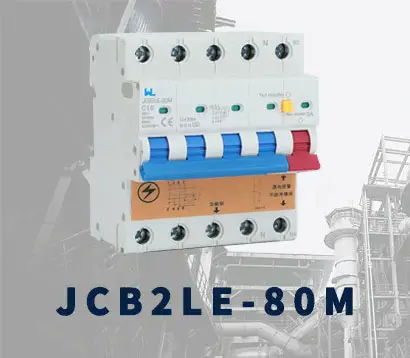 JCB2LE-80M
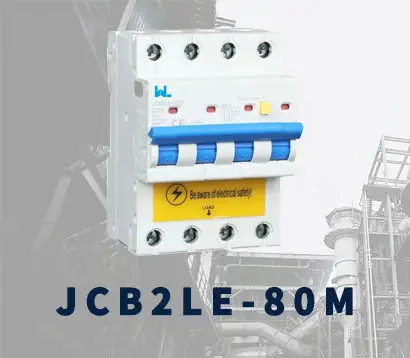 JCB2LE-80M
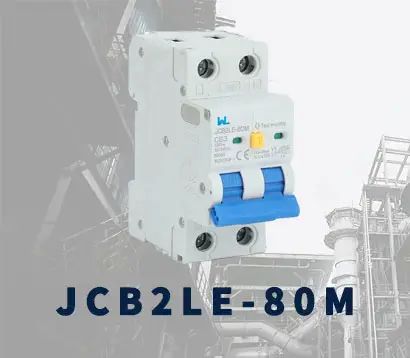 JCB2LE-80M
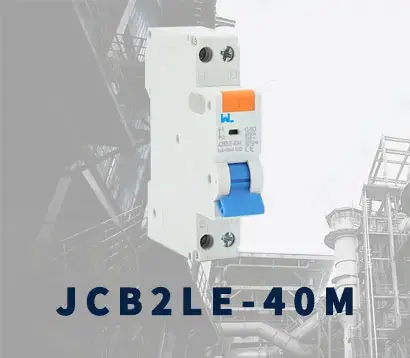 JCB2LE-40M
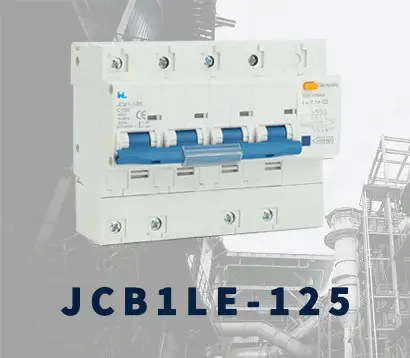 JCB1LE-125
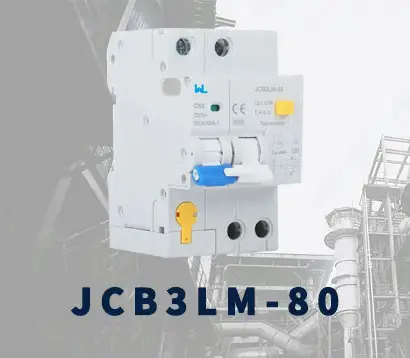 JCB3LM-80
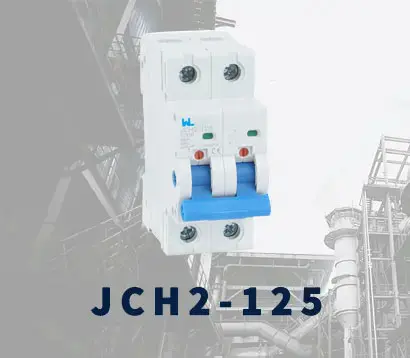 JCH2-125
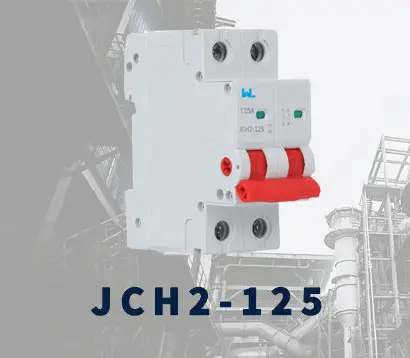 JCH2-125
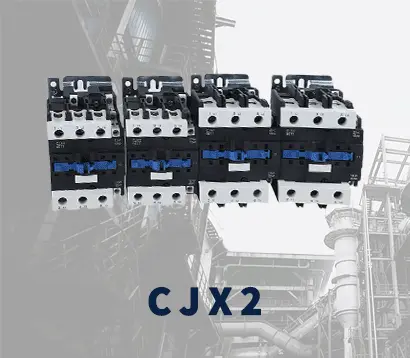 CJX2
CJX2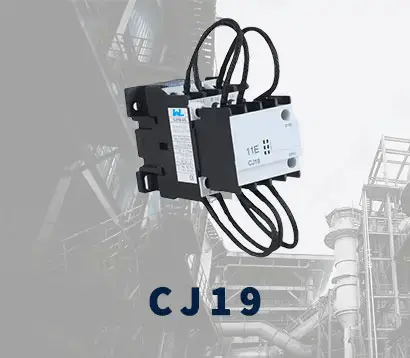 CJ19
CJ19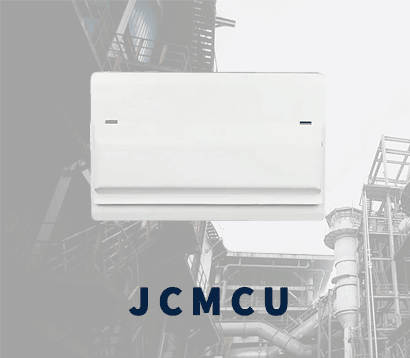 JCMCU
JCMCU JCHA
JCHA JCSD-40
 JCSD-60
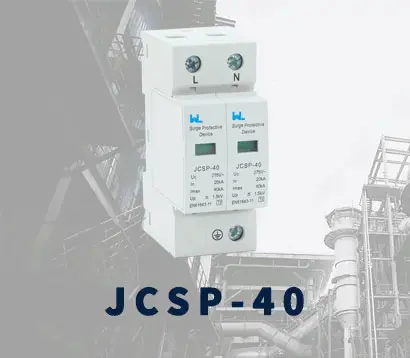 JCSP-40
 JCSP-60
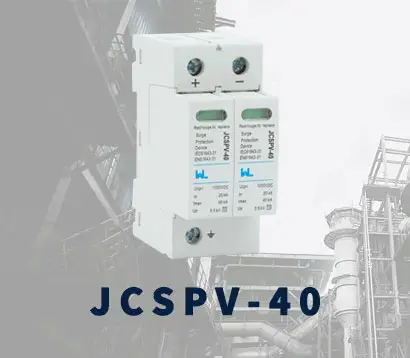 JCSPV
JCSPV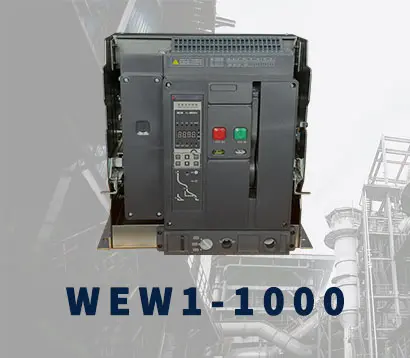 WEW1-1000
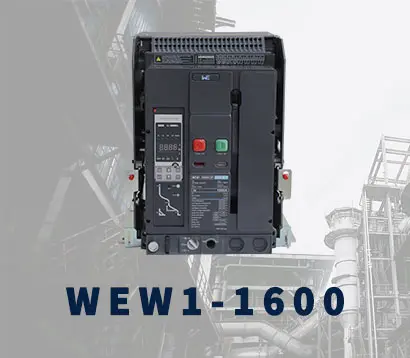 WEW1-1600
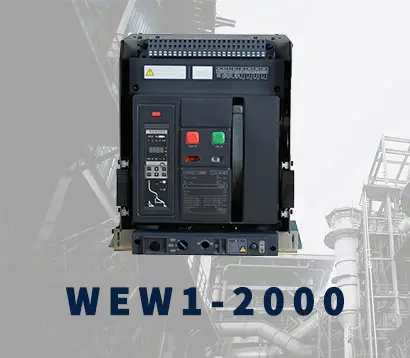 WEW1-2000
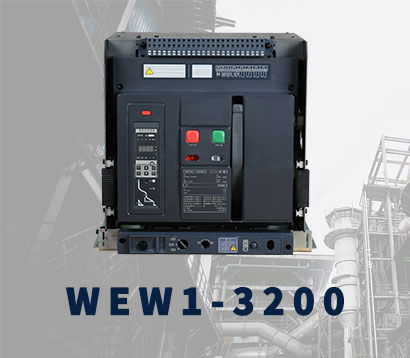 WEW1-3200
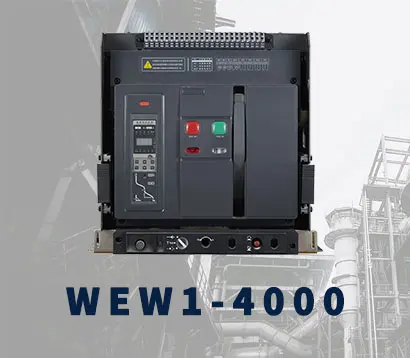 WEW1-4000
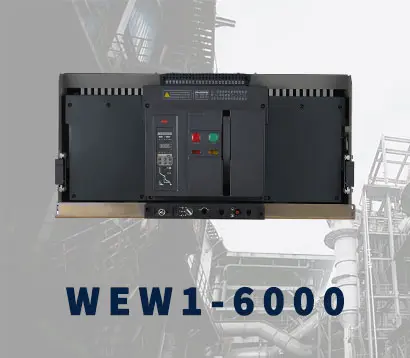 WEW1-6300
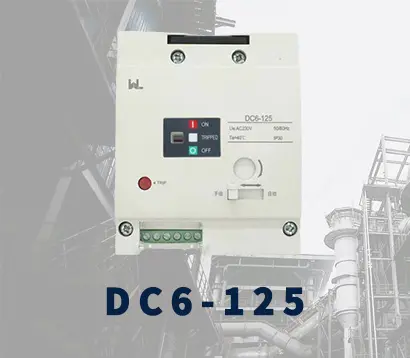 DC6-125
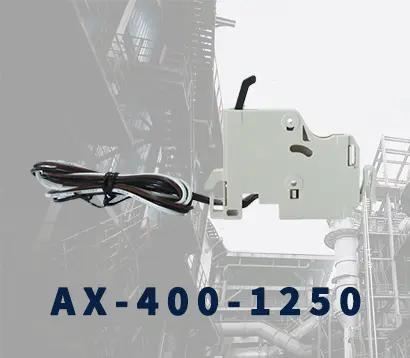 AX-400-1250
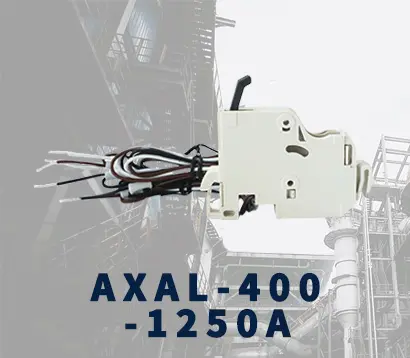 AXAL-400-1250A
 AL-400-1250
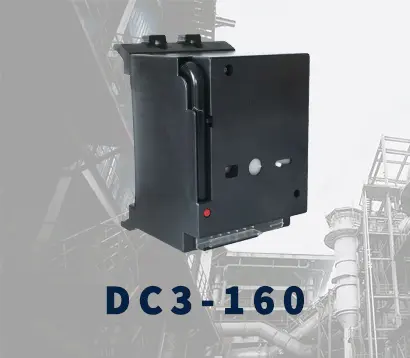 DC3-160
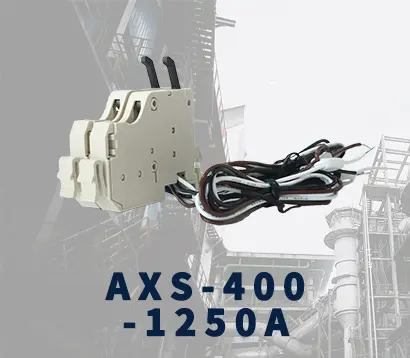 AXS-400-1250A
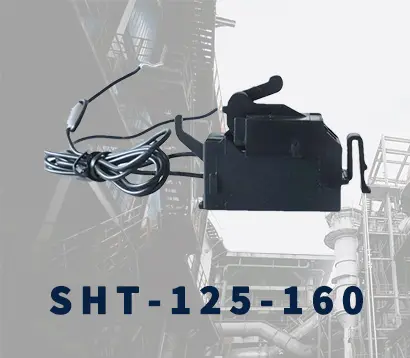 SHT-125-160
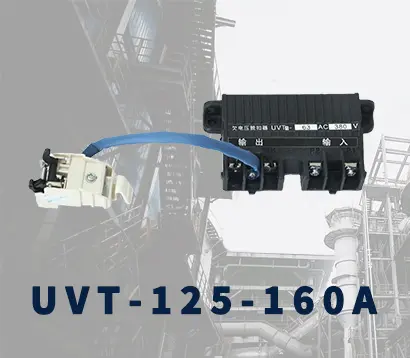 UVT-125-160A
 P-250A-3P-A
 400-3P/4P terminal cover
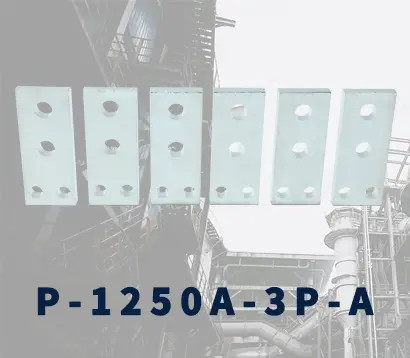 1250-3Pmccb accessories busbar
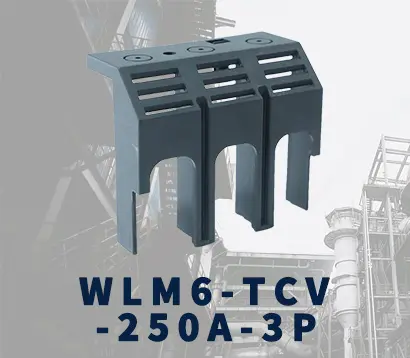 250-3P terminal conver
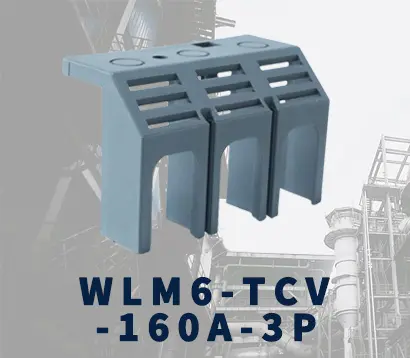 WLM6-TCV-160A-3P
 WLM6-MIP-250A
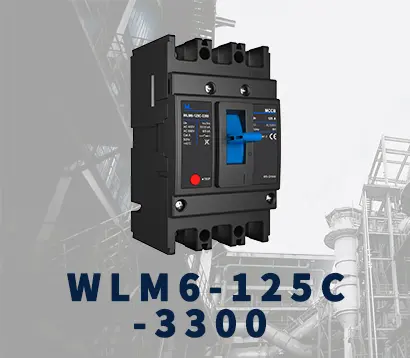 WLM6-125A-3300 3P/4P
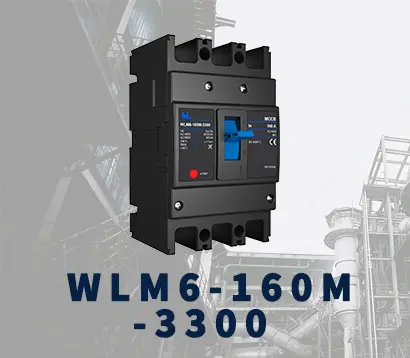 WLM6-160A-3300 3P/4P
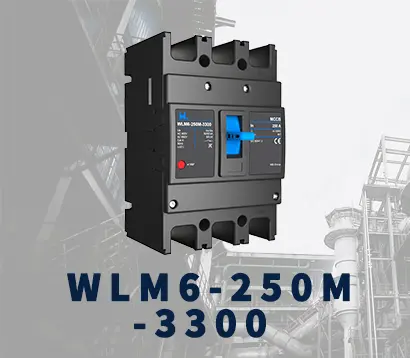 WLM6-250A-3300 3P/4P
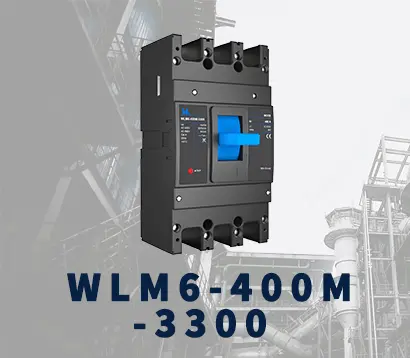 WLM6-400A-3300 3P/4P
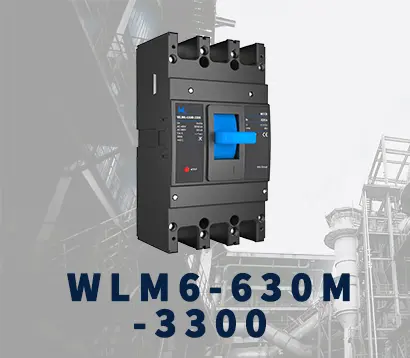 WLM6-630A-3300 3P/4P
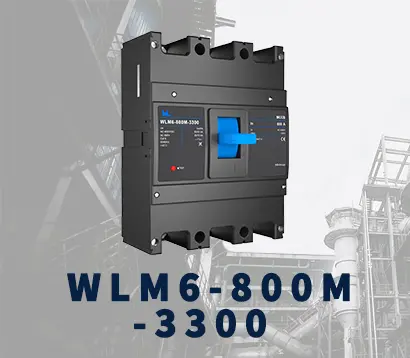 WLM6-800A-3300 3P/4P
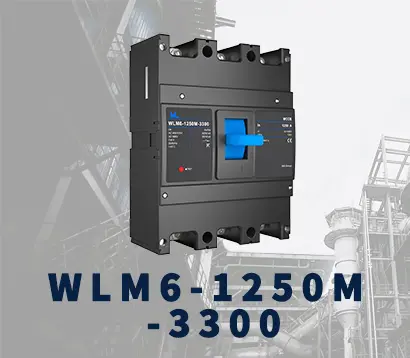 WLM6-1250A-3300 3P/4P
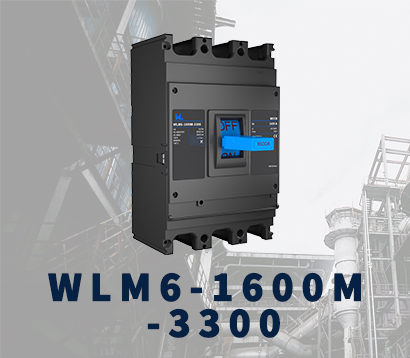 WLM6-1600A-3300 3P/4P
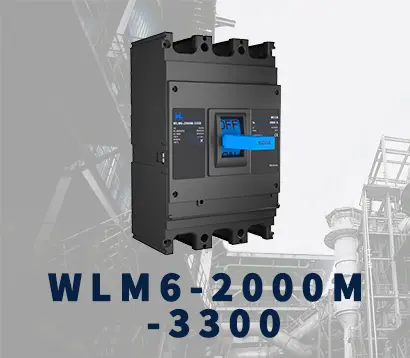 WLM6-2000A 3P/4P
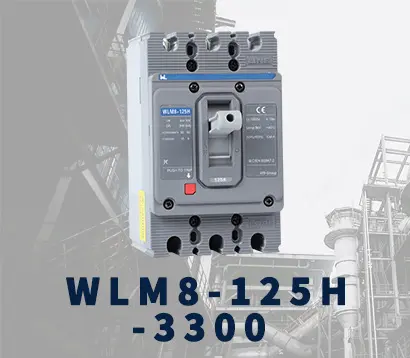 WLM8-125H-3300
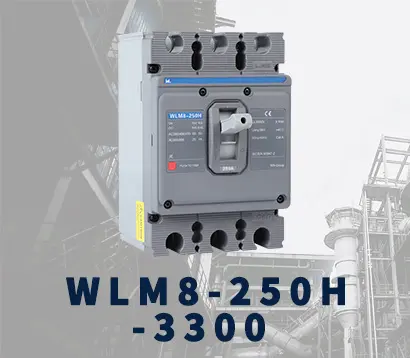 WLM8-250H-3300
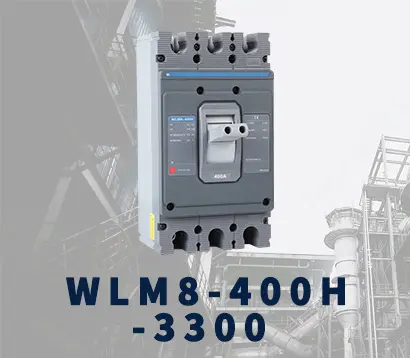 WLM8-400H-3300
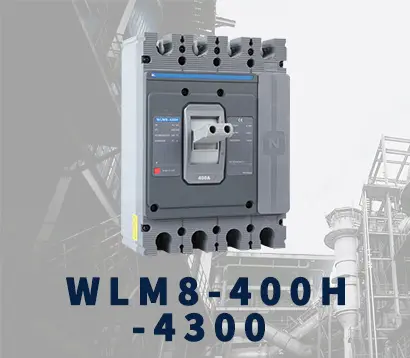 WLM8-400H-4300
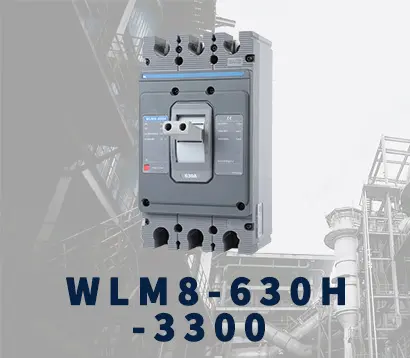 WLM8-630H-3300
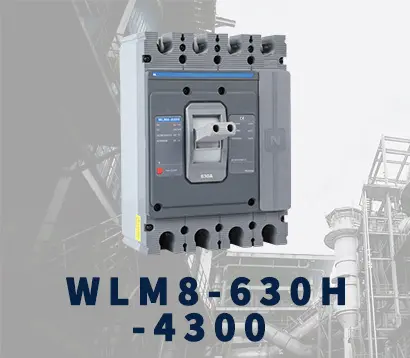 WLM8-630H-4300
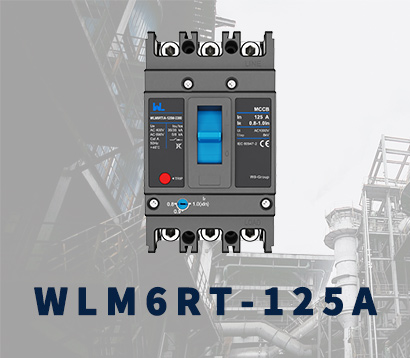 WLM6RT-125A
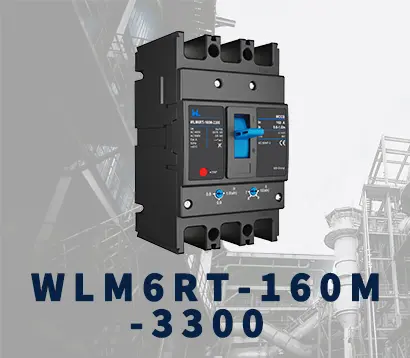 WLM6RT-160A
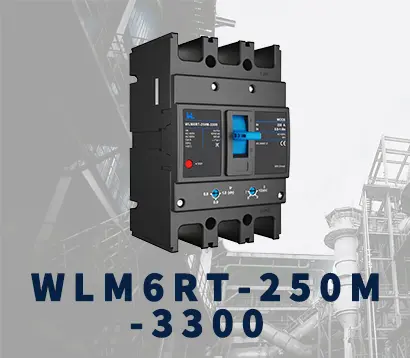 WLM6RT-250A
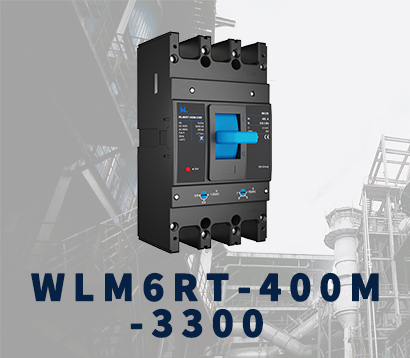 WLM6RT-400A
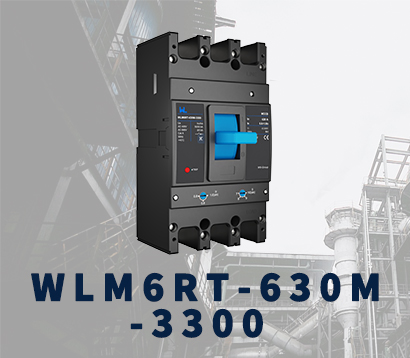 WLM6RT-630A
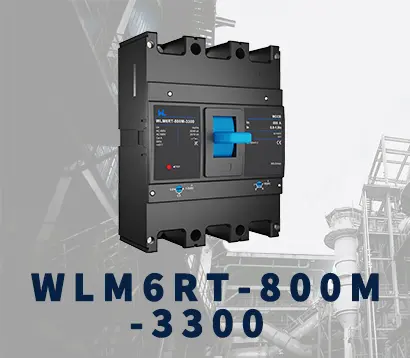 WLM6RT-800A
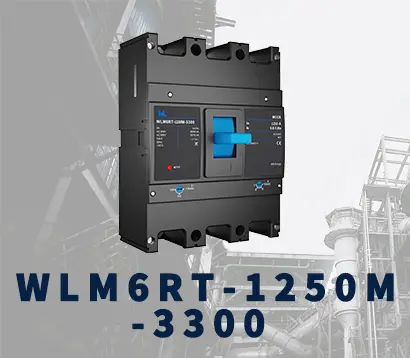 WLM6RT-1250A
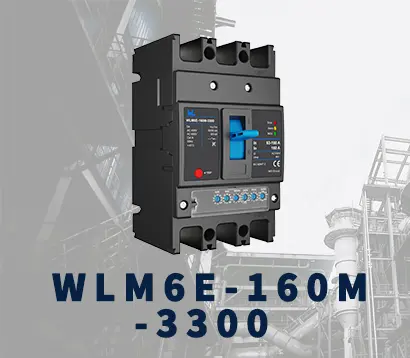 WLM6E-160A-3300 3P
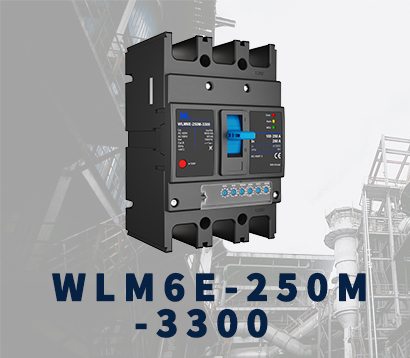 WLM6E-250A-3300
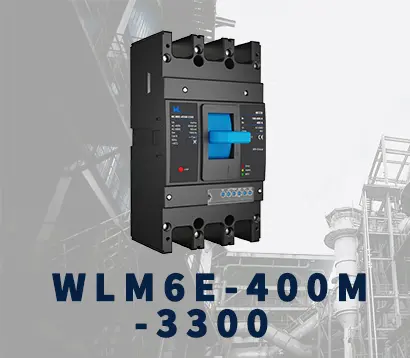 WLM6E-400A-3300 3P/4P
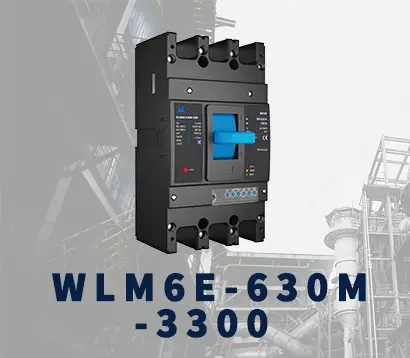 WLM6E-630A-3300
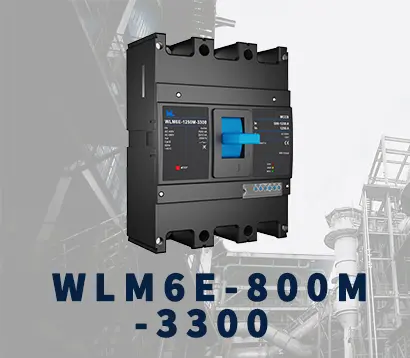 WLM6E-800A-3300 3P/4P
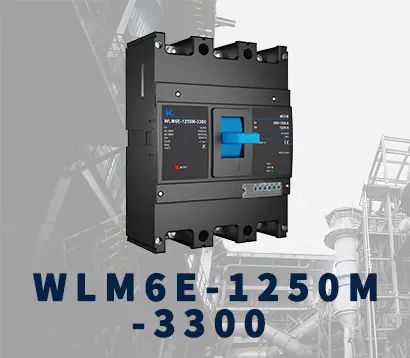 WLM6E-1250A-3300
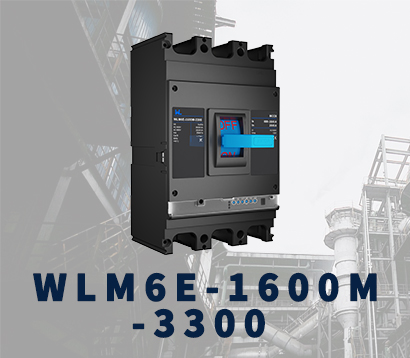 WLM6E-1600-3300 3P/4P
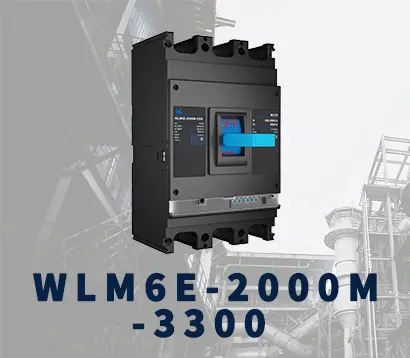 WLM6E-2000A-3300 3P/4P
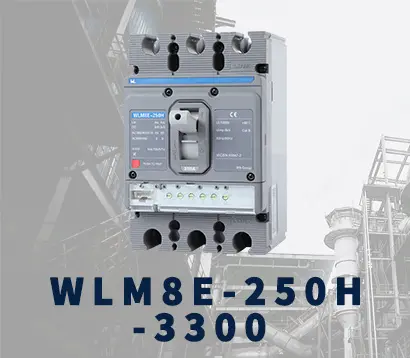 WLM8E-250H-3300
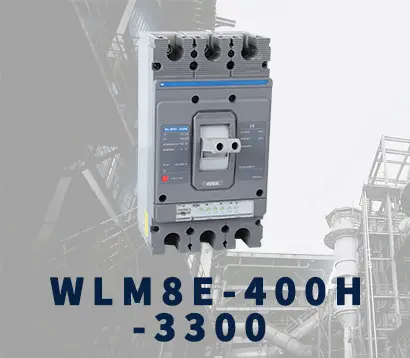 WLM8E-400H-3300
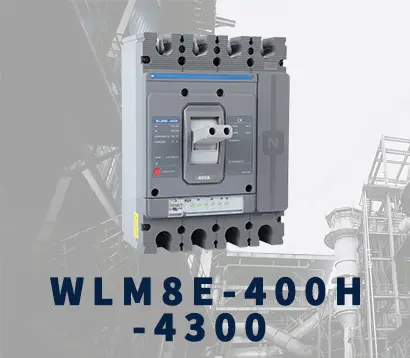 WLM8E-400H-4300
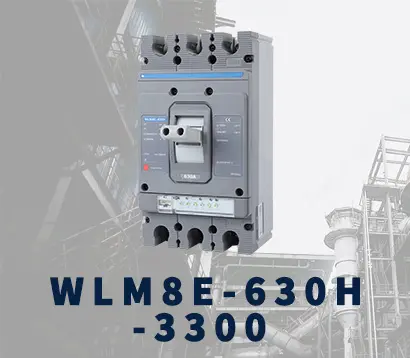 WLM8E-630H-3300
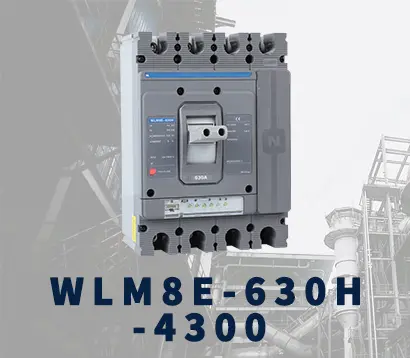 WLM8E-630H-4300
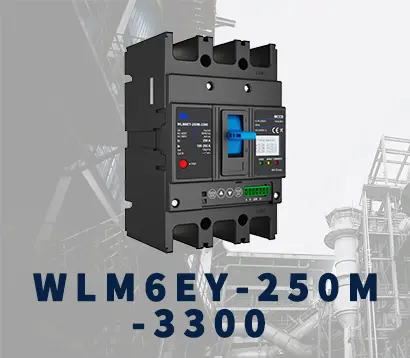 WLM6EY-250-3300 3P/4P
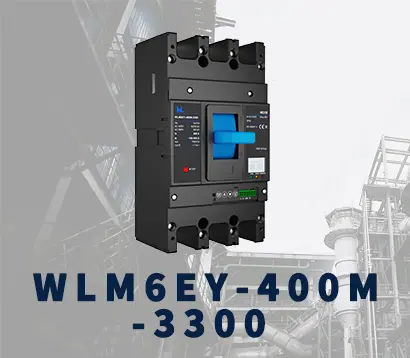 WLM6EY-400 3P/4P
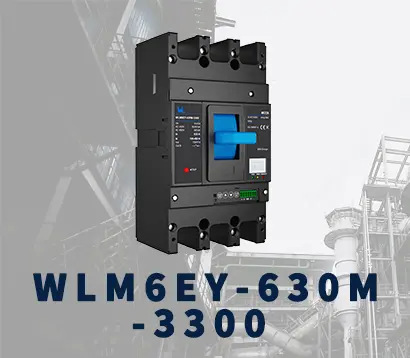 WLM6EY-630 3P/4P
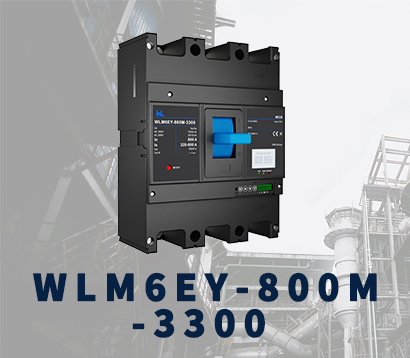 WLM6EY-800A 3P/4P
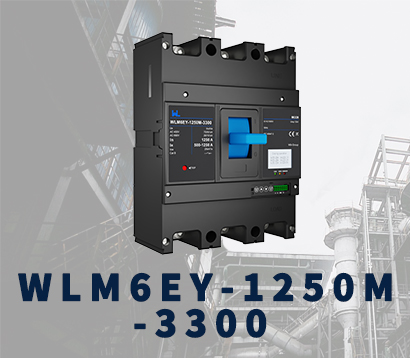 WLM6EY-1250A 3P/4P
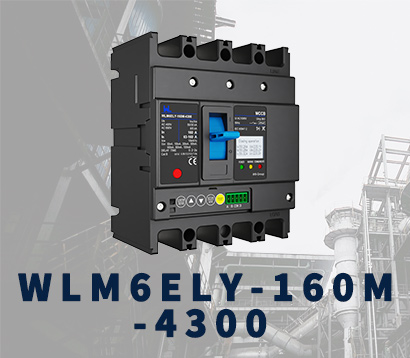 WLM6ELY-160A
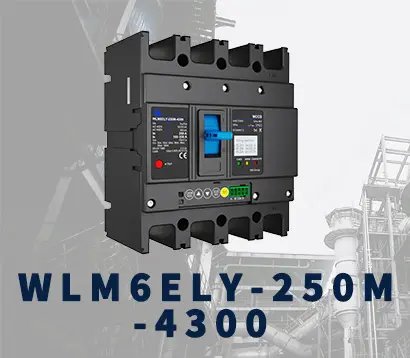 WLM6ELY-250A
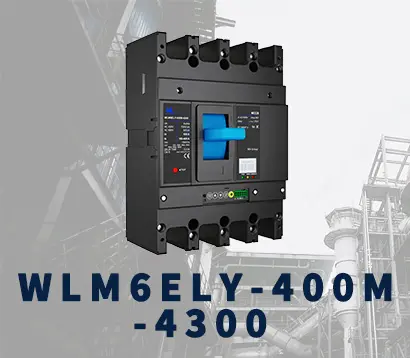 WLM6ELY-400A
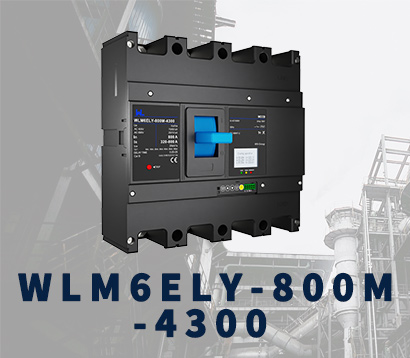 WLM6ELY-800A
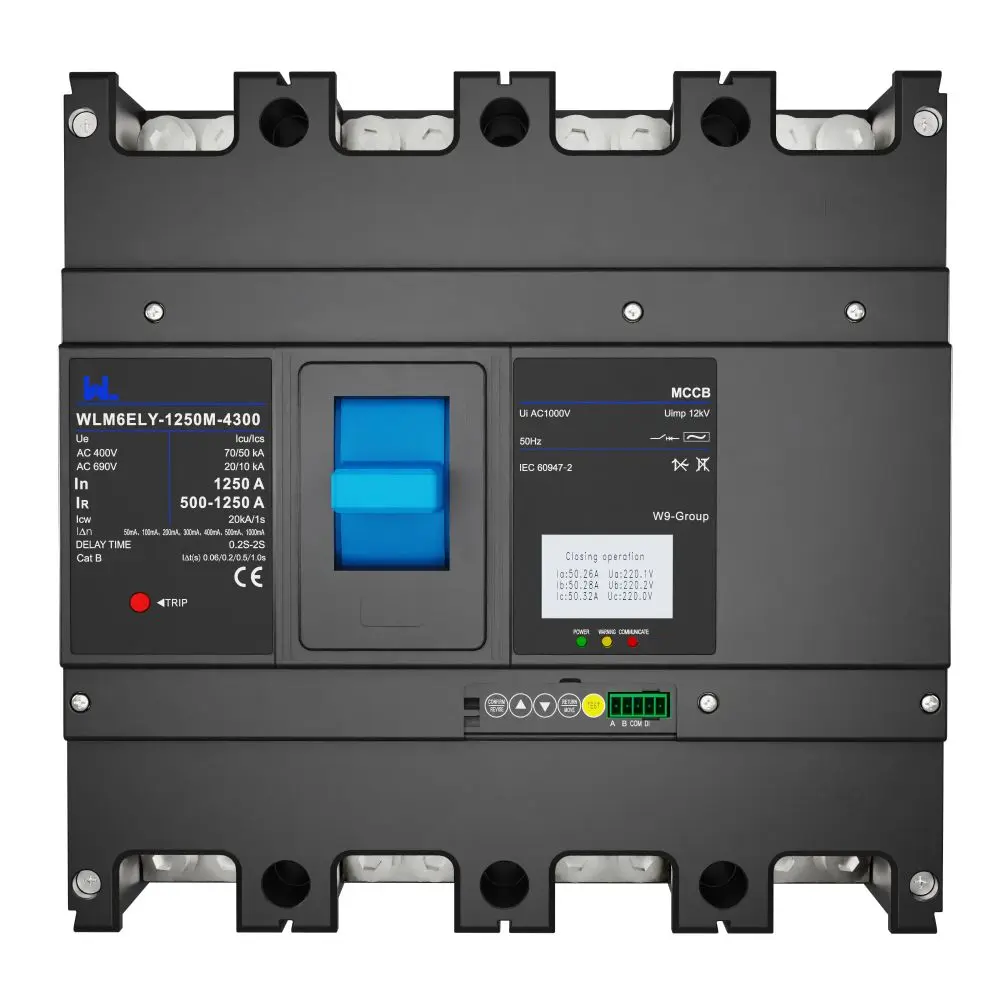 WLM6ELY-1250A
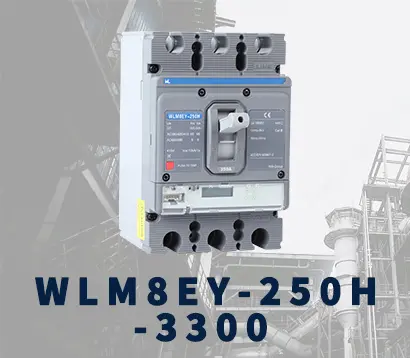 WLM8EY-250H-3300
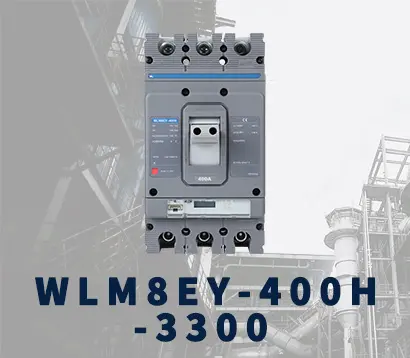 WLM8EY-400H-3300
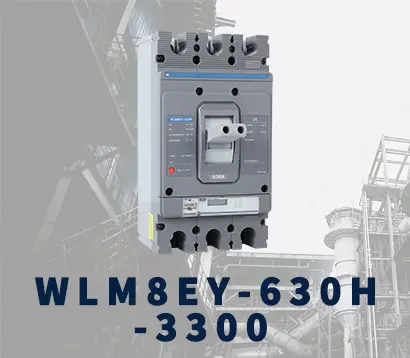 WLM8EY-630H-3300
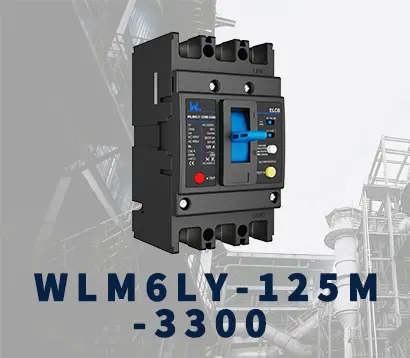 WLM6LY-125A
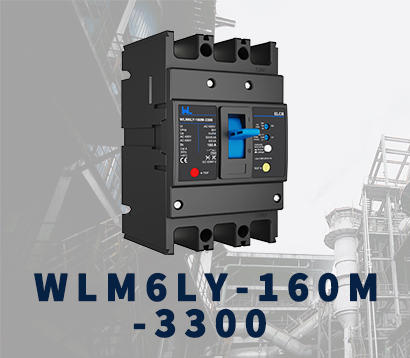 WLM6L-160A
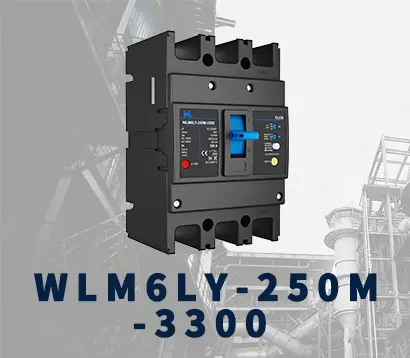 WLM6LY-250A
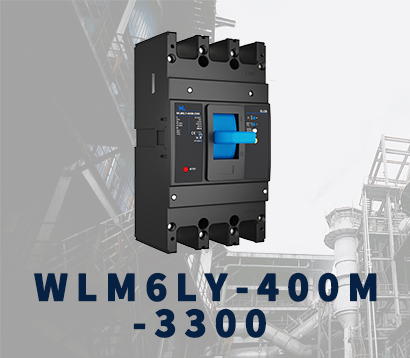 WLM6LY-400A
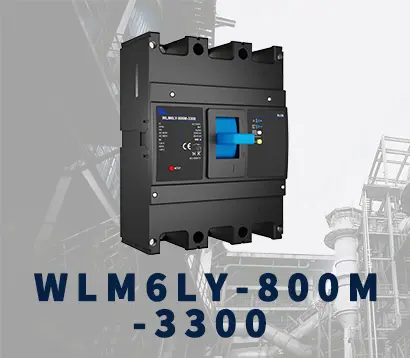 WLM6LY-800A
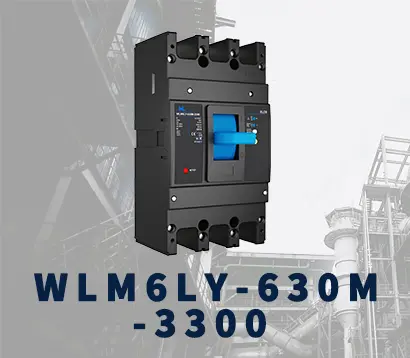 WLM6LY-630A
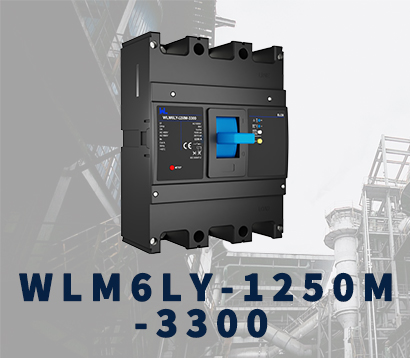 WLM6LY-1250A
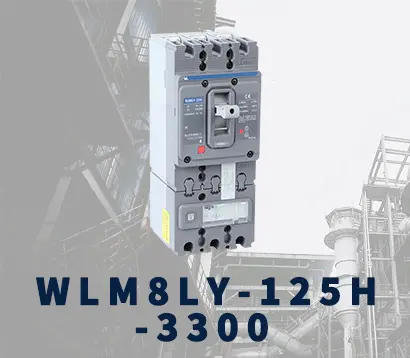 WLM8LY-125H-3300
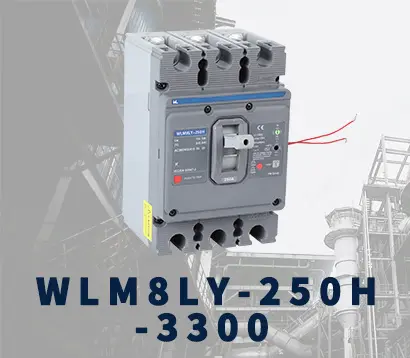 WLM8LY-250H-3300
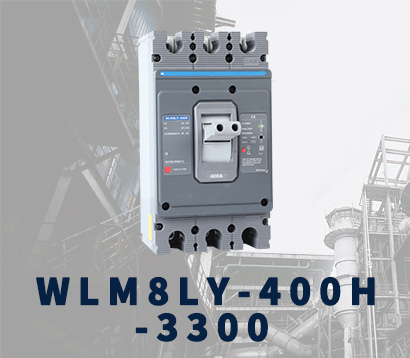 WLM8LY-400H-3300
 WLM8LY-630H-3300
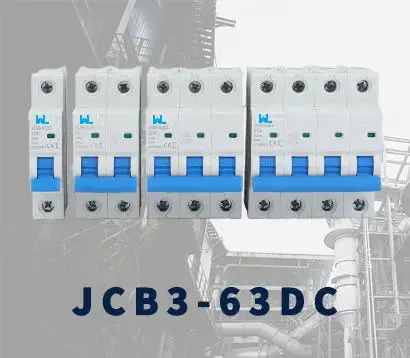 JCB3-63DC
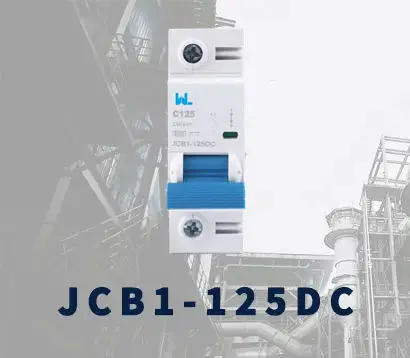 JCB1-125DC
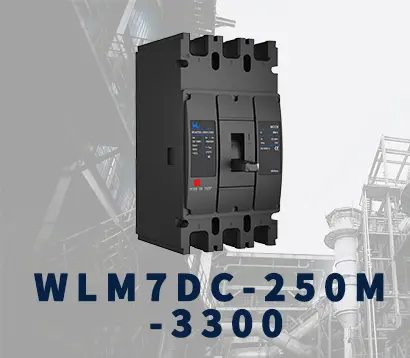 WLM7DC-250A-2300 2P/3P
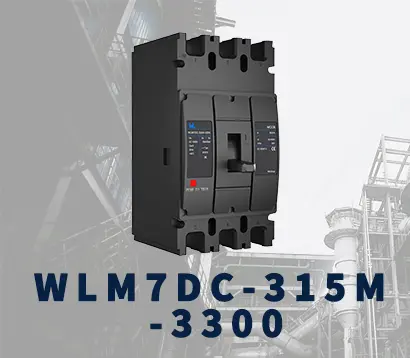 WLM7DC-315A-3300 2P/3P
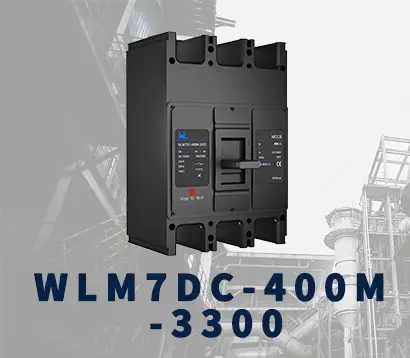 WLM7DC-400A-2300 2P/3P
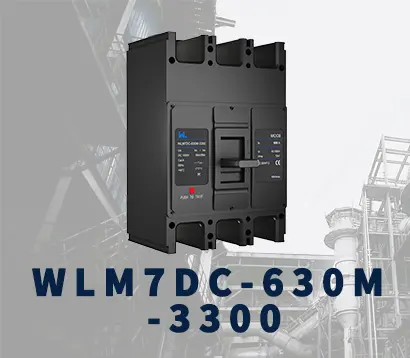 WLM7DC-630A-3300 3P
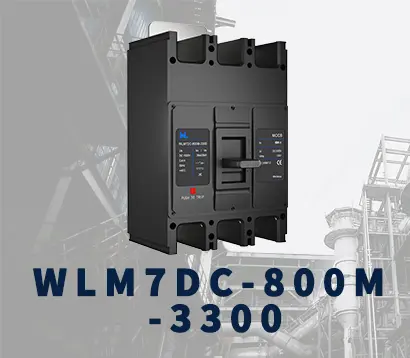 WLM7DC-800A-2300 2P/3P
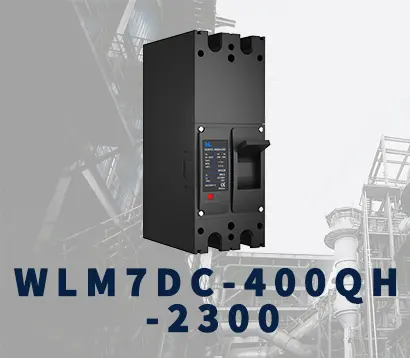 WLM7DC-400A 2300
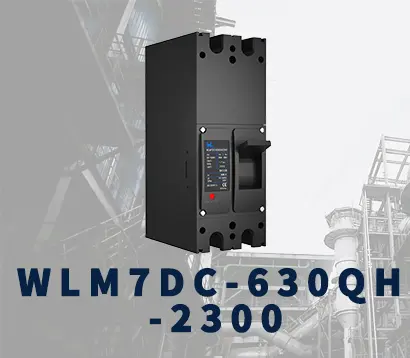 WLM7DC-630A-2300 2P
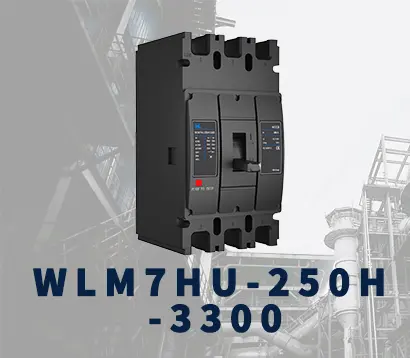 WLM7HU-250-3300 3P
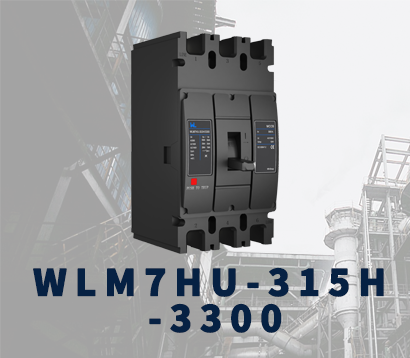 WLM7HU-315-3300 3P
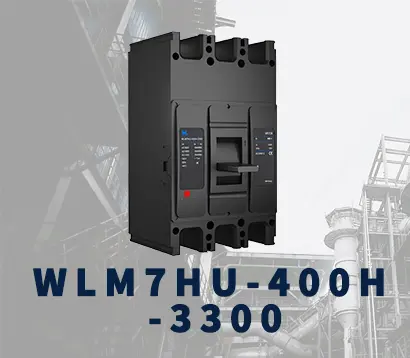 WLM7HU-400-3300 3P
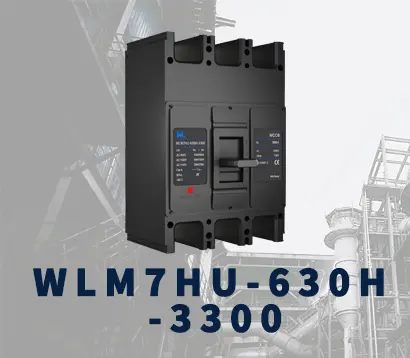 WLM7HU-630-3300 3P
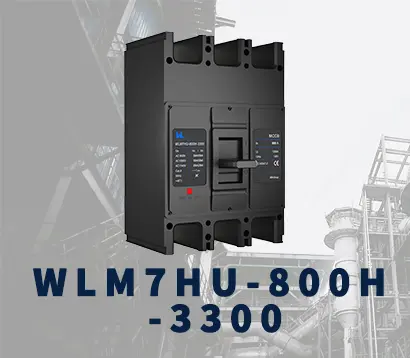 WLM7HU-800-3300 3P
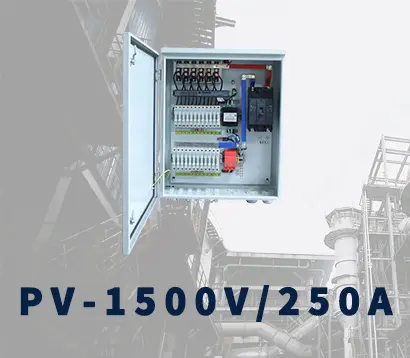 PV-1500V/250A
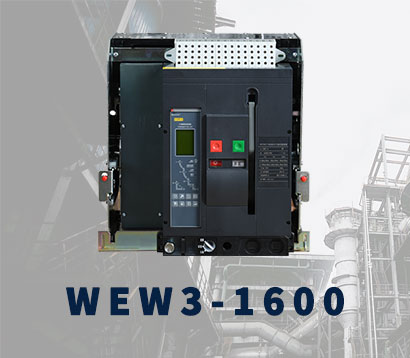 WEW3-1600
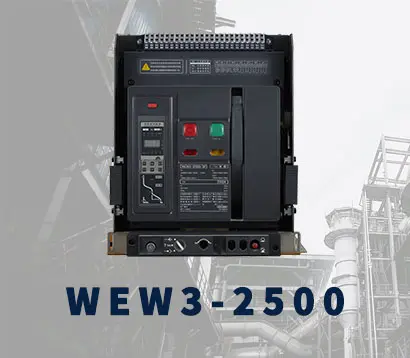 WEW3-2500
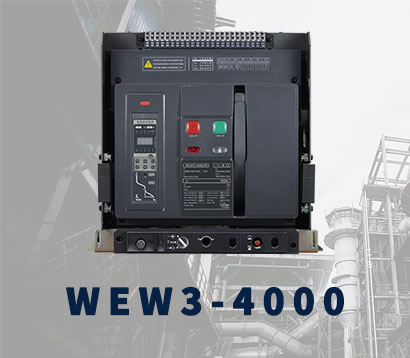 WEW3-4000
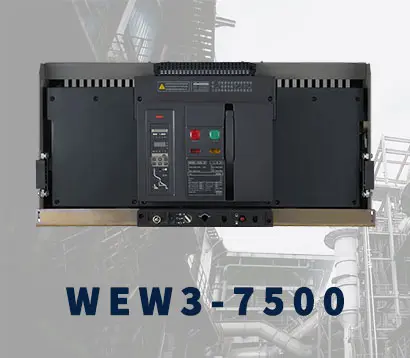 WEW3-7500