What is Square D MCCB and How Does it Work?
The Square D MCCB, or Molded Case Circuit Breaker, plays a crucial role in electrical systems. These devices are essential for protecting electrical circuits from overloads and short circuits. According to industry reports, the global MCCB market is projected to reach $4 billion by 2025. This growth highlights their significance in various sectors, including construction and utilities.
Square D MCCBs offer advanced features, such as adjustable trip settings and easy installation. They cater to diverse applications, ensuring electrical safety in residential, commercial, and industrial settings. However, some users may overlook installation best practices or fail to perform regular maintenance. These oversights can lead to equipment failures or unsafe conditions.
In conclusion, understanding how Square D MCCBs work is vital for maximizing safety. Users must prioritize proper usage and maintenance to prevent risks. Exploring the complexities of these devices can help professionals improve their electrical systems. Awareness and attention to detail will enhance operational reliability.

Overview of Square D MCCB and Its Applications
Square D MCCB, or Molded Case Circuit Breaker, is essential for electrical distribution. It protects equipment from overload and short circuits. This device is versatile. You find it in industrial, commercial, and residential applications. It offers reliable circuit protection, making it a go-to choice for many organizations.
Tips: Check the specifications before selecting an MCCB. Different applications may require different ratings.
These breakers are designed to handle various current ratings. They vary in size, from compact units for light loads to larger units for heavy machinery. Installation can be complex, requiring careful consideration of the environment.
Tips: Always consult a professional for installation advice. A mistake may lead to malfunctions.
Regular maintenance is key for optimal functionality. Dust and moisture can affect performance. Inspecting the device periodically can prevent unexpected failures.
Tips: Develop a regular maintenance schedule. Don't overlook small signs of wear and tear.
Overview of Square D MCCB Applications
Key Components of Square D MCCB Systems
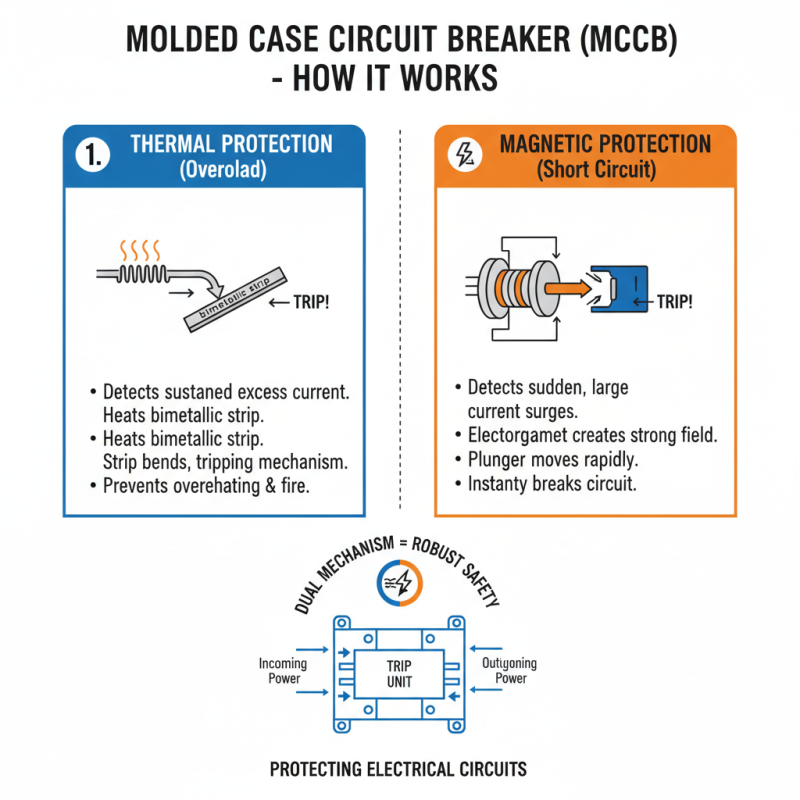
Square D MCCB, or Molded Case Circuit Breaker, is crucial for electrical safety. It protects electrical circuits from overload and short-circuits. Knowing the key components assists in understanding its functionality. The main parts include the bimetallic strip, electronic sensor, and trip mechanism. Each plays a role in detecting faults.
The bimetallic strip responds to heat caused by excess current. This strip bends and triggers the trip mechanism. Meanwhile, the electronic sensor monitors the current flow. When it detects anomalies, it quickly disconnects the circuit to prevent damage. Together, these components ensure reliable operation and safety.
These systems often require careful installation and regular maintenance. Mistakes can lead to malfunctions. Understanding the nuances of each component is essential. Sometimes, even minor oversights can lead to major issues. Regular checks help avoid these pitfalls and ensure that the circuit breaker performs effectively.
How Square D MCCB Operates: The Mechanisms Explained
Understanding how a molded case circuit breaker (MCCB) works is crucial for electrical safety. MCCBs protect electrical circuits from overloads and short circuits. They detect these issues using thermal and magnetic mechanisms. The thermal element responds to persistent overloads, while the magnetic part reacts to sudden surges. This dual response offers robust protection.
The performance of MCCBs has been extensively documented. According to a 2022 report from the International Electrotechnical Commission, MCCBs can interrupt fault currents of up to 100,000 amperes, depending on their design. This capacity is vital in commercial and industrial settings where high currents can occur. The design also ensures reliable disconnection, reducing damage risk to equipment and maintaining system integrity.
However, not all MCCBs operate flawlessly. Some users report that older models might have slower trip times. Additionally, improper installation can lead to unexpected failures. Regular maintenance is essential to keep MCCB systems functional. Users need to consider these factors carefully. Balancing efficacy with potential vulnerabilities will enhance system safety and reliability.
Common Applications of Square D MCCBs in Industry
Square D MCCBs, or Molded Case Circuit Breakers, play a vital role in various industries.
They protect electrical circuits from overload and short circuits.
These devices are crucial in maintaining safety and reliability in electrical systems. In many manufacturing plants, MCCBs are used to safeguard motors and transformers.
They help prevent damage to equipment, ensuring smooth operations.
In commercial settings, Square D MCCBs serve to protect power distribution systems.
They are commonly found in lighting circuits and HVAC systems. Their ability to reset automatically after a fault makes them user-friendly.
However, not all installations are flawless.
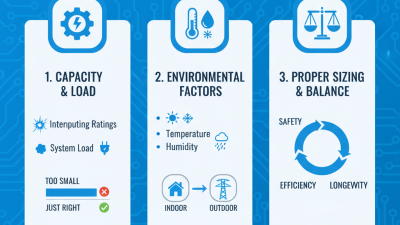
Improper sizing can lead to nuisance tripping. This can disrupt operations and lead to downtime.
Regular maintenance is essential. Inspecting connections can prevent overheating. Environmental factors, like dust and humidity, can affect performance.
Recognizing these issues can improve system efficiency. Industrial users often must reflect on the importance of proper implementation and maintenance of MCCBs.
With careful planning, their benefits can be maximized.
Safety Features and Benefits of Using Square D MCCB
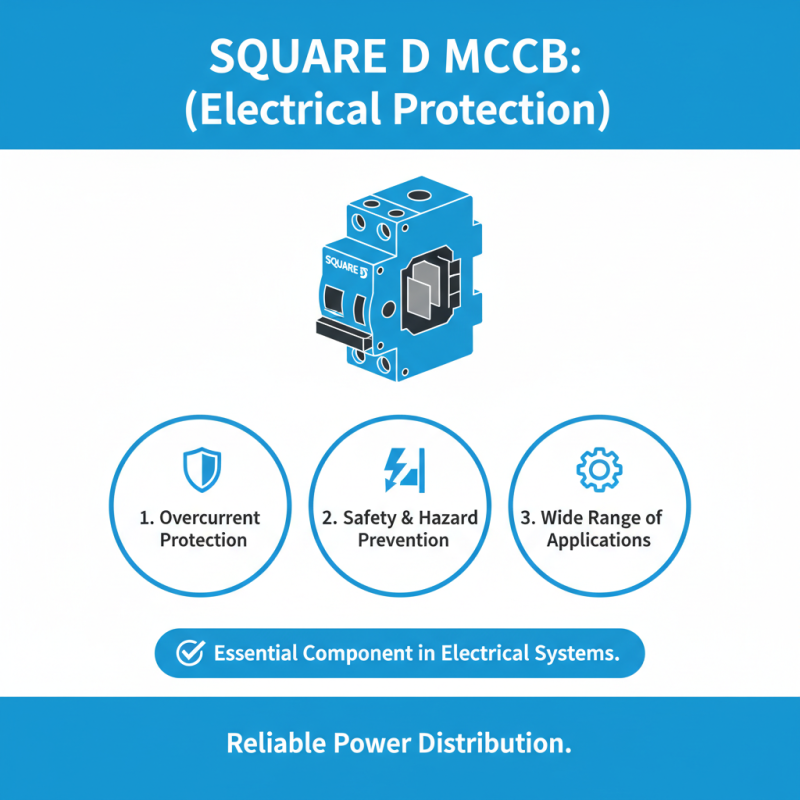
Square D MCCB, or molded case circuit breaker, is designed for a wide range of applications. It serves as an essential component in electrical systems, providing overcurrent protection and safety. These devices help prevent potential hazards by interrupting the electrical flow when abnormalities occur.
One of the key safety features of MCCBs is their adjustable trip settings. Users can customize these settings. This allows for tailored protection based on specific system needs. Additionally, the built-in thermal protection ensures that the device will respond to both overload and short-circuit conditions. This responsiveness is crucial in minimizing damage to electrical equipment.
Using these circuit breakers offers several benefits. They help ensure operational reliability, which is vital in commercial and industrial settings. However, one must also consider the complexity of their installation and maintenance. Neglecting regular checks can lead to operational failures. It's essential to remain vigilant and proactive in assessing the health of these devices. Regular training and awareness can dramatically improve safety outcomes in electrical systems.

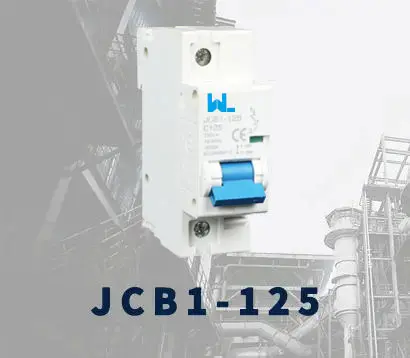 JCB1-125
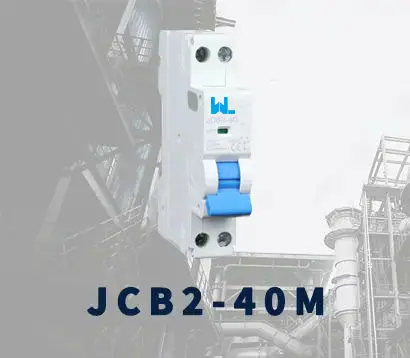 JCB2-40M
 JCB3-63DC
 JCB3-80H
 JCB3-80M
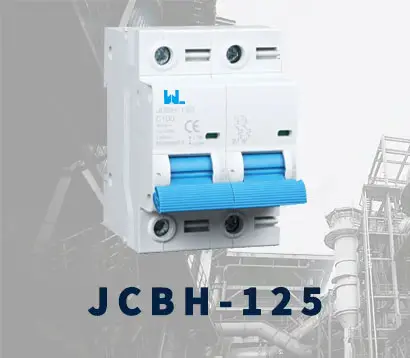 JCBH-125
 JC80-2P
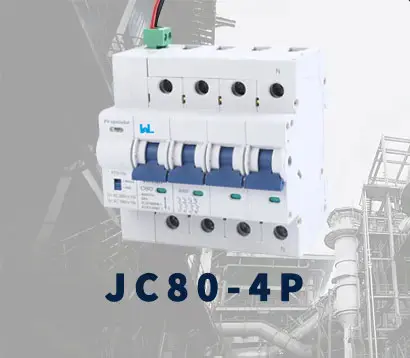 JC80-4P
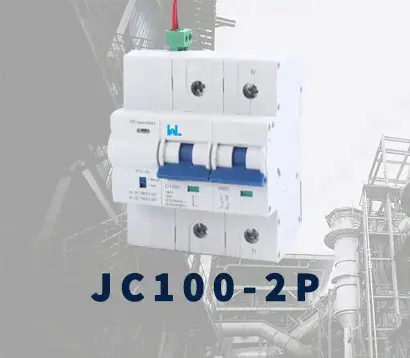 JC125-2P
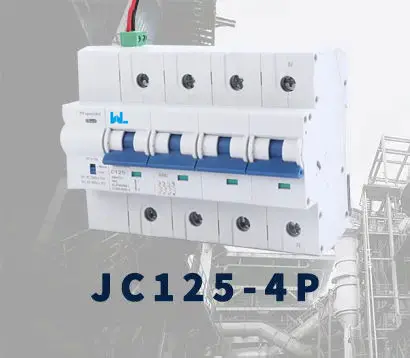 JC125-4P
 JCMX
JCMX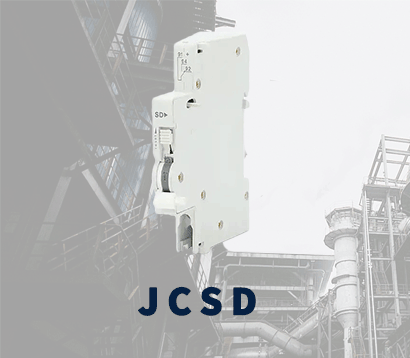 JCSD
JCSD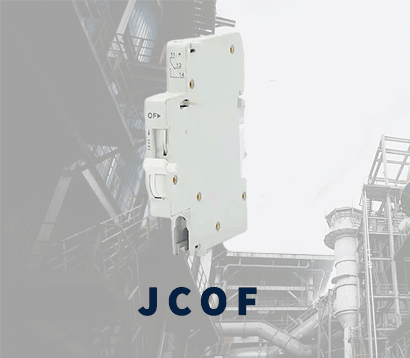 JCOF
JCOF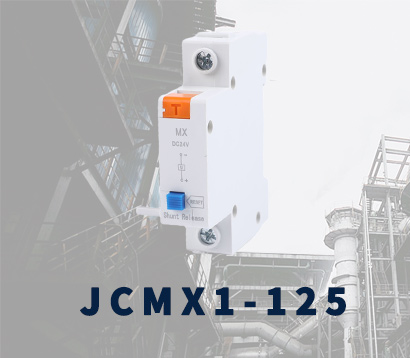 JCMX1-125
 JCOF1-125
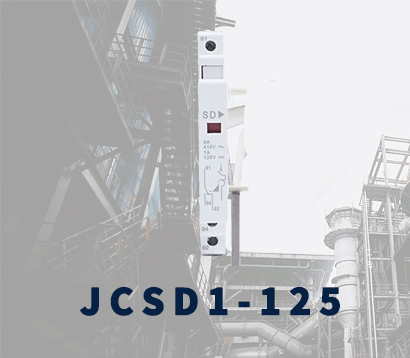 JCSD1-125
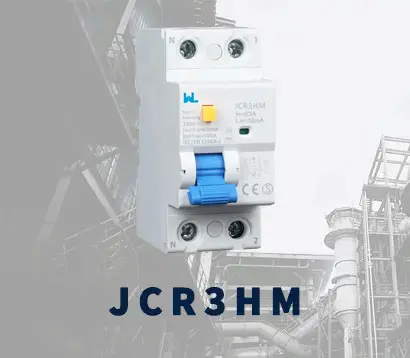 JCR3HM
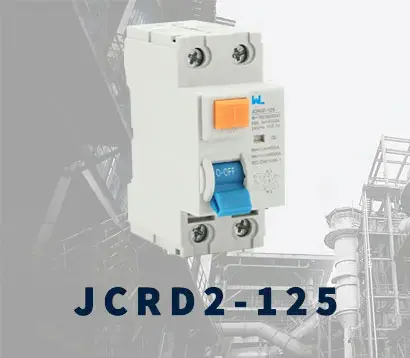 JCRD2-125
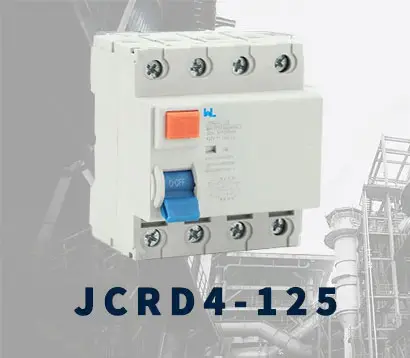 JCRD4-125
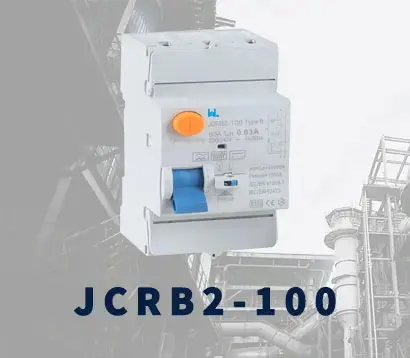 JCRB2-100
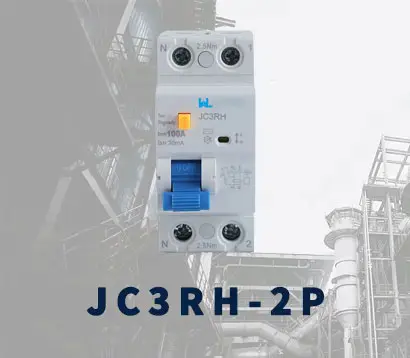 JC3RH-2P
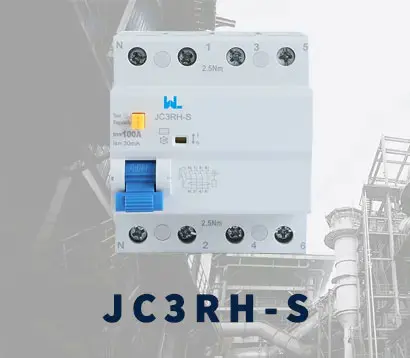 JC3RH-S
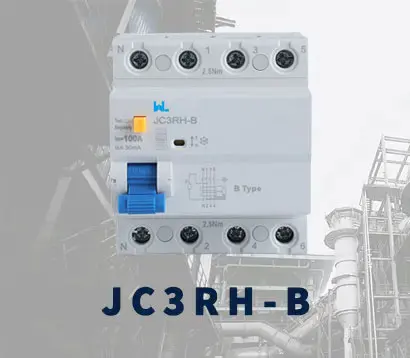 JC3RH-B
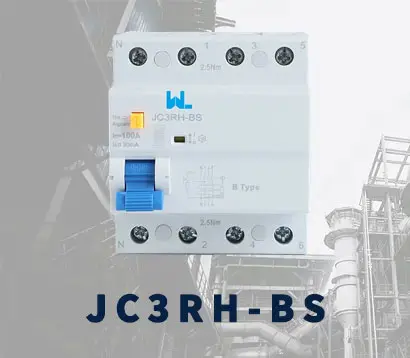 JC3RH-BS
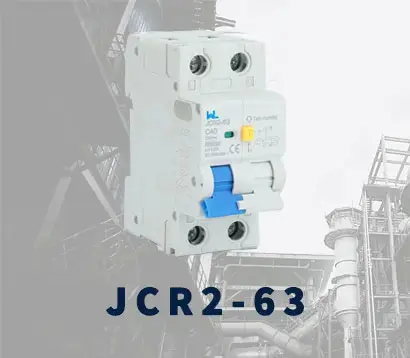 JCR2-63
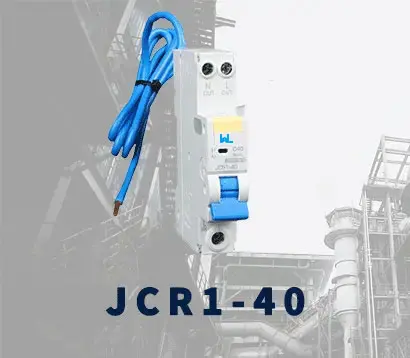 JCR1-40
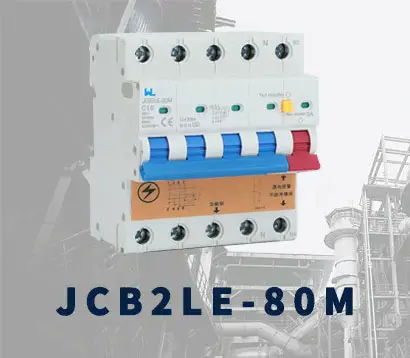 JCB2LE-80M
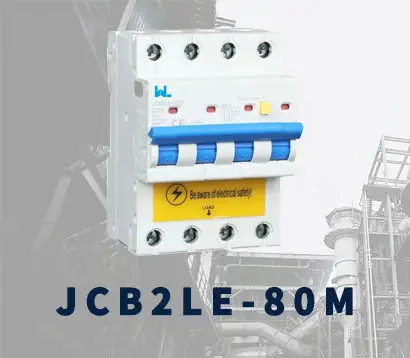 JCB2LE-80M
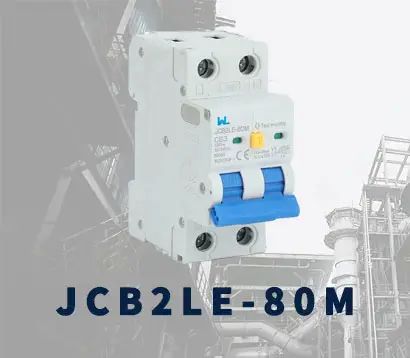 JCB2LE-80M
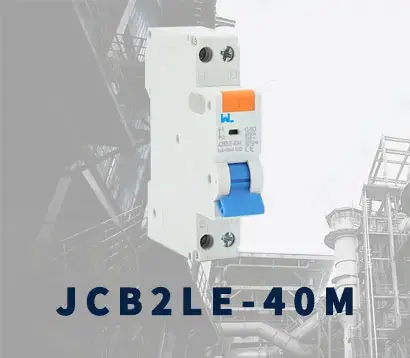 JCB2LE-40M
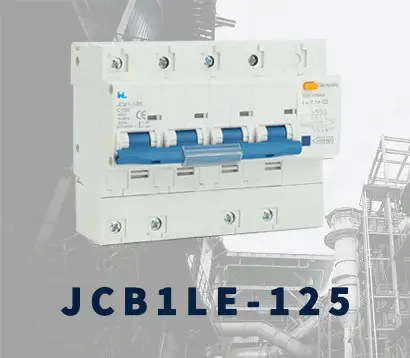 JCB1LE-125
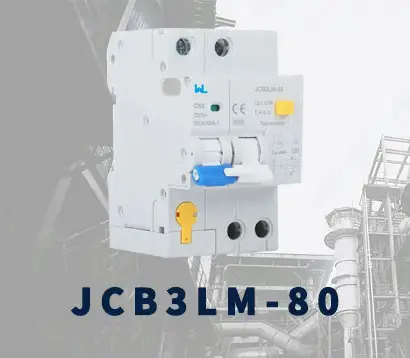 JCB3LM-80
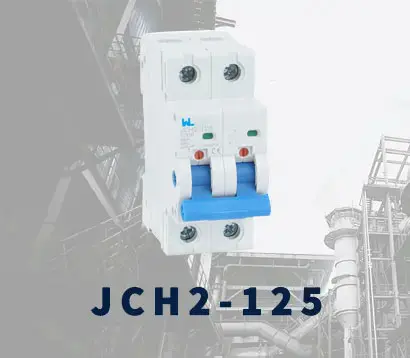 JCH2-125
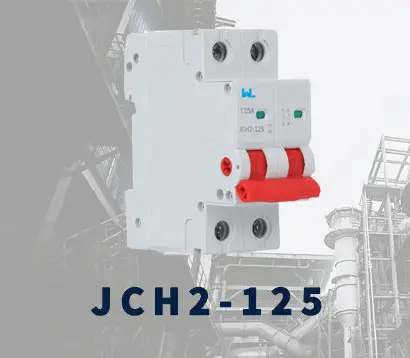 JCH2-125
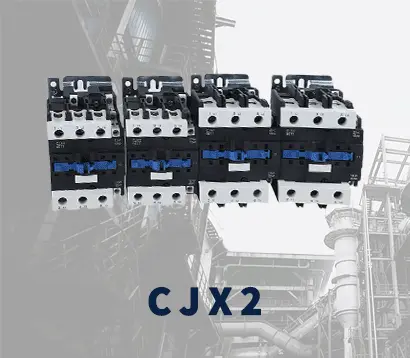 CJX2
CJX2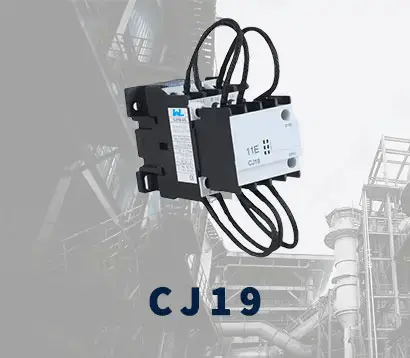 CJ19
CJ19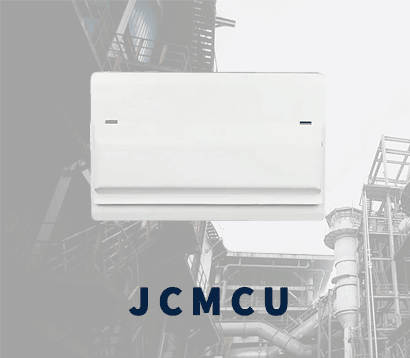 JCMCU
JCMCU JCHA
JCHA JCSD-40
 JCSD-60
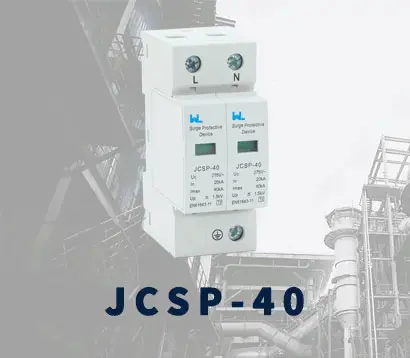 JCSP-40
 JCSP-60
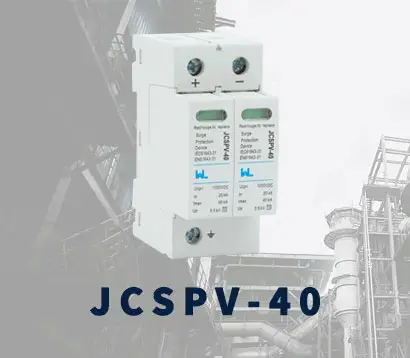 JCSPV
JCSPV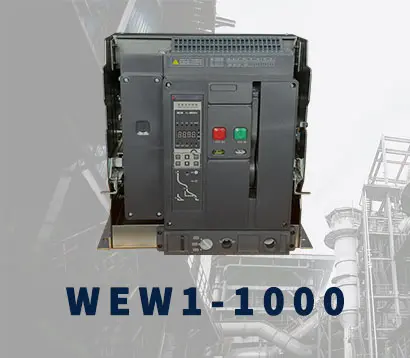 WEW1-1000
 WEW1-1600
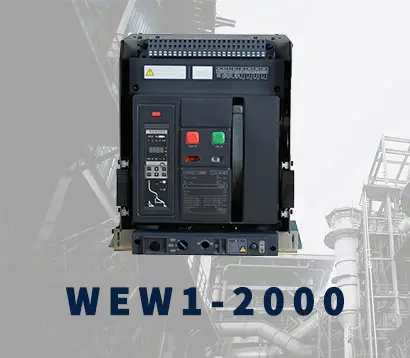 WEW1-2000
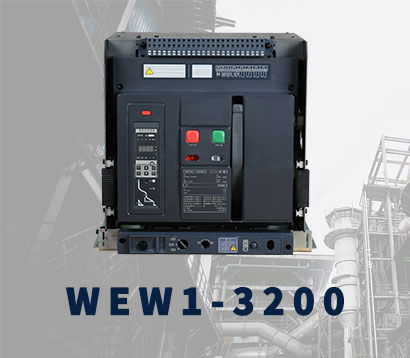 WEW1-3200
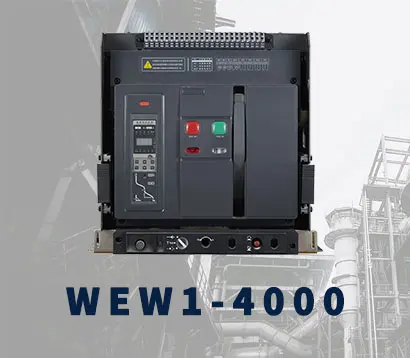 WEW1-4000
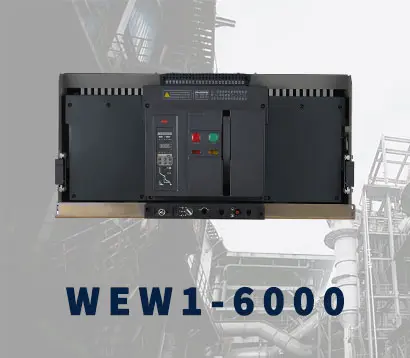 WEW1-6300
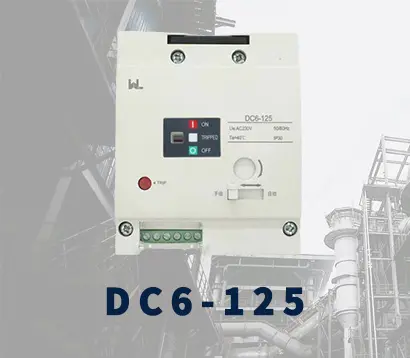 DC6-125
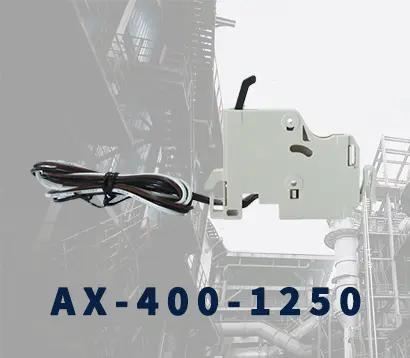 AX-400-1250
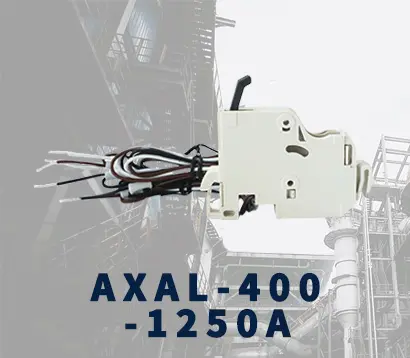 AXAL-400-1250A
 AL-400-1250
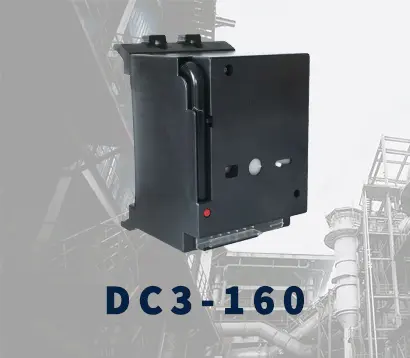 DC3-160
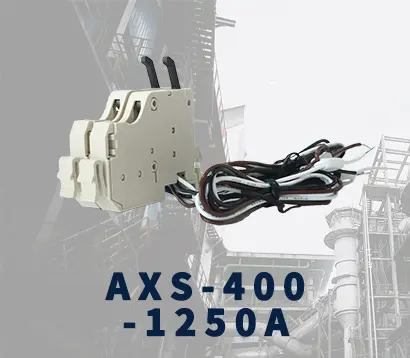 AXS-400-1250A
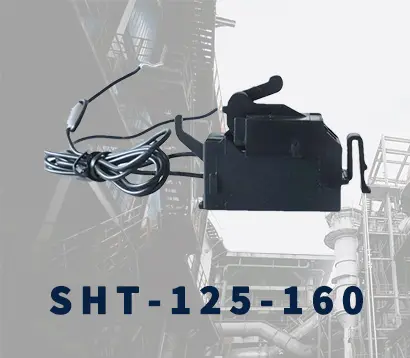 SHT-125-160
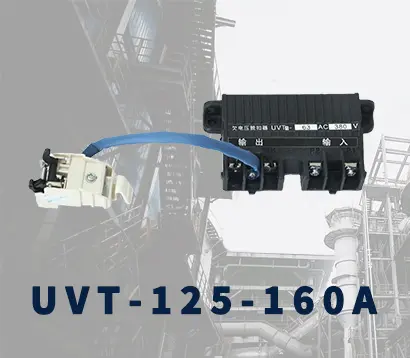 UVT-125-160A
 P-250A-3P-A
 400-3P/4P terminal cover
 1250-3Pmccb accessories busbar
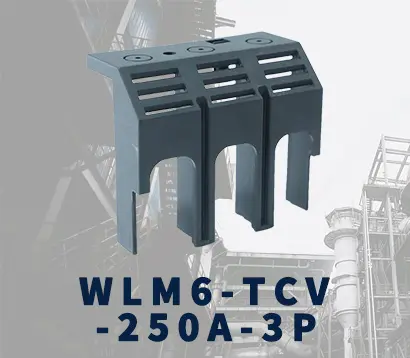 250-3P terminal conver
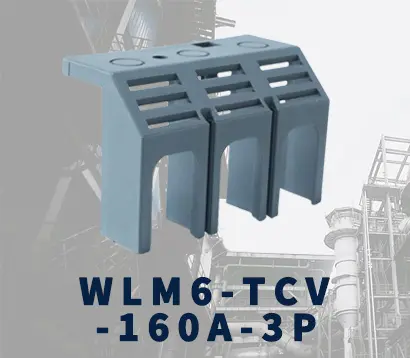 WLM6-TCV-160A-3P
 WLM6-MIP-250A
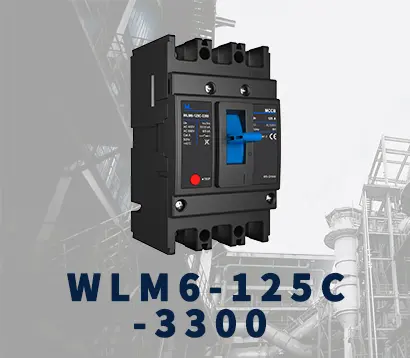 WLM6-125A-3300 3P/4P
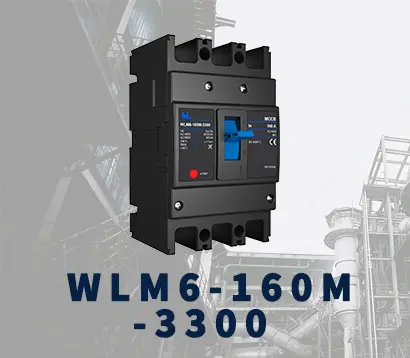 WLM6-160A-3300 3P/4P
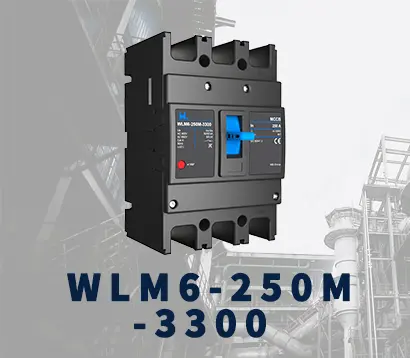 WLM6-250A-3300 3P/4P
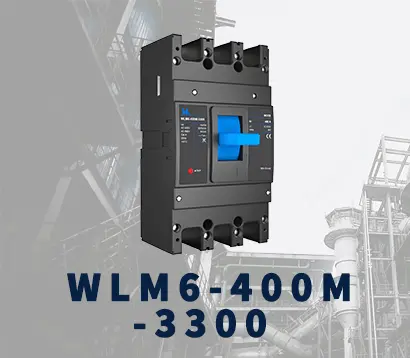 WLM6-400A-3300 3P/4P
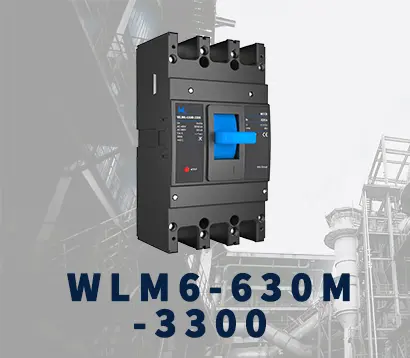 WLM6-630A-3300 3P/4P
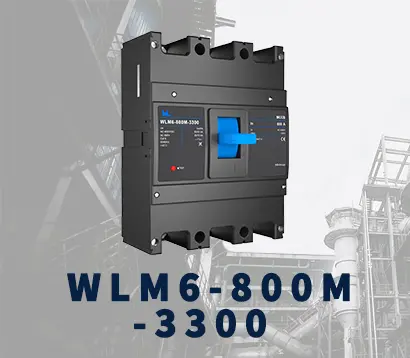 WLM6-800A-3300 3P/4P
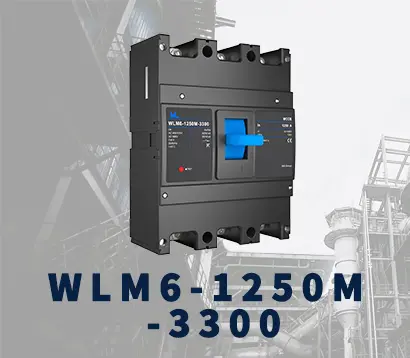 WLM6-1250A-3300 3P/4P
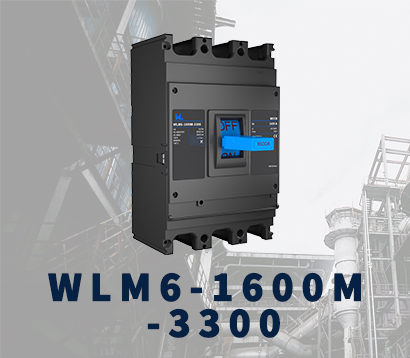 WLM6-1600A-3300 3P/4P
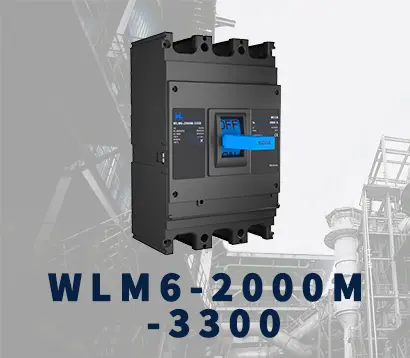 WLM6-2000A 3P/4P
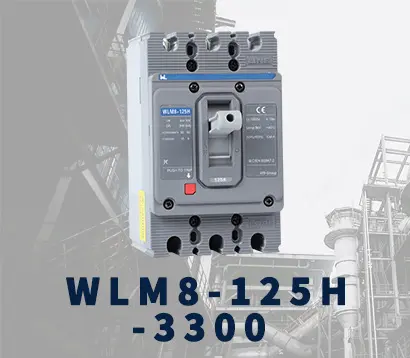 WLM8-125H-3300
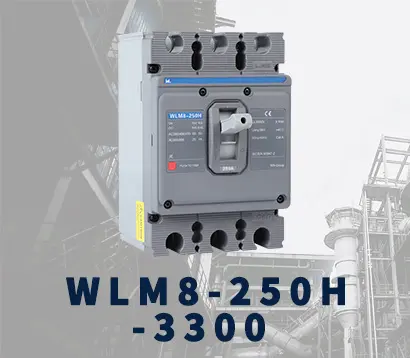 WLM8-250H-3300
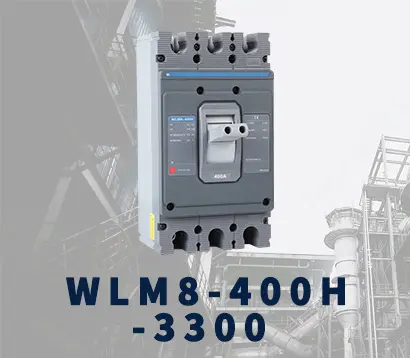 WLM8-400H-3300
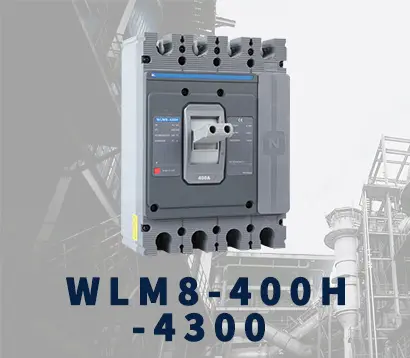 WLM8-400H-4300
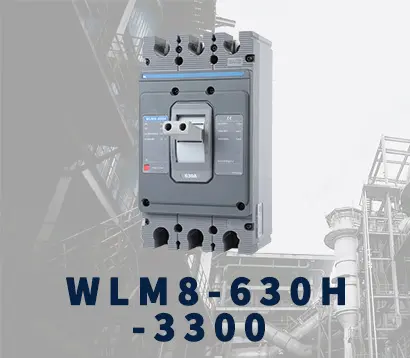 WLM8-630H-3300
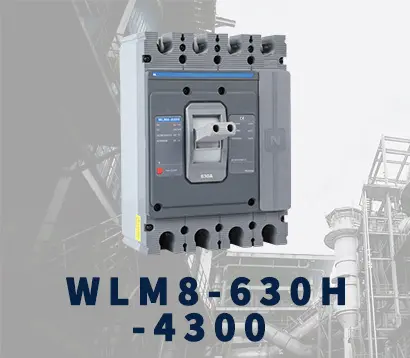 WLM8-630H-4300
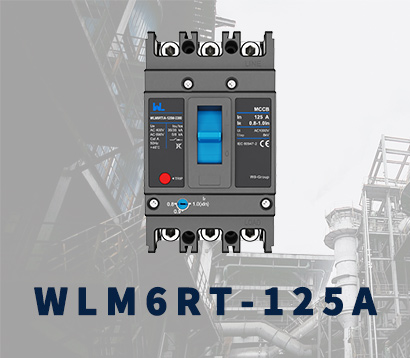 WLM6RT-125A
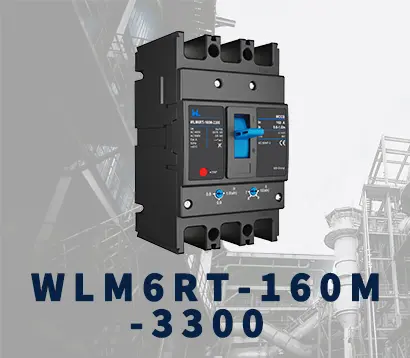 WLM6RT-160A
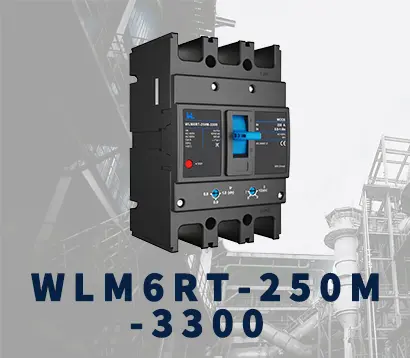 WLM6RT-250A
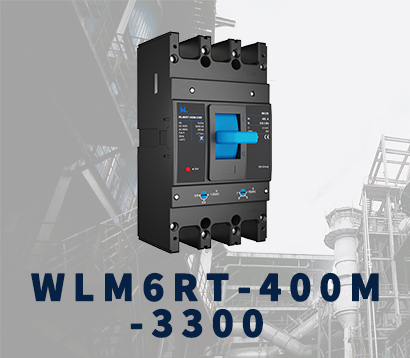 WLM6RT-400A
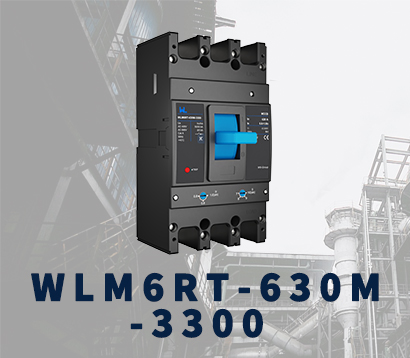 WLM6RT-630A
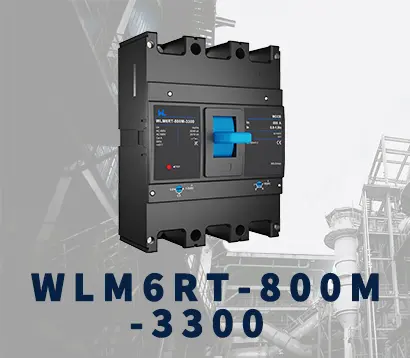 WLM6RT-800A
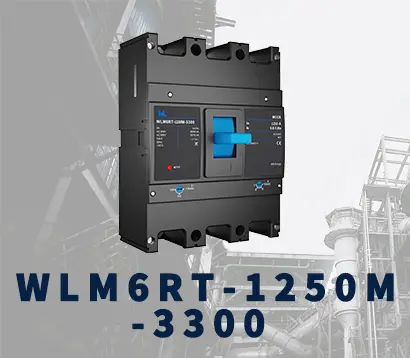 WLM6RT-1250A
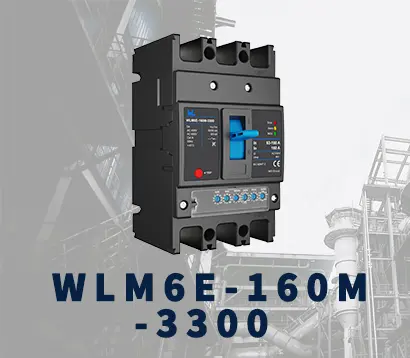 WLM6E-160A-3300 3P
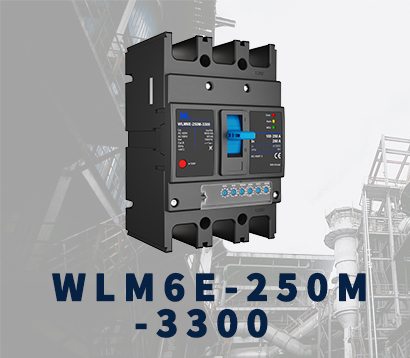 WLM6E-250A-3300
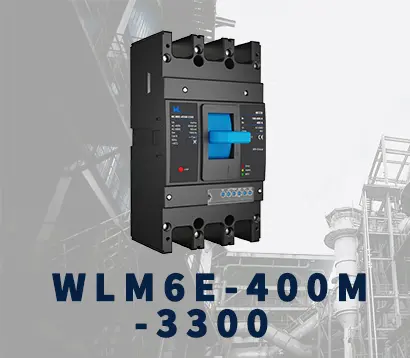 WLM6E-400A-3300 3P/4P
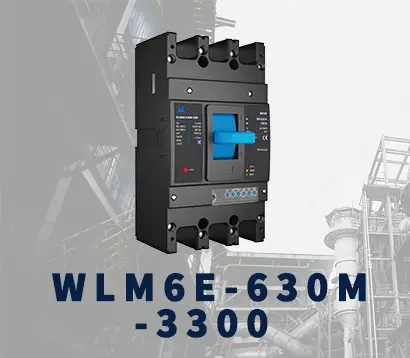 WLM6E-630A-3300
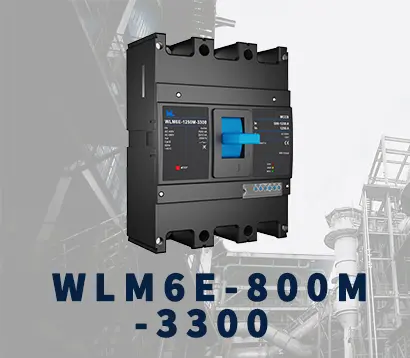 WLM6E-800A-3300 3P/4P
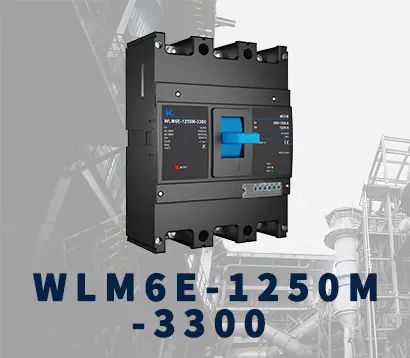 WLM6E-1250A-3300
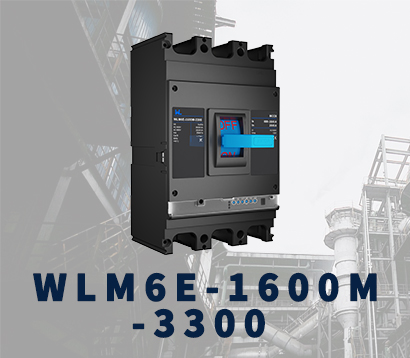 WLM6E-1600-3300 3P/4P
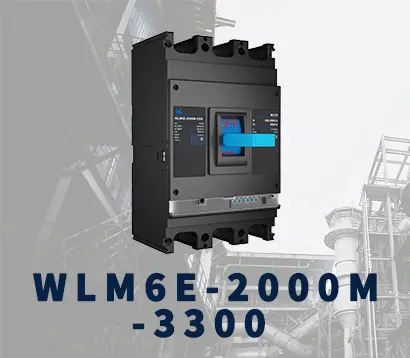 WLM6E-2000A-3300 3P/4P
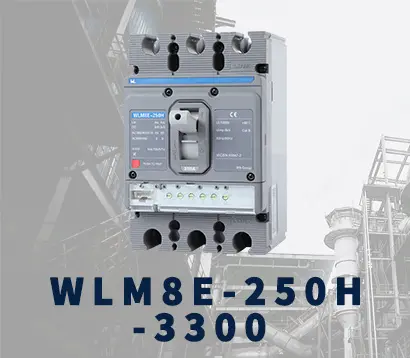 WLM8E-250H-3300
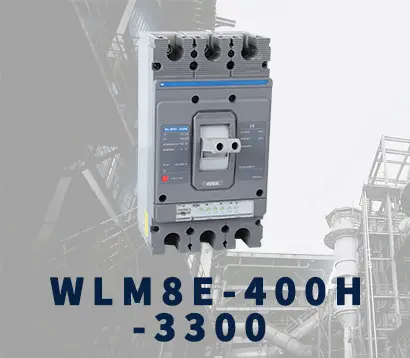 WLM8E-400H-3300
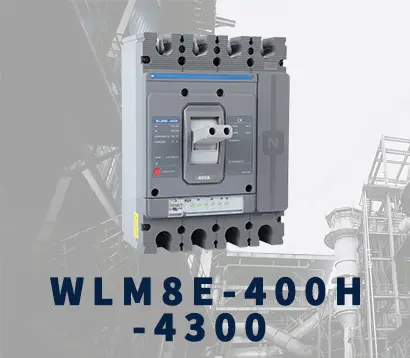 WLM8E-400H-4300
 WLM8E-630H-3300
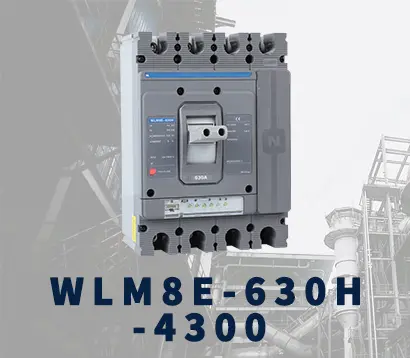 WLM8E-630H-4300
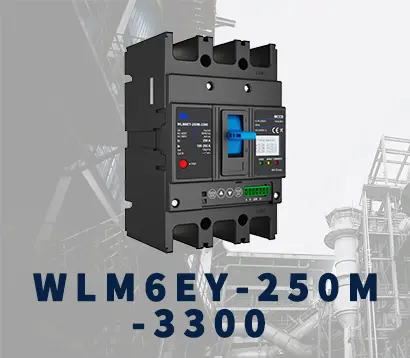 WLM6EY-250-3300 3P/4P
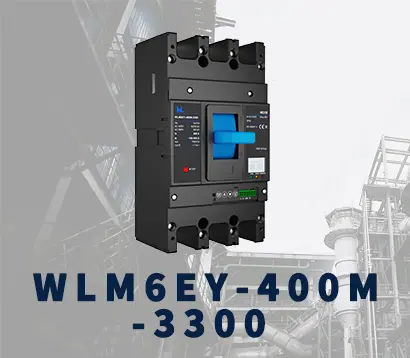 WLM6EY-400 3P/4P
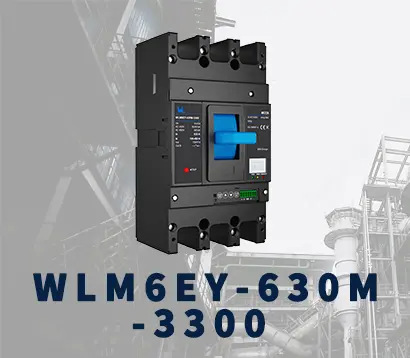 WLM6EY-630 3P/4P
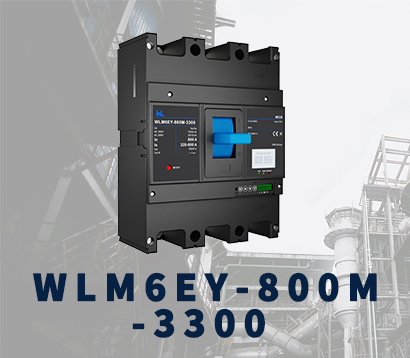 WLM6EY-800A 3P/4P
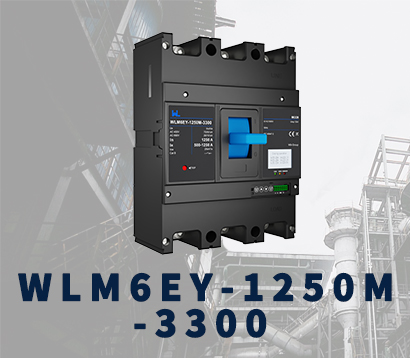 WLM6EY-1250A 3P/4P
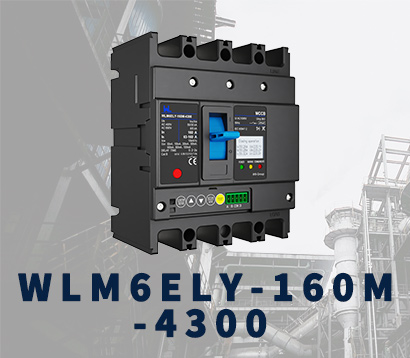 WLM6ELY-160A
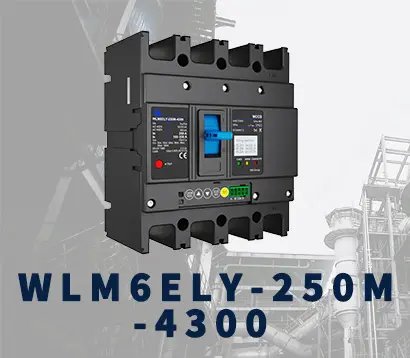 WLM6ELY-250A
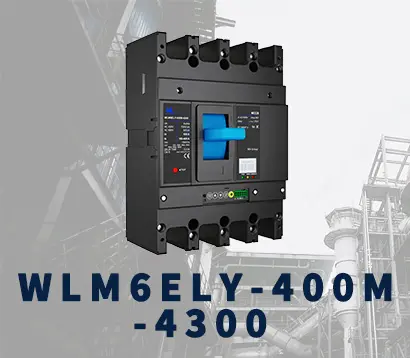 WLM6ELY-400A
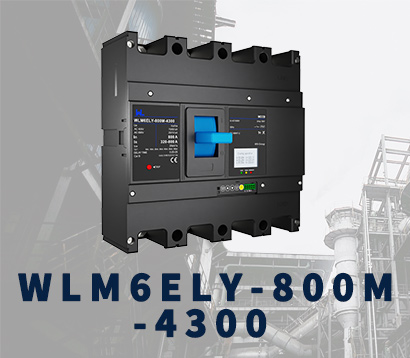 WLM6ELY-800A
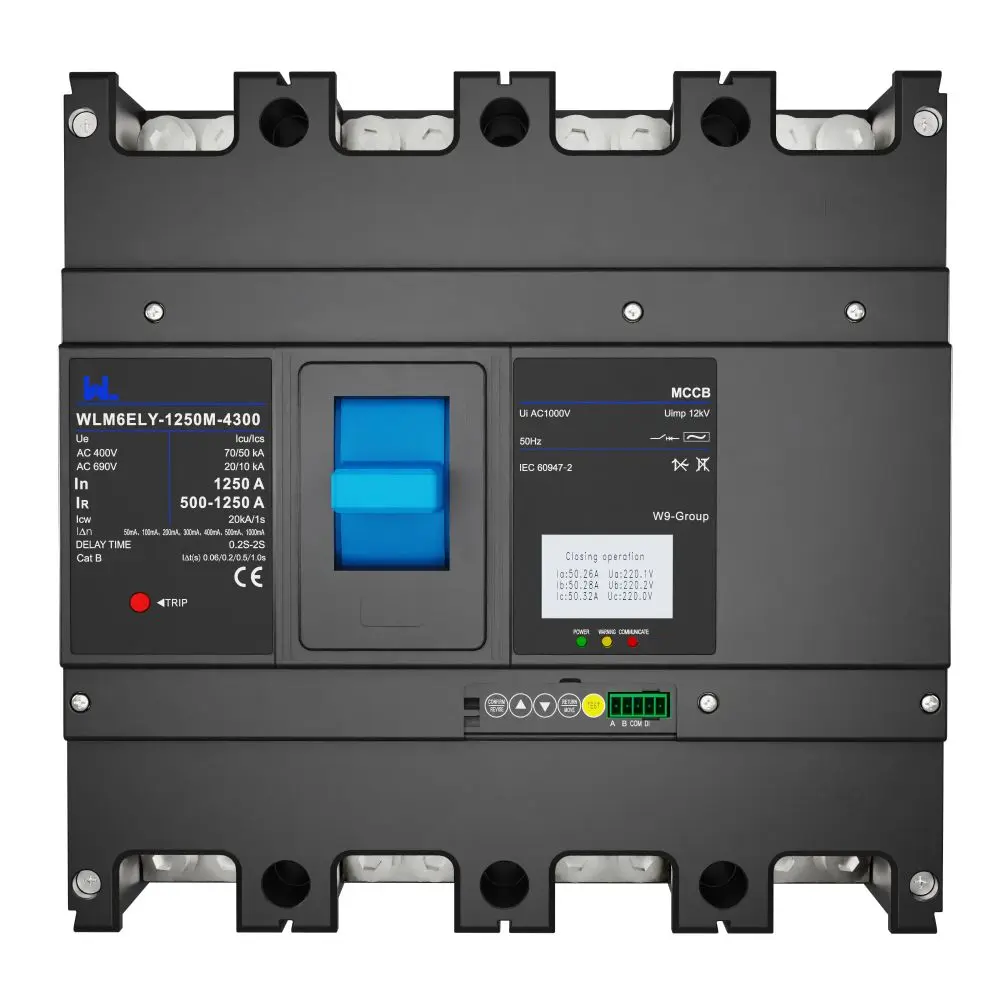 WLM6ELY-1250A
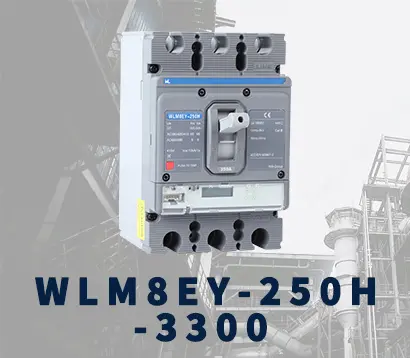 WLM8EY-250H-3300
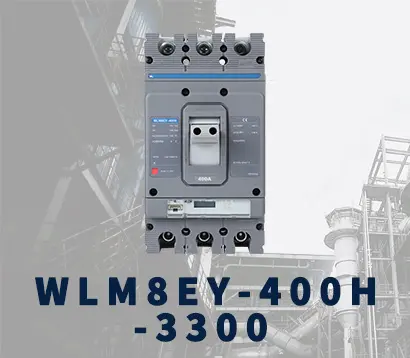 WLM8EY-400H-3300
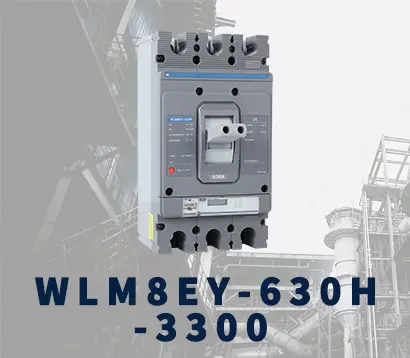 WLM8EY-630H-3300
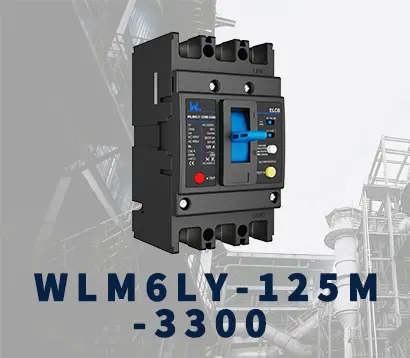 WLM6LY-125A
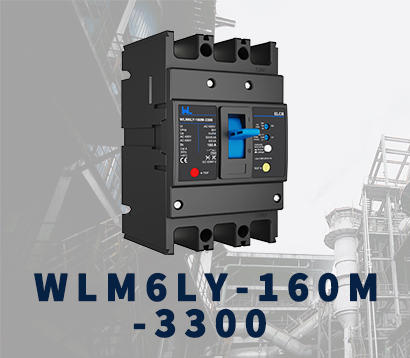 WLM6L-160A
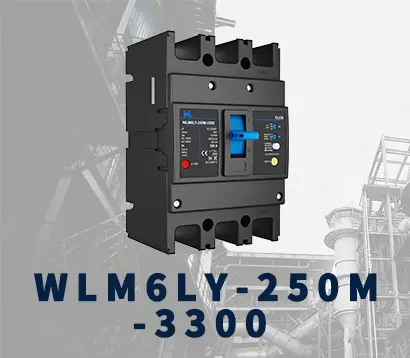 WLM6LY-250A
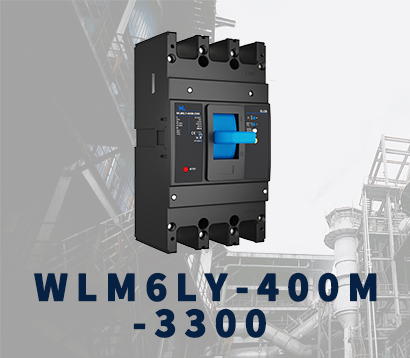 WLM6LY-400A
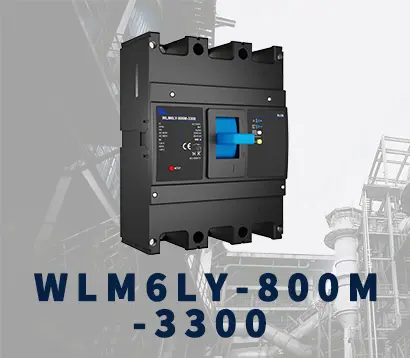 WLM6LY-800A
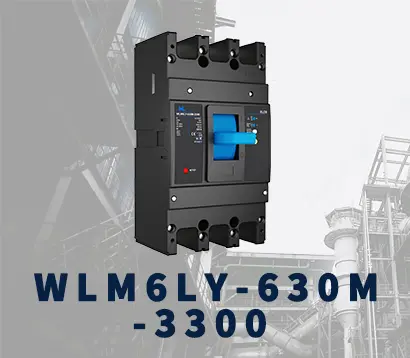 WLM6LY-630A
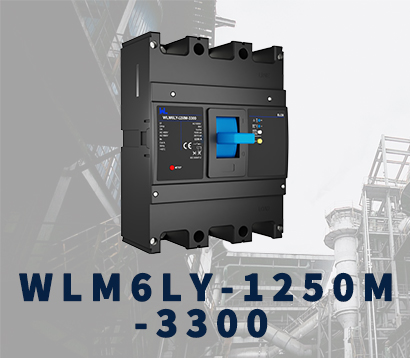 WLM6LY-1250A
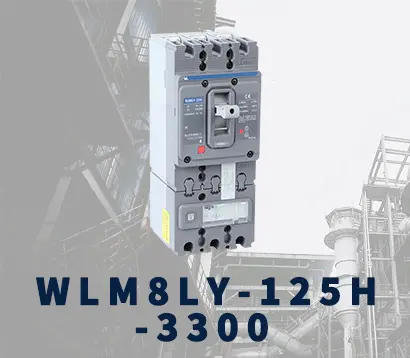 WLM8LY-125H-3300
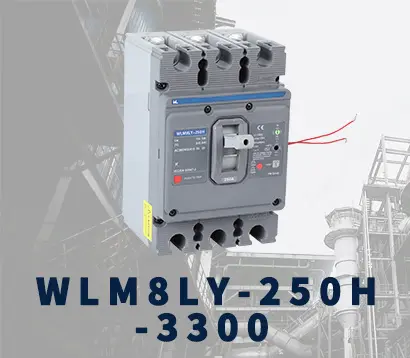 WLM8LY-250H-3300
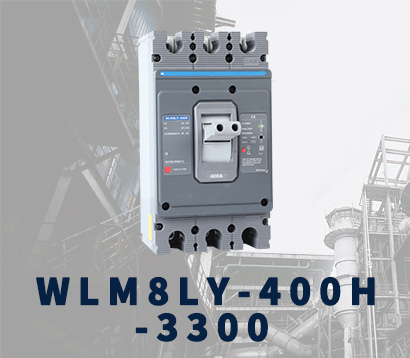 WLM8LY-400H-3300
 WLM8LY-630H-3300
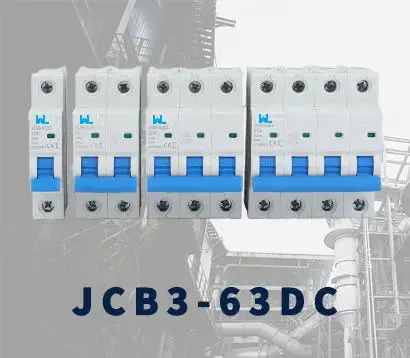 JCB3-63DC
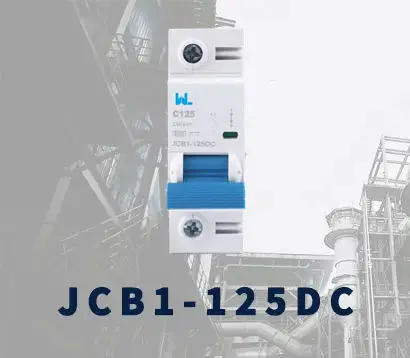 JCB1-125DC
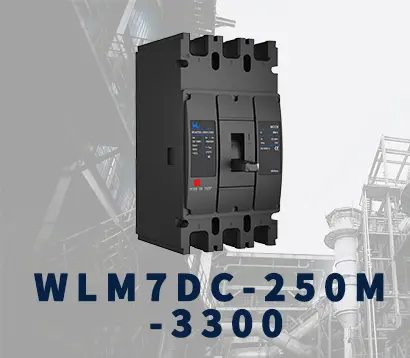 WLM7DC-250A-2300 2P/3P
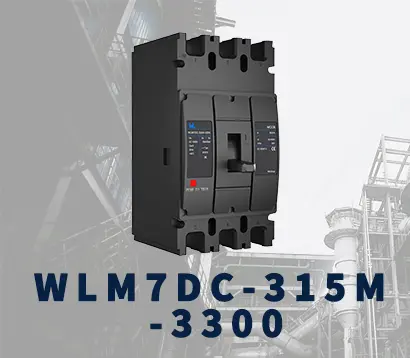 WLM7DC-315A-3300 2P/3P
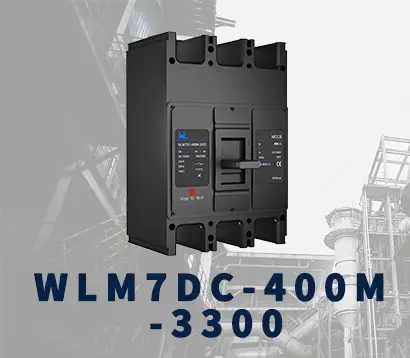 WLM7DC-400A-2300 2P/3P
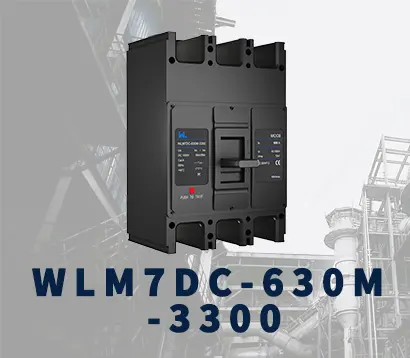 WLM7DC-630A-3300 3P
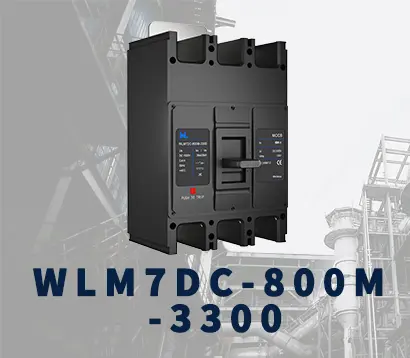 WLM7DC-800A-2300 2P/3P
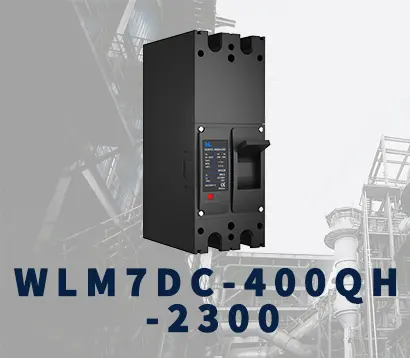 WLM7DC-400A 2300
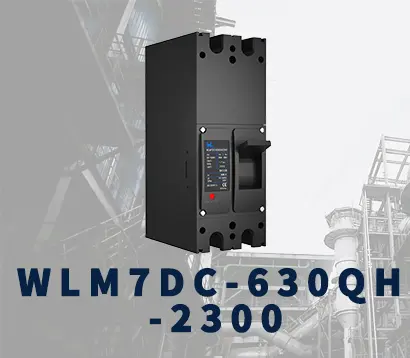 WLM7DC-630A-2300 2P
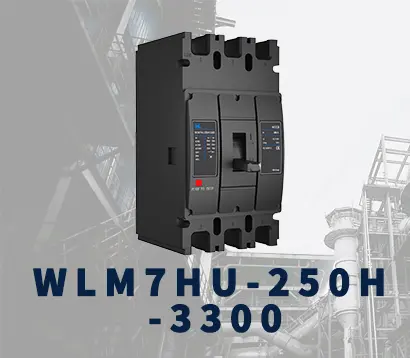 WLM7HU-250-3300 3P
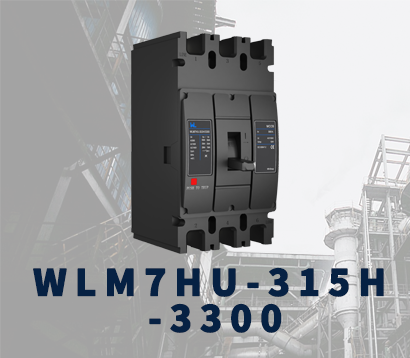 WLM7HU-315-3300 3P
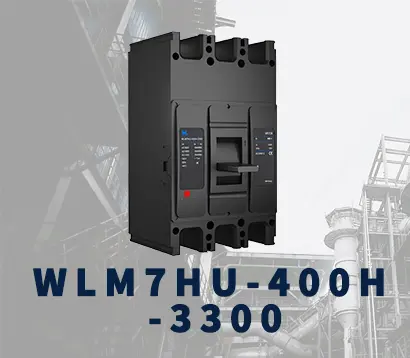 WLM7HU-400-3300 3P
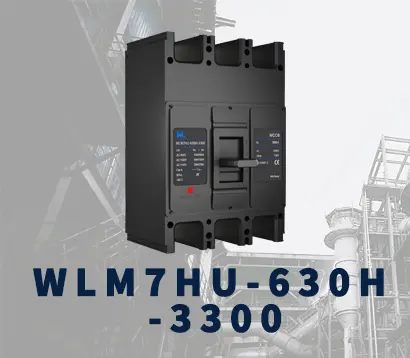 WLM7HU-630-3300 3P
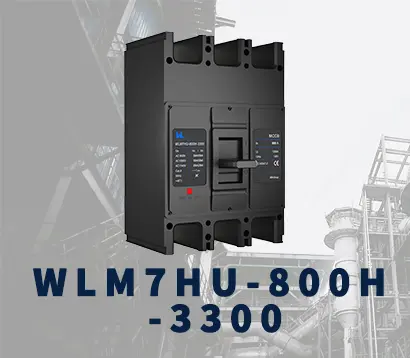 WLM7HU-800-3300 3P
 PV-1500V/250A
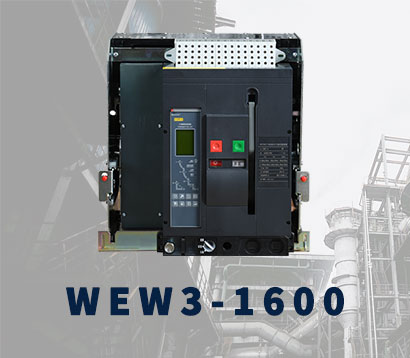 WEW3-1600
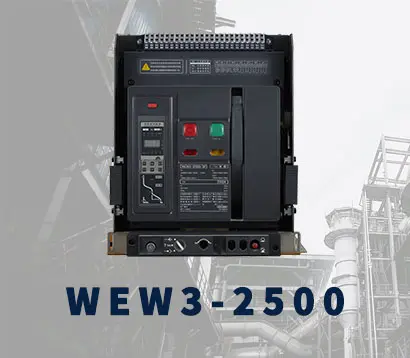 WEW3-2500
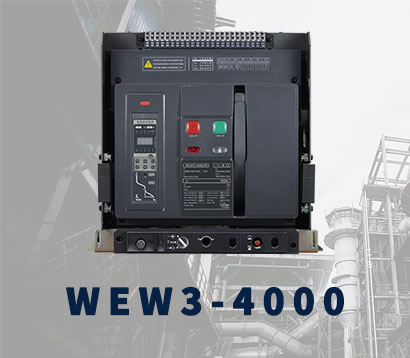 WEW3-4000
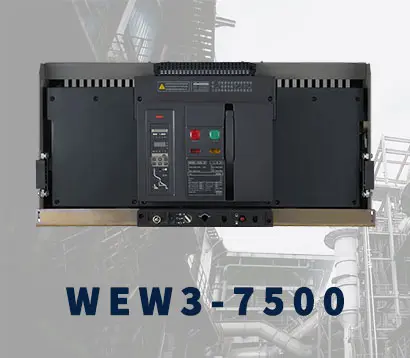 WEW3-7500