Top 10 Benefits of Using Electronic Circuit Breakers for Buyers
Electronic Circuit Breakers are revolutionizing how we manage electrical safety and efficiency. According to Dr. Linda Thompson, an expert in electrical engineering, “Electronic Circuit Breakers offer real-time protection that traditional models simply cannot match.” This statement highlights the growing importance of these advanced devices for buyers in today’s market.
With the rise in electronic devices, the demand for reliable electrical protection is critical. Electronic Circuit Breakers not only prevent overloads but also enhance energy efficiency. They are designed to detect faults faster, minimizing damage and providing peace of mind. In an era where safety and reliability are non-negotiable, their benefits extend far beyond the ordinary.
However, while the advantages are compelling, some may find the transition from traditional breakers daunting. The initial investment can be higher, and understanding new technologies may require a learning curve. Buyers must weigh these factors carefully against the long-term benefits. Ultimately, choosing an Electronic Circuit Breaker can lead to a smarter and safer electrical system. The shift towards these innovative solutions is more than a trend; it’s a significant step towards improved safety standards.
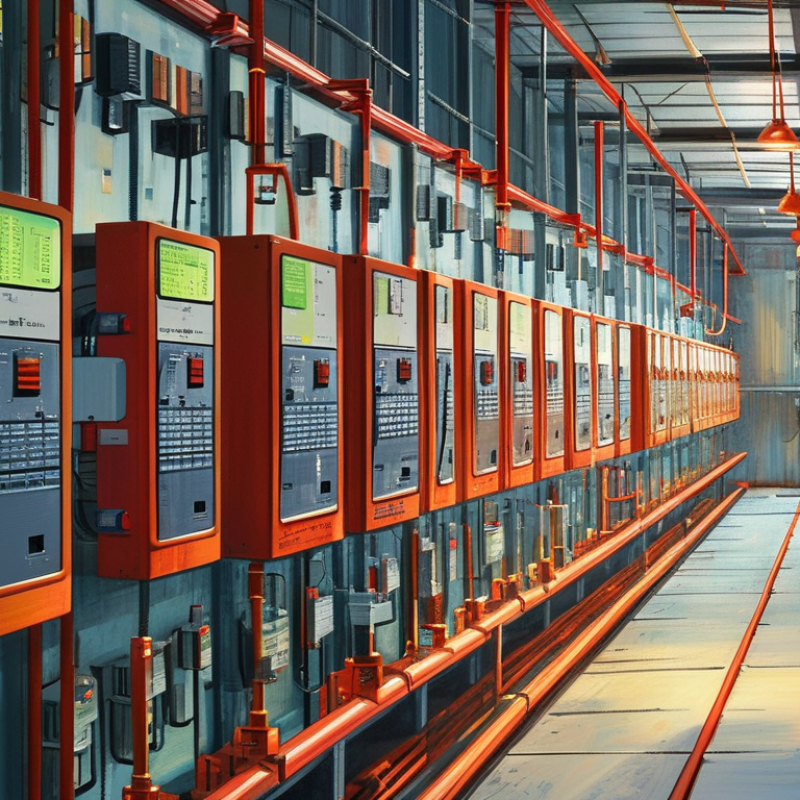
Benefits of Enhanced Safety Features in Electronic Circuit Breakers
When it comes to safety, electronic circuit breakers (ECBs) lead the way. Enhanced safety features are a significant draw for buyers. According to industry reports, ECBs can reduce electrical fire risks by up to 50%. This percentage represents a marked improvement over traditional circuit breakers, making them a reliable option for modern electrical systems.
These devices offer real-time monitoring. This capability allows immediate detection of overloads and faults. Studies indicate that early detection can prevent accidents. Data shows that facilities using ECBs experience fewer electrical incidents compared to those relying on older technology. The integration of smart technology also means users receive instant alerts on their devices.
Tip: Regular testing of your breakers is essential. Even the best technology can fail if not maintained properly.
Another safety feature is the ability to reset automatically. If an overload occurs, the ECB can restore power seamlessly once conditions are safe. This minimizes downtime in critical applications. However, relying solely on technology without human oversight can lead to complacency.
Tip: Keep an eye on your electrical load. Awareness plays a crucial role in preventing potential overloads.
Reduction of Overall Energy Consumption with Electronic Circuit Breakers
The integration of electronic circuit breakers (ECBs) is revolutionizing energy management. A study by the International Energy Agency (IEA) highlights that electronic circuit breakers can reduce overall energy consumption by up to 20%. This significant reduction results from their ability to monitor and control energy flow more effectively than traditional solutions. By leveraging smart technology, ECBs can identify and respond to energy spikes instantaneously, optimizing usage patterns to minimize waste.
Energy efficiency is not just about saving costs; it’s about sustainable consumption. Recent data from the U.S. Department of Energy indicates that commercial buildings with electronic circuit breakers can save approximately 30% on energy bills annually. This reduction is particularly impactful in industrial settings, where the demand can lead to excessive energy expenditure. However, implementing ECBs poses challenges. Initial investment costs, installation complexities, and the need for ongoing maintenance require careful budgeting and planning.
Moreover, while ECBs offer clear savings, old wiring systems may limit their effectiveness. It’s crucial to evaluate existing infrastructure before upgrading to ECB technology. Transitioning to newer systems often reveals hidden inefficiencies, emphasizing the importance of a full assessment. This reflective approach can guide buyers to make informed decisions in their energy management strategies.
Real-time Monitoring and Diagnostics: Data-Driven Decisions in Power Management
Real-time monitoring and diagnostics in power management can significantly enhance decision-making. Electronic circuit breakers (ECBs) provide continuous data on power usage, allowing users to track performance instantly. According to a recent industry report, organizations using ECBs have seen a 30% reduction in downtime due to proactive monitoring. This shift empowers businesses to identify issues before they evolve into costly failures.
Integrating data-driven insights helps prioritize maintenance and optimize energy efficiency. By analyzing metrics such as current loads and voltage levels, users can make informed adjustments. One study suggests that businesses leveraging real-time data save approximately 25% on energy costs annually. Such metrics facilitate smarter operational strategies, directly influencing the bottom line.
Tip: Regularly review the data from ECBs to spot trends and anomalies. This can prevent potential system failures. Ensure your team is trained to interpret this information effectively.
Another advantage of ECBs is their ability to automate load-shedding processes. Implementing real-time monitoring means you can automatically reduce power use during peak demand. This is crucial for managing energy costs and reducing strain on the electrical system. Yet, organizations must regularly assess their monitoring systems. Adjusting thresholds as machinery and load requirements evolve is essential for maintaining resilience.
Extended Lifespan and Reliability Statistics of Electronic Circuit Breakers
Electronic circuit breakers are becoming increasingly popular in modern electrical systems due to their extended lifespan and reliability. According to the Institute of Electrical and Electronics Engineers (IEEE), electronic circuit breakers can endure well over 10,000 cycles of on/off operations. This is a stark contrast to traditional mechanical breakers, which typically fail after around 5,000 cycles. This difference is primarily attributed to the absence of moving parts in electronic breakers, significantly reducing wear and tear.
In terms of reliability, recent studies show that electronic circuit breakers have a failure rate of less than 1% over their operational lifetime. This is invaluable for industries where downtimes can lead to significant financial losses. Additionally, data from the International Electrotechnical Commission (IEC) indicates that electronic circuit breakers can operate efficiently in extreme temperature ranges, ensuring sustained performance in various environments. Users often overlook these statistics, yet they are crucial for making informed decisions about electrical safety.
Reflecting on the shift toward electronic circuits, some buyers might question their initial cost compared to conventional options. While upfront investments can be higher, the long-term savings on maintenance and replacements can be substantial. This prompts a deeper evaluation of immediate versus future costs. Emphasizing statistics in decision-making can lead to more reliable electrical systems and ultimately enhance safety and performance.
Cost-Benefit Analysis: Long-term Savings from Implementing Electronic Solutions
Electronic circuit breakers have revolutionized how we manage electrical systems. They provide precise control and enhance safety. One significant advantage is the long-term savings they offer. Traditional breakers often lead to unexpected costs due to their inefficiency. In contrast, electronic solutions enable better resource management, leading to reduced operational expenses over time.
Investing in electronic circuit breakers means investing in technology that pays off. Lower energy losses translate directly into savings. Additionally, these breakers self-monitor, providing real-time updates. This allows for timely maintenance and prevents costly failures.
Tips: When considering electronic circuit breakers, assess your specific needs. Analyze your energy consumption patterns, and consider how electronic solutions fit. Evaluate the potential return on investment. Implement changes gradually; start small and scale up based on observed benefits. This method ensures a smooth transition and maximizes savings. Embracing new technology can be daunting, but the rewards often outweigh the initial uncertainty.

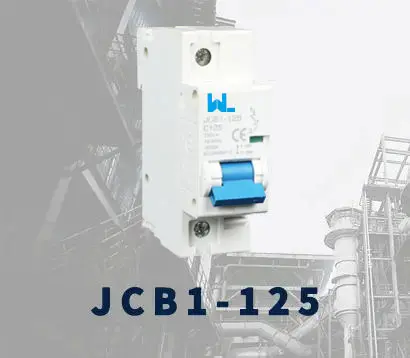 JCB1-125
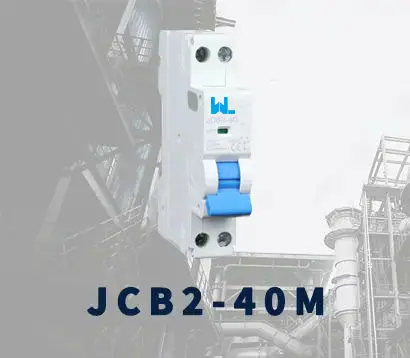 JCB2-40M
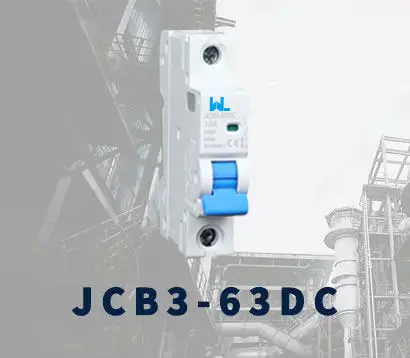 JCB3-63DC
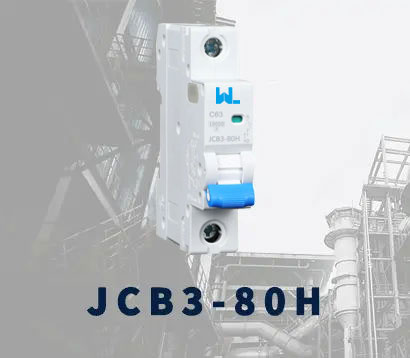 JCB3-80H
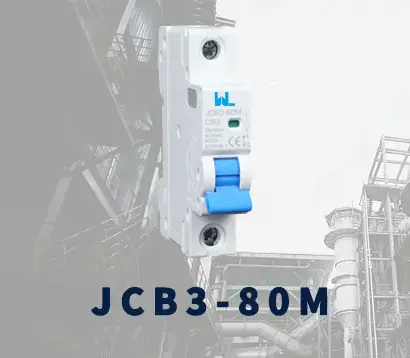 JCB3-80M
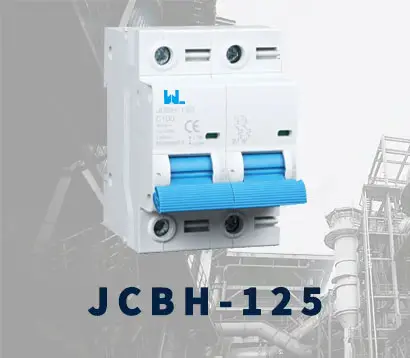 JCBH-125
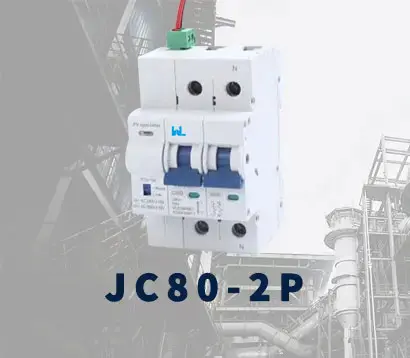 JC80-2P
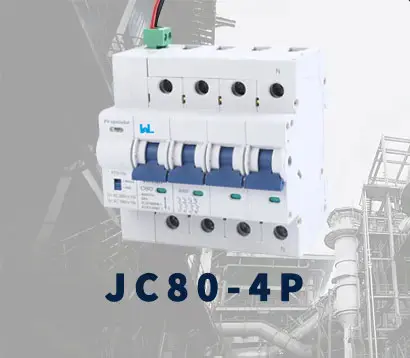 JC80-4P
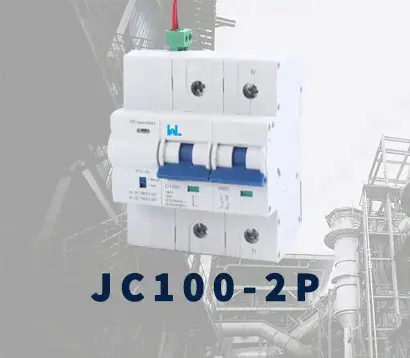 JC125-2P
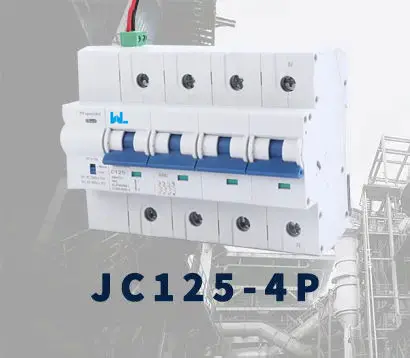 JC125-4P
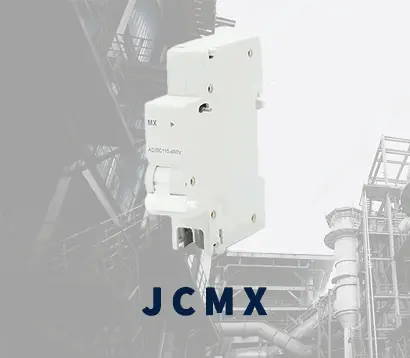 JCMX
JCMX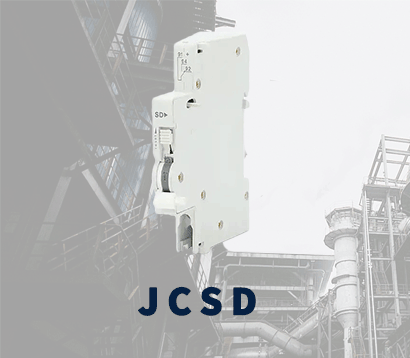 JCSD
JCSD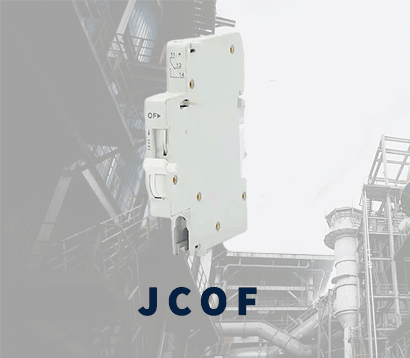 JCOF
JCOF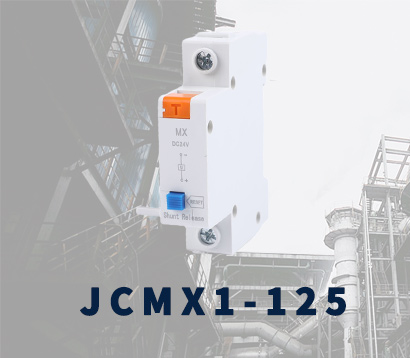 JCMX1-125
 JCOF1-125
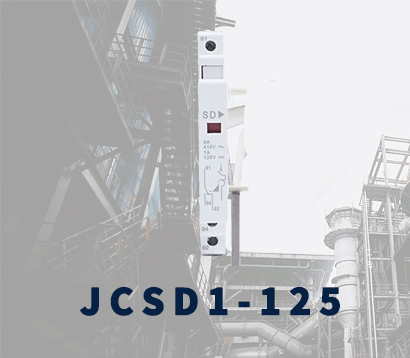 JCSD1-125
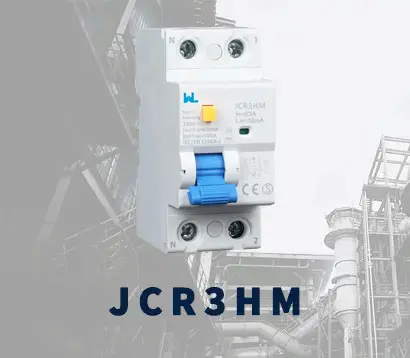 JCR3HM
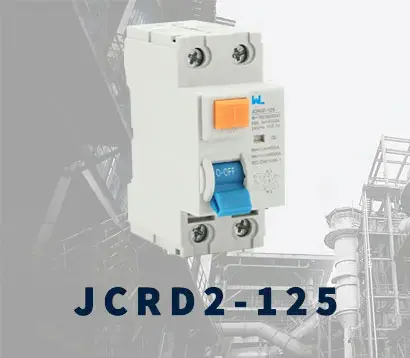 JCRD2-125
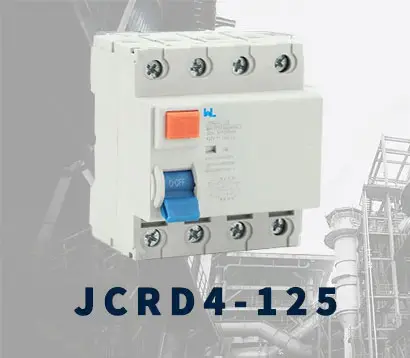 JCRD4-125
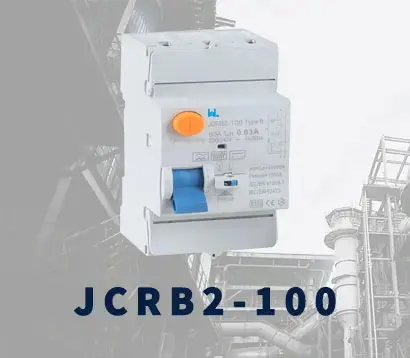 JCRB2-100
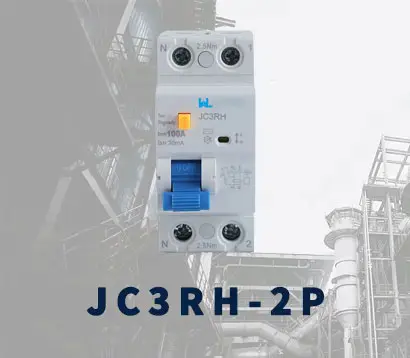 JC3RH-2P
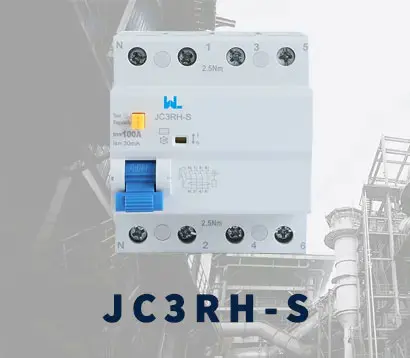 JC3RH-S
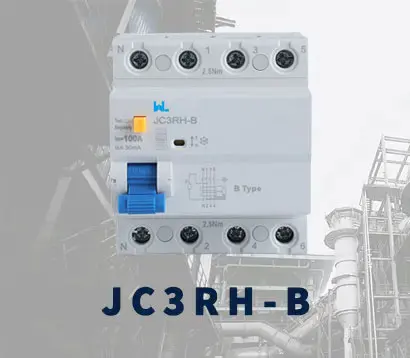 JC3RH-B
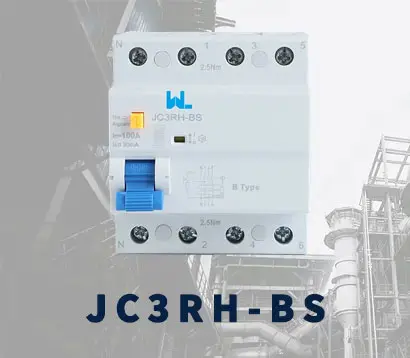 JC3RH-BS
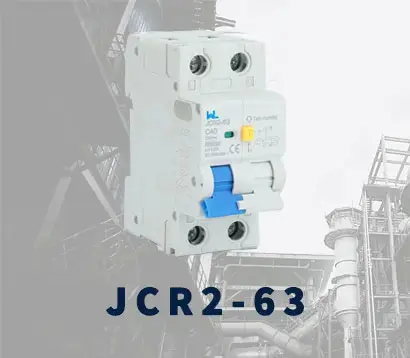 JCR2-63
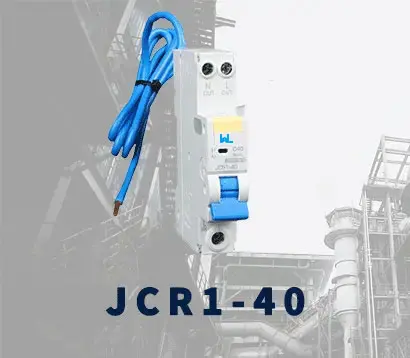 JCR1-40
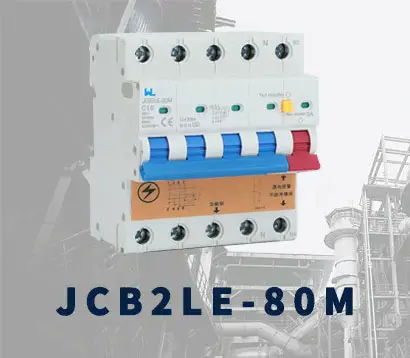 JCB2LE-80M
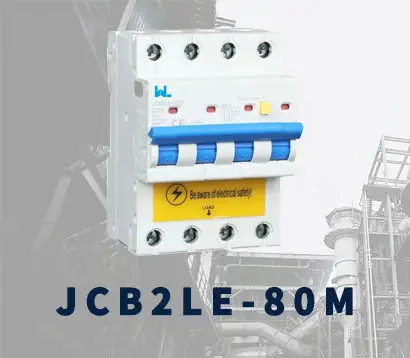 JCB2LE-80M
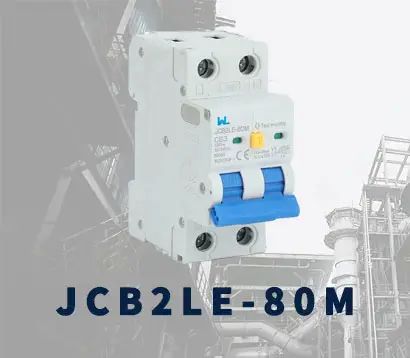 JCB2LE-80M
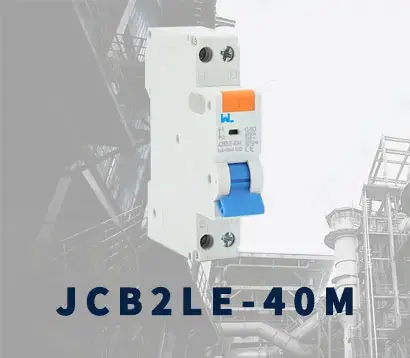 JCB2LE-40M
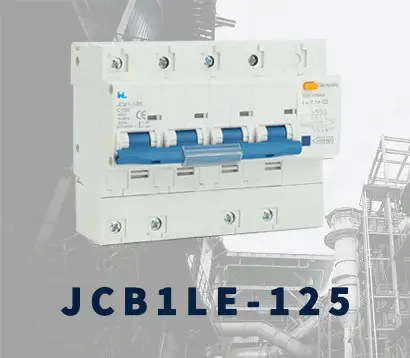 JCB1LE-125
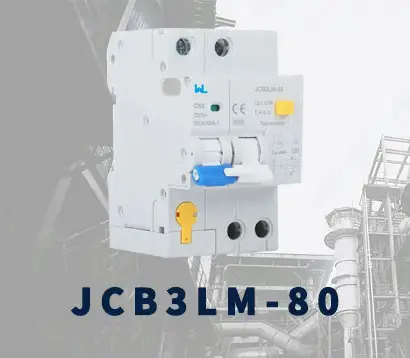 JCB3LM-80
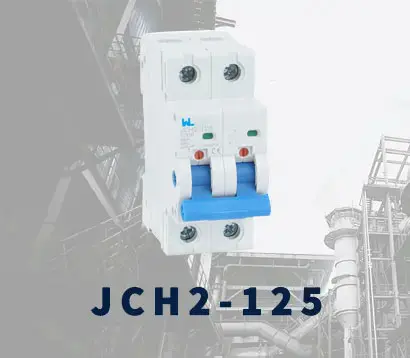 JCH2-125
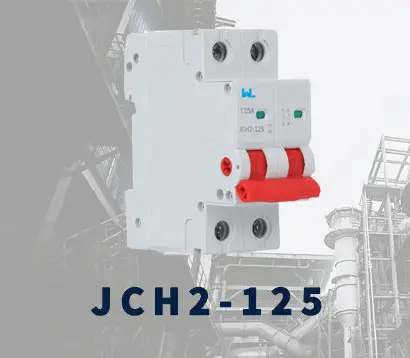 JCH2-125
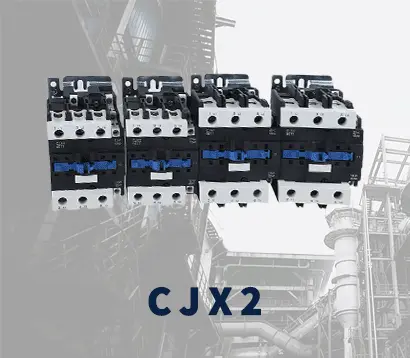 CJX2
CJX2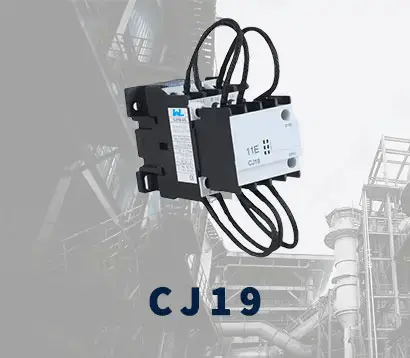 CJ19
CJ19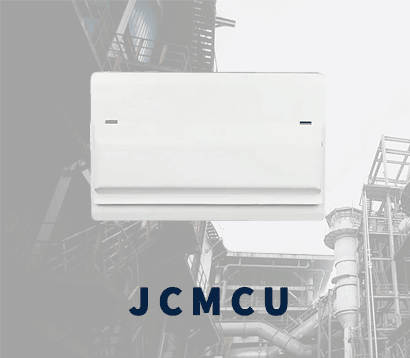 JCMCU
JCMCU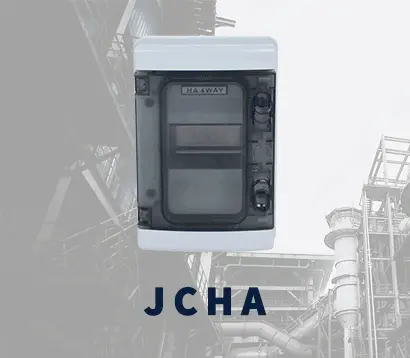 JCHA
JCHA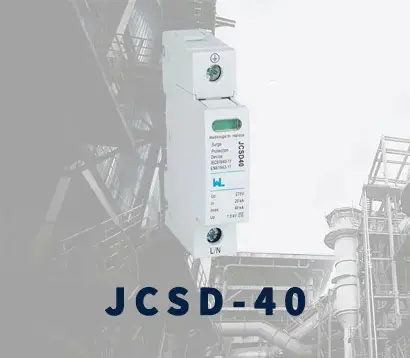 JCSD-40
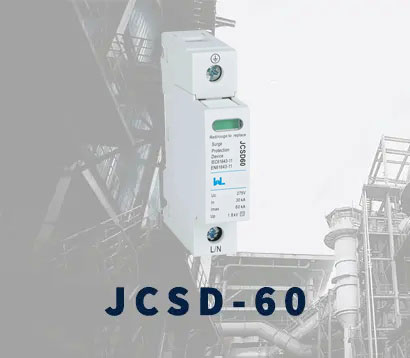 JCSD-60
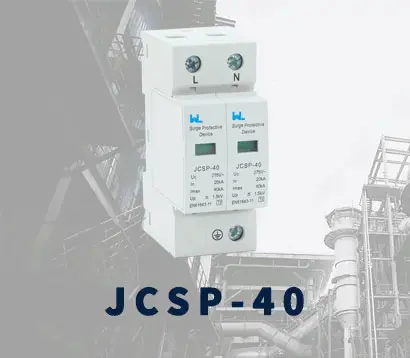 JCSP-40
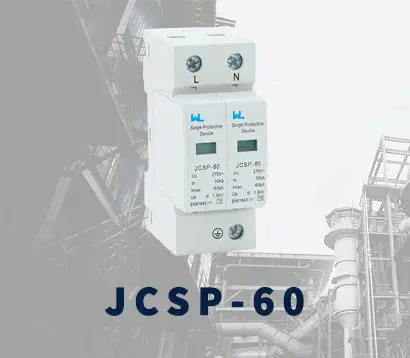 JCSP-60
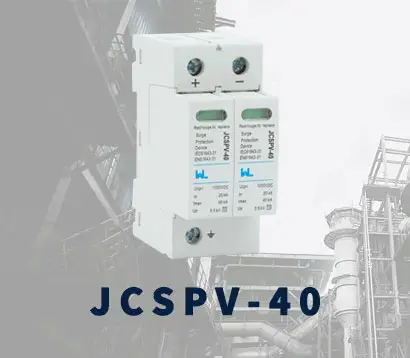 JCSPV
JCSPV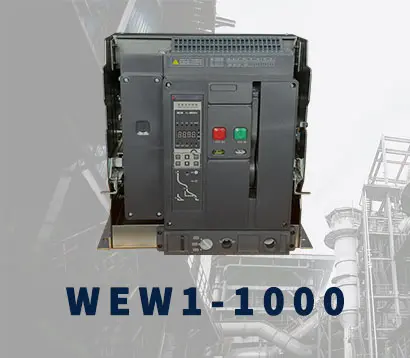 WEW1-1000
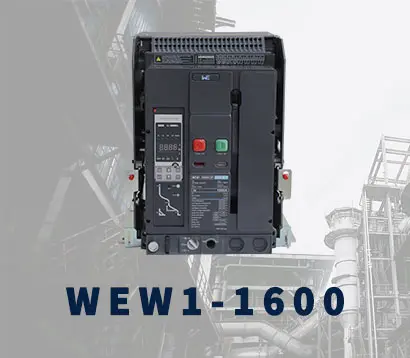 WEW1-1600
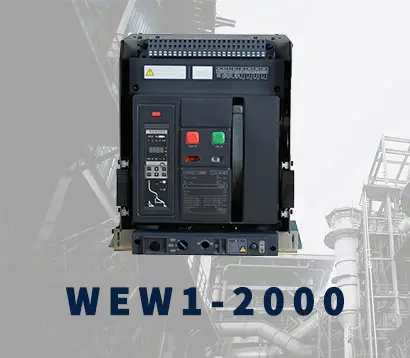 WEW1-2000
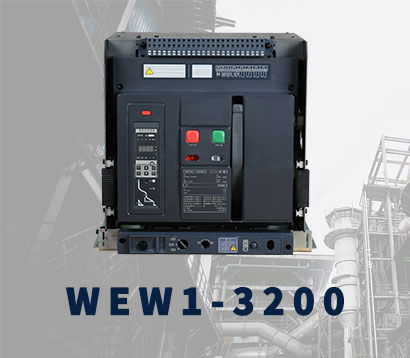 WEW1-3200
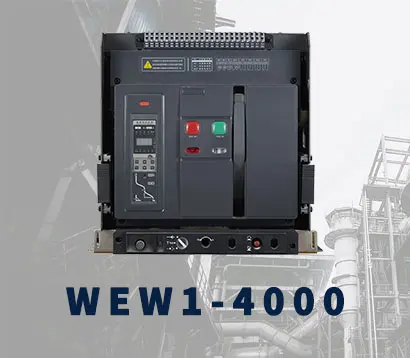 WEW1-4000
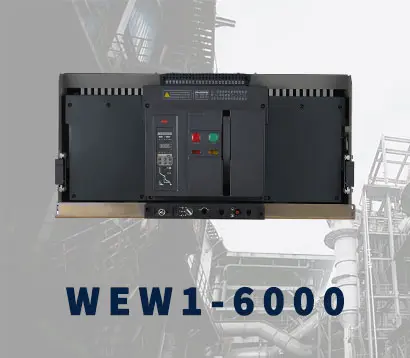 WEW1-6300
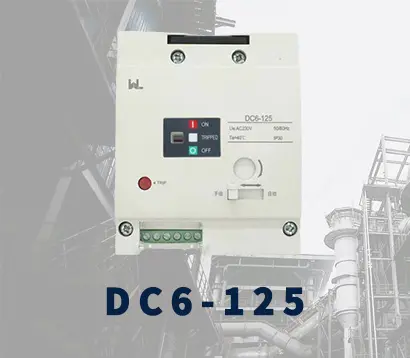 DC6-125
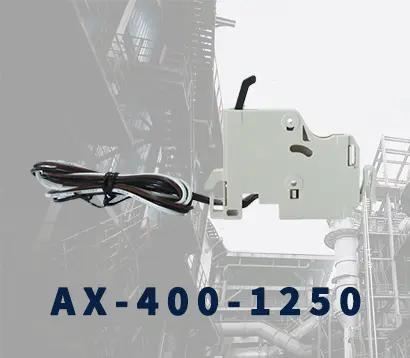 AX-400-1250
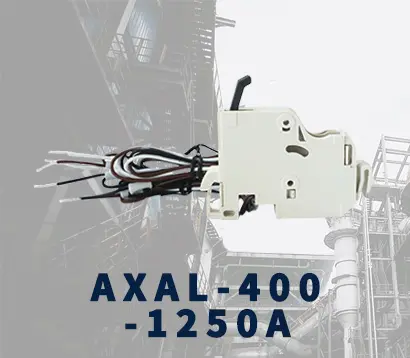 AXAL-400-1250A
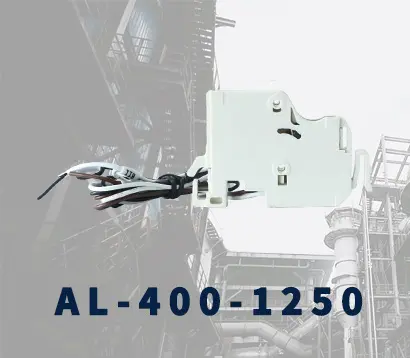 AL-400-1250
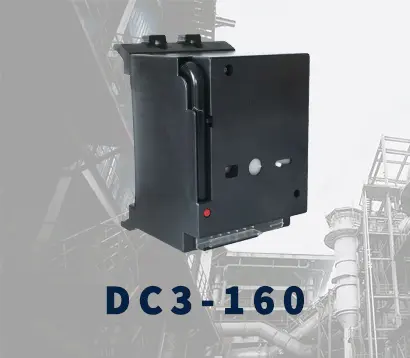 DC3-160
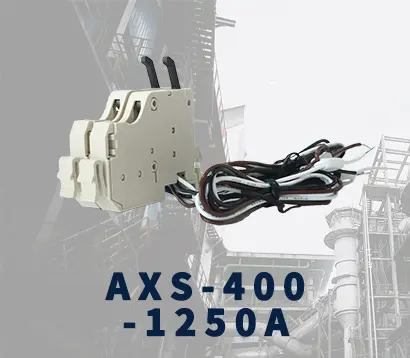 AXS-400-1250A
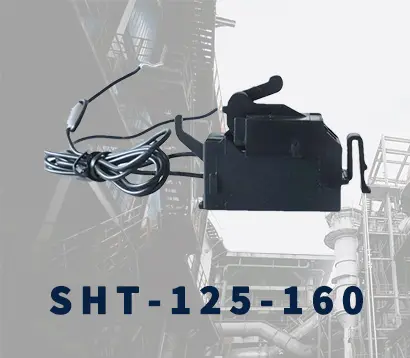 SHT-125-160
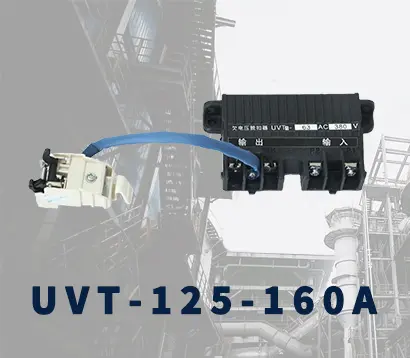 UVT-125-160A
 P-250A-3P-A
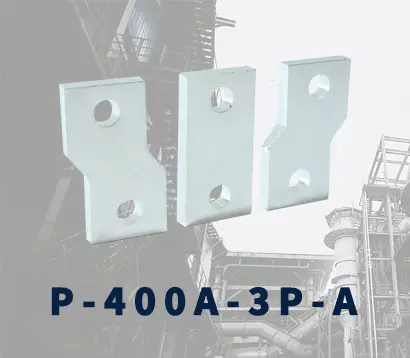 400-3P/4P terminal cover
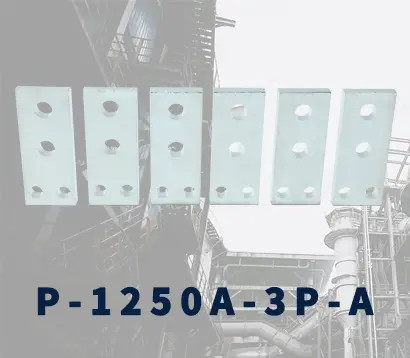 1250-3Pmccb accessories busbar
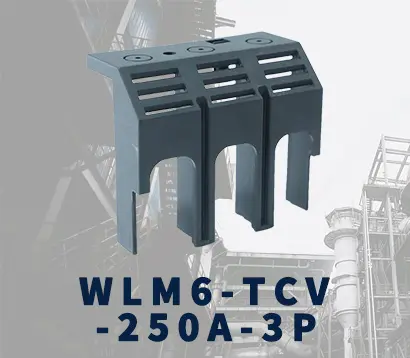 250-3P terminal conver
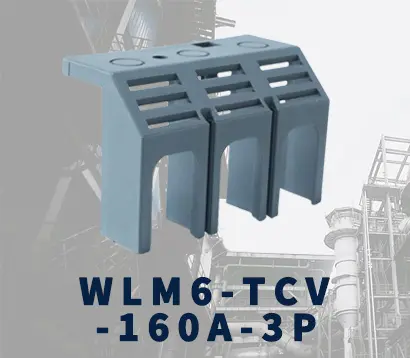 WLM6-TCV-160A-3P
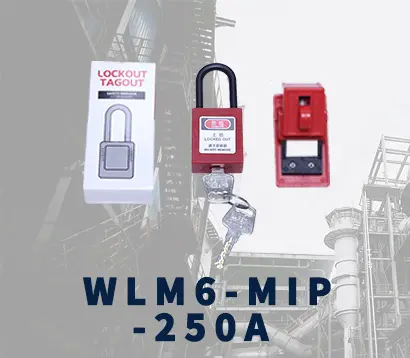 WLM6-MIP-250A
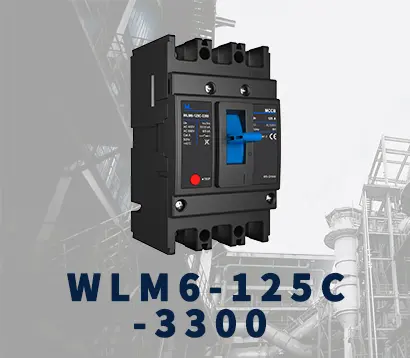 WLM6-125A-3300 3P/4P
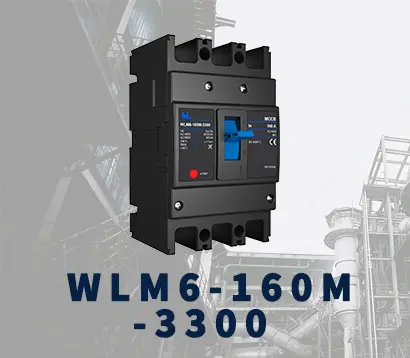 WLM6-160A-3300 3P/4P
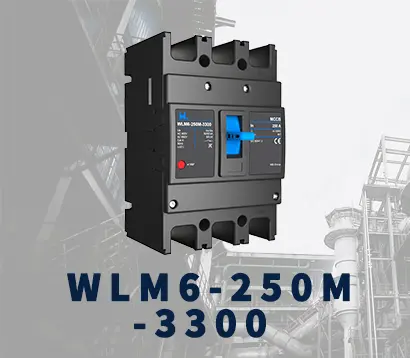 WLM6-250A-3300 3P/4P
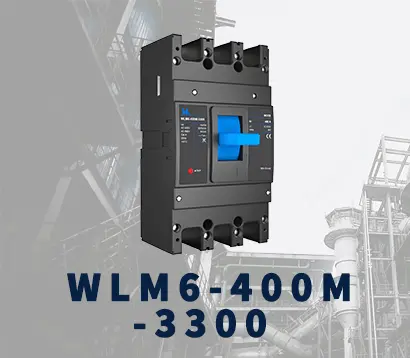 WLM6-400A-3300 3P/4P
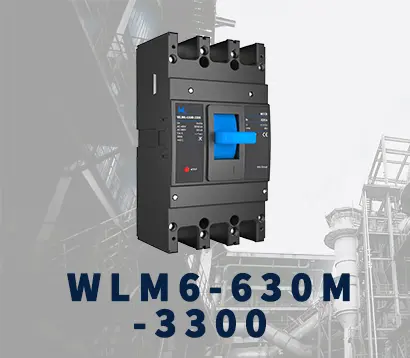 WLM6-630A-3300 3P/4P
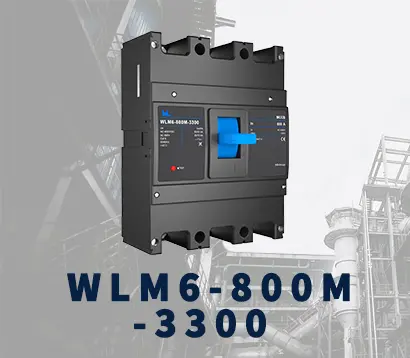 WLM6-800A-3300 3P/4P
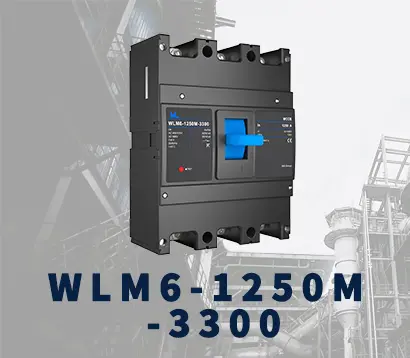 WLM6-1250A-3300 3P/4P
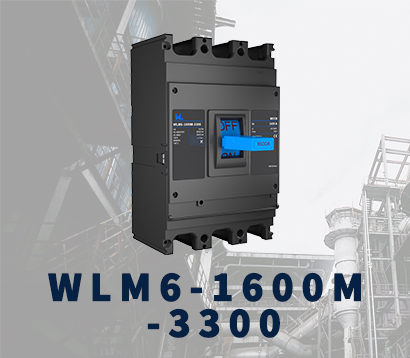 WLM6-1600A-3300 3P/4P
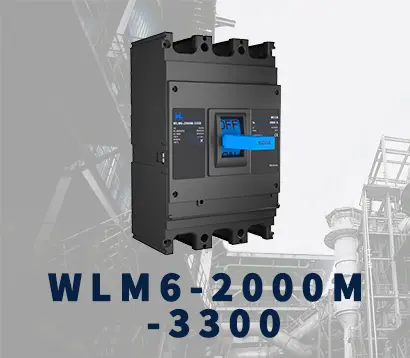 WLM6-2000A 3P/4P
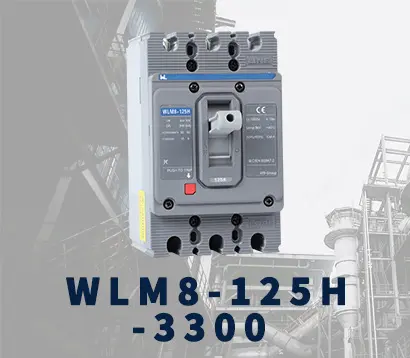 WLM8-125H-3300
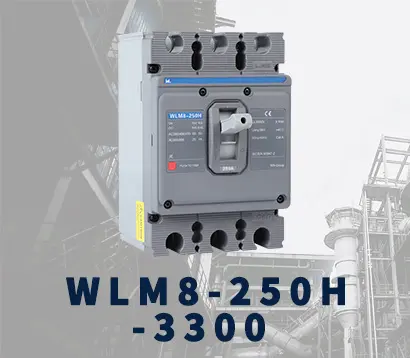 WLM8-250H-3300
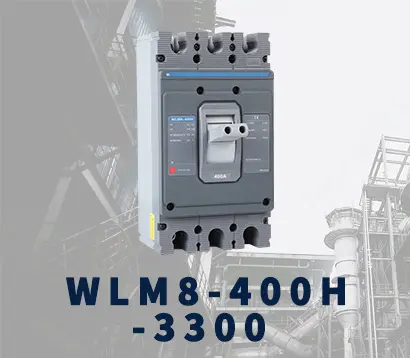 WLM8-400H-3300
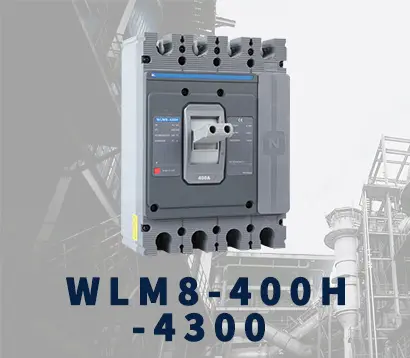 WLM8-400H-4300
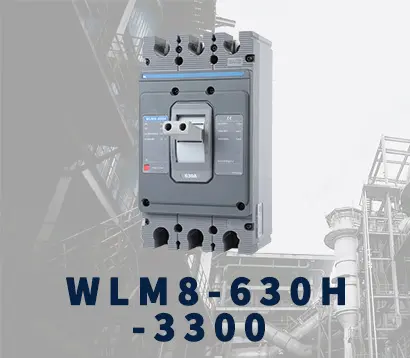 WLM8-630H-3300
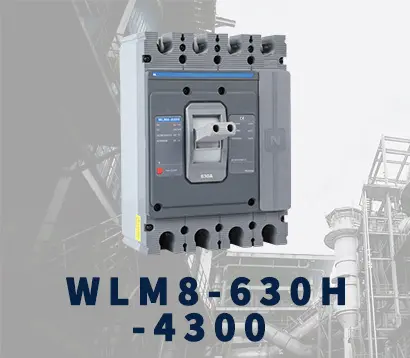 WLM8-630H-4300
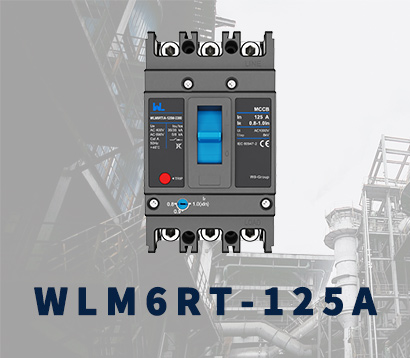 WLM6RT-125A
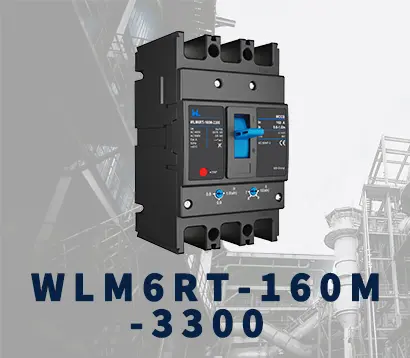 WLM6RT-160A
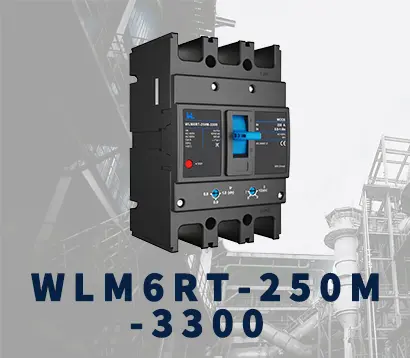 WLM6RT-250A
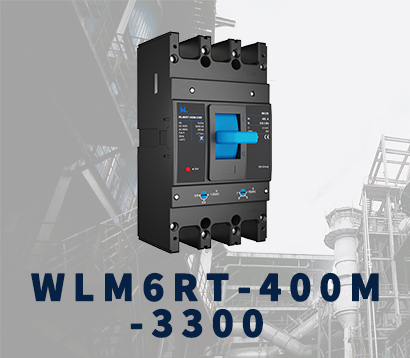 WLM6RT-400A
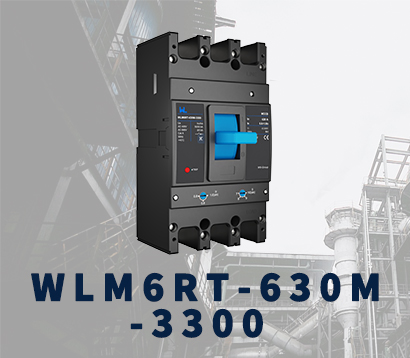 WLM6RT-630A
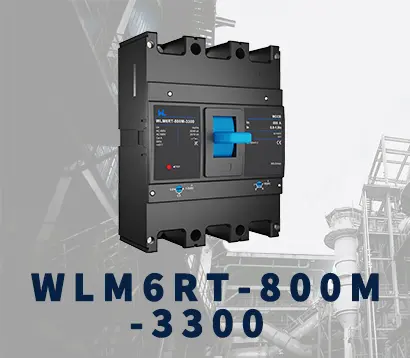 WLM6RT-800A
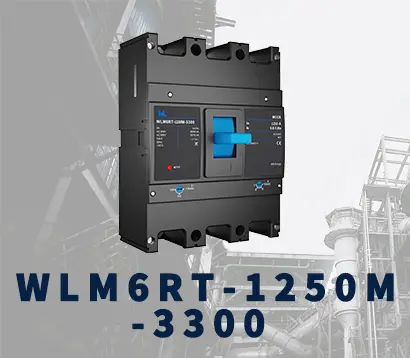 WLM6RT-1250A
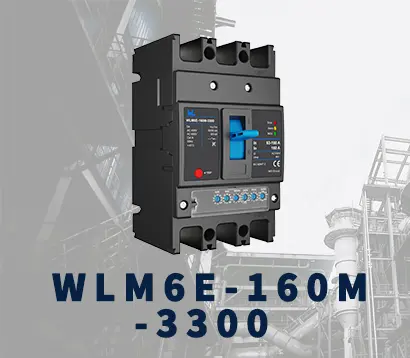 WLM6E-160A-3300 3P
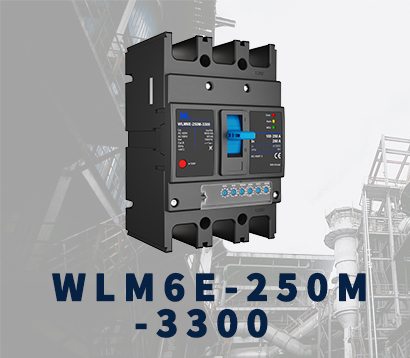 WLM6E-250A-3300
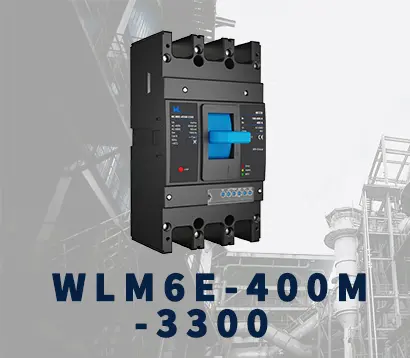 WLM6E-400A-3300 3P/4P
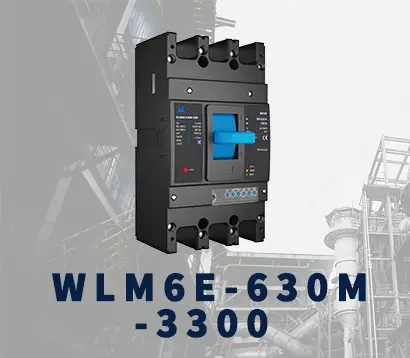 WLM6E-630A-3300
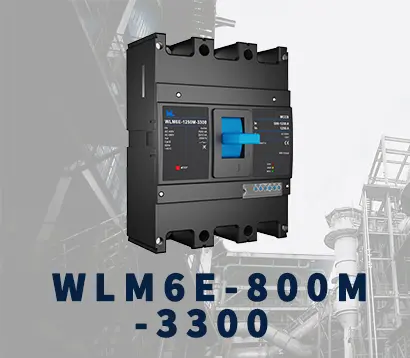 WLM6E-800A-3300 3P/4P
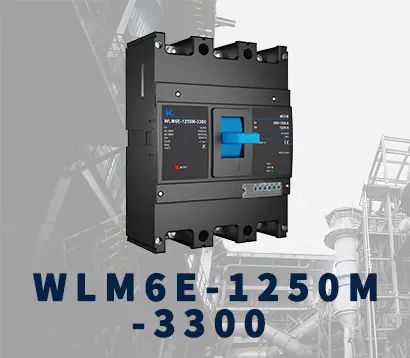 WLM6E-1250A-3300
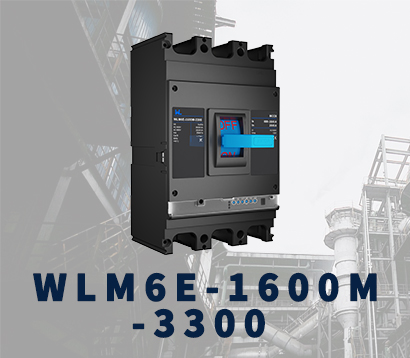 WLM6E-1600-3300 3P/4P
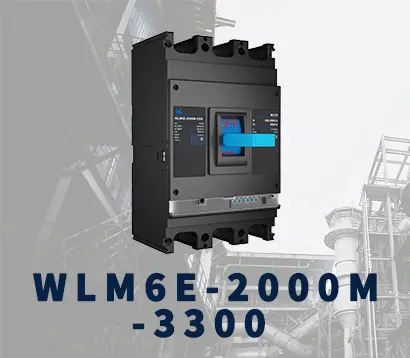 WLM6E-2000A-3300 3P/4P
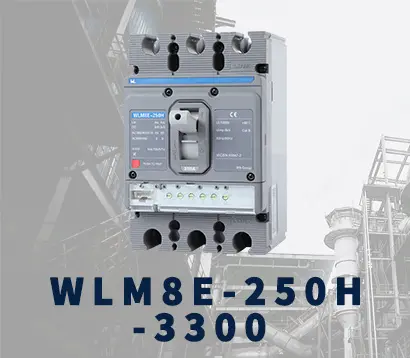 WLM8E-250H-3300
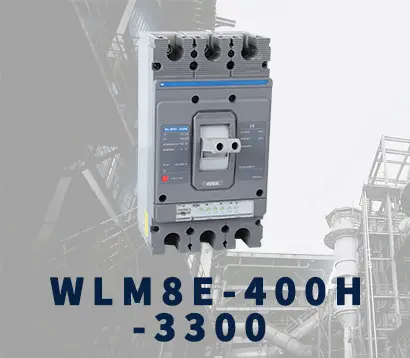 WLM8E-400H-3300
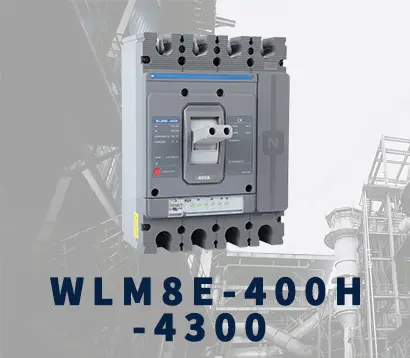 WLM8E-400H-4300
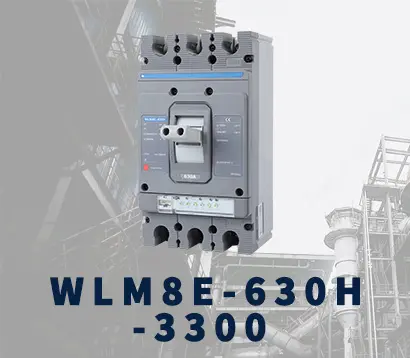 WLM8E-630H-3300
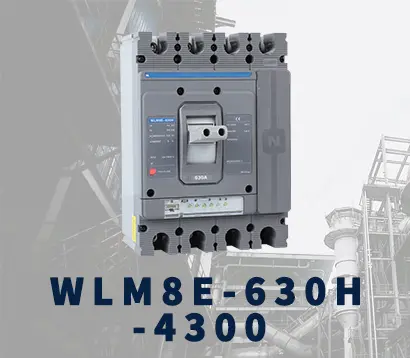 WLM8E-630H-4300
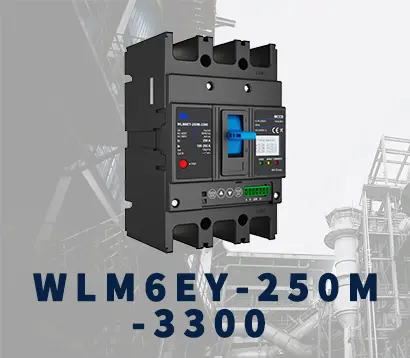 WLM6EY-250-3300 3P/4P
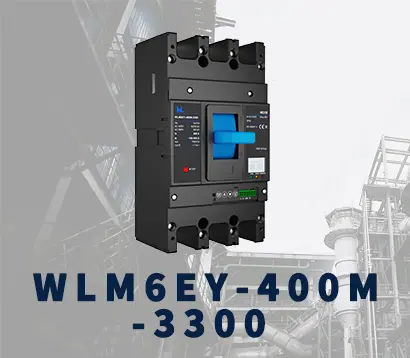 WLM6EY-400 3P/4P
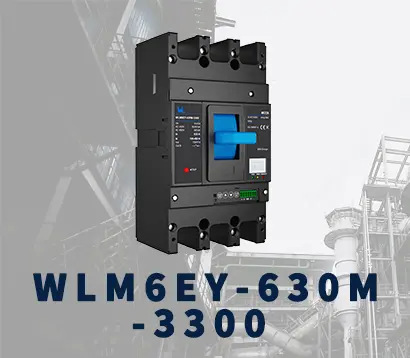 WLM6EY-630 3P/4P
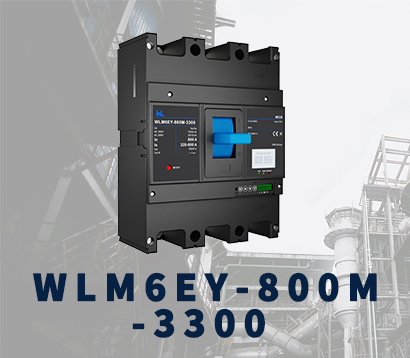 WLM6EY-800A 3P/4P
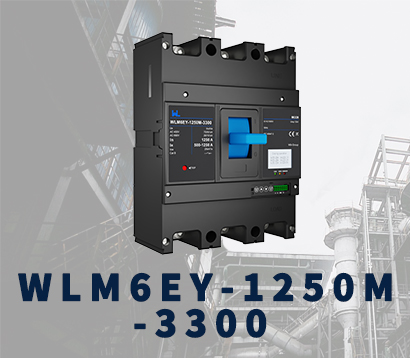 WLM6EY-1250A 3P/4P
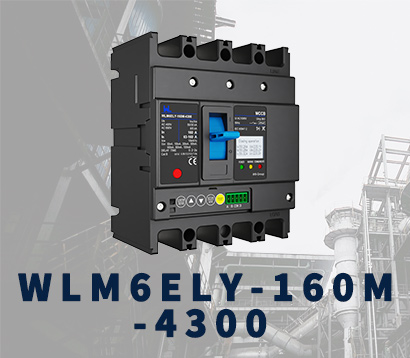 WLM6ELY-160A
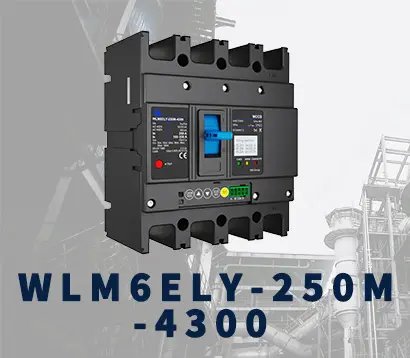 WLM6ELY-250A
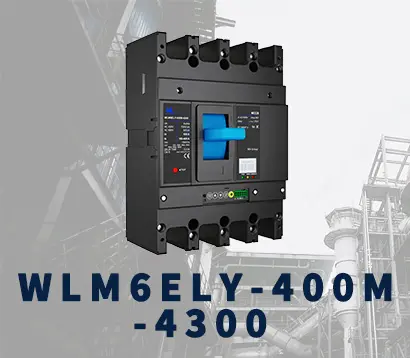 WLM6ELY-400A
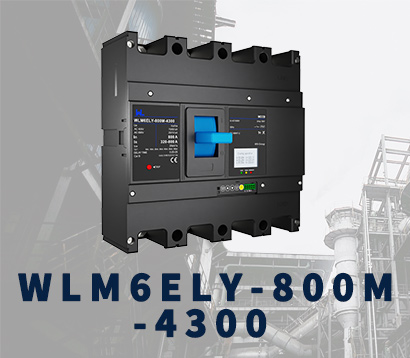 WLM6ELY-800A
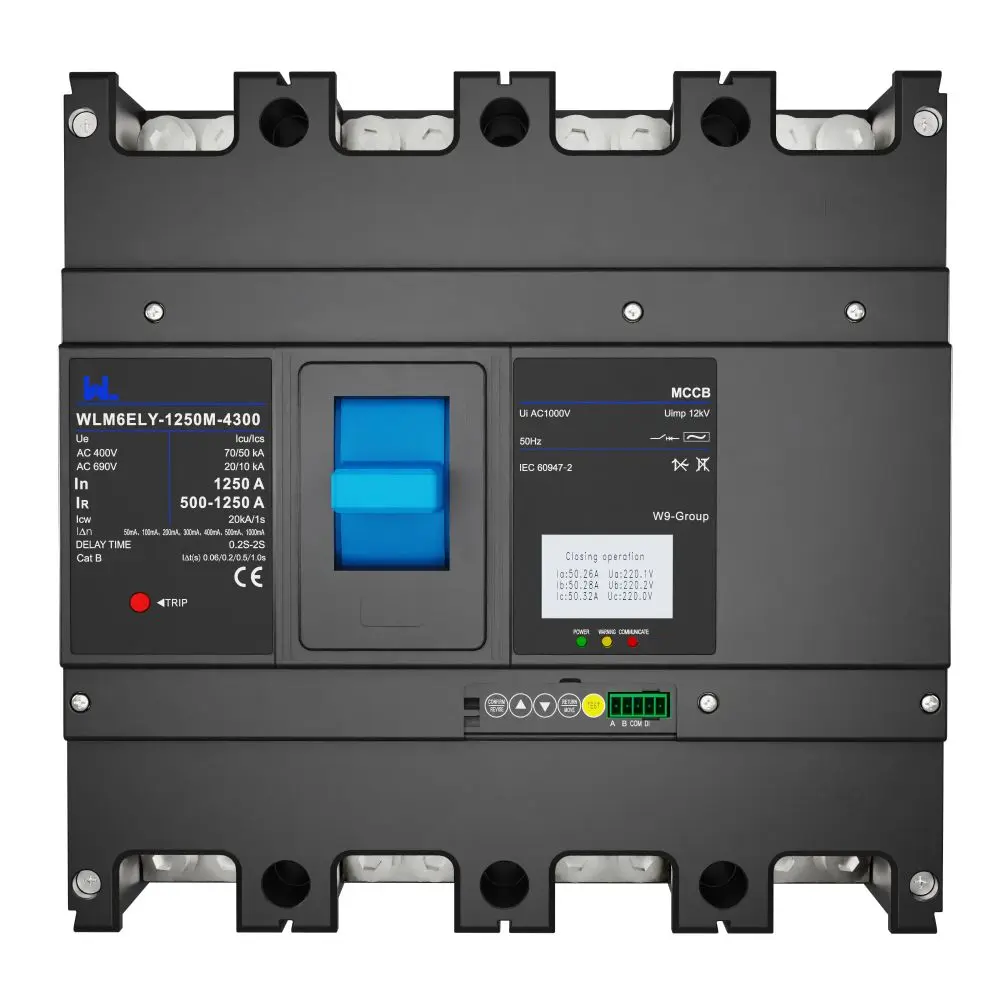 WLM6ELY-1250A
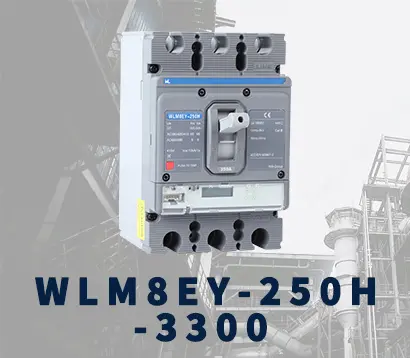 WLM8EY-250H-3300
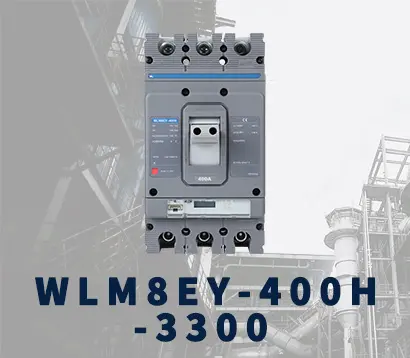 WLM8EY-400H-3300
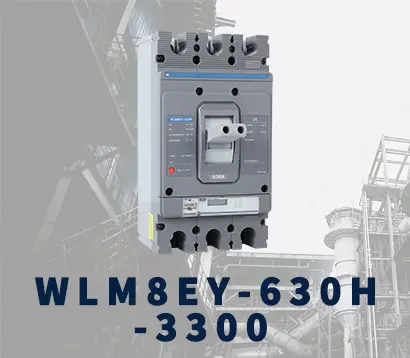 WLM8EY-630H-3300
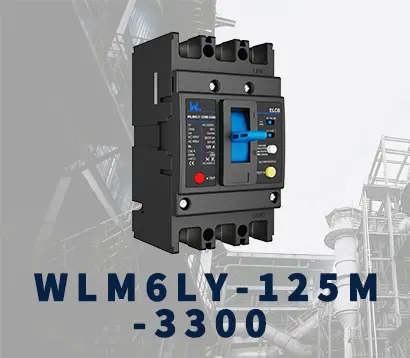 WLM6LY-125A
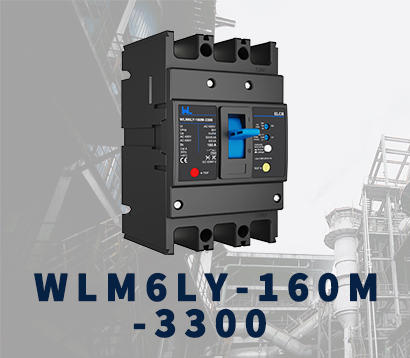 WLM6L-160A
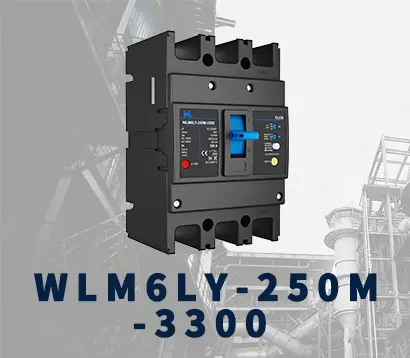 WLM6LY-250A
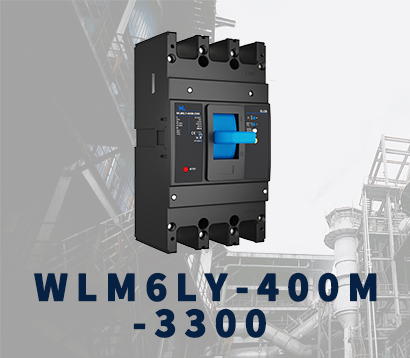 WLM6LY-400A
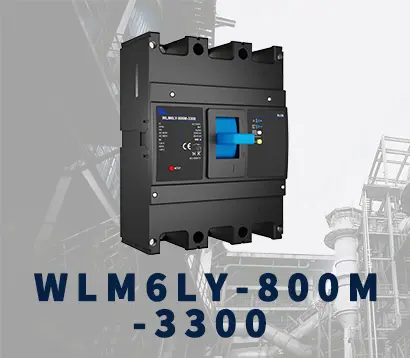 WLM6LY-800A
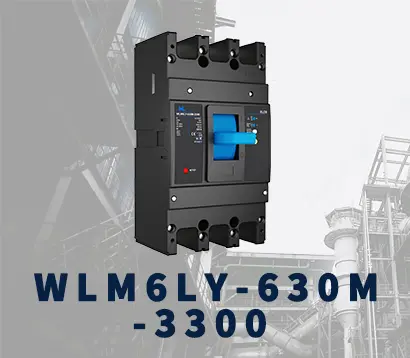 WLM6LY-630A
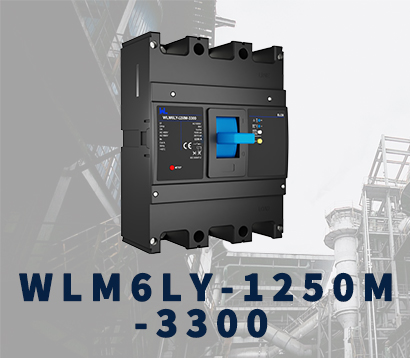 WLM6LY-1250A
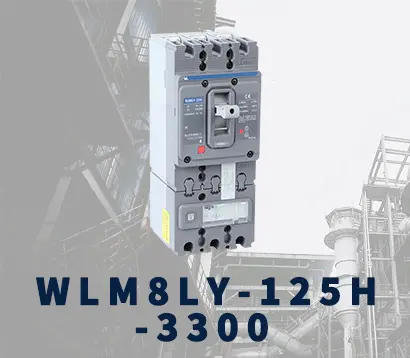 WLM8LY-125H-3300
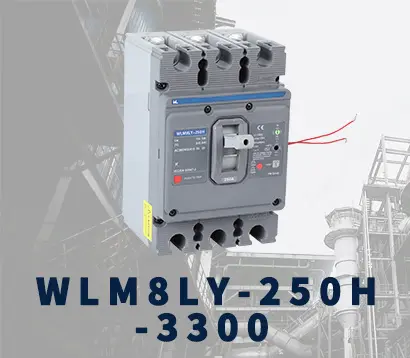 WLM8LY-250H-3300
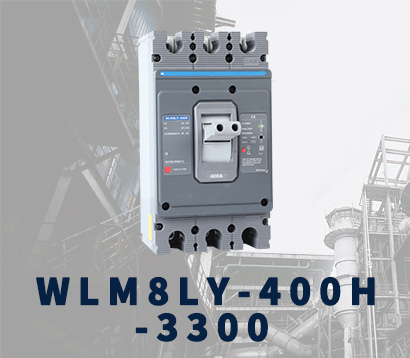 WLM8LY-400H-3300
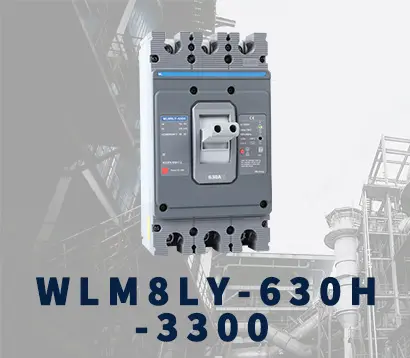 WLM8LY-630H-3300
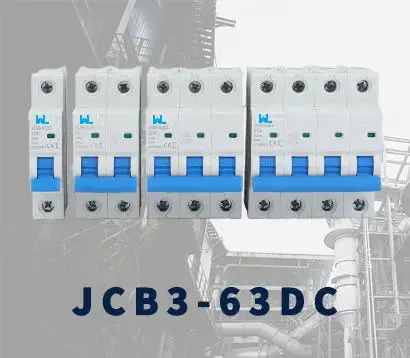 JCB3-63DC
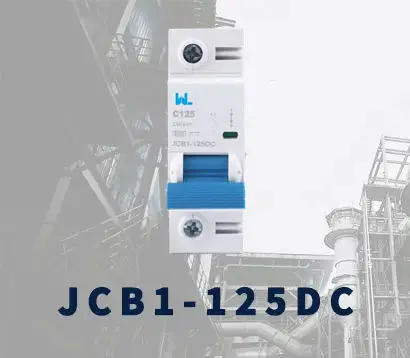 JCB1-125DC
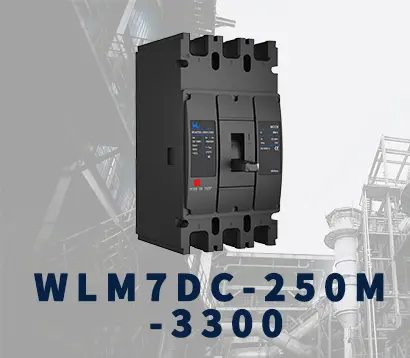 WLM7DC-250A-2300 2P/3P
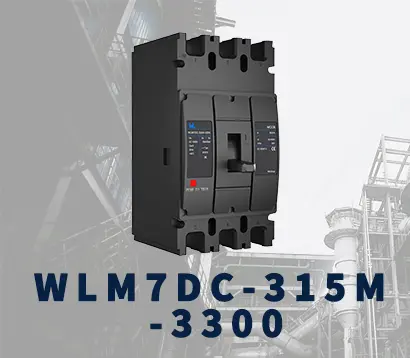 WLM7DC-315A-3300 2P/3P
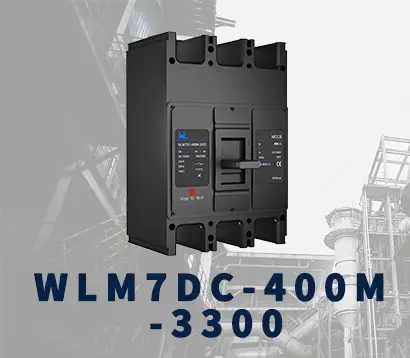 WLM7DC-400A-2300 2P/3P
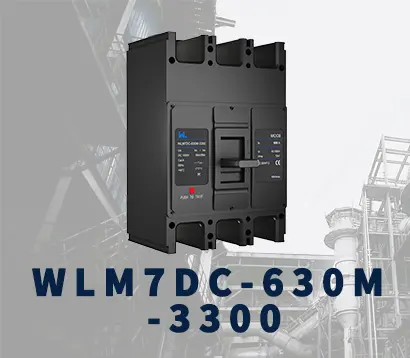 WLM7DC-630A-3300 3P
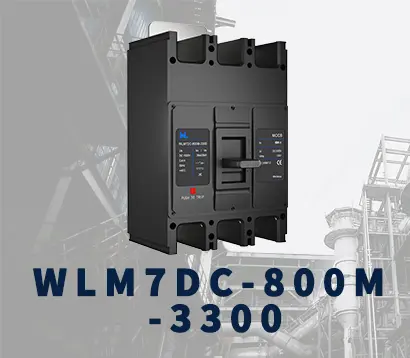 WLM7DC-800A-2300 2P/3P
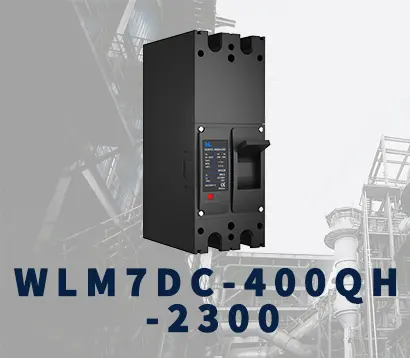 WLM7DC-400A 2300
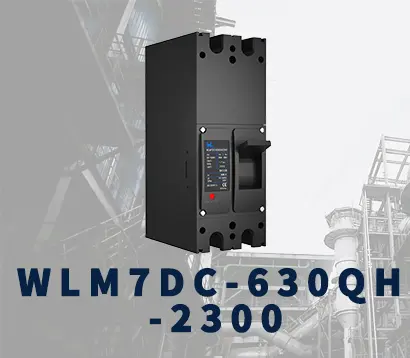 WLM7DC-630A-2300 2P
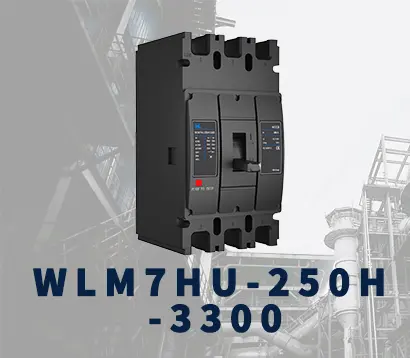 WLM7HU-250-3300 3P
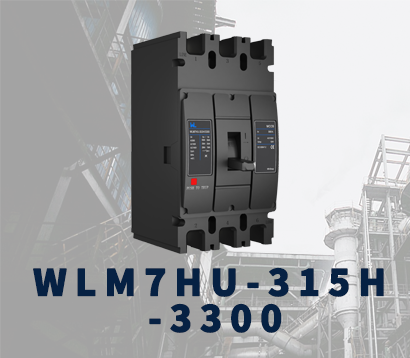 WLM7HU-315-3300 3P
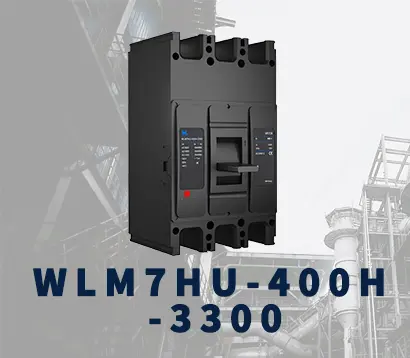 WLM7HU-400-3300 3P
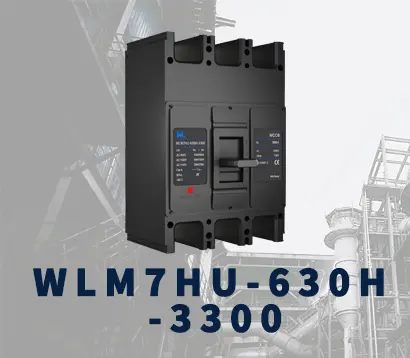 WLM7HU-630-3300 3P
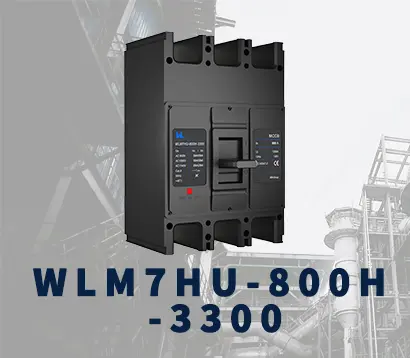 WLM7HU-800-3300 3P
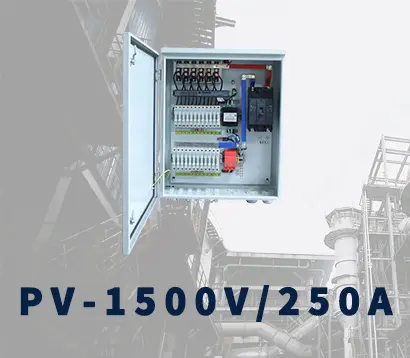 PV-1500V/250A
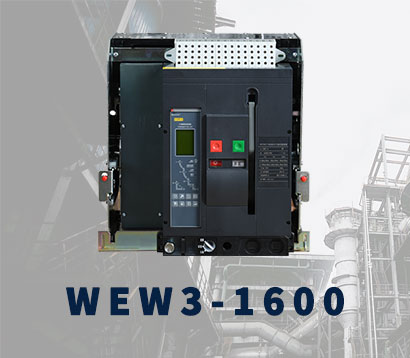 WEW3-1600
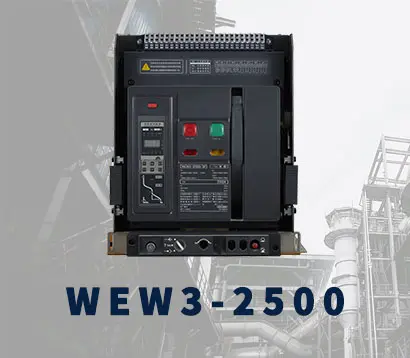 WEW3-2500
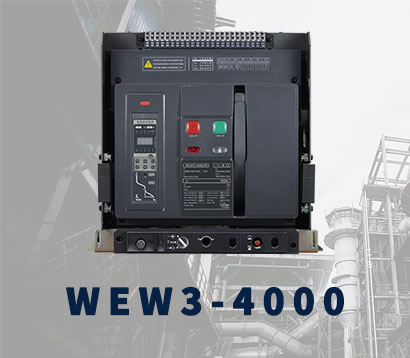 WEW3-4000
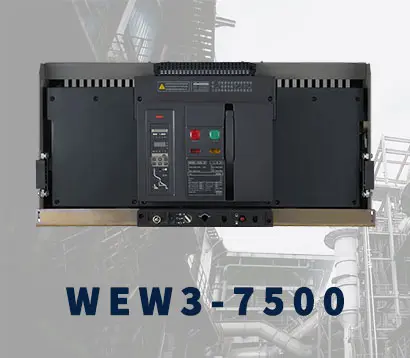 WEW3-7500