
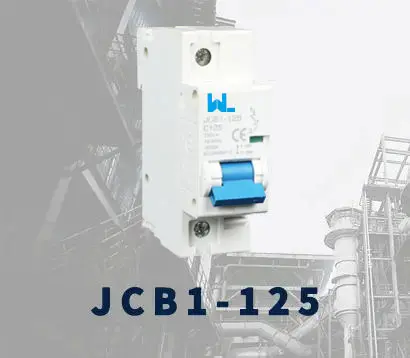
 JCB1-125
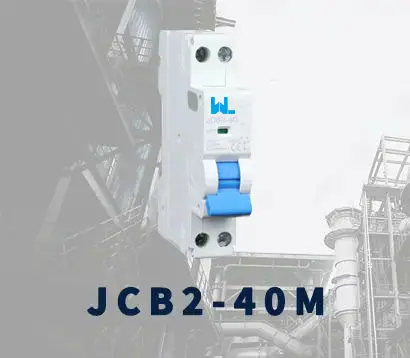 JCB2-40M
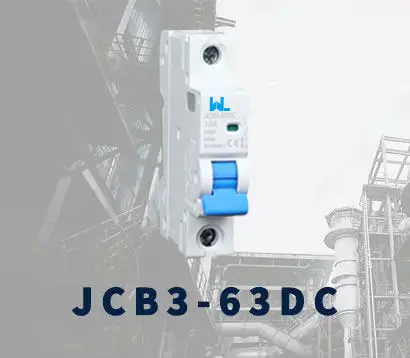 JCB3-63DC
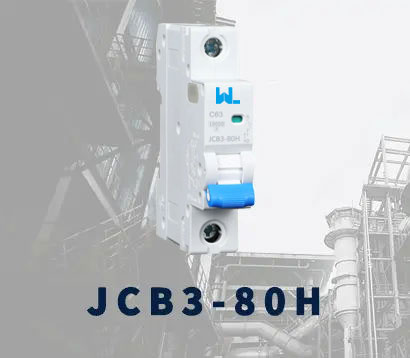 JCB3-80H
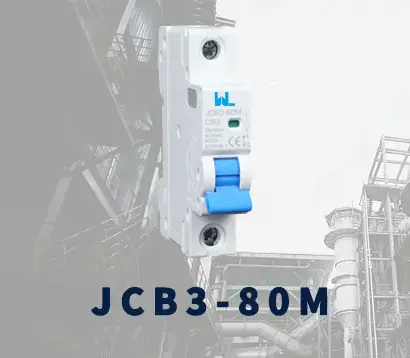 JCB3-80M
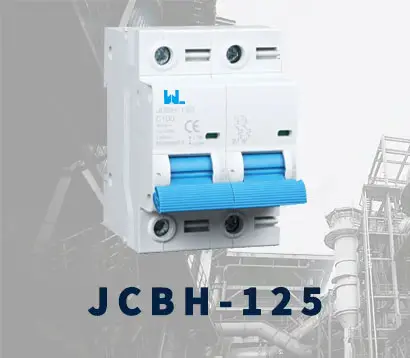 JCBH-125
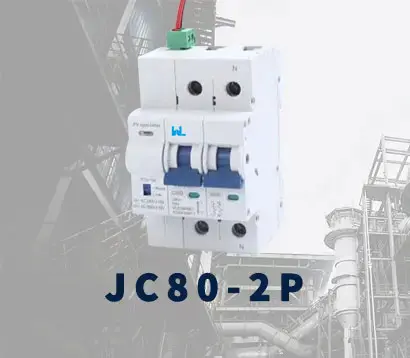 JC80-2P
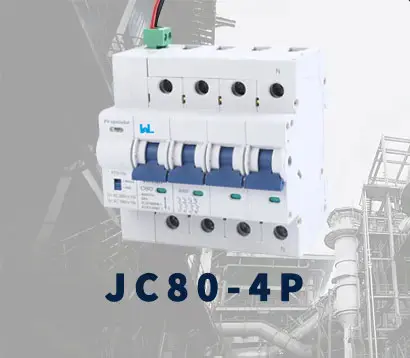 JC80-4P
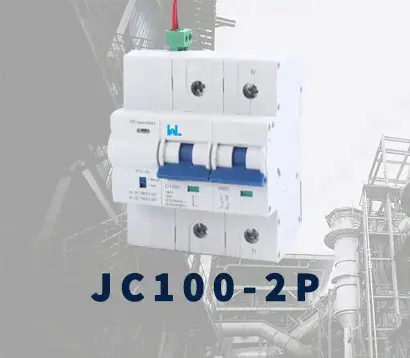 JC125-2P
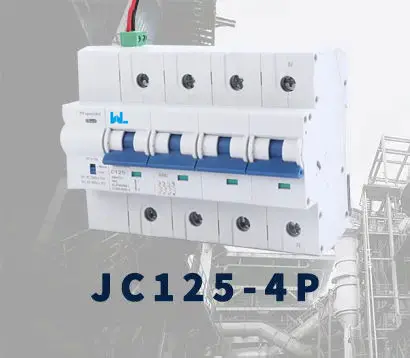 JC125-4P
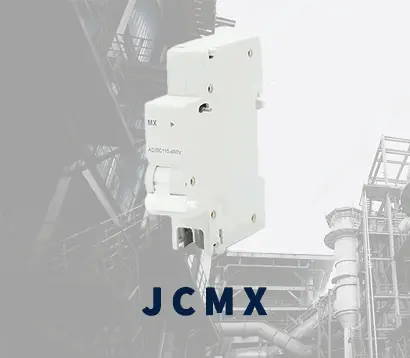 JCMX
JCMX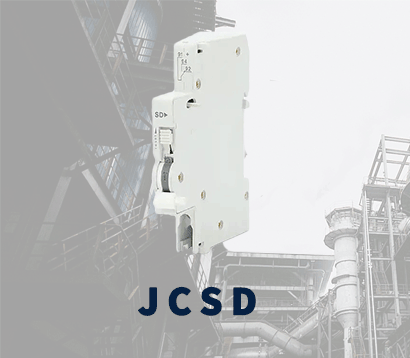 JCSD
JCSD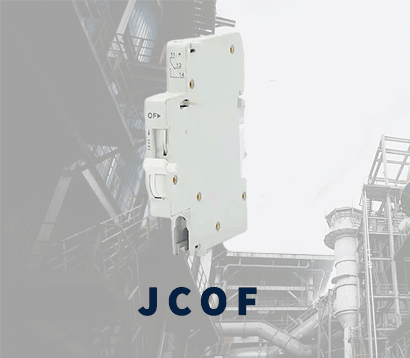 JCOF
JCOF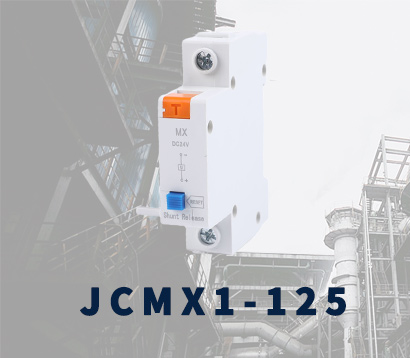 JCMX1-125
 JCOF1-125
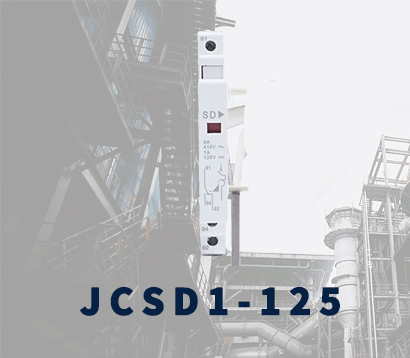 JCSD1-125
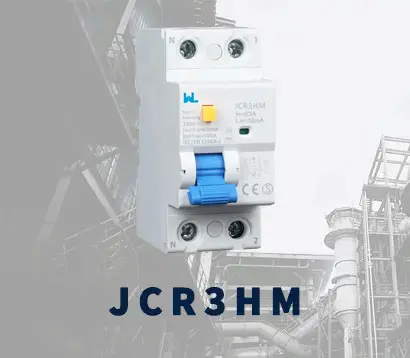 JCR3HM
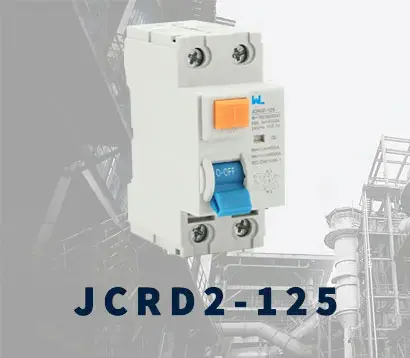 JCRD2-125
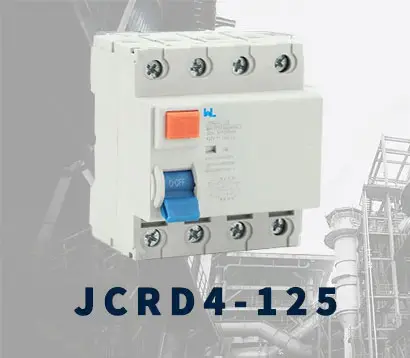 JCRD4-125
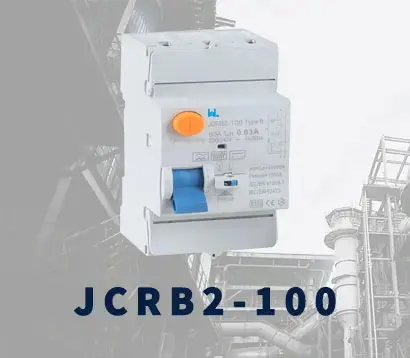 JCRB2-100
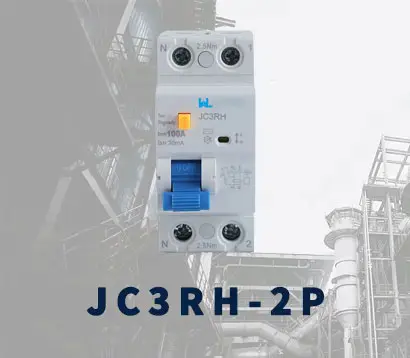 JC3RH-2P
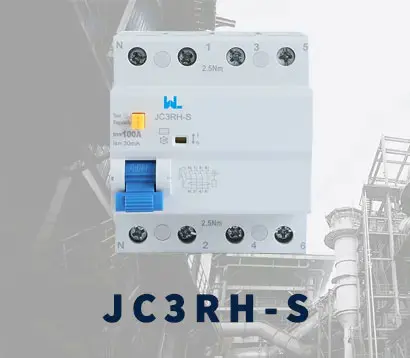 JC3RH-S
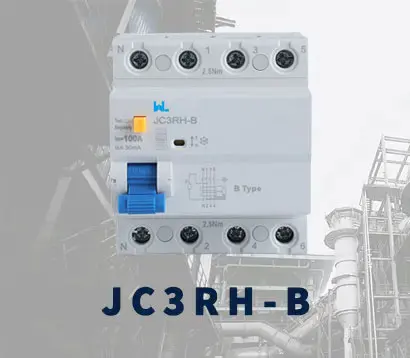 JC3RH-B
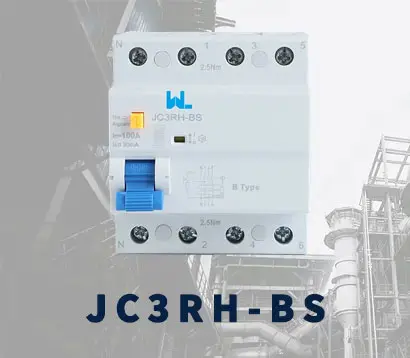 JC3RH-BS
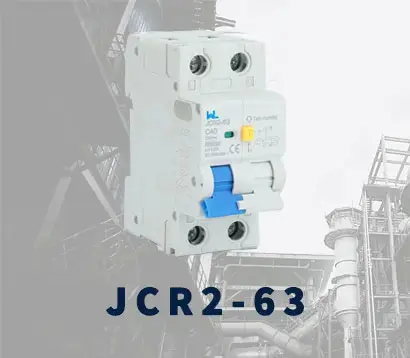 JCR2-63
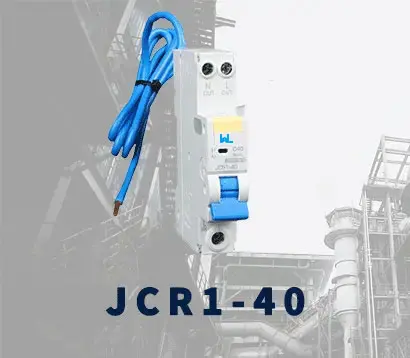 JCR1-40
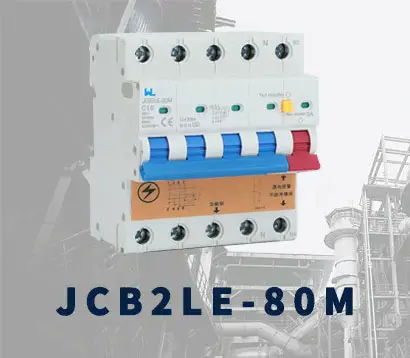 JCB2LE-80M
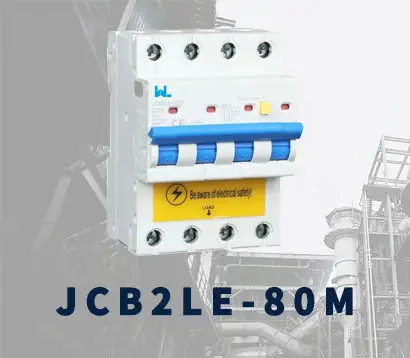 JCB2LE-80M
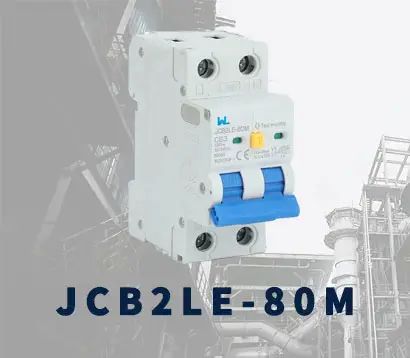 JCB2LE-80M
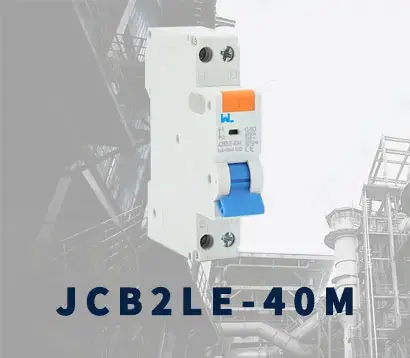 JCB2LE-40M
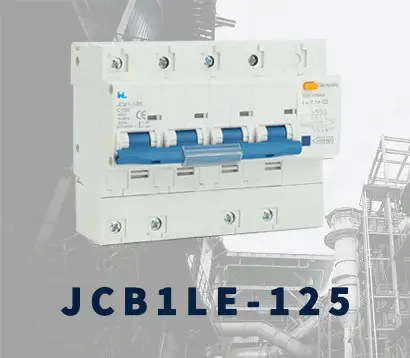 JCB1LE-125
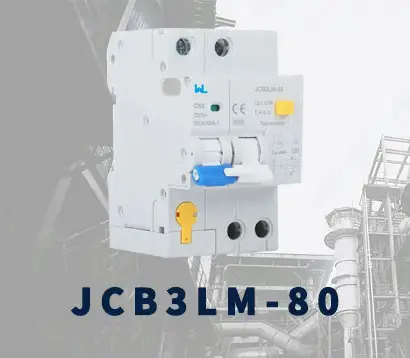 JCB3LM-80
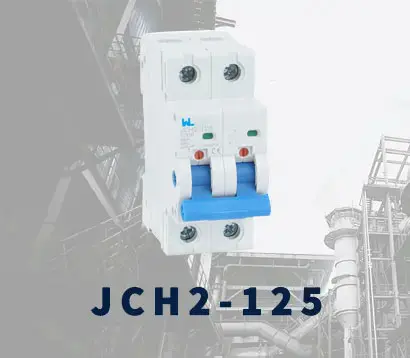 JCH2-125
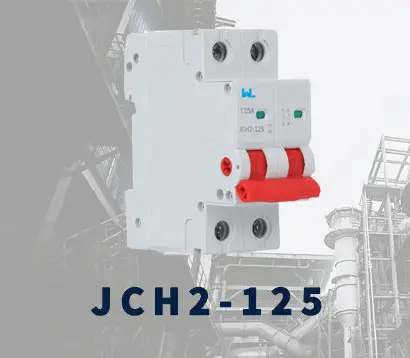 JCH2-125
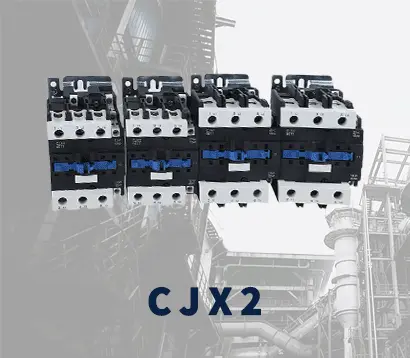 CJX2
CJX2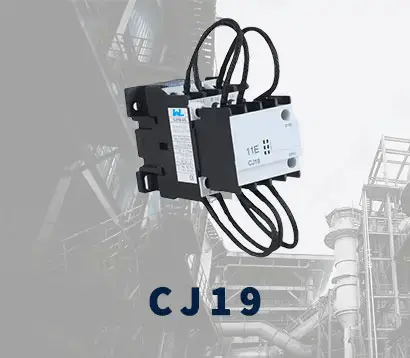 CJ19
CJ19 JCMCU
JCMCU JCHA
JCHA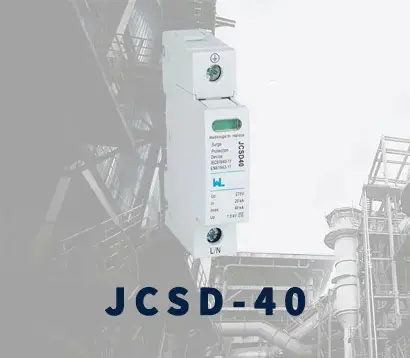 JCSD-40
 JCSD-60
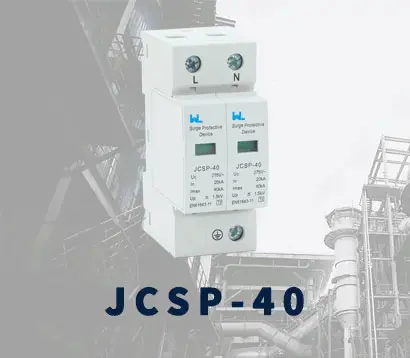 JCSP-40
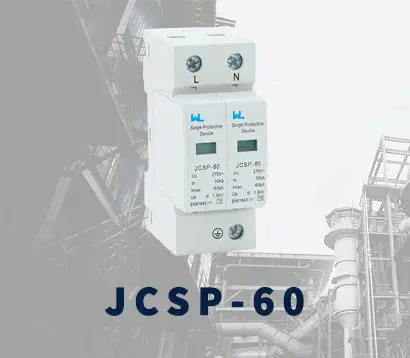 JCSP-60
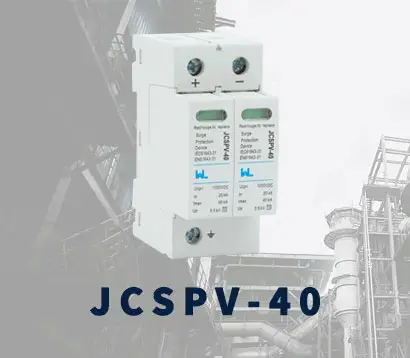 JCSPV
JCSPV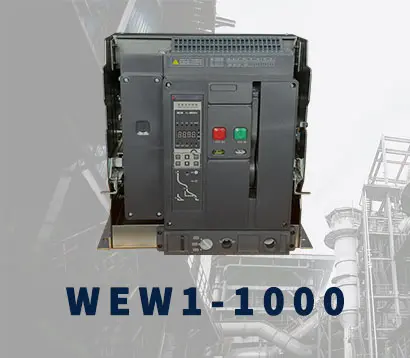 WEW1-1000
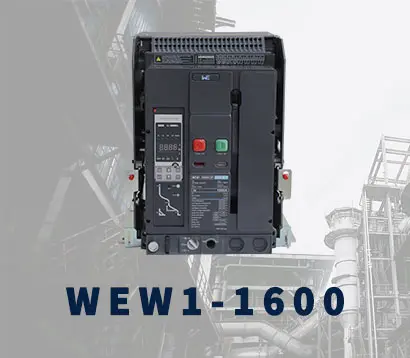 WEW1-1600
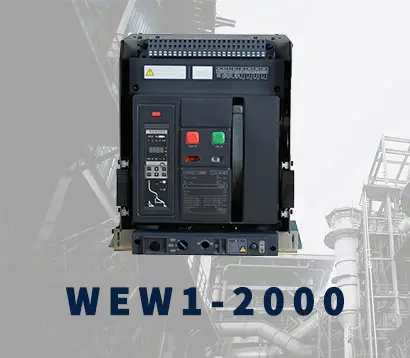 WEW1-2000
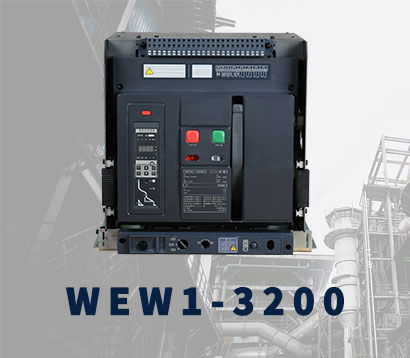 WEW1-3200
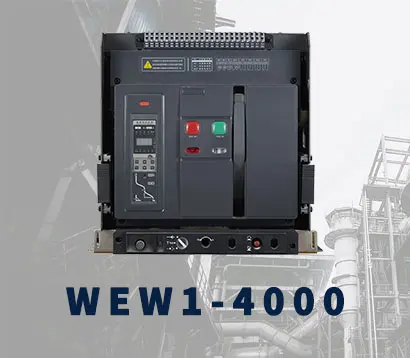 WEW1-4000
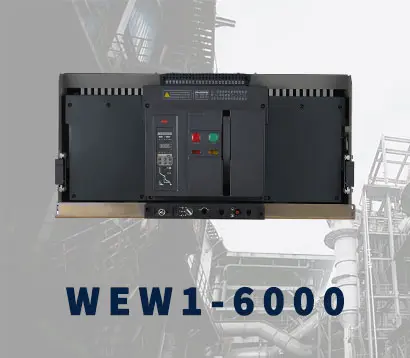 WEW1-6300
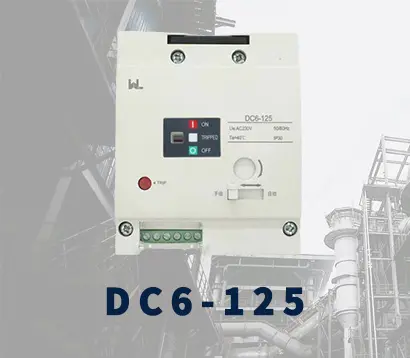 DC6-125
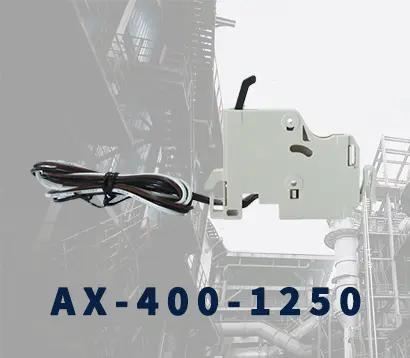 AX-400-1250
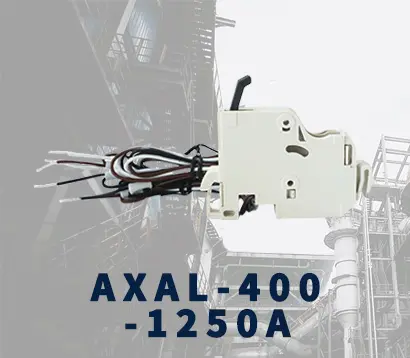 AXAL-400-1250A
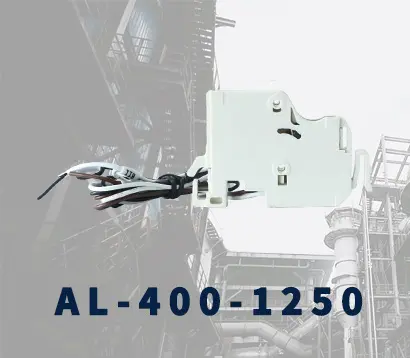 AL-400-1250
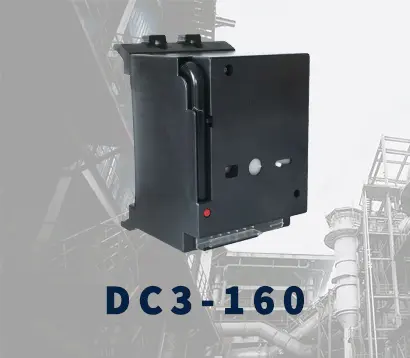 DC3-160
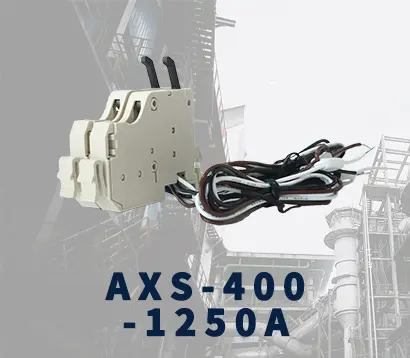 AXS-400-1250A
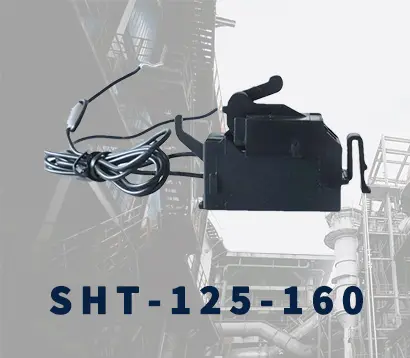 SHT-125-160
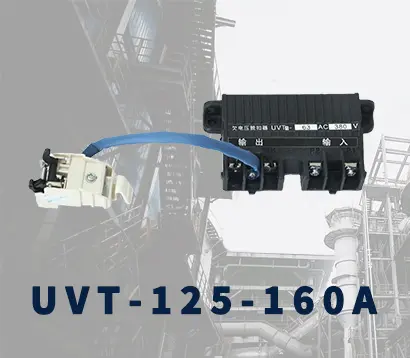 UVT-125-160A
 P-250A-3P-A
 400-3P/4P terminal cover
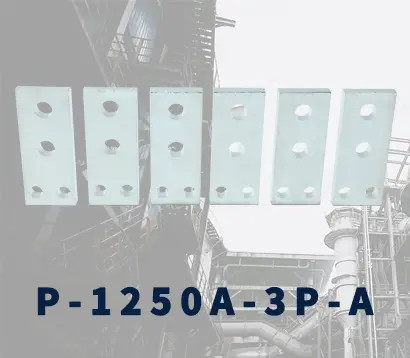 1250-3Pmccb accessories busbar
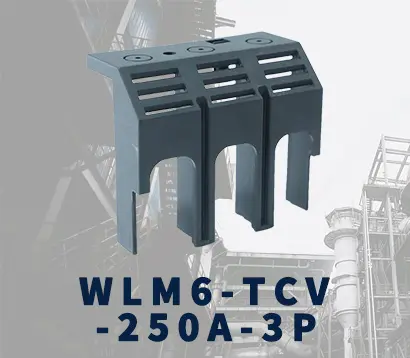 250-3P terminal conver
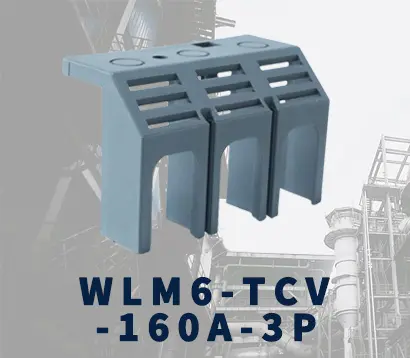 WLM6-TCV-160A-3P
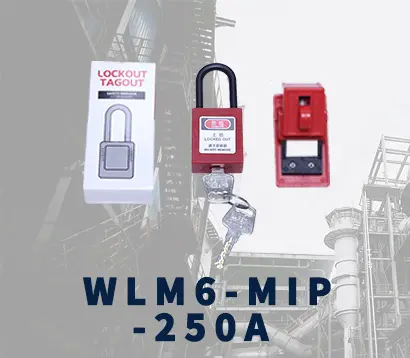 WLM6-MIP-250A
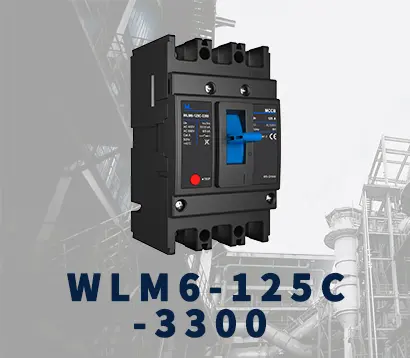 WLM6-125A-3300 3P/4P
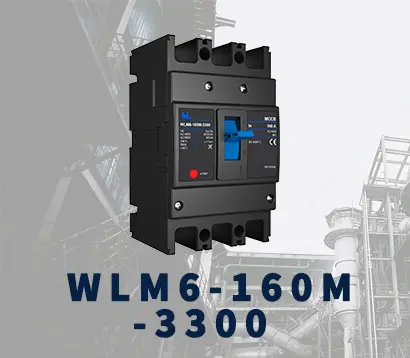 WLM6-160A-3300 3P/4P
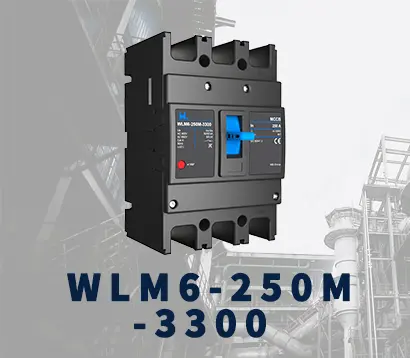 WLM6-250A-3300 3P/4P
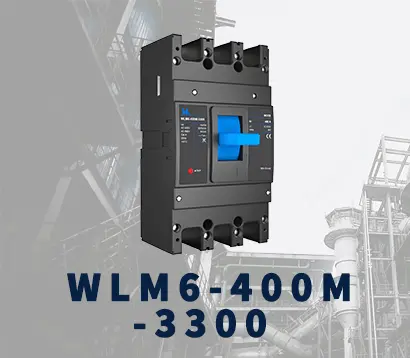 WLM6-400A-3300 3P/4P
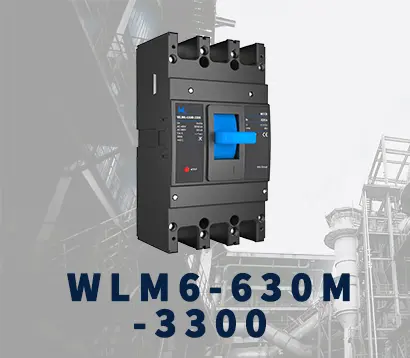 WLM6-630A-3300 3P/4P
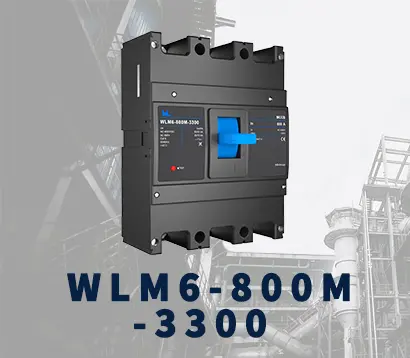 WLM6-800A-3300 3P/4P
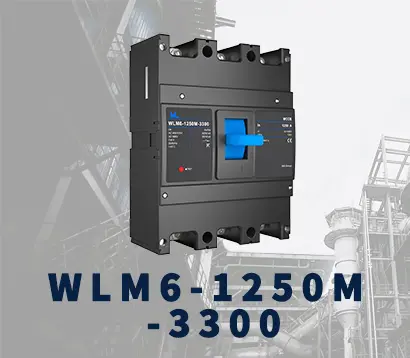 WLM6-1250A-3300 3P/4P
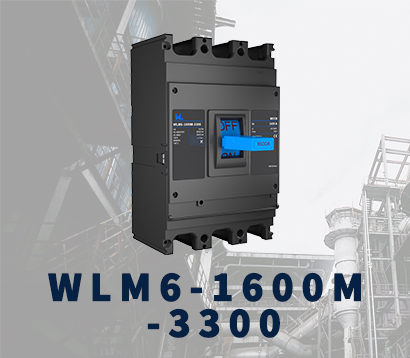 WLM6-1600A-3300 3P/4P
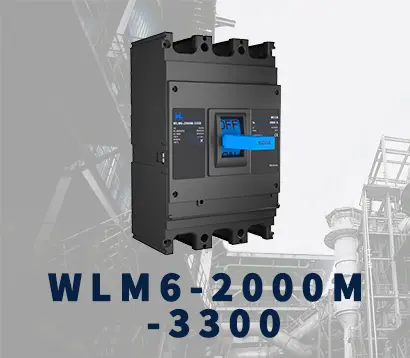 WLM6-2000A 3P/4P
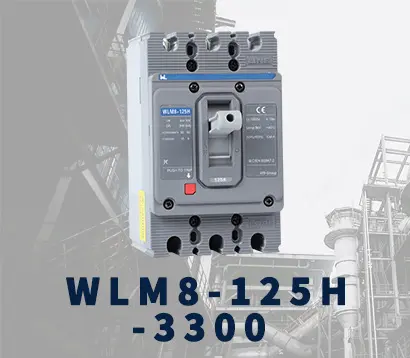 WLM8-125H-3300
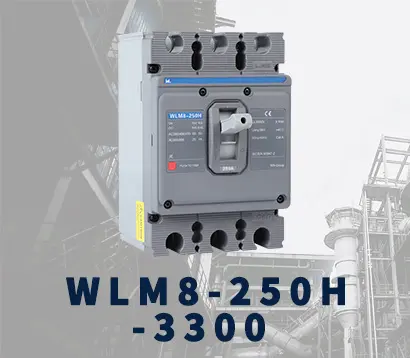 WLM8-250H-3300
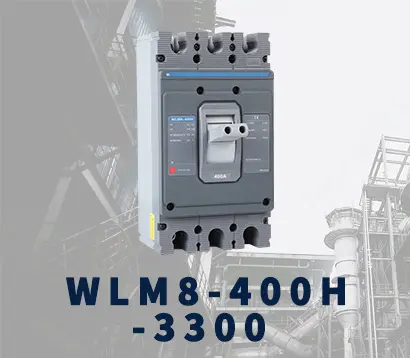 WLM8-400H-3300
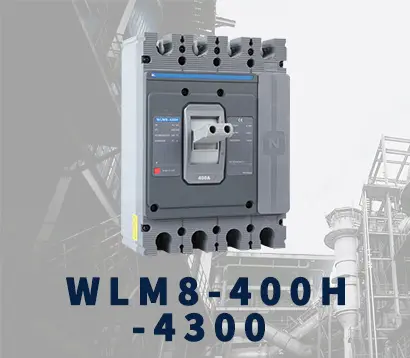 WLM8-400H-4300
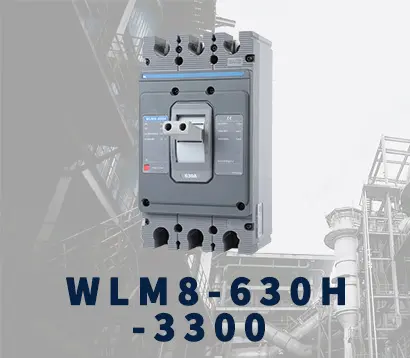 WLM8-630H-3300
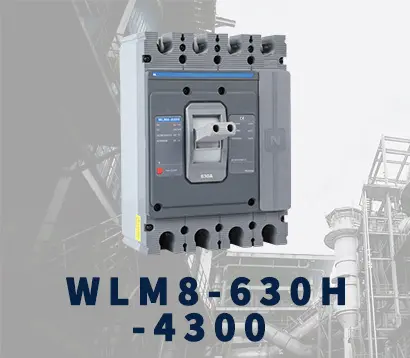 WLM8-630H-4300
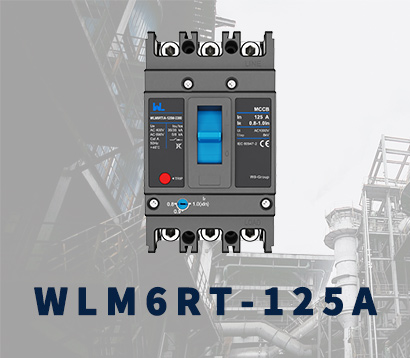 WLM6RT-125A
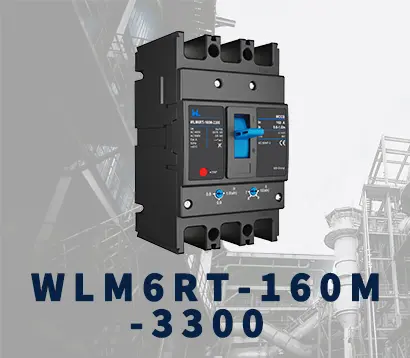 WLM6RT-160A
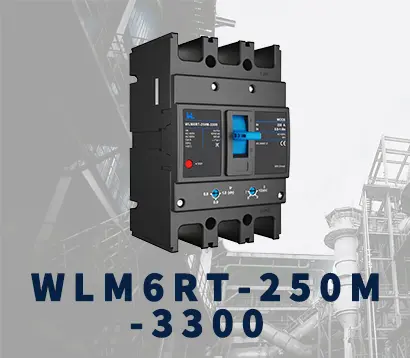 WLM6RT-250A
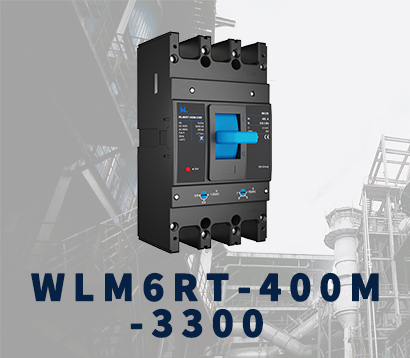 WLM6RT-400A
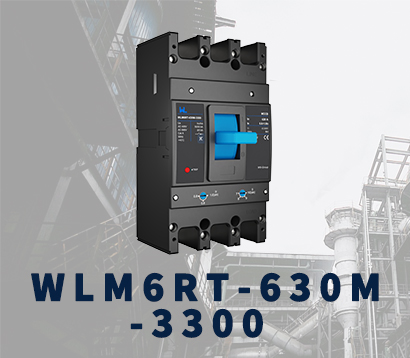 WLM6RT-630A
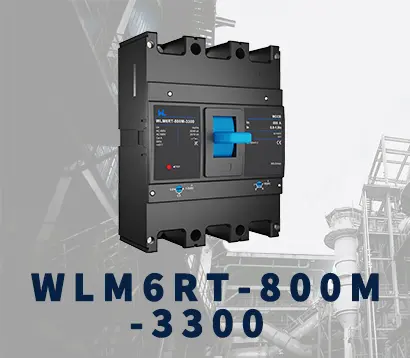 WLM6RT-800A
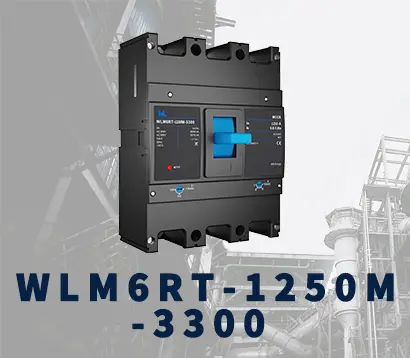 WLM6RT-1250A
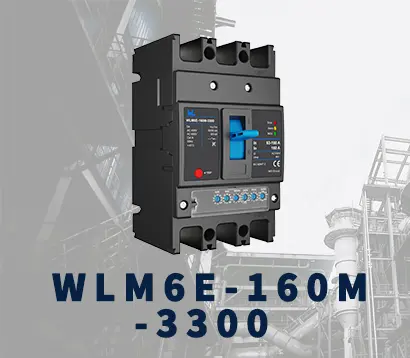 WLM6E-160A-3300 3P
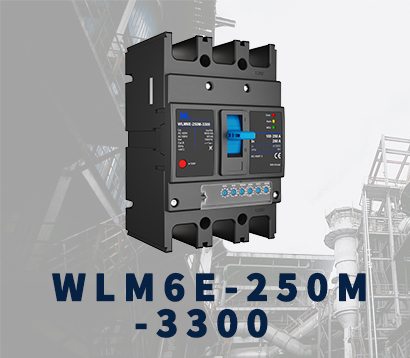 WLM6E-250A-3300
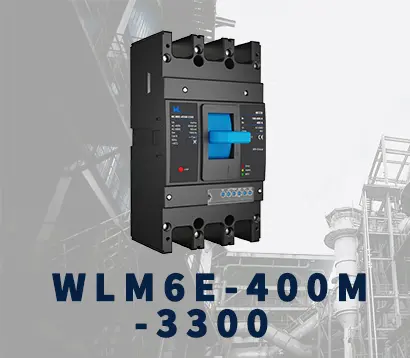 WLM6E-400A-3300 3P/4P
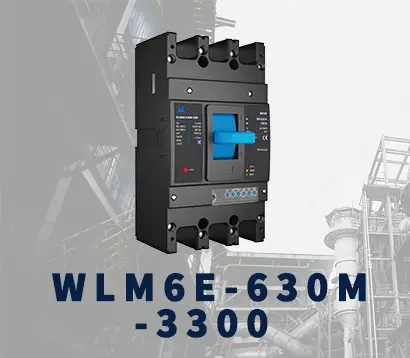 WLM6E-630A-3300
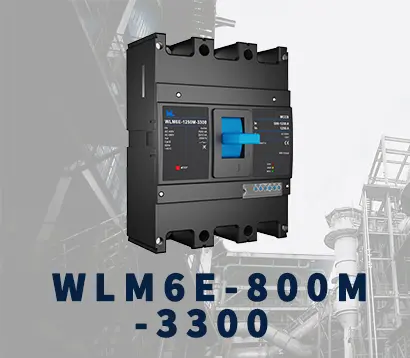 WLM6E-800A-3300 3P/4P
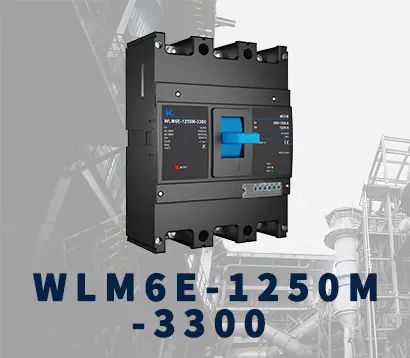 WLM6E-1250A-3300
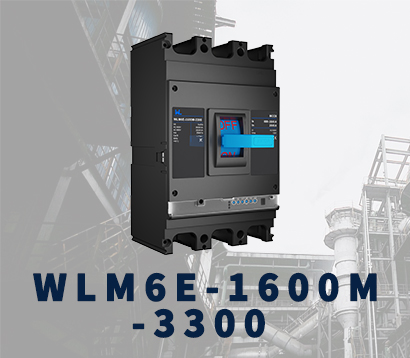 WLM6E-1600-3300 3P/4P
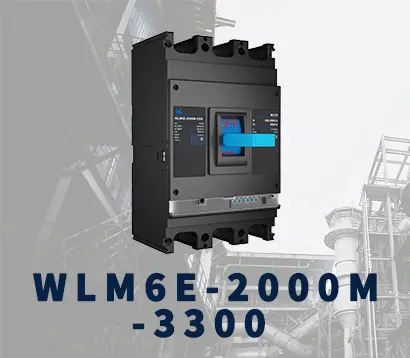 WLM6E-2000A-3300 3P/4P
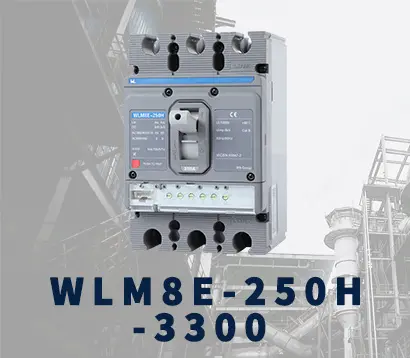 WLM8E-250H-3300
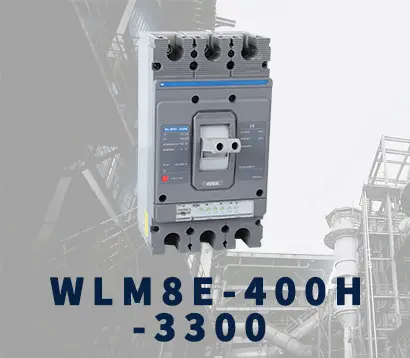 WLM8E-400H-3300
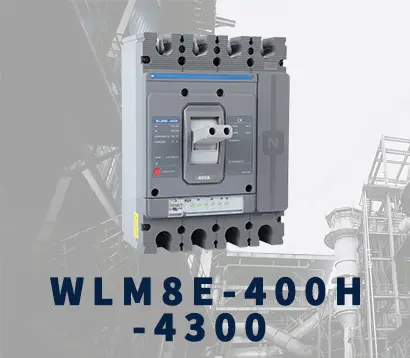 WLM8E-400H-4300
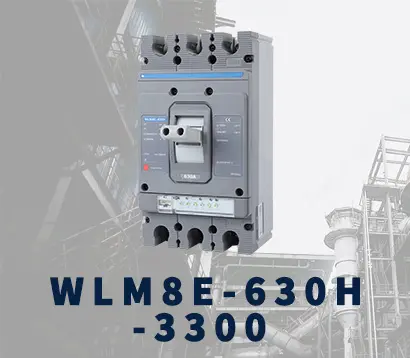 WLM8E-630H-3300
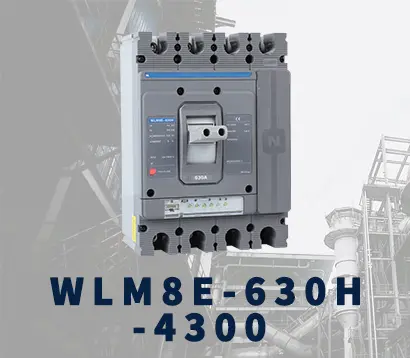 WLM8E-630H-4300
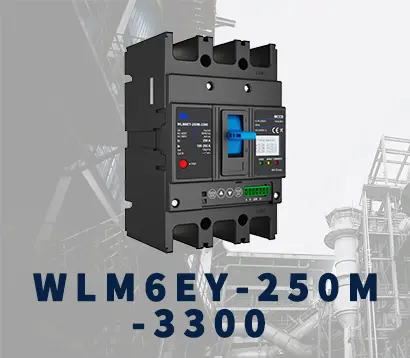 WLM6EY-250-3300 3P/4P
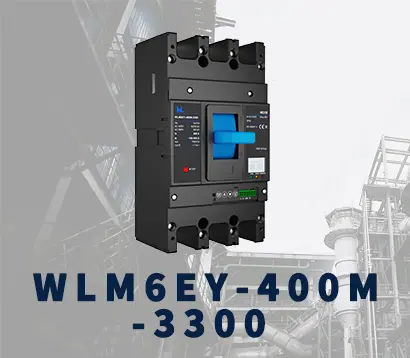 WLM6EY-400 3P/4P
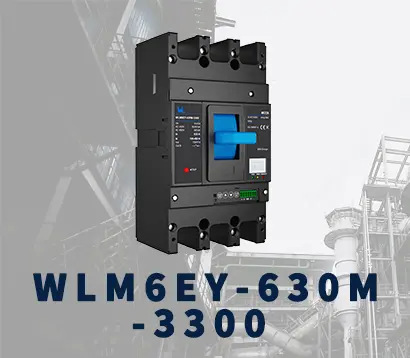 WLM6EY-630 3P/4P
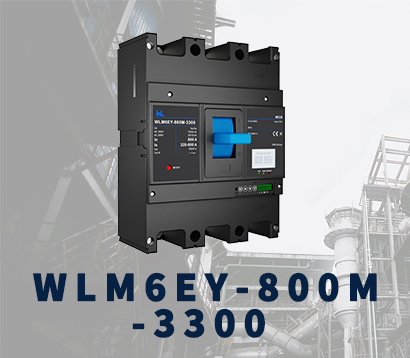 WLM6EY-800A 3P/4P
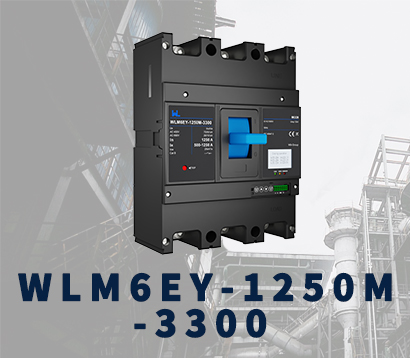 WLM6EY-1250A 3P/4P
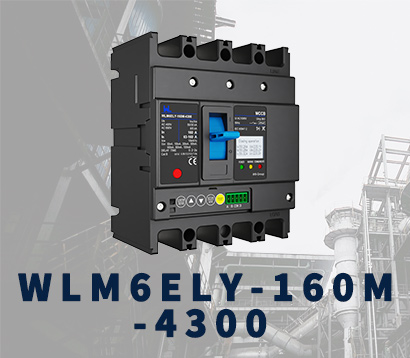 WLM6ELY-160A
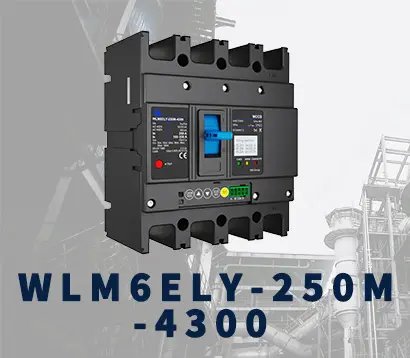 WLM6ELY-250A
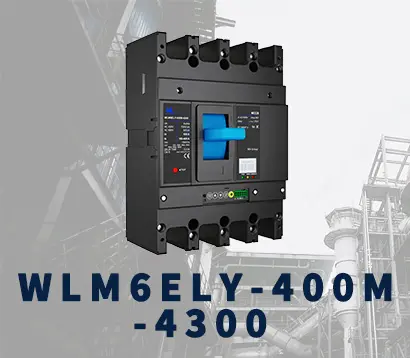 WLM6ELY-400A
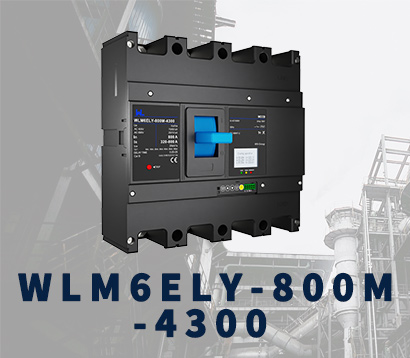 WLM6ELY-800A
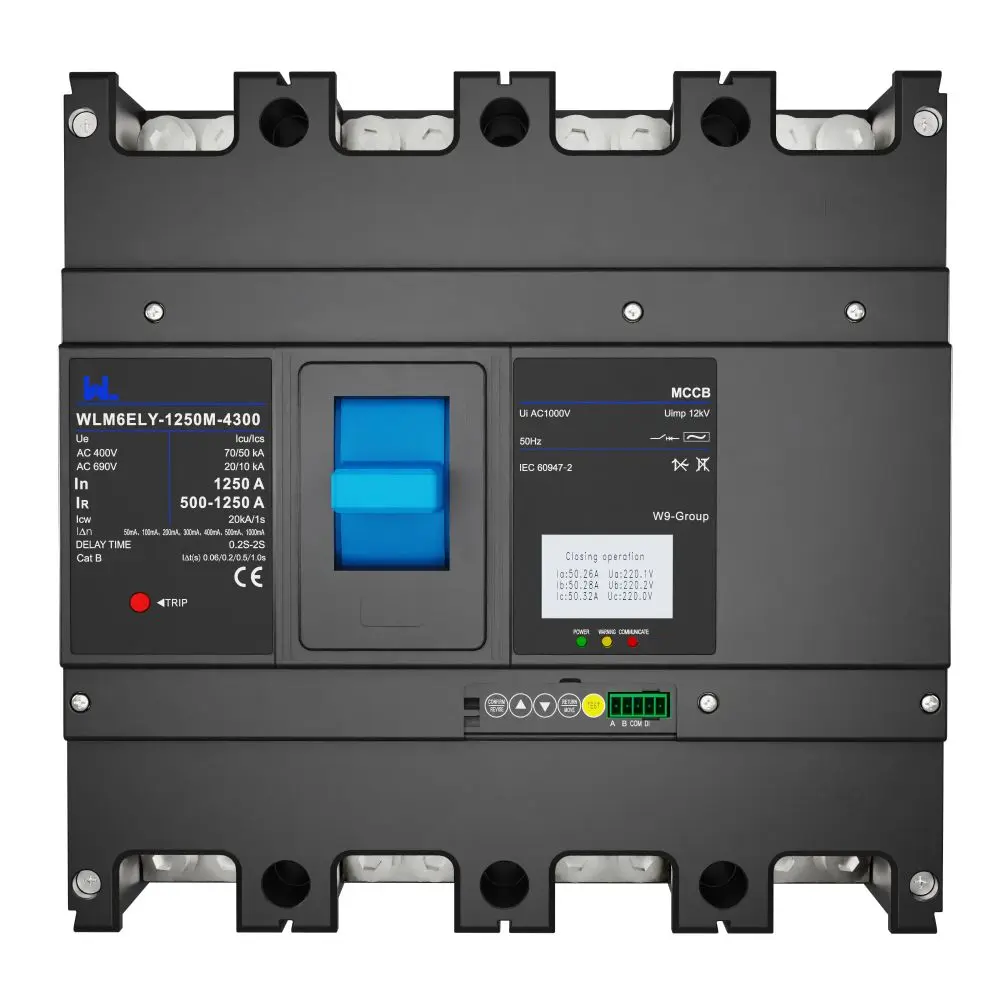 WLM6ELY-1250A
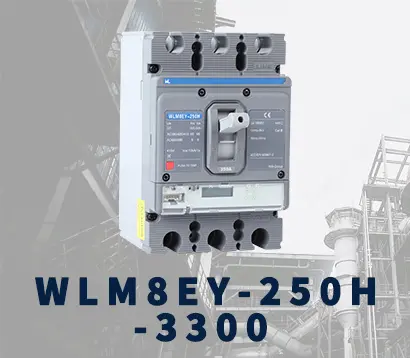 WLM8EY-250H-3300
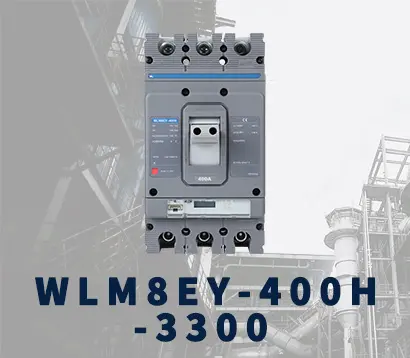 WLM8EY-400H-3300
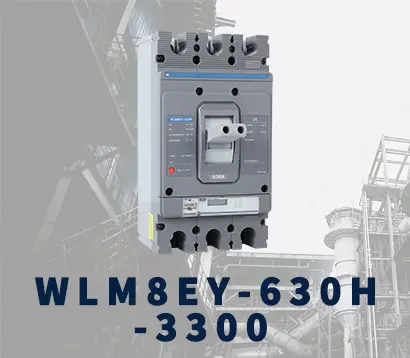 WLM8EY-630H-3300
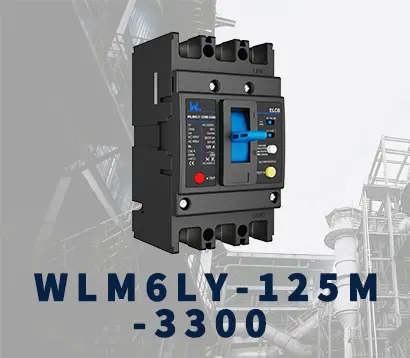 WLM6LY-125A
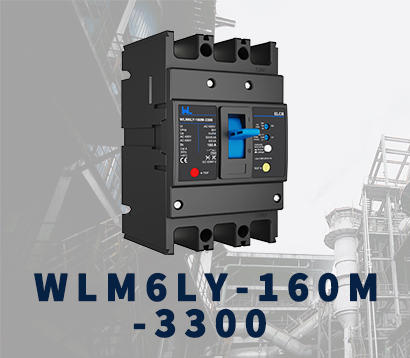 WLM6L-160A
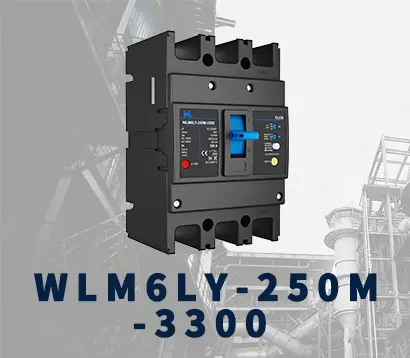 WLM6LY-250A
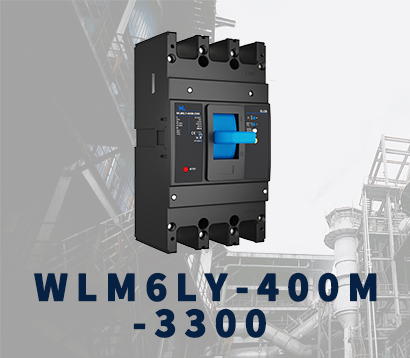 WLM6LY-400A
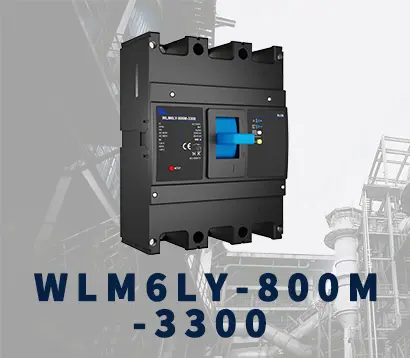 WLM6LY-800A
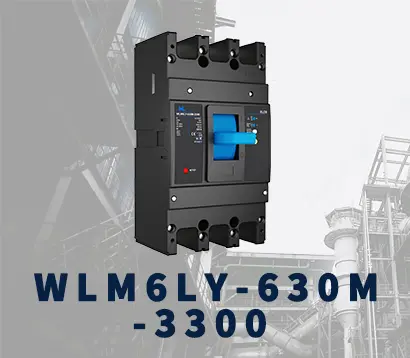 WLM6LY-630A
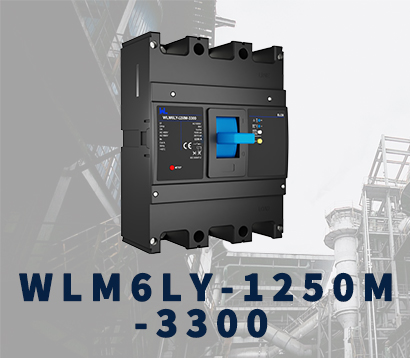 WLM6LY-1250A
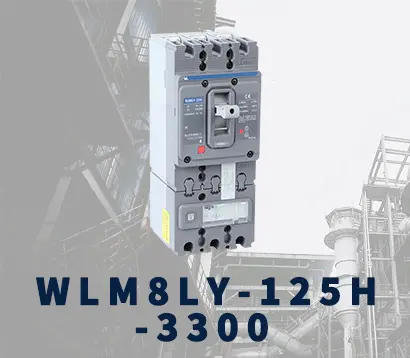 WLM8LY-125H-3300
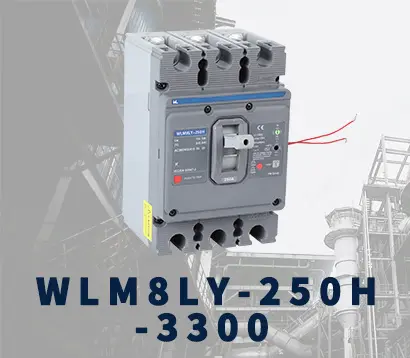 WLM8LY-250H-3300
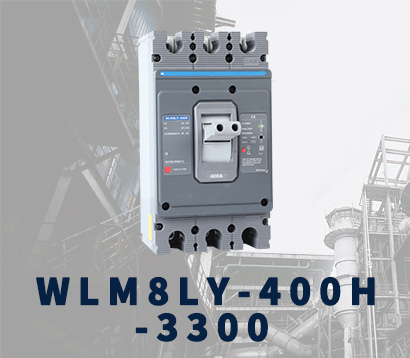 WLM8LY-400H-3300
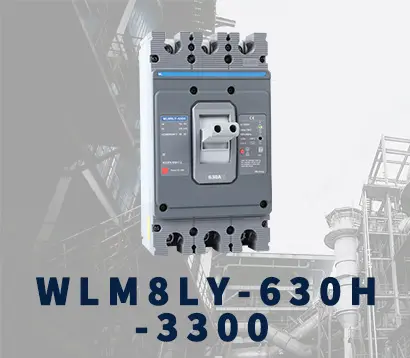 WLM8LY-630H-3300
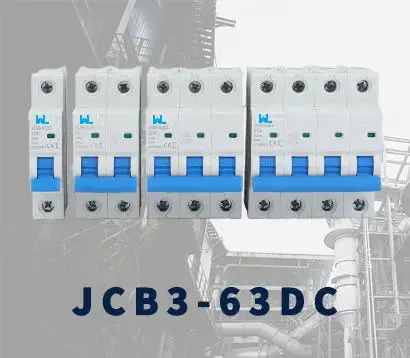 JCB3-63DC
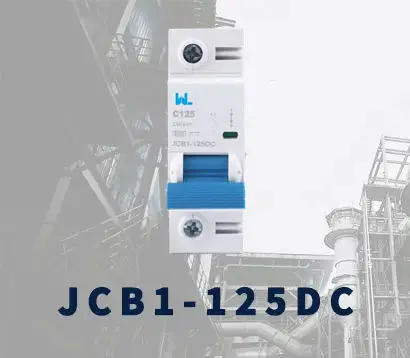 JCB1-125DC
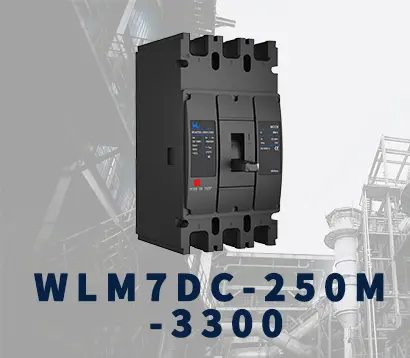 WLM7DC-250A-2300 2P/3P
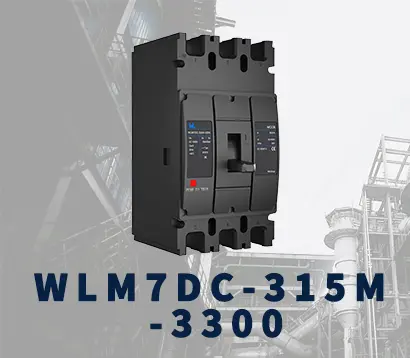 WLM7DC-315A-3300 2P/3P
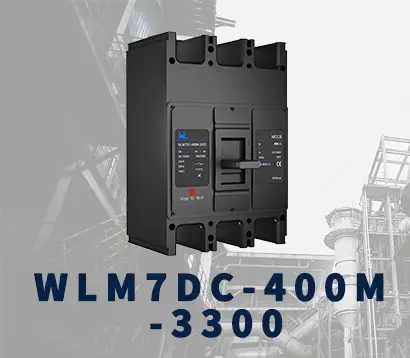 WLM7DC-400A-2300 2P/3P
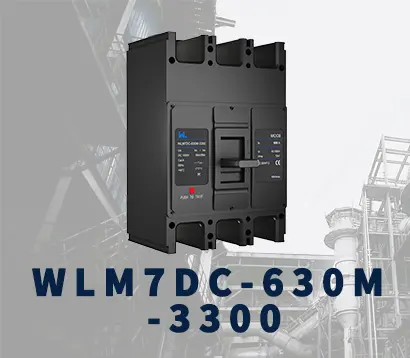 WLM7DC-630A-3300 3P
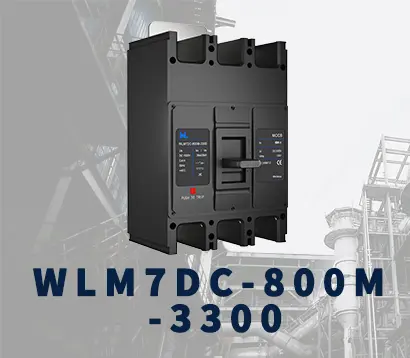 WLM7DC-800A-2300 2P/3P
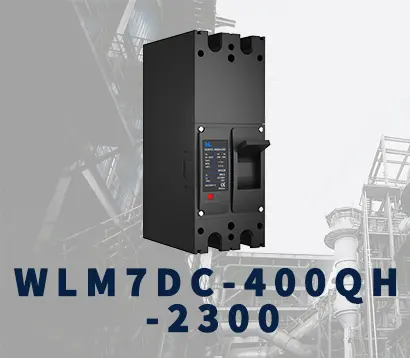 WLM7DC-400A 2300
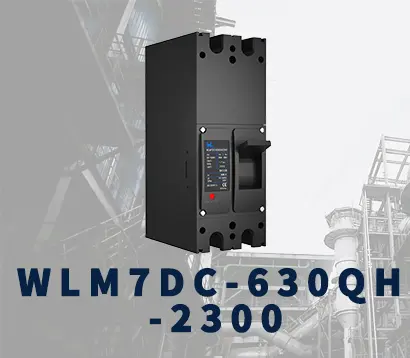 WLM7DC-630A-2300 2P
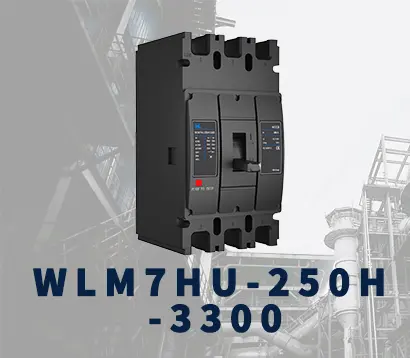 WLM7HU-250-3300 3P
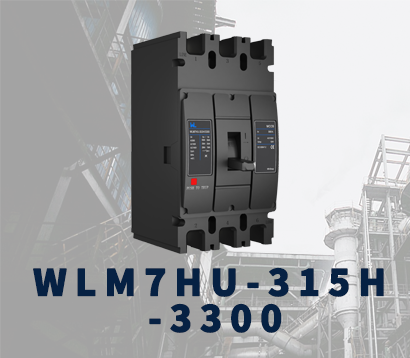 WLM7HU-315-3300 3P
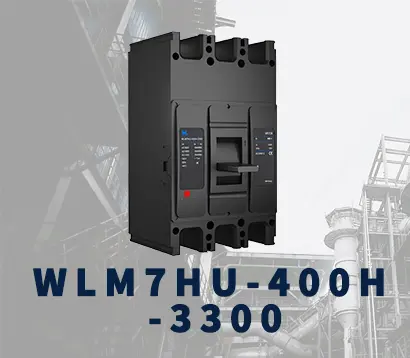 WLM7HU-400-3300 3P
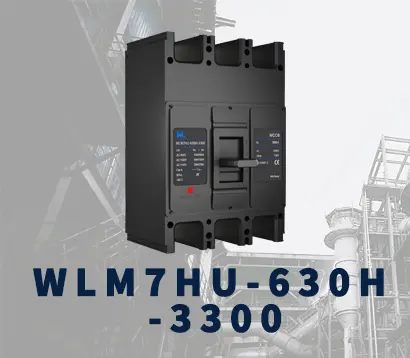 WLM7HU-630-3300 3P
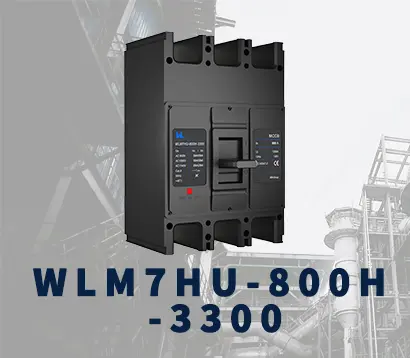 WLM7HU-800-3300 3P
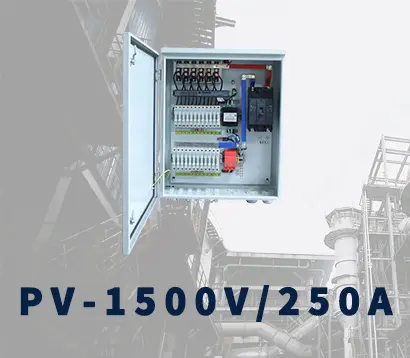 PV-1500V/250A
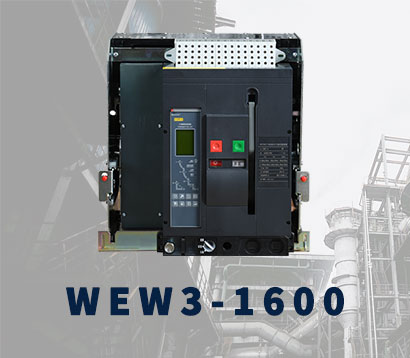 WEW3-1600
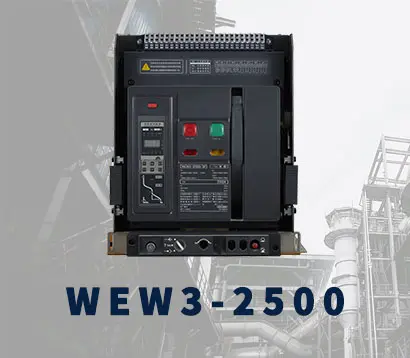 WEW3-2500
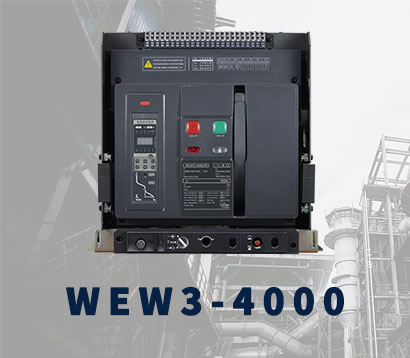 WEW3-4000
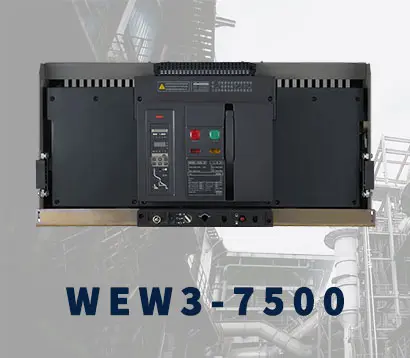 WEW3-7500





Top 10 Thermal Magnetic Release MCCB Types to Buy
As global electrification accelerates, dependable low-voltage protection is becoming harder to overlook. The International Energy Agency’s Electricity 2024 report projects global electricity demand to grow by more than 3% annually through 2026. That expansion increases pressure on switchboards, motor feeders, commercial buildings, and distributed energy systems. A correctly selected Thermal Magnetic Release Mccb can help manage overloads and short-circuit events through two distinct mechanisms. Its thermal element responds to sustained current, while its magnetic element reacts quickly to severe faults.
This guide examines the Top 10 Thermal Magnetic Release MCCB Types to Buy, with attention to practical purchasing criteria. These include rated current, interrupting capacity, pole configuration, trip characteristics, enclosure compatibility, and certification requirements. IEC 60947-2 provides the core international framework for circuit-breakers, while UL 489 remains widely referenced in North American installations. NEMA AB 4 also emphasizes inspection, testing, and maintenance practices for molded-case circuit-breakers. Standards matter. So does the installation context.
A 250 A breaker may suit one feeder and fail another. Cable length, available fault current, ambient temperature, and coordination with upstream devices can change the decision. Market forecasts from firms such as MarketsandMarkets indicate continued growth in low-voltage protection equipment, but forecasts are not field measurements. They should not replace an engineer’s fault study or a manufacturer’s verified data sheet. Some product listings appear impressive yet omit critical trip information. That is a real purchasing risk. This selection is therefore a practical starting point, not a universal verdict. Always confirm regional approvals, short-circuit ratings, and application suitability before ordering.
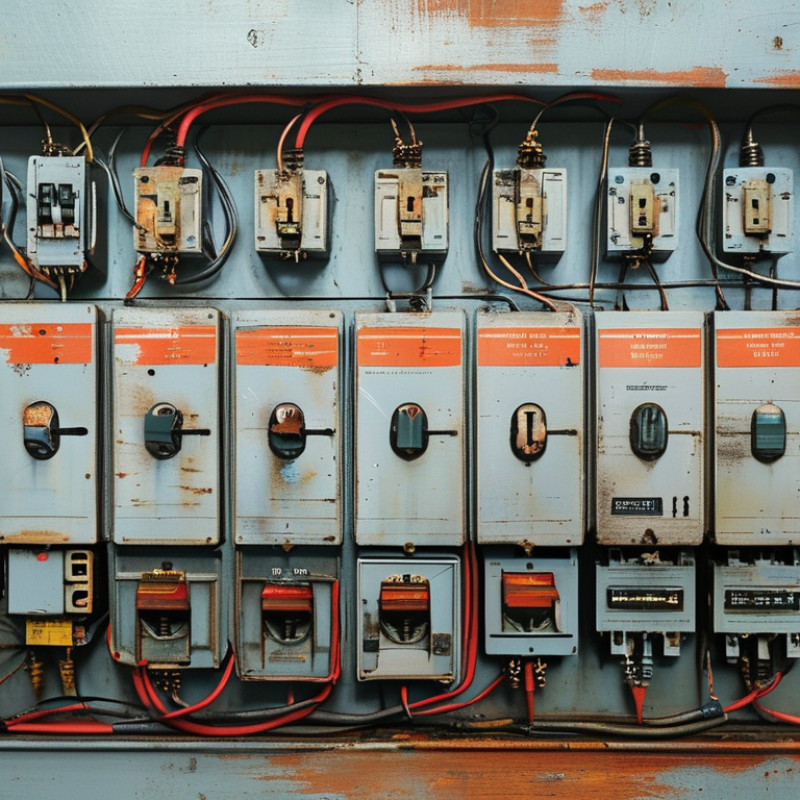
Thermal-Magnetic Release MCCB Basics and Operating Principles
Top 10 Thermal Magnetic Release MCCB Types to Buy
Thermal-Magnetic Release MCCB Basics and Operating Principles
A thermal-magnetic MCCB combines overload protection with short-circuit protection. Its thermal element responds to sustained current above the rated value. A bimetal strip heats, bends, and releases the trip mechanism after a time delay. This delay helps motors and other equipment handle brief starting currents. The magnetic element reacts much faster. A severe fault creates a strong magnetic field inside the trip unit. The mechanism then opens the contacts almost instantly. Different job conditions require different current ratings, pole counts, and interrupting capacities.
Field technicians should check cable size, ambient temperature, enclosure conditions, and expected load current before choosing an MCCB. The printed rating alone is not enough. A common mistake is selecting protection only by equipment nameplate current. That approach can ignore motor starting behavior and conductor limits. Check carefully. During commissioning, inspect terminal torque and verify that the breaker operates smoothly. Testing should follow the manufacturer’s instructions and applicable electrical standards. Never assume a breaker is healthy because its handle moves. Internal contacts may be worn, contaminated, or heat-damaged. In practice, selection is rarely perfect; measured load data can challenge an early choice. Keep clear records of trip settings, test results, and operating temperature. These details make future fault analysis less speculative.
| No. | Thermal-Magnetic MCCB Type | Typical Pole Configuration | Typical Frame / Current Range | Typical Rated Voltage | Common Breaking Capacity | Thermal Release Function | Magnetic Release Function | Best-Fit Applications | Key Buying Considerations |
|---|---|---|---|---|---|---|---|---|---|
| 1 | Compact 2-Pole DC MCCB | 2P | Up to 250 A | Typically up to 500 V DC | Commonly 10–25 kA | Protects against sustained DC overload by heating a calibrated bimetal element. | Trips rapidly when a high short-circuit current creates a strong magnetic field. | Battery systems, small solar combiner outputs, control panels, and compact DC distribution. | Confirm DC polarity, voltage, short-circuit rating, and whether the device is specifically certified for DC interruption. |
| 2 | 2-Pole Single-Phase AC MCCB | 2P | 16–250 A | Typically 240–415 V AC | Commonly 18–36 kA | Allows temporary starting current but trips after an overload persists long enough to heat the bimetal. | Responds almost instantaneously to severe phase-to-phase or phase-to-neutral faults. | Single-phase commercial feeders, small workshops, HVAC circuits, and residential or light-industrial distribution. | Choose a pole arrangement that disconnects all required live conductors and coordinate the rating with cable ampacity. |
| 3 | 3-Pole Three-Phase Distribution MCCB | 3P | 63–630 A | Typically 400–690 V AC | Commonly 25–50 kA | Detects prolonged overcurrent in one or more phases and opens the associated poles through the common mechanism. | Clears high-magnitude phase faults quickly to limit thermal and mechanical damage. | Three-phase feeders, distribution boards, pumps, fans, compressors, and general industrial loads. | Check continuous current, available fault current, phase balance, and coordination with upstream and downstream protection. |
| 4 | 4-Pole Neutral-Switching MCCB | 4P | 63–630 A | Typically 400–690 V AC | Commonly 25–50 kA | Provides overload protection on the designated protected poles; neutral-pole protection depends on the specific design. | Provides magnetic short-circuit interruption on the protected phases; neutral protection must be verified separately. | Four-wire systems, transfer equipment, data facilities, and installations requiring neutral isolation. | Verify whether the neutral pole is switched only or fully protected, and confirm the correct neutral-opening sequence. |
| 5 | High-Breaking-Capacity Industrial MCCB | 3P or 4P | 250–1,600 A | Typically 400–690 V AC | 50–100 kA | Thermal overload protection is selected to suit large conductors and high continuous loads. | Uses a high-speed magnetic trip and reinforced contacts to interrupt substantial prospective fault current. | Main switchboards, large motor control centers, transformers, generators, and industrial incomers. | The interrupting rating must be equal to or higher than the calculated prospective short-circuit current at the installation point. |
| 6 | Adjustable Thermal-Magnetic MCCB | 3P or 4P | 100–1,600 A | Typically 400–690 V AC | Commonly 25–75 kA | Adjustable long-time current settings help match the breaker to cable ampacity and the actual load. | Adjustable instantaneous or short-time magnetic settings can improve selectivity with downstream breakers. | Industrial distribution where load growth, feeder coordination, or operating flexibility is important. | Check the adjustment bands, available accessories, temperature derating, and whether settings can be locked against unauthorized changes. |
| 7 | Motor-Feeder Thermal-Magnetic MCCB | 3P | Typically 15–800 A | Typically 400–690 V AC | Commonly 18–50 kA | Selected to tolerate normal motor starting current while protecting the motor feeder and conductors from prolonged overload. | Provides fast protection against major short circuits; motor overload protection may still require a separate overload relay. | Motors, pumps, compressors, conveyors, fans, and machine tools. | Compare the breaker setting with motor full-load current, locked-rotor current, starter type, and local motor-protection requirements. |
| 8 | Generator-Incomer Thermal-Magnetic MCCB | 3P or 4P | 100–1,600 A | Typically 400–690 V AC | Commonly 25–65 kA | Protects generator conductors from sustained overload while allowing normal load variation within the generator capacity. | Clears short circuits, although the trip settings must account for the generator's lower and decaying fault current. | Standby generators, prime-power systems, automatic transfer equipment, and emergency distribution. | Check generator subtransient fault current, neutral arrangement, short-circuit coordination, and compatibility with automatic transfer systems. |
| 9 | Solar and Battery Storage DC MCCB | 2P, 3P, or 4P depending on the DC system | Typically 125–800 A | Commonly 500–1,000 V DC | Often 10–50 kA DC | Detects persistent DC overloads in photovoltaic strings, battery feeders, or energy-storage conductors. | Interrupts high DC fault currents using contacts and arc-control structures designed for sustained DC arcs. | Photovoltaic arrays, battery energy-storage systems, DC busbars, and inverter feeders. | AC ratings cannot automatically be applied to DC circuits; verify the exact DC voltage, polarity, current, interruption rating, and installation category. |
| 10 | Selective-Coordination Thermal-Magnetic MCCB | 3P or 4P | 250–2,500 A | Typically 400–690 V AC | Commonly 35–100 kA | Uses a defined long-time response to coordinate with feeder and branch protective devices. | Offers a short-circuit response selected to allow the nearest downstream device to clear certain faults first. | Hospitals, process plants, high-rise buildings, data centers, and critical power distribution. | Use time-current curves and manufacturer-tested combinations; do not assume selectivity from current ratings alone. |
Related Posts
-

Best MCCB Breakers for Reliable Electrical Protection Solutions?
-
Dc Mccb Guide Tips for Global Buyers to Save Costs?
-
2025 Market Insights: The Future of Best Thermal Magnetic Circuit Breakers
-

7 Essential Facts About Thermal Magnetic Circuit Breakers You Need to Know
-

Top Thermal Magnetic Circuit Breakers at 139th Canton Fair 2026?
-
Exploring the Future of Thermal Magnetic MCCB at the 138th China Import and Export Fair in 2025