2026 Top ACB Breaker Suppliers for Global Buyers
As global power systems become more demanding, buyers need dependable Acb Breaker suppliers, not attractive catalogs alone. Air circuit breakers protect low-voltage networks, industrial plants, data centers, and large commercial buildings. Their selection affects safety, uptime, maintenance costs, and project schedules.
This guide reviews leading suppliers for global buyers in 2026. It considers product quality, manufacturing experience, testing capacity, certifications, customization, delivery performance, and after-sales support. Important details include rated current, breaking capacity, voltage range, protection functions, and fixed or withdrawable design. For example, a 400V system may require very different protection planning from a 690V industrial installation. Small specifications matter.
A polished catalog is not proof. Factory audits, type-test reports, traceable components, and clear warranty terms deserve closer attention. Buyers should also confirm IEC 60947-2 compliance and local installation requirements before ordering. Supplier rankings can change as prices, lead times, technology, and service networks develop. This review may not capture every regional strength, and that limitation deserves recognition.
Real purchasing decisions need evidence. Request samples, technical drawings, inspection records, and references from comparable projects. Check communication speed, spare-parts availability, and support after commissioning. A low quotation can become expensive when breakers arrive late or settings are unclear. Reliable suppliers explain their limitations as well as their advantages. That honesty is valuable.
ACB Breakers: Definition, Functions, and Core Specifications
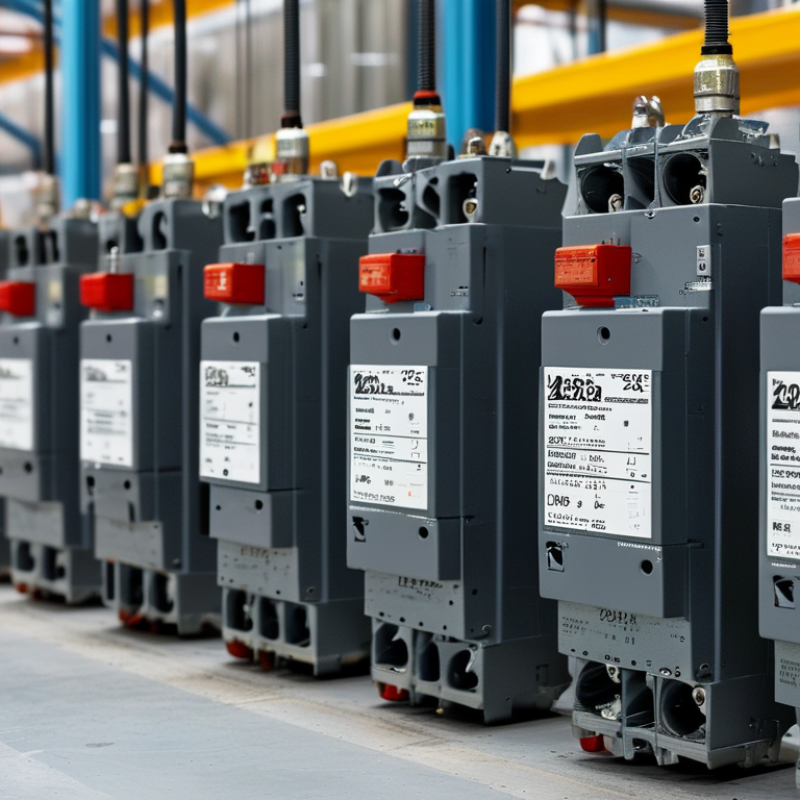
An ACB, or Air Circuit Breaker, is a low-voltage switching device that protects high-current electrical systems. It uses air to extinguish the arc created when contacts separate. Unlike a small molded-case breaker, an ACB is commonly installed in main distribution boards, generator panels, and industrial switchboards.
Its core functions include carrying normal load current, interrupting overloads, clearing short circuits, and isolating equipment for maintenance. A trip unit monitors current through electronic sensors. It can provide long-time, short-time, instantaneous, and ground-fault protection. Selective coordination matters. Without it, one fault may disconnect an entire facility.
Key specifications require careful comparison. Rated current shows the continuous current the breaker can carry safely. Rated operational voltage confirms system compatibility. Icu indicates ultimate short-circuit breaking capacity, while Ics reflects service breaking capacity. Buyers should also review pole configuration, rated insulation voltage, short-time withstand current, trip settings, closing mechanism, and electrical endurance.
Installation space matters more than many catalogs suggest. Cable bending, ventilation, and front access can affect maintenance. A breaker may meet every listed rating yet fit poorly inside the panel. That is an easy mistake. Verification against IEC 60947-2, local electrical codes, and the actual fault level improves procurement reliability. Test reports and routine inspection records should support the supplier’s technical claims.
How to Evaluate ACB Breaker Suppliers in 2026
When evaluating ACB breaker suppliers in 2026, begin with documented engineering capability. Check rated current, breaking capacity, insulation voltage, and short-time withstand performance. Ask for evidence. Request recent type-test reports, routine inspection records, and calibration certificates from recognized laboratories. The documents should match the exact product configuration, not a similar model.
A reliable supplier explains how each ACB is tested before shipment. Look for contact resistance measurements, mechanical endurance checks, trip-unit verification, and temperature-rise data. Factory experience matters here. Ask whether technicians can support protection coordination and selective tripping for your distribution system. Clear answers usually reveal deeper expertise than polished sales material. Details matter.
Supply reliability also deserves close attention. Review production lead times, spare-parts availability, warranty conditions, and failure-response procedures. Confirm whether digital drawings, wiring diagrams, and maintenance instructions are delivered in usable formats. Traceable serial numbers can simplify inspections years later. An on-site audit may expose weak assembly controls, though even a careful audit cannot predict every failure. That limitation should remain visible in your risk assessment. Compare communication speed, technical honesty, and documented corrective actions after previous problems. A supplier admitting a design limitation may be more dependable than one promising perfection.
2026 Top ACB Breaker Suppliers for Global Buyers
How to Evaluate ACB Breaker Suppliers in 2026
This buyer-oriented scorecard prioritizes the factors that most directly affect ACB reliability, compliance, lifecycle cost, and project delivery. IEC 60947-2 compliance, short-circuit performance, rated-current coverage, technical support, delivery capability, and after-sales service should be verified through certificates, test reports, datasheets, reference projects, and contractual service terms.
Top ACB Breaker Suppliers for Global Industrial Buyers
Top ACB Breaker Suppliers for Global Industrial Buyers should offer more than attractive quotations. Reliable suppliers understand distribution systems, load profiles, and installation conditions across different markets. They should provide clear data for rated current, voltage, breaking capacity, and operating cycles. Technical documents must match the delivered equipment.
Experienced suppliers can explain drawout and fixed configurations without hiding practical limitations. Ask for type-test evidence, routine inspection records, wiring diagrams, and verified trip-unit settings. A serious supplier also supports coordination studies, spare-part planning, and commissioning guidance. Small details matter. For example, terminal markings should remain readable after installation, and accessories should fit without forced adjustments.
Global buyers should examine production experience, quality controls, delivery records, and technical support before selecting an ACB supplier. Factory audits, sample inspections, and reference projects can reveal more than a polished website. Confirm communication time zones, packaging methods, warranty terms, and replacement procedures. I have seen excellent specifications fail because service responses were slow. That weakness deserves attention. A spreadsheet can still mislead when it ignores local testing resources, operator training, or future expansion. Suppliers should also explain how their products align with applicable international standards and destination-market requirements. Reliable cooperation is built through documented evidence, practical testing, and honest answers.
Global Standards, Certifications, and Compliance Requirements
For global buyers, an air circuit breaker should meet the electrical rules of its destination market. IEC 60947-2 is a key reference for low-voltage circuit breakers. Buyers in North America may require a different national standard, such as UL 1066. Regional marking requirements also matter.
Check the complete certification file. It should include type-test reports, rated current, short-circuit breaking capacity, insulation voltage, and temperature-rise results. A certificate alone is not enough. The tested configuration must match the offered breaker, including trip unit, terminals, and accessories. Small differences can affect compliance.
Reliable suppliers usually provide traceable serial numbers, routine test records, wiring diagrams, and installation instructions. Factory quality systems, such as ISO 9001, support consistency but do not replace product certification. Ask whether testing came from an accredited laboratory and whether production audits remain valid. Paperwork can look impressive.
Procurement teams should also verify local import rules, marking language, recycling duties, and service support. For critical switchboards, request samples and inspect terminal torque markings, insulation clearance, and trip settings. These details are easy to overlook. We should admit one weakness: certification documents may not reveal how a breaker performs after years of dust, heat, or repeated switching. Field references and maintenance data therefore deserve equal attention.
2026 Top ACB Breaker Suppliers for Global Buyers - Global Standards, Certifications, and Compliance Requirements
Buyer-oriented comparison of applicable standards, certification pathways, technical documentation, and export-compliance considerations for air circuit breakers.
| Evaluation Dimension | Global Requirement | Typical Evidence to Request | Buyer Verification Point | Export and Project Notes |
|---|---|---|---|---|
| Core product standard | IEC 60947-2 for low-voltage circuit-breakers; confirm the applicable edition and national adoption. | Accredited laboratory test report, type-test certificate, routine-test records, and declaration of conformity. | Check frame size, rated current, rated insulation voltage, rated service short-circuit capacity, and test configuration. | IEC compliance alone may not satisfy North American or country-specific regulatory requirements. |
| North American pathway | UL 489 and/or CSA C22.2 No. 5 may apply to circuit breakers used in the United States or Canada, depending on product scope and installation. | Certification listing, authorization to use the certification mark, construction review, and applicable short-circuit test documentation. | Verify the exact catalog number, trip unit, accessories, voltage rating, and interrupting rating in the certification database. | Do not treat an IEC test report as a substitute for a required North American listing or certification. |
| European market access | CE marking may involve the Low Voltage Directive 2014/35/EU and applicable harmonised standards, including EN 60947-2 where appropriate. | EU Declaration of Conformity, technical file, risk assessment, test reports, and product/packaging traceability information. | Confirm that the declaration identifies the correct product family, directives, standards, manufacturer, and authorised signatory. | CE marking is a manufacturer declaration of conformity; it is not equivalent to independent product certification in every case. |
| China market alignment | GB/T 14048.2 is the Chinese standard corresponding broadly to low-voltage circuit-breaker requirements. | Chinese conformity documentation, applicable test reports, product marking details, and certification records where required. | Check whether the intended application requires China Compulsory Certification or another product-specific approval. | Certification obligations depend on the product category, intended use, and current Chinese regulatory catalogue. |
| Rated current and frame size | Common ACB ranges cover approximately 630 A to 6,300 A, but the available range varies by design. | Technical datasheet, nameplate drawing, dimensional drawing, terminal schedule, and derating curves. | Compare continuous current, frame rating, ambient-temperature derating, altitude limits, and conductor arrangement. | The selected rating must match the switchboard busbar, cable system, protection study, and installation environment. |
| Short-circuit performance | Review rated ultimate short-circuit breaking capacity (Icu), rated service short-circuit breaking capacity (Ics), and short-time withstand current (Icw). | Type-test report, time-current curves, peak withstand data, and coordination/selectivity tables. | Ensure the stated values apply at the project voltage, frequency, pole configuration, and operating sequence. | Do not compare Icu, Ics, and Icw as interchangeable values; each represents a different performance characteristic. |
| Trip-unit functionality | Protection functions may include long-time, short-time, instantaneous, and ground-fault protection, subject to design and local rules. | Trip-unit manual, protection-setting range, accuracy data, configuration software information, and communication protocol details. | Verify protection settings, neutral protection, zone-selective interlocking, event records, metering accuracy, and password controls. | Protection coordination should be validated by the project engineer using the actual system fault levels. |
| Insulation and environmental ratings | Confirm rated insulation voltage, impulse withstand voltage, operating temperature, humidity, pollution degree, and altitude limits. | Environmental test data, derating charts, enclosure compatibility information, and installation instructions. | Check whether the breaker is fixed or draw-out, indoor or outdoor, and suitable for the enclosure IP and climate conditions. | High-altitude installations may require reduced voltage, current, or interrupting-capacity ratings. |
| Mechanical and electrical endurance | Endurance requirements are evaluated under the applicable product standard and depend on utilization category and operating sequence. | Endurance test results, operating-cycle rating, maintenance schedule, contact-wear limits, and replacement-part list. | Separate mechanical endurance from electrical endurance and confirm ratings for the intended switching duty. | Frequent switching, bypass operation, and emergency-power applications may require enhanced endurance specifications. |
| Factory quality system | ISO 9001 certification is widely used as evidence of a quality-management system, but it does not certify product performance by itself. | Valid certificate from an accredited certification body, scope statement, inspection plan, and sample routine-test records. | Check certificate validity, manufacturing site, scope, surveillance status, and consistency with the quoted production location. | Request lot traceability for critical components such as arc chambers, contacts, sensors, and electronic trip units. |
| Environmental compliance | Depending on the destination, buyers may need RoHS, REACH, WEEE, and substance-declaration information. | Material declarations, restricted-substance statements, supplier declarations, and recycling or disposal instructions. | Confirm the documents cover the exact product, accessories, packaging, and any electronic modules. | Environmental obligations differ by jurisdiction; verify current destination-country requirements before shipment. |
| Cybersecurity and communications | Networked trip units and energy meters should be assessed for secure configuration, access control, and protocol compatibility. | Communication manual, supported protocols, firmware policy, vulnerability-reporting contact, and user-access documentation. | Verify Modbus or other specified protocol mapping, password management, firmware revision control, and network segregation requirements. | Critical infrastructure projects may impose additional cybersecurity controls beyond the breaker product standard. |
| Documentation package | A complete technical file should support installation, commissioning, operation, maintenance, and conformity assessment. | Datasheet, catalogue, GA drawing, wiring diagram, instruction manual, test certificate, conformity declaration, and spare-parts list. | Ensure all documents use consistent model numbers, ratings, revision codes, and language versions. | For customs and tender submissions, prepare commercial invoice, packing list, certificate of origin, and transport documentation as applicable. |
| Warranty and lifecycle support | Industrial buyers typically require defined warranty terms, spare-part availability, technical support, and service procedures. | Written warranty, expected service life, preventive-maintenance schedule, replacement-part lead times, and failure-analysis procedure. | Confirm support coverage in the destination country and the availability of compatible trip units and accessories. | For long-term projects, include obsolescence notification and last-time-buy provisions in the supply agreement. |
Ordering, Installation, Support, and Total Cost Considerations
Global buyers should treat ACB ordering as a system decision, not a catalog purchase. Confirm rated current, short-circuit capacity, voltage, poles, trip-unit functions, communication needs, and IEC 60947-2 compliance. Request factory test records and serial traceability. Lead times, export packaging, spare parts, and Incoterms also affect delivery risk. Small omissions become expensive later.
Installation quality matters equally. Busbars must align without forcing the terminals, while torque values should follow the approved manual. Commissioning should include insulation checks, secondary injection testing, mechanical operation, and protection coordination. Field experience shows that rushed testing often creates nuisance trips. It remains an uncomfortable lesson.
Support must cover drawings, replacement modules, firmware control, training, and response times across time zones. The Uptime Institute’s 2024 Global Data Center Survey reported that 54% of respondents experienced a significant outage costing more than $100,000. Reliable technical support therefore has measurable value. The IEA’s Electricity 2024 report expects data-center electricity demand to more than double by 2026, increasing pressure on dependable low-voltage distribution. Total cost should include the breaker, freight, duties, installation labor, testing, maintenance, energy losses, and possible downtime. A cheaper unit may not be cheaper after three years. This calculation is still often incomplete.
Related Posts
-
Unmatched Excellence in Manufacturing by Leading Chinese Factory for Best Electrical MCCB Solutions
-
Why is the China Air Circuit Breaker Essential for Modern Electrical Systems
-
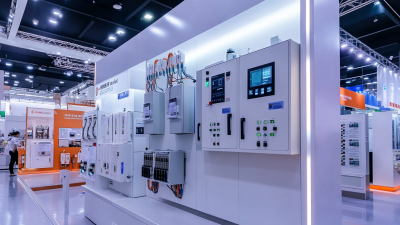
Discover the Future of Power Protection: MCCB Innovations Showcased at the 137th Canton Fair
-
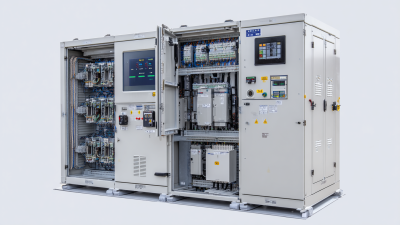
Innovative Applications of China Air Circuit Breaker in Modern Electrical Infrastructure
-
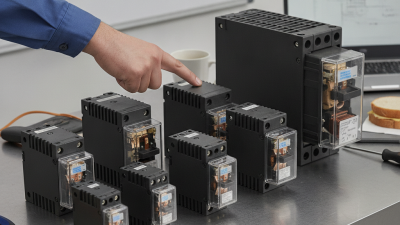
How to Choose the Right Square D MCCB for Your Needs?
-
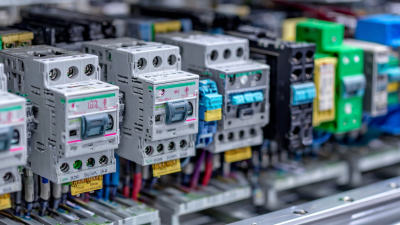
How to Choose the Right MCCB Adjustable for Your Electrical Needs

JCB1-125
JCB2-40M
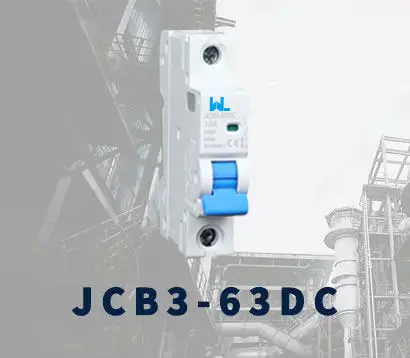
JCB3-63DC
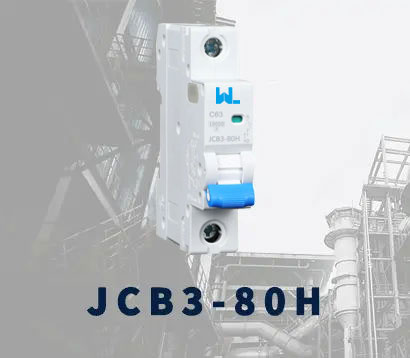
JCB3-80H
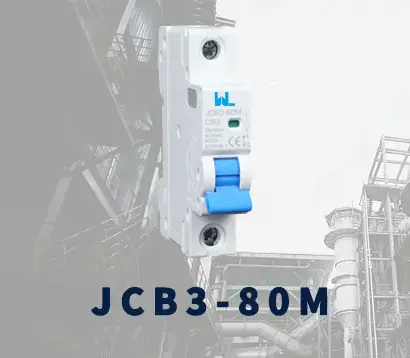
JCB3-80M
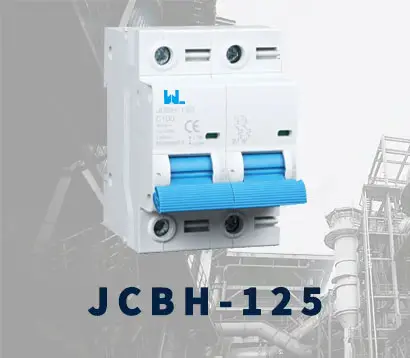
JCBH-125
JC125-4P
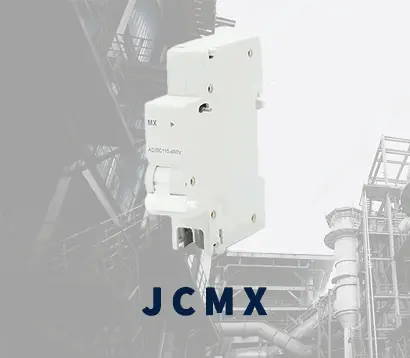
JCMX
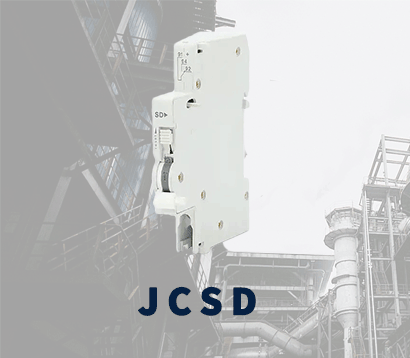
JCSD
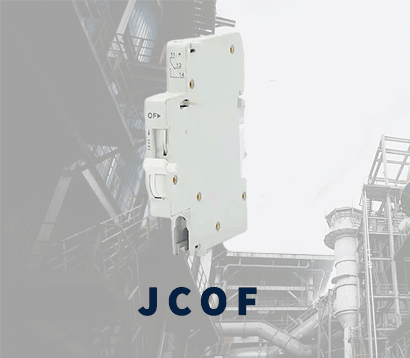
JCOF
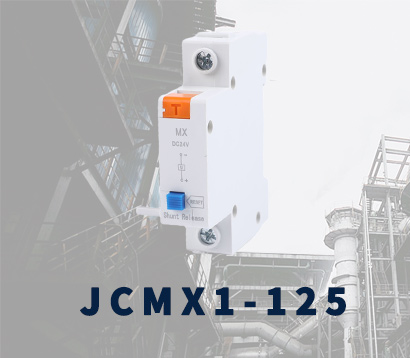
JCMX1-125
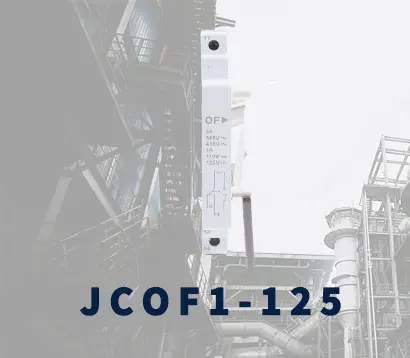
JCOF1-125
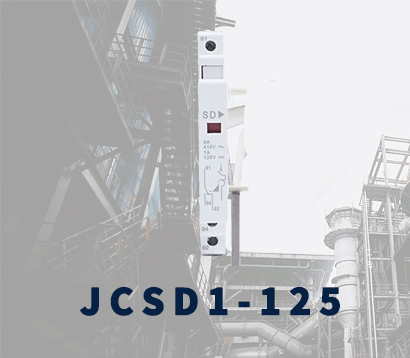
JCSD1-125
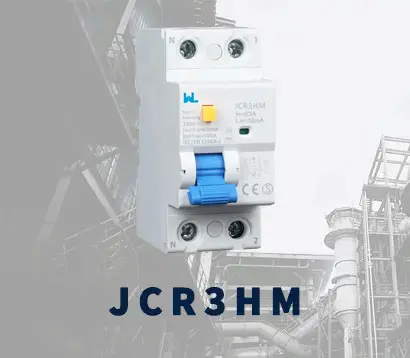
JCR3HM
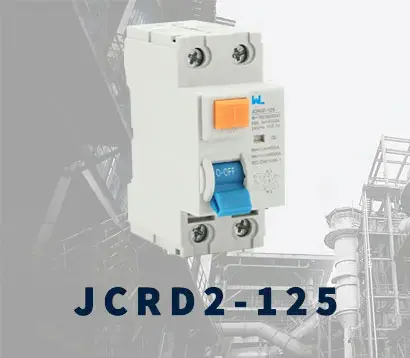
JCRD2-125
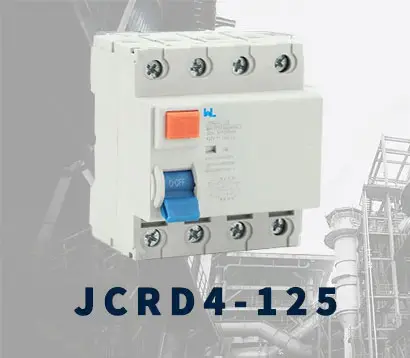
JCRD4-125
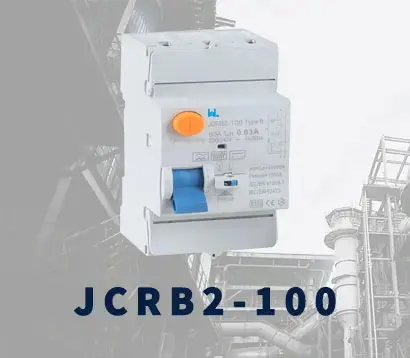
JCRB2-100
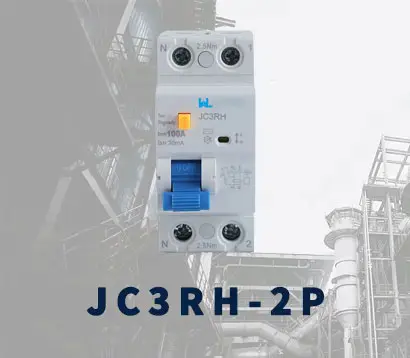
JC3RH-2P
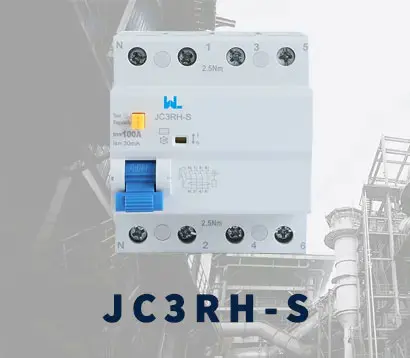
JC3RH-S
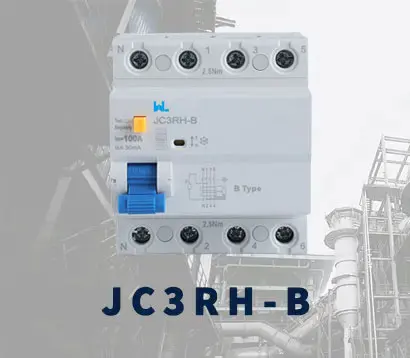
JC3RH-B
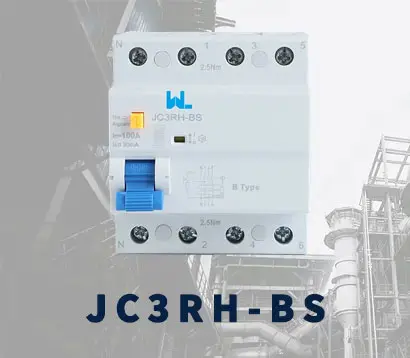
JC3RH-BS
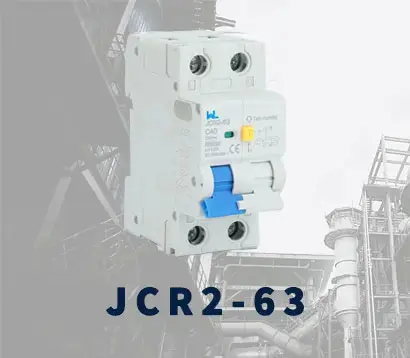
JCR2-63
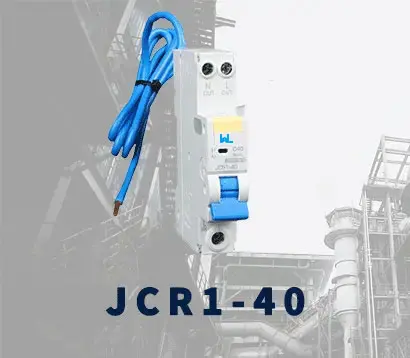
JCR1-40
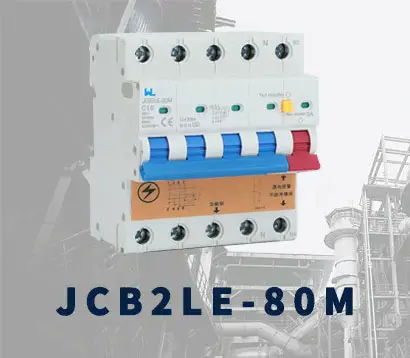
JCB2LE-80M
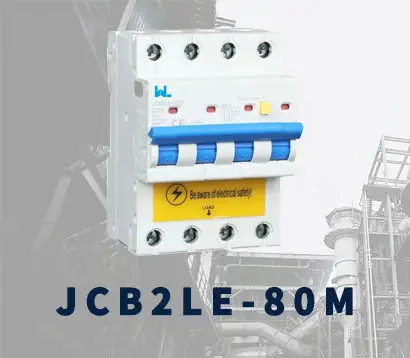
JCB2LE-80M
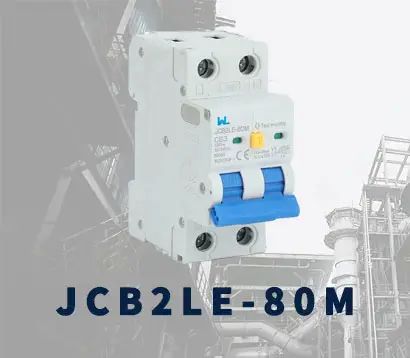
JCB2LE-80M
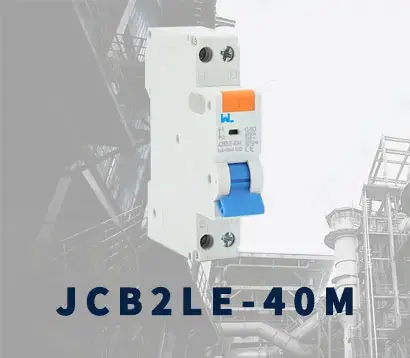
JCB2LE-40M
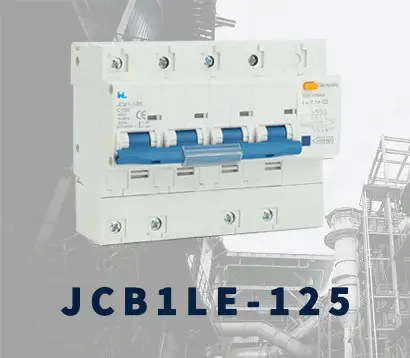
JCB1LE-125
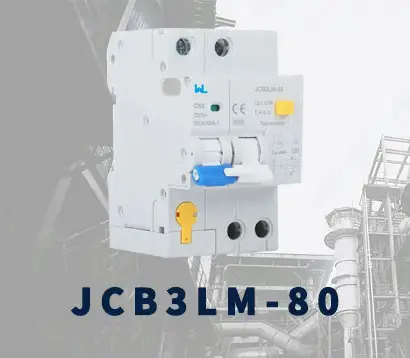
JCB3LM-80
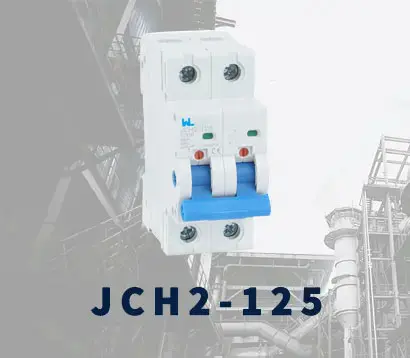
JCH2-125
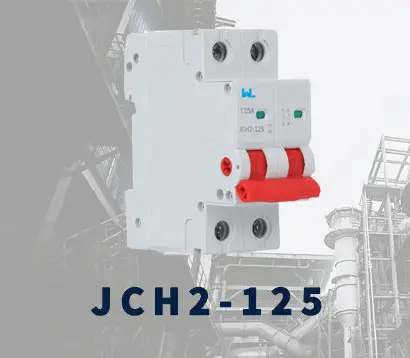
JCH2-125
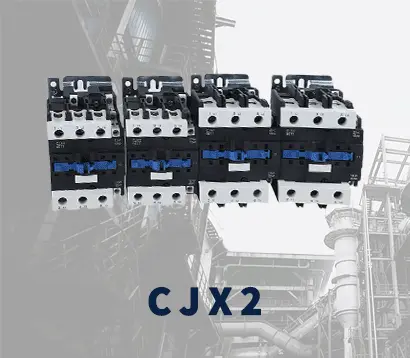
CJX2
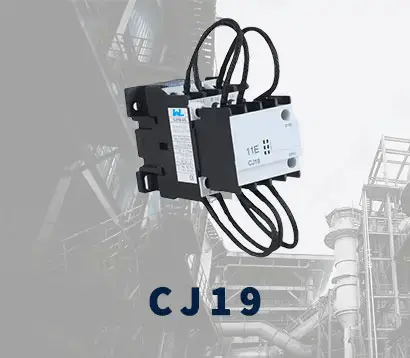
CJ19
JCMCU
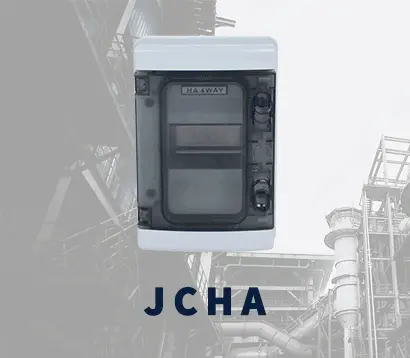
JCHA
JCSD-40
JCSD-60
JCSP-40
JCSP-60
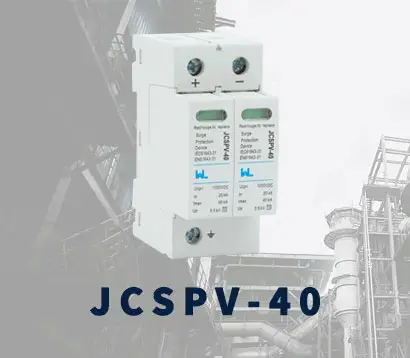
JCSPV
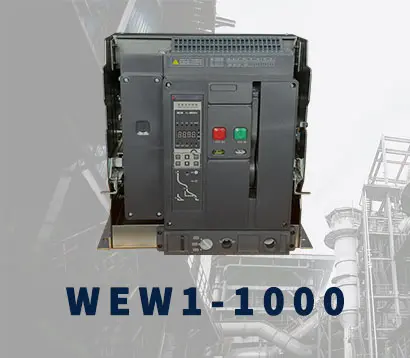
WEW1-1000
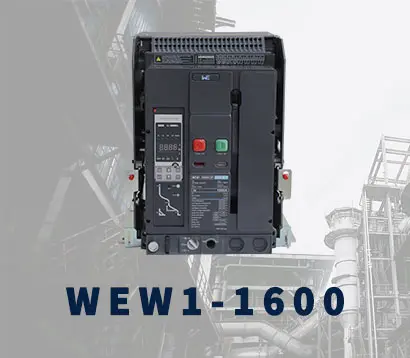
WEW1-1600
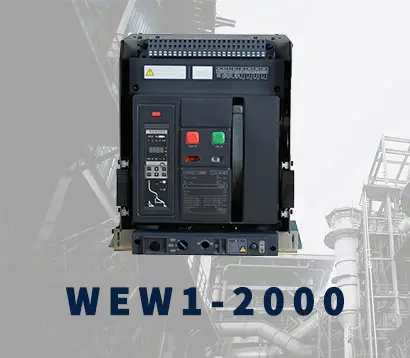
WEW1-2000
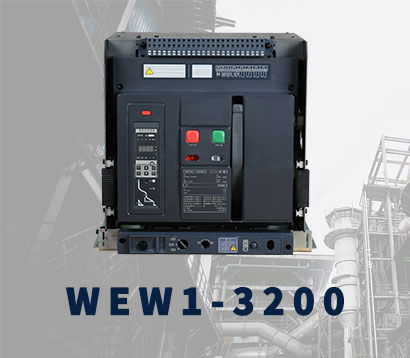
WEW1-3200
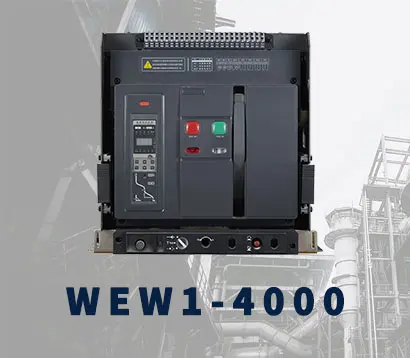
WEW1-4000
WEW1-6300
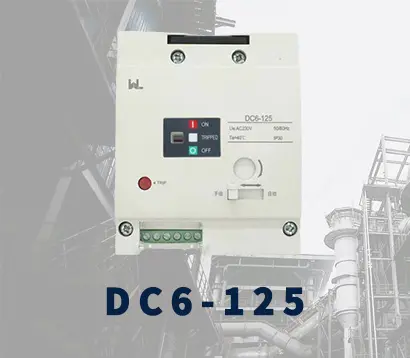
DC6-125
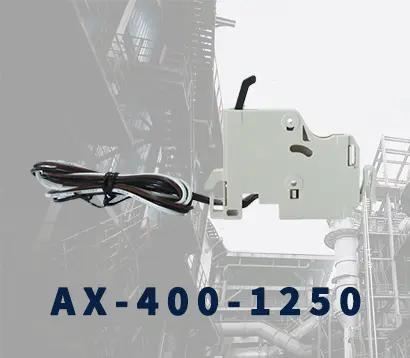
AX-400-1250
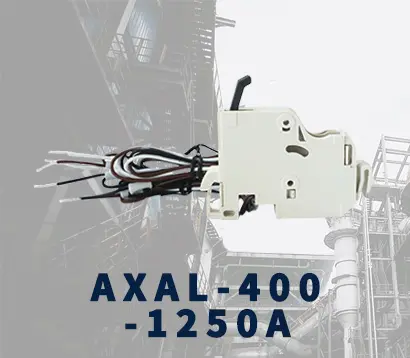
AXAL-400-1250A
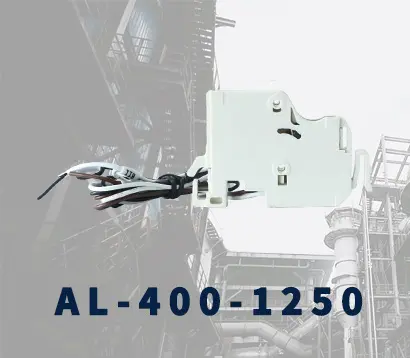
AL-400-1250
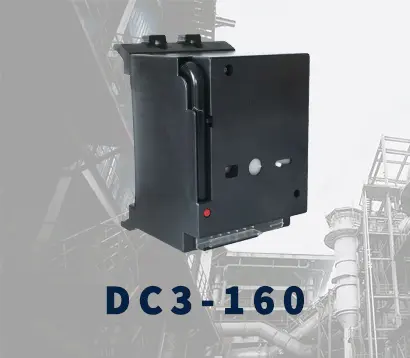
DC3-160
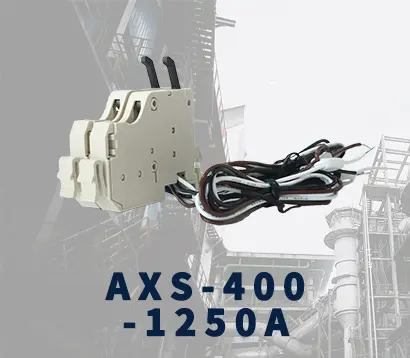
AXS-400-1250A
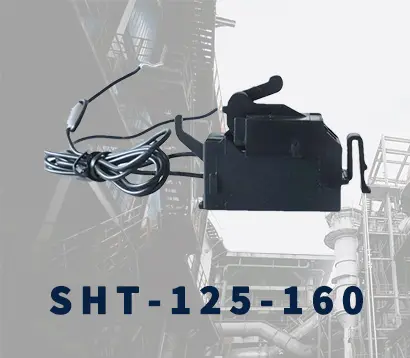
SHT-125-160
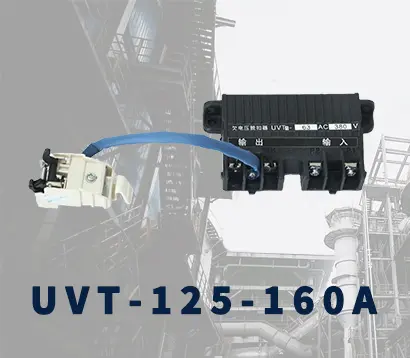
UVT-125-160A
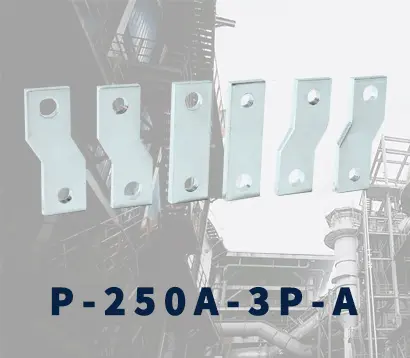
P-250A-3P-A
400-3P/4P terminal cover
1250-3Pmccb accessories busbar
250-3P terminal conver
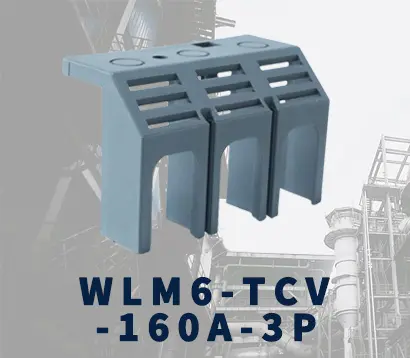
WLM6-TCV-160A-3P
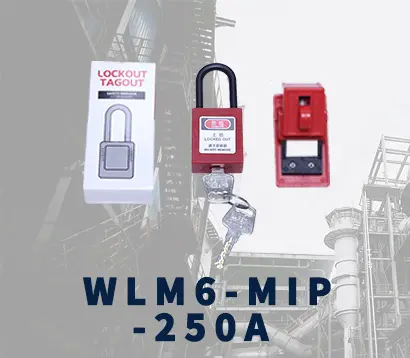
WLM6-MIP-250A
WLM6-125A-3300 3P/4P
WLM6-160A-3300 3P/4P
WLM6-250A-3300 3P/4P
WLM6-400A-3300 3P/4P
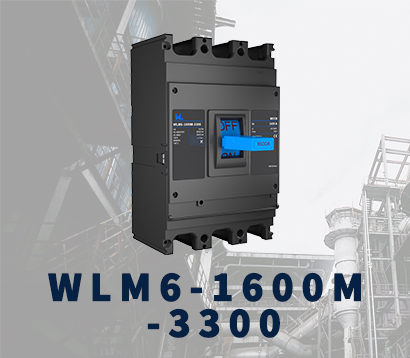
WLM6-630A-3300 3P/4P
WLM6-800A-3300 3P/4P
WLM6-1250A-3300 3P/4P
WLM6-1600A-3300 3P/4P
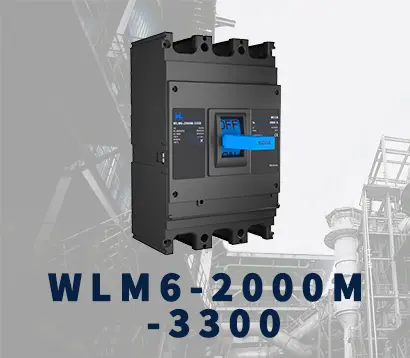
WLM6-2000A 3P/4P
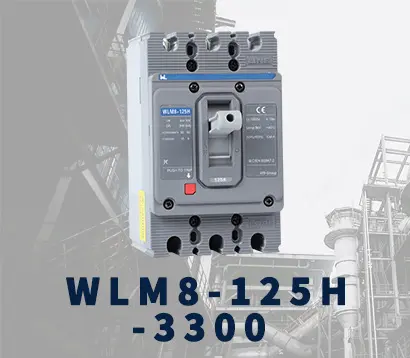
WLM8-125H-3300
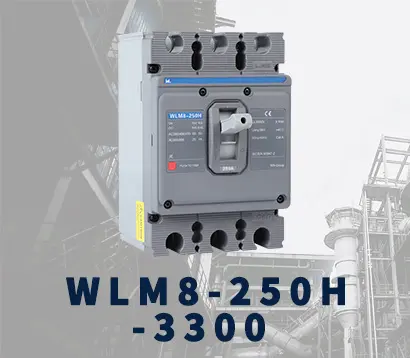
WLM8-250H-3300
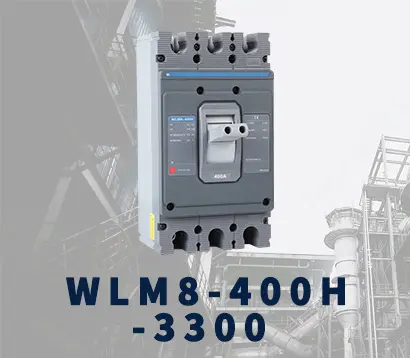
WLM8-400H-3300
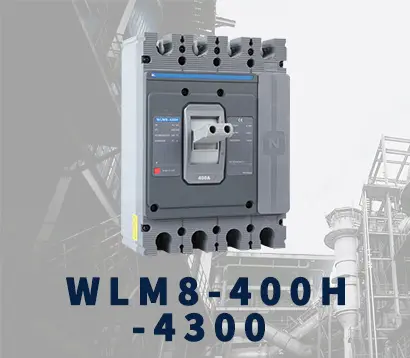
WLM8-400H-4300
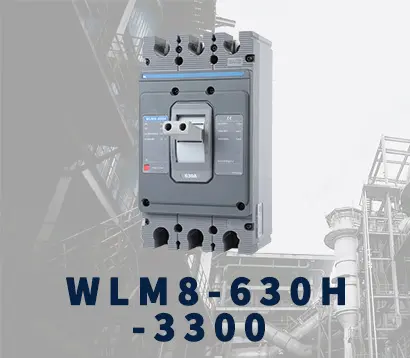
WLM8-630H-3300
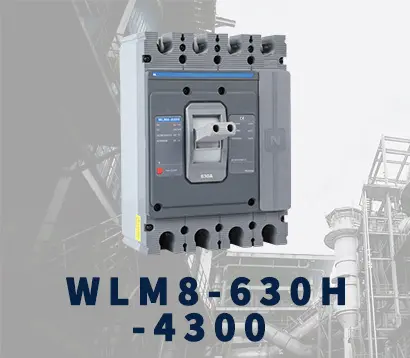
WLM8-630H-4300
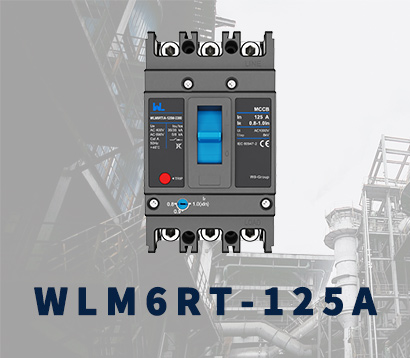
WLM6RT-125A
WLM6RT-160A
WLM6RT-250A
WLM6RT-400A
WLM6RT-630A
WLM6RT-800A
WLM6RT-1250A
WLM6E-160A-3300 3P
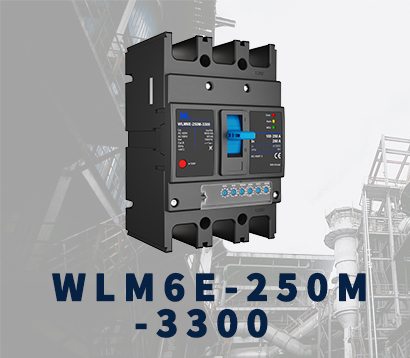
WLM6E-250A-3300
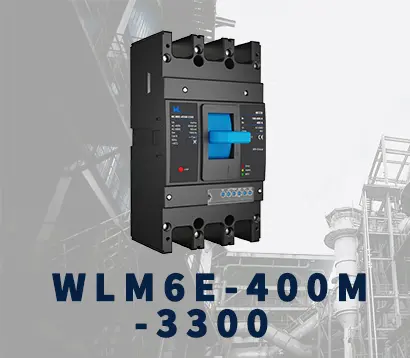
WLM6E-400A-3300 3P/4P
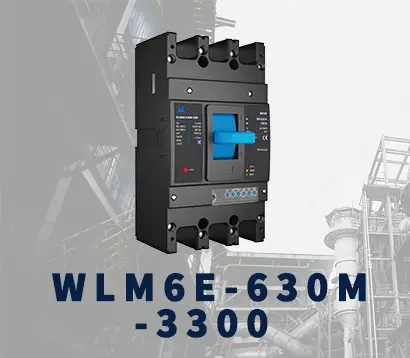
WLM6E-630A-3300
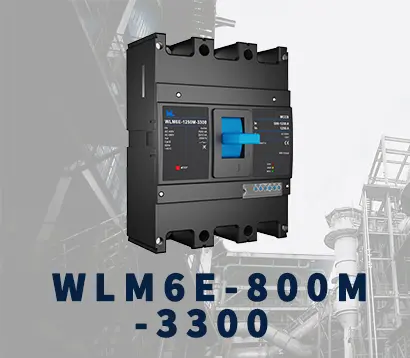
WLM6E-800A-3300 3P/4P
WLM6E-1250A-3300
WLM6E-1600-3300 3P/4P
WLM6E-2000A-3300 3P/4P
WLM8E-250H-3300
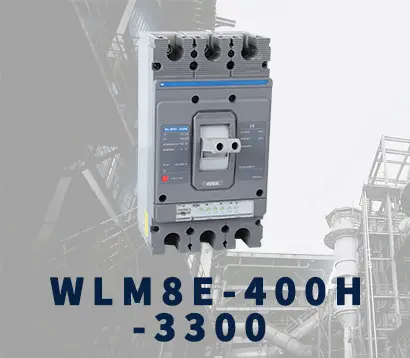
WLM8E-400H-3300
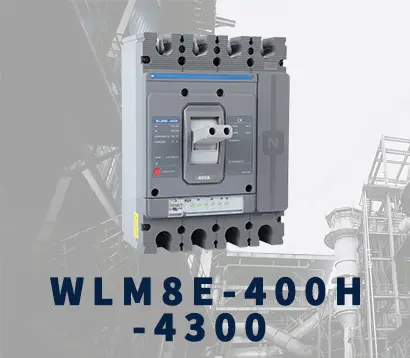
WLM8E-400H-4300
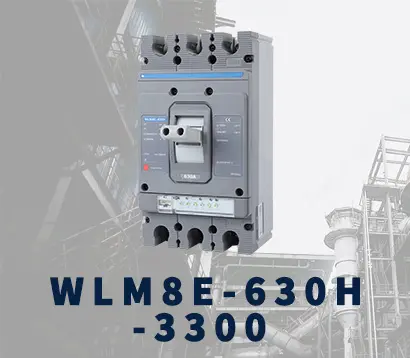
WLM8E-630H-3300
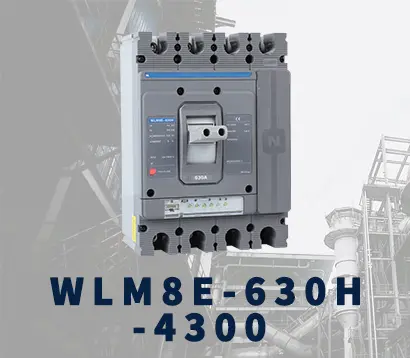
WLM8E-630H-4300
WLM6EY-250-3300 3P/4P
WLM6EY-400 3P/4P
WLM6EY-630 3P/4P
WLM6EY-800A 3P/4P
WLM6EY-1250A 3P/4P
WLM6ELY-160A
WLM6ELY-250A
WLM6ELY-400A
WLM6ELY-800A
WLM6ELY-1250A
WLM8EY-250H-3300
WLM8EY-400H-3300
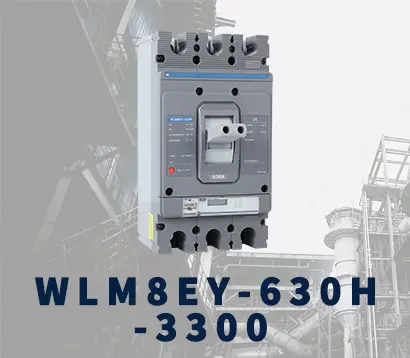
WLM8EY-630H-3300
WLM6LY-125A
WLM6L-160A
WLM6LY-250A
WLM6LY-400A
WLM6LY-800A
WLM6LY-630A
WLM6LY-1250A
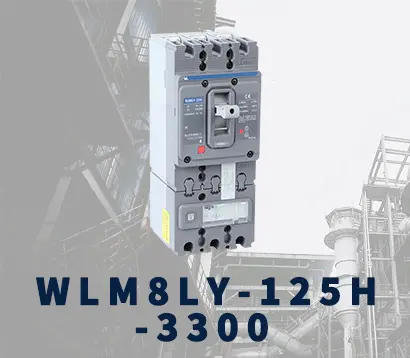
WLM8LY-125H-3300
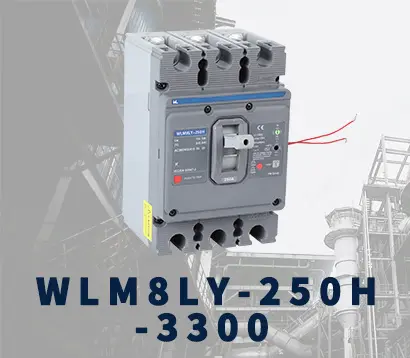
WLM8LY-250H-3300
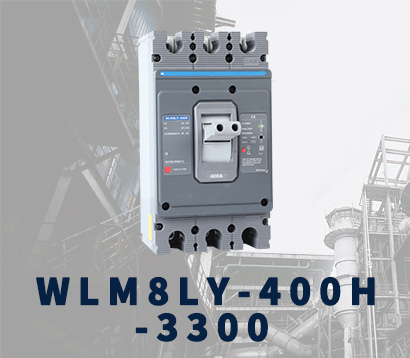
WLM8LY-400H-3300
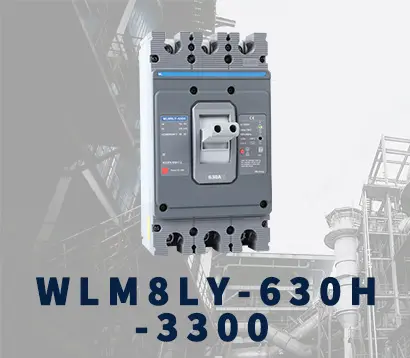
WLM8LY-630H-3300
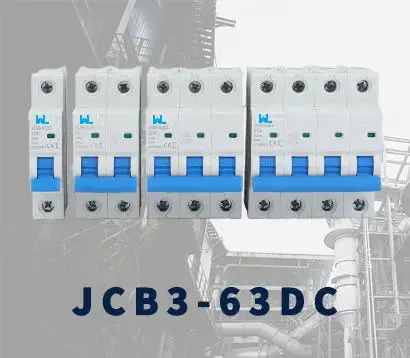
JCB3-63DC
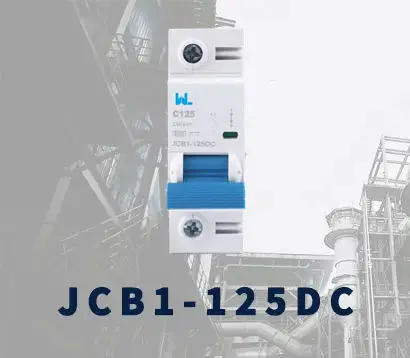
JCB1-125DC
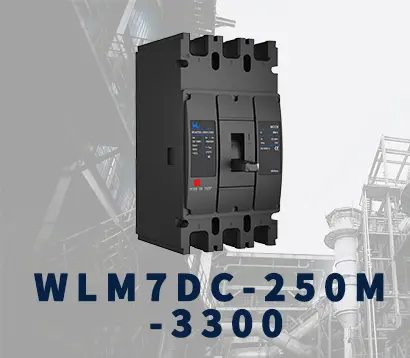
WLM7DC-250A-2300 2P/3P
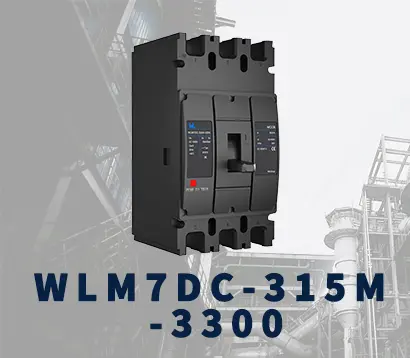
WLM7DC-315A-3300 2P/3P
WLM7DC-400A-2300 2P/3P
WLM7DC-630A-3300 3P
WLM7DC-800A-2300 2P/3P
WLM7DC-400A 2300
WLM7DC-630A-2300 2P
WLM7HU-250-3300 3P
WLM7HU-315-3300 3P
WLM7HU-400-3300 3P
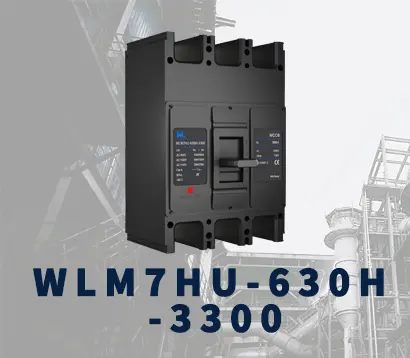
WLM7HU-630-3300 3P
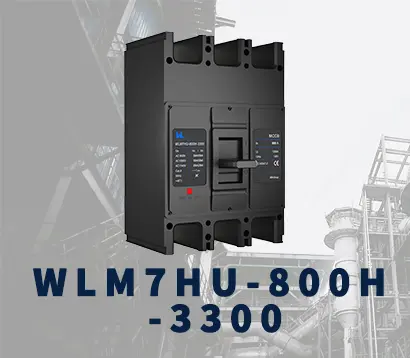
WLM7HU-800-3300 3P
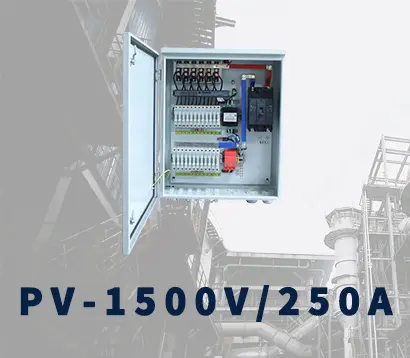
PV-1500V/250A
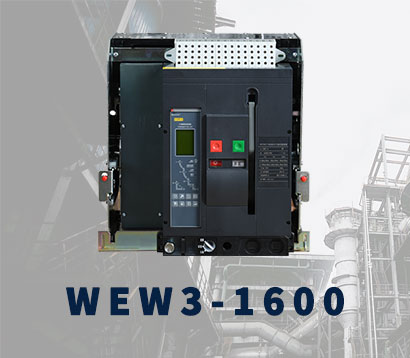
WEW3-1600
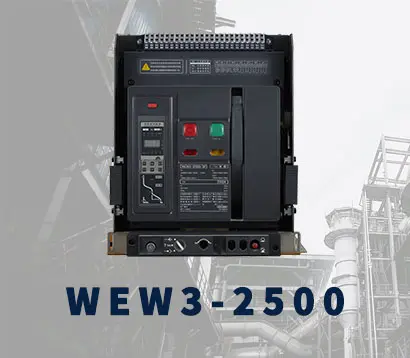
WEW3-2500
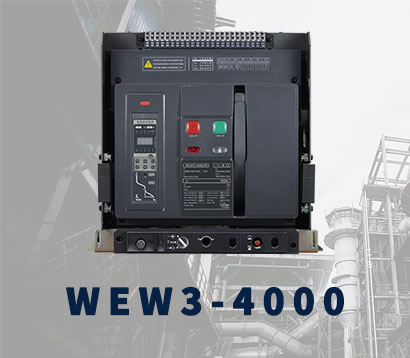
WEW3-4000
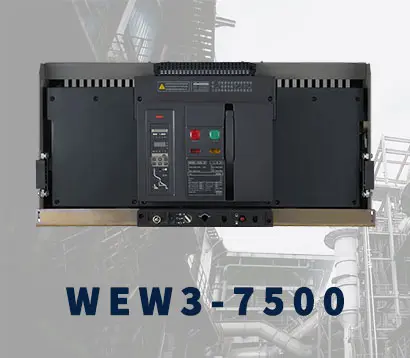
WEW3-7500