What Is an Air Circuit Breaker and How Does It Work?
An Air Circuit Breaker is a low-voltage switching device designed to protect electrical systems from overloads, short circuits, and abnormal current conditions. It uses ordinary atmospheric air to extinguish the arc created when its contacts separate. This detail matters. Inside the breaker, fixed and moving contacts carry current through the circuit. When a fault occurs, the trip unit detects the problem and releases the operating mechanism. The contacts open quickly, while arc chutes divide, cool, and lengthen the arc until current stops.
Arc-flash pioneer Ralph H. Lee highlighted a central protection principle: “The incident energy is a function of the arc duration.” His observation explains why fast tripping is so important. A breaker may appear large and dependable, yet poor settings or delayed maintenance can increase danger. Real protection depends on coordination, interrupting capacity, contact condition, and correct installation.
The design is practical, but not flawless. An Air Circuit Breaker cannot correct every electrical mistake. A wrong trip setting may allow damaging current to continue. Worn contacts may create heat before anyone notices. Dust inside the arc chamber can also reduce performance. Modern units often include electronic trip releases, adjustable protection functions, and draw-out mechanisms for safer inspection. However, these features do not replace testing. Technicians should verify ratings, torque connections, inspect contact wear, and follow the manufacturer’s procedures. The following guide explains how an Air Circuit Breaker operates, where it fits in a distribution system, and why maintenance decisions can determine whether a fault becomes a brief interruption or a serious equipment event.
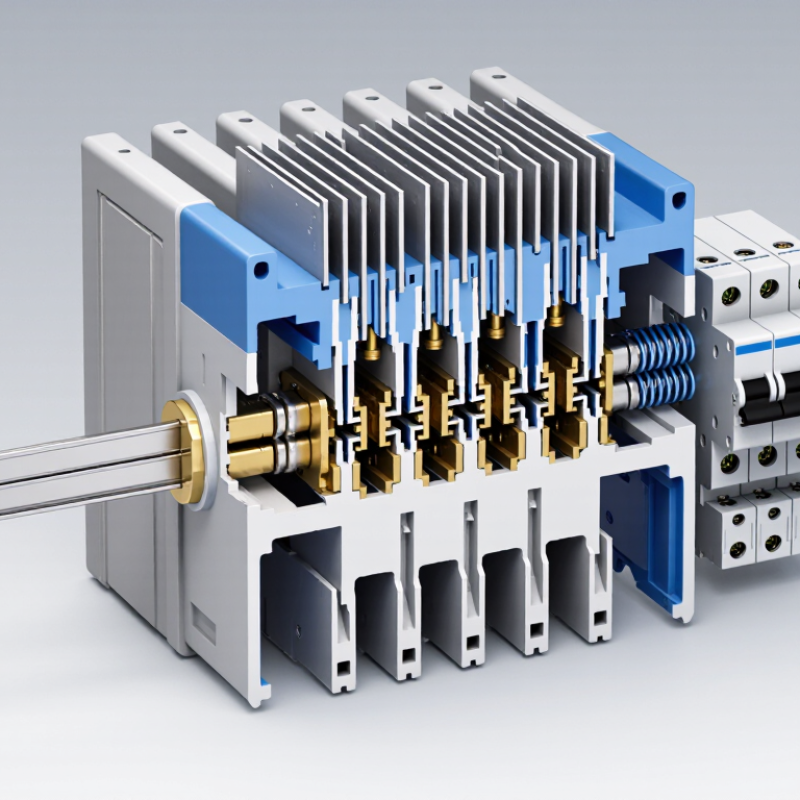
Definition and Purpose of an Air Circuit Breaker
An air circuit breaker (ACB) is a low-voltage switching and protection device. It uses ordinary air to extinguish the arc between opening contacts. Unlike a fuse, it can be reset after a fault. Its main purpose is protecting generators, transformers, busbars, and large distribution panels from dangerous current conditions.
An ACB detects overloads, short circuits, and sometimes ground faults through an electronic trip unit. When the measured current exceeds its setting, the mechanism opens the contacts. Arc chutes cool and divide the arc until current stops safely. Many ACBs also support isolation, manual switching, remote operation, and selective coordination. These features help keep one faulty feeder from shutting down an entire facility.
NFPA’s Electrical Fires report for 2015–2019 recorded an estimated annual average of 35,150 U.S. home structure fires involving electrical distribution and lighting equipment. The figure does not represent ACB failures, but it shows why dependable protection matters. In field work, the weak point is often human. Incorrect trip settings, poor maintenance, or loose connections can defeat good equipment. Perfect protection is not realistic.
Tips: Check the breaker’s rated current, short-circuit rating, and trip settings together. Inspect contact wear, arc chutes, terminals, and insulation during scheduled maintenance. NFPA 70B recommends documented, risk-based electrical maintenance. Test results should be recorded, not remembered.
Main Components and Their Functions
What Is an Air Circuit Breaker and How Does It Work?
An air circuit breaker uses atmospheric air to extinguish arcs during switching. It protects low-voltage power systems from overloads, short circuits, and abnormal current conditions. Unlike a simple switch, it can interrupt heavy fault current and operate repeatedly under controlled conditions.
The fixed and moving contacts carry current during normal operation. When a fault occurs, the operating mechanism separates these contacts quickly. An arc then forms between them. The arc chute divides, cools, and lengthens the arc until it goes out. Its internal plates must remain clean and correctly aligned. Small damage can reduce interruption performance.
The trip unit measures current through sensors or magnetic elements. It detects long-duration overloads and sudden short circuits. A thermal function may respond slowly to heating. A magnetic or electronic function reacts much faster. The operating mechanism stores energy in springs, then releases it to open the contacts. The closing coil and opening coil control remote operation. Auxiliary contacts report the breaker’s position to monitoring equipment.
Insulated terminals connect the breaker to busbars or cables. A strong frame keeps the assembly rigid during fault forces. Maintenance staff should inspect contact wear, insulation, arc chutes, and trip settings. Testing should follow the equipment’s rated procedures and qualified electrical practice. In real installations, settings are not always perfect. A protection study may reveal coordination problems after expansion or load changes. That detail is easy to miss.
How an Air Circuit Breaker Interrupts Current
An air circuit breaker interrupts current by separating contacts in open air. Under normal conditions, the contacts carry load current through a low-resistance path. When an overload or short circuit appears, the trip mechanism releases the contacts within milliseconds. An arc then forms between them. This is expected, not a failure.
The arc is driven toward an arc chute by magnetic forces and shaped arc runners. Inside the chute, splitter plates divide the arc into smaller sections. These sections cool, lengthen, and lose electrical conductivity. When alternating current reaches its natural zero point, the weakened arc extinguishes. The surrounding air must then recover enough dielectric strength to prevent reignition. IEC 60947-2 provides requirements for low-voltage circuit-breakers, including rated short-circuit performance and insulation coordination. The IEA’s Electricity 2024 report recorded a 2.2% increase in global electricity demand during 2023. More energized equipment means interruption reliability deserves close attention, though demand growth alone does not prove better breaker performance.
Tips: Check contact wear, arc-chute cleanliness, and trip-unit settings during maintenance. Do not rely only on visual inspection. A breaker can look clean and still fail a timing test. Record opening time and insulation resistance against previous readings. That comparison is often more useful than a single pass result. The interruption process sounds simple, but heat, dust, and repeated faults gradually change it. Some explanations understate this. Field conditions are rarely perfect.
What Is an Air Circuit Breaker and How Does It Work? - How an Air Circuit Breaker Interrupts Current
| Data Dimension | Typical Value or Description | Technical Explanation |
|---|---|---|
| Device Type | Low-voltage air circuit breaker | A reusable electrical protection device that opens a circuit during abnormal current conditions. Air is used as the medium for extinguishing the electrical arc. |
| Primary Function | Protection, switching, and isolation | It protects conductors and equipment from overloads and short circuits, while also allowing authorized operators to switch or isolate electrical circuits. |
| Arc-Quenching Medium | Atmospheric air | When contacts separate, an arc forms between them. The breaker uses contact movement, arc runners, splitter plates, and air circulation to cool, lengthen, divide, and extinguish the arc. |
| Common Voltage Class | Up to approximately 1,000 V AC | Air circuit breakers are commonly used in low-voltage distribution systems. The exact rating depends on the system design and the applicable electrical standard. |
| Typical Continuous Current | Approximately 630 A to 6,300 A | The continuous-current range varies by frame size and construction. The selected rating must match the system load, conductor capacity, ambient conditions, and coordination requirements. |
| Short-Circuit Interrupting Rating | Commonly tens of kiloamperes | The interrupting rating indicates the maximum prospective short-circuit current the breaker can safely interrupt at its specified voltage. It must be equal to or greater than the available fault current. |
| Normal Current Path | Main contacts and arcing contacts | During normal operation, current flows through low-resistance main contacts. Separate arcing contacts may open after the main contacts to help protect the primary current-carrying surfaces. |
| Overload Protection | Long-time delay trip | A sustained current above the configured pickup level produces a delayed trip. The delay allows temporary inrush or minor overloads to pass while protecting cables and equipment from overheating. |
| Short-Circuit Protection | Short-time or instantaneous trip | A high fault current causes the mechanism to trip rapidly. Short-time delay settings may be used for selective coordination, while instantaneous protection minimizes equipment stress during severe faults. |
| Ground-Fault Protection | Optional or integrated function | A sensing system can detect current flowing unintentionally to ground and initiate a trip when the measured ground-fault current exceeds its configured threshold. |
| Current Sensing | Electronic sensors or current transformers | The trip unit measures phase current and, where applicable, neutral or ground current. It compares the measurements with programmed protection characteristics. |
| Trip Mechanism | Stored-energy mechanical mechanism | A charged spring or similar mechanism provides the force needed to open the contacts quickly. This helps reduce the duration of arcing during a fault. |
| Current Interruption Sequence | Trip signal → contact separation → arc control → arc extinction | The trip unit releases the operating mechanism, the contacts separate, the arc is driven into the arc chute, and the arc is extinguished when its energy falls and the circuit cannot re-establish conduction. |
| Arc Chute Function | Cooling, splitting, and deionization | Arc chute plates divide the arc into smaller sections, increase its effective length, absorb heat, and help deionize the gap between the separated contacts. |
| AC Current Interruption | Usually assisted by current zero | In an AC system, the current naturally reaches zero twice per cycle. The breaker uses this moment, together with arc cooling and contact spacing, to prevent the arc from reigniting. |
| Breaker Configuration | Fixed or draw-out | A fixed breaker remains installed in its mounting position. A draw-out design can be moved between connected, test, and disconnected positions to support maintenance and operational isolation. |
| Typical Applications | Main switchboards, generators, transformers, and large distribution panels | Air circuit breakers are commonly used where high continuous current, adjustable protection, frequent switching, or system-level isolation is required. |
| Reset Method | Manual or electrically operated reset | After the fault has been investigated and cleared, the breaker can generally be reset manually or through an approved electrical operating mechanism, depending on its configuration. |
| Key Selection Factors | Voltage, current, fault level, trip settings, poles, and installation method | Correct selection requires coordination with the system's load profile, available fault current, conductor ratings, environmental conditions, protection study, and maintenance procedures. |
| Important Safety Principle | A trip does not remove all electrical hazards | Even after a breaker opens, upstream sources, stored energy, backfeed, or energized terminals may remain. Isolation, lockout/tagout, verification of absence of voltage, and qualified personnel are required before work. |
Note: The ratings shown are typical industry ranges for low-voltage air circuit breakers. Actual performance and settings must be confirmed using the equipment documentation, system fault study, and applicable electrical standards.
Protection Features and Operating Mechanisms
An air circuit breaker (ACB) uses ordinary air to interrupt current in low-voltage power systems. Its main duty is protection. It opens the circuit when current becomes dangerous. Unlike a fuse, it can be reset and tested after a trip. The breaker monitors overloads, short circuits, and sometimes ground faults through an electronic trip unit. Settings must match the cable and equipment. Poor settings can create false trips or delayed protection.
The operating sequence is carefully controlled. During normal service, spring-loaded contacts carry current with low resistance. A closing mechanism charges the springs, either manually or with a motor. When a fault is detected, a trip coil releases the latch. The contacts separate rapidly. An arc forms between them. Arc runners guide it into an arc chute, where metal plates divide, cool, and weaken the arc. Air then helps the current stop safely. Fast action matters.
Practical inspection reveals details that diagrams often miss. Technicians check contact wear, loose terminals, unusual heat marks, and clean movement. They also test trip functions under controlled conditions. Mechanical and electrical interlocks prevent unsafe closing or access. Undervoltage releases and shunt trips provide additional control during emergencies. No protection arrangement is perfect. A correctly selected breaker can still fail after neglected maintenance, incorrect coordination, or a damaged trip circuit. Settings deserve review whenever loads, cables, or fault levels change.
Common Applications and Selection Considerations
An air circuit breaker (ACB) is a low-voltage protection device that interrupts excessive current in open air. Its contacts separate when a trip unit detects overload, short circuit, or ground-fault conditions. The resulting arc moves into arc chutes, where metal plates divide, cool, and extinguish it. Many ACBs also support adjustable long-time, short-time, instantaneous, and earth-fault protection. This flexibility suits large switchboards, but it requires careful commissioning.
Common applications include industrial plants, commercial buildings, hospitals, transport facilities, and data centers. The International Energy Agency’s Electricity 2024 report estimates that data centers used about 460 TWh globally in 2022. Their consumption could exceed 1,000 TWh by 2026. Reliable main and tie protection is therefore increasingly important in high-load facilities. ACBs also help maintenance teams isolate sections safely, especially where frequent switching or drawout construction is required.
Selection should begin with system voltage, continuous current, short-circuit current, and installation altitude. Compare the breaker’s service breaking capacity, not only its ultimate rating. Protection settings must coordinate with downstream devices to reduce unnecessary outages. Check busbar temperature rise, enclosure dimensions, mechanical endurance, communication needs, and available space for cable termination. IEC 60947-2 provides a recognized framework for low-voltage circuit-breaker performance. A neat rating table can still mislead. Actual fault studies, thermal measurements, and maintenance access may change the best choice. A slightly oversized ACB is not automatically safer.
Related Posts
-
What Is a China Air Circuit Breaker and How Does It Work?
-
7 Tips for Choosing the Right ACB Breaker?
-
Top China Air Breaker Circuit Breaker Suppliers for Global Buyers?
-
Top 10 Air Breakers in China for Global Buyers to Consider?
-
Best Air Breaker Solutions for Global Procurement Needs?
-
2026 Top Air Breaker Circuit Breaker Innovations and Trends?

JCB1-125
JCB2-40M
JCB3-63DC
JCB3-80H
JCB3-80M
JCBH-125
JC125-4P
JCMX
JCSD
JCOF
JCMX1-125
JCOF1-125
JCSD1-125
JCR3HM
JCRD2-125
JCRD4-125
JCRB2-100
JC3RH-2P
JC3RH-S
JC3RH-B
JC3RH-BS
JCR2-63
JCR1-40
JCB2LE-80M
JCB2LE-80M
JCB2LE-80M
JCB2LE-40M
JCB1LE-125
JCB3LM-80
JCH2-125
JCH2-125
CJX2
CJ19
JCMCU
JCHA
JCSD-40
JCSD-60
JCSP-40
JCSP-60
JCSPV
WEW1-1000
WEW1-1600
WEW1-2000
WEW1-3200
WEW1-4000
WEW1-6300
DC6-125
AX-400-1250
AXAL-400-1250A
AL-400-1250
DC3-160
AXS-400-1250A
SHT-125-160
UVT-125-160A
P-250A-3P-A
400-3P/4P terminal cover
1250-3Pmccb accessories busbar
250-3P terminal conver
WLM6-TCV-160A-3P
WLM6-MIP-250A
WLM6-125A-3300 3P/4P
WLM6-160A-3300 3P/4P
WLM6-250A-3300 3P/4P
WLM6-400A-3300 3P/4P
WLM6-630A-3300 3P/4P
WLM6-800A-3300 3P/4P
WLM6-1250A-3300 3P/4P
WLM6-1600A-3300 3P/4P
WLM6-2000A 3P/4P
WLM8-125H-3300
WLM8-250H-3300
WLM8-400H-3300
WLM8-400H-4300
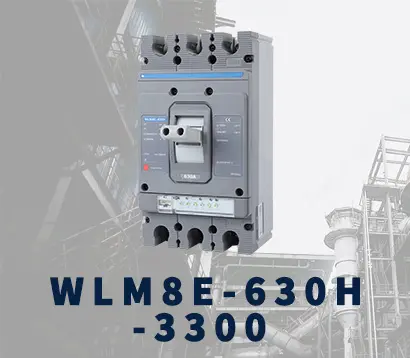
WLM8-630H-3300
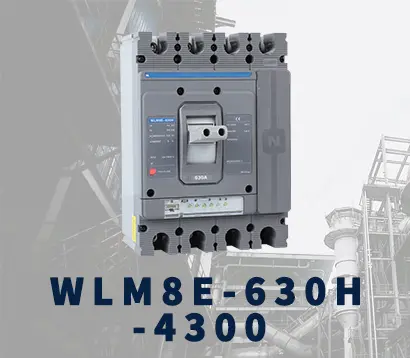
WLM8-630H-4300
WLM6RT-125A
WLM6RT-160A
WLM6RT-250A
WLM6RT-400A
WLM6RT-630A
WLM6RT-800A
WLM6RT-1250A
WLM6E-160A-3300 3P
WLM6E-250A-3300
WLM6E-400A-3300 3P/4P
WLM6E-630A-3300
WLM6E-800A-3300 3P/4P
WLM6E-1250A-3300
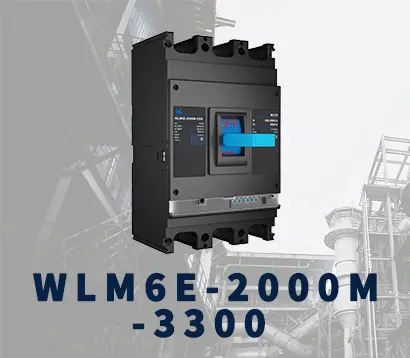
WLM6E-1600-3300 3P/4P
WLM6E-2000A-3300 3P/4P
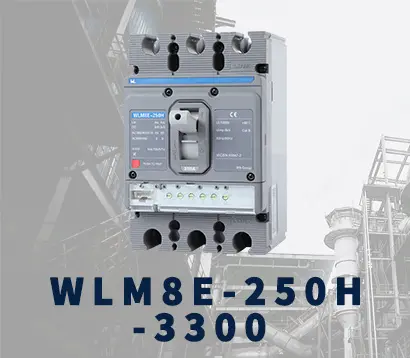
WLM8E-250H-3300
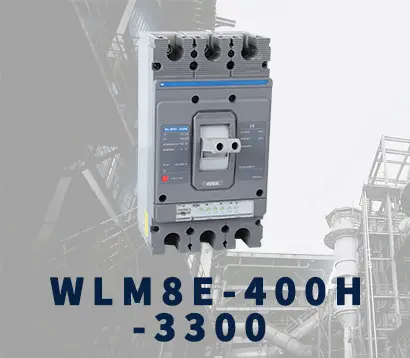
WLM8E-400H-3300
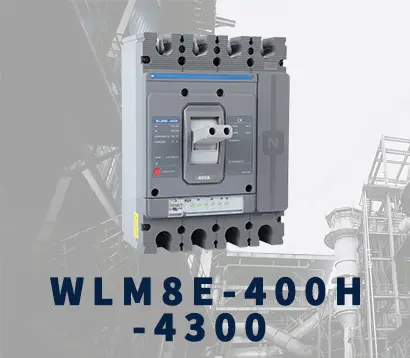
WLM8E-400H-4300
WLM8E-630H-3300
WLM8E-630H-4300
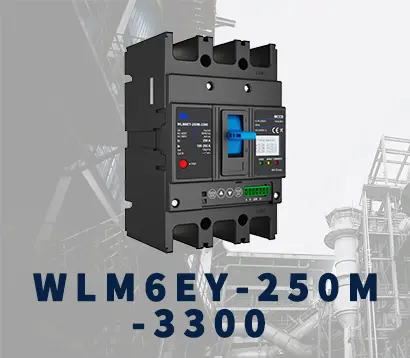
WLM6EY-250-3300 3P/4P
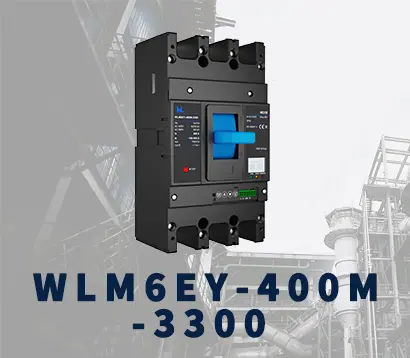
WLM6EY-400 3P/4P
WLM6EY-630 3P/4P
WLM6EY-800A 3P/4P
WLM6EY-1250A 3P/4P
WLM6ELY-160A
WLM6ELY-250A
WLM6ELY-400A
WLM6ELY-800A
WLM6ELY-1250A
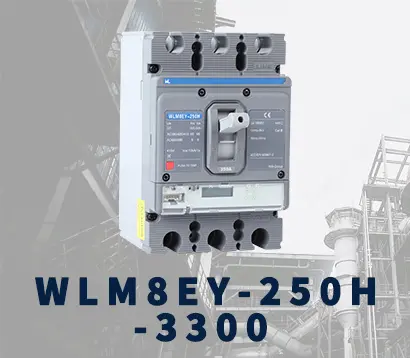
WLM8EY-250H-3300
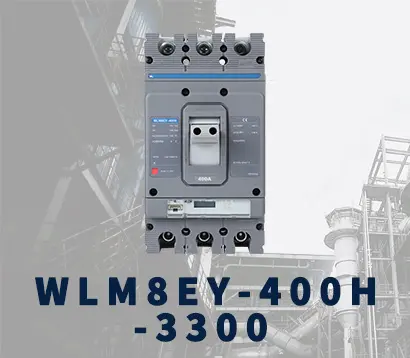
WLM8EY-400H-3300
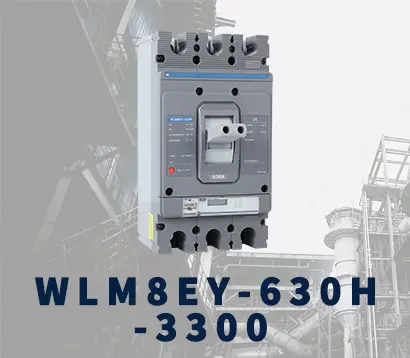
WLM8EY-630H-3300
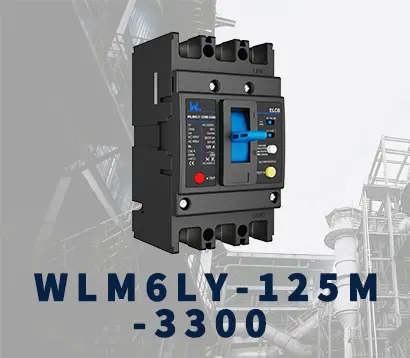
WLM6LY-125A
WLM6L-160A
WLM6LY-250A
WLM6LY-400A
WLM6LY-800A
WLM6LY-630A
WLM6LY-1250A
WLM8LY-125H-3300
WLM8LY-250H-3300
WLM8LY-400H-3300
WLM8LY-630H-3300
JCB3-63DC
JCB1-125DC
WLM7DC-250A-2300 2P/3P
WLM7DC-315A-3300 2P/3P
WLM7DC-400A-2300 2P/3P
WLM7DC-630A-3300 3P
WLM7DC-800A-2300 2P/3P
WLM7DC-400A 2300
WLM7DC-630A-2300 2P
WLM7HU-250-3300 3P
WLM7HU-315-3300 3P
WLM7HU-400-3300 3P
WLM7HU-630-3300 3P
WLM7HU-800-3300 3P
PV-1500V/250A
WEW3-1600
WEW3-2500
WEW3-4000
WEW3-7500