
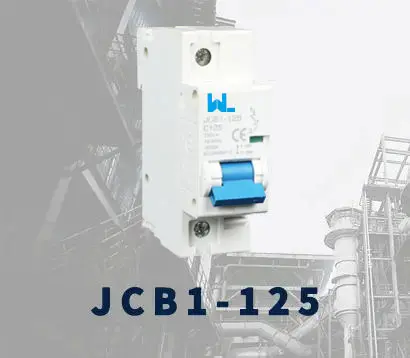
 JCB1-125
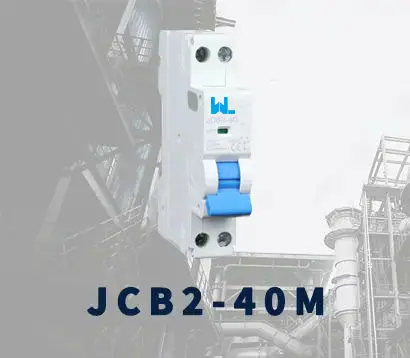 JCB2-40M
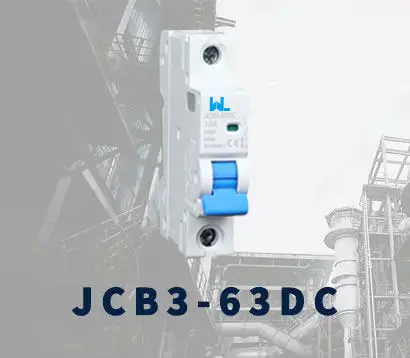 JCB3-63DC
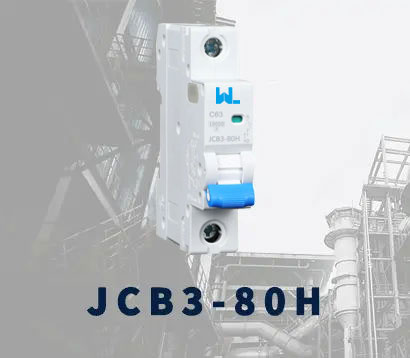 JCB3-80H
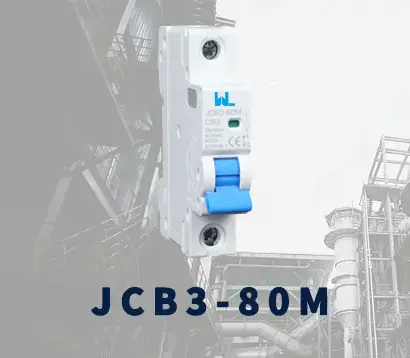 JCB3-80M
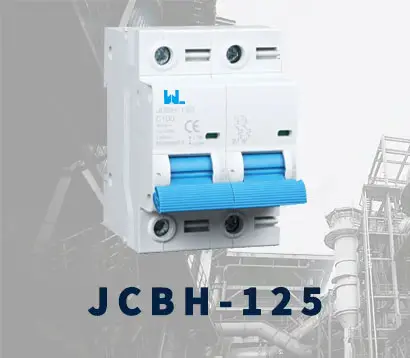 JCBH-125
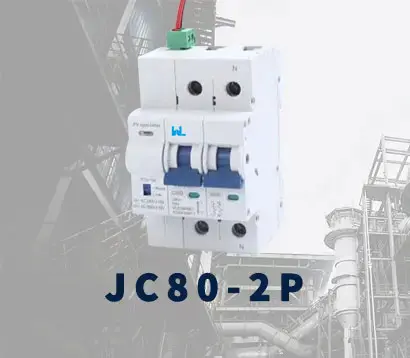 JC80-2P
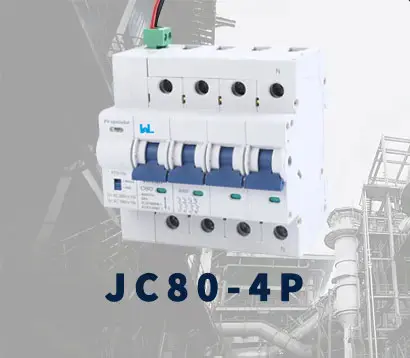 JC80-4P
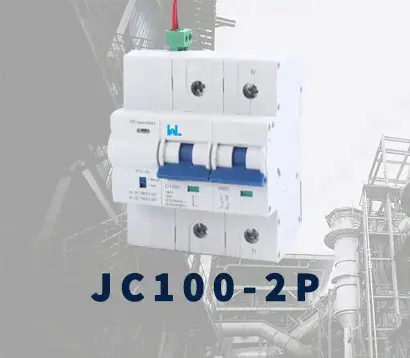 JC125-2P
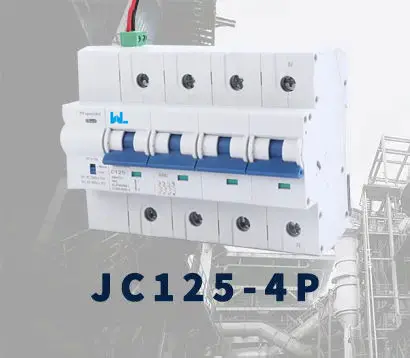 JC125-4P
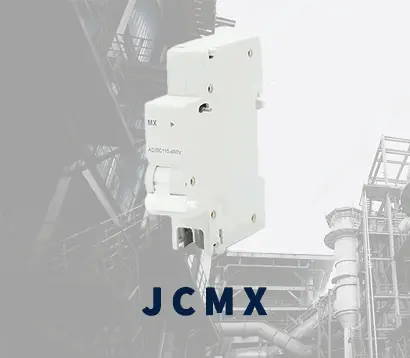 JCMX
JCMX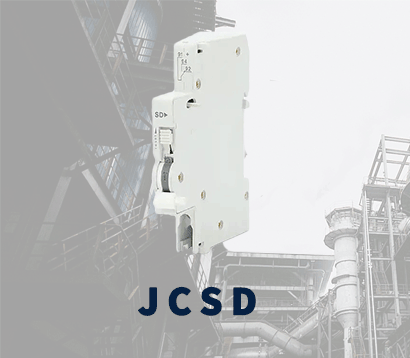 JCSD
JCSD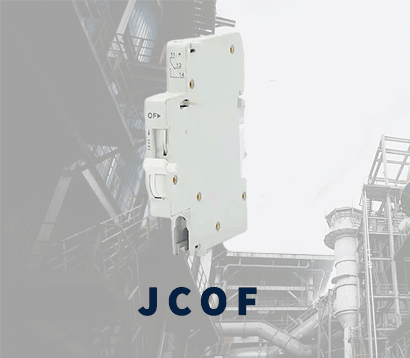 JCOF
JCOF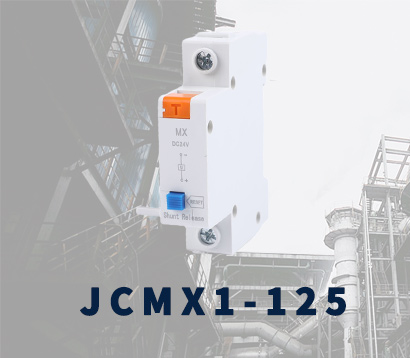 JCMX1-125
 JCOF1-125
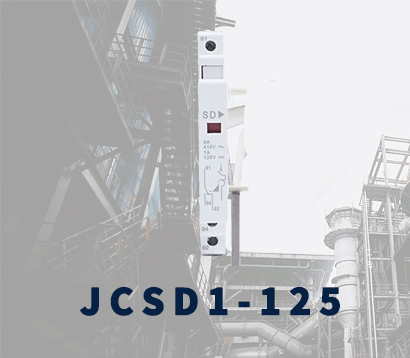 JCSD1-125
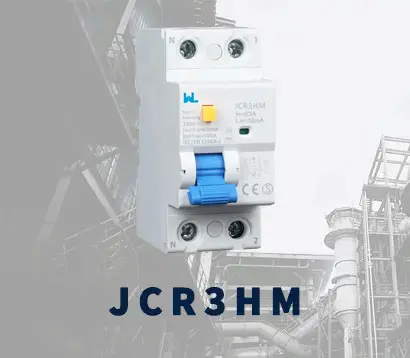 JCR3HM
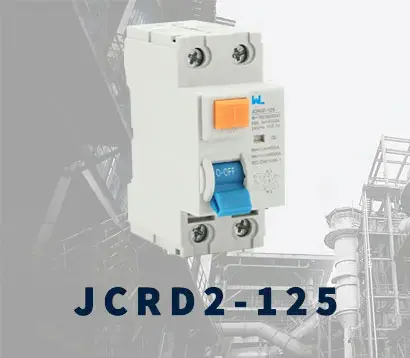 JCRD2-125
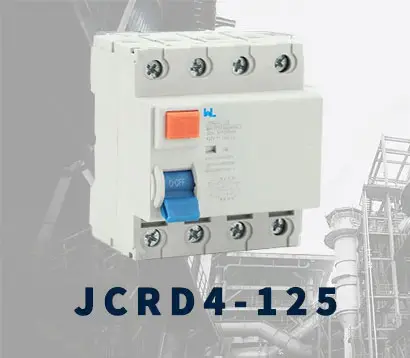 JCRD4-125
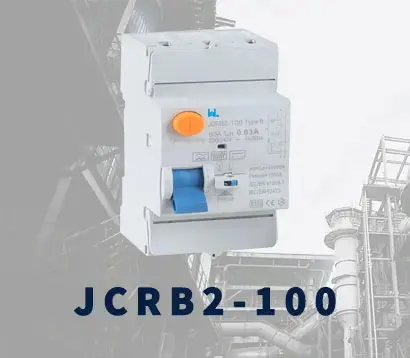 JCRB2-100
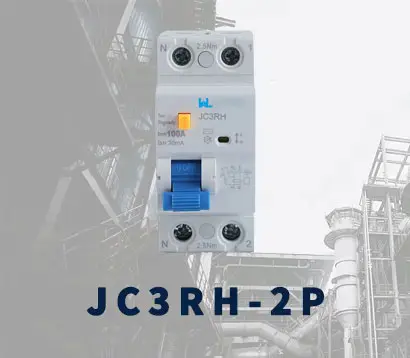 JC3RH-2P
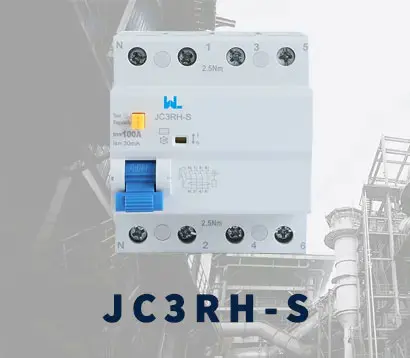 JC3RH-S
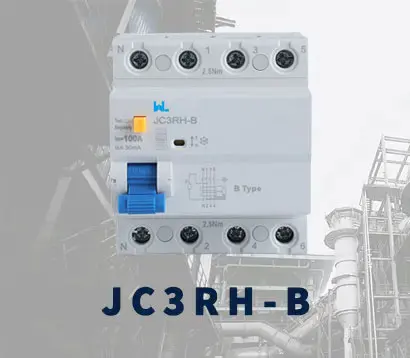 JC3RH-B
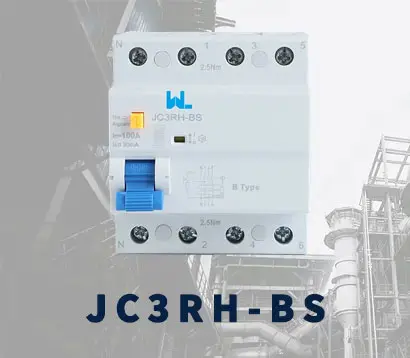 JC3RH-BS
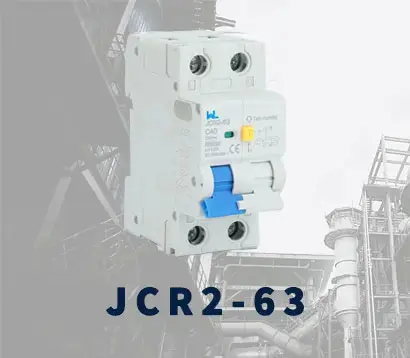 JCR2-63
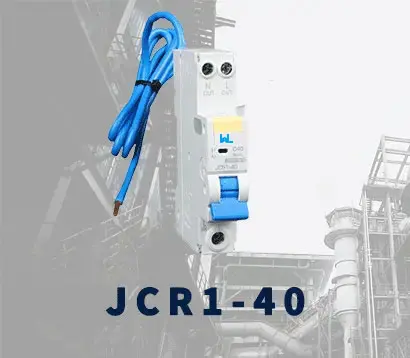 JCR1-40
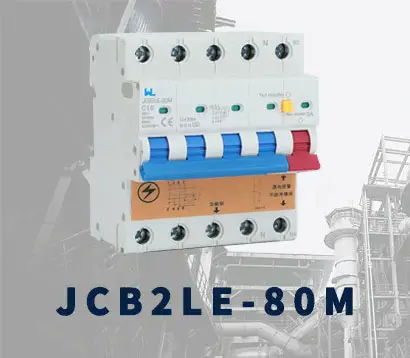 JCB2LE-80M
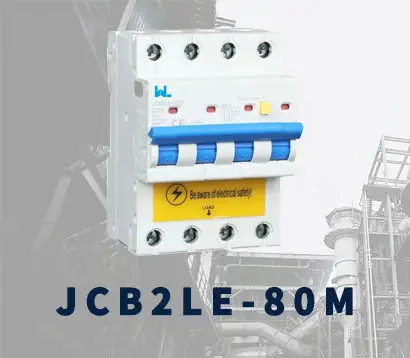 JCB2LE-80M
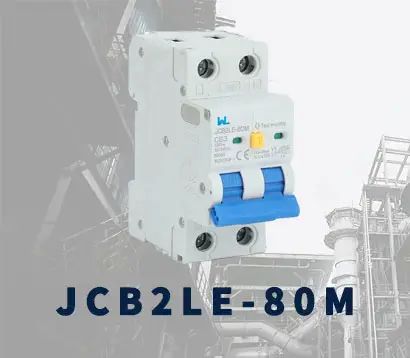 JCB2LE-80M
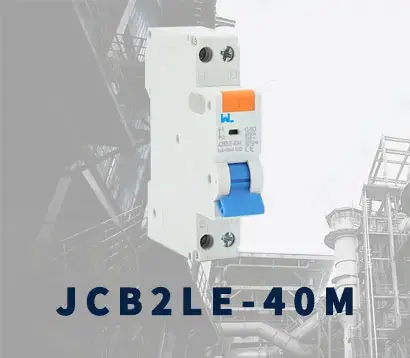 JCB2LE-40M
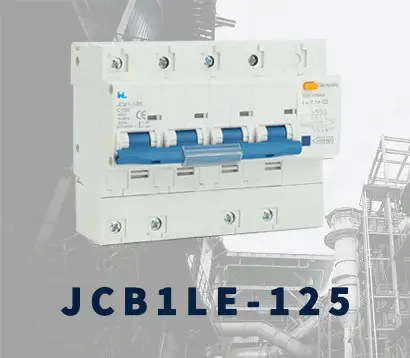 JCB1LE-125
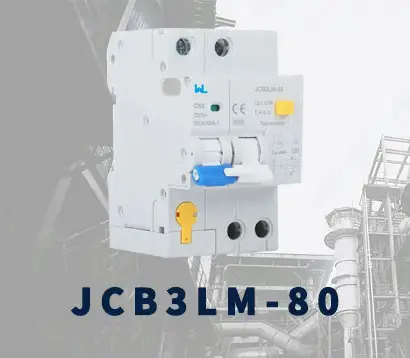 JCB3LM-80
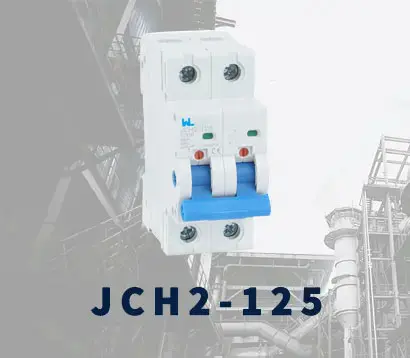 JCH2-125
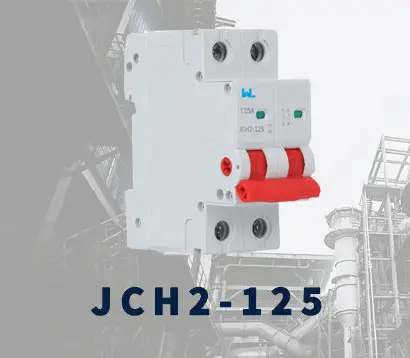 JCH2-125
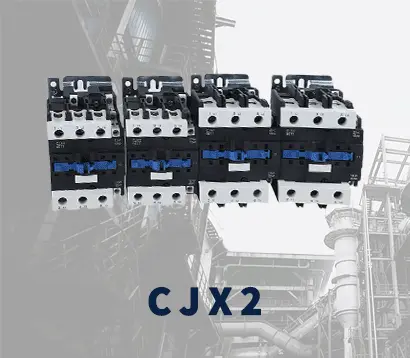 CJX2
CJX2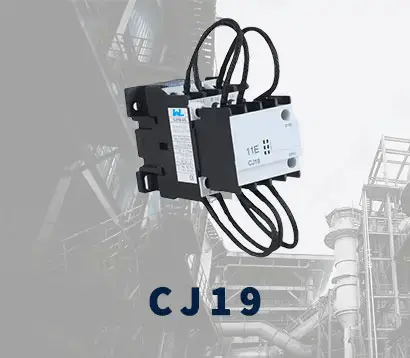 CJ19
CJ19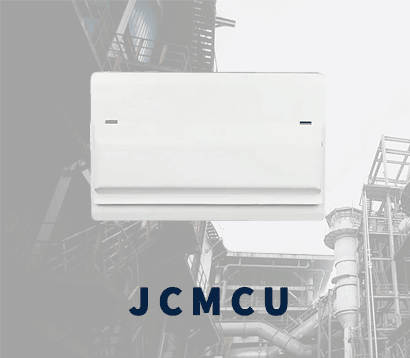 JCMCU
JCMCU JCHA
JCHA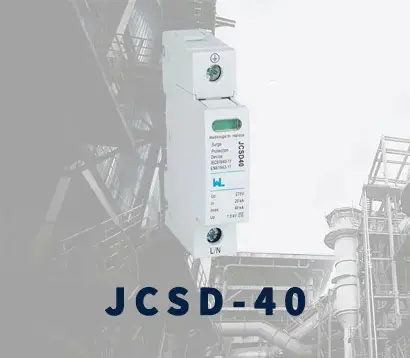 JCSD-40
 JCSD-60
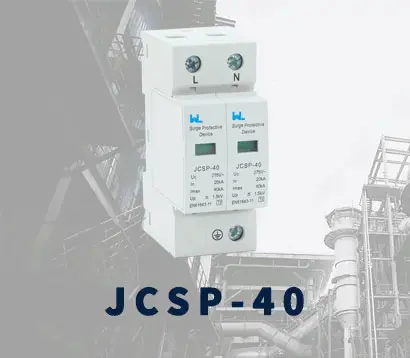 JCSP-40
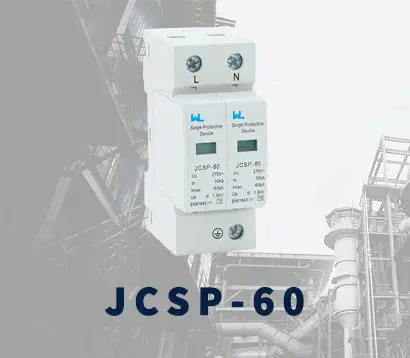 JCSP-60
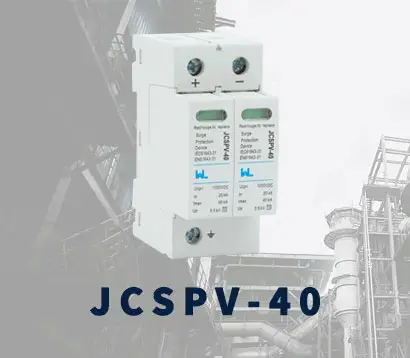 JCSPV
JCSPV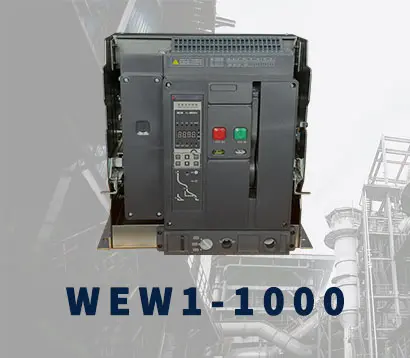 WEW1-1000
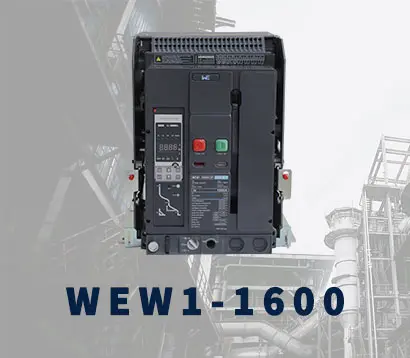 WEW1-1600
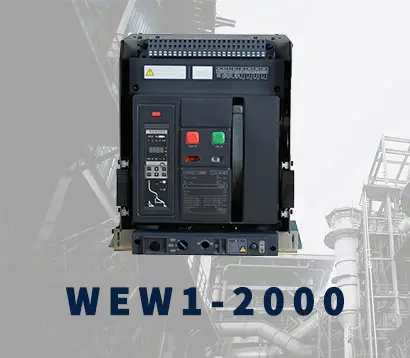 WEW1-2000
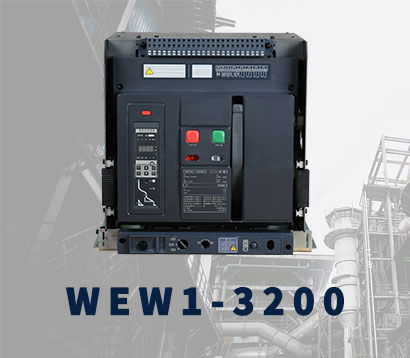 WEW1-3200
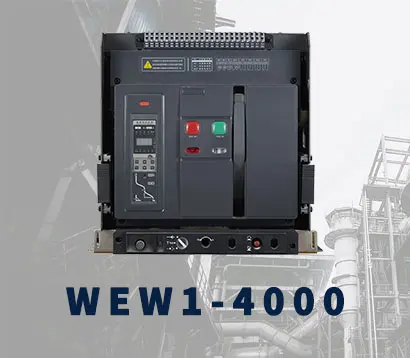 WEW1-4000
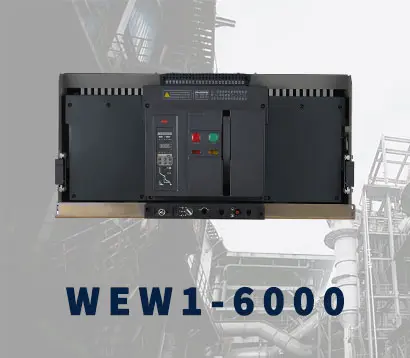 WEW1-6300
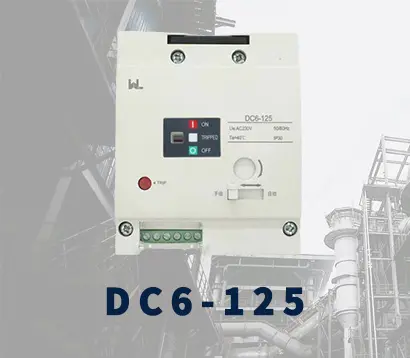 DC6-125
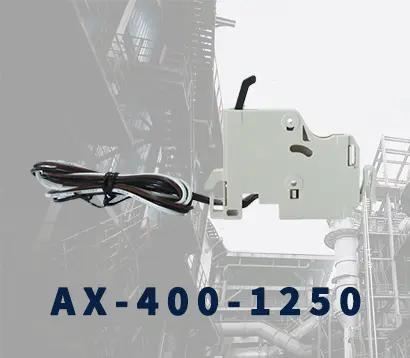 AX-400-1250
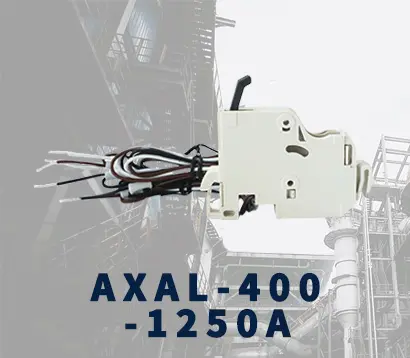 AXAL-400-1250A
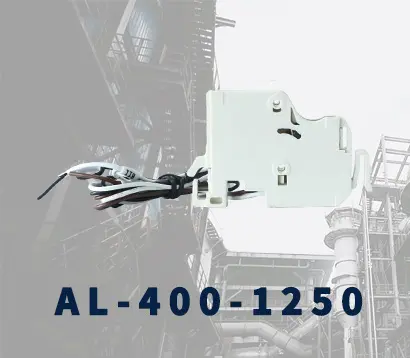 AL-400-1250
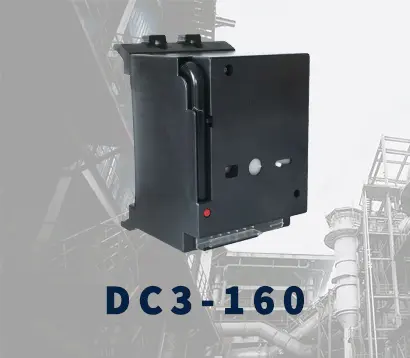 DC3-160
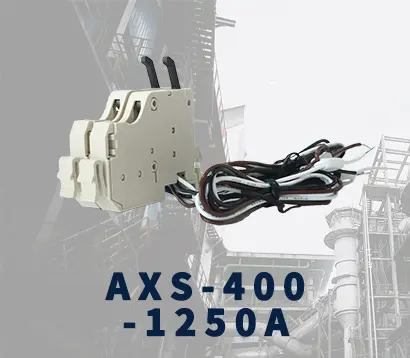 AXS-400-1250A
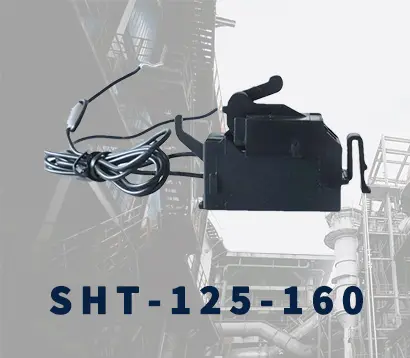 SHT-125-160
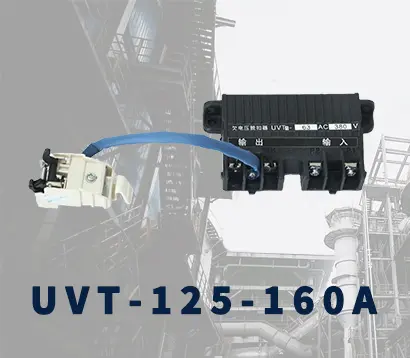 UVT-125-160A
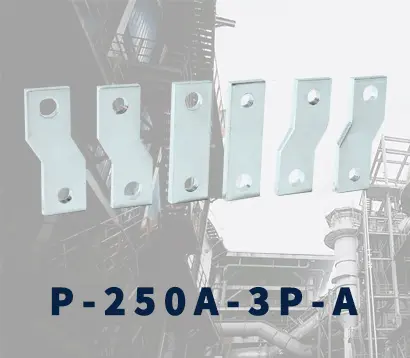 P-250A-3P-A
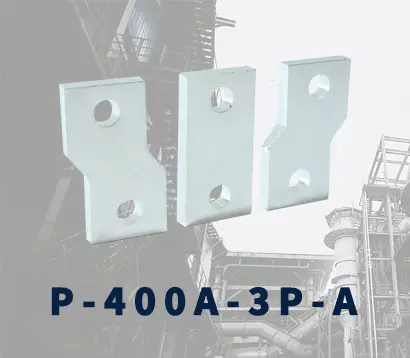 400-3P/4P terminal cover
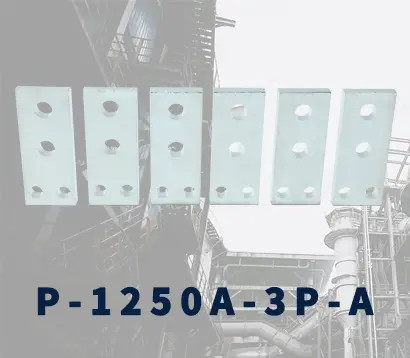 1250-3Pmccb accessories busbar
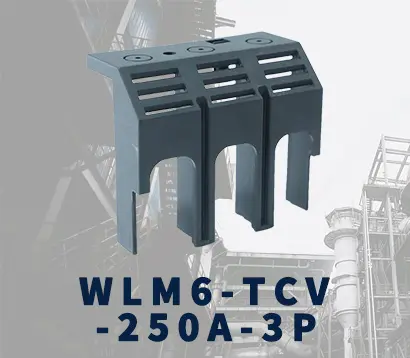 250-3P terminal conver
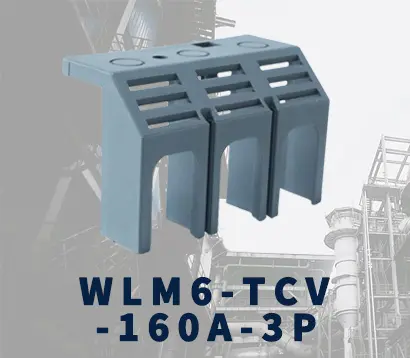 WLM6-TCV-160A-3P
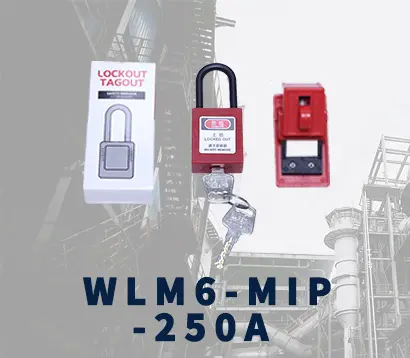 WLM6-MIP-250A
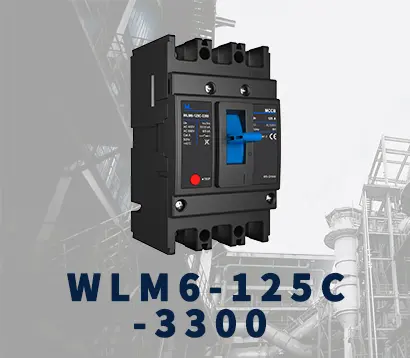 WLM6-125A-3300 3P/4P
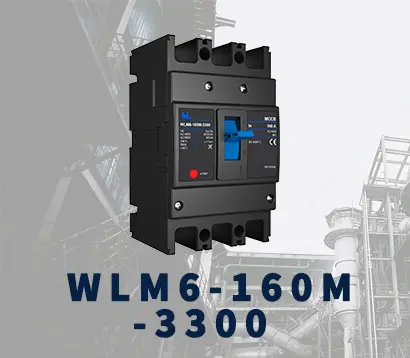 WLM6-160A-3300 3P/4P
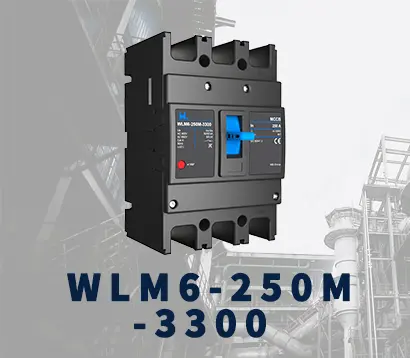 WLM6-250A-3300 3P/4P
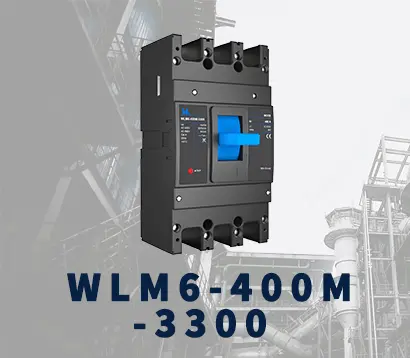 WLM6-400A-3300 3P/4P
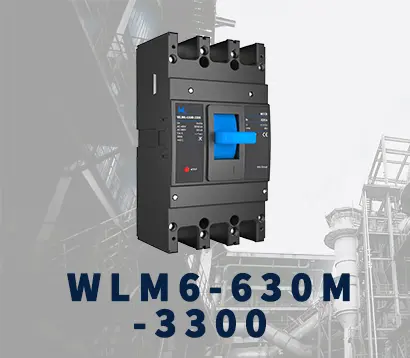 WLM6-630A-3300 3P/4P
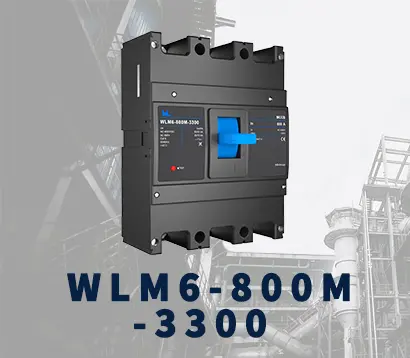 WLM6-800A-3300 3P/4P
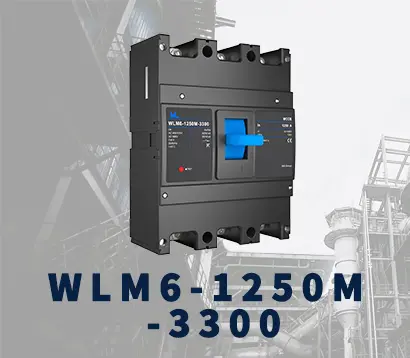 WLM6-1250A-3300 3P/4P
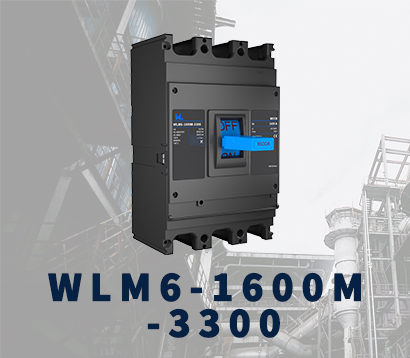 WLM6-1600A-3300 3P/4P
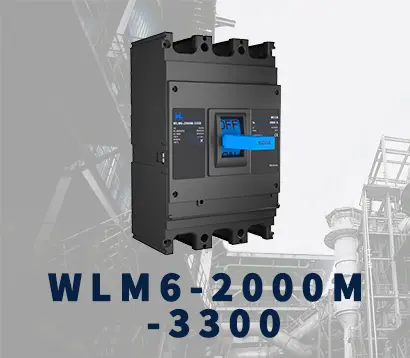 WLM6-2000A 3P/4P
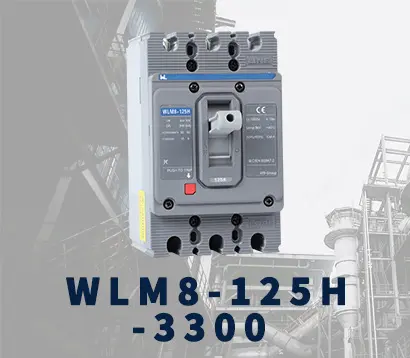 WLM8-125H-3300
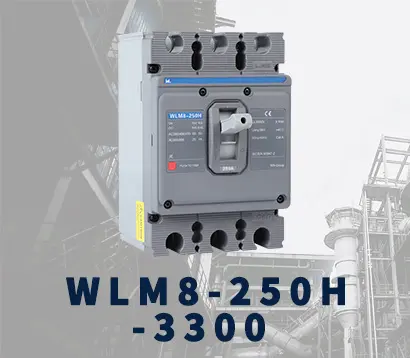 WLM8-250H-3300
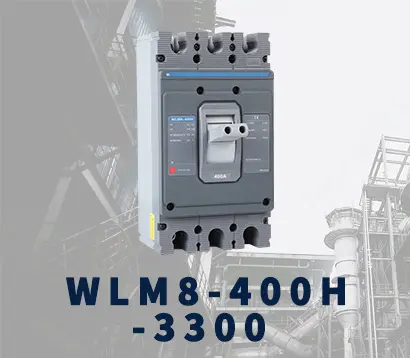 WLM8-400H-3300
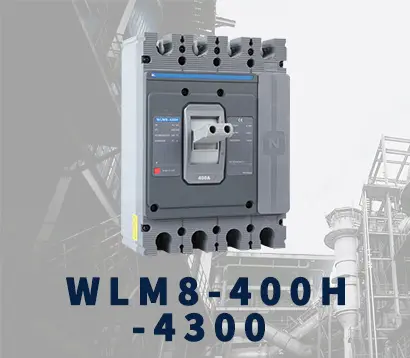 WLM8-400H-4300
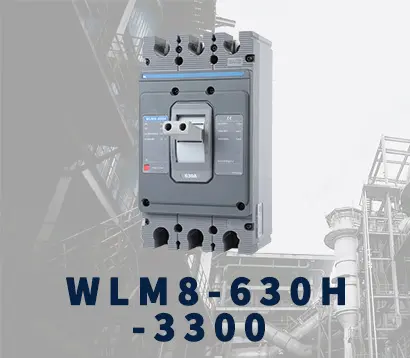 WLM8-630H-3300
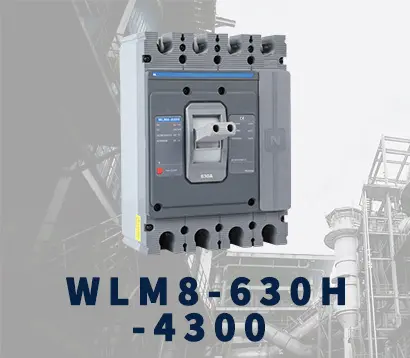 WLM8-630H-4300
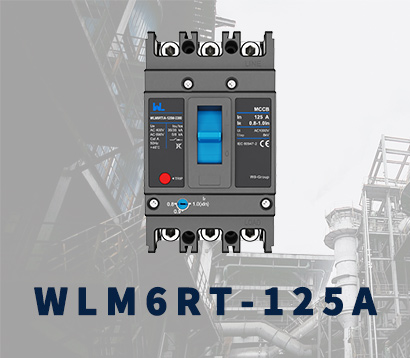 WLM6RT-125A
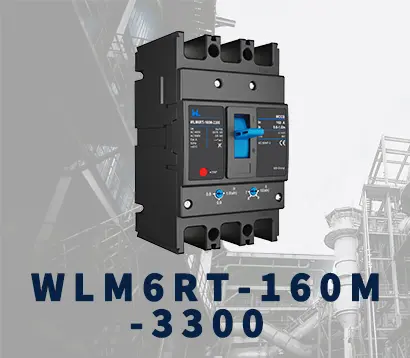 WLM6RT-160A
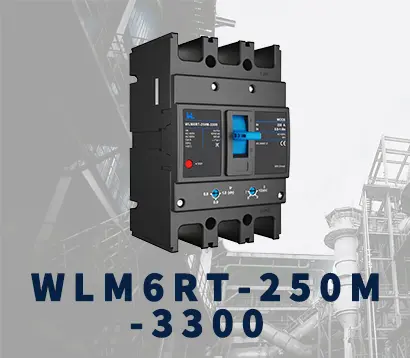 WLM6RT-250A
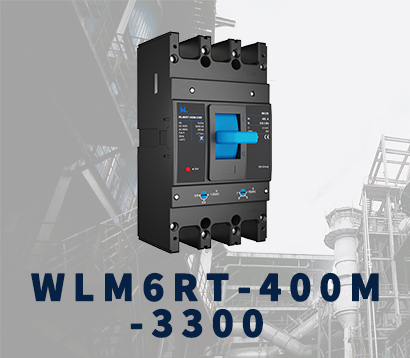 WLM6RT-400A
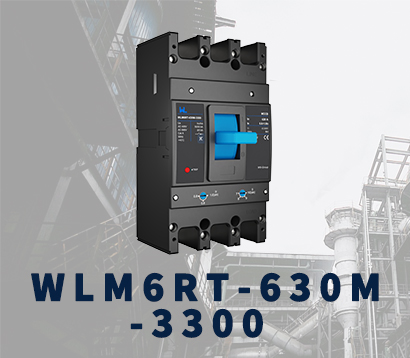 WLM6RT-630A
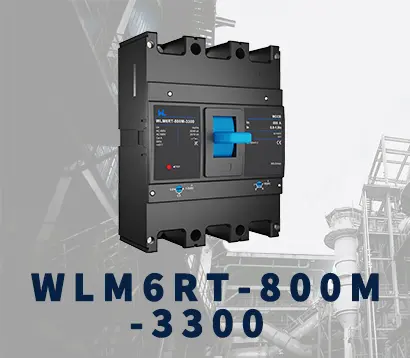 WLM6RT-800A
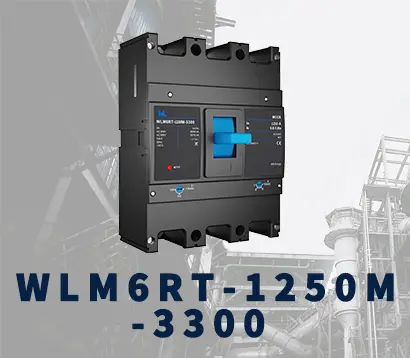 WLM6RT-1250A
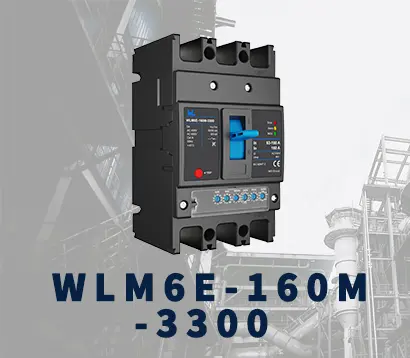 WLM6E-160A-3300 3P
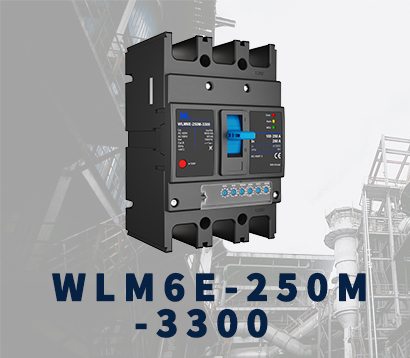 WLM6E-250A-3300
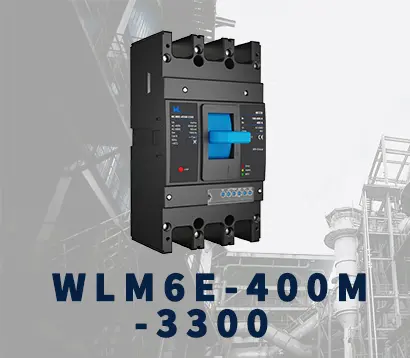 WLM6E-400A-3300 3P/4P
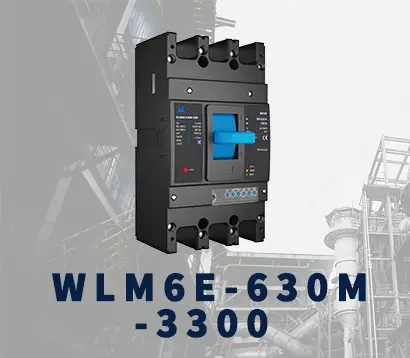 WLM6E-630A-3300
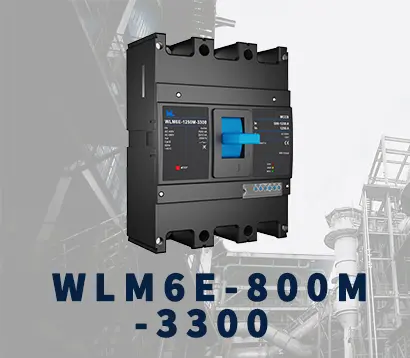 WLM6E-800A-3300 3P/4P
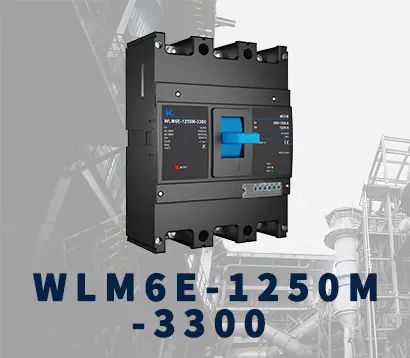 WLM6E-1250A-3300
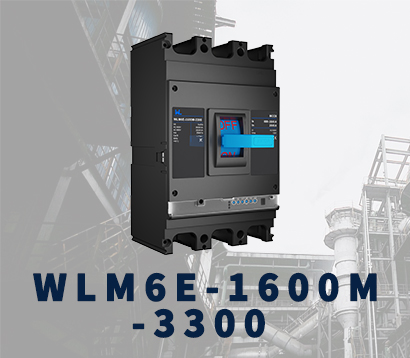 WLM6E-1600-3300 3P/4P
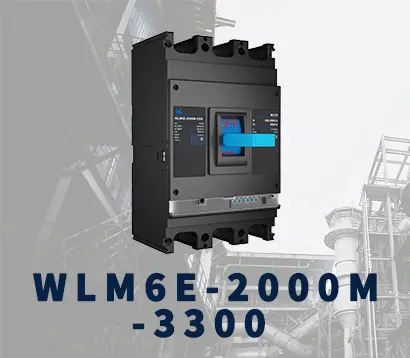 WLM6E-2000A-3300 3P/4P
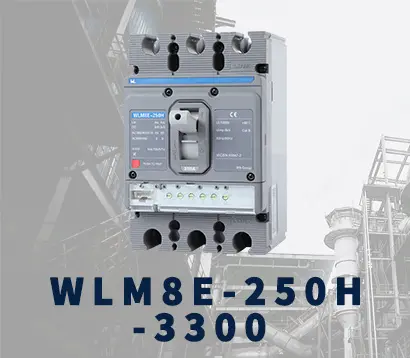 WLM8E-250H-3300
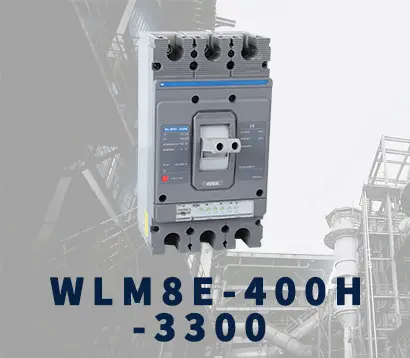 WLM8E-400H-3300
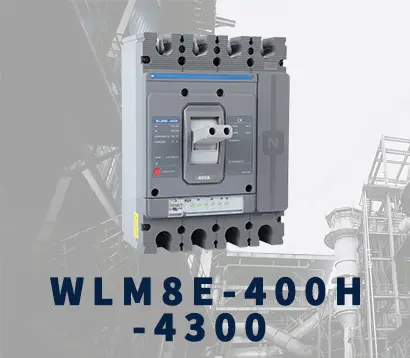 WLM8E-400H-4300
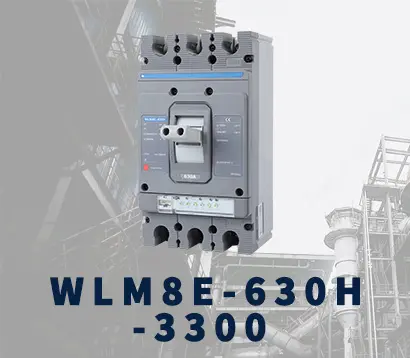 WLM8E-630H-3300
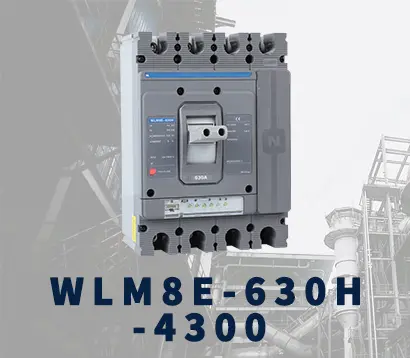 WLM8E-630H-4300
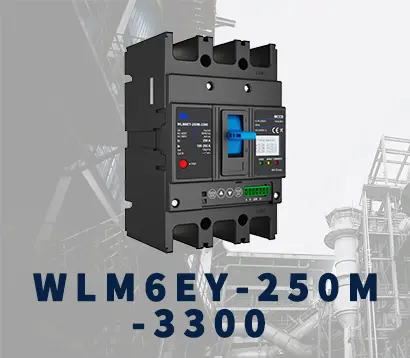 WLM6EY-250-3300 3P/4P
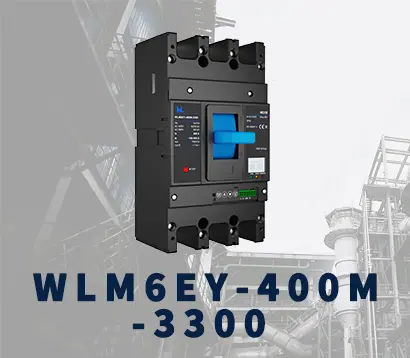 WLM6EY-400 3P/4P
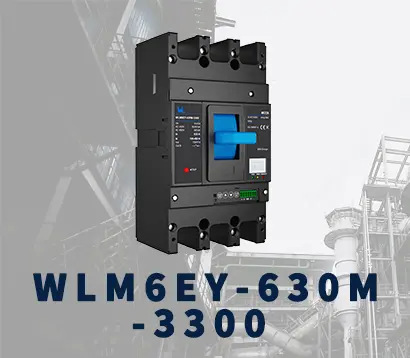 WLM6EY-630 3P/4P
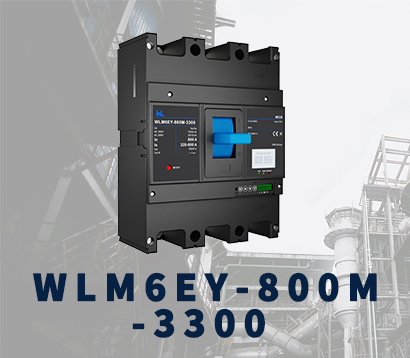 WLM6EY-800A 3P/4P
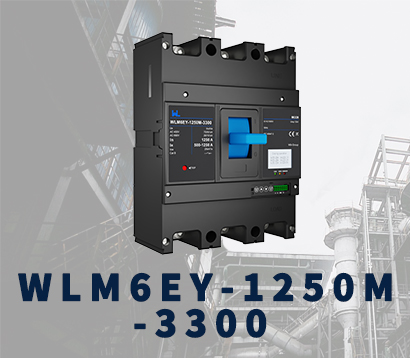 WLM6EY-1250A 3P/4P
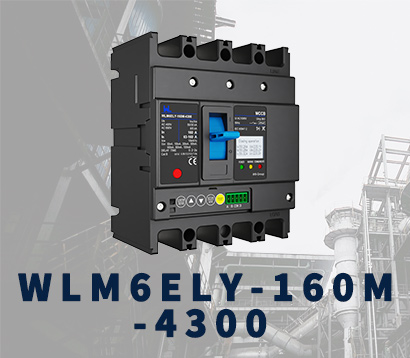 WLM6ELY-160A
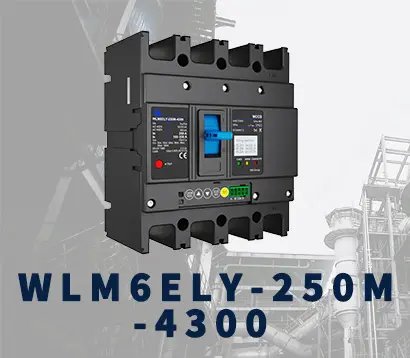 WLM6ELY-250A
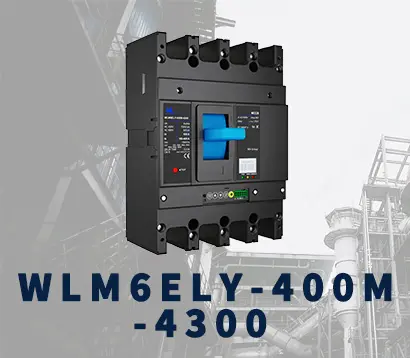 WLM6ELY-400A
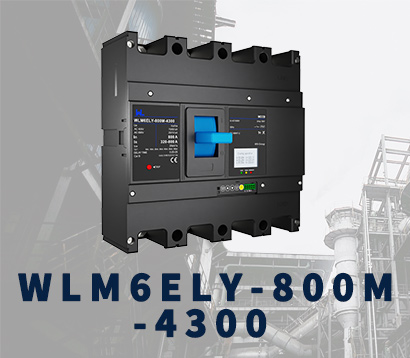 WLM6ELY-800A
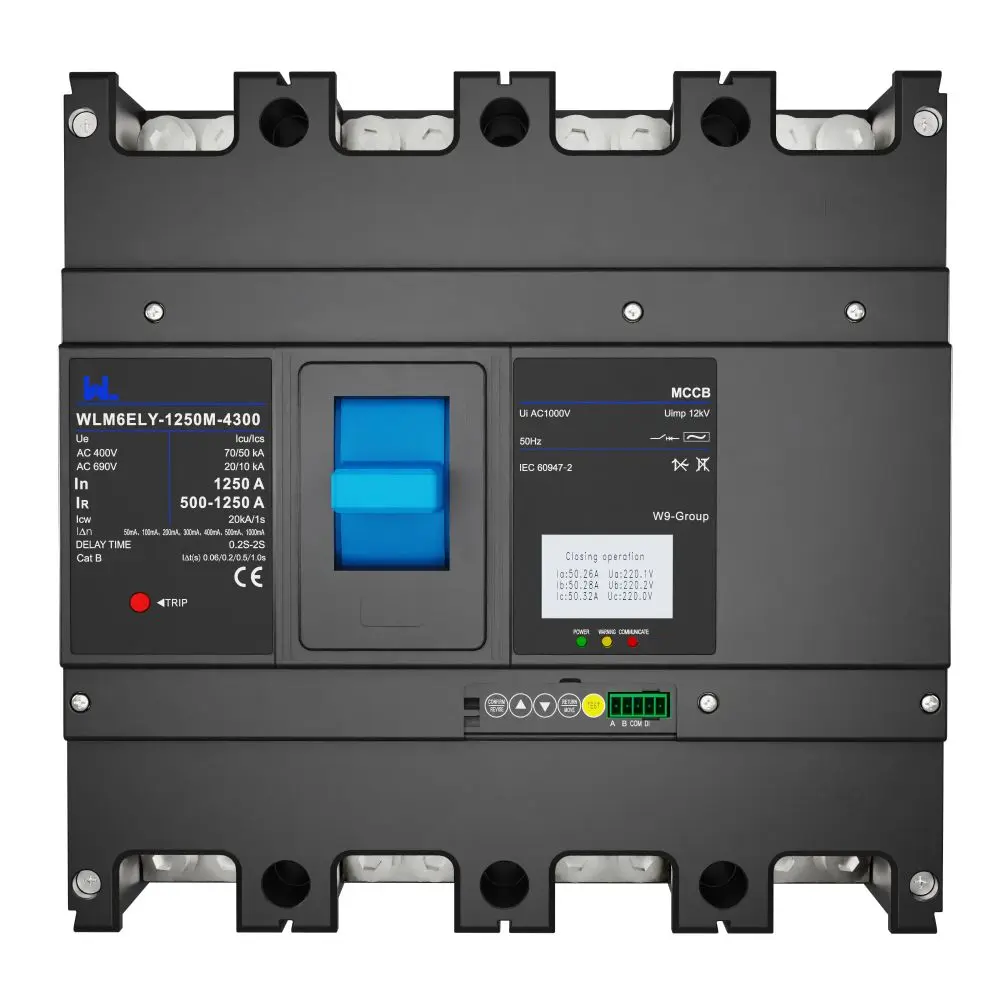 WLM6ELY-1250A
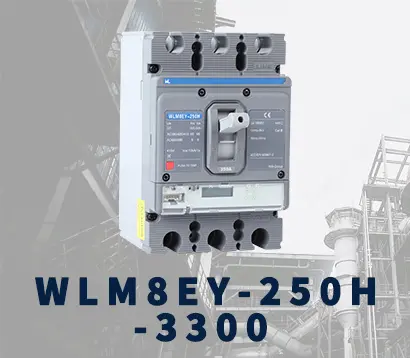 WLM8EY-250H-3300
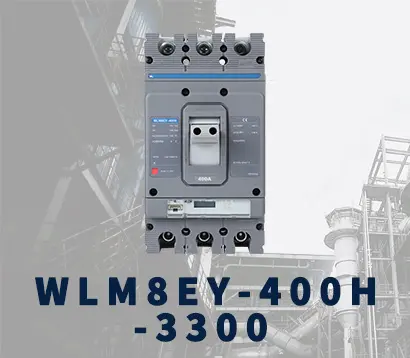 WLM8EY-400H-3300
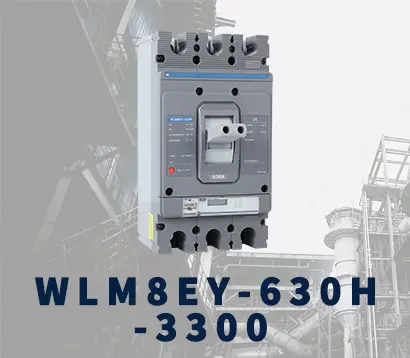 WLM8EY-630H-3300
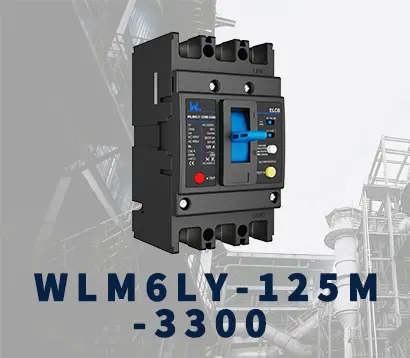 WLM6LY-125A
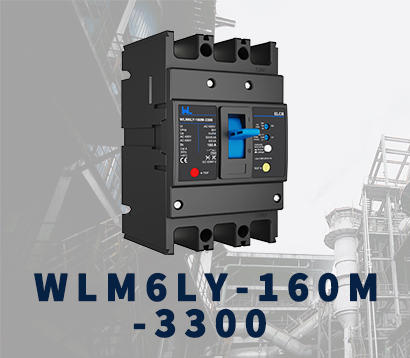 WLM6L-160A
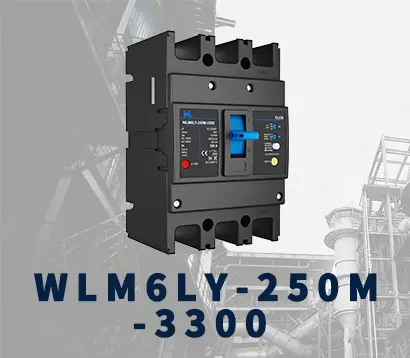 WLM6LY-250A
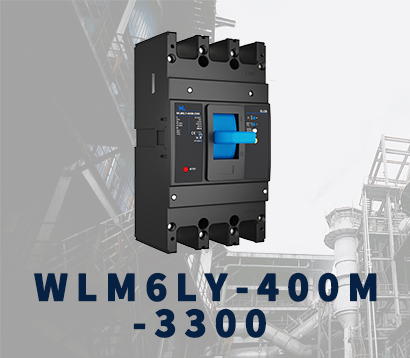 WLM6LY-400A
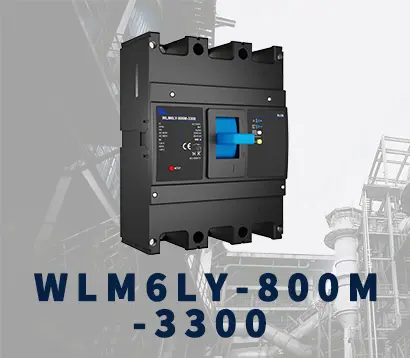 WLM6LY-800A
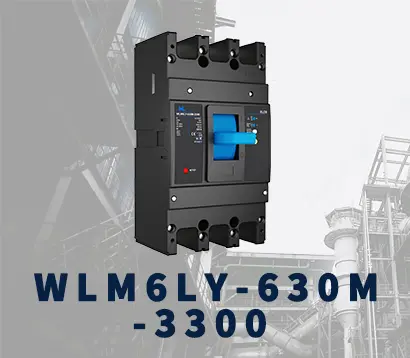 WLM6LY-630A
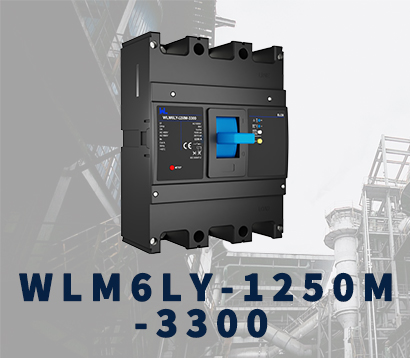 WLM6LY-1250A
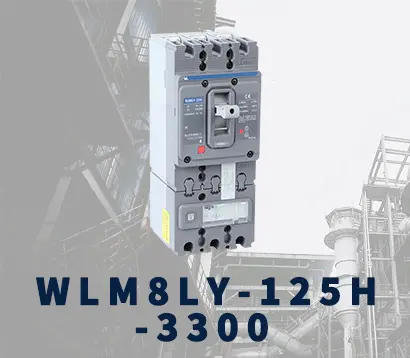 WLM8LY-125H-3300
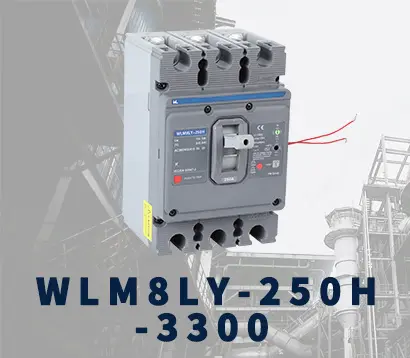 WLM8LY-250H-3300
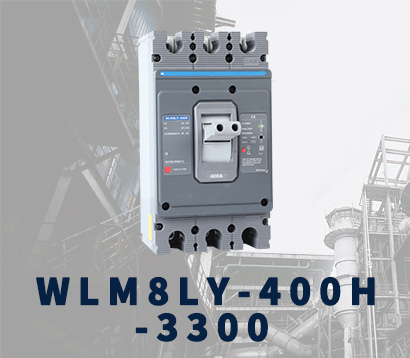 WLM8LY-400H-3300
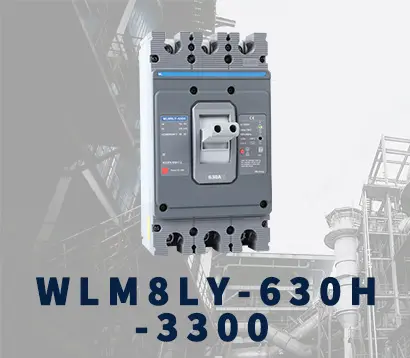 WLM8LY-630H-3300
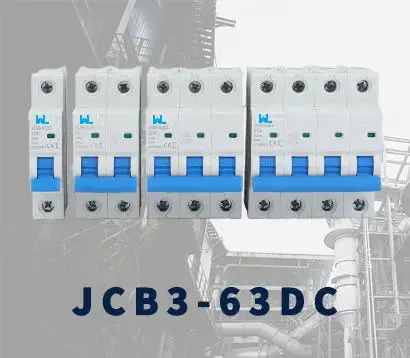 JCB3-63DC
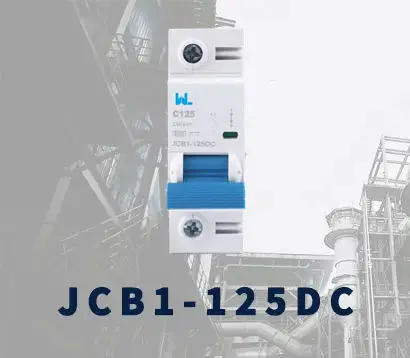 JCB1-125DC
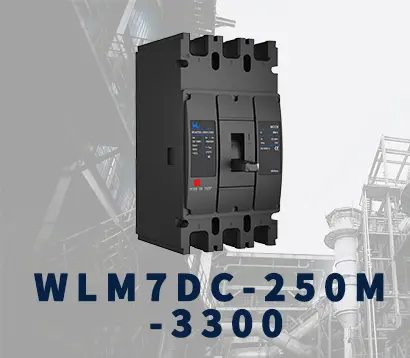 WLM7DC-250A-2300 2P/3P
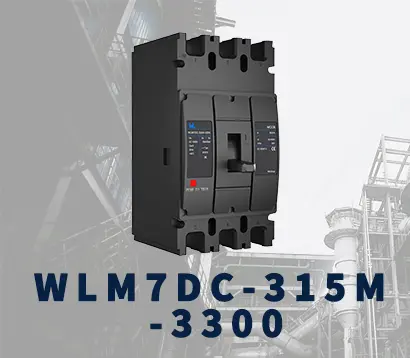 WLM7DC-315A-3300 2P/3P
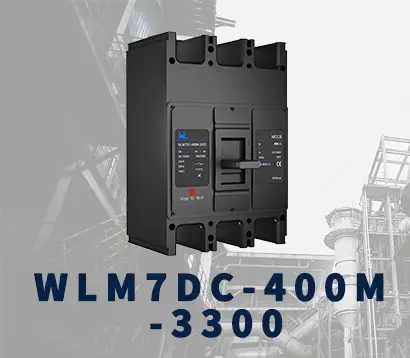 WLM7DC-400A-2300 2P/3P
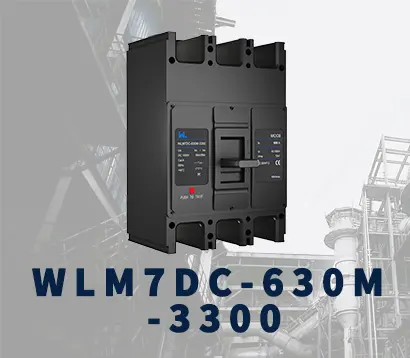 WLM7DC-630A-3300 3P
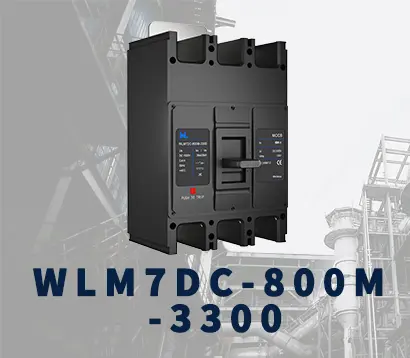 WLM7DC-800A-2300 2P/3P
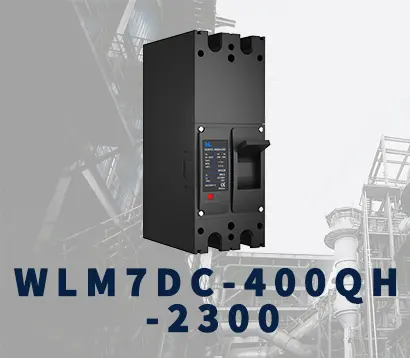 WLM7DC-400A 2300
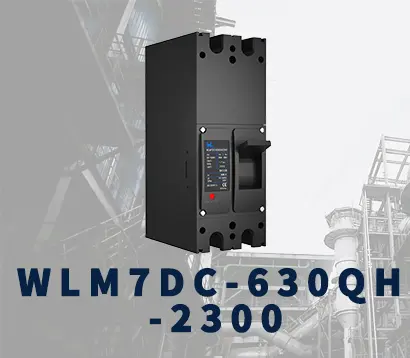 WLM7DC-630A-2300 2P
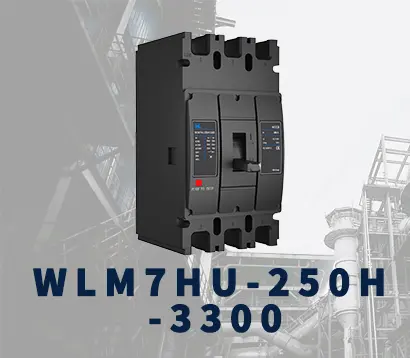 WLM7HU-250-3300 3P
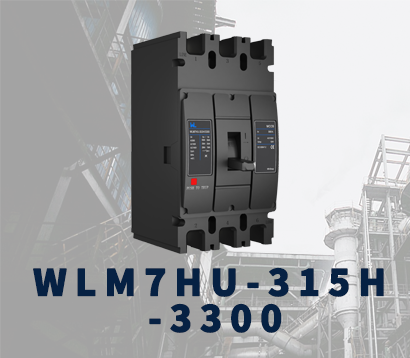 WLM7HU-315-3300 3P
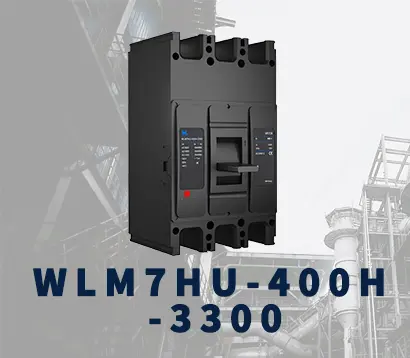 WLM7HU-400-3300 3P
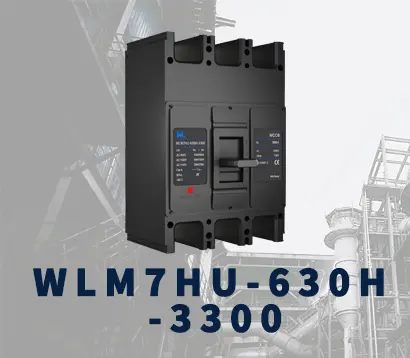 WLM7HU-630-3300 3P
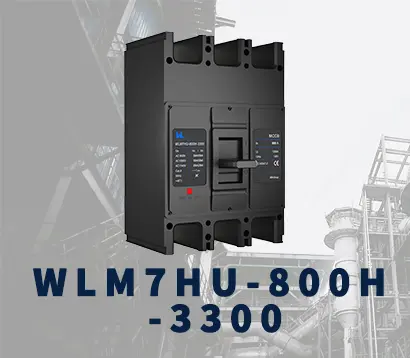 WLM7HU-800-3300 3P
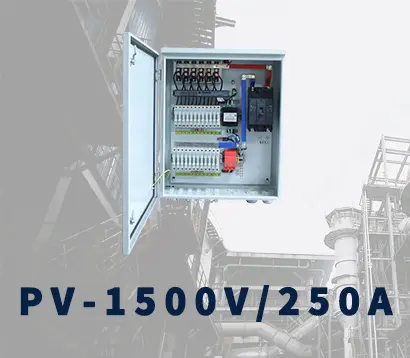 PV-1500V/250A
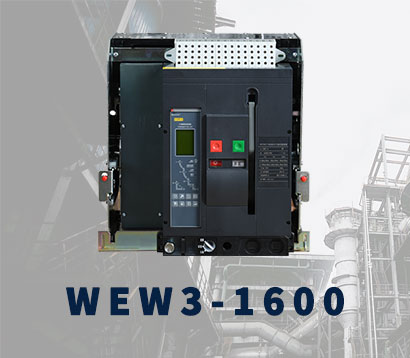 WEW3-1600
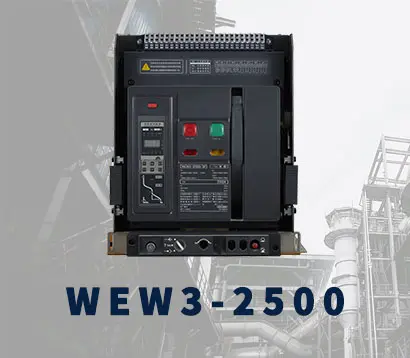 WEW3-2500
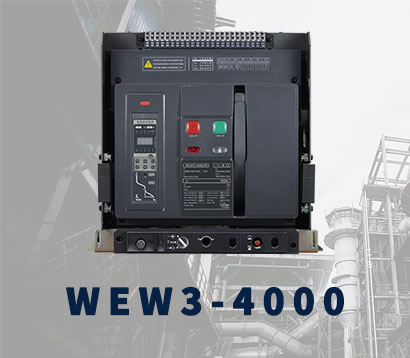 WEW3-4000
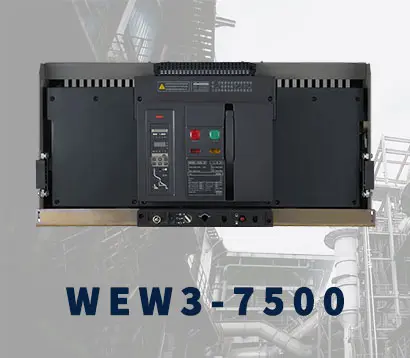 WEW3-7500





What Is a China Air Circuit Breaker and How Does It Work?
A China Air Circuit Breaker is a low-voltage protective device used in switchboards and electrical distribution systems. It opens a circuit when excessive current or a short circuit threatens connected equipment. “China” identifies the product’s manufacturing or supply context; it does not change the basic operating principle. The breaker uses air to help extinguish the electrical arc that forms when its contacts separate.
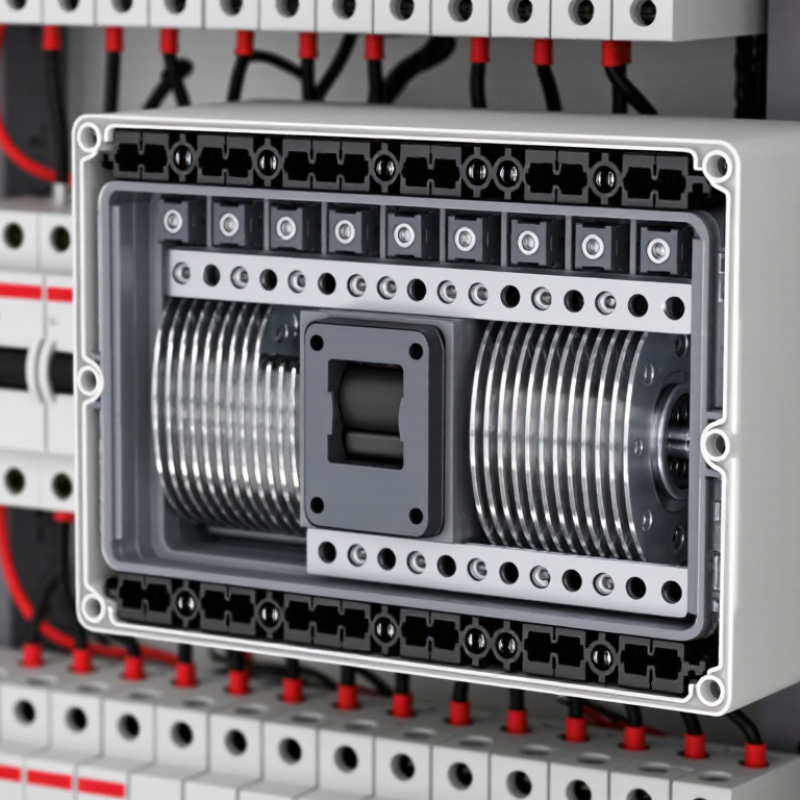
Inside the unit, fixed and moving contacts carry current during normal operation. If a fault occurs, a trip mechanism releases the contacts. The resulting arc is directed into an arc chute, where metal plates divide and cool it. The arc then goes out, interrupting the current. The sequence is quick, but its reliability depends on sound design, correct installation, and regular inspection. The details matter.
For buyers and maintenance teams, ratings, trip settings, breaking capacity, and operating conditions deserve close attention. A breaker selected for one panel may not suit another. Check the manufacturer’s technical documentation, and have qualified personnel confirm compatibility with the system. Product features vary across models, so a brief description cannot replace a datasheet or site assessment. It is easy to focus on the nameplate alone; that can leave important questions unanswered. Understanding how the device works is a practical starting point, not the whole safety review.
What Is a China Air Circuit Breaker?
What Is a China Air Circuit Breaker?
A China air circuit breaker is a low-voltage protection device manufactured in China. It uses air to extinguish the arc formed when electrical contacts separate. Unlike a simple fuse, it can interrupt faults and reset after inspection. Typical models support rated currents from several hundred to several thousand amperes. Their voltage and breaking capacity must match the installation.
Inside the enclosure, fixed and moving contacts carry normal current. A trip unit detects overloads, short circuits, or ground faults. It then releases the mechanism, separating the contacts within milliseconds. The arc moves into an arc chute, where metal plates cool and divide it. IEC 60947-2 provides the main performance framework for low-voltage circuit breakers. Local compliance still requires careful verification.
This matters as electricity systems become more demanding. The IEA’s Electricity 2024 report forecasts global electricity demand growth of about 4% in 2024 and 2025. More loads require stronger distribution protection. In field inspections, engineers should check thermal settings, terminal temperature, insulation clearance, and operation records. A low purchase price is not enough. Some specifications look impressive on paper. Yet installation quality can weaken real performance. Regular testing remains essential, especially in dusty switchrooms or high-humidity environments.
Related Posts
-
7 Tips for Choosing the Right ACB Breaker?
-

Evaluating Air Circuit Breakers: Key Differences Between Leading Brands in 2023
-

2026 Top ACB Breaker Suppliers for Global Buyers
-
How to Select the Right MCCB Molded Case Circuit Breaker for Your Electrical System's Needs
-

10 Tips for Buying China Molded Case Circuit Breakers
-
What is an MCCB Molded Case Circuit Breaker and How Does It Work?