How to Choose the Best China Molded Case Circuit Breaker?
Choosing the right China Molded Case Circuit Breaker (MCCB) is crucial for electrical safety and efficiency. Reports indicate that the global market for circuit breakers is projected to reach $16.7 billion by 2025, growing at a rate of 5.4% annually. This growth is driven by increasing demand for reliable electrical infrastructure and safety standards across various industries.
Understanding the specifications of China Molded Case Circuit Breakers can significantly impact power distribution effectiveness. Factors such as current rating, trip settings, and environmental conditions must be considered. Many users often overlook these details, which can lead to inefficient power management and safety hazards.
Furthermore, it's important to assess the manufacturer’s reputation and certifications. Not all products on the market meet international quality standards. According to industry experts, a well-chosen MCCB can enhance system reliability and reduce maintenance costs. Balancing cost with performance is often challenging but vital for ensuring long-term investment in electrical safety.
Understanding Molded Case Circuit Breakers and Their Functionality
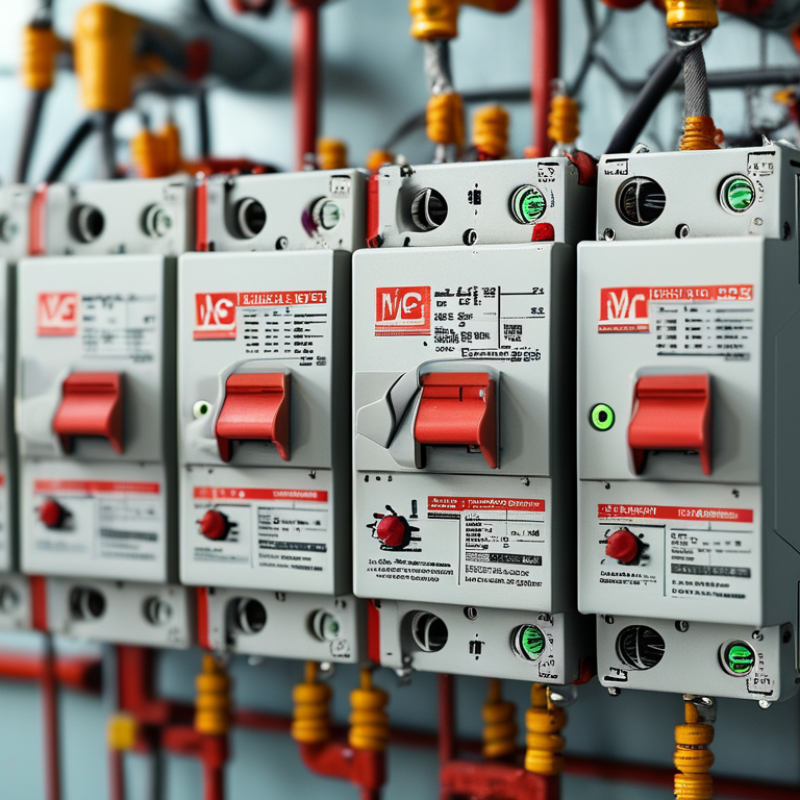
Molded case circuit breakers (MCCBs) serve a critical role in electrical safety. They protect electrical circuits from overloads and short circuits. Understanding their functionality is essential when choosing the right breaker for a specific application. MCCBs can interrupt power flow, which prevents damaging equipment and reduces fire hazards.
When selecting an MCCB, one must consider factors like current rating, interrupting capacity, and mounting options. Each application may have unique requirements, so it’s vital to analyze these specifications carefully.
For instance, an industrial setting may demand higher interrupting ratings compared to residential use.
Common advice includes evaluating thermal performance and choosing a breaker that aligns with environment conditions. Ensure adequate space for installation and maintenance. Remember, it’s important to seek feedback from users who have similar installations. Learning from their experiences might reveal insights not covered in manuals. Always question: is this the best fit for my needs? This reflection can lead to more informed decisions.
Key Factors to Consider When Selecting a Molded Case Circuit Breaker
Choosing the right molded case circuit breaker (MCCB) is essential for ensuring electrical safety and reliability. One key factor is the application's current rating. This rating determines the maximum current the breaker can handle. It's vital to match this with your system's requirements. Overloading can lead to failures or hazards. Always consider potential overload scenarios and choose a breaker that can safely manage them.
Another factor is the short-circuit protection. MCCBs offer various short-circuit breaking capacities. Selecting the correct rating helps avoid damage during faults. You must assess the potential fault currents in the system. This often requires precise calculations. Ignoring this could result in inadequate protection and increase risks.
Finally, consider the environmental conditions. Molded case circuit breakers vary in their performance in extreme temperatures or humidity levels. Ensure the selected MCCB is rated for your specific conditions. This is often overlooked. Select a product that can endure the expected environmental stresses.
Evaluating Safety Ratings and Compliance Standards for MCCBs
Choosing the right molded case circuit breaker (MCCB) is crucial for electrical safety. Safety ratings and compliance standards determine the reliability and effectiveness of these devices. Begin by understanding the key safety ratings such as IEC and UL. These standards ensure that the MCCB can handle overcurrent situations while providing protection for your electrical systems.
When evaluating MCCBs, verify compliance with local electrical codes. Each region may have unique regulations that these devices must meet. Look for third-party certification marks, indicating that the product has undergone rigorous testing. This adds a layer of confidence in the product's safety and performance.
Consider the environment where the MCCB will be installed. High-temperature areas may require specialized equipment. Additionally, evaluate manufacturer documentation for installation and maintenance guidelines. This information often reveals the true reliability of the device over time. Pay attention to details that might seem small, as overlooking them can lead to significant safety risks.
Comparing Different Brands and Models of Molded Case Circuit Breakers
When selecting a molded case circuit breaker (MCCB), understanding brand and model differences is vital. Industry reports indicate that nearly 40% of all electrical failures arise from improper circuit protection. This emphasizes the need to choose reliable brands that are backed by strong performance metrics and customer reviews.
Different brands offer varying characteristics. For instance, response time, thermal rating, and short-circuit protection are key factors. According to a recent study, MCCBs with faster trip times can reduce damage to electrical equipment. Moreover, the National Electrical Manufacturers Association (NEMA) states that proper sizing of MCCBs can improve overall system efficiency by 25%.
Not every brand meets the same safety standards. Some may lack adequate certification, which could lead to safety hazards. A thorough evaluation of each model's specifications is necessary. Seek detailed feedback from industry experts, as their insights can reveal potential shortcomings. Transitioning between brands may seem costly, but it could prevent future operational failures and ensure long-term reliability. Consider the details carefully before making a final decision.
Installation and Maintenance Tips for Molded Case Circuit Breakers
When installing molded case circuit breakers, begin by ensuring the power supply is completely turned off. Verify that the installation area is dry and clean to prevent any damage. Proper torque specifications for terminal connections are essential. Over-tightened or under-tightened connections can lead to failure. Utilize a torque wrench for accuracy.
Routine maintenance is crucial. Inspect the circuit breakers at regular intervals. Look for signs of wear, such as discoloration or unusual sounds. Clean any dust or debris that may accumulate on the exterior. It's important to keep the tripping mechanism functional. Conduct periodic tests to ensure it trips properly under fault conditions. Remember, even well-made equipment can fail if not maintained. Regular checks can prevent unforeseen issues.
Consider documentation for reference. Keeping a log of inspections and maintenance helps track the history of the equipment. This can aid in identifying patterns or recurring issues. Maintenance may seem tedious, but it is crucial for reliability. Note that even well-installed breakers need attention over time. Consistent care allows for an informed approach toward upkeep and safety.
How to Choose the Best China Molded Case Circuit Breaker? - Installation and Maintenance Tips for Molded Case Circuit Breakers
| Feature |
Description |
Importance |
Maintenance Tips |
| Rated Current |
The maximum current the breaker can handle. |
Critical for ensuring circuit safety and operational efficiency. |
Regularly check for signs of overheating. |
| Breaking Capacity |
The maximum fault current the breaker can interrupt. |
Essential for protection against short circuits. |
Ensure proper testing in simulations if applicable. |
| Size |
Physical dimensions of the circuit breaker. |
Important for installation constraints in panels. |
Verify dimensions before installation to avoid space issues. |
| Mechanical Life |
The number of operations the breaker can perform without failure. |
Indicates durability and maintenance need. |
Inspect and test periodically to ensure functionality. |
| Reset Mechanism |
Method used to reset the breaker after tripping. |
Convenience in restoration of power. |
Familiarize all users with the reset process. |

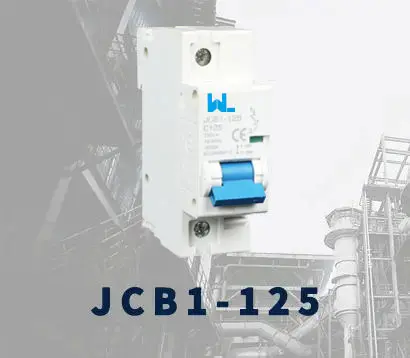 JCB1-125
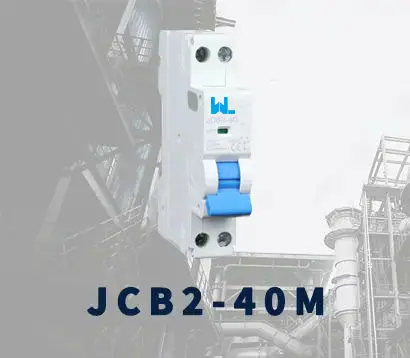 JCB2-40M
 JCB3-63DC
 JCB3-80H
 JCB3-80M
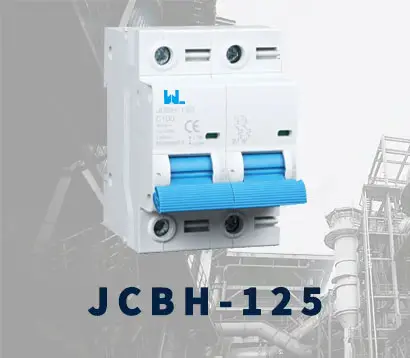 JCBH-125
 JC80-2P
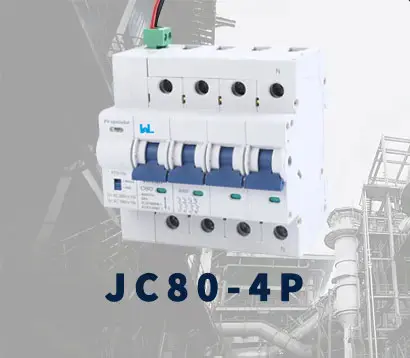 JC80-4P
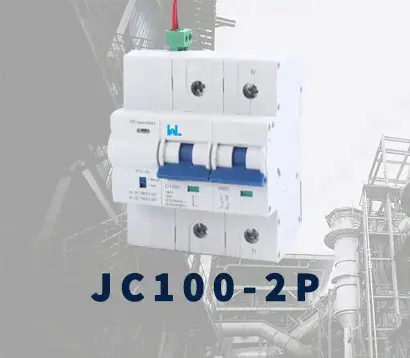 JC125-2P
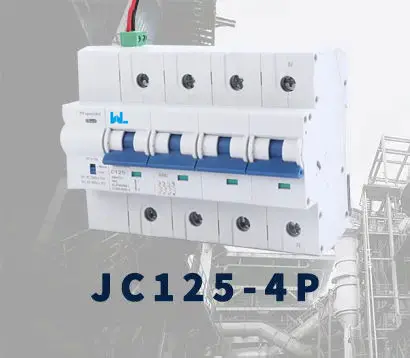 JC125-4P
 JCMX
JCMX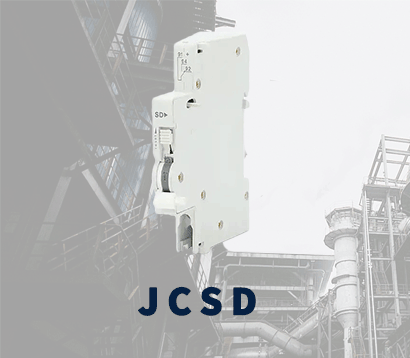 JCSD
JCSD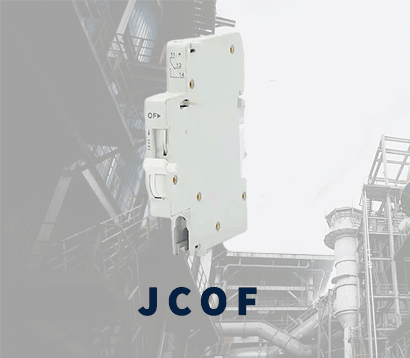 JCOF
JCOF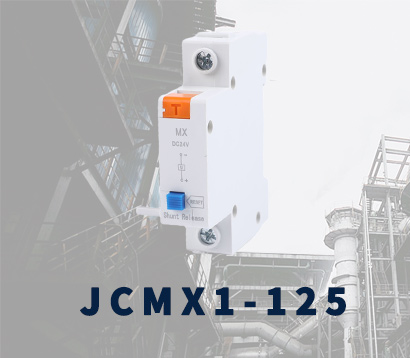 JCMX1-125
 JCOF1-125
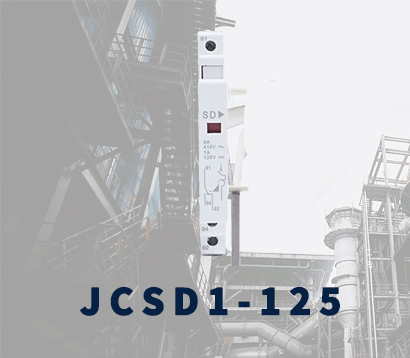 JCSD1-125
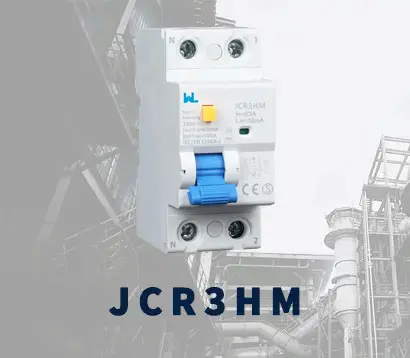 JCR3HM
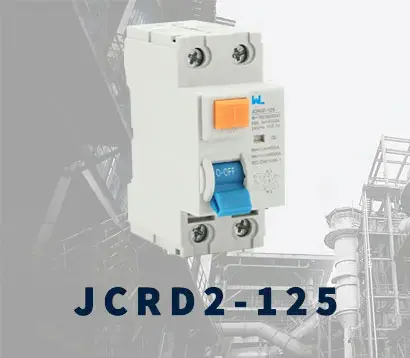 JCRD2-125
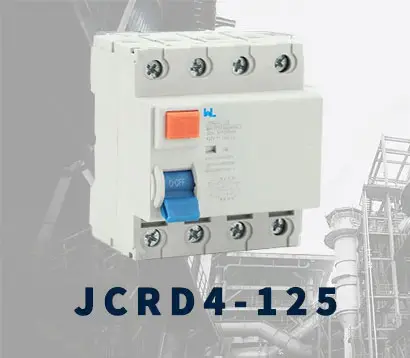 JCRD4-125
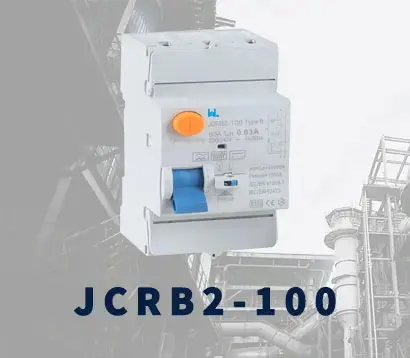 JCRB2-100
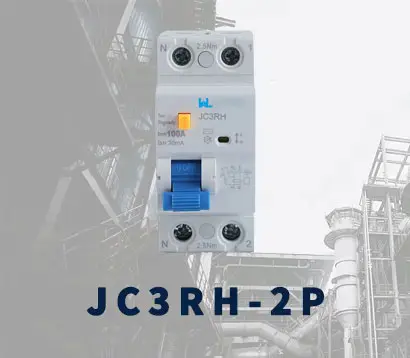 JC3RH-2P
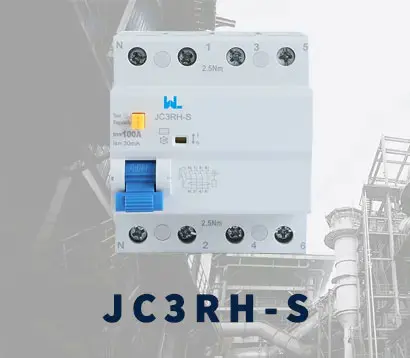 JC3RH-S
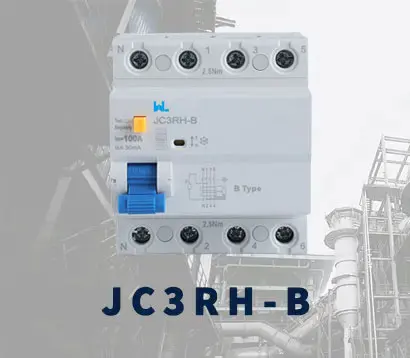 JC3RH-B
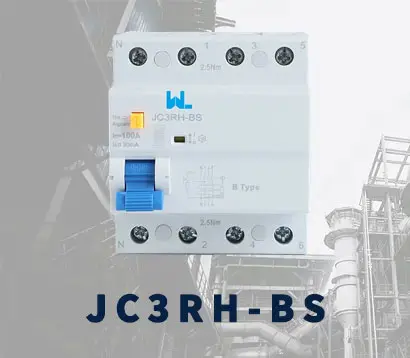 JC3RH-BS
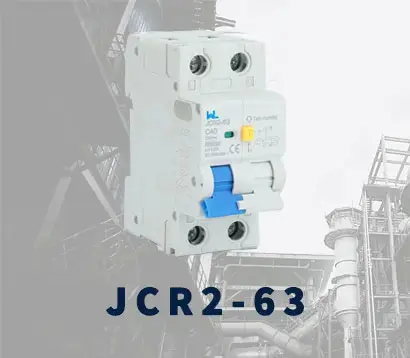 JCR2-63
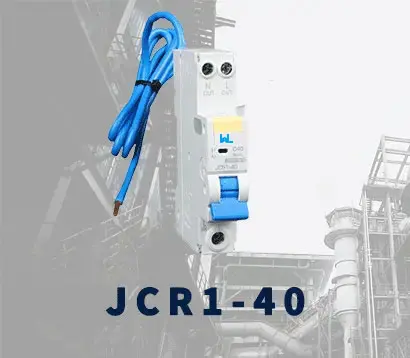 JCR1-40
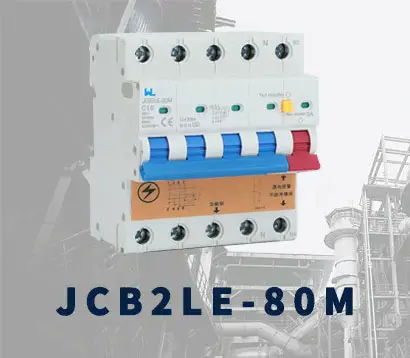 JCB2LE-80M
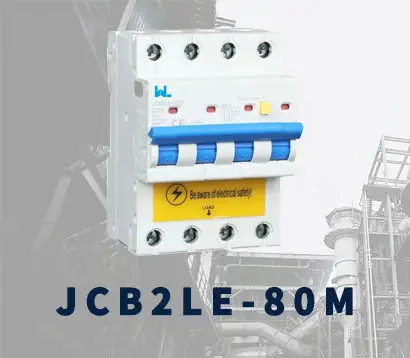 JCB2LE-80M
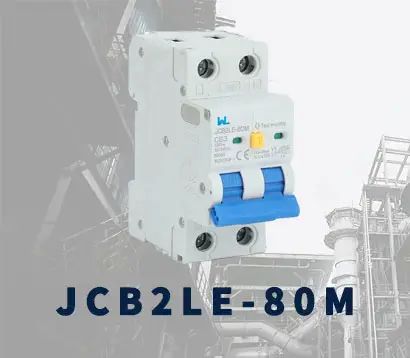 JCB2LE-80M
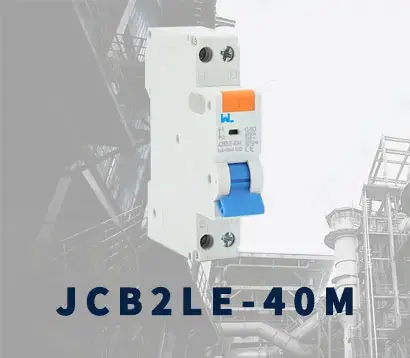 JCB2LE-40M
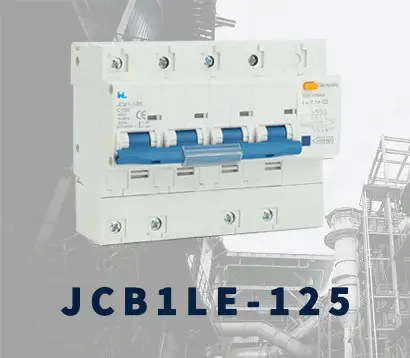 JCB1LE-125
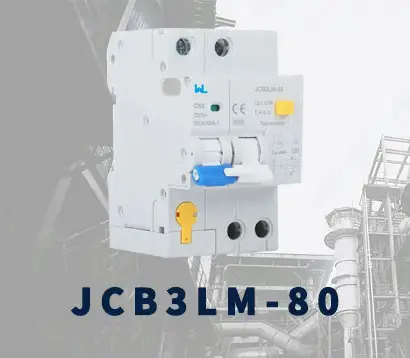 JCB3LM-80
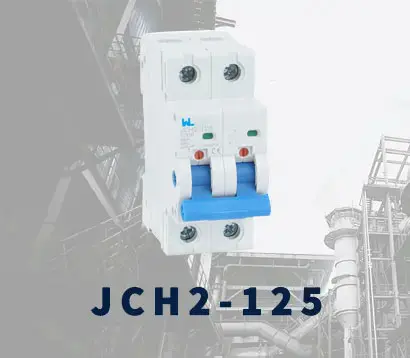 JCH2-125
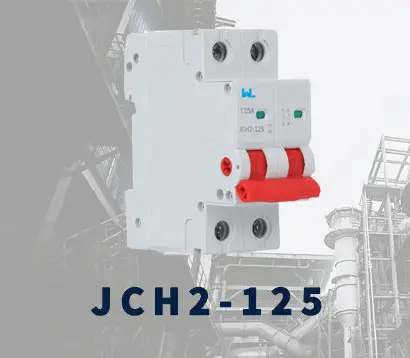 JCH2-125
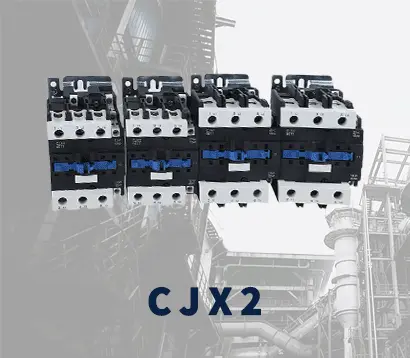 CJX2
CJX2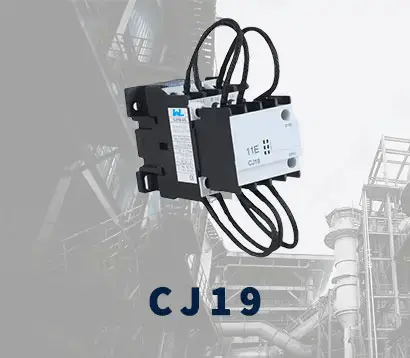 CJ19
CJ19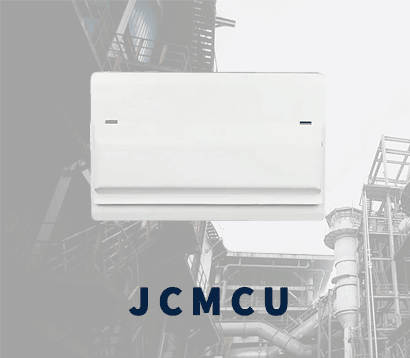 JCMCU
JCMCU JCHA
JCHA JCSD-40
 JCSD-60
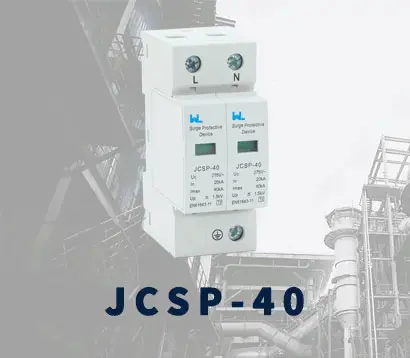 JCSP-40
 JCSP-60
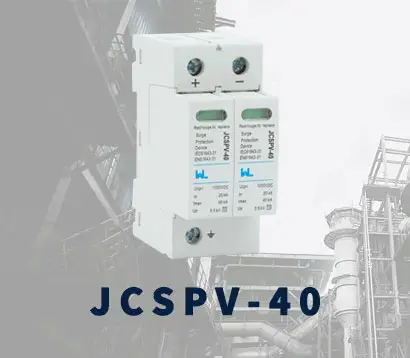 JCSPV
JCSPV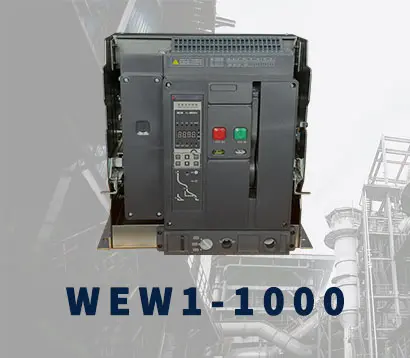 WEW1-1000
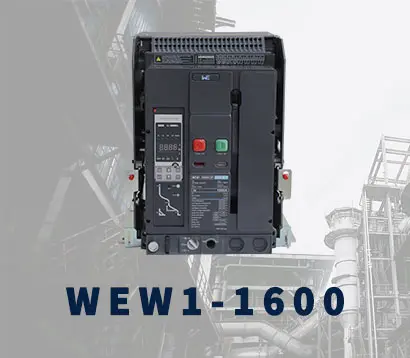 WEW1-1600
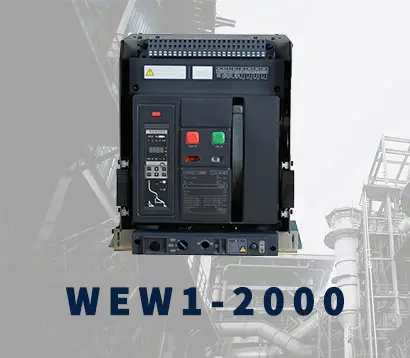 WEW1-2000
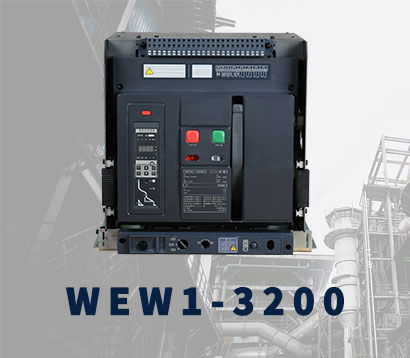 WEW1-3200
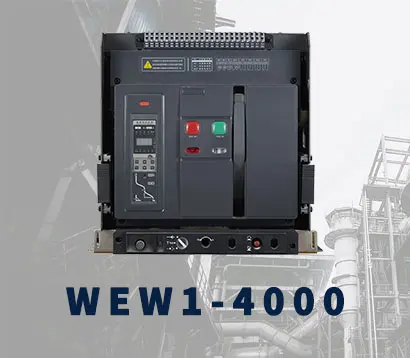 WEW1-4000
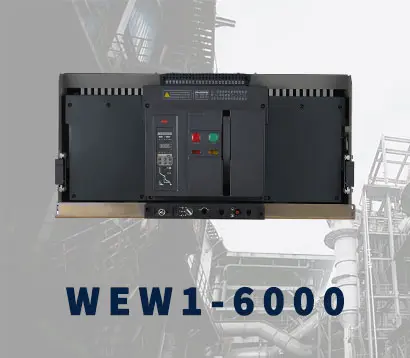 WEW1-6300
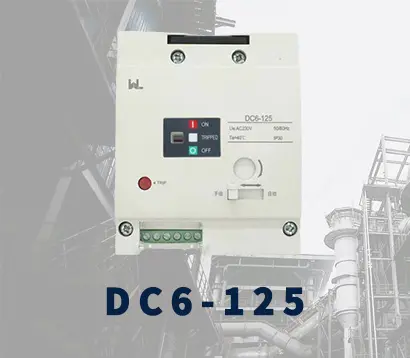 DC6-125
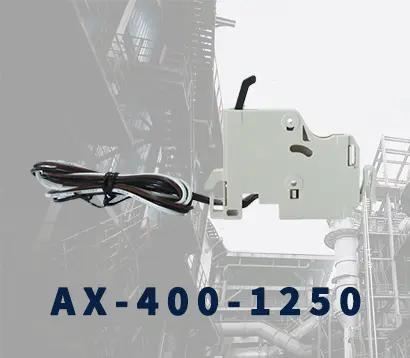 AX-400-1250
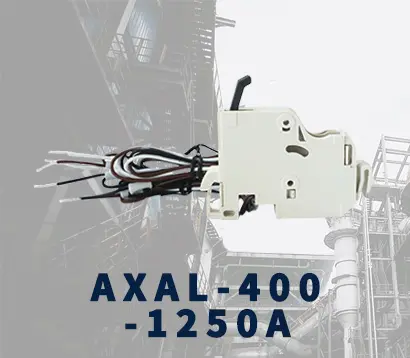 AXAL-400-1250A
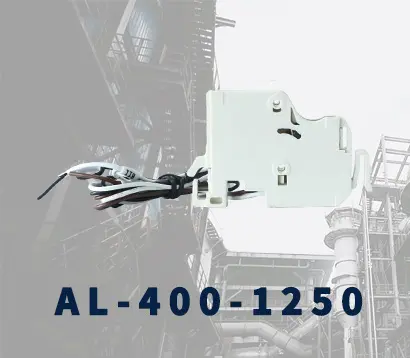 AL-400-1250
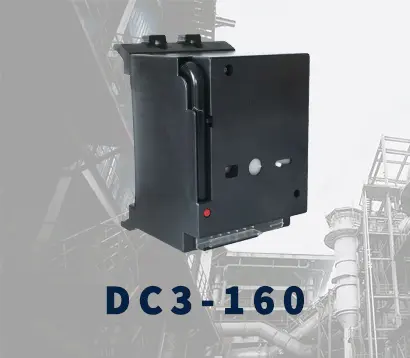 DC3-160
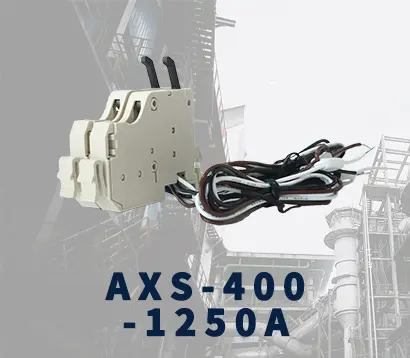 AXS-400-1250A
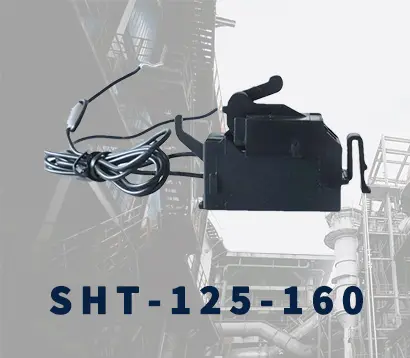 SHT-125-160
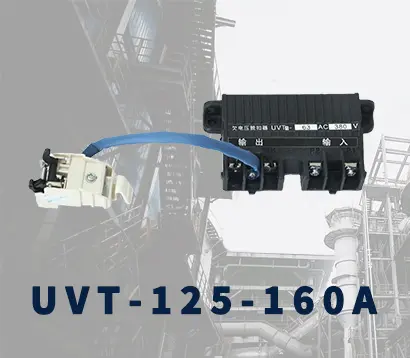 UVT-125-160A
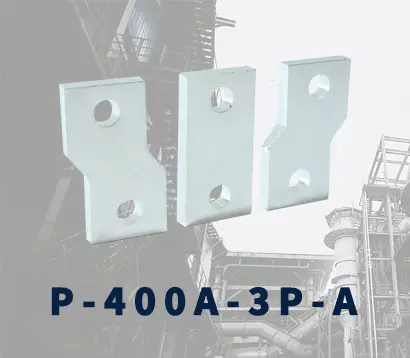
 P-250A-3P-A
 400-3P/4P terminal cover
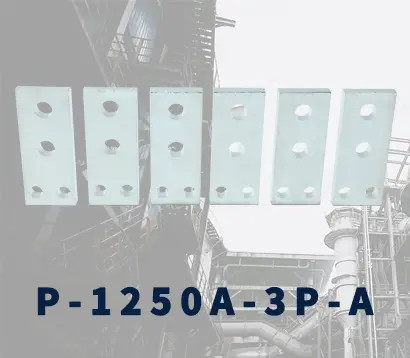 1250-3Pmccb accessories busbar
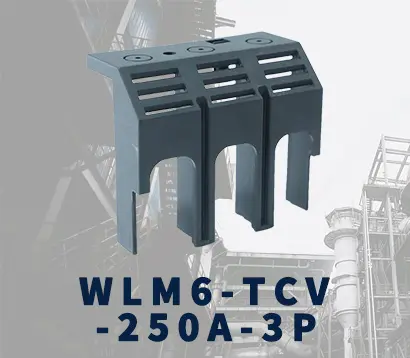 250-3P terminal conver
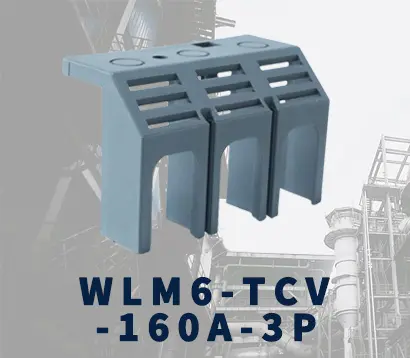 WLM6-TCV-160A-3P
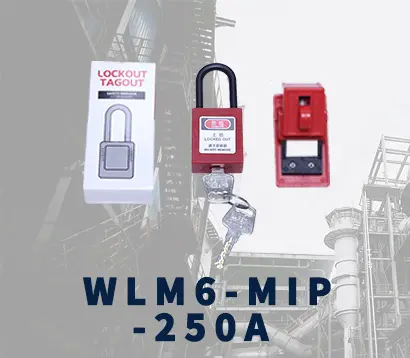 WLM6-MIP-250A
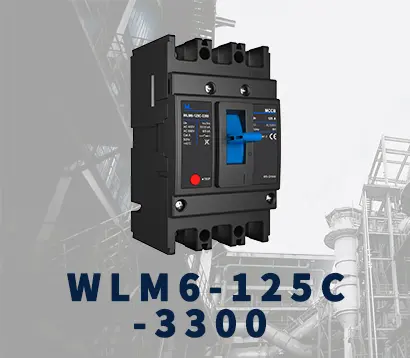 WLM6-125A-3300 3P/4P
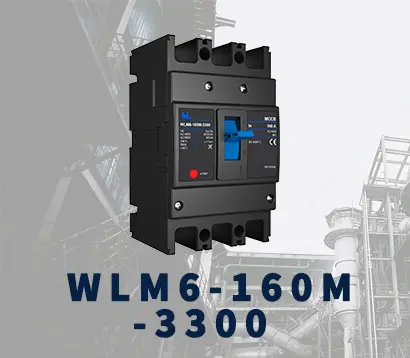 WLM6-160A-3300 3P/4P
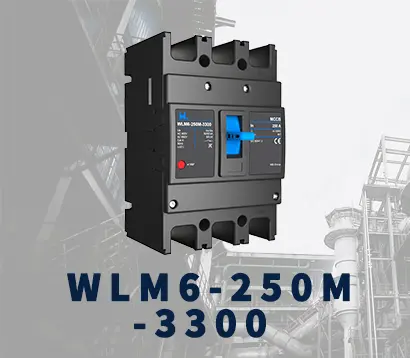 WLM6-250A-3300 3P/4P
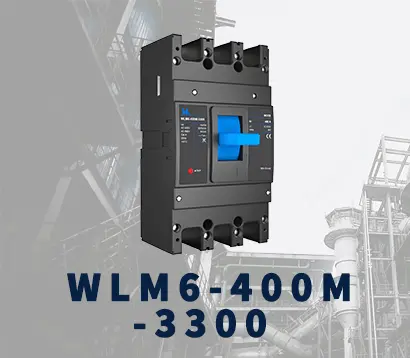 WLM6-400A-3300 3P/4P
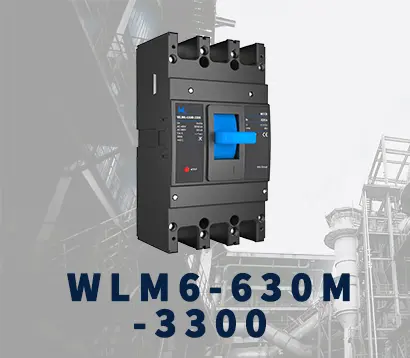 WLM6-630A-3300 3P/4P
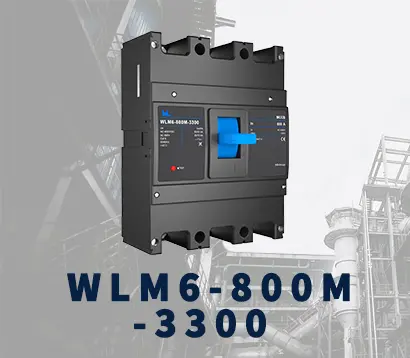 WLM6-800A-3300 3P/4P
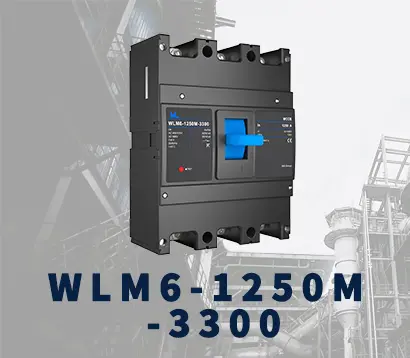 WLM6-1250A-3300 3P/4P
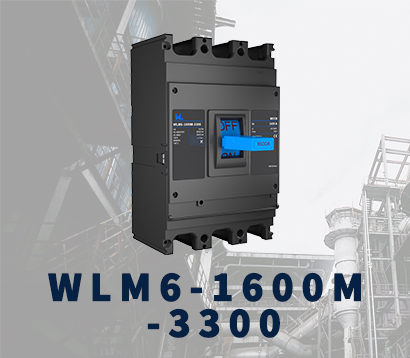 WLM6-1600A-3300 3P/4P
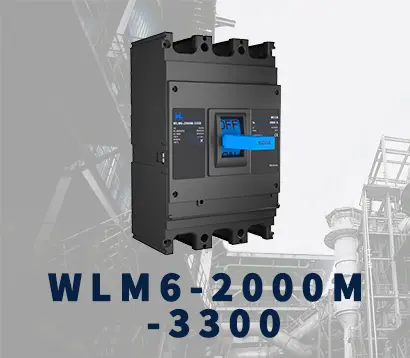 WLM6-2000A 3P/4P
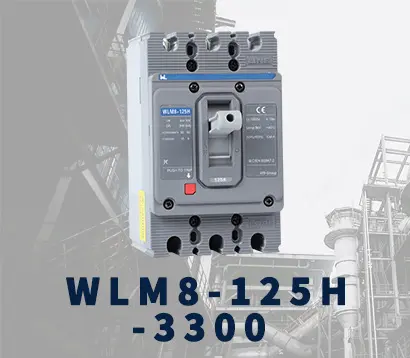 WLM8-125H-3300
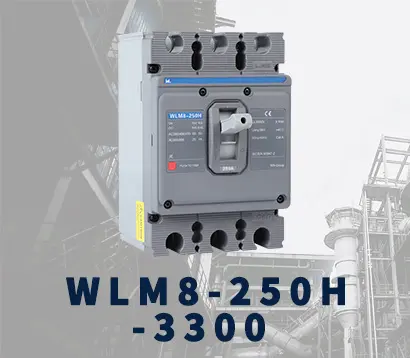 WLM8-250H-3300
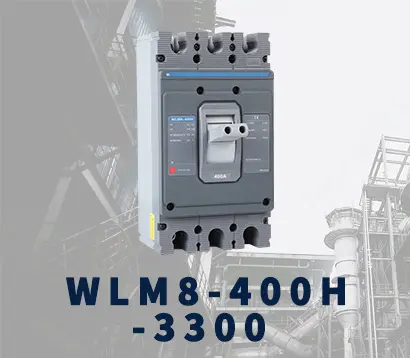 WLM8-400H-3300
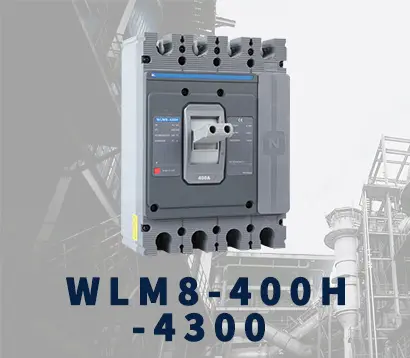 WLM8-400H-4300
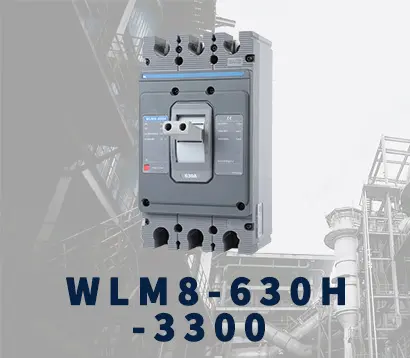 WLM8-630H-3300
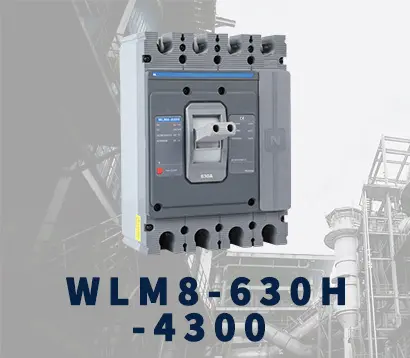 WLM8-630H-4300
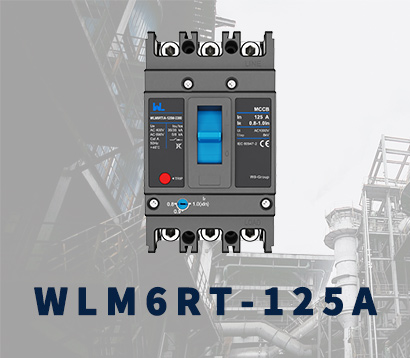 WLM6RT-125A
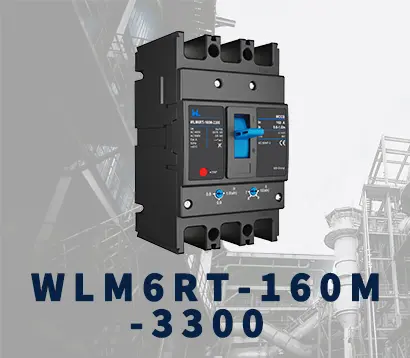 WLM6RT-160A
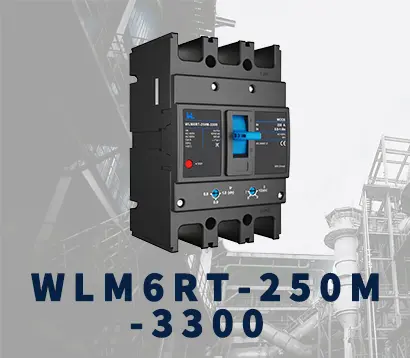 WLM6RT-250A
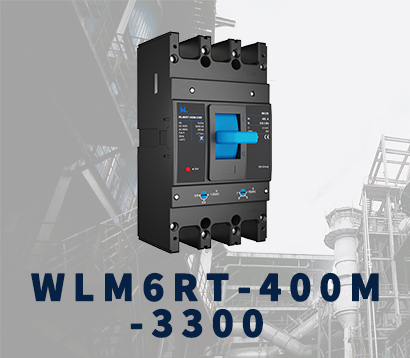 WLM6RT-400A
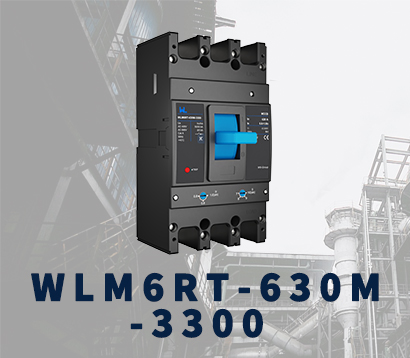 WLM6RT-630A
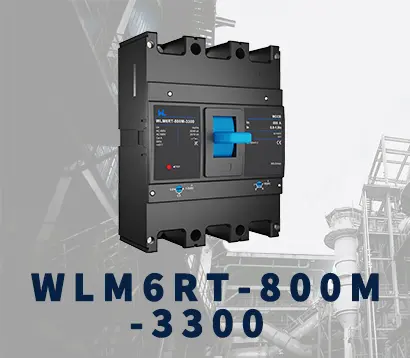 WLM6RT-800A
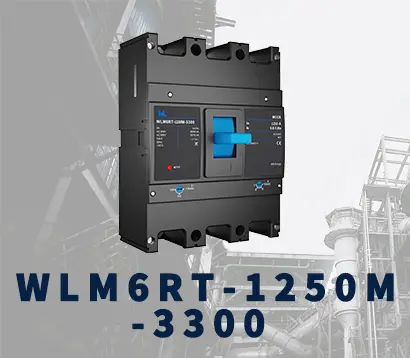 WLM6RT-1250A
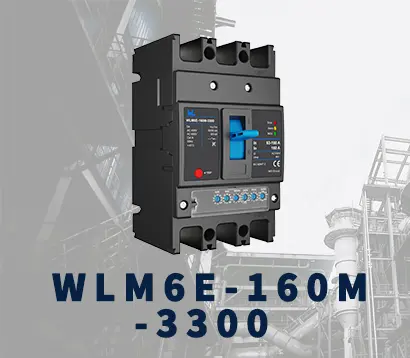 WLM6E-160A-3300 3P
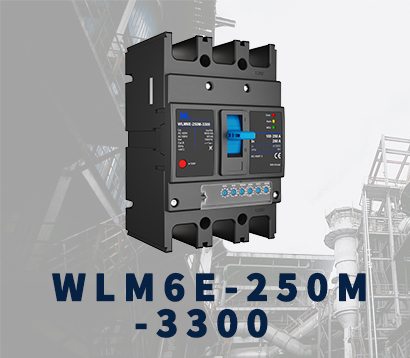 WLM6E-250A-3300
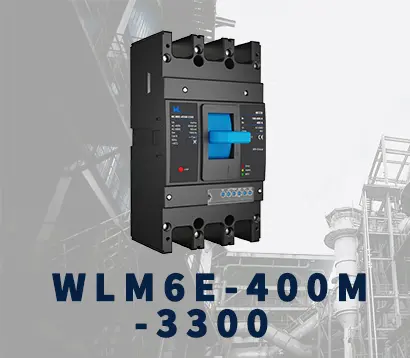 WLM6E-400A-3300 3P/4P
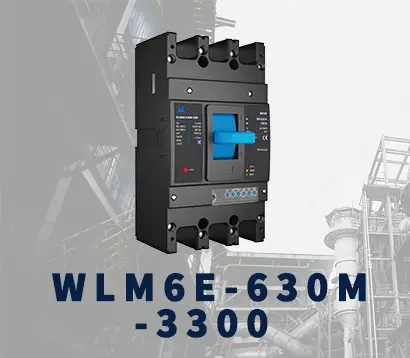 WLM6E-630A-3300
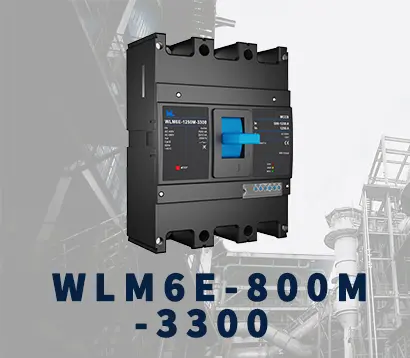 WLM6E-800A-3300 3P/4P
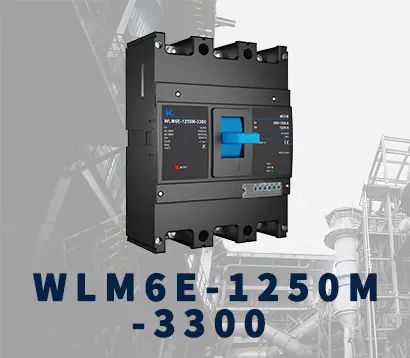 WLM6E-1250A-3300
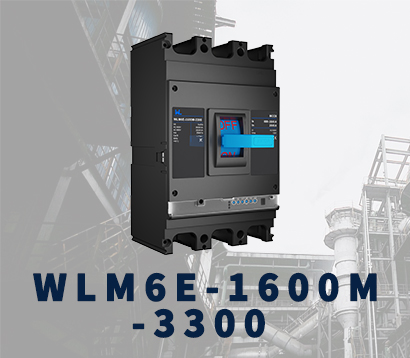 WLM6E-1600-3300 3P/4P
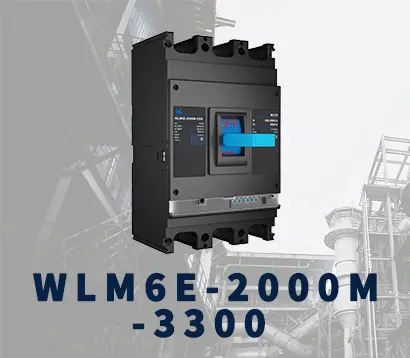 WLM6E-2000A-3300 3P/4P
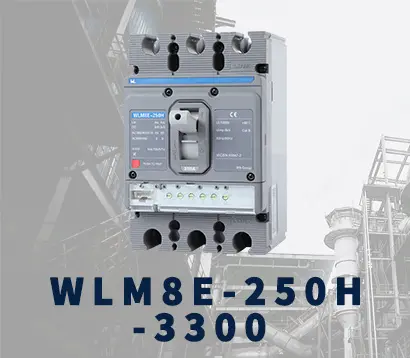 WLM8E-250H-3300
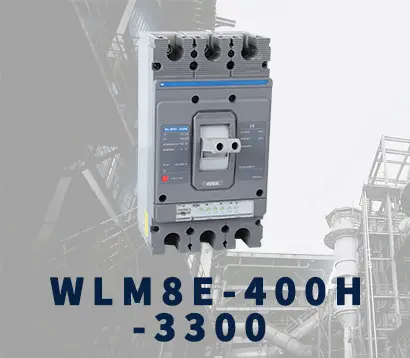 WLM8E-400H-3300
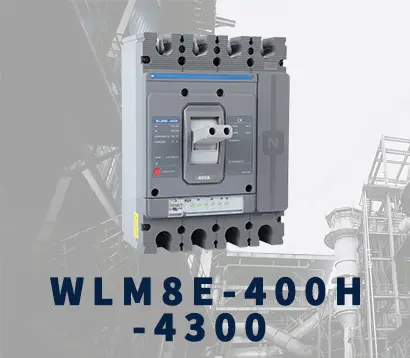 WLM8E-400H-4300
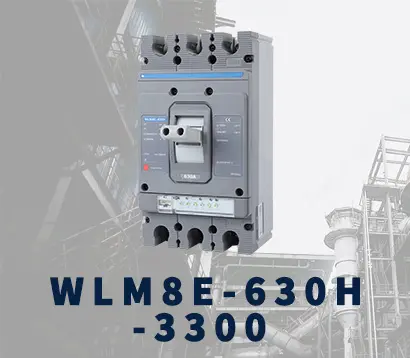 WLM8E-630H-3300
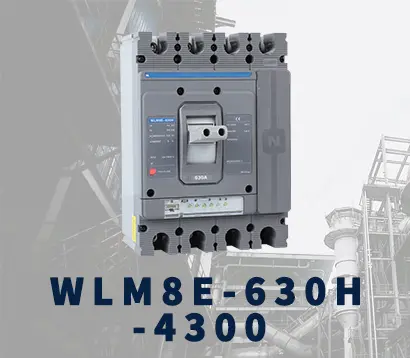 WLM8E-630H-4300
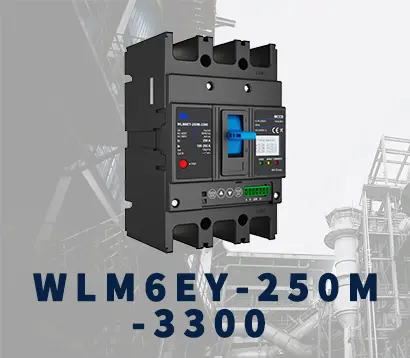 WLM6EY-250-3300 3P/4P
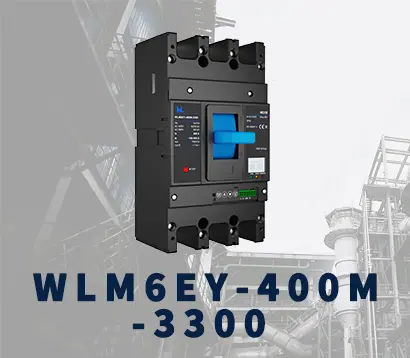 WLM6EY-400 3P/4P
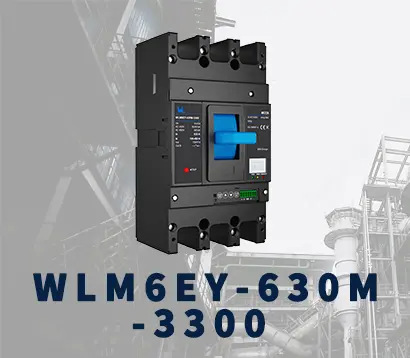 WLM6EY-630 3P/4P
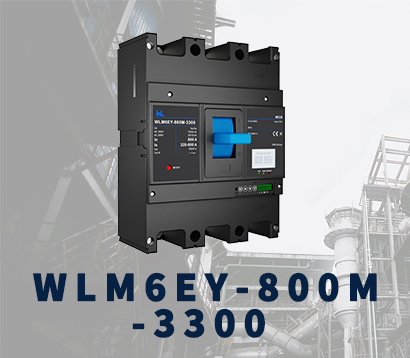 WLM6EY-800A 3P/4P
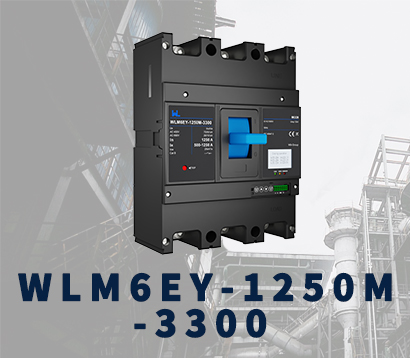 WLM6EY-1250A 3P/4P
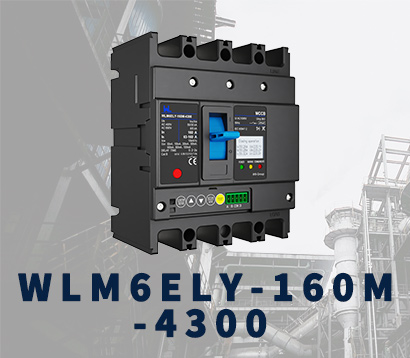 WLM6ELY-160A
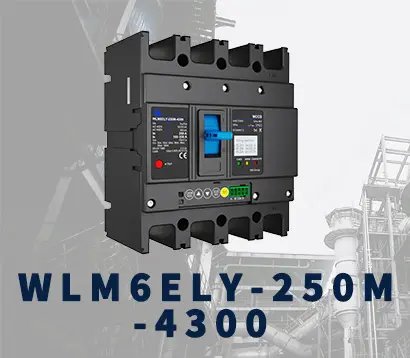 WLM6ELY-250A
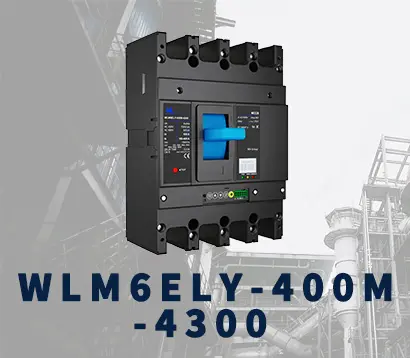 WLM6ELY-400A
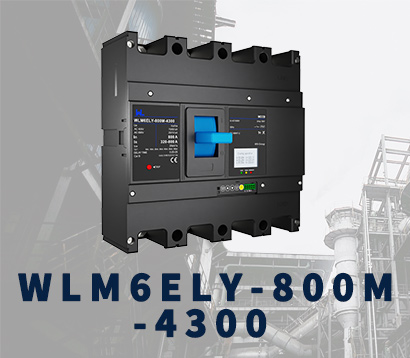 WLM6ELY-800A
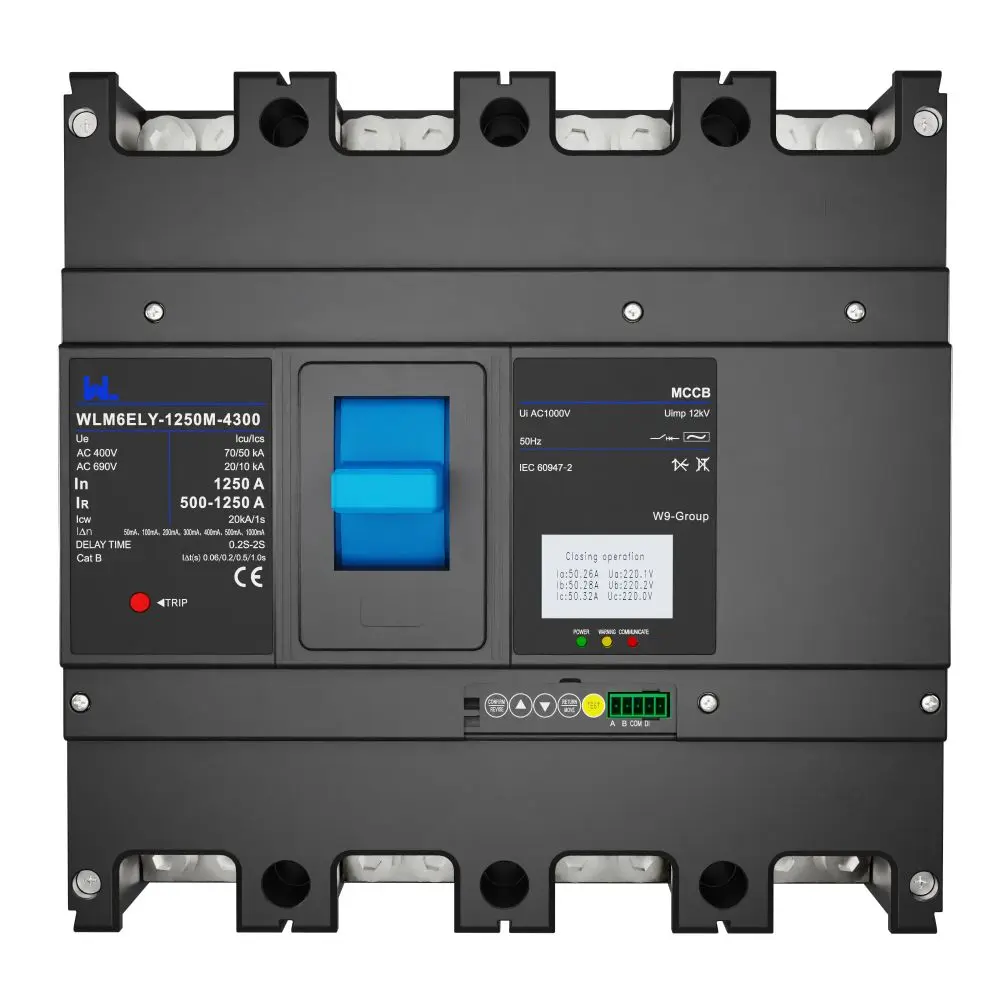 WLM6ELY-1250A
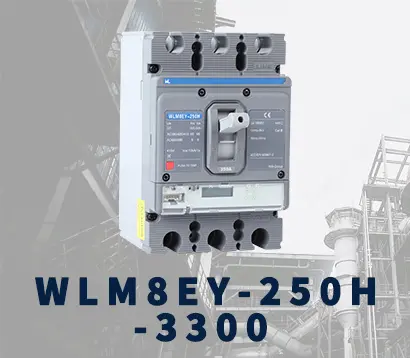 WLM8EY-250H-3300
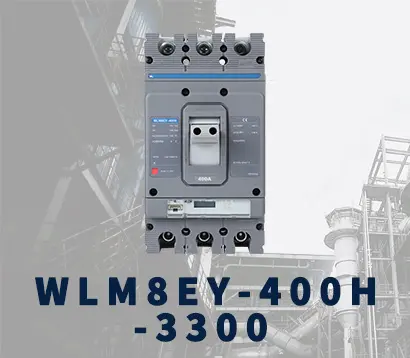 WLM8EY-400H-3300
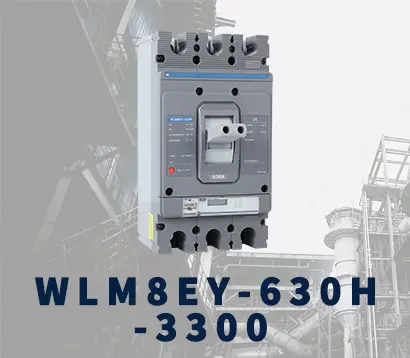 WLM8EY-630H-3300
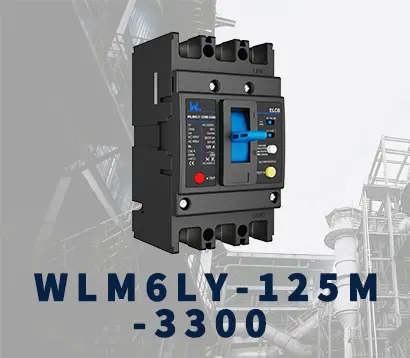 WLM6LY-125A
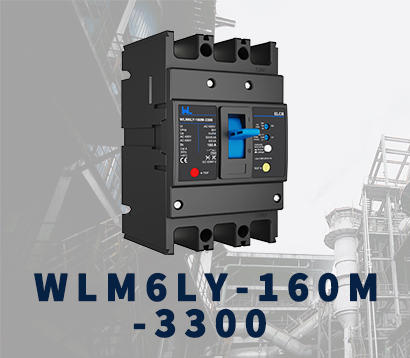 WLM6L-160A
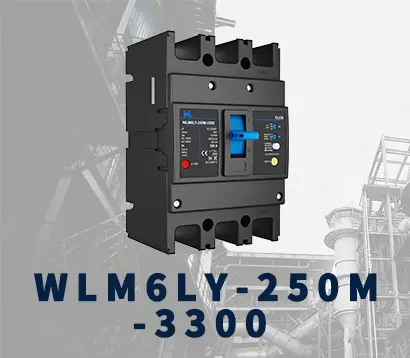 WLM6LY-250A
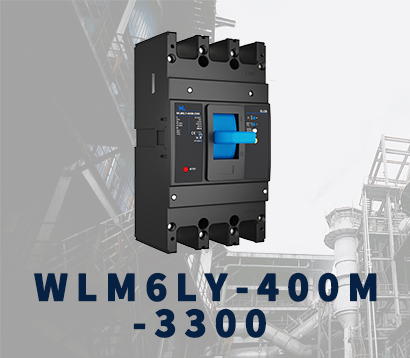 WLM6LY-400A
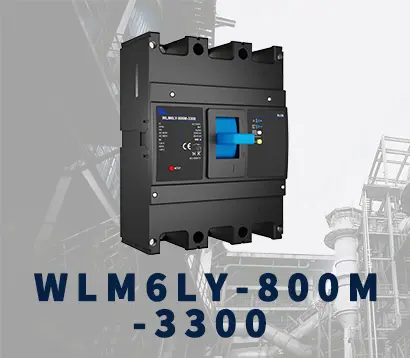 WLM6LY-800A
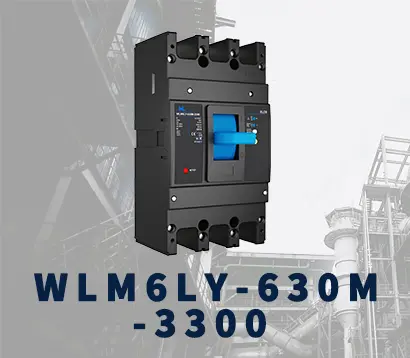 WLM6LY-630A
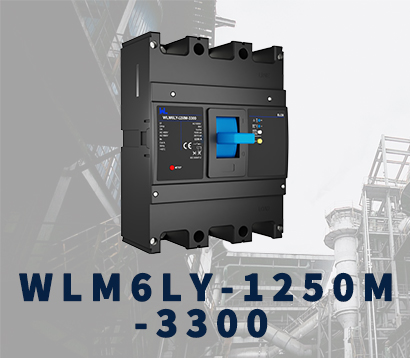 WLM6LY-1250A
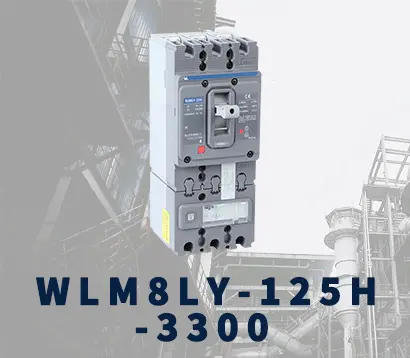 WLM8LY-125H-3300
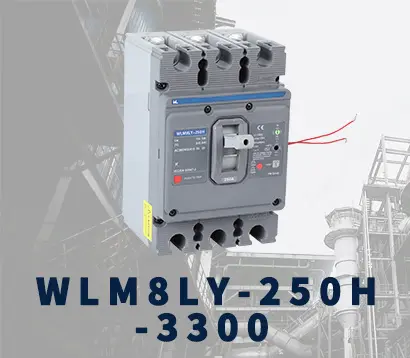 WLM8LY-250H-3300
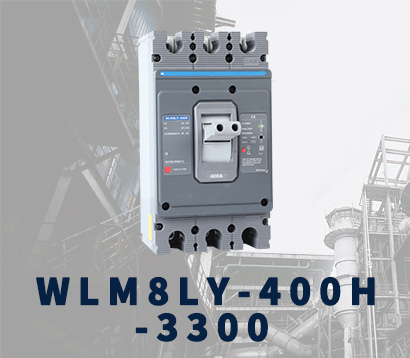 WLM8LY-400H-3300
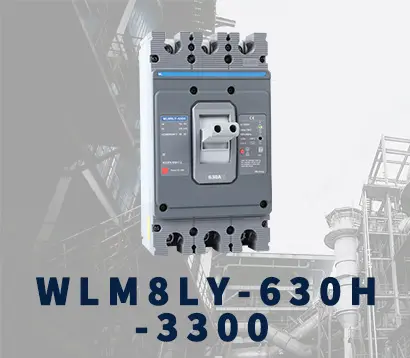 WLM8LY-630H-3300
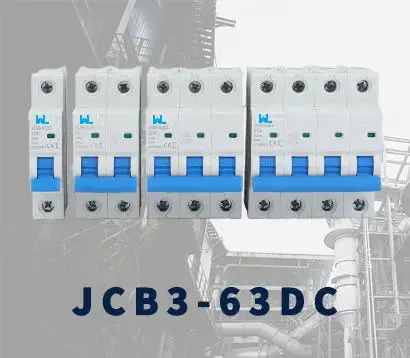 JCB3-63DC
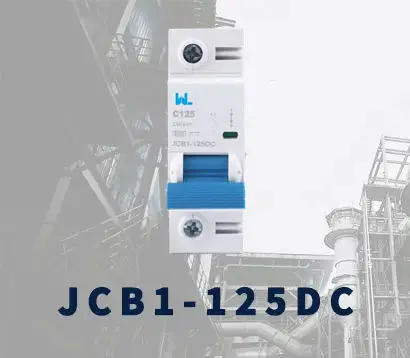 JCB1-125DC
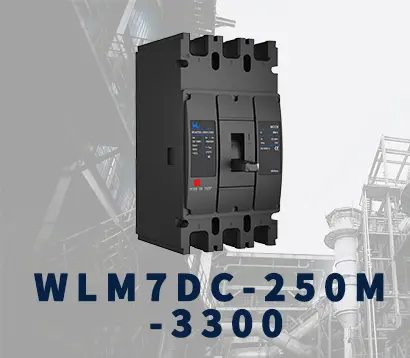 WLM7DC-250A-2300 2P/3P
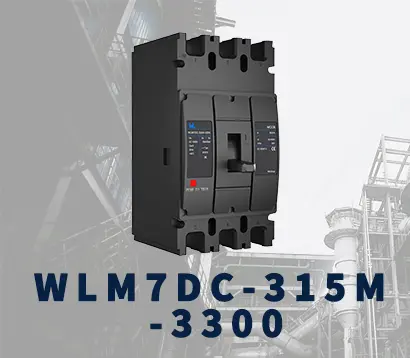 WLM7DC-315A-3300 2P/3P
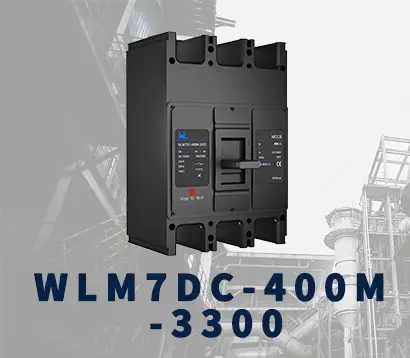 WLM7DC-400A-2300 2P/3P
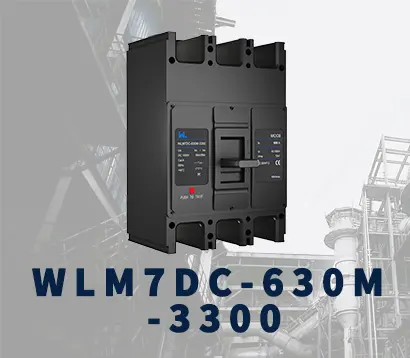 WLM7DC-630A-3300 3P
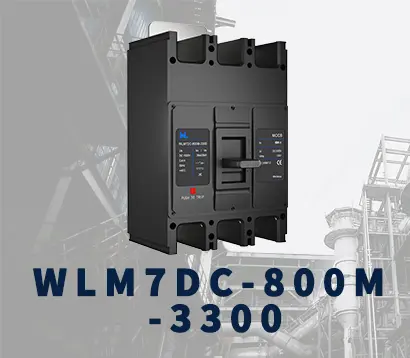 WLM7DC-800A-2300 2P/3P
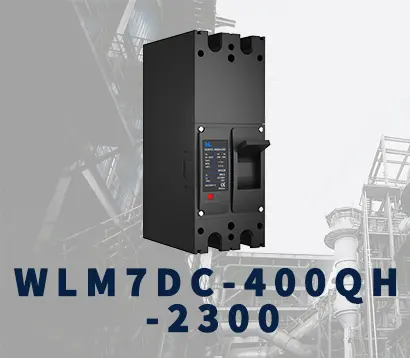 WLM7DC-400A 2300
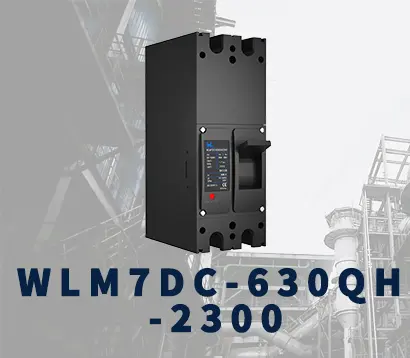 WLM7DC-630A-2300 2P
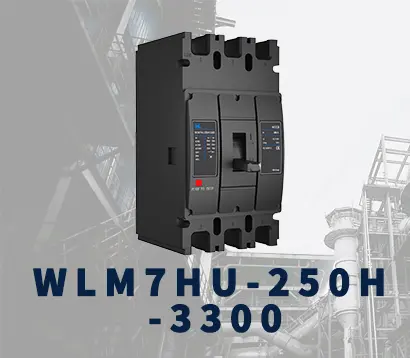 WLM7HU-250-3300 3P
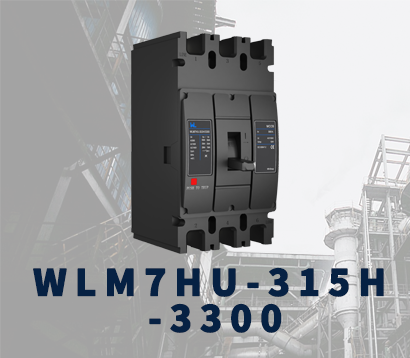 WLM7HU-315-3300 3P
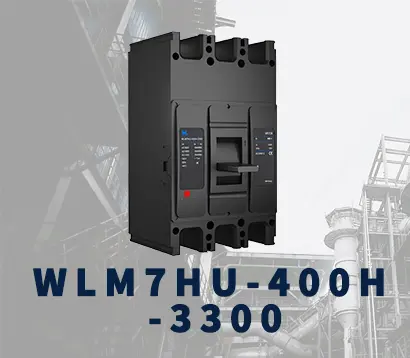 WLM7HU-400-3300 3P
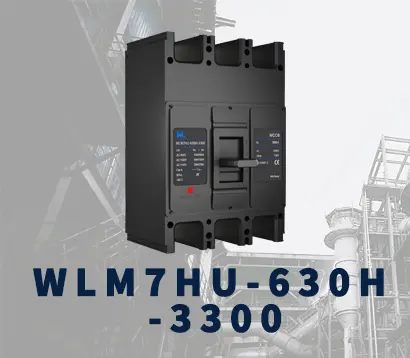 WLM7HU-630-3300 3P
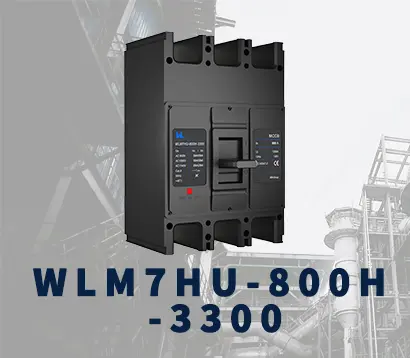 WLM7HU-800-3300 3P
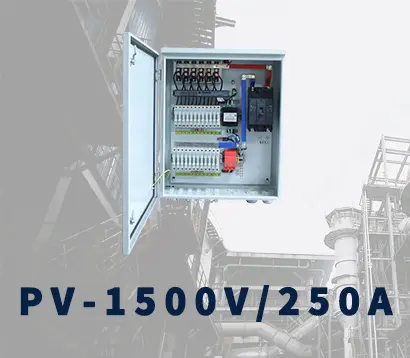 PV-1500V/250A
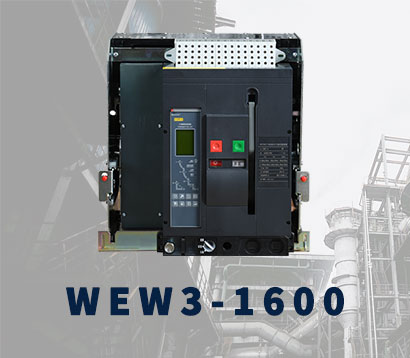 WEW3-1600
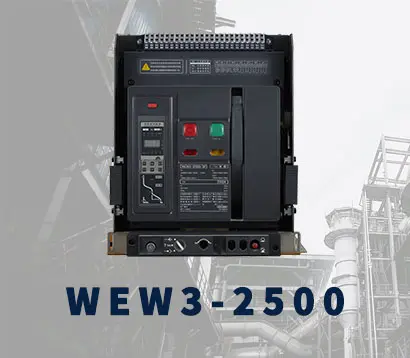 WEW3-2500
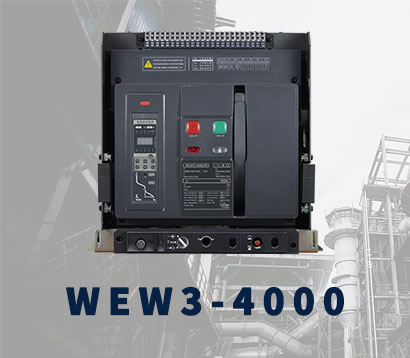 WEW3-4000
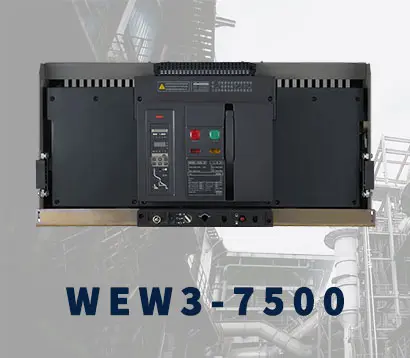 WEW3-7500