Why Choose Microprocessor Based MCCB for Your Business Needs?
In today's industrial landscape, choosing the right equipment is crucial for operational efficiency and safety. Microprocessor Based MCCB (Miniature Circuit Breakers) stand out as a reliable choice for businesses. These devices integrate advanced microprocessor technology for enhanced performance. They provide precise current monitoring and rapid fault detection, ensuring optimal protection for electrical systems.
Utilizing Microprocessor Based MCCB can greatly reduce downtime. Their ability to diagnose issues in real-time allows for quick interventions. This leads to fewer disruptions in production. Additionally, their programmable features support customization for varying operational needs. This adaptability is essential in dynamic business environments.
However, implementing such technology also requires careful consideration. Businesses must weigh the costs against the potential benefits. Understanding the specific requirements of your operation is vital. It is important to evaluate if these MCCBs align with your infrastructure's needs. Engaging with experts can provide deeper insights and aid in making informed decisions.

Understanding Microprocessor Based MCCBs and Their Functionality
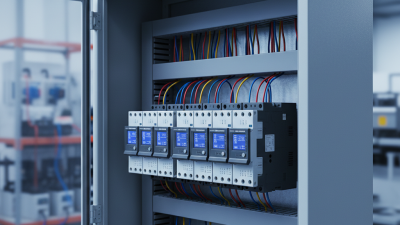
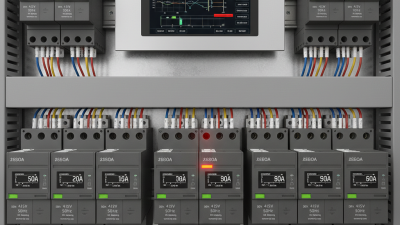
Microprocessor based MCCBs (Molded Case Circuit Breakers) represent a significant advancement in electrical protection. Unlike conventional breakers, these devices integrate intelligent technology for enhanced functionality. They continuously monitor electrical parameters and can detect issues like overloads and short circuits more accurately. This proactive capability reduces the risk of damage to equipment and enhances safety in industrial environments.
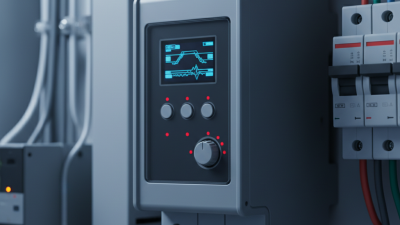
The embedded microprocessor analyzes current levels, trip thresholds, and system anomalies. This analysis allows for quicker response times compared to traditional models. Additionally, these MCCBs offer features such as programmable settings, which can be tailored to specific operational requirements. Users can adjust trip settings based on loads, enabling better control over electrical systems. However, this complexity can introduce a learning curve, necessitating proper training and understanding.
MCCBs with microprocessor technology can provide detailed data logs. This information helps in identifying patterns of electrical usage and potential failures. However, interpreting this data can pose challenges for those unfamiliar with electrical engineering principles. Balancing the benefits of detailed monitoring with the requirement for skilled operators is crucial in fully leveraging these advanced devices.
Advantages of Microprocessor Based MCCBs Over Traditional Models
Microprocessor-based Molded Case Circuit Breakers (MCCBs) are gaining recognition for their advanced capabilities. Unlike traditional MCCBs, which rely on thermal-mechanical principles, microprocessor-based models offer precise protection features. They can detect flaws in electrical systems more accurately, significantly reducing the risk of costly power outages. According to a recent industry report, businesses using microprocessor-based MCCBs have experienced a 30% decrease in equipment damage from electrical faults.
These modern MCCBs provide enhanced programmability and flexibility. Users can configure settings for overload, short circuits, and ground faults efficiently. This capability allows tailored protection for various operational needs. Enhanced diagnostic features enable easier troubleshooting. In a study published by leading electrical engineering institutions, companies reported a 25% reduction in maintenance time when using microprocessor-based MCCBs compared to traditional options.
Selecting the right MCCB can greatly impact safety and efficiency. Ensure your choice aligns with industry standards for continuous operation. Always review system performance after installation. Consider conducting regular audits to evaluate protection efficacy. Such practices help identify potential issues before they escalate. Investing in microprocessor-based solutions can yield significant long-term savings and reliability.
Advantages of Microprocessor Based MCCBs Over Traditional Models
Key Features to Look for in Microprocessor Based MCCBs
When selecting a microprocessor-based MCCB (Molded Case Circuit Breaker), understanding key features is essential. Look for adjustable trip settings. This flexibility allows businesses to tailor protection according to their specific needs. It ensures that the circuit breaker responds accurately to varying load requirements. Such customization can prevent unnecessary downtime.
Another critical feature is advanced monitoring capabilities. Reliable MCCBs provide real-time data about power usage and fault conditions. This feature not only enhances safety but also aids in energy management. You'll gain insights that help in optimizing operations. Businesses often overlook the importance of connectivity options. Modern MCCBs can integrate with existing building management systems. This connection enhances overall efficiency and enables proactive maintenance.
Consider the protection features available. A robust MCCB should offer multiple protection modes, including overload, short circuit, and ground fault. These modes safeguard against various fault conditions. It’s worthwhile to reflect on the potential need for features like remote reset capability. This convenience adds to operational efficiency. Yet, businesses sometimes delay in implementing such solutions, imagining they aren’t necessary. But the reality often shows that unexpected events can disrupt operations. Having these features ensures preparedness.
Applications of Microprocessor Based MCCBs in Various Industries
Microprocessor-based Molded Case Circuit Breakers (MCCBs) have transformed numerous industries. These advanced devices provide enhanced protection and automation features. They are vital in sectors such as manufacturing, power generation, and healthcare.
In manufacturing, they manage equipment and prevent overloading. They can effectively sense fault conditions and trip the circuit, maintaining operational efficiency.
In power generation, microprocessor-based MCCBs allow for real-time monitoring. They can gather data on current flows and fault levels. This information helps in making informed decisions regarding maintenance and safety.
In healthcare, these circuit breakers ensure that critical medical equipment operates safely. They minimize downtime and protect sensitive machinery from electrical faults.
Adopting microprocessor-based MCCBs requires careful consideration. Organizations need to evaluate their specific needs and applications. While these devices offer high levels of reliability, integration complexity can pose challenges.
Companies must reflect on their existing electrical systems and how to blend new technology seamlessly. Understanding these aspects can lead to better outcomes and increased safety.
Cost-Benefit Analysis of Implementing Microprocessor Based MCCBs
When considering circuit protection solutions, the cost-effectiveness of microprocessor-based molded case circuit breakers (MCCBs) becomes evident. These devices offer advanced features that enhance operational efficiency. Their ability to provide precise fault detection significantly reduces downtime. In industries where continuous operation is crucial, this reliability translates into significant savings.
Moreover, the initial investment in microprocessor-based MCCBs can be justified through long-term savings. These systems can adapt to various loads and conditions, allowing businesses to avoid costly upgrades or replacements down the line. By reducing unnecessary equipment failure, companies can experience lower maintenance costs. Yet, there can be concerns about the complexity of these systems. Some users may find them harder to manage without adequate training.
Another consideration is the potential for over-engineering. Not every business may require the advanced features offered by microprocessor-based MCCBs. For small operations, traditional MCCBs might suffice. Businesses should evaluate their specific needs carefully. Cost-benefit analysis reveals that while investing in microprocessor-based MCCBs can be advantageous, it is essential to assess operational requirements accurately.

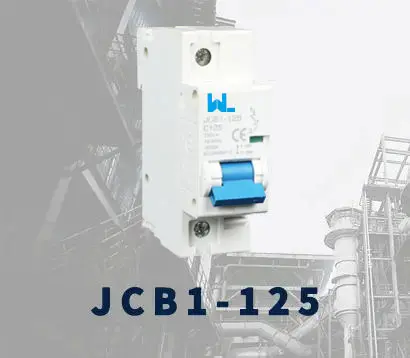 JCB1-125
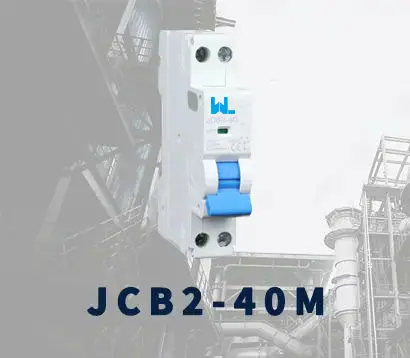 JCB2-40M
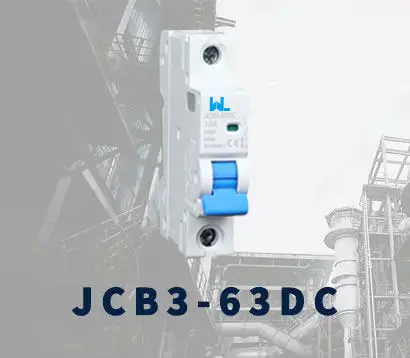 JCB3-63DC
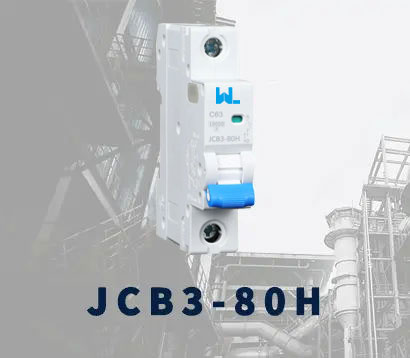 JCB3-80H
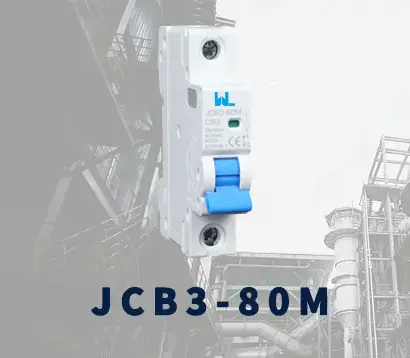 JCB3-80M
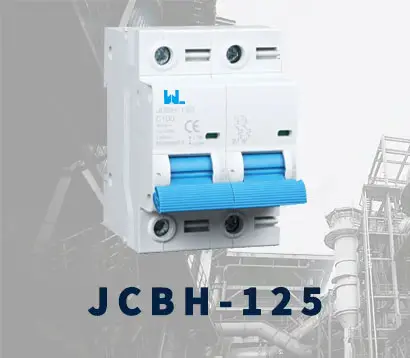 JCBH-125
 JC80-2P
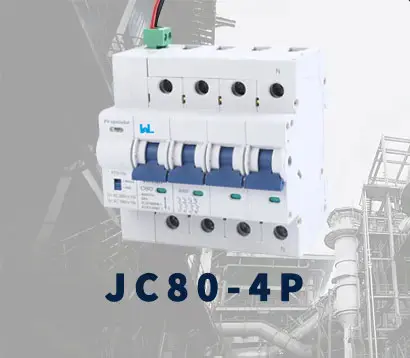 JC80-4P
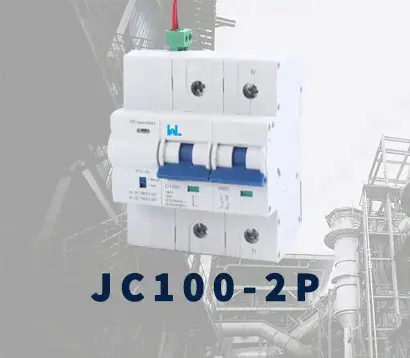 JC125-2P
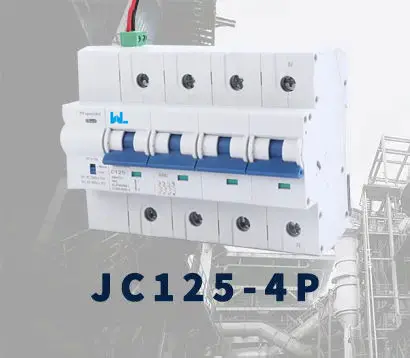 JC125-4P
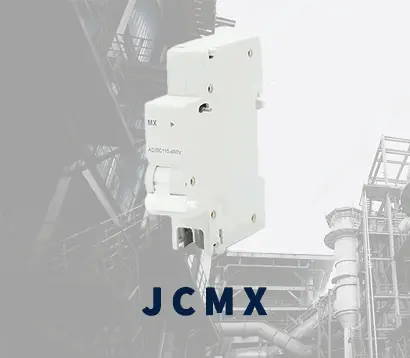 JCMX
JCMX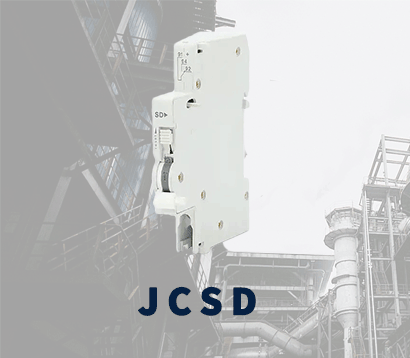 JCSD
JCSD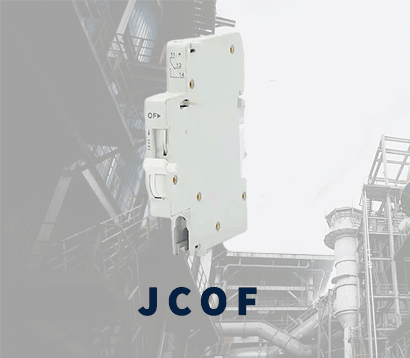 JCOF
JCOF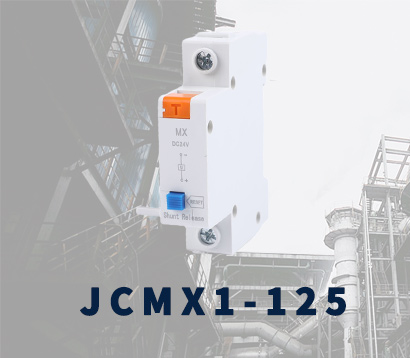 JCMX1-125
 JCOF1-125
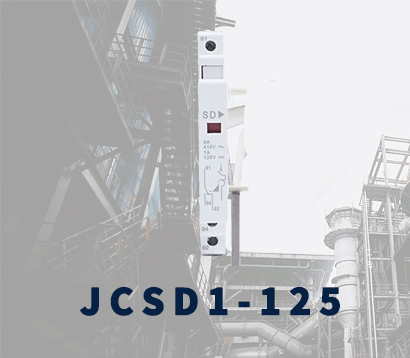 JCSD1-125
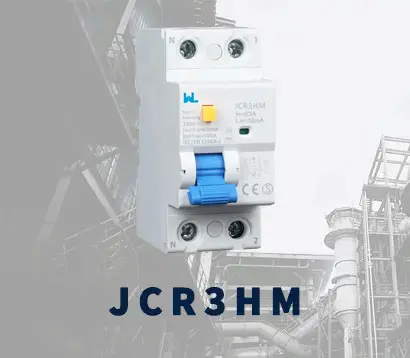 JCR3HM
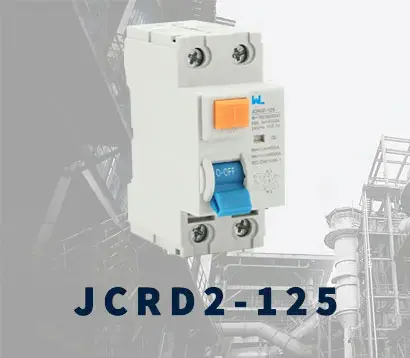 JCRD2-125
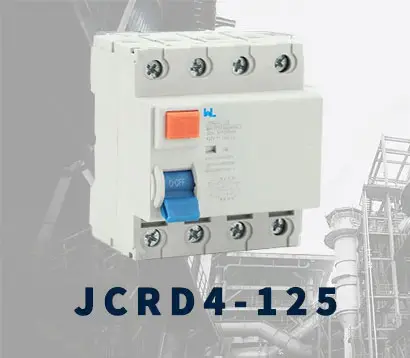 JCRD4-125
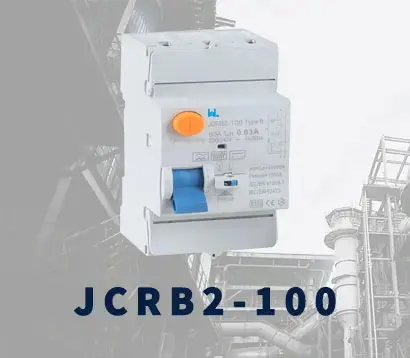 JCRB2-100
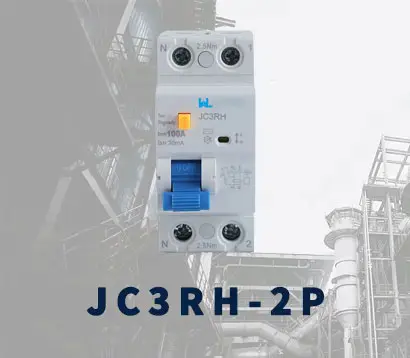 JC3RH-2P
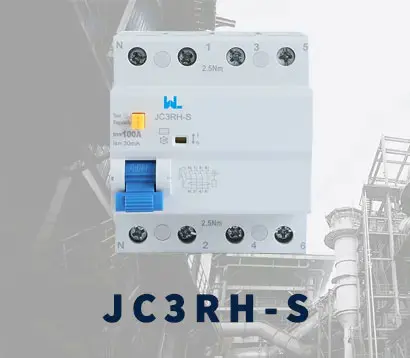 JC3RH-S
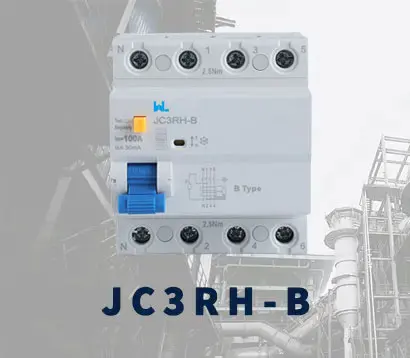 JC3RH-B
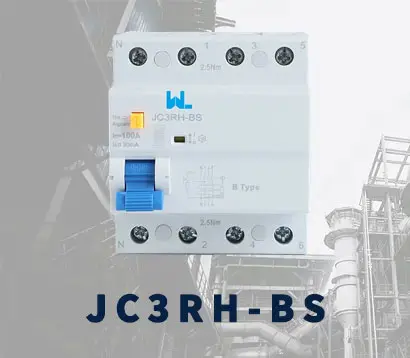 JC3RH-BS
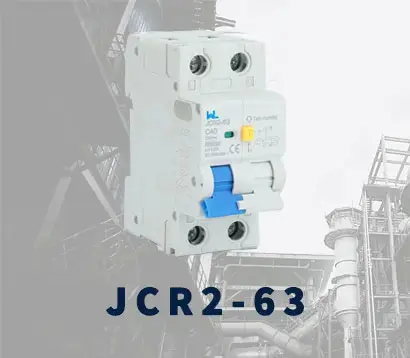 JCR2-63
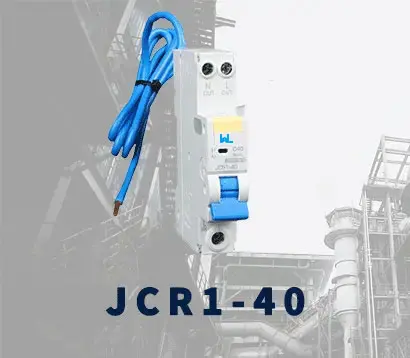 JCR1-40
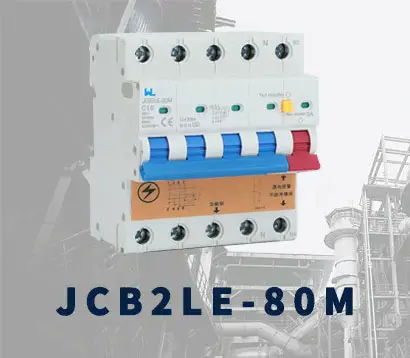 JCB2LE-80M
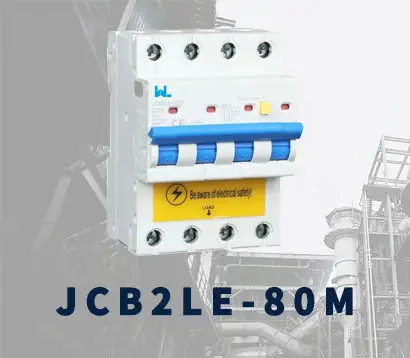 JCB2LE-80M
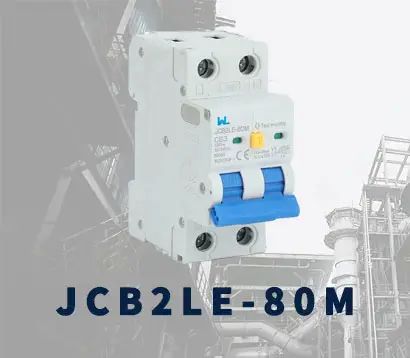 JCB2LE-80M
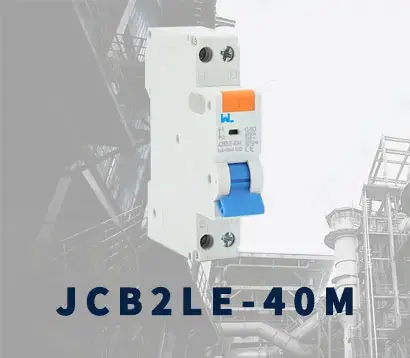 JCB2LE-40M
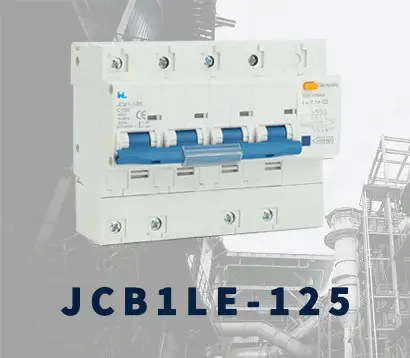 JCB1LE-125
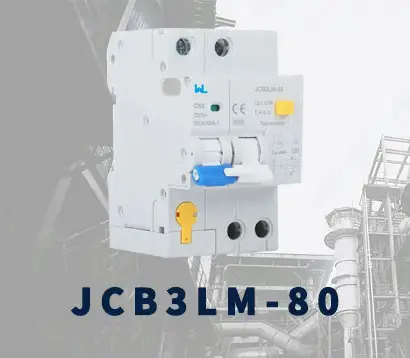 JCB3LM-80
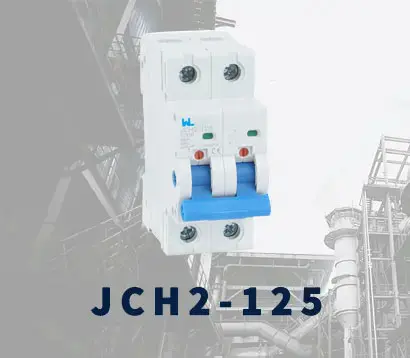 JCH2-125
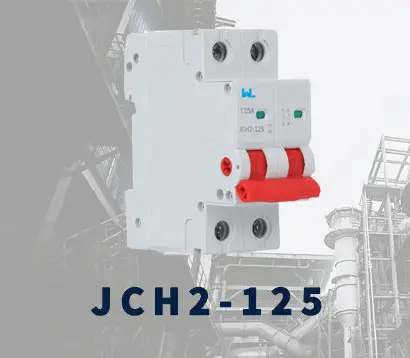 JCH2-125
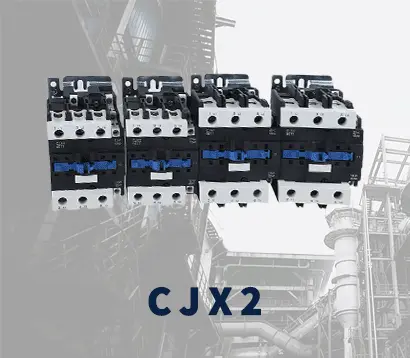 CJX2
CJX2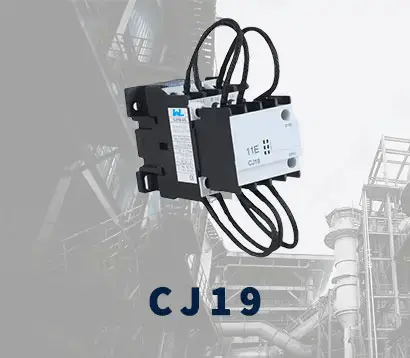 CJ19
CJ19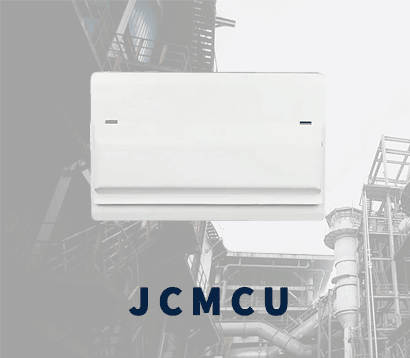 JCMCU
JCMCU JCHA
JCHA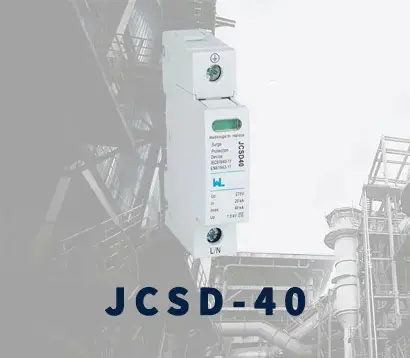 JCSD-40
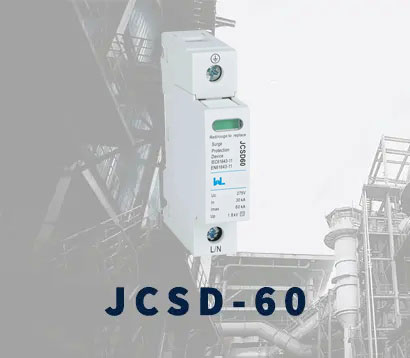 JCSD-60
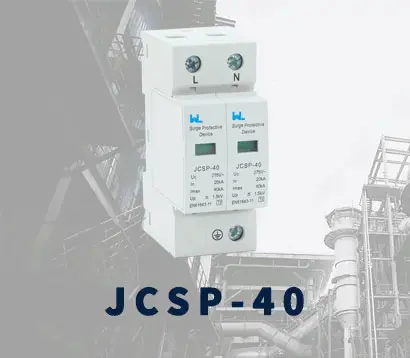 JCSP-40
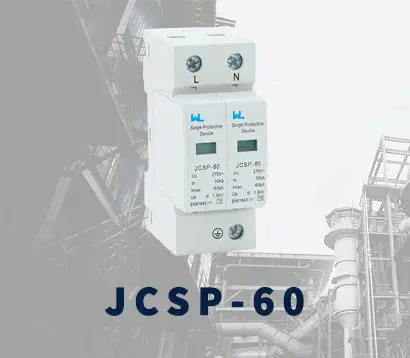 JCSP-60
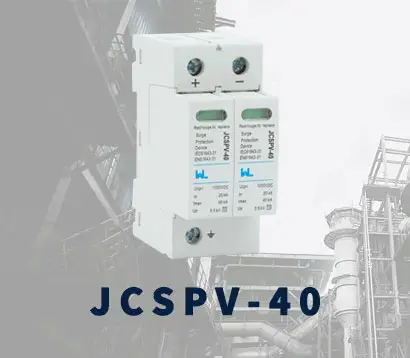 JCSPV
JCSPV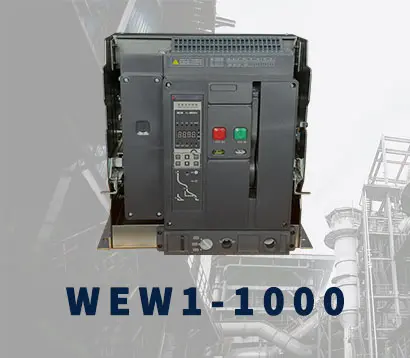 WEW1-1000
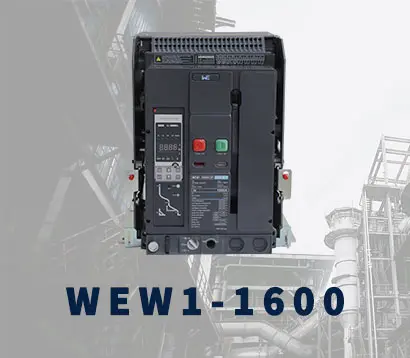 WEW1-1600
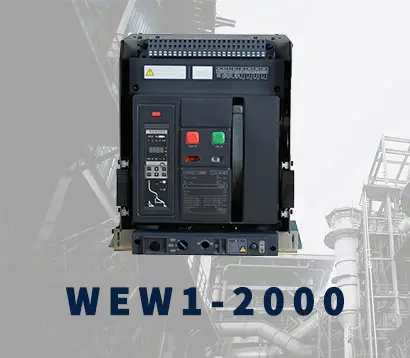 WEW1-2000
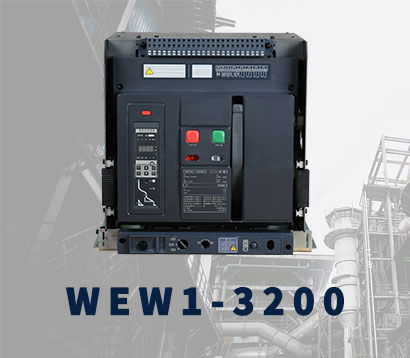 WEW1-3200
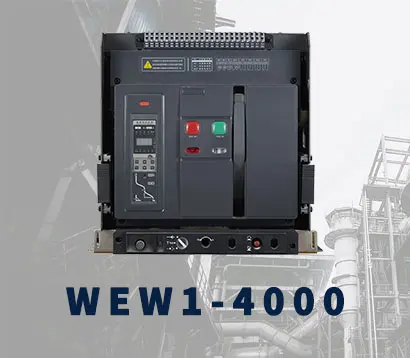 WEW1-4000
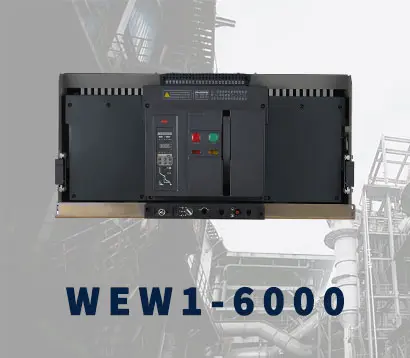 WEW1-6300
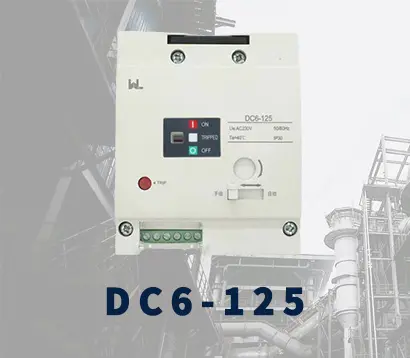 DC6-125
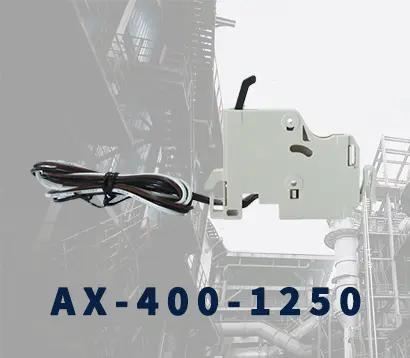 AX-400-1250
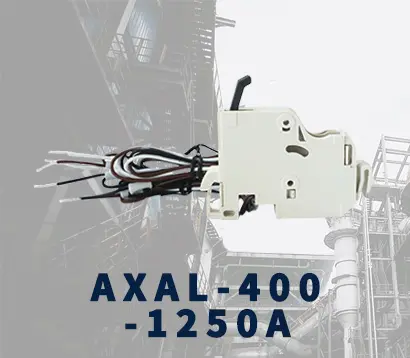 AXAL-400-1250A
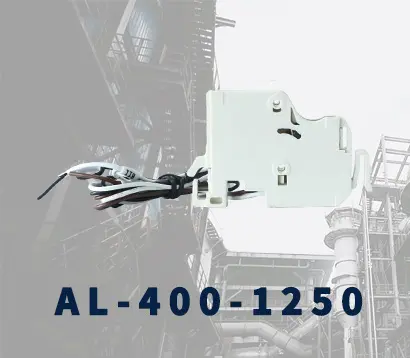 AL-400-1250
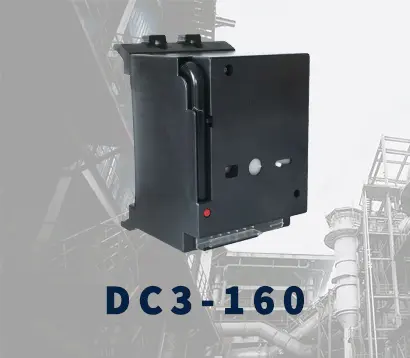 DC3-160
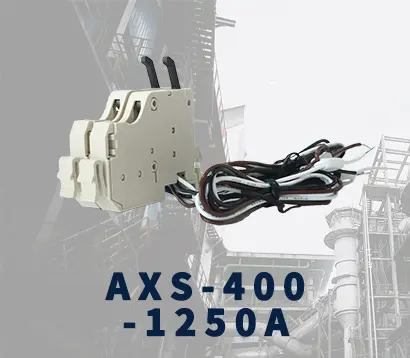 AXS-400-1250A
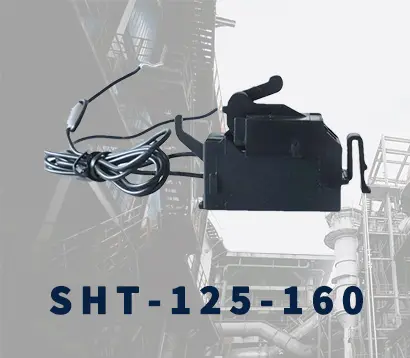 SHT-125-160
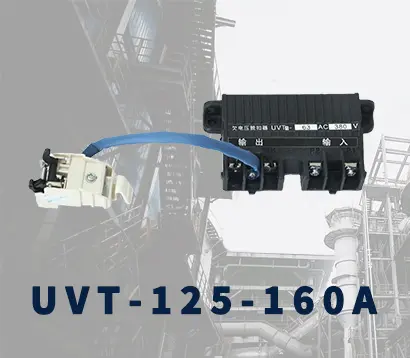 UVT-125-160A
 P-250A-3P-A
 400-3P/4P terminal cover
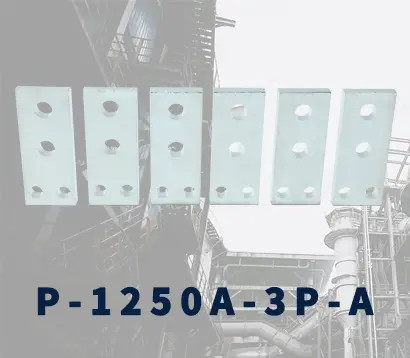 1250-3Pmccb accessories busbar
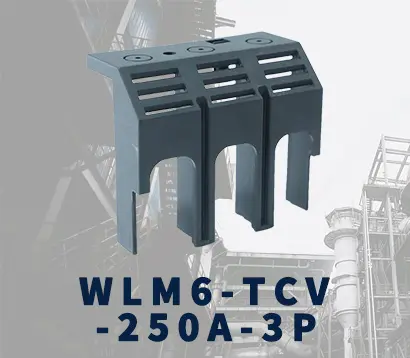 250-3P terminal conver
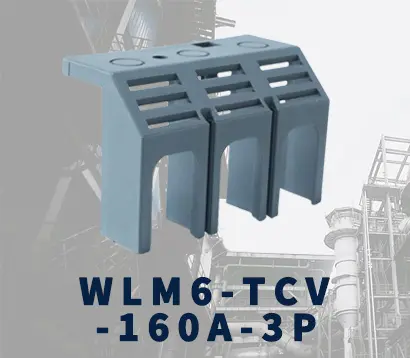 WLM6-TCV-160A-3P
 WLM6-MIP-250A
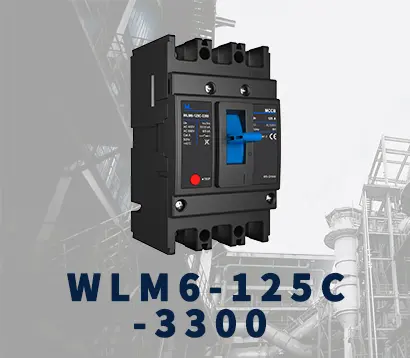 WLM6-125A-3300 3P/4P
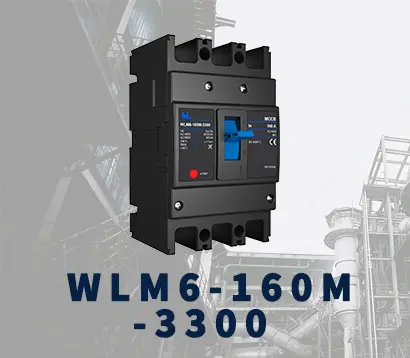 WLM6-160A-3300 3P/4P
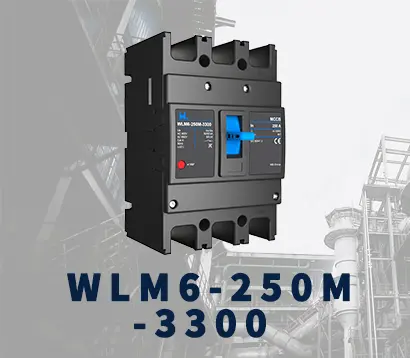 WLM6-250A-3300 3P/4P
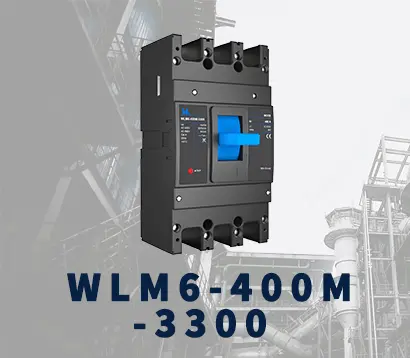 WLM6-400A-3300 3P/4P
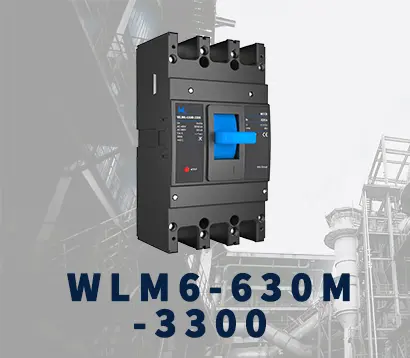 WLM6-630A-3300 3P/4P
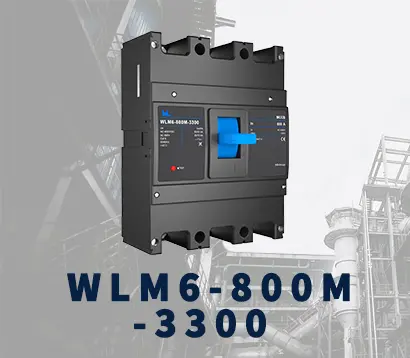 WLM6-800A-3300 3P/4P
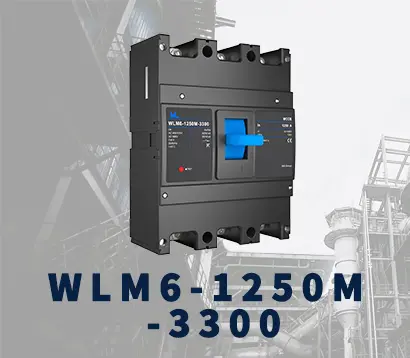 WLM6-1250A-3300 3P/4P
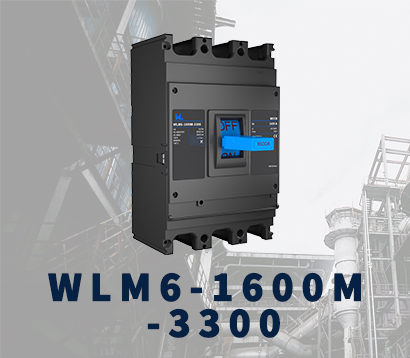 WLM6-1600A-3300 3P/4P
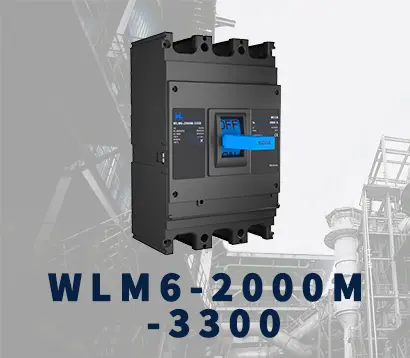 WLM6-2000A 3P/4P
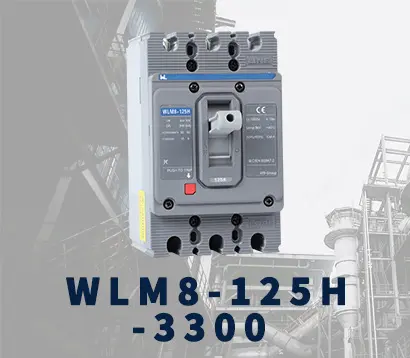 WLM8-125H-3300
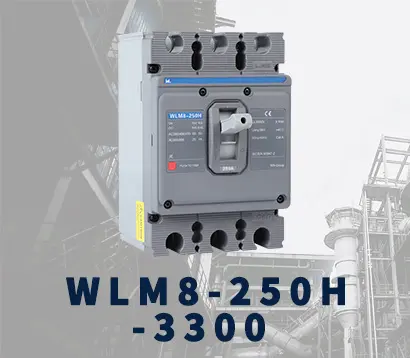 WLM8-250H-3300
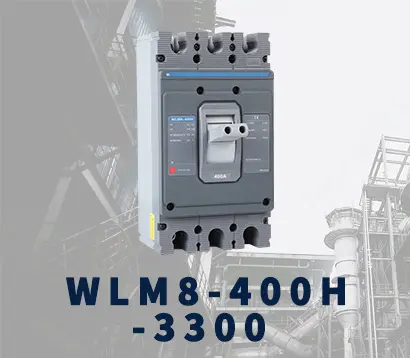 WLM8-400H-3300
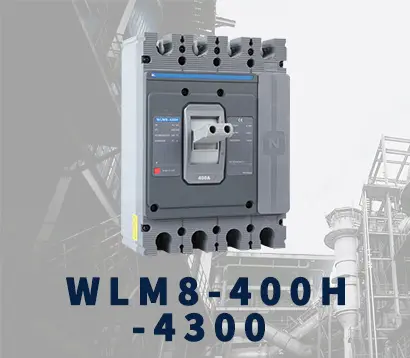 WLM8-400H-4300
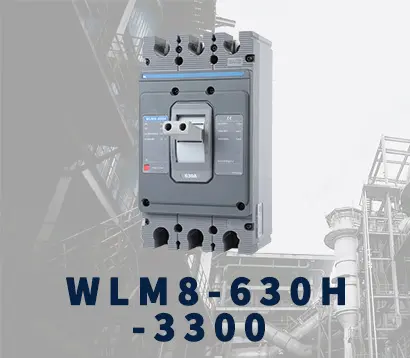 WLM8-630H-3300
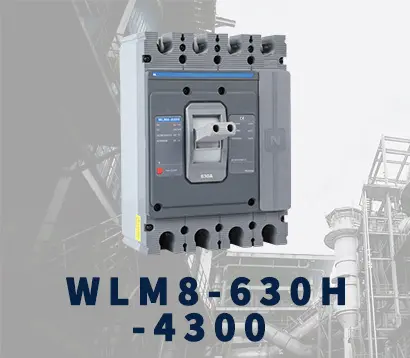 WLM8-630H-4300
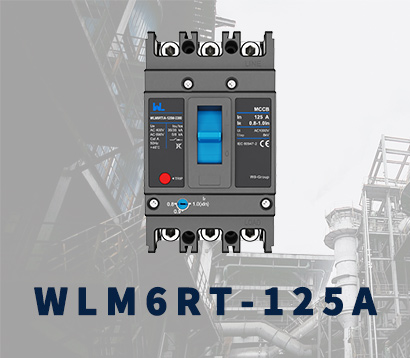 WLM6RT-125A
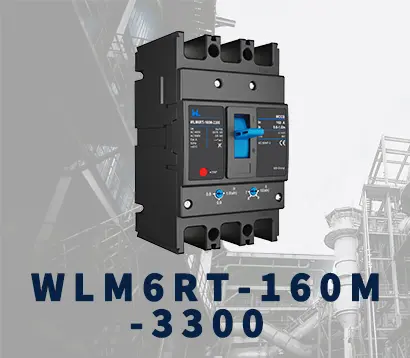 WLM6RT-160A
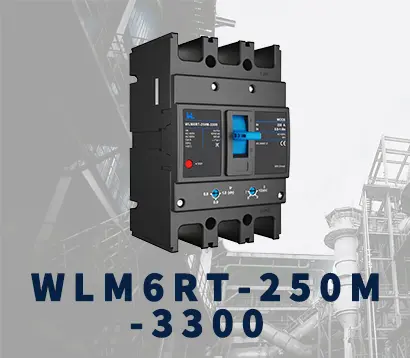 WLM6RT-250A
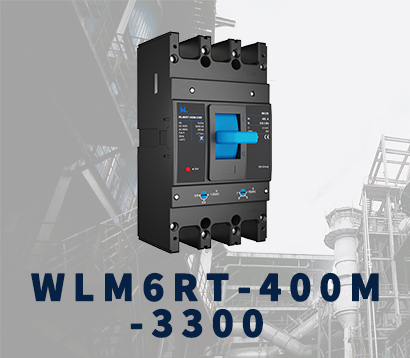 WLM6RT-400A
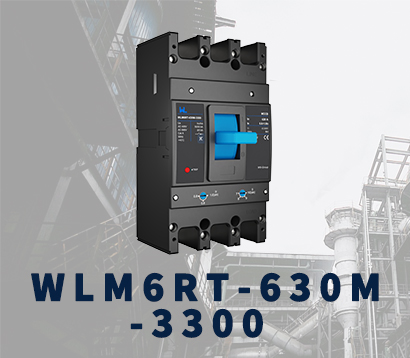 WLM6RT-630A
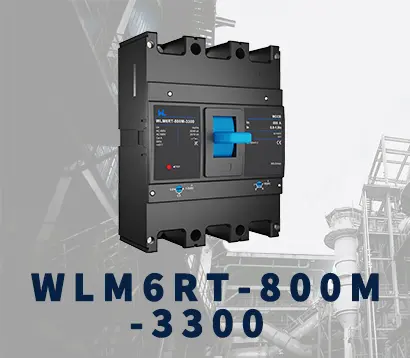 WLM6RT-800A
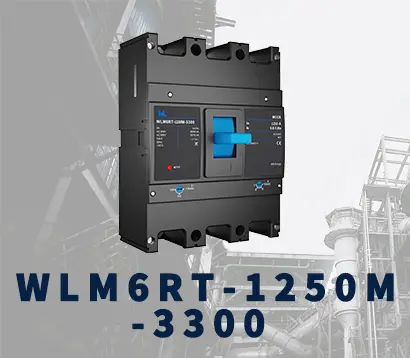 WLM6RT-1250A
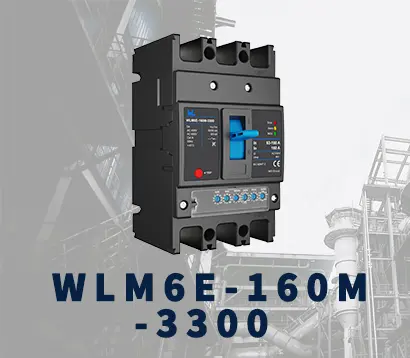 WLM6E-160A-3300 3P
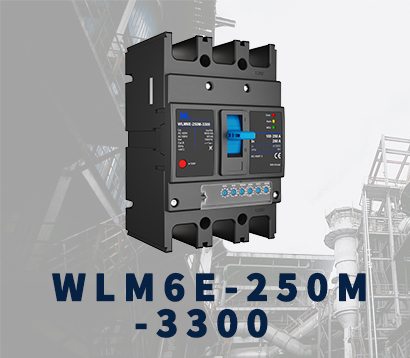 WLM6E-250A-3300
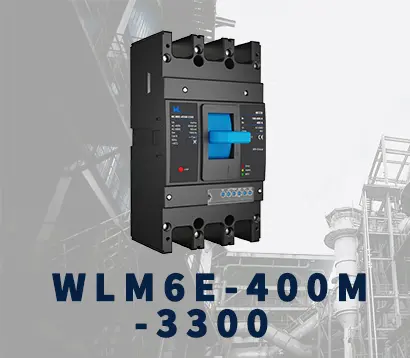 WLM6E-400A-3300 3P/4P
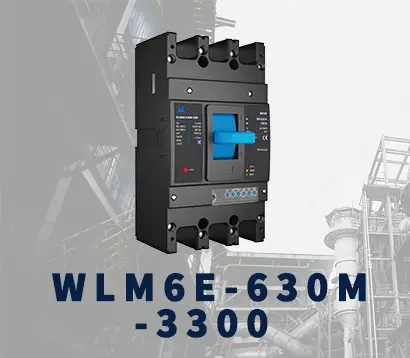 WLM6E-630A-3300
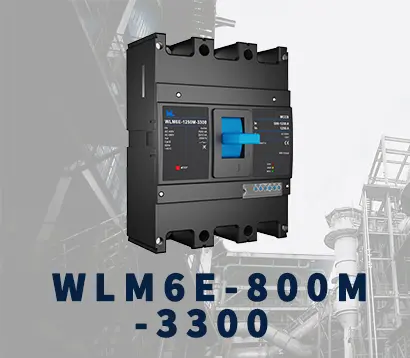 WLM6E-800A-3300 3P/4P
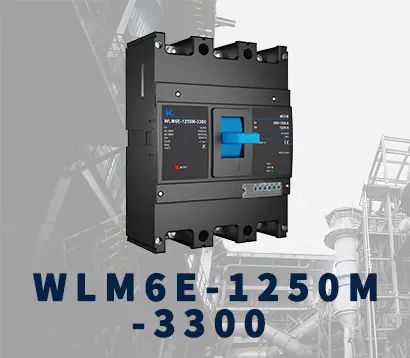 WLM6E-1250A-3300
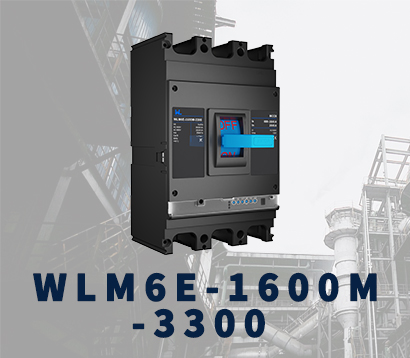 WLM6E-1600-3300 3P/4P
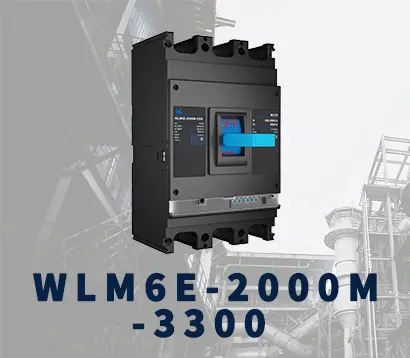 WLM6E-2000A-3300 3P/4P
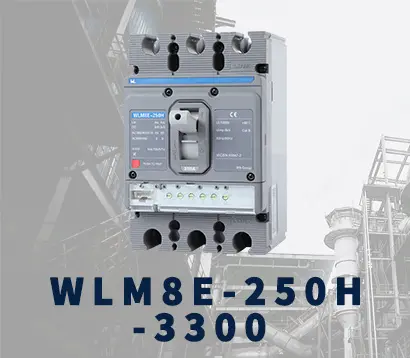 WLM8E-250H-3300
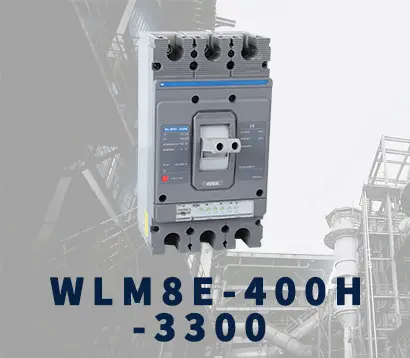 WLM8E-400H-3300
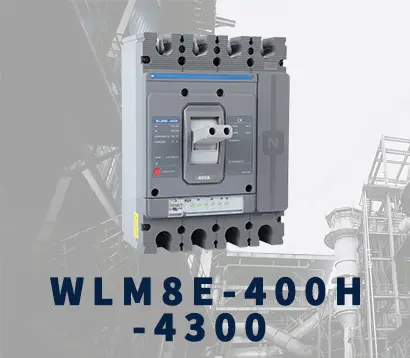 WLM8E-400H-4300
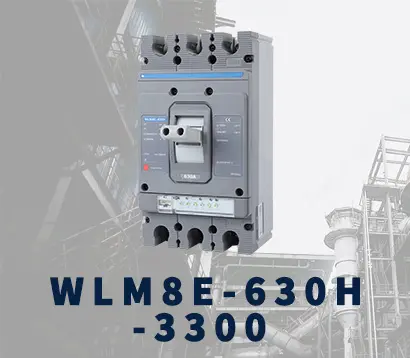 WLM8E-630H-3300
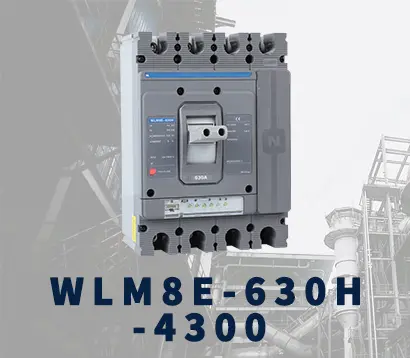 WLM8E-630H-4300
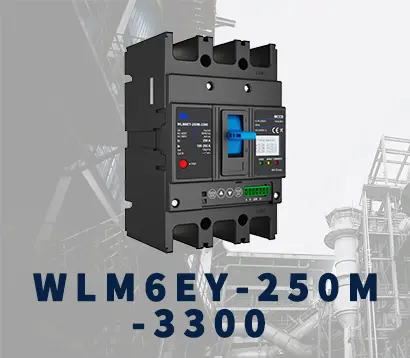 WLM6EY-250-3300 3P/4P
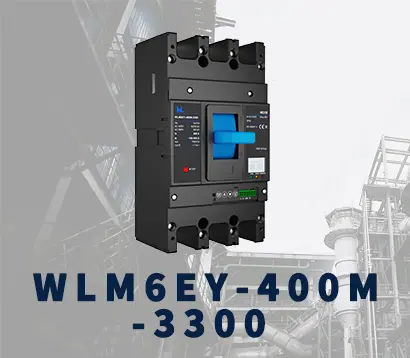 WLM6EY-400 3P/4P
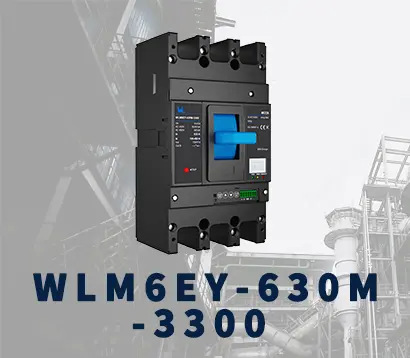 WLM6EY-630 3P/4P
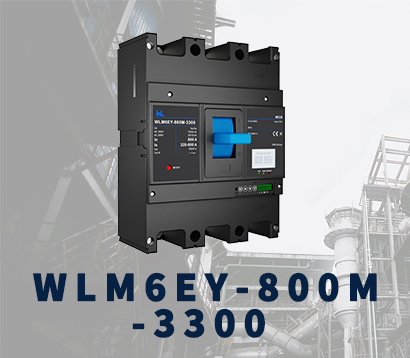 WLM6EY-800A 3P/4P
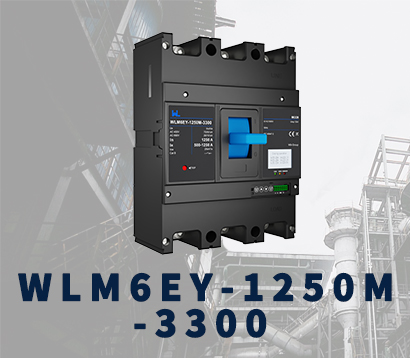 WLM6EY-1250A 3P/4P
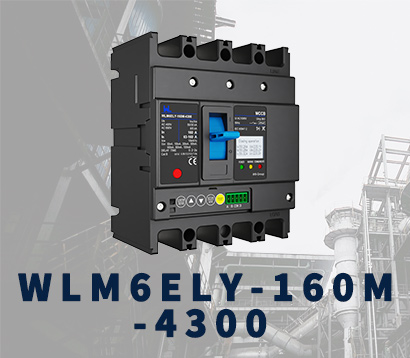 WLM6ELY-160A
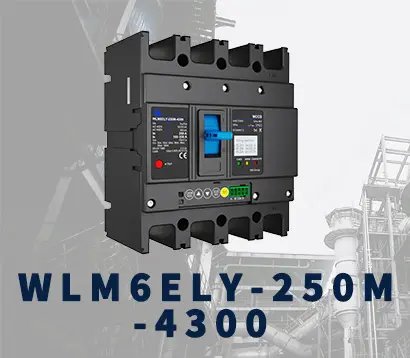 WLM6ELY-250A
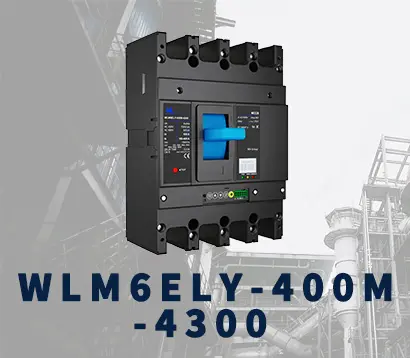 WLM6ELY-400A
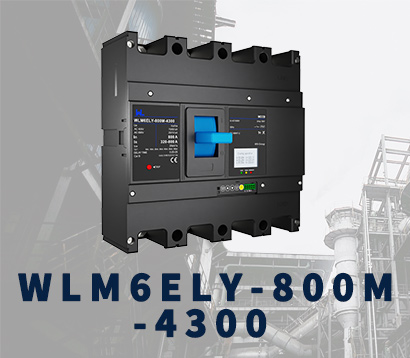 WLM6ELY-800A
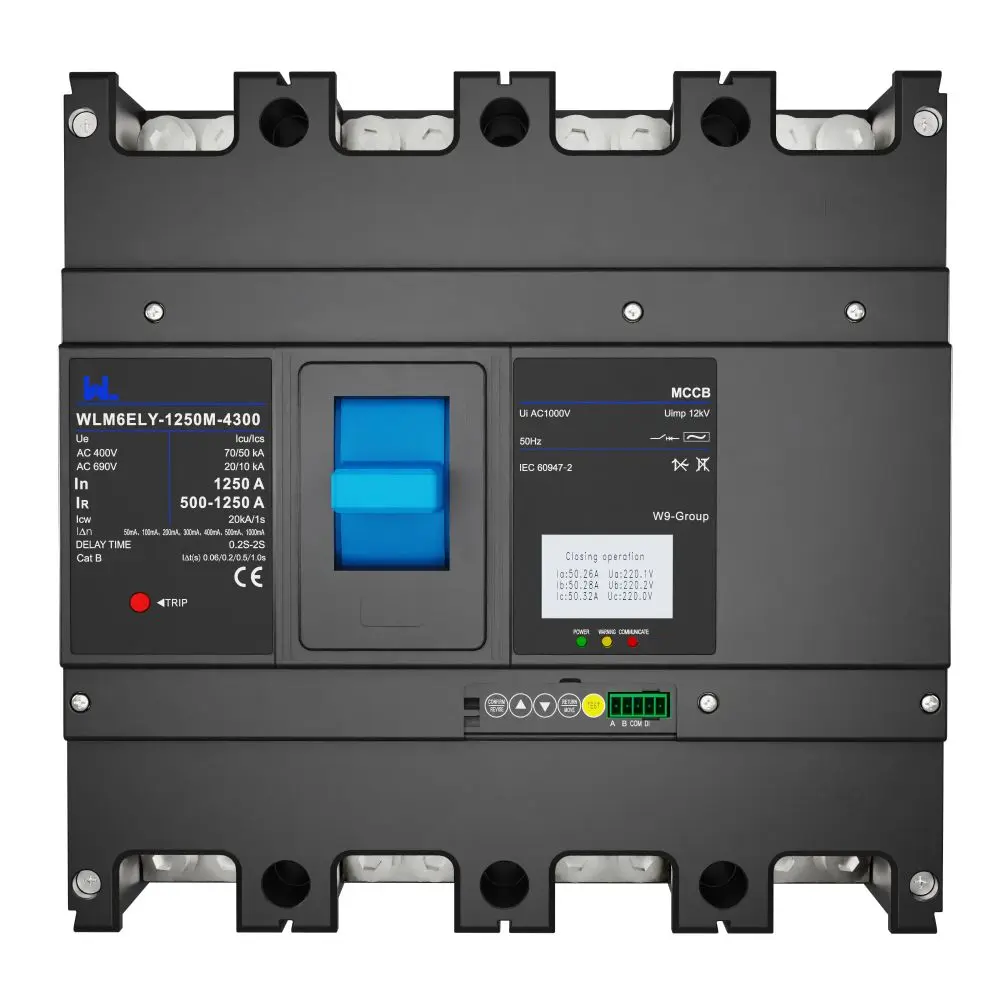 WLM6ELY-1250A
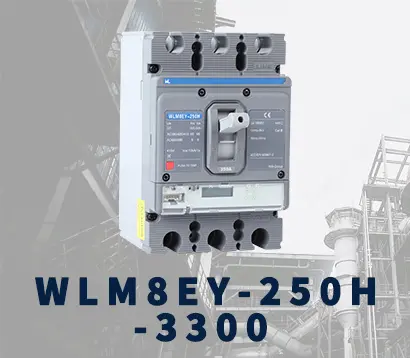 WLM8EY-250H-3300
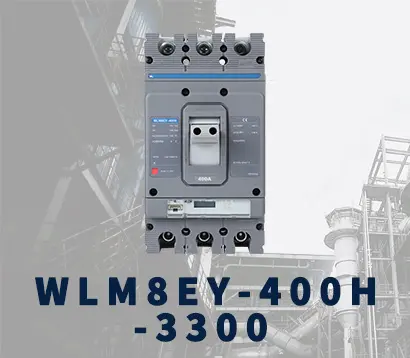 WLM8EY-400H-3300
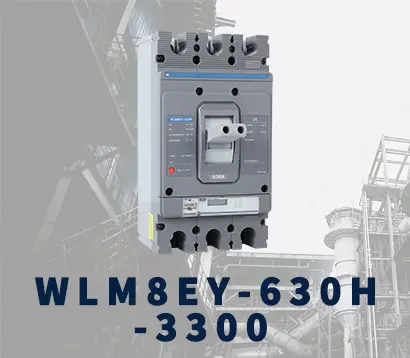 WLM8EY-630H-3300
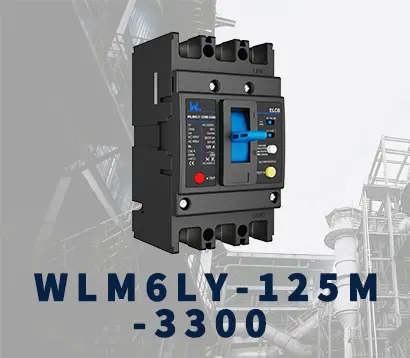 WLM6LY-125A
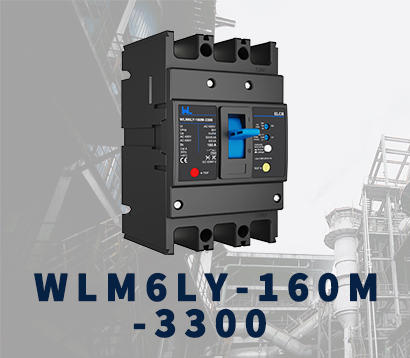 WLM6L-160A
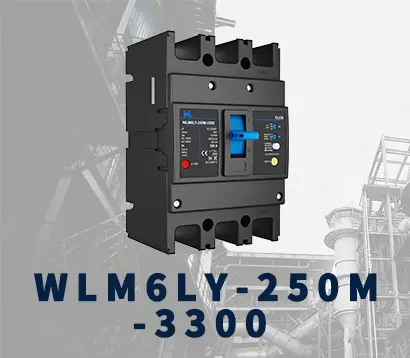 WLM6LY-250A
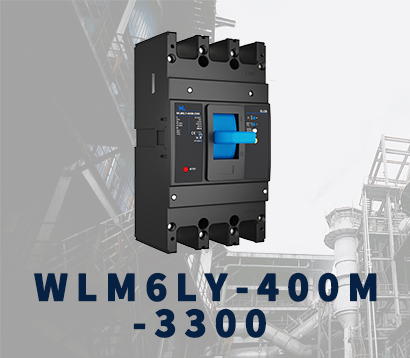 WLM6LY-400A
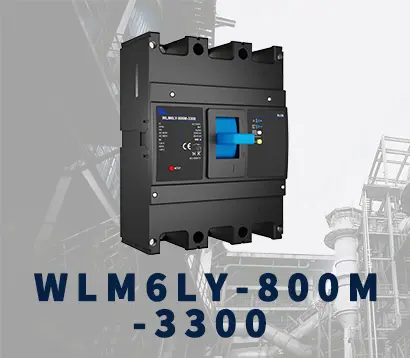 WLM6LY-800A
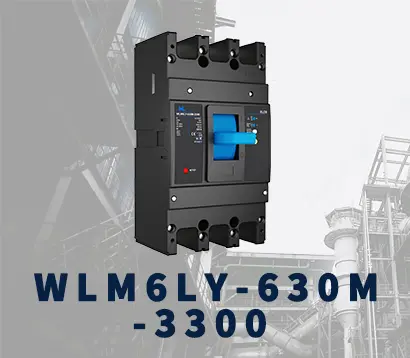 WLM6LY-630A
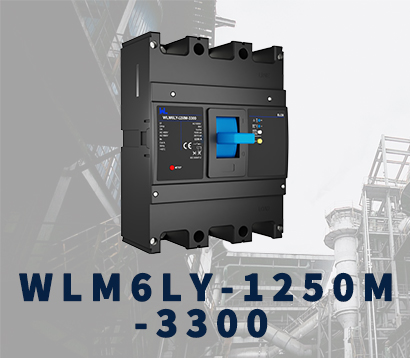 WLM6LY-1250A
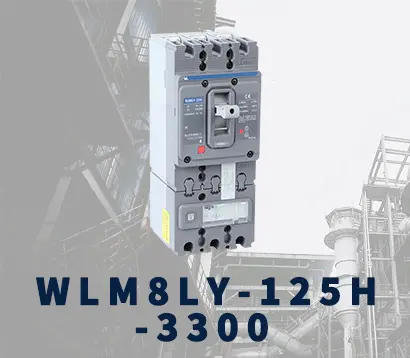 WLM8LY-125H-3300
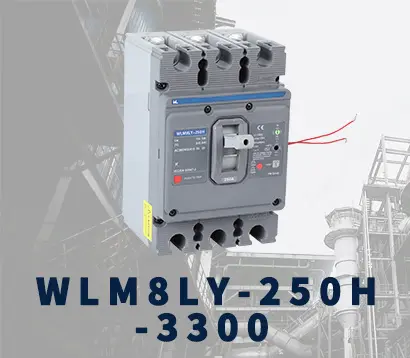 WLM8LY-250H-3300
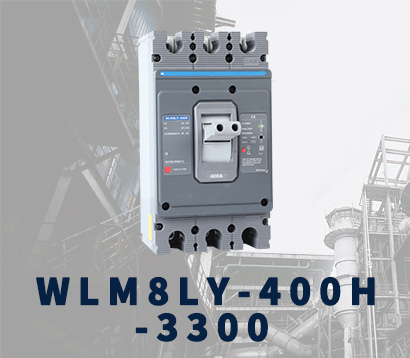 WLM8LY-400H-3300
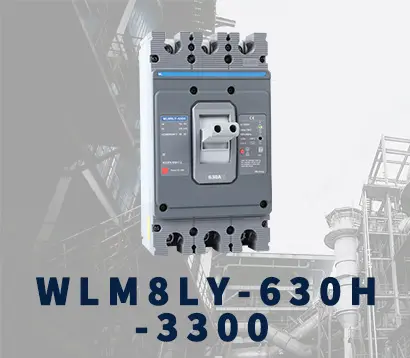 WLM8LY-630H-3300
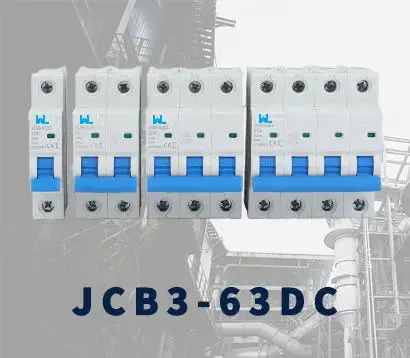 JCB3-63DC
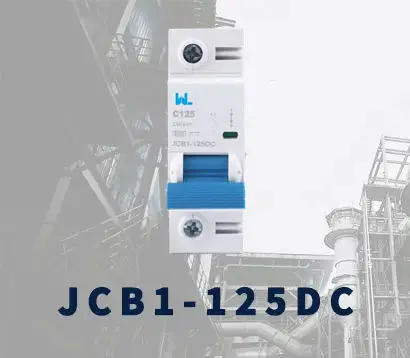 JCB1-125DC
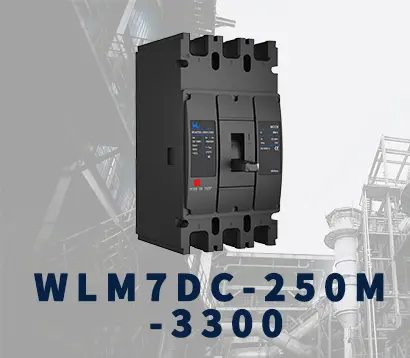 WLM7DC-250A-2300 2P/3P
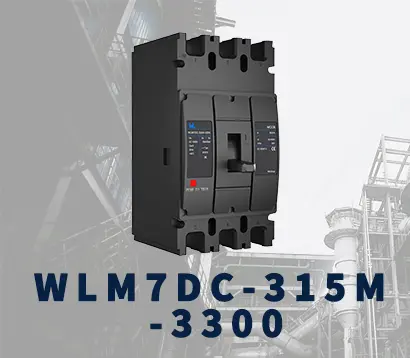 WLM7DC-315A-3300 2P/3P
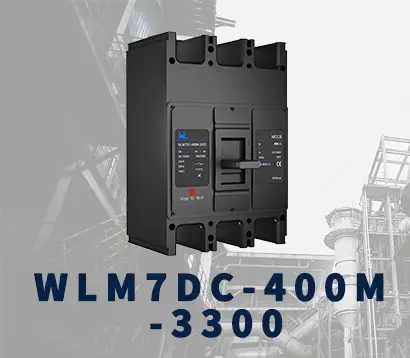 WLM7DC-400A-2300 2P/3P
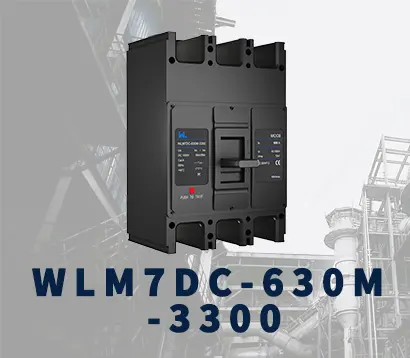 WLM7DC-630A-3300 3P
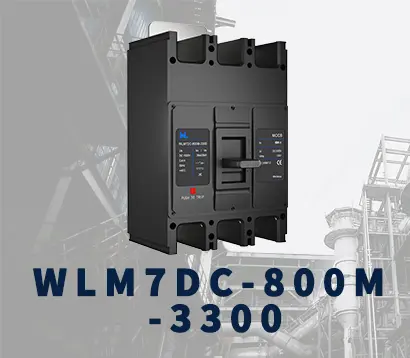 WLM7DC-800A-2300 2P/3P
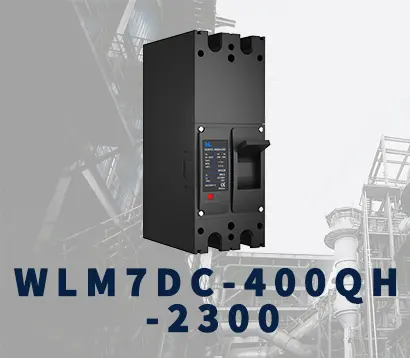 WLM7DC-400A 2300
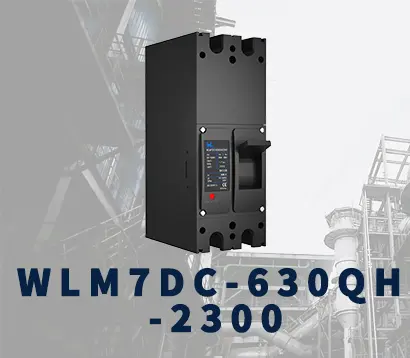 WLM7DC-630A-2300 2P
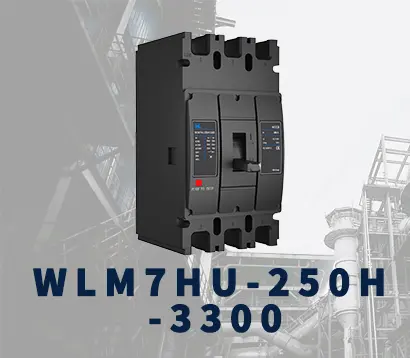 WLM7HU-250-3300 3P
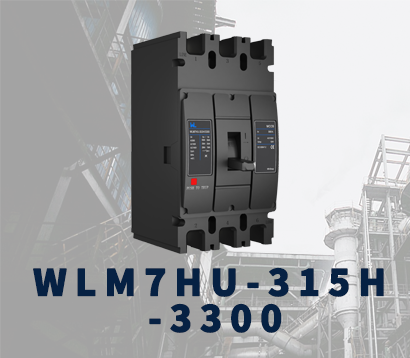 WLM7HU-315-3300 3P
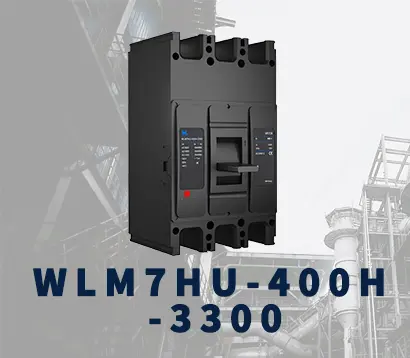 WLM7HU-400-3300 3P
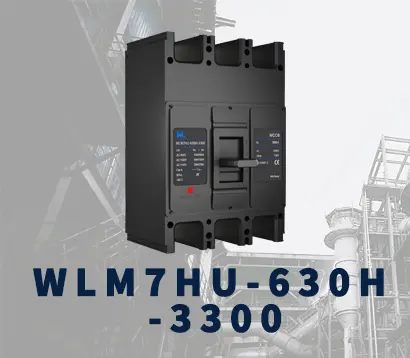 WLM7HU-630-3300 3P
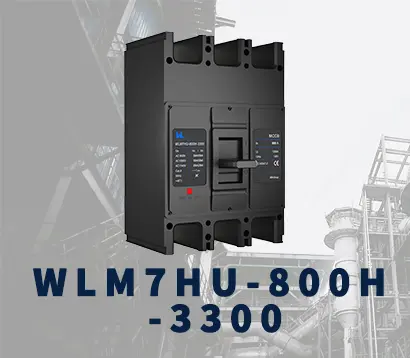 WLM7HU-800-3300 3P
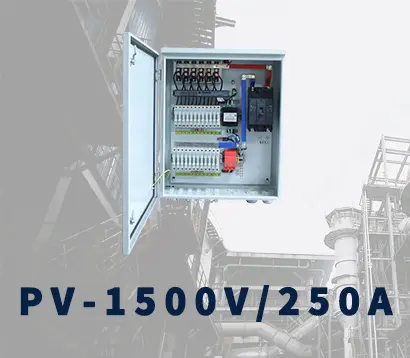 PV-1500V/250A
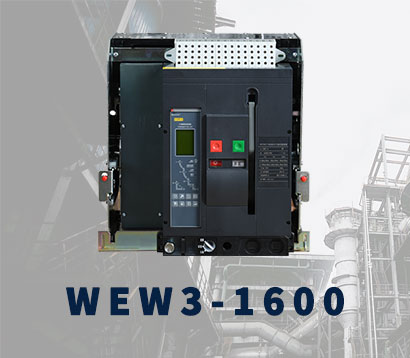 WEW3-1600
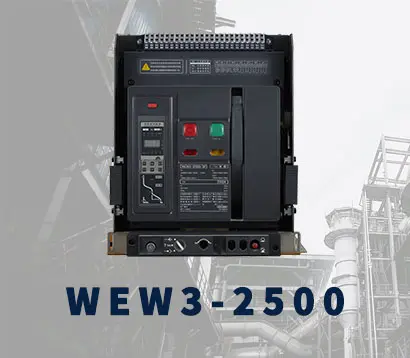 WEW3-2500
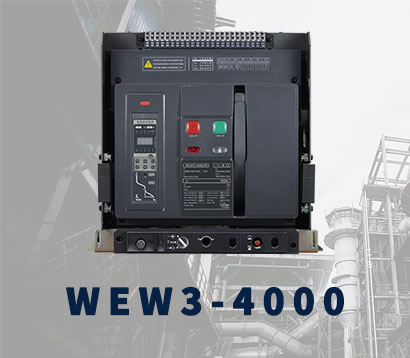 WEW3-4000
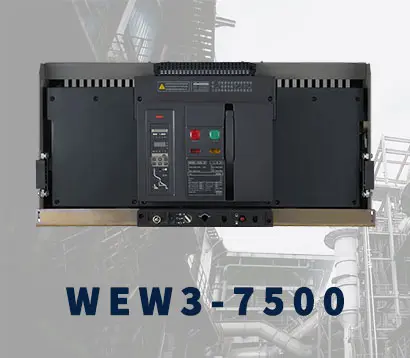 WEW3-7500