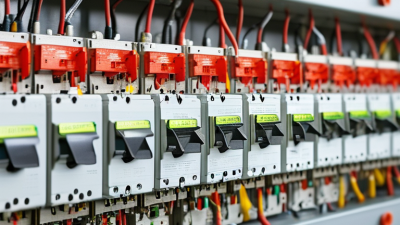
| Definition |
A resettable circuit-protection device that combines thermal overload protection with magnetic short-circuit protection. |
One device can address two common overcurrent conditions without requiring separate overload and short-circuit protection components. |
| Thermal Protection Element |
Bimetal strip
Trips when sustained current heats and bends the bimetal element. |
Provides inverse-time protection: a small overload may take longer to trip, while a larger overload trips more quickly. |
| Magnetic Protection Element |
Electromagnetic trip
Operates rapidly when fault current reaches the magnetic trip level. |
Helps limit the duration of high-current short circuits and reduces potential damage to conductors and equipment. |
| Protection Against Overload |
Designed for prolonged overcurrents above the rated current, subject to the applicable time-current characteristic. |
Protects wiring and connected equipment from overheating caused by excessive continuous or sustained current. |
| Protection Against Short Circuit |
Fast magnetic operation during high-current faults, typically within a fraction of a second. |
Rapid interruption reduces thermal and mechanical stress on cables, busbars, terminals, and connected loads. |
| Common Magnetic Trip Curves |
B: approximately 3–5 × rated current
C: approximately 5–10 × rated current
D: approximately 10–20 × rated current
|
The curve should match the expected inrush current. Lower magnetic thresholds suit low-inrush loads; higher thresholds can help prevent unwanted trips from motors and transformers. |
| Rated Current Range |
Common miniature circuit breaker ratings range from approximately 0.5 A to 125 A. Higher-current thermal-magnetic molded-case designs are also available. |
The selected rating must be coordinated with conductor ampacity, ambient conditions, load current, and installation requirements. |
| System Voltage |
Available ratings depend on the device design and application; common low-voltage systems include 120 V, 230 V, 400 V, and 480 V classes. |
The breaker voltage rating must be equal to or greater than the system voltage and suitable for the number of poles and circuit arrangement. |
| Number of Poles |
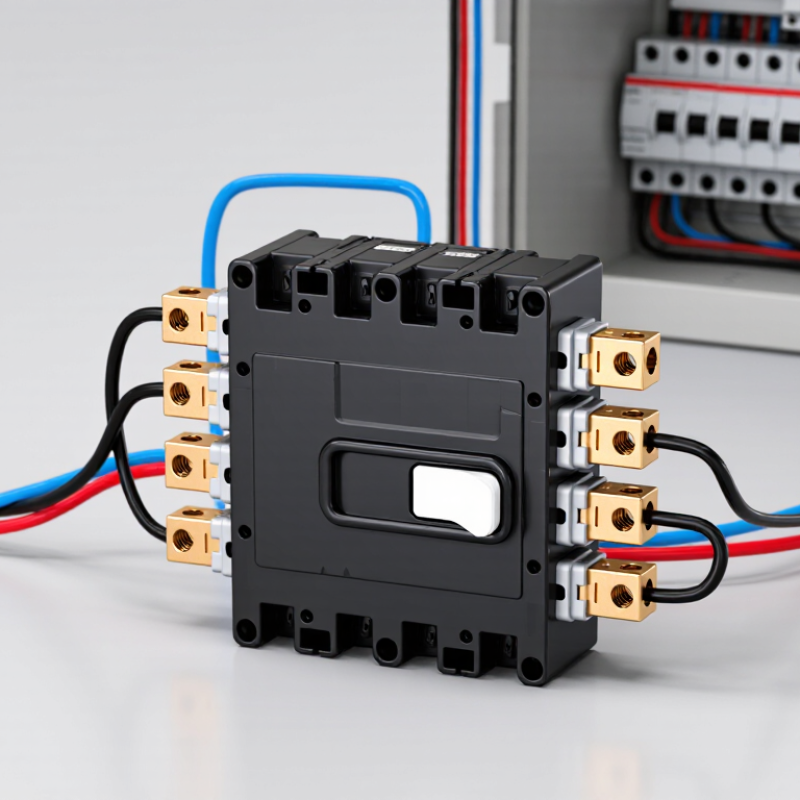
1-pole2-pole3-pole4-pole |
Pole configuration is selected according to the circuit type, phase arrangement, and whether neutral isolation is required. |
| Interrupting Capacity |
Common low-voltage products are available with interrupting capacities such as 6 kA, 10 kA, or higher, depending on construction and certification. |
The interrupting capacity must be at least equal to the prospective short-circuit current at the installation point. |
| Reset Method |
Manual reset after the fault has been cleared and the breaker has cooled sufficiently. |
Resetting is generally quick and straightforward, but repeated trips should be investigated rather than continually reset. |
| Response to Repeated Overloads |
The thermal element responds to heat accumulation and may trip faster after repeated overload events. |
This thermal memory effect reflects the actual heating condition of the protective device and helps reduce prolonged overheating. |
| Typical Applications |
Residential distribution boards, commercial panels, industrial control circuits, lighting circuits, socket circuits, and small motor feeders. |
Thermal-magnetic protection is suitable where both overload protection and short-circuit interruption are required in one compact device. |
| Main Advantages |
Dual protection, resettable operation, compact installation, fast fault interruption, and widely available characteristic curves. |
These features can simplify panel design, improve maintainability, and reduce downtime compared with replacing fuses after every fault. |
| Important Selection Factors |
Rated current, voltage, number of poles, interrupting capacity, trip curve, ambient temperature, conductor size, and applicable standard. |
Correct selection requires coordination with the complete electrical system; a breaker should not be chosen by current rating alone. |
| Applicable Standards |
Common reference standards include IEC 60898-1 for household and similar circuit breakers and IEC 60947-2 for low-voltage circuit breakers. Regional standards may also apply. |
Certification and installation requirements vary by jurisdiction, system type, and intended use. Always verify the relevant local requirements. |

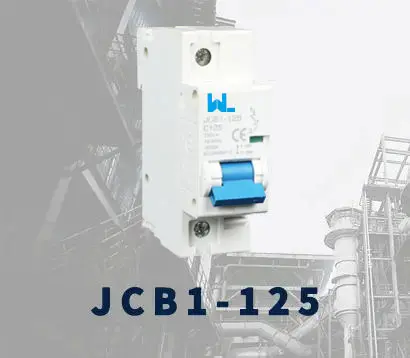 JCB1-125
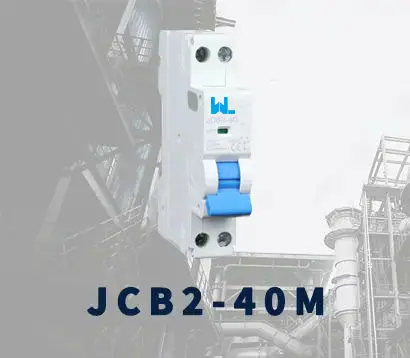 JCB2-40M
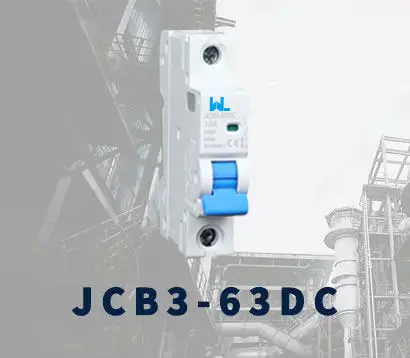 JCB3-63DC
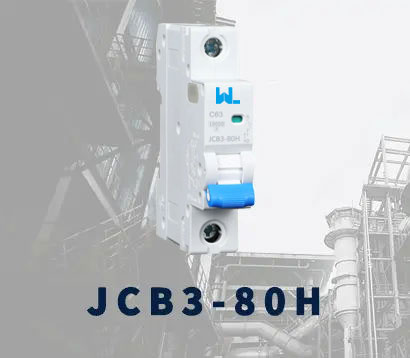 JCB3-80H
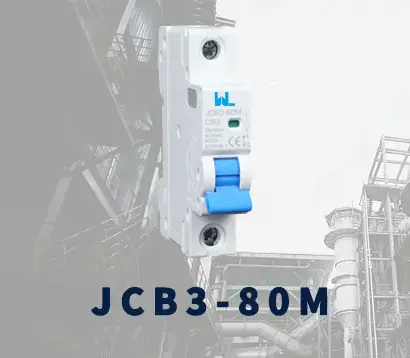 JCB3-80M
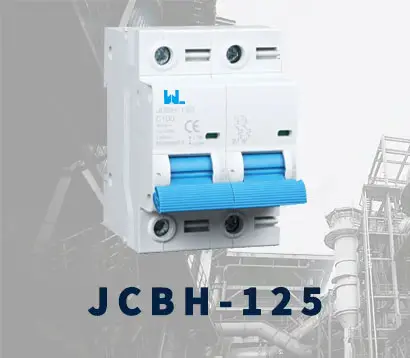 JCBH-125
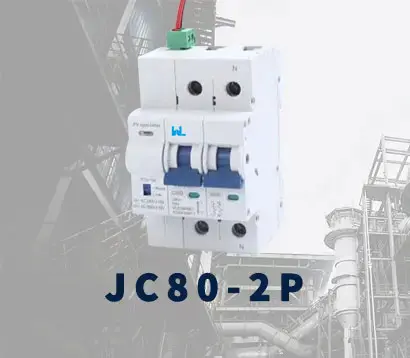 JC80-2P
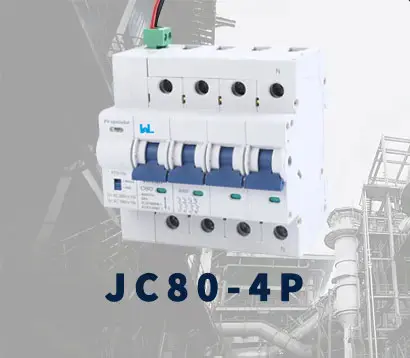 JC80-4P
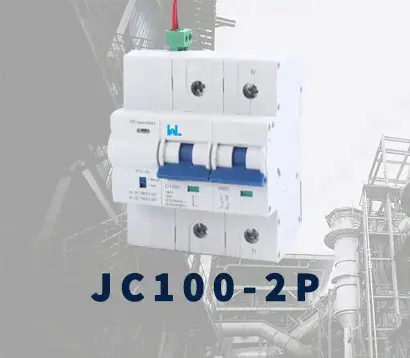 JC125-2P
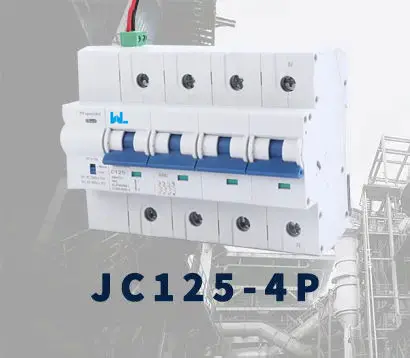 JC125-4P
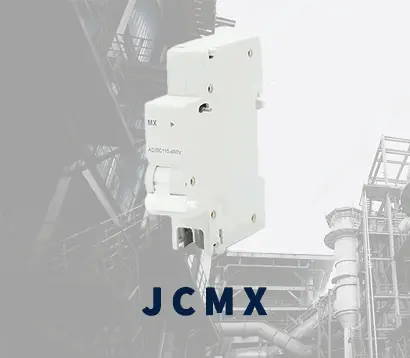 JCMX
JCMX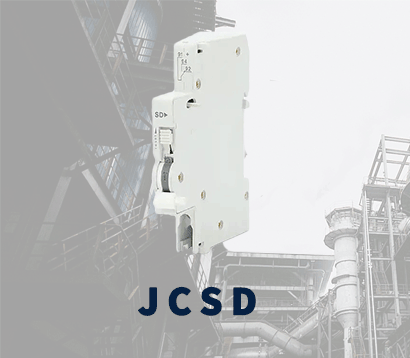 JCSD
JCSD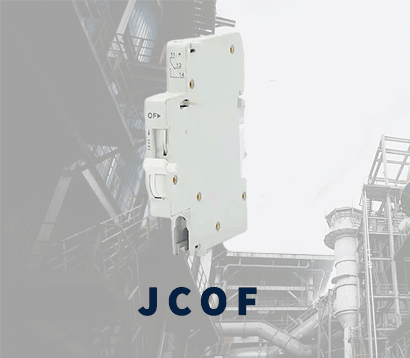 JCOF
JCOF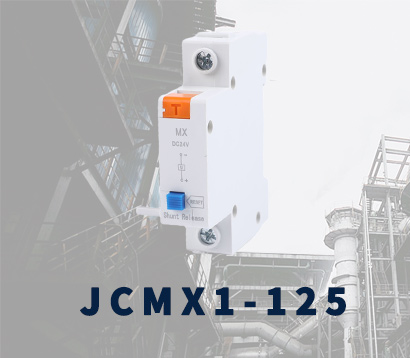 JCMX1-125
 JCOF1-125
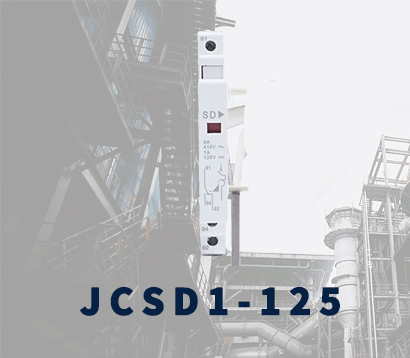 JCSD1-125
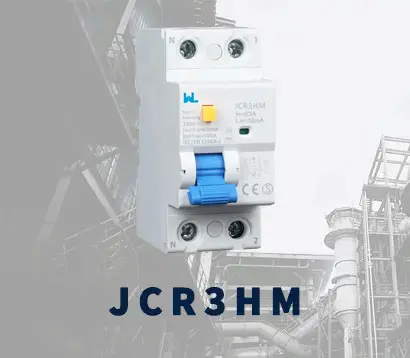 JCR3HM
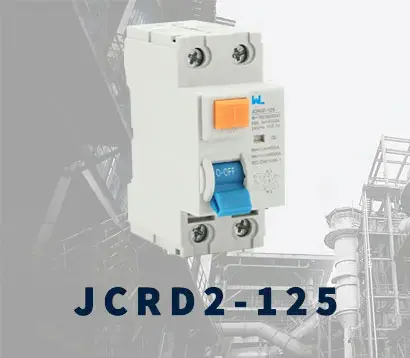 JCRD2-125
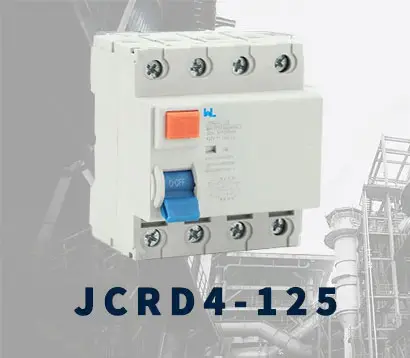 JCRD4-125
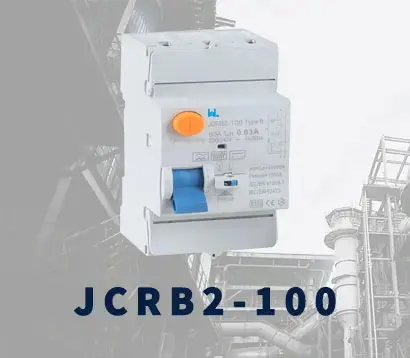 JCRB2-100
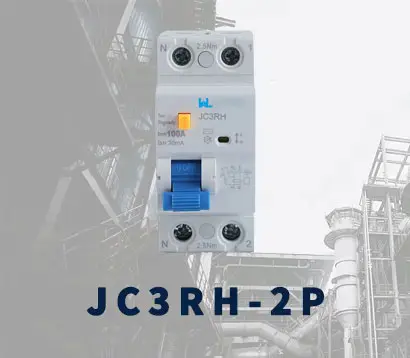 JC3RH-2P
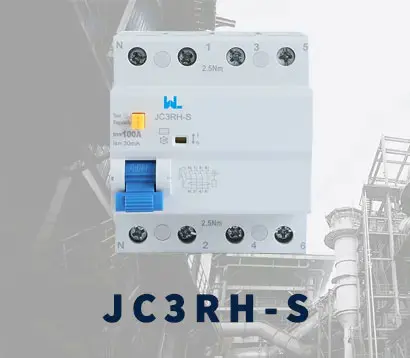 JC3RH-S
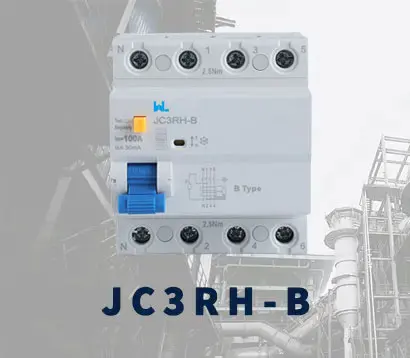 JC3RH-B
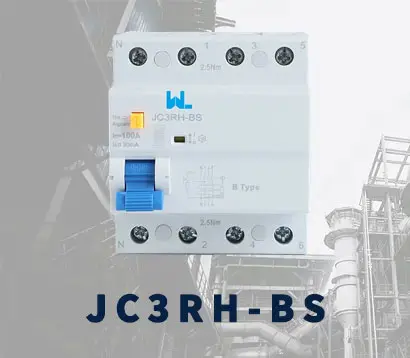 JC3RH-BS
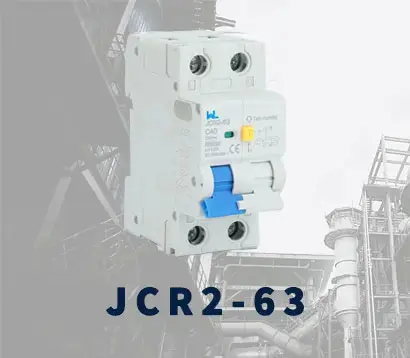 JCR2-63
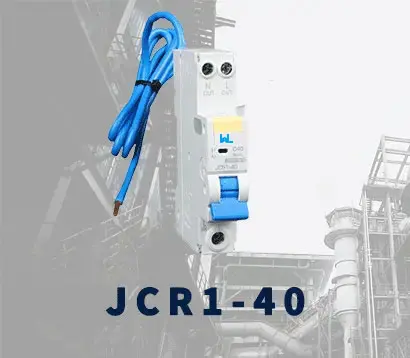 JCR1-40
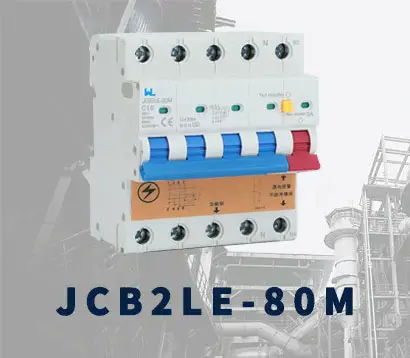 JCB2LE-80M
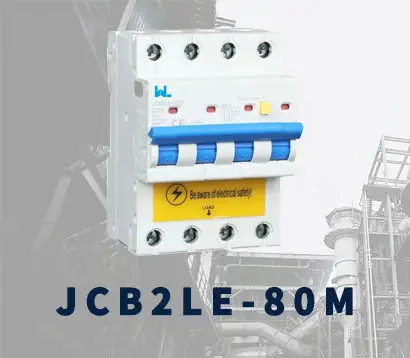 JCB2LE-80M
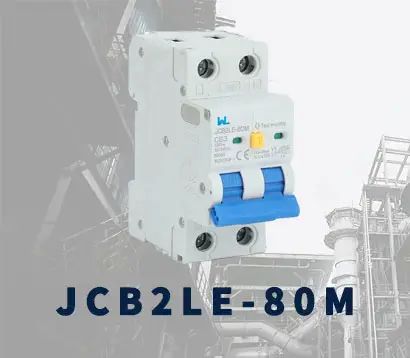 JCB2LE-80M
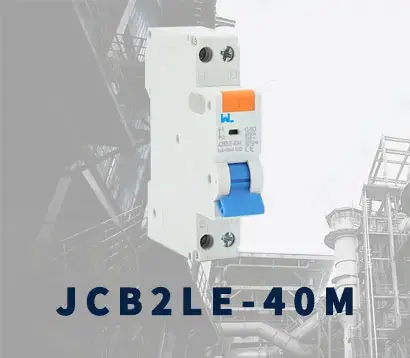 JCB2LE-40M
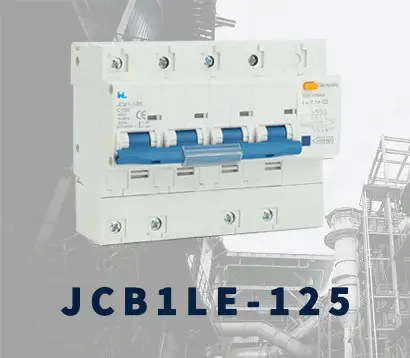 JCB1LE-125
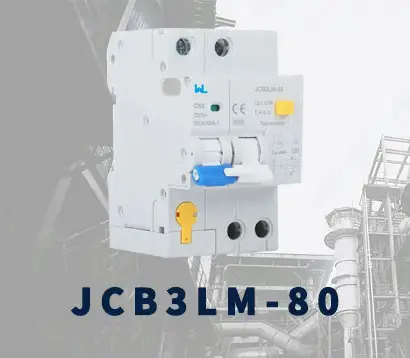 JCB3LM-80
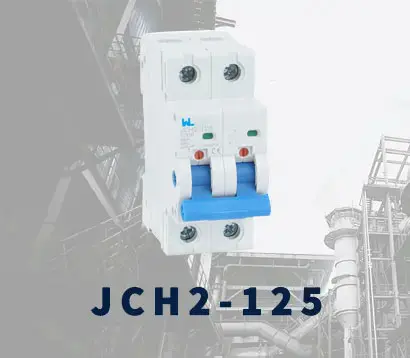 JCH2-125
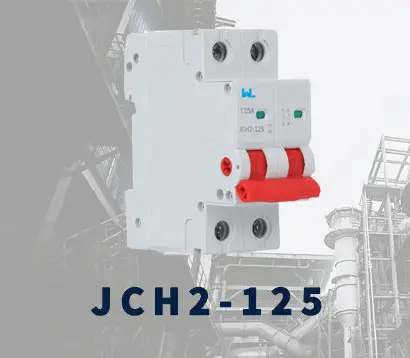 JCH2-125
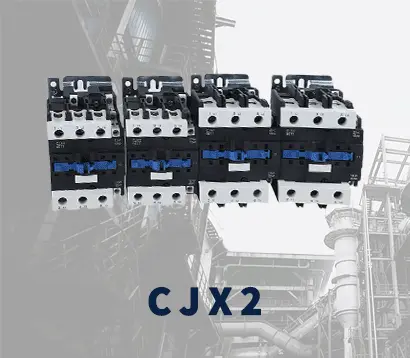 CJX2
CJX2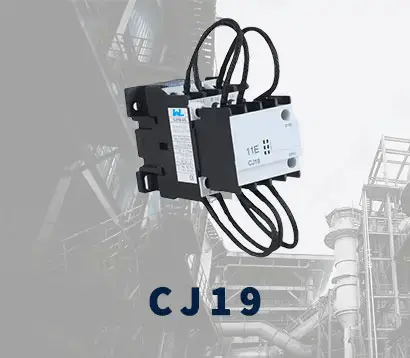 CJ19
CJ19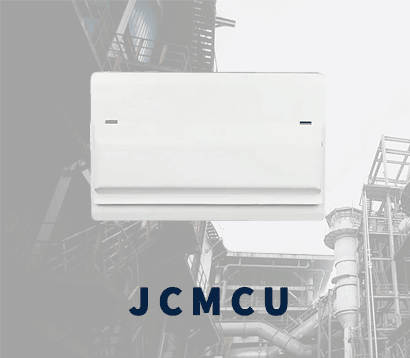 JCMCU
JCMCU JCHA
JCHA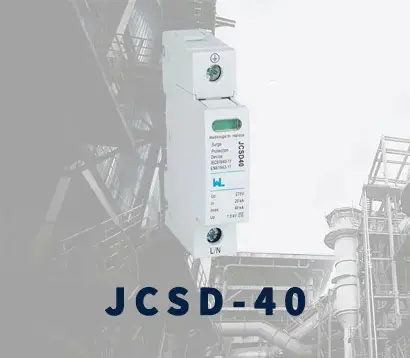 JCSD-40
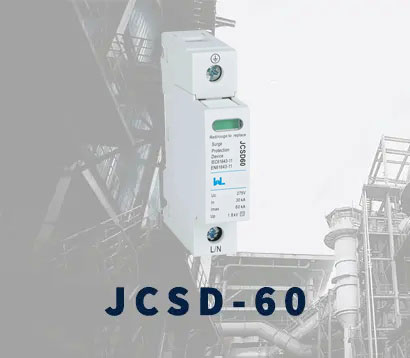 JCSD-60
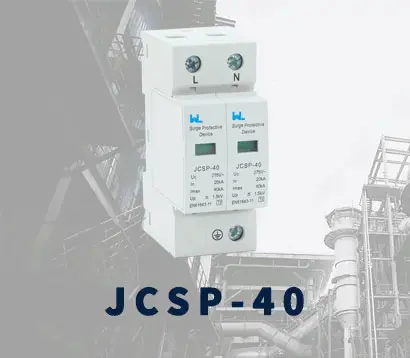 JCSP-40
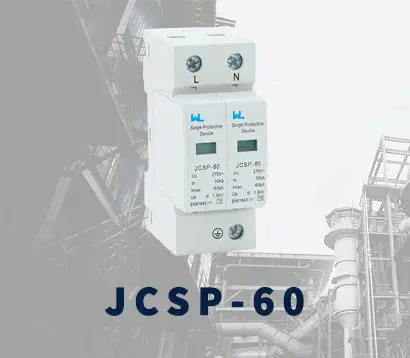 JCSP-60
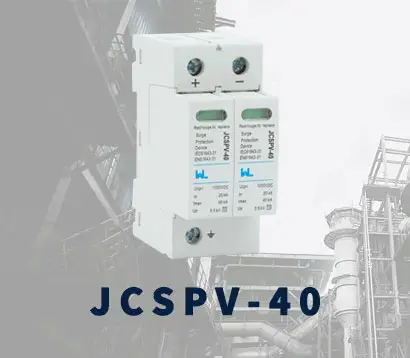 JCSPV
JCSPV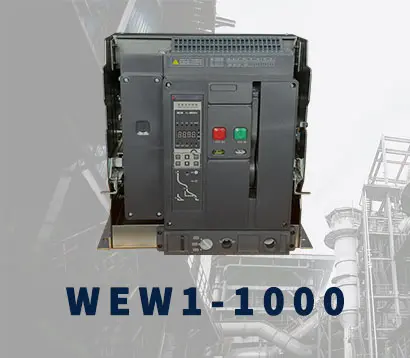 WEW1-1000
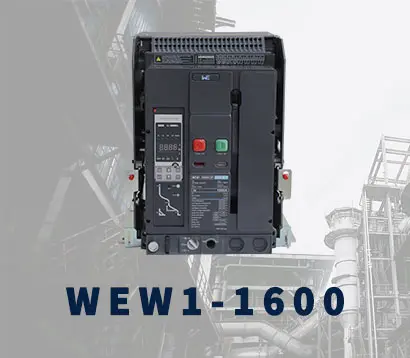 WEW1-1600
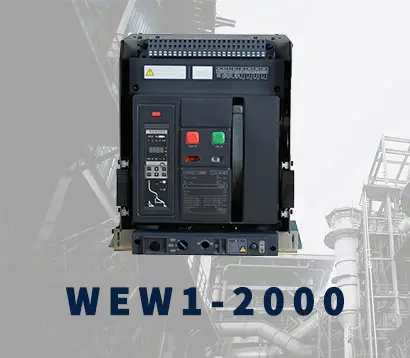 WEW1-2000
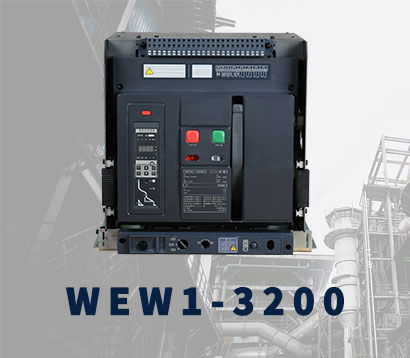 WEW1-3200
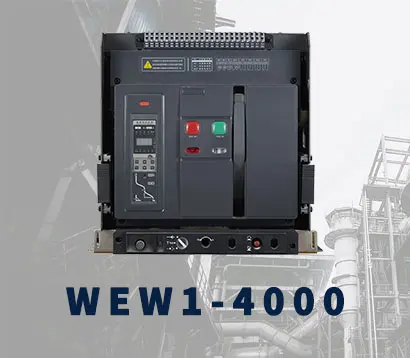 WEW1-4000
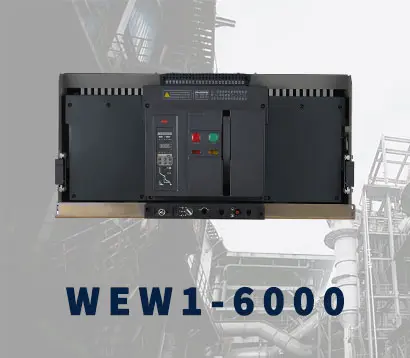 WEW1-6300
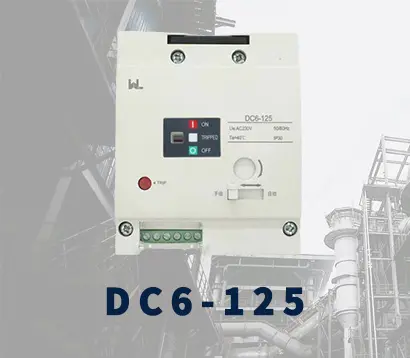 DC6-125
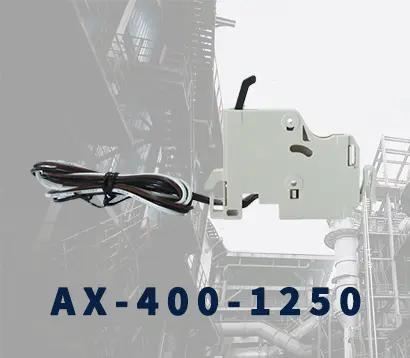 AX-400-1250
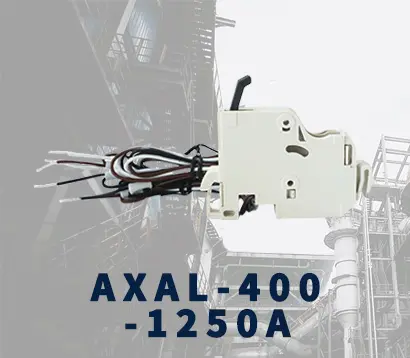 AXAL-400-1250A
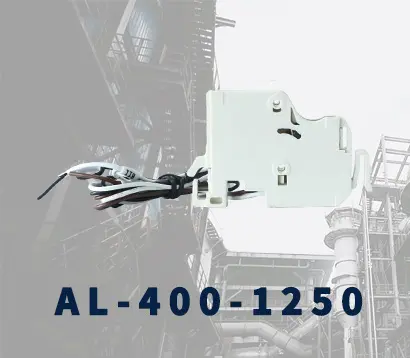 AL-400-1250
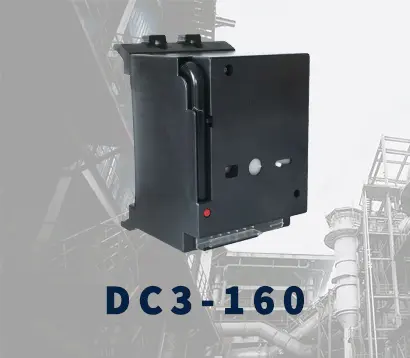 DC3-160
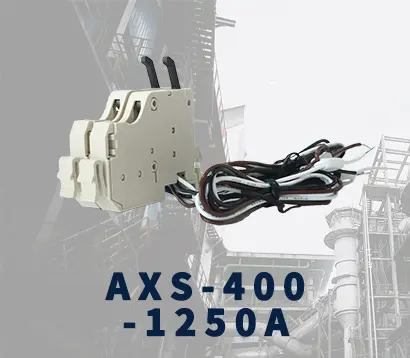 AXS-400-1250A
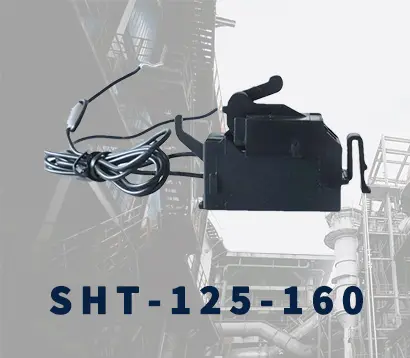 SHT-125-160
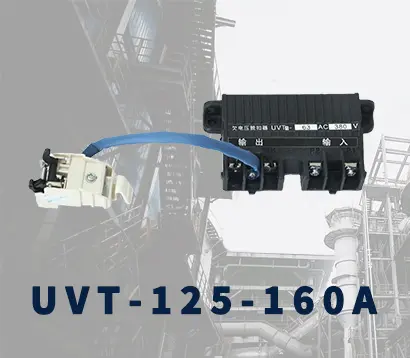 UVT-125-160A
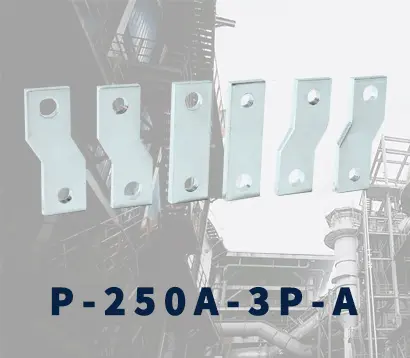 P-250A-3P-A
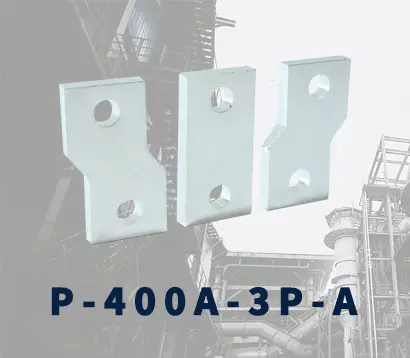 400-3P/4P terminal cover
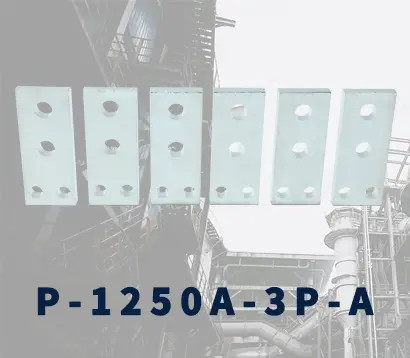 1250-3Pmccb accessories busbar
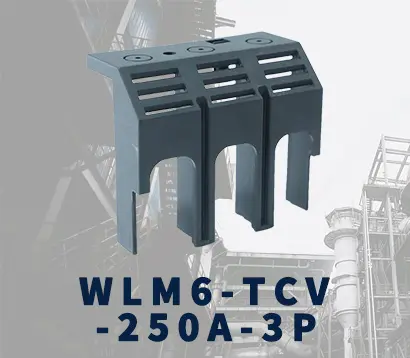 250-3P terminal conver
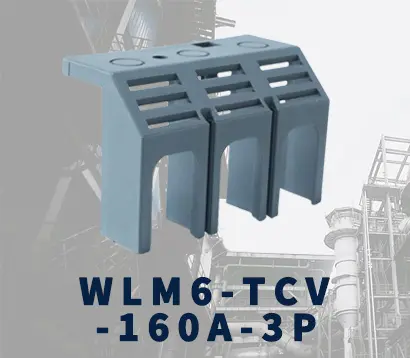 WLM6-TCV-160A-3P
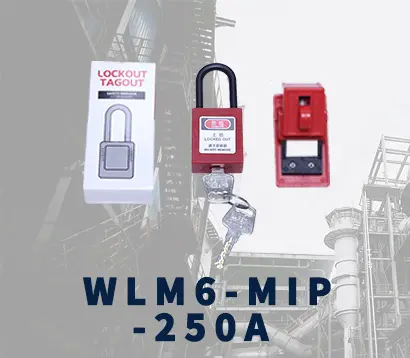 WLM6-MIP-250A
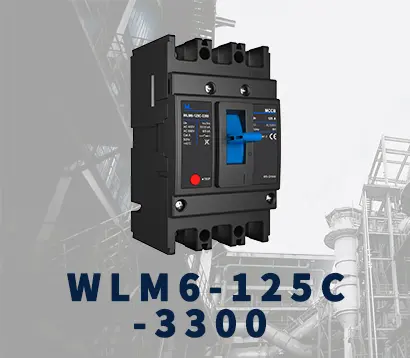 WLM6-125A-3300 3P/4P
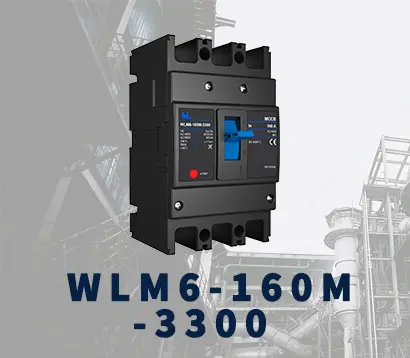 WLM6-160A-3300 3P/4P
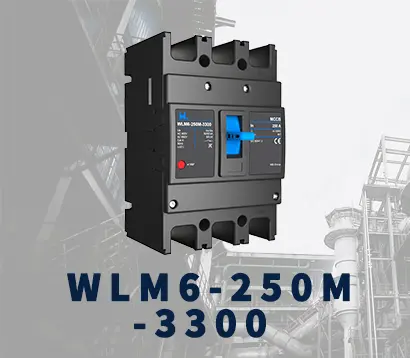 WLM6-250A-3300 3P/4P
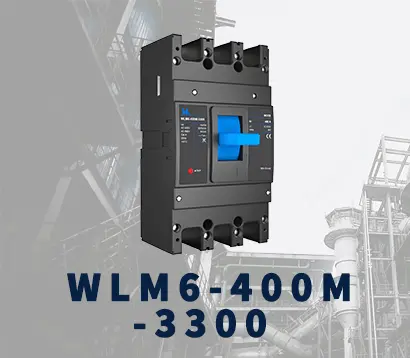 WLM6-400A-3300 3P/4P
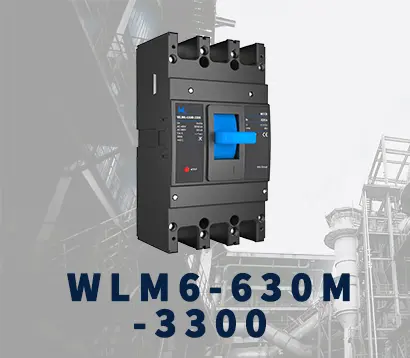 WLM6-630A-3300 3P/4P
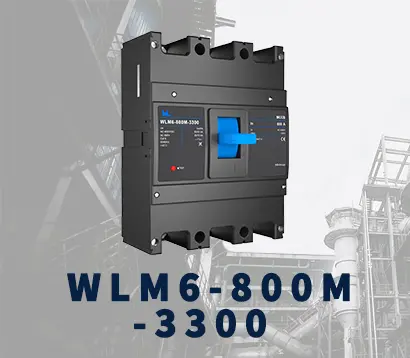 WLM6-800A-3300 3P/4P
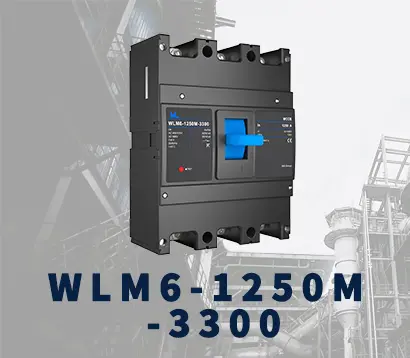 WLM6-1250A-3300 3P/4P
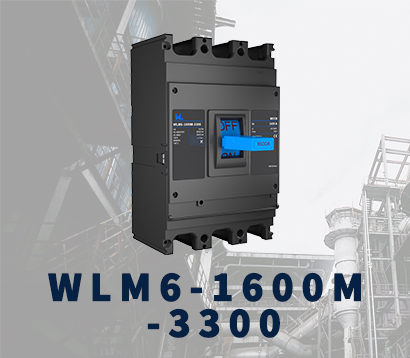 WLM6-1600A-3300 3P/4P
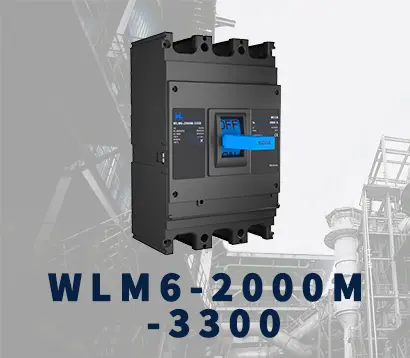 WLM6-2000A 3P/4P
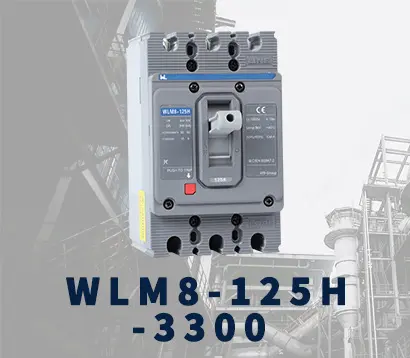 WLM8-125H-3300
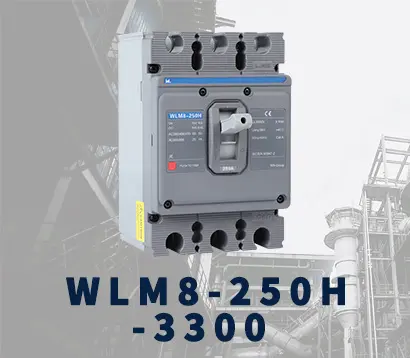 WLM8-250H-3300
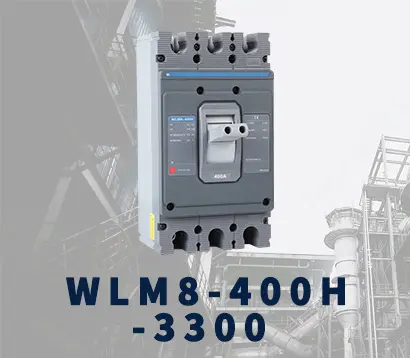 WLM8-400H-3300
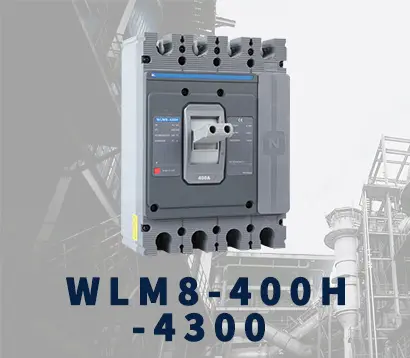 WLM8-400H-4300
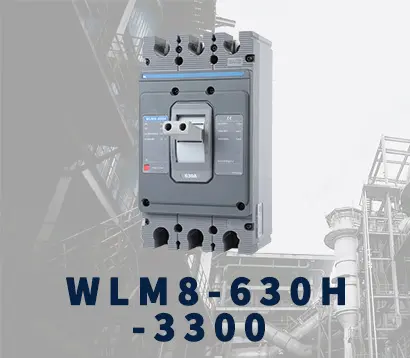 WLM8-630H-3300
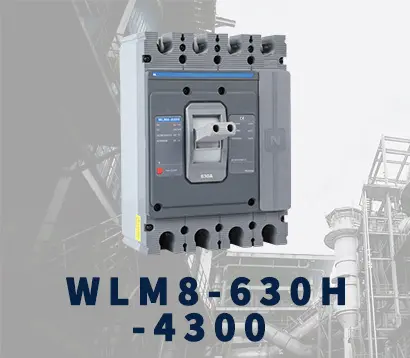 WLM8-630H-4300
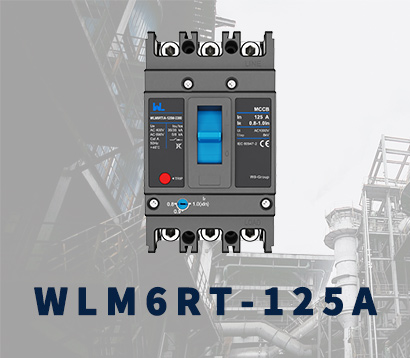 WLM6RT-125A
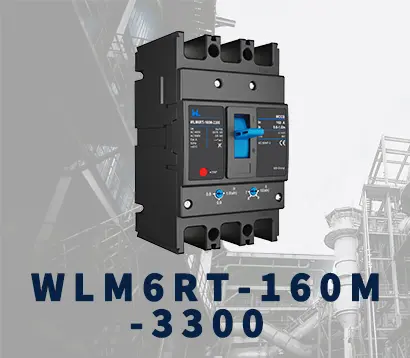 WLM6RT-160A
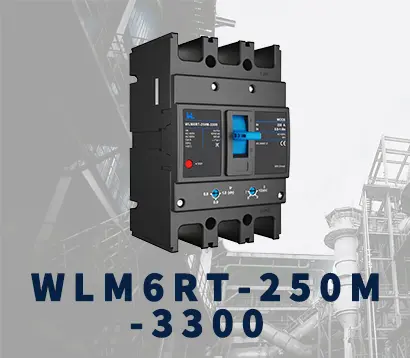 WLM6RT-250A
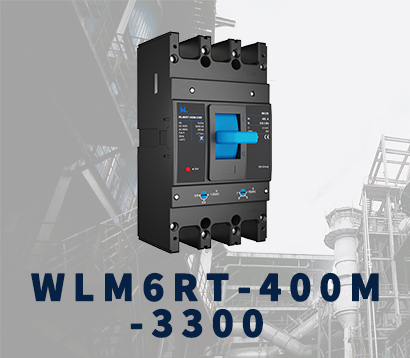 WLM6RT-400A
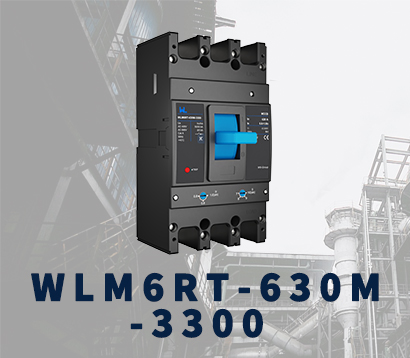 WLM6RT-630A
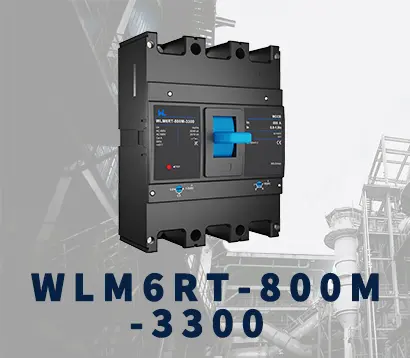 WLM6RT-800A
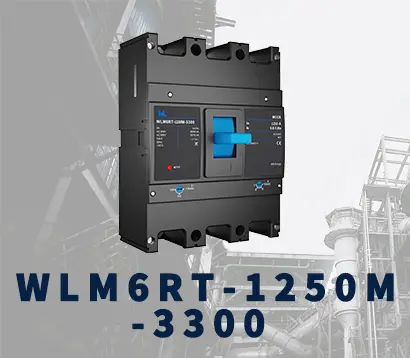 WLM6RT-1250A
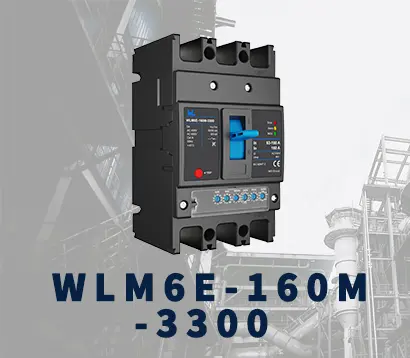 WLM6E-160A-3300 3P
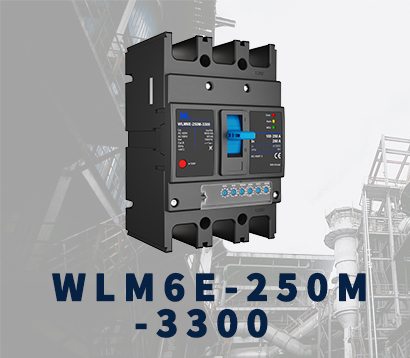 WLM6E-250A-3300
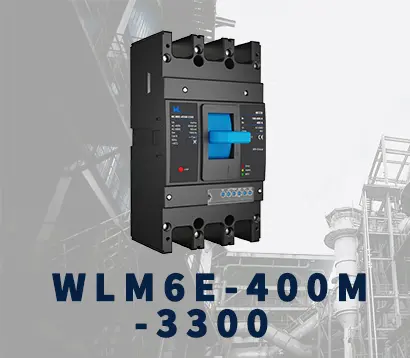 WLM6E-400A-3300 3P/4P
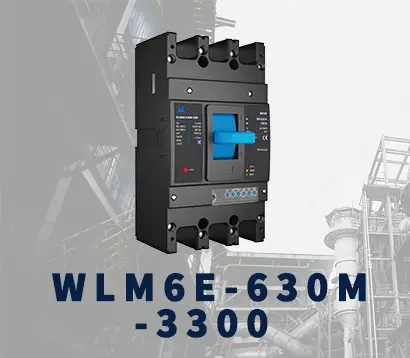 WLM6E-630A-3300
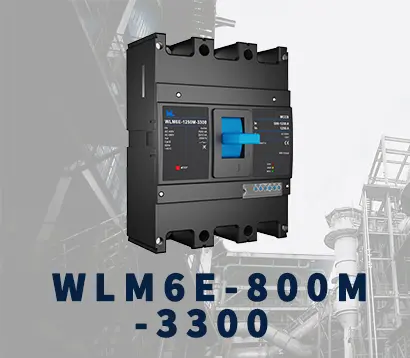 WLM6E-800A-3300 3P/4P
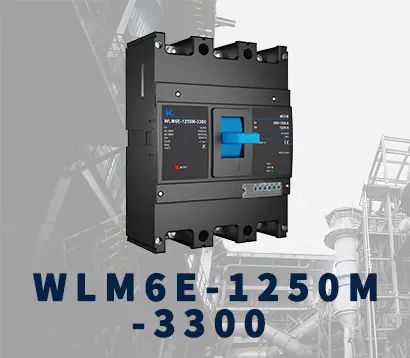 WLM6E-1250A-3300
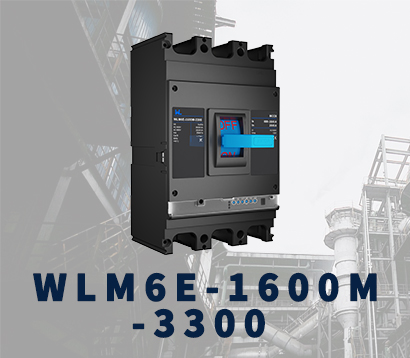 WLM6E-1600-3300 3P/4P
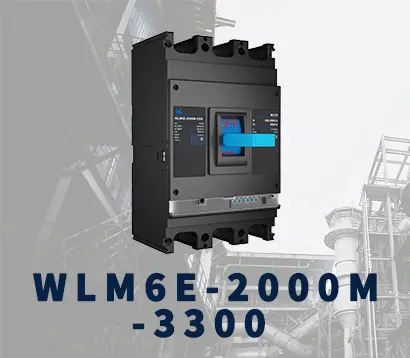 WLM6E-2000A-3300 3P/4P
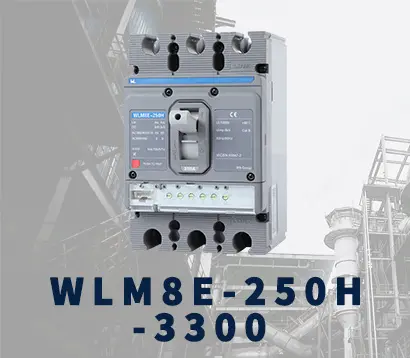 WLM8E-250H-3300
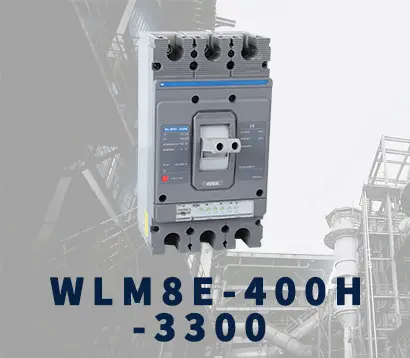 WLM8E-400H-3300
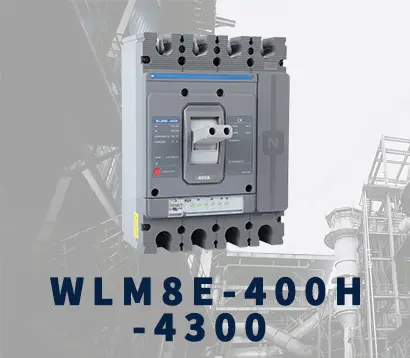 WLM8E-400H-4300
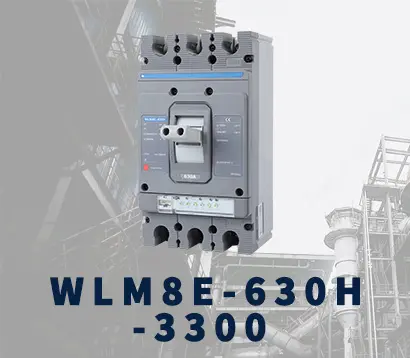 WLM8E-630H-3300
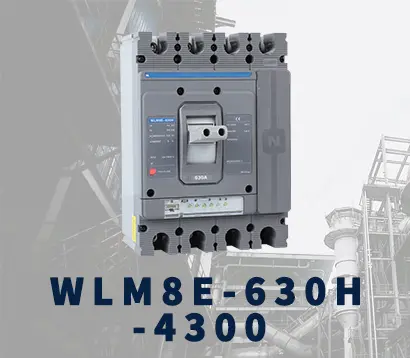 WLM8E-630H-4300
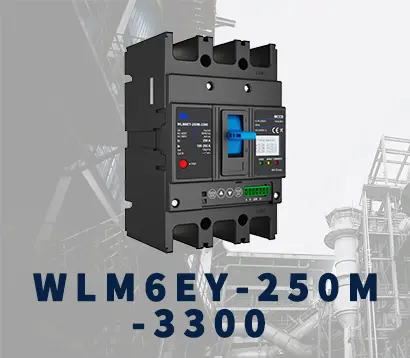 WLM6EY-250-3300 3P/4P
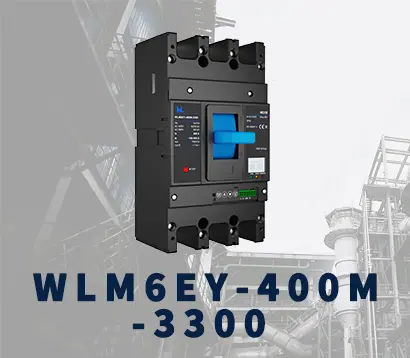 WLM6EY-400 3P/4P
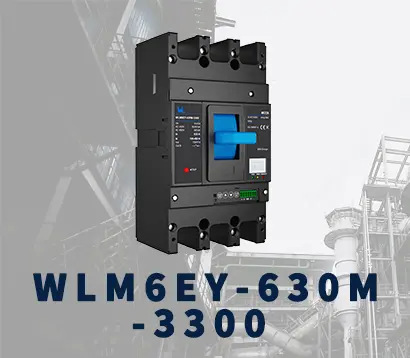 WLM6EY-630 3P/4P
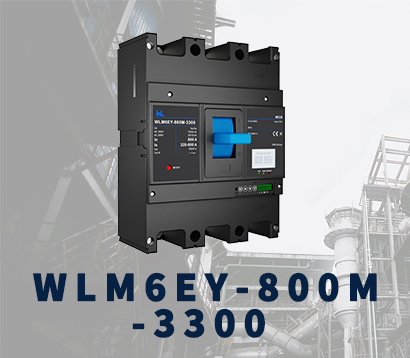 WLM6EY-800A 3P/4P
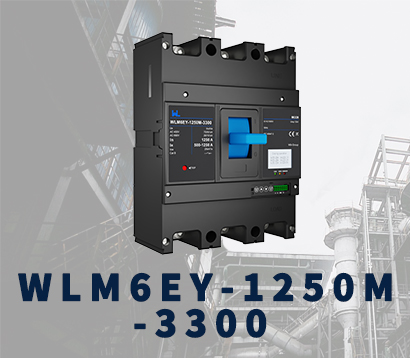 WLM6EY-1250A 3P/4P
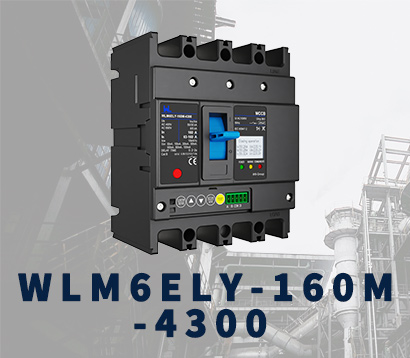 WLM6ELY-160A
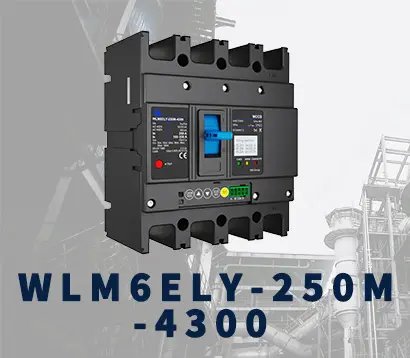 WLM6ELY-250A
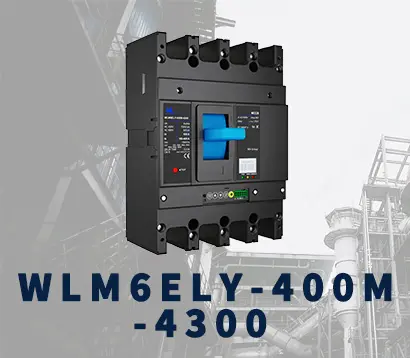 WLM6ELY-400A
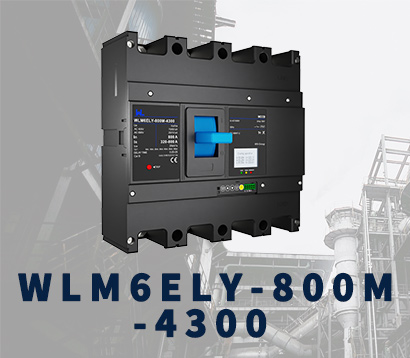 WLM6ELY-800A
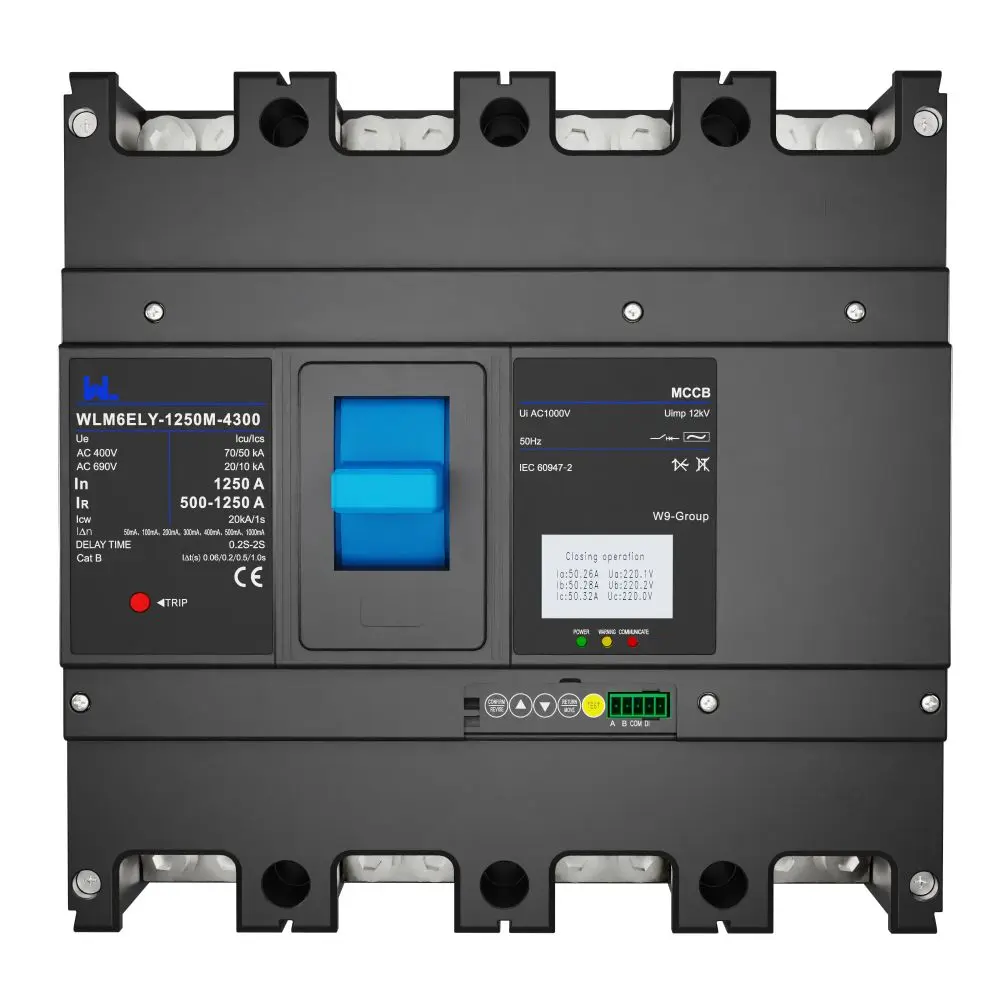 WLM6ELY-1250A
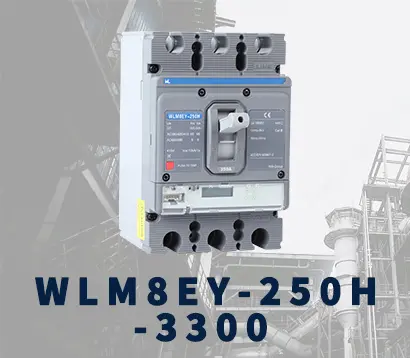 WLM8EY-250H-3300
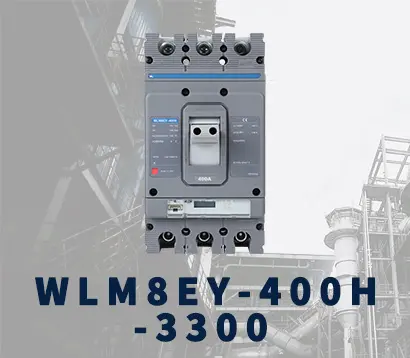 WLM8EY-400H-3300
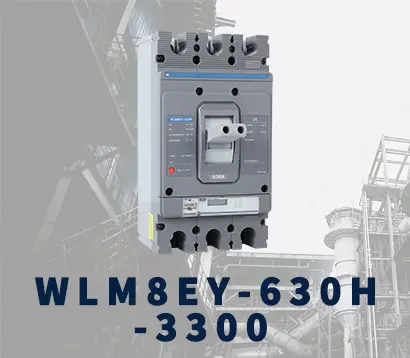 WLM8EY-630H-3300
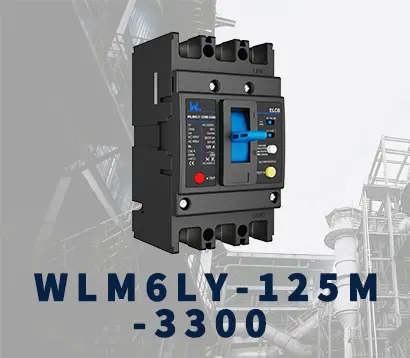 WLM6LY-125A
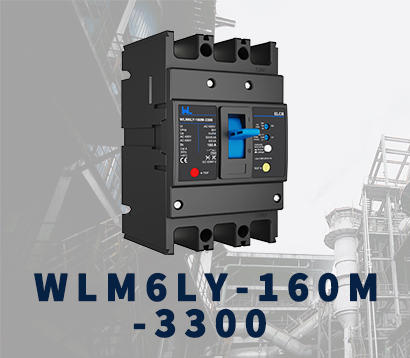 WLM6L-160A
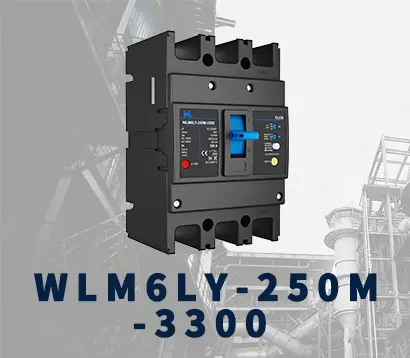 WLM6LY-250A
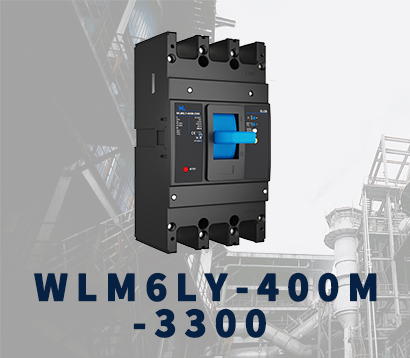 WLM6LY-400A
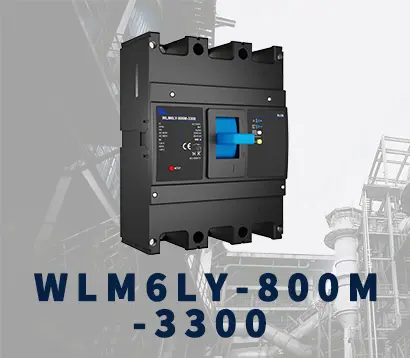 WLM6LY-800A
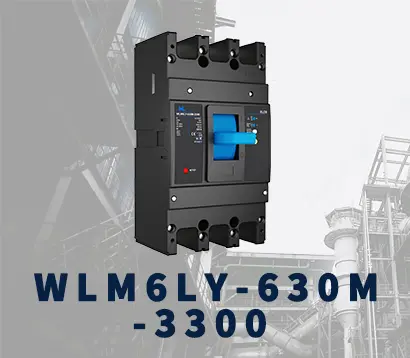 WLM6LY-630A
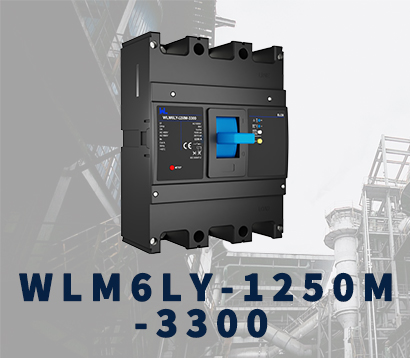 WLM6LY-1250A
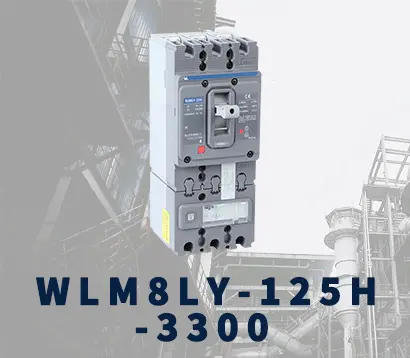 WLM8LY-125H-3300
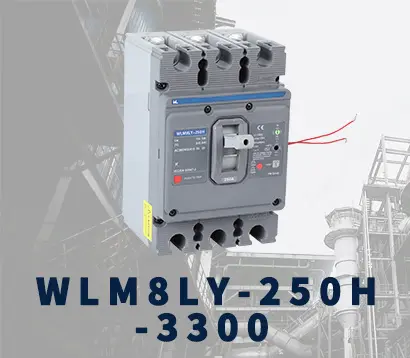 WLM8LY-250H-3300
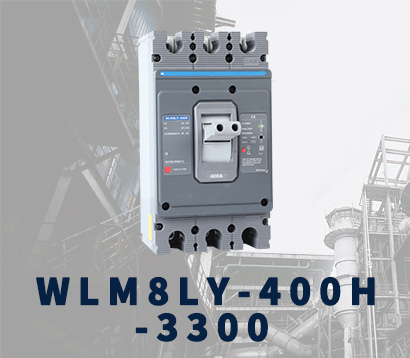 WLM8LY-400H-3300
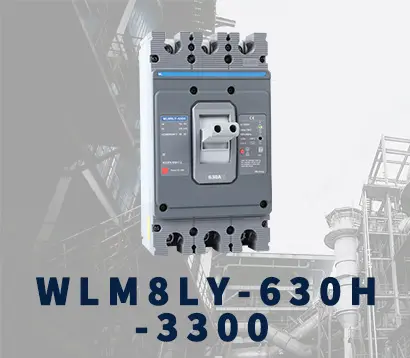 WLM8LY-630H-3300
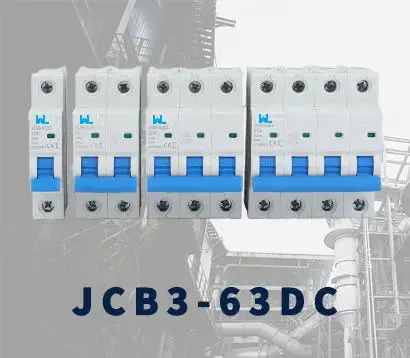 JCB3-63DC
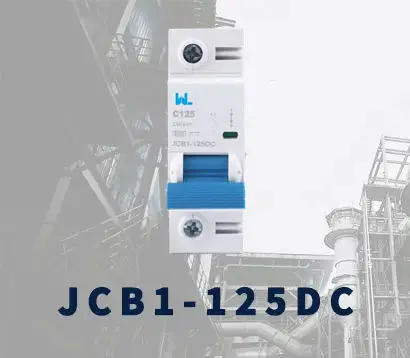 JCB1-125DC
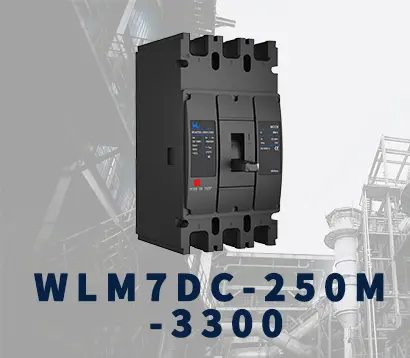 WLM7DC-250A-2300 2P/3P
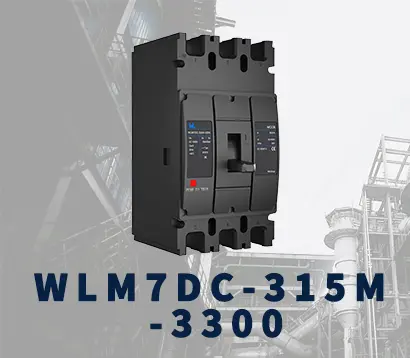 WLM7DC-315A-3300 2P/3P
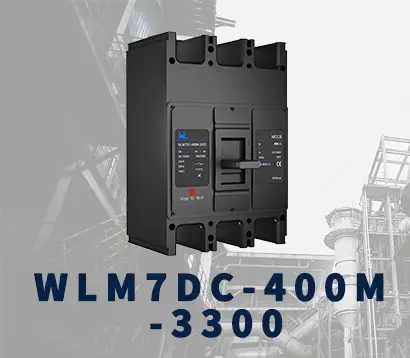 WLM7DC-400A-2300 2P/3P
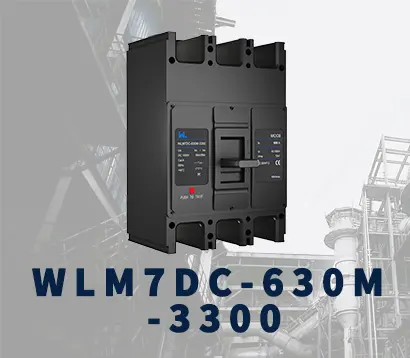 WLM7DC-630A-3300 3P
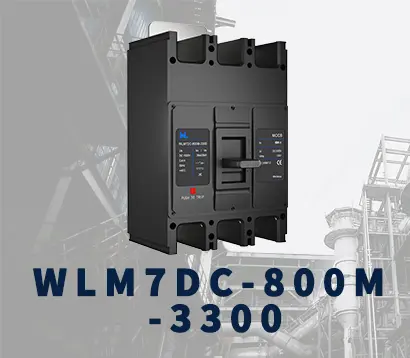 WLM7DC-800A-2300 2P/3P
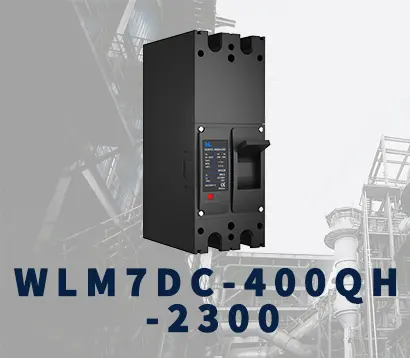 WLM7DC-400A 2300
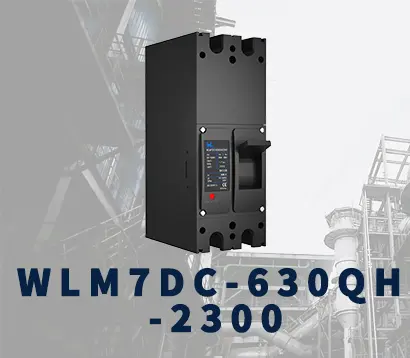 WLM7DC-630A-2300 2P
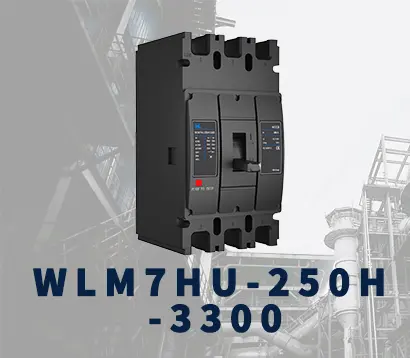 WLM7HU-250-3300 3P
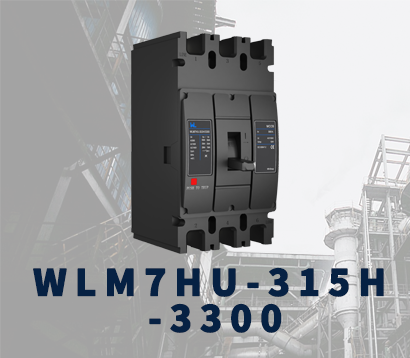 WLM7HU-315-3300 3P
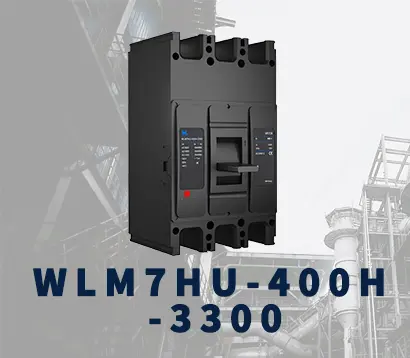 WLM7HU-400-3300 3P
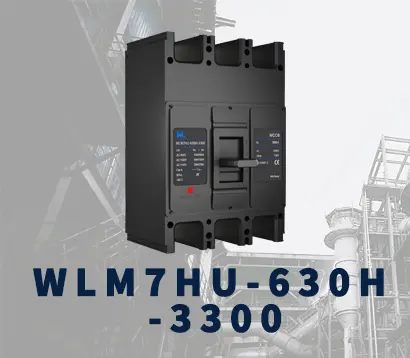 WLM7HU-630-3300 3P
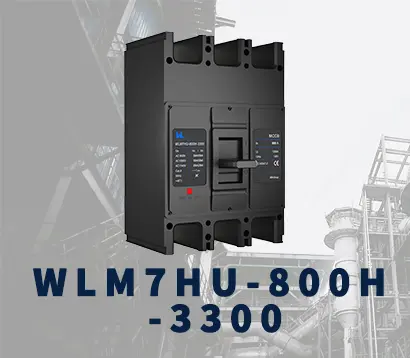 WLM7HU-800-3300 3P
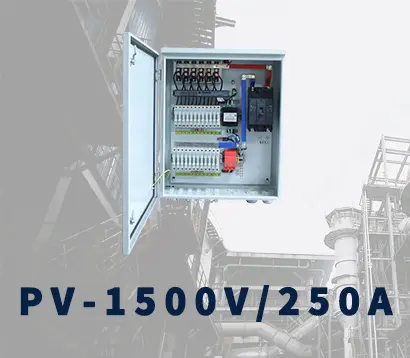 PV-1500V/250A
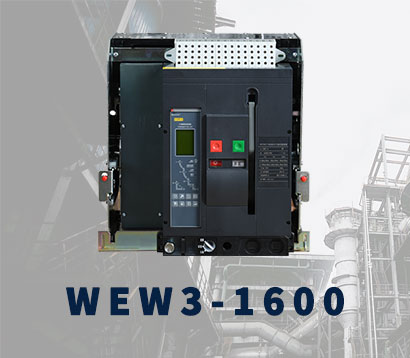 WEW3-1600
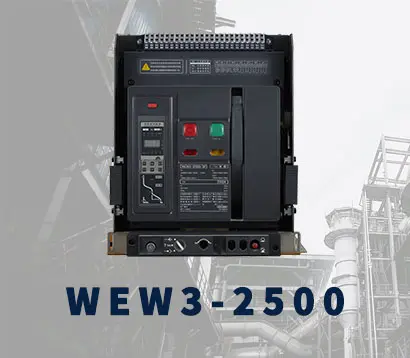 WEW3-2500
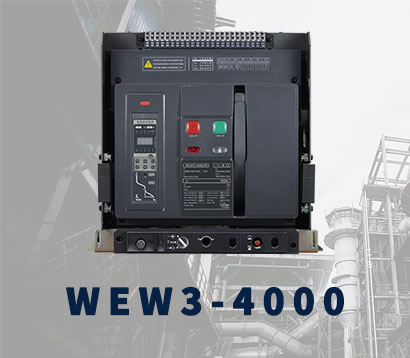 WEW3-4000
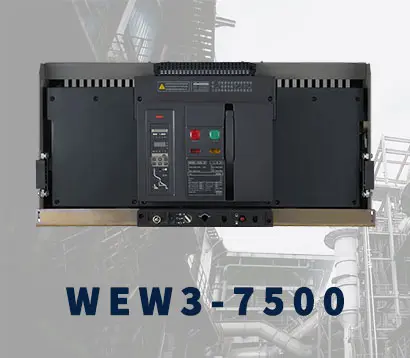 WEW3-7500