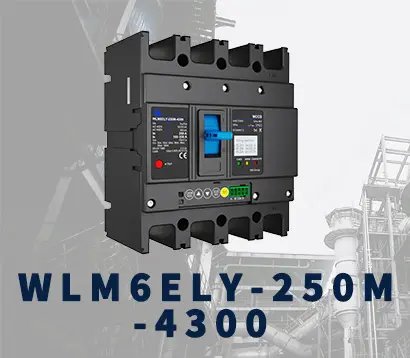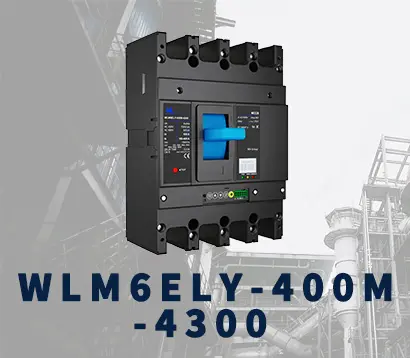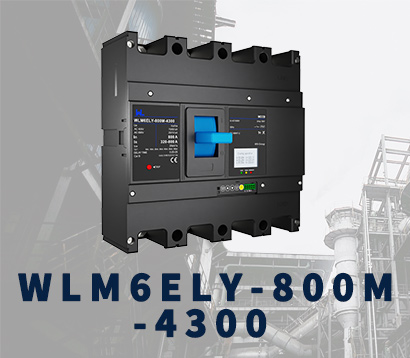
Why Choose Adjustable MCCB for Global Buyers?
Global buyers increasingly examine Mccb Adjustable solutions when electrical systems face changing loads, expansion plans, and demanding operating environments. An adjustable molded case circuit breaker allows selected trip settings to match equipment requirements more accurately. This flexibility can reduce unnecessary interruptions while supporting safer protection coordination. However, adjustment is not a substitute for proper engineering.
In practical projects, buyers compare rated current, interrupting capacity, pole configuration, insulation voltage, and trip unit design. A workshop manager may need protection for a motor line today, then add production equipment next year. An adjustable range can provide useful headroom without replacing the entire breaker. Small details matter. Terminal access matters.
Reliable selection also requires careful attention to regional requirements. IEC and UL applications may involve different testing expectations, documentation, and installation practices. Buyers should confirm certificates, test reports, temperature derating data, and enclosure compatibility before ordering. A supplier with application engineers can explain settings clearly, not merely provide a catalogue number. That experience becomes valuable when ambient temperatures reach 45°C, cables run through crowded panels, or short-circuit levels vary between facilities.
Still, adjustable protection is not automatically better. Incorrect settings may delay tripping or create coordination problems. This point deserves more attention. Product quality, genuine factory data, and after-sales support influence long-term reliability as much as the adjustment feature itself. Global purchasers should assess technical support, spare-part availability, delivery consistency, and transparent warranty terms. The right Mccb Adjustable choice balances flexibility, compliance, operational safety, and realistic project conditions rather than relying on price alone.

MCCB Fundamentals: Typical Rated Currents from 16 A to 1,600 A
Adjustable MCCBs help global buyers match protection to real operating conditions. Typical rated currents range from 16 A to 1,600 A, covering small distribution boards, workshops, commercial buildings, and industrial feeders. The current rating identifies the device’s continuous carrying capacity, not the exact trip point in every situation.
A 16 A or 32 A unit may protect lighting and small machinery, while 250 A or 400 A models commonly serve larger panels. At 800 A to 1,600 A, installation design becomes more demanding. Busbar capacity, cable temperature, ventilation, and short-circuit levels require careful verification. An adjustable trip unit allows engineers to set overload protection closer to the cable’s actual capacity. That reduces nuisance tripping without abandoning coordinated protection.
Current alone is not enough. Buyers should check rated operational voltage, interrupting capacity, pole configuration, frequency, trip technology, and applicable installation standards. Thermal-magnetic protection can suit straightforward systems. Electronic trip units often provide finer adjustment and better coordination. Small details matter.
A neat current table can mislead.
In practice, ambient heat may reduce usable capacity, especially inside crowded enclosures. I have seen specifications focus on 1,600 A while overlooking the upstream fault level. That choice needs reconsideration. Adjustable protection is valuable, but incorrect settings can create danger. Qualified personnel should verify calculations, tighten connections properly, and test the final settings before energizing the equipment.
Adjustable Trip Settings: Matching Protection to Actual Load Current
Why Choose Adjustable MCCB for Global Buyers?
Adjustable Trip Settings: Matching Protection to Actual Load Current
An adjustable MCCB helps buyers protect circuits according to real operating conditions. Fixed settings can be convenient, but they may not suit changing loads. A small workshop, for example, may draw 72 amperes during normal production. Its starting current may briefly reach 110 amperes. The trip unit must tolerate this inrush without ignoring a genuine fault.
Engineers usually compare measured load current with conductor capacity, equipment ratings, and expected growth. The long-time pickup setting should remain above the continuous operating current. It must also stay below the cable’s permitted ampacity. Short-time and instantaneous settings need careful coordination with downstream breakers. Otherwise, a minor fault may disconnect an entire production line. That is expensive and avoidable.
Field experience shows that measurements are often incomplete. Load readings taken during a quiet shift can mislead the final selection. Record current during startup, peak production, and seasonal operation. Check ambient temperature and enclosure conditions too. A setting that looks perfect on paper may perform poorly in heat. I have also seen settings copied from older panels without verification. That shortcut deserves review. Local electrical requirements still apply, even when the MCCB offers wide adjustment. Qualified personnel should test the installed protection, document each setting, and review it after major load changes. Calibration matters.
Global Compliance: Comparing IEC 60947-2 and UL 489 Requirements
Adjustable MCCBs appeal to global buyers because one frame can serve several load profiles. A technician may set the long-time pickup for a 400 A feeder, then adjust short-time protection for a motor starter. That flexibility reduces inventory and supports future expansion. However, adjustment does not replace correct system studies. Poor settings can cause nuisance trips or delayed fault clearing.
IEC 60947-2 and UL 489 use different certification frameworks. IEC assessments commonly identify rated operational voltage, rated uninterrupted current, and breaking capacities such as Icu and Ics. Ics is especially useful when evaluating service continuity after a fault. UL 489 focuses on construction, performance, testing, and suitability for low-voltage circuit protection in North American installations. Its interrupting rating must match the available fault current at the installation point.
Check the details carefully. Very carefully. A device tested under IEC requirements is not automatically acceptable for a UL installation, and the reverse is also true. Confirm the marking, trip-unit range, pole configuration, terminal temperature rating, and required enclosure conditions. For example, a 600 V system with high prospective short-circuit current may need a specific interrupting rating and tested combination. Coordination tables also deserve attention, especially with upstream fuses or downstream breakers. In practice, buyers sometimes compare only ampere ratings. That is an incomplete comparison. Local inspectors, engineers, and certification records should influence the final selection.
| Compliance Dimension | IEC 60947-2 Framework | UL 489 Framework | Why Adjustable MCCB Matters to Global Buyers |
|---|---|---|---|
| Primary Standard Scope | Applies to low-voltage circuit-breakers intended for use in distribution and industrial applications. It is part of the IEC 60947 series for low-voltage switchgear and controlgear. | Covers molded-case circuit breakers, molded-case switches, and circuit-breaker enclosures for applications evaluated under the applicable North American safety system. | A product should be selected and documented for the target market. IEC conformity alone does not automatically demonstrate compliance with UL 489, and UL 489 certification does not replace IEC evaluation. |
| Typical System Voltage | Commonly used across low-voltage AC and DC systems, with the applicable voltage, frequency, pole arrangement, and utilization category declared by the manufacturer. | Commonly evaluated for specific North American system voltages, frequencies, pole configurations, and application conditions identified in the product certification and markings. | Adjustable voltage and application ratings help one MCCB family support different project specifications, but every configured rating must remain within the certified product limits. |
| Short-Circuit Performance | Short-circuit capability is typically expressed using rated ultimate short-circuit breaking capacity Icu and rated service short-circuit breaking capacity Ics. Additional ratings such as Icw may apply where relevant. | Interrupting performance is expressed through the marked interrupting rating for the specified voltage and system conditions. The available fault current at the installation must not exceed the applicable rating. | An adjustable trip unit allows better coordination, but it does not increase the MCCB's interrupting rating. Fault-current calculations remain essential for both standards. |
| Trip-Unit Adjustability | Depending on the design, adjustable functions may include long-time overload, short-time delay, instantaneous pickup, and ground-fault protection. The available setting ranges must be stated in the technical documentation. | Adjustable thermal-magnetic or electronic trip units may provide adjustable long-time, short-time, instantaneous, and ground-fault functions, subject to the certified construction and marked limitations. | Adjustable protection helps adapt one frame size to different feeder loads, motor starting currents, transformer inrush conditions, and selectivity requirements without replacing the complete breaker. |
| Overload and Coordination | The protection characteristics, time-current behavior, temperature conditions, and coordination data are evaluated according to the declared product design and applicable IEC test requirements. | The trip characteristics, calibration, temperature performance, and construction are evaluated under the applicable UL requirements and certification conditions. | Buyers should request time-current curves and selective-coordination data for the exact trip-unit model and settings rather than relying only on the frame ampere rating. |
| Testing and Verification | Evaluation can include dielectric properties, temperature rise, operational performance, overload behavior, short-circuit performance, mechanical endurance, and environmental conditions as applicable to the product. | Evaluation includes construction, calibration, endurance, temperature, dielectric, short-circuit, and other safety tests required by the applicable UL certification program. | Test evidence should identify the exact product construction, accessories, trip unit, voltage, poles, and rating. A test report for one configuration should not automatically be applied to every configuration. |
| Markings and Documentation | Product documentation normally identifies rated voltage, current, frequency, pole configuration, short-circuit ratings, utilization information, terminals, and installation conditions. | Product markings and certification information identify the electrical ratings, interrupting rating, terminals, accessories, enclosure or installation limitations, and other required conditions of use. | Clear markings reduce installation errors when equipment is shipped internationally and help inspectors verify that the installed settings and accessories match the approved configuration. |
| Terminal and Accessory Compatibility | Auxiliary contacts, alarm contacts, undervoltage releases, shunt trips, motor operators, and terminals must be compatible with the specified breaker and installation arrangement. | Accessories and terminals must be part of the evaluated construction or be specifically permitted by the certification documentation for the relevant breaker series and configuration. | A global buyer should confirm accessory compatibility, conductor range, tightening torque, creepage and clearance requirements, and enclosure limitations before placing a combined order. |
| Installation and Enclosure Conditions | The declared ratings may depend on ambient temperature, altitude, enclosure, mounting position, conductor arrangement, and derating information provided by the manufacturer. | The marked ratings and certification may depend on enclosure type, mounting method, ambient conditions, conductor requirements, and installation instructions. | An adjustable MCCB is most valuable when its settings and installation conditions can be documented together in the project commissioning record. |
| Market Acceptance | Commonly requested for projects based on IEC electrical design practices and regional low-voltage switchgear specifications. | Commonly requested for projects requiring North American product certification and installation practices. | For multi-region projects, buyers should specify the required standard, certification route, rating system, and local authority requirements in the purchase specification. |
| Best-Fit Buyer Profile | Suitable for buyers whose projects use IEC-based design, distribution assemblies, industrial control panels, and international electrical specifications. | Suitable for buyers whose projects require products evaluated for the UL 489 framework and associated North American installation requirements. | A properly documented adjustable MCCB can reduce inventory complexity and improve field coordination, while still requiring standard-specific certification and application verification. |
Buyer Checklist Confirm the applicable standard, certification status, voltage and frequency, frame and sensor ratings, interrupting or short-circuit ratings, trip-unit setting range, accessory compatibility, ambient-temperature derating, terminal requirements, and local installation rules before approval.
Breaking Capacity Selection: Common Ratings from 25 kA to 100 kA
Why Choose Adjustable MCCB for Global Buyers?
Breaking capacity is often the first serious decision when selecting an adjustable MCCB. Common ratings include 25 kA, 36 kA, 50 kA, 65 kA, 80 kA, and 100 kA. This value indicates the maximum prospective short-circuit current the breaker can interrupt safely. A 25 kA unit may suit a small commercial panel. A 100 kA model may be necessary near a large transformer. The correct rating depends on the installation, not the highest number available.
During panel reviews, I compare the calculated fault current with the MCCB’s Icu and Ics values. Icu shows the ultimate breaking capacity. Ics indicates the service breaking capacity after testing. These figures should match the system voltage and local design conditions. Adjustable long-time and short-time settings also help coordinate upstream and downstream protection. For example, a 50 kA breaker with suitable settings can provide better selectivity than an oversized, poorly coordinated unit.
Real projects are rarely perfect. Transformer upgrades can increase fault levels without obvious changes inside the panel. Cable length, generator operation, ambient temperature, and altitude can also affect selection. A 100 kA rating may look reassuring, but it can increase cost and installation space unnecessarily. I once treated the nameplate rating as the whole answer. That was too simple. Engineers should verify the available fault current, test documentation, terminal capacity, and maintenance conditions before final approval. A small label review can prevent a large field problem.
Procurement Benefits: Fewer Stock-Keeping Units Across Multiple Applications
Why Choose Adjustable MCCB for Global Buyers?
Procurement Benefits: Fewer Stock-Keeping Units Across Multiple Applications
An adjustable MCCB can cover several protection ranges with one product family. Its long-time, short-time, and instantaneous settings support different feeder conditions. This reduces the need to stock separate fixed-trip units for every project. A warehouse may hold one frame size instead of three or four alternatives. That difference becomes visible in shelf space, replenishment work, and obsolete inventory.
The financial effect deserves careful attention. The Chartered Institute of Procurement and Supply notes that inventory carrying costs commonly reach 20–30% of inventory value annually. A smaller SKU portfolio can therefore reduce capital tied to slow-moving circuit breakers. It also simplifies forecasting across regions. The 2023 MHI Annual Industry Report found that 74% of supply-chain leaders planned investments in digital technologies, showing the growing value of accurate inventory visibility. Adjustable protection supports that effort, but it does not replace good data.
There is a trade-off.
Engineers must verify interrupting capacity, frame rating, trip-unit compatibility, ambient temperature, and local compliance. IEC 60947-2 provides the technical framework for low-voltage circuit breakers, yet application conditions still differ between sites. In practice, procurement teams should compare settings, test certificates, lead times, and service support before consolidating SKUs. One adjustable MCCB may serve a panel upgrade, pump feeder, or commercial distribution board. It may not suit every installation. That limitation is easy to overlook.
Related Posts
-
Why Choose Adjustable MCCB for Global Electrical Projects?
-

Top 10 Thermal Magnetic Release MCCB Types to Buy
-
How to Choose the Right Electronic MCCB for Optimal Circuit Protection and Efficiency
-
How to Choose the Right Electrical MCCB in 2026?
-
Top 10 MCCB Breaker Manufacturers for Global Buyers
-
How to Choose the Right Electric MCCB for Global Buyers?

JCB1-125
JCB2-40M
JCB3-63DC
JCB3-80H
JCB3-80M
JCBH-125
JC125-4P
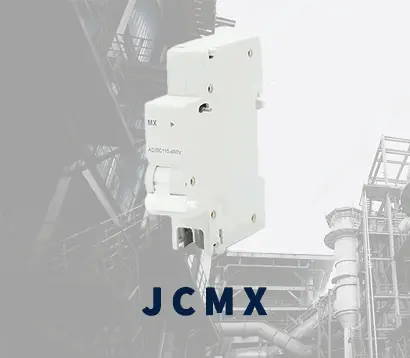
JCMX
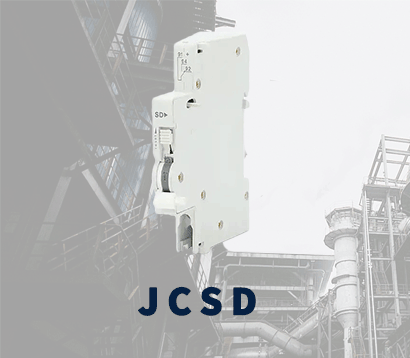
JCSD
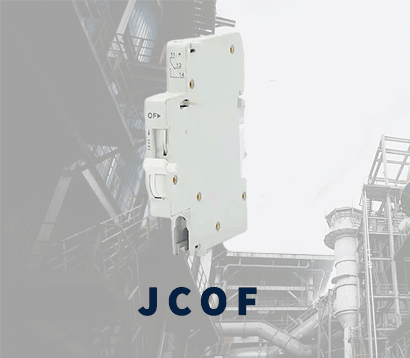
JCOF
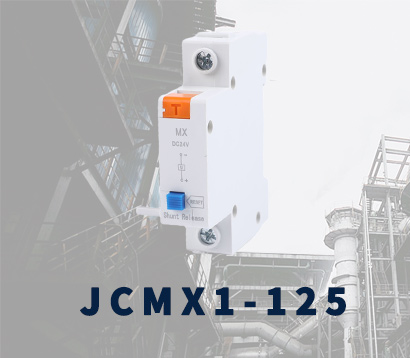
JCMX1-125
JCOF1-125
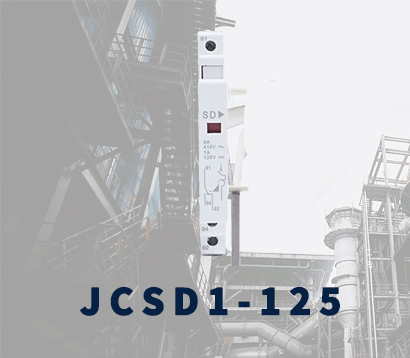
JCSD1-125
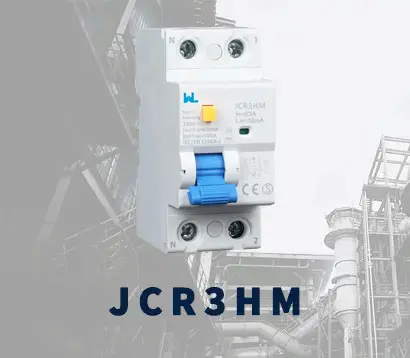
JCR3HM
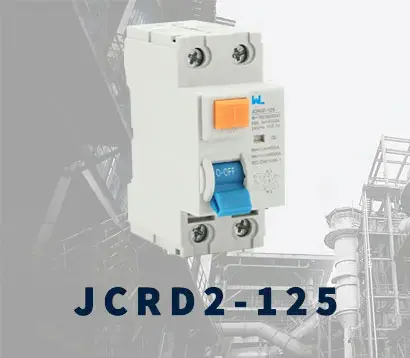
JCRD2-125
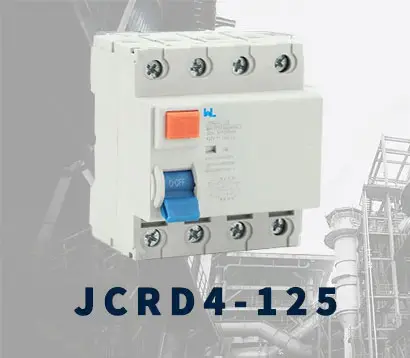
JCRD4-125
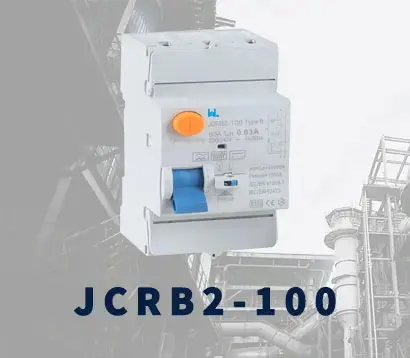
JCRB2-100
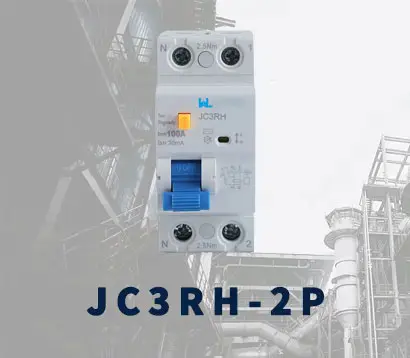
JC3RH-2P
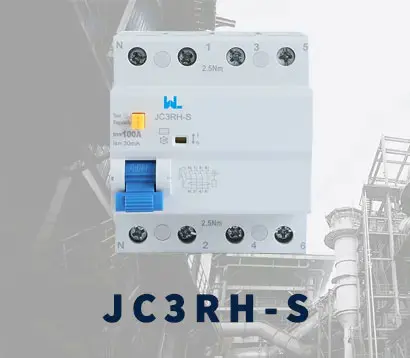
JC3RH-S
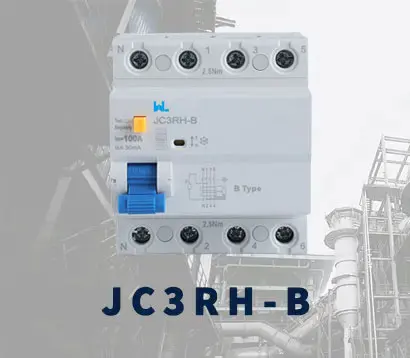
JC3RH-B
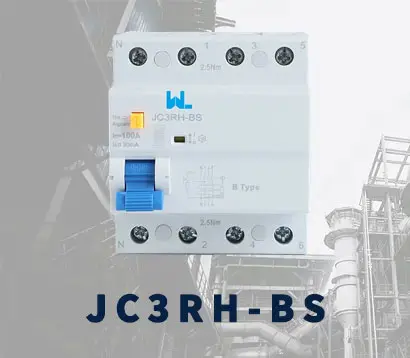
JC3RH-BS
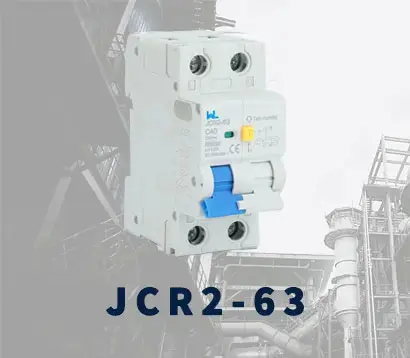
JCR2-63
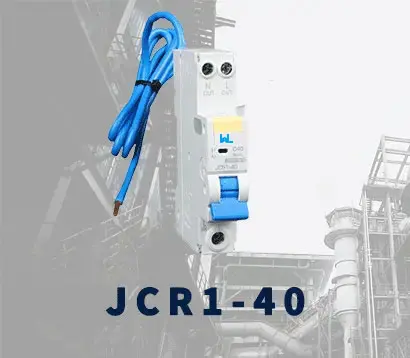
JCR1-40
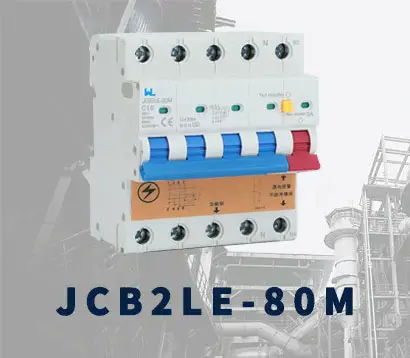
JCB2LE-80M
JCB2LE-80M
JCB2LE-80M
JCB2LE-40M
JCB1LE-125
JCB3LM-80
JCH2-125
JCH2-125
CJX2
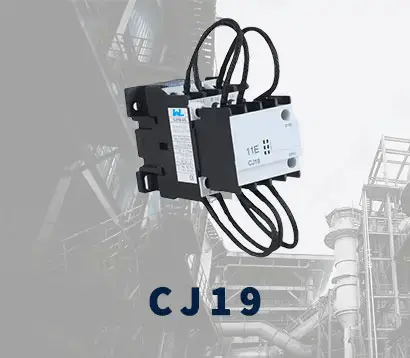
CJ19
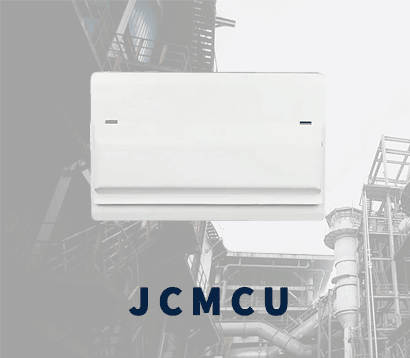
JCMCU
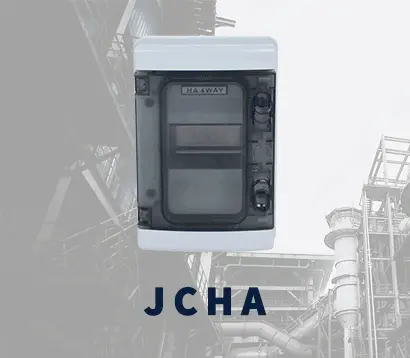
JCHA
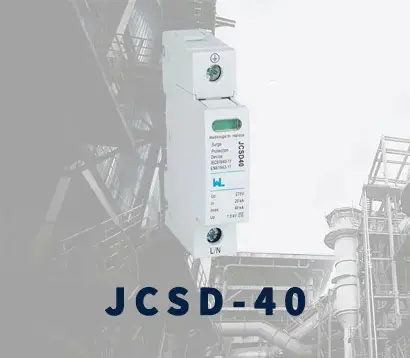
JCSD-40
JCSD-60
JCSP-40
JCSP-60
JCSPV
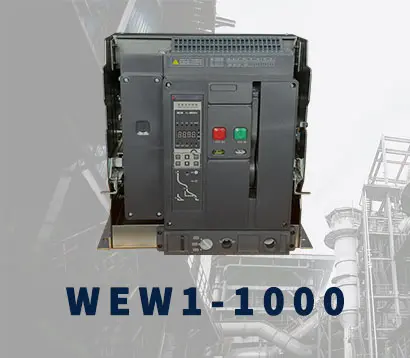
WEW1-1000
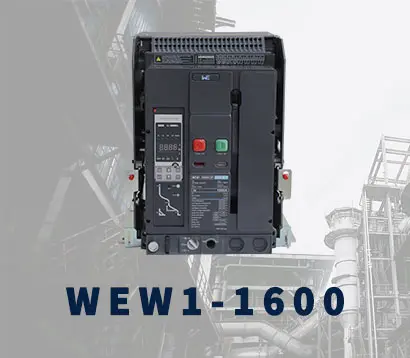
WEW1-1600
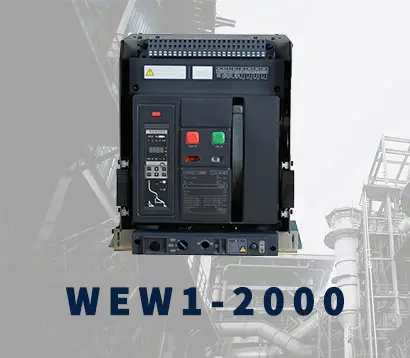
WEW1-2000
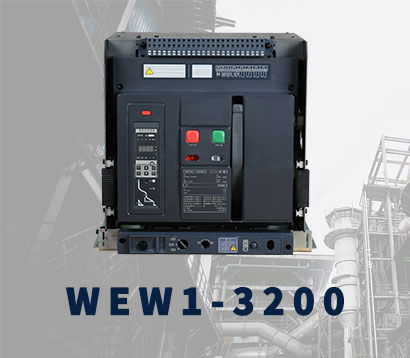
WEW1-3200
WEW1-4000
WEW1-6300
DC6-125
AX-400-1250
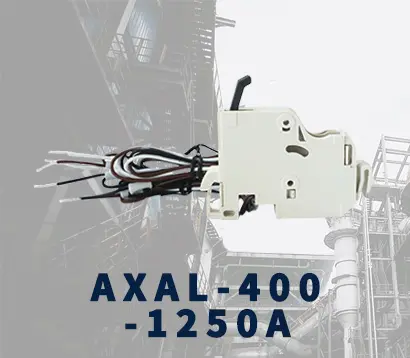
AXAL-400-1250A
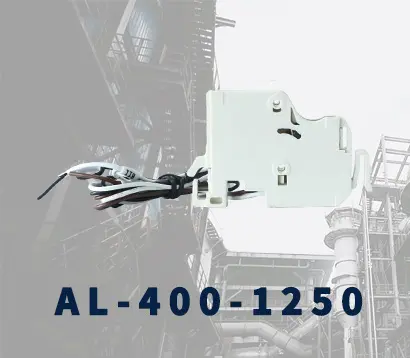
AL-400-1250
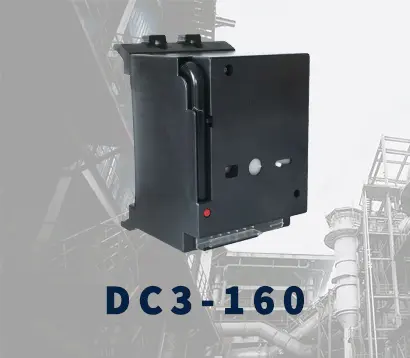
DC3-160
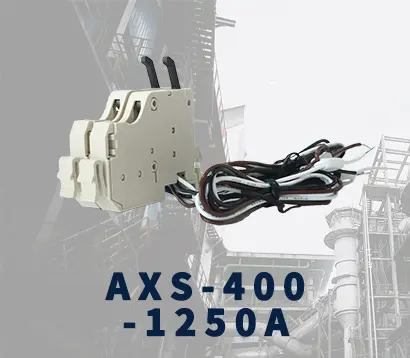
AXS-400-1250A
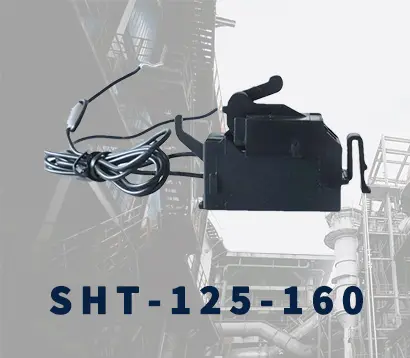
SHT-125-160
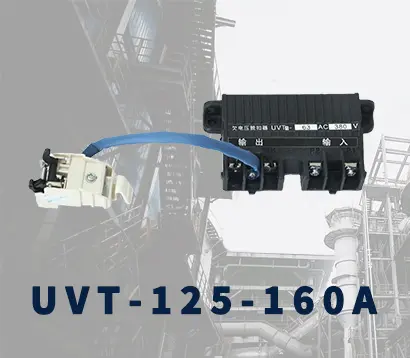
UVT-125-160A
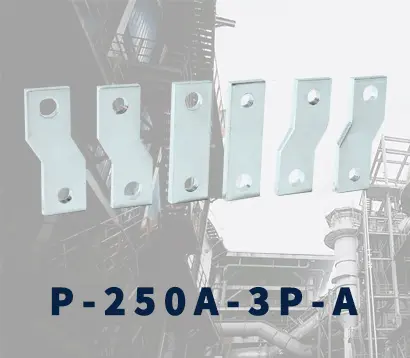
P-250A-3P-A
400-3P/4P terminal cover
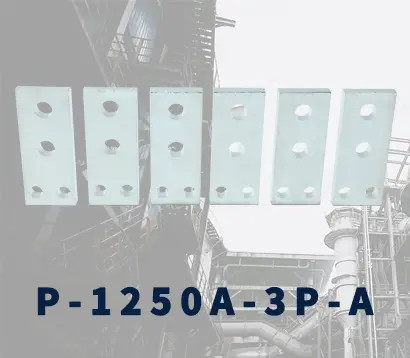
1250-3Pmccb accessories busbar
250-3P terminal conver
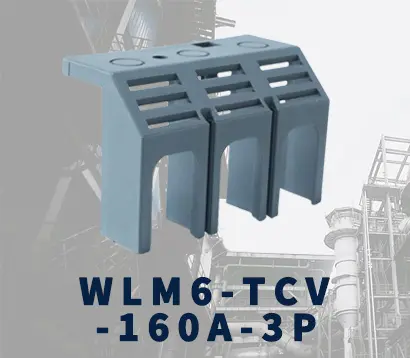
WLM6-TCV-160A-3P
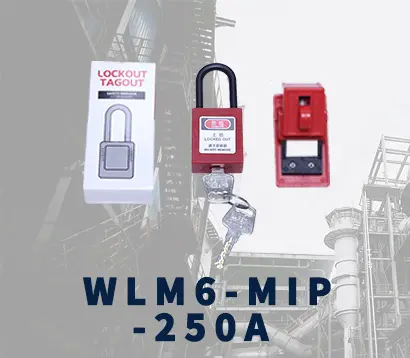
WLM6-MIP-250A
WLM6-125A-3300 3P/4P
WLM6-160A-3300 3P/4P
WLM6-250A-3300 3P/4P
WLM6-400A-3300 3P/4P
WLM6-630A-3300 3P/4P
WLM6-800A-3300 3P/4P
WLM6-1250A-3300 3P/4P
WLM6-1600A-3300 3P/4P
WLM6-2000A 3P/4P
WLM8-125H-3300
WLM8-250H-3300
WLM8-400H-3300
WLM8-400H-4300
WLM8-630H-3300
WLM8-630H-4300
WLM6RT-125A
WLM6RT-160A
WLM6RT-250A
WLM6RT-400A
WLM6RT-630A
WLM6RT-800A
WLM6RT-1250A
WLM6E-160A-3300 3P
WLM6E-250A-3300
WLM6E-400A-3300 3P/4P
WLM6E-630A-3300
WLM6E-800A-3300 3P/4P
WLM6E-1250A-3300
WLM6E-1600-3300 3P/4P
WLM6E-2000A-3300 3P/4P
WLM8E-250H-3300
WLM8E-400H-3300
WLM8E-400H-4300
WLM8E-630H-3300
WLM8E-630H-4300
WLM6EY-250-3300 3P/4P
WLM6EY-400 3P/4P
WLM6EY-630 3P/4P
WLM6EY-800A 3P/4P
WLM6EY-1250A 3P/4P
WLM6ELY-160A
WLM6ELY-250A
WLM6ELY-400A
WLM6ELY-800A
WLM6ELY-1250A
WLM8EY-250H-3300
WLM8EY-400H-3300
WLM8EY-630H-3300
WLM6LY-125A
WLM6L-160A
WLM6LY-250A
WLM6LY-400A
WLM6LY-800A
WLM6LY-630A
WLM6LY-1250A
WLM8LY-125H-3300
WLM8LY-250H-3300
WLM8LY-400H-3300
WLM8LY-630H-3300
JCB3-63DC
JCB1-125DC
WLM7DC-250A-2300 2P/3P
WLM7DC-315A-3300 2P/3P
WLM7DC-400A-2300 2P/3P
WLM7DC-630A-3300 3P
WLM7DC-800A-2300 2P/3P
WLM7DC-400A 2300
WLM7DC-630A-2300 2P
WLM7HU-250-3300 3P
WLM7HU-315-3300 3P
WLM7HU-400-3300 3P
WLM7HU-630-3300 3P
WLM7HU-800-3300 3P
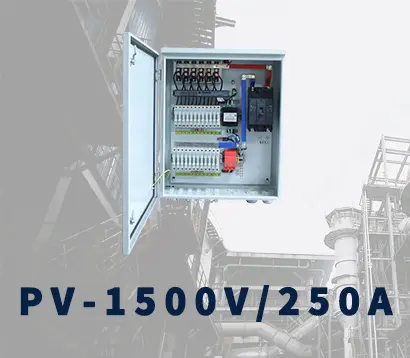
PV-1500V/250A
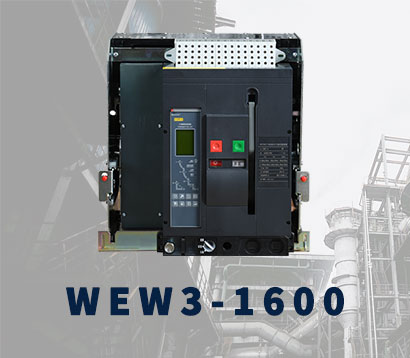
WEW3-1600
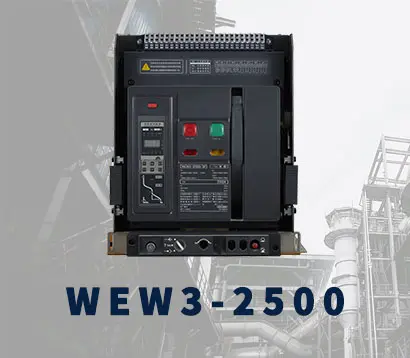
WEW3-2500
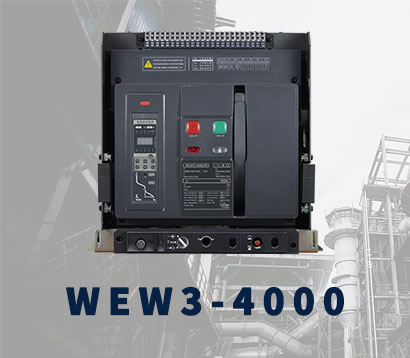
WEW3-4000
WEW3-7500